
What is the Android TV Box device on TV?
What is an Android TV Box on TV? A B2B Hardware Engineering Perspective
A critical engineering bottleneck faces system integrators deploying digital signage arrays, hospitality interactive television, or custom edge-computing systems: thermal-induced CPU throttling and uncontrolled OS-level updates. When a generic retail Android TV Box runs a resource-heavy application 24/7, its core junction temperature quickly spikes. Without industrial-grade thermal dissipation, the processor reduces its clock speed, leading to frame drops, UI lag, and eventually, system crashes. Furthermore, standard consumer firmware does not allow operators to disable automatic Google Play or system updates, which can unexpectedly break proprietary apps in the field.
To solve these challenges, B2B deployments must treat the Android TV Box not as a consumer accessory, but as a customizable, carrier-grade micro-computer designed for high-availability commercial environments.
1. Under the Hood: The Real Definition of a Commercial Android TV Box
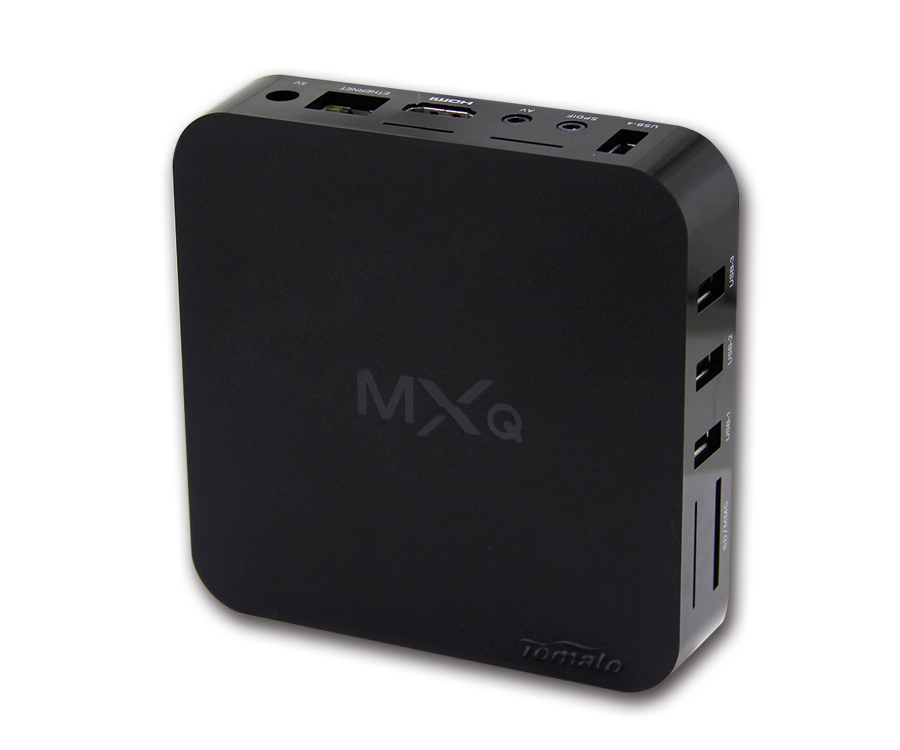
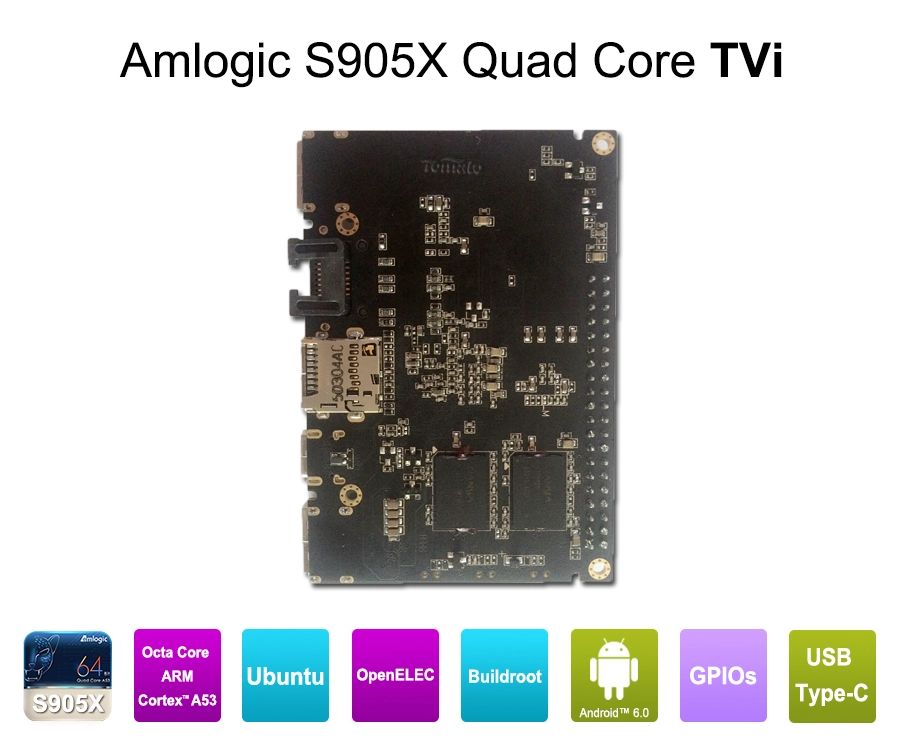
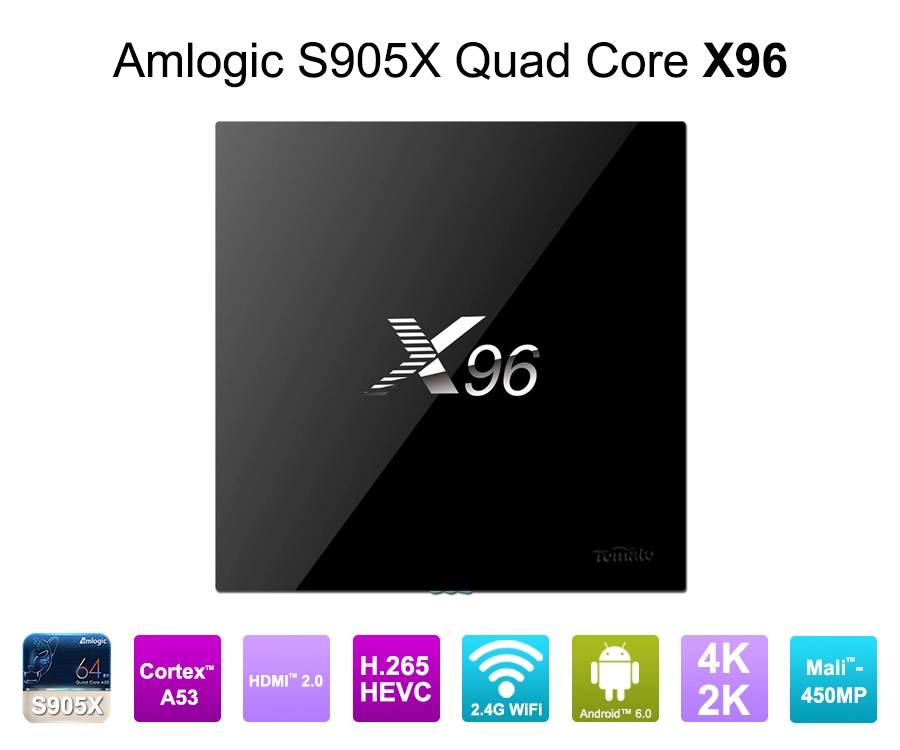
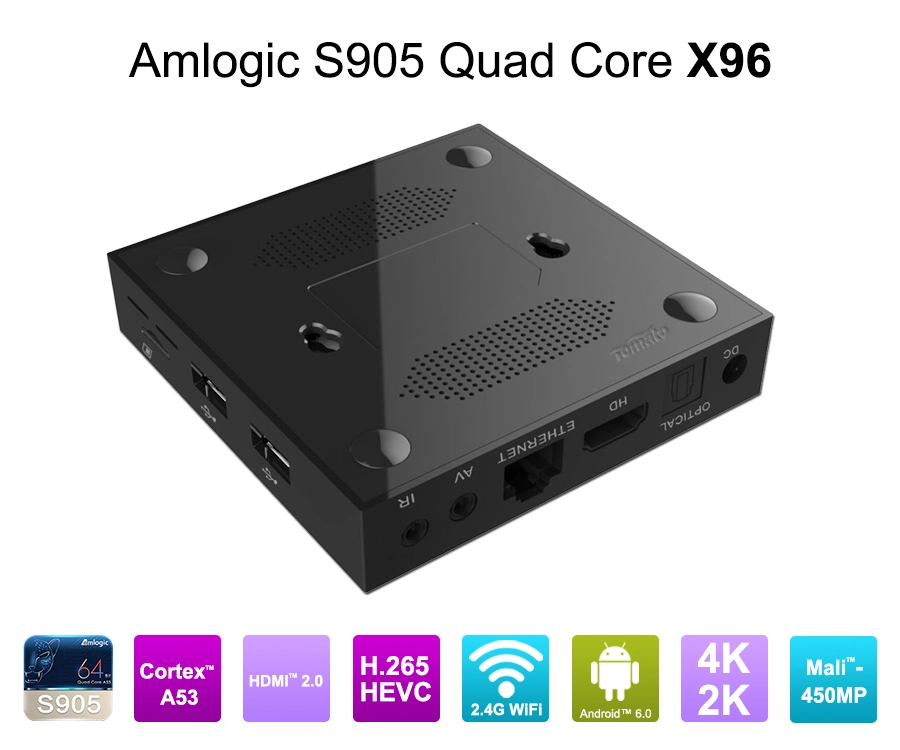
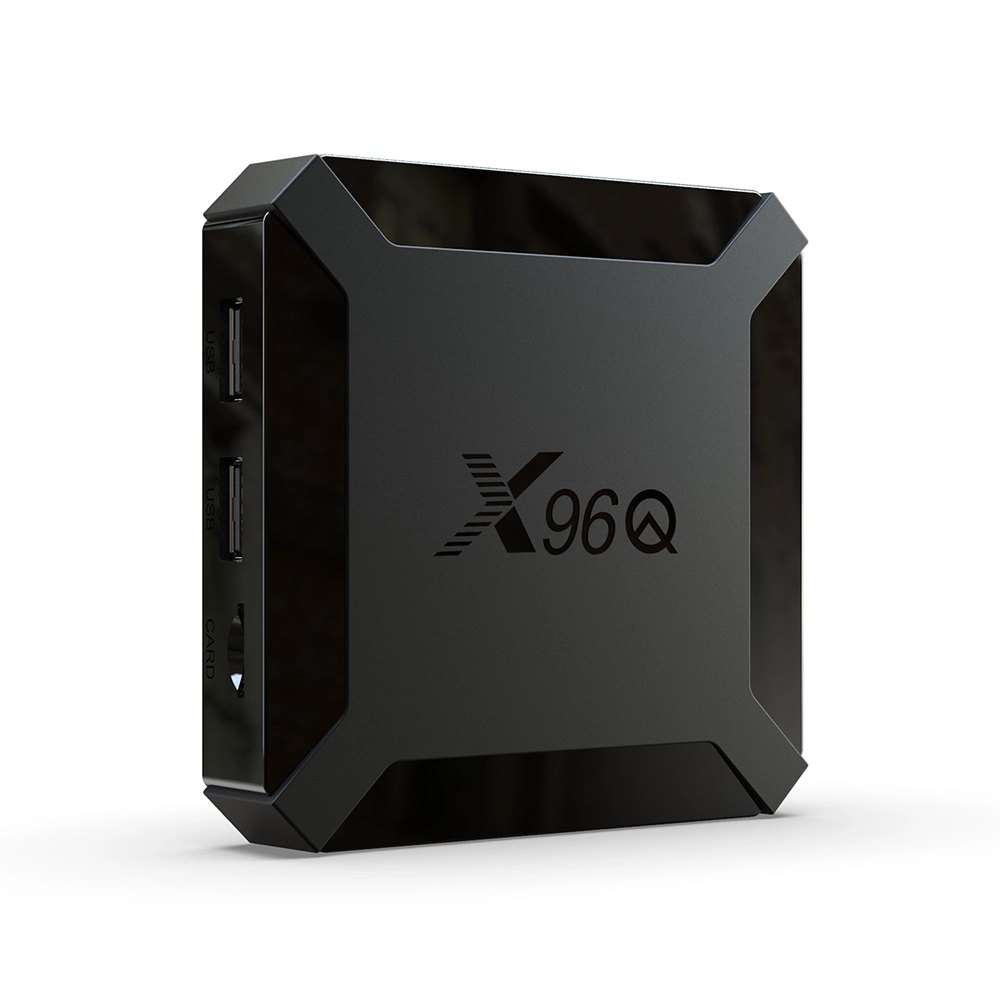
An Android TV Box is an ARM-based media computer that interfaces with a display via HDMI to execute the Android operating system (either AOSP or Google-certified Android TV). In a professional context, it functions as a highly flexible thin client capable of processing video, managing local databases, and running specialized application layers.
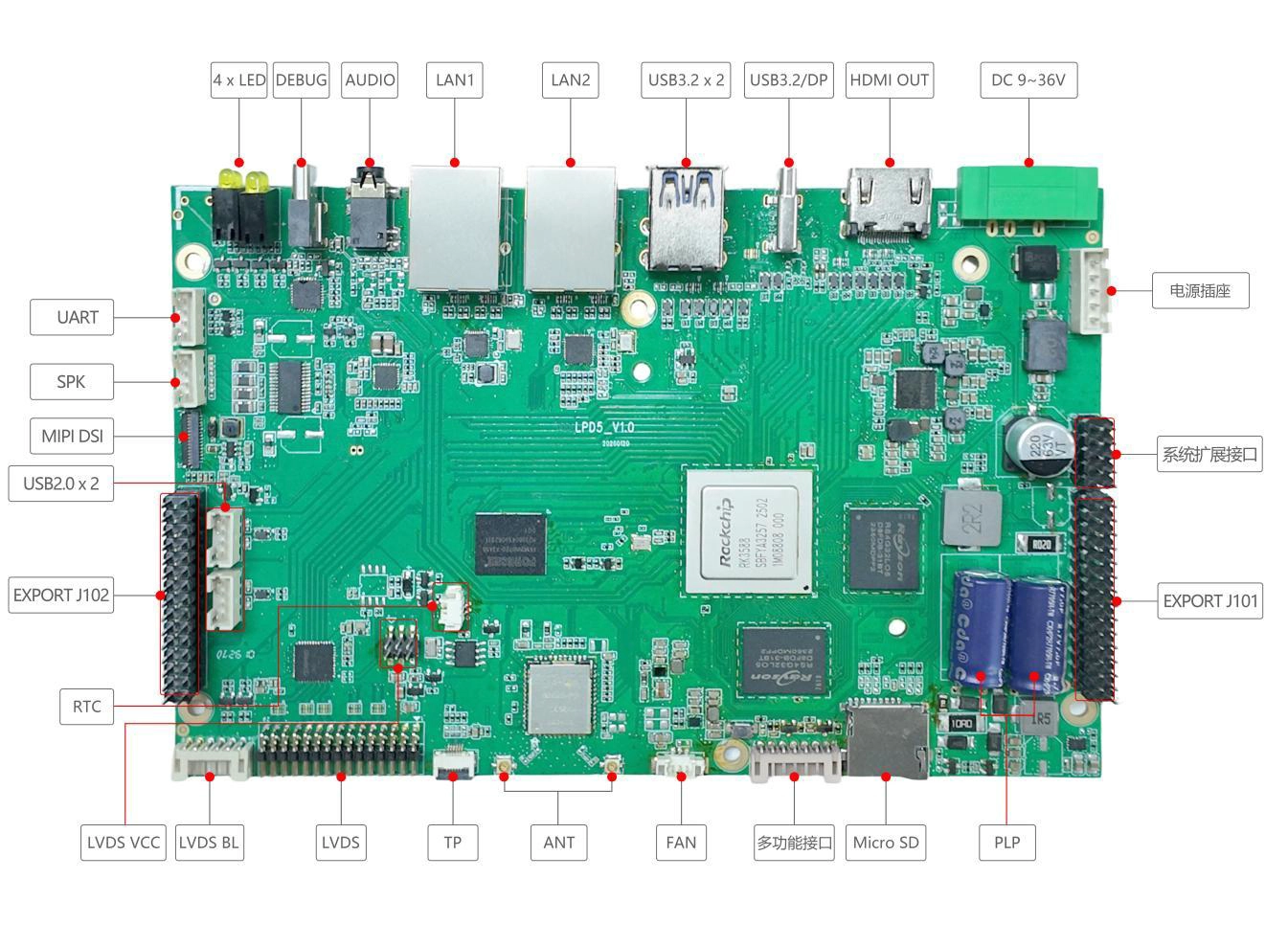
From an engineering perspective, the performance and reliability of the device are determined by three main physical subsystems:
-
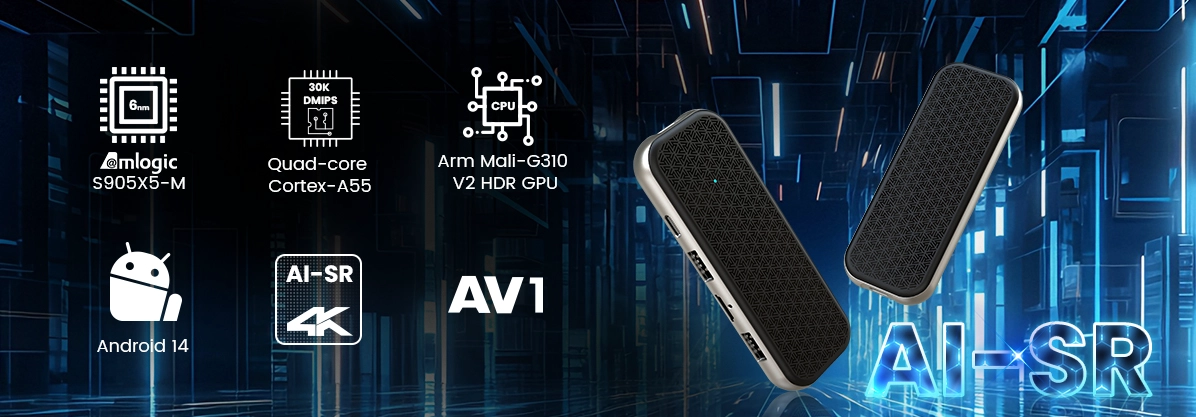
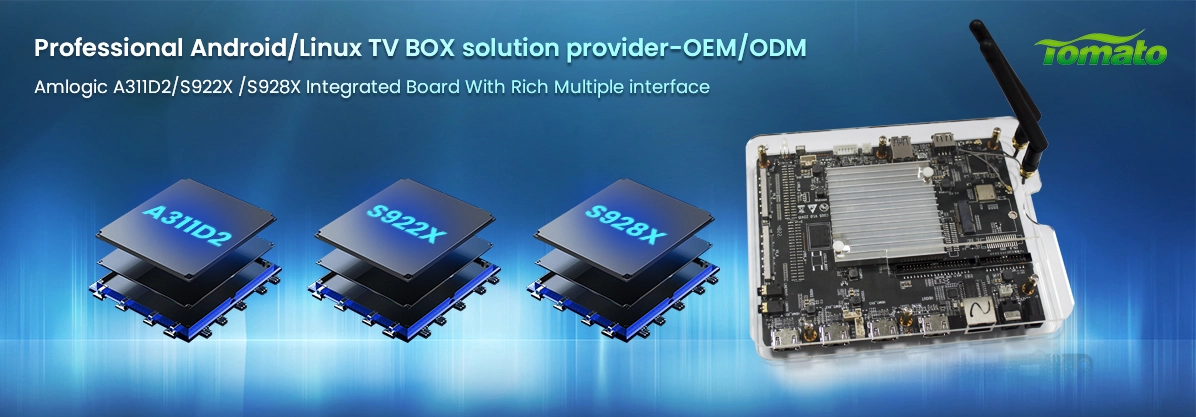
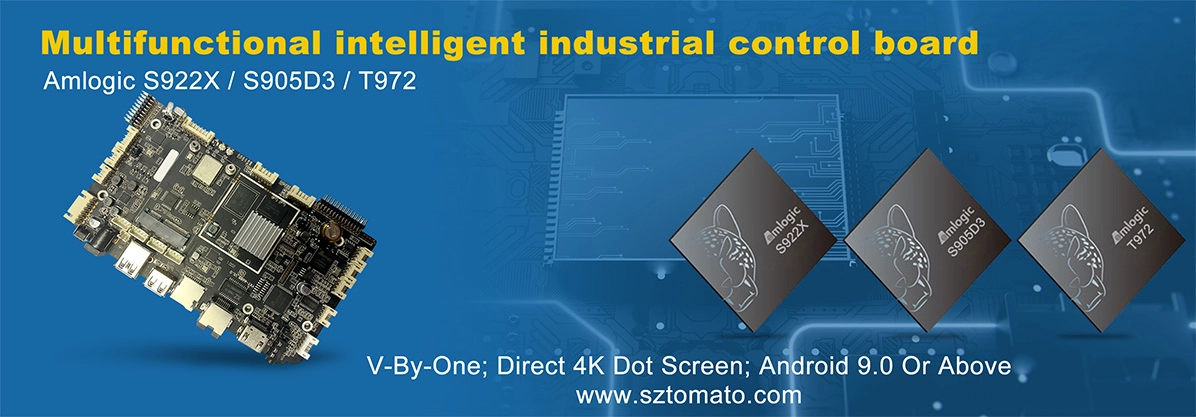
The System-on-Chip (SoC): Standard units utilize specialized ARM chipsets (such as the Amlogic S905X4, Amlogic S928X, or Rockchip RK3588). These chips integrate multi-core CPUs with high-performance GPUs and dedicated hardware video decoders (processing codecs like AV1, H.265/HEVC, and VP9 natively).
-
Storage and Memory Architectures: Enterprise units replace consumer-grade storage with industrial-grade eMMC 5.1 flash storage and high-speed LPDDR4 RAM to handle continuous write cycles and heavy caching demands without degradation.
-
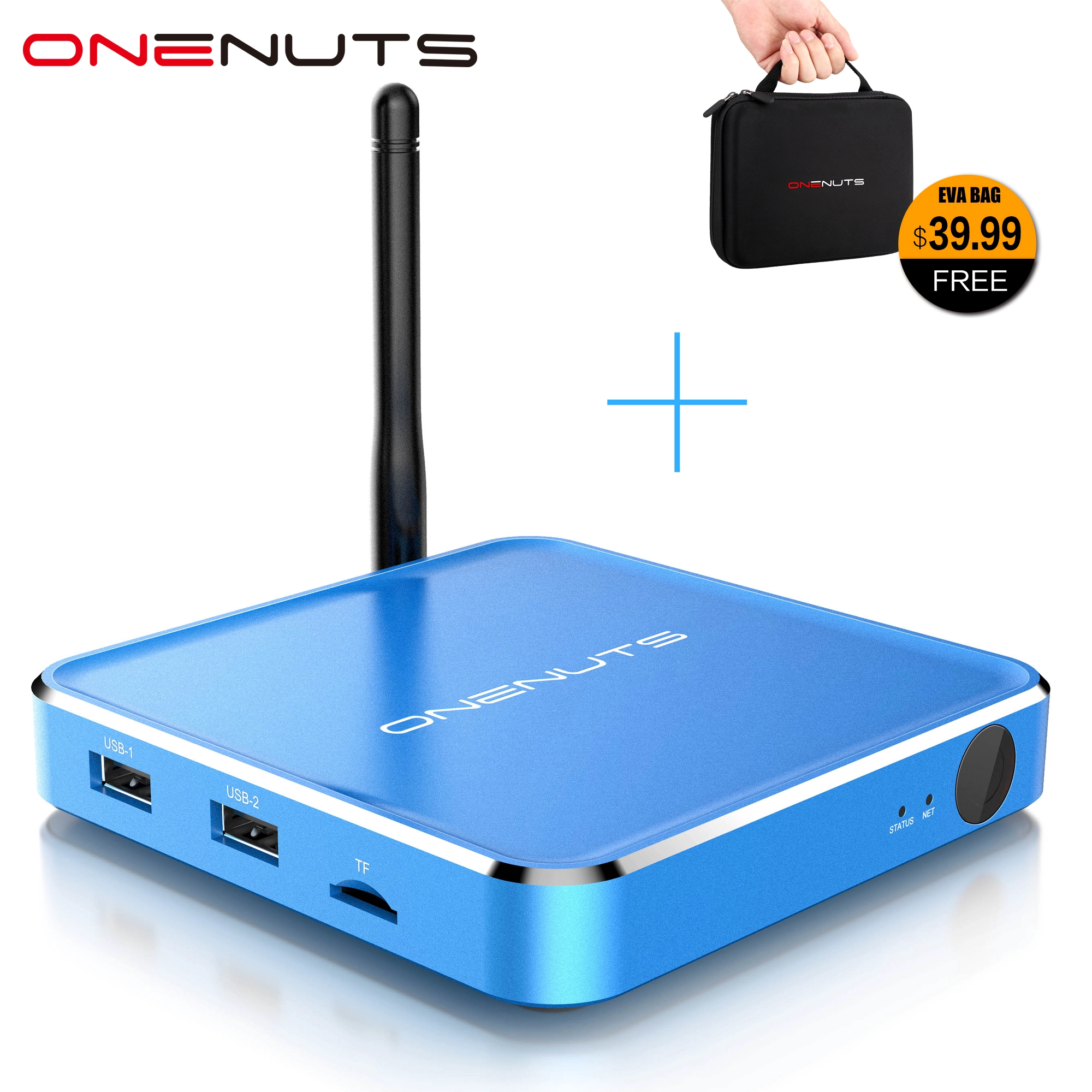
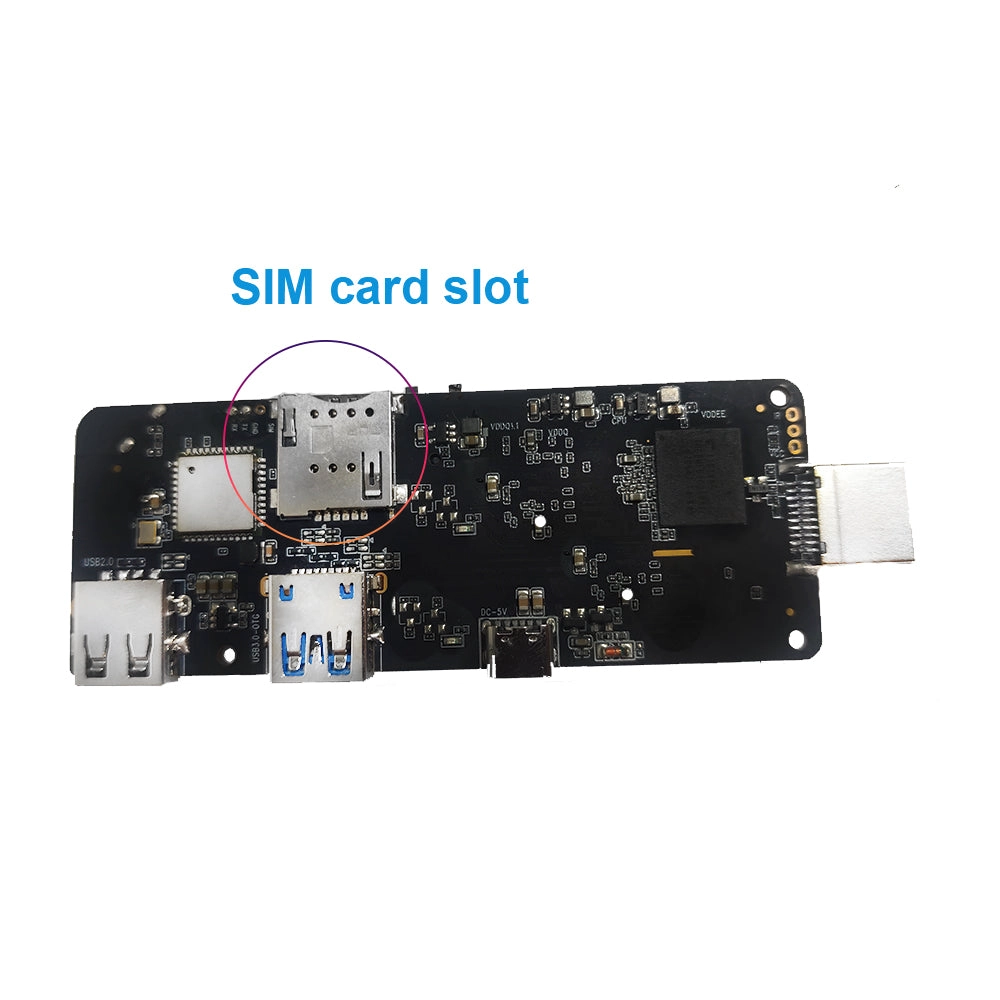
Input/Output (I/O) Integration: While retail boxes offer limited ports, commercial hardware requires customized physical interfaces, such as dual-band Wi-Fi antennas, Gigabit Ethernet (RJ45), custom GPIO lines, RS232 serial ports for display control, and optical audio (SPDIF).
2. Hardware Customization: Engineering for 24/7 Operational Environments
For industrial, hospitality, and digital signage applications, off-the-shelf consumer devices are a liability. True enterprise deployments require tailoring the physical board (PCBA) and housing to meet specific environmental demands.
Custom PCBA Layout and Modification
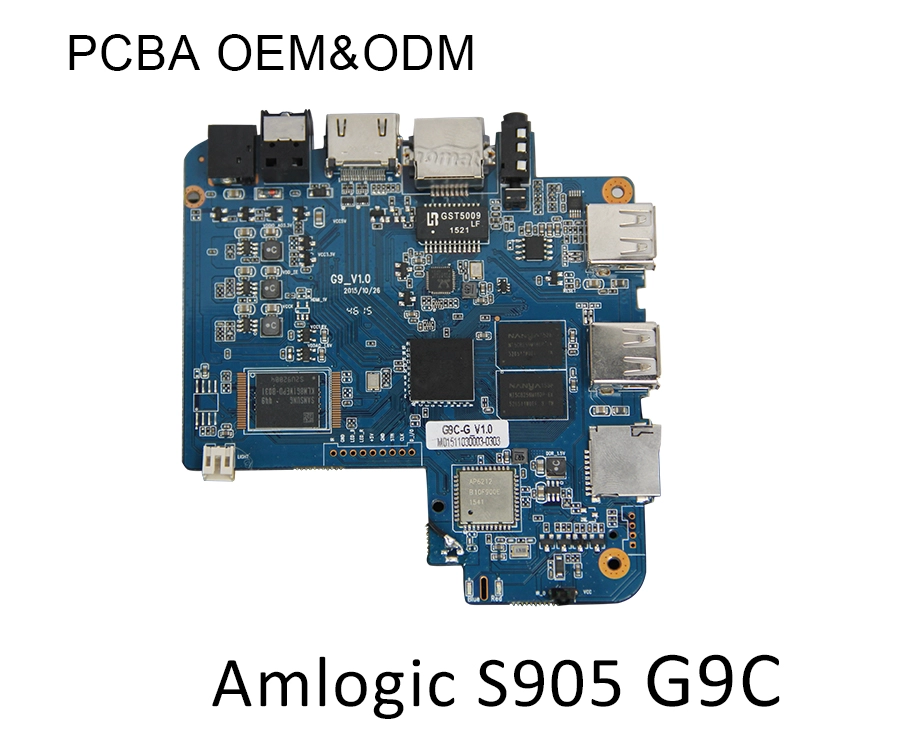
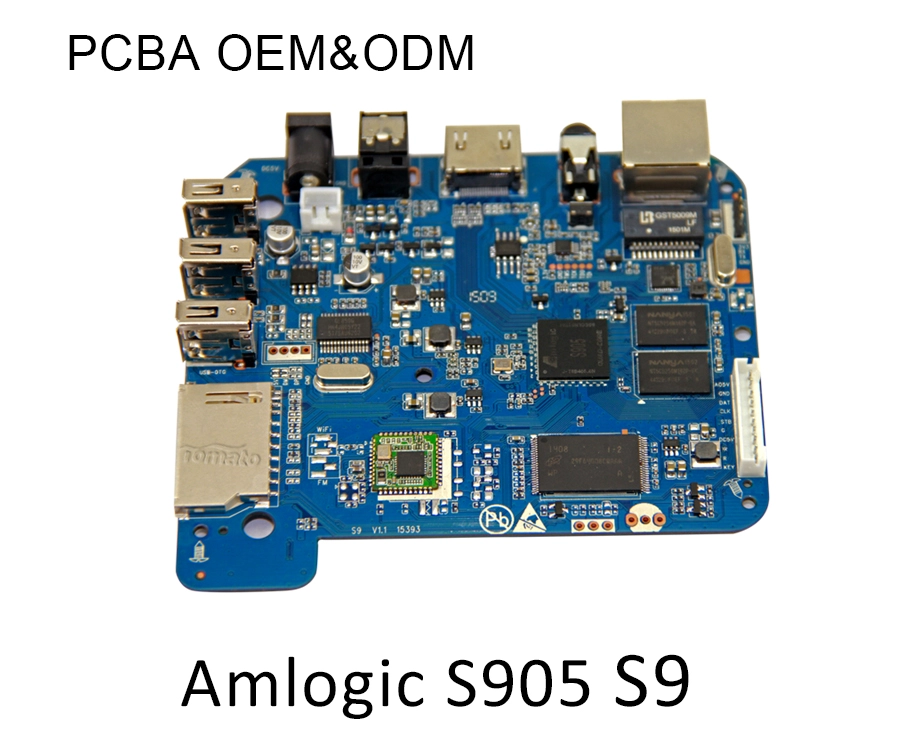
At the board level, commercial deployment requirements differ drastically from consumer use cases. Hardware customization at the PCBA level allows engineers to:
-
Integrate Power over Ethernet (PoE): Modify the power delivery circuit to receive both 802.3af/at power and data over a single Ethernet run, eliminating the need for AC outlets behind wall-mounted displays.
-
Implement Hardware Watchdog Timers: Add a dedicated physical IC to the board that automatically power-cycles the SoC if it detects an OS-level lockup or system hang, reducing on-site maintenance visits.
-
Modify Physical Form Factors: Redesign the board layout to fit ultra-thin enclosures, mount securely inside kiosks, or accommodate specific mounting brackets.
Advanced Thermal Engineering
When an Android TV Box is enclosed behind a commercial display or inside a metal kiosk, standard passive cooling is insufficient. Engineering a reliable device requires replacing thin, cheap aluminum foil sheets with oversized extruded aluminum heatsinks coupled with high-conductivity thermal pads (>3.0 W/m⋅K). This robust passive cooling design draws heat away from the SoC to the metal casing, ensuring the system runs at 100% duty cycle without throttling.
3. Firmware and Kernel Optimization: Taking Control of AOSP
A reliable hardware platform is only half the solution. System integrators require complete command over the operating system, which is impossible on closed consumer-grade firmware. Custom firmware development at the Android Open Source Project (AOSP) level provides this essential control.
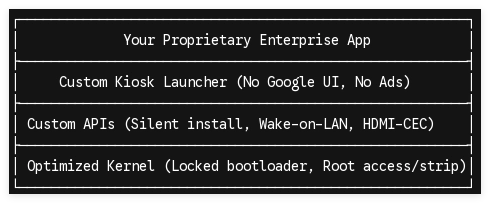
Deep Android Kernel Modification
By customizing the OS build at the kernel level, engineers can optimize the platform for specific commercial software configurations:
-
Kiosk Mode & Custom Boot Launchers: Lock the device to boot directly into a specific client application within seconds of receiving power, completely bypassing the standard Android home screen and preventing user tampering.
-
System Bar and UI Removal: Strip the system-level navigation bar, status bar, and volume overlays from the OS build to guarantee an uninterrupted full-screen display.
-
Driver & Peripheral Integration: Inject custom Linux-level kernel drivers to support touchscreens, USB cameras, barcode scanners, or specialized thermal printers.
-
HDMI-CEC Customization: Tailor the CEC protocol to send custom commands that turn connected commercial monitors on or off according to software schedules or power-state changes.
Secure Over-The-Air (OTA) Management
Instead of relying on public update servers, enterprise clients deploy custom Android TV Boxes configured with a Private OTA Update System. This allows the network administrator to test firmware updates on a staging group of devices and silently push the OS updates to thousands of deployed units globally—without requiring user interaction or on-screen confirmation prompts.
Leverage SZTomato’s OEM/ODM Engineering for Your Enterprise Deployments
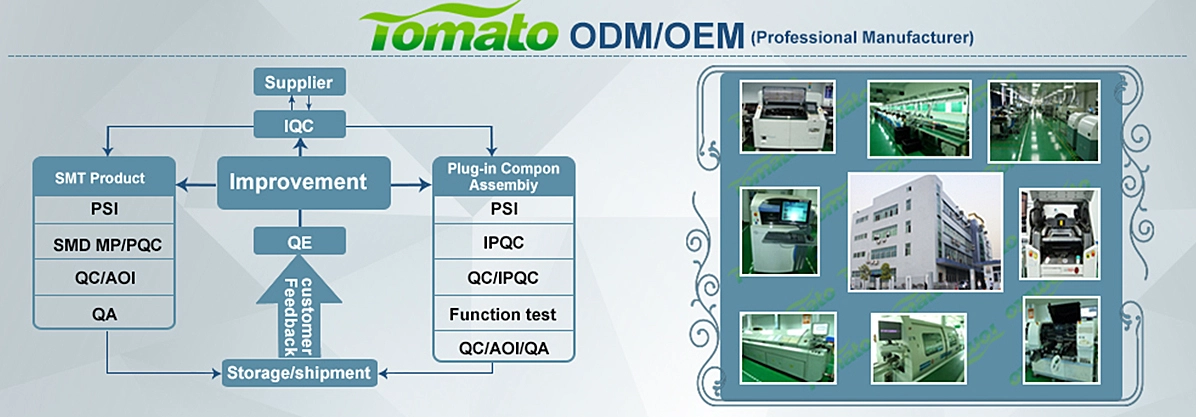
At Shenzhen Tomato Technology (SZTomato), we do not build generic consumer toys. For over 16 years, we have served as a trusted B2B partner for telecom operators, system integrators, and digital signage providers worldwide, delivering highly customized hardware platforms that survive and perform in real-world scenarios.
If your project requires robust, custom-engineered Android TV Boxes, we provide complete, full-stack development services:
-
PCBA Engineering: Customized board layouts, PoE integration, custom interfaces, and specialized form-factors.
-
Firmware Customization: Custom Android TV/AOSP SDK optimization, locked-down kiosk launchers, rooted or non-rooted customized builds, and private OTA server setups.
-
Industrial Enclosures: Specialized metal casings, heavy-duty passive cooling systems, and versatile mounting options.
Let us construct the perfect hardware and software foundation for your commercial application.
