
What is the Set-Top Box (STB) in IPTV?
What is the Set-Top Box (STB) in IPTV? A B2B Engineering and Customization Guide
The transition from legacy H.264/AVC compression to the royalty-free AV1 codec has fundamentally changed the hardware requirements for IPTV deployments. As streaming operators demand higher bandwidth efficiency without sacrificing visual fidelity, standard retail-grade set-top boxes are failing under the processing load. Modern IPTV Set-Top Boxes (STBs) are no longer just passive receivers; they are specialized edge-computing nodes that require tight integration between high-efficiency System-on-Chip (SoC) architectures, secure middleware, and carrier-grade firmware.
For system integrators, hospitality networks, and telecom operators, deploying a successful IPTV infrastructure depends entirely on how well the hardware is tailored to the software ecosystem.
1. The Core Architecture of an IPTV Set-Top Box
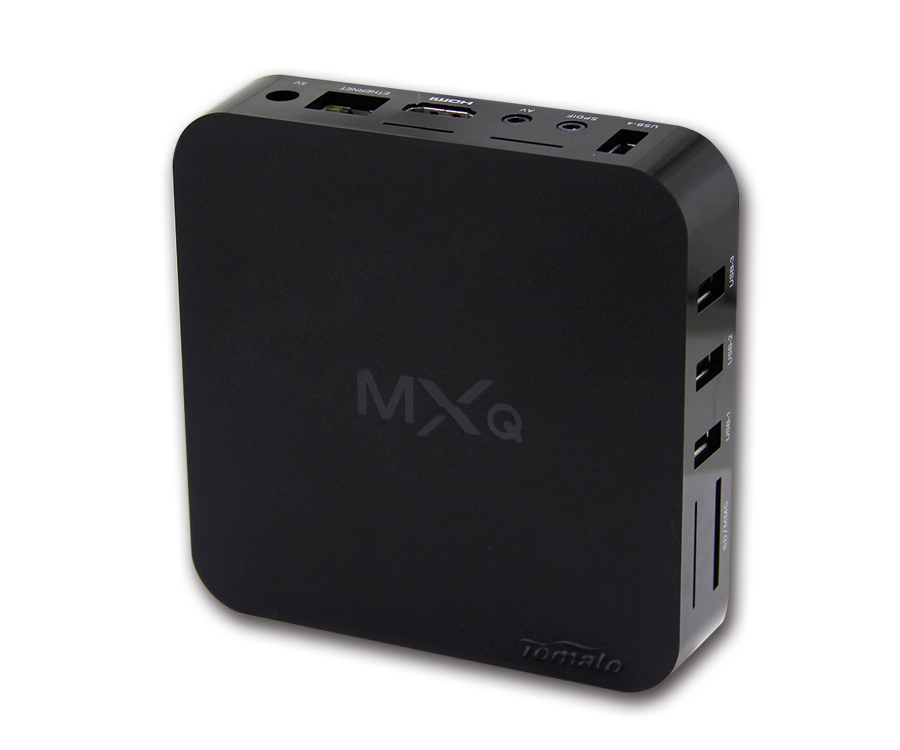
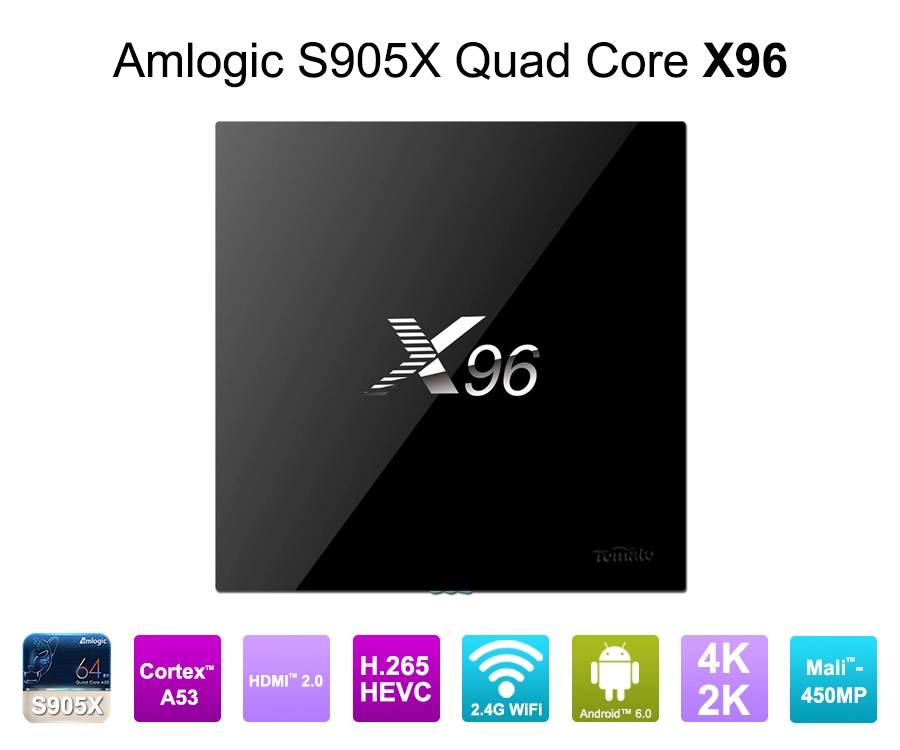
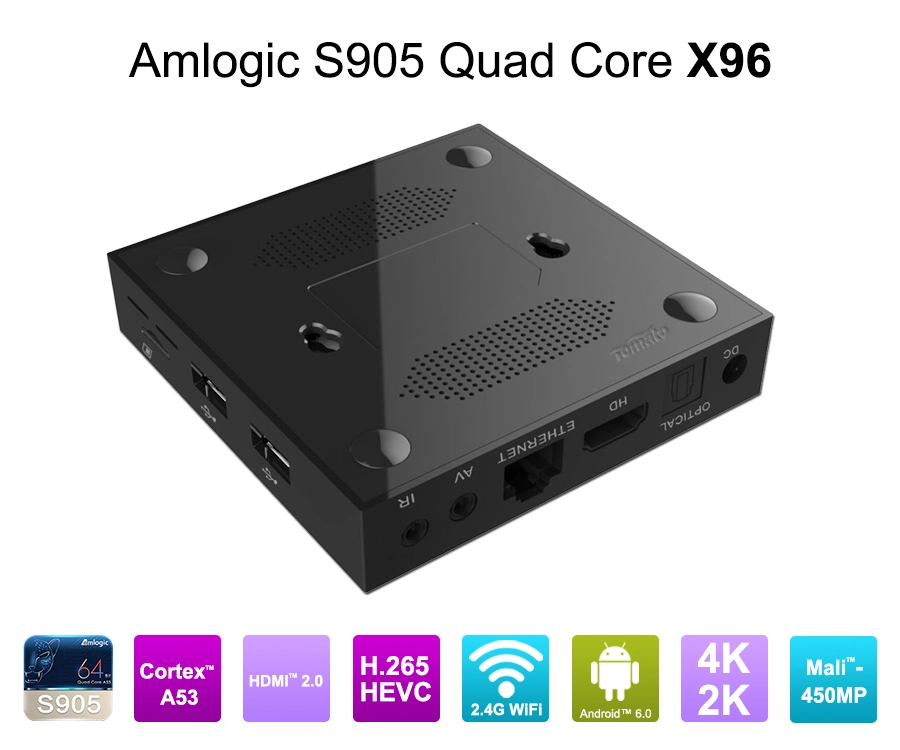
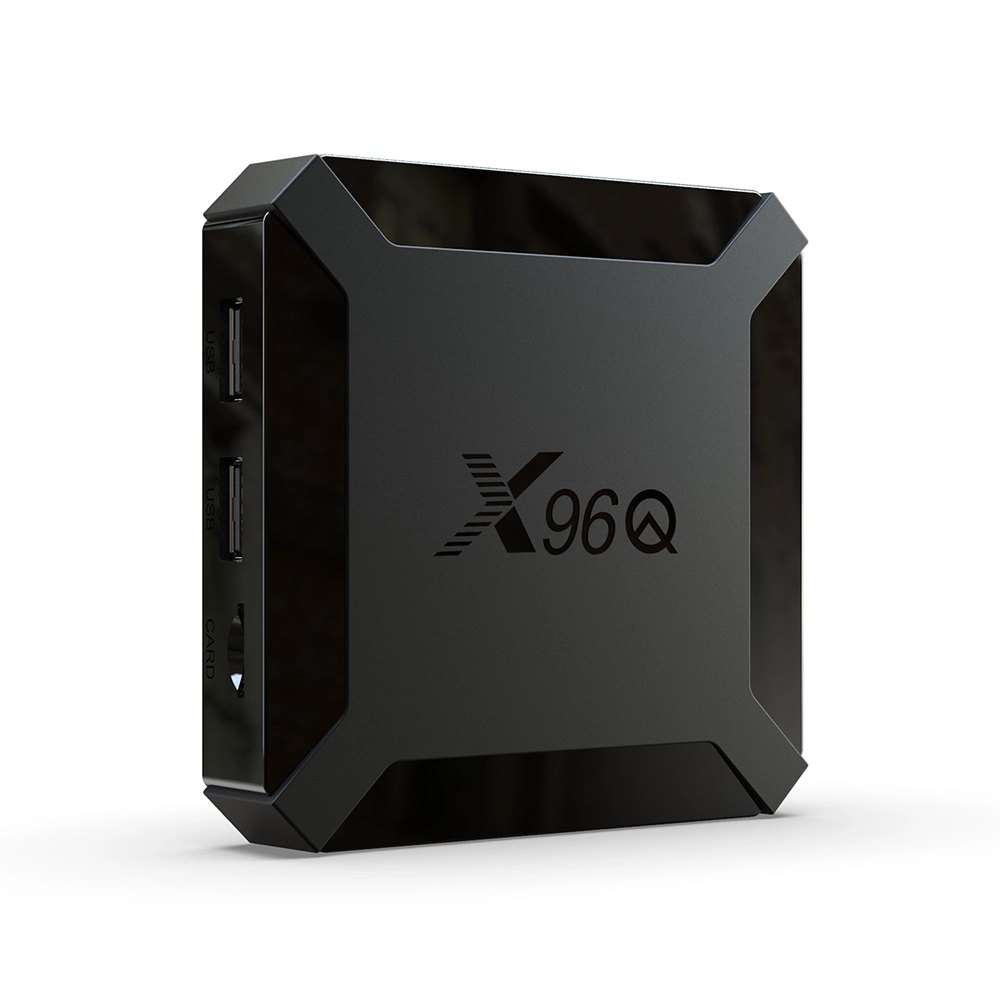
At its core, an IPTV Set-Top Box (STB) acts as the bridge between the IP multicast/unicast network and the end-user's display. Unlike traditional cable or satellite receivers, an IPTV Set-Top Box (STB) processes packetized video streams via IP protocols (such as HLS, RTSP, or UDP/RTP) and translates them into an uncompressed HDMI output.
This process requires a highly synchronized hardware and software stack:
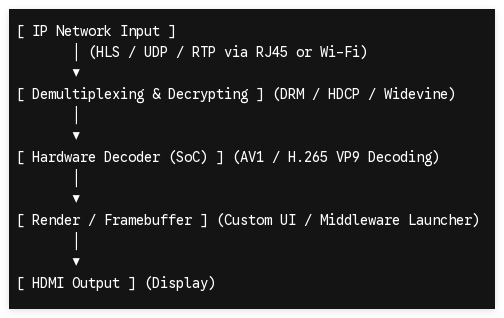
To deliver seamless, jitter-free video playback up to 4K @ 60fps, the Set-Top Box (STB) relies on three primary pillars:
-
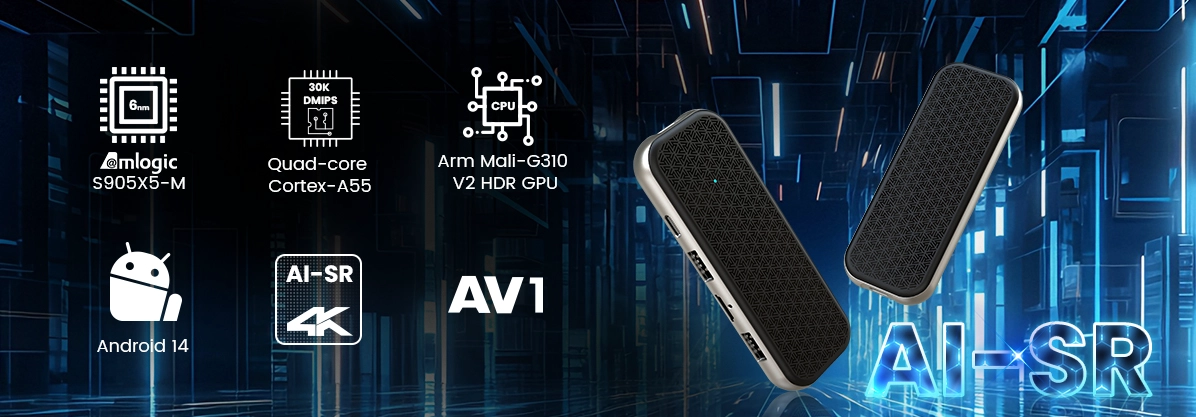
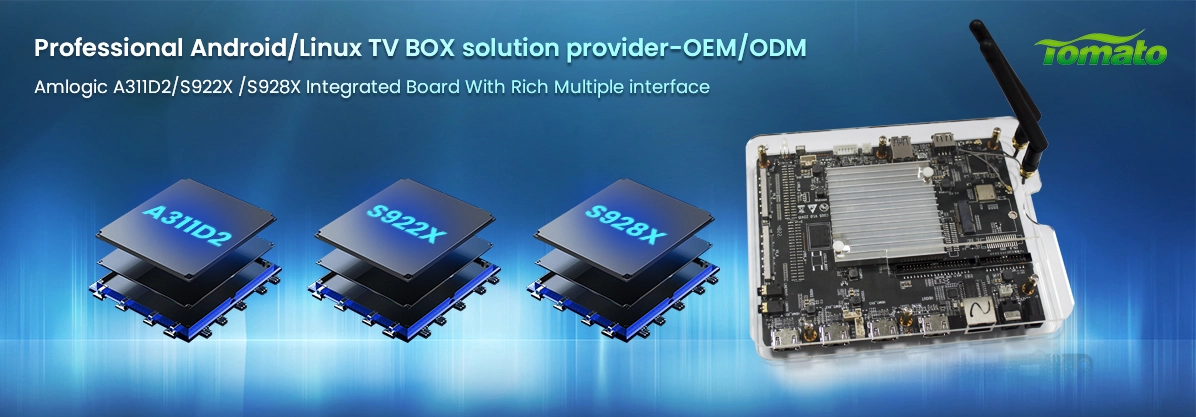
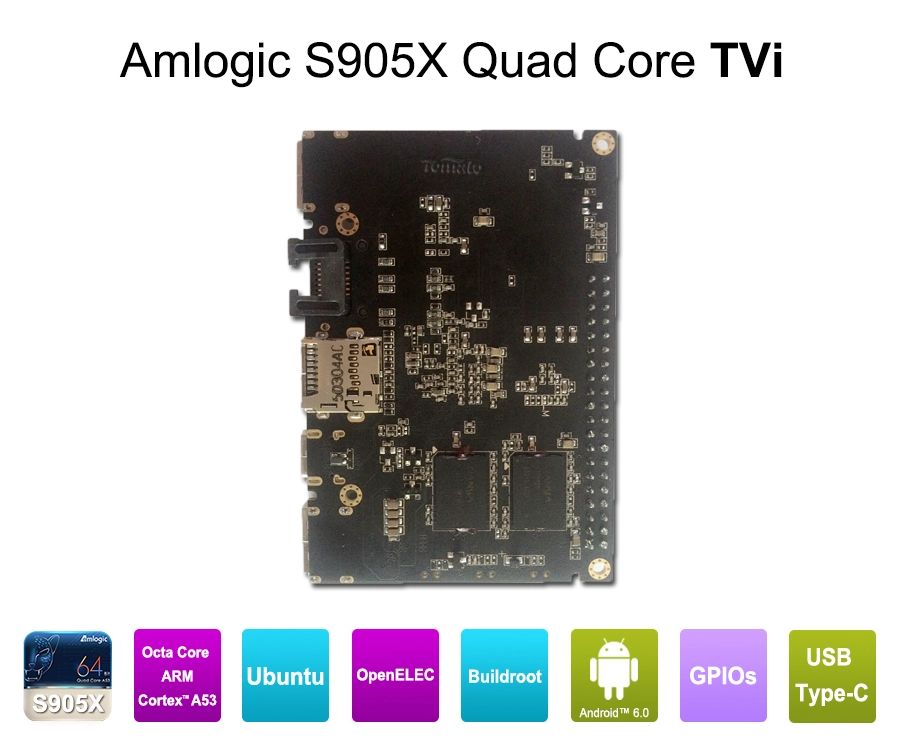
The SoC (System on Chip): High-performance application processors—such as the Amlogic S905X4 or S928X—integrate dedicated hardware decoders. This offloads the decoding process from the CPU, keeping power consumption and thermal output within operational limits.
-
The OS and Kernel Layer: Operating systems like Android Open Source Project (AOSP), Android TV, or Linux require deep kernel-level optimizations to prioritize video rendering pipelines and manage memory allocation efficiently.
-
Security & Digital Rights Management (DRM): Broadcasters require strict content protection. Commercial Set-Top Box (STB) must support hardware-based Widevine L1, PlayReady, and HDCP encryption to access high-definition and premium UHD streams.
2. Why Retail Hardware Fails Commercial IPTV Deployments
A common pitfall for B2B procurement teams is sourcing generic consumer-grade Android TV boxes to save on upfront costs. In commercial environments, this approach quickly leads to high failure rates, security vulnerabilities, and elevated maintenance costs.
| Operational Feature | Retail-Grade Android Boxes | Commercial OEM/ODM IPTV STBs |
| Boot Behavior | Standard launcher with consumer ads | Auto-boot to custom IPTV middleware / application |
| System Updates | Uncontrolled OTA updates that break apps | Private, controlled OTA servers with roll-back safety |
| Thermal Design | Passive, thin plastic housings (prone to throttling) | Custom heat-sinks and heavy-duty industrial enclosures |
| Peripherals | Standard USB and HDMI only | Custom GPIO, RS232, RJ45 with PoE, and optical audio |
| OS Security | Rooted/unsecured firmware (vulnerable to piracy) | Locked bootloader, signed firmware, and customized SDKs |
For commercial deployments, hardware must be treated as a blank canvas. This is where professional OEM/ODM engineering becomes essential.
3. Hardware Customization: From PCBA Design to Thermal Management
Commercial installations—whether in hotel guest rooms, hospital wards, or digital signage arrays—often operate 24/7 in enclosed spaces. Off-the-shelf boards are not designed for these harsh thermal profiles or specific physical mounting configurations.
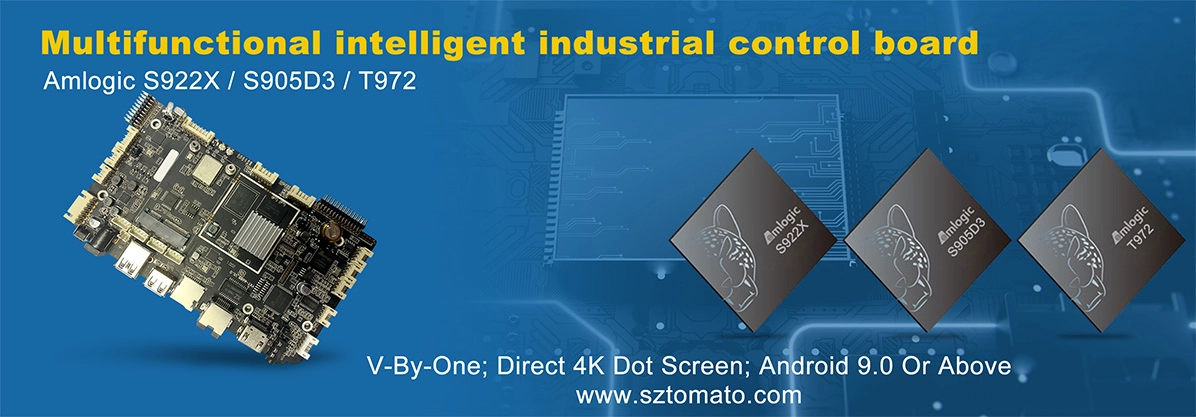
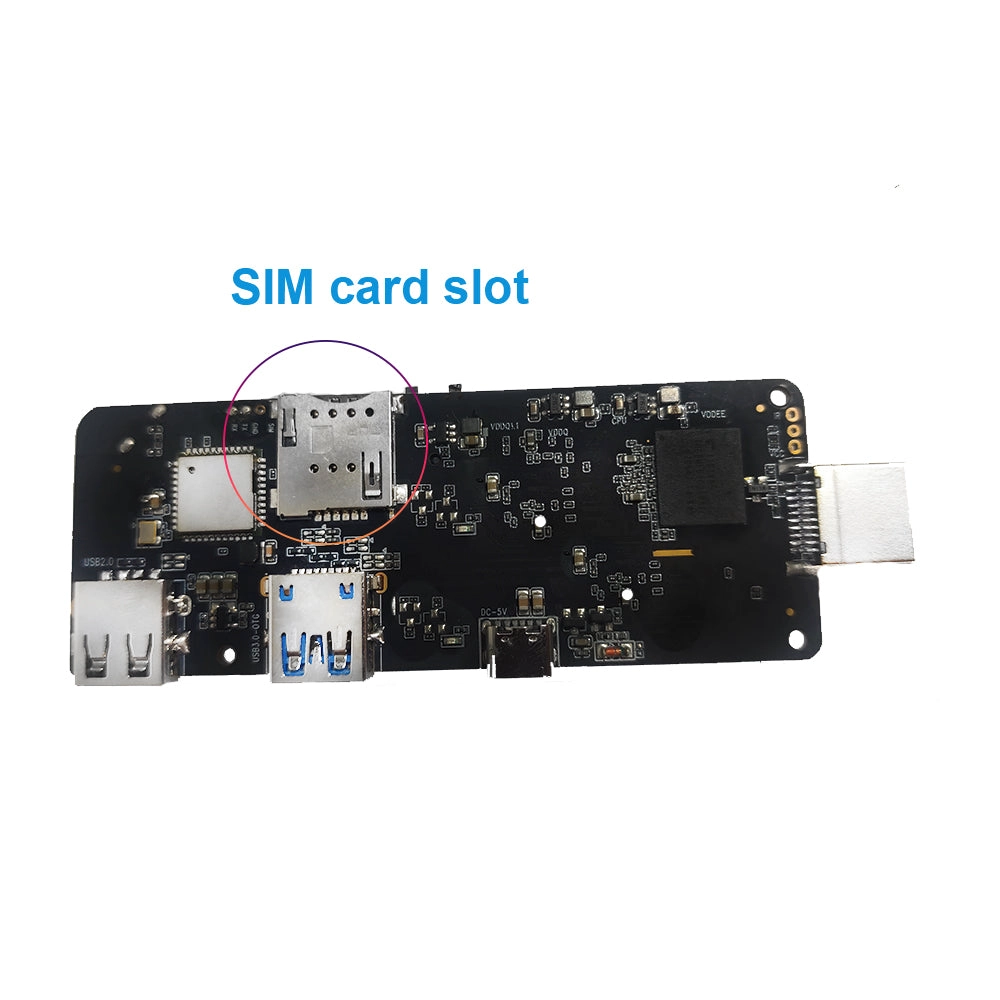
PCBA Layout & Hardware Modification
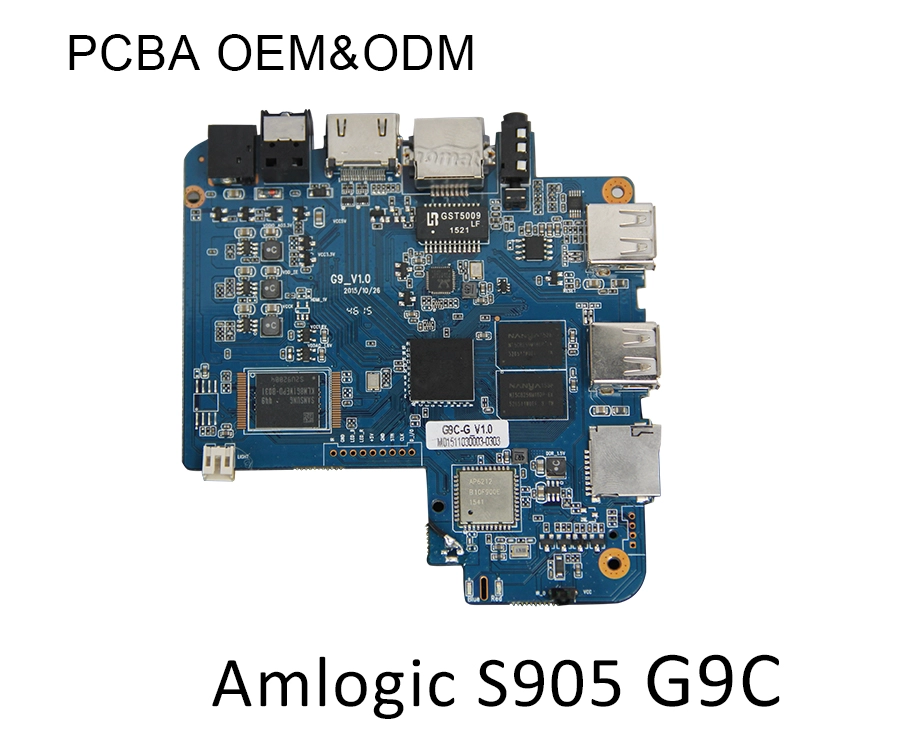
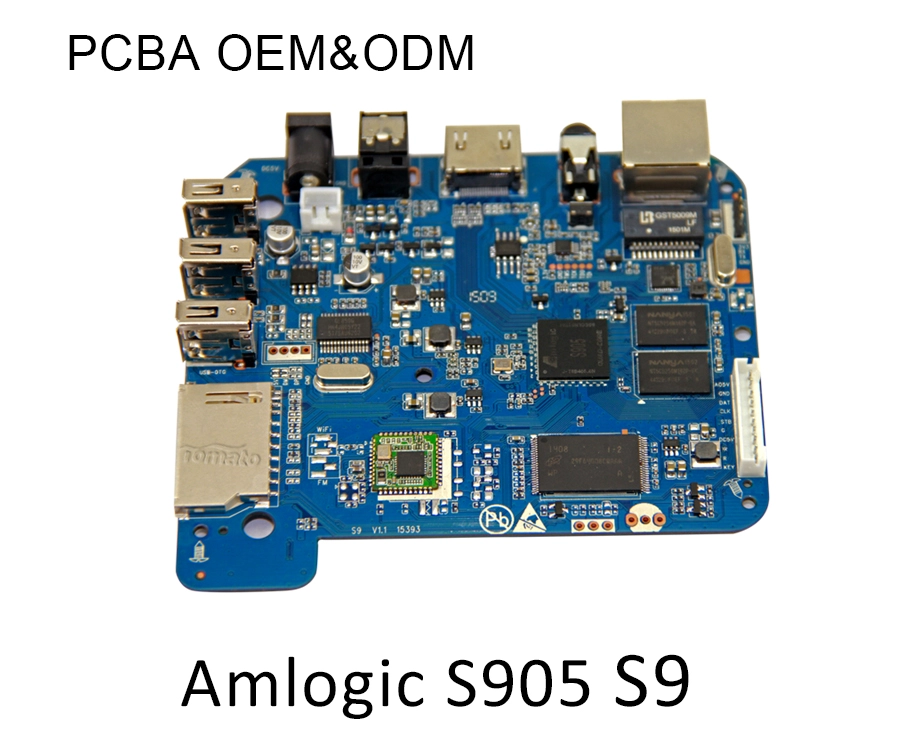
Industrial deployments frequently require hardware modification at the Printed Circuit Board Assembly (PCBA) level. Common physical adjustments include:
-
Power over Ethernet (PoE) Integration: Eliminating external power bricks by running both power and data through a single RJ45 Ethernet cable.
-
Peripherals & Custom Ports: Adding RS232 serial ports for legacy commercial display control, or external watchdog timers to automatically hard-reset the device if the OS freezes.
-
Component Selection: Opting for industrial-grade eMMC storage and DDR RAM that can withstand wide temperature fluctuations and frequent read/write cycles.
Advanced Thermal Engineering
Thermal throttling directly causes frame drops and sluggish UI navigation. Commercial-grade Set-Top Box (STB) design utilizes custom aluminum heat sinks, thermal pads matched to the SoC's TDP (Thermal Design Power), and ventilated enclosures that maximize natural convection. This ensures the CPU and GPU can run at peak clock speeds indefinitely without exceeding thermal limits.
4. Firmware-Level Customization: SDKs, APIs, and Custom UI
A robust physical box is only as good as the software running on it. For system integrators, control over the Android or Linux kernel is non-negotiable.
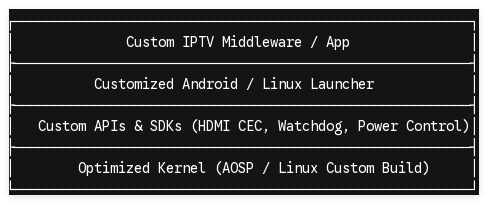
A truly commercial-ready IPTV Set-Top Box (STB) requires customization across multiple software layers:
Android TV/AOSP SDK Customization
By working directly with the SoC vendor's Software Development Kit (SDK), developers can customize the operating system image before compilation:
-
System Bar and Navigation Removal: Stripping out the status bar, navigation bar, and standard settings menus to prevent end-users from tampering with network or display settings.
-
HDMI CEC Control Customization: Customizing the HDMI Consumer Electronics Control protocol so that powering on the Set-Top Box (STB) automatically triggers the connected television to wake up and switch to the correct input.
-
Boot Animation & Branding: Hardcoding company logos, boot animations, and default backgrounds directly into the system partition (/system/media/bootanimation.zip).
Deep Kernel and API Integration
Operating-system-level stability requires custom API access. System integrators need APIs that allow their apps to interact directly with the hardware:
-
Silent App Installation & Recovery: Automatically pushing software updates silently in the background without requiring user confirmation.
-
Hardware Watchdog API: A background service that monitors the main IPTV application and automatically restarts it if it crashes or stops responding.
-
Private OTA (Over-The-Air) Update Servers: Directing the STB's system update client to point to a secure, private server owned by the operator, ensuring that OS-level updates are thoroughly tested before deployment.
Partner with SZTomato for Your Next Enterprise IPTV Deployment
Launching a successful, large-scale IPTV service requires hardware that is custom-tailored to your proprietary software and operational environments. Standard, off-the-shelf retail media boxes cannot deliver the reliability, security, or customization required for enterprise success.
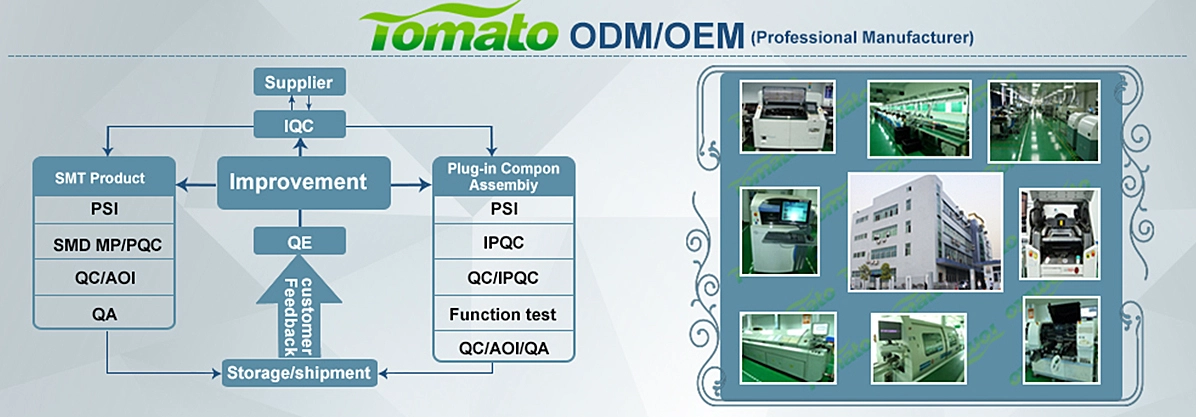
At Shenzhen Tomato Technology (SZTomato), we specialize in delivering production-ready, custom-engineered OEM/ODM IPTV Set-Top Boxes. With deep expertise in Amlogic, Rockchip, and Allwinner platforms, we provide full-stack customization services:
-
Custom PCBA design and hardware modifications (PoE, customized I/O, industrial casing).
-
Deep firmware and kernel optimization (SDK customization, custom launchers, secure APIs, private OTA integration).
-
Rigorous quality control and thermal validation for 24/7 continuous operation.
Let our engineering team build the precise hardware foundation your IPTV network demands.
Contact our B2B procurement team to discuss your custom IPTV Set-Top Box (STB) specifications
