
What is the lifespan of an Android TV Box?
Commercial AV Engineering: What is the Real Lifespan of an Android TV Box?
In enterprise digital signage networks, interactive quick-service restaurant (QSR) menu boards, and hospitality IPTV deployments, hardware longevity directly impacts profitability. While retail product evaluations focus on application licensing and remote control ergonomics, enterprise procurement architects must quantify hardware degradation under continuous operations. A premature deployment failure results in costly truck-rolls, labor overhead, and unscheduled downtime that breaches customer service level agreements (SLAs).
The operational lifespan of a commercial-grade media player fluctuates between 3 to 5 years, depending entirely on the component selection, system-level thermal design, and storage write configurations. Understanding the precise semiconductor failure points allows systems integrators to specify hardware that achieves maximum operational longevity.
1. The Core Failure Vectors: Why Commercial Hardware Degrades
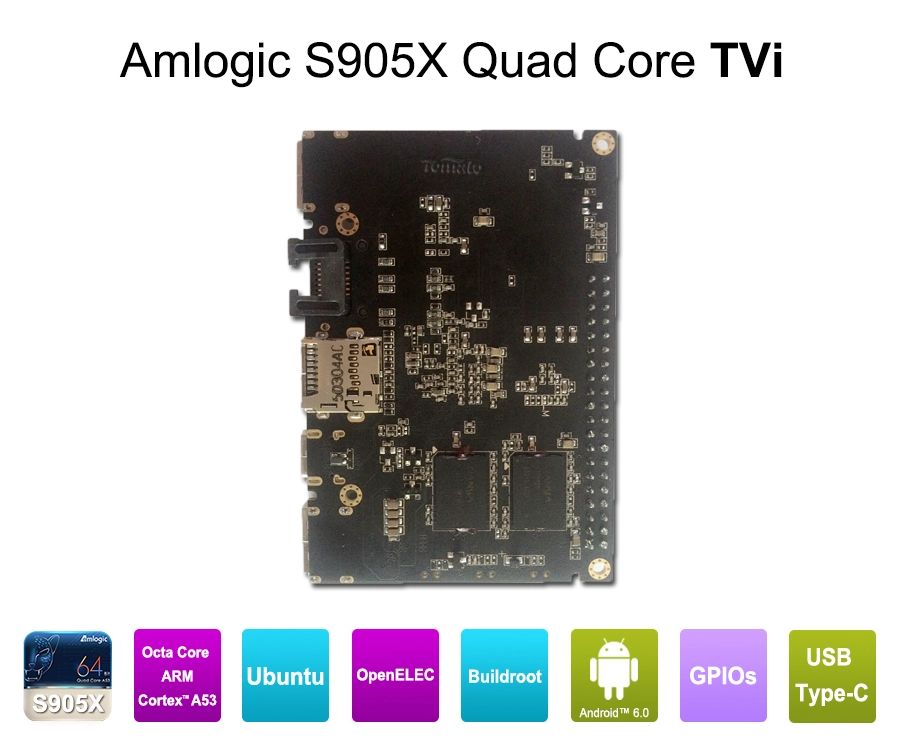
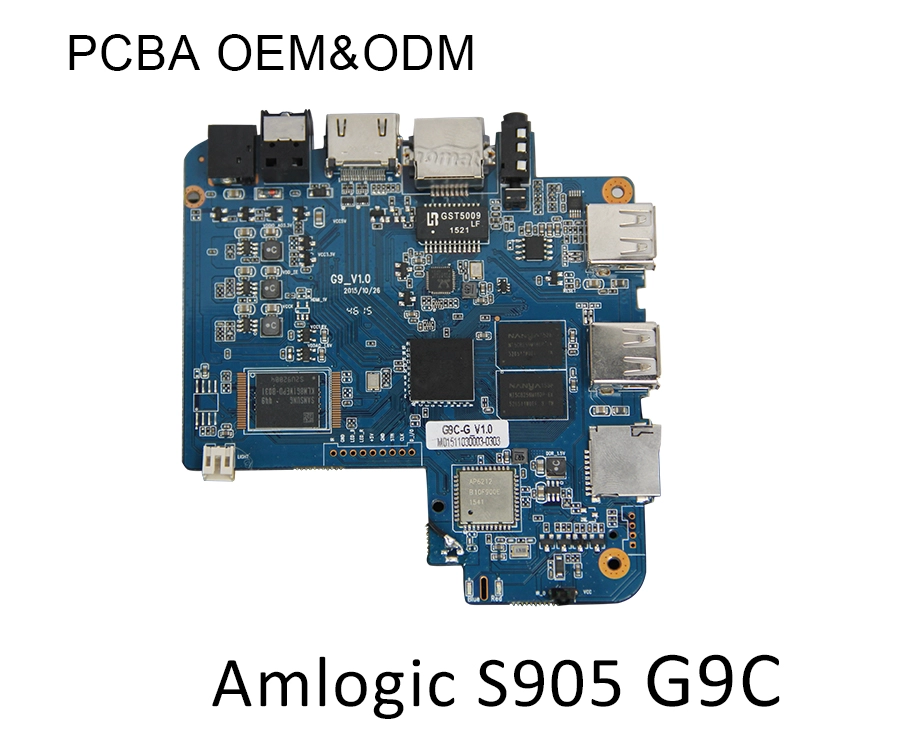
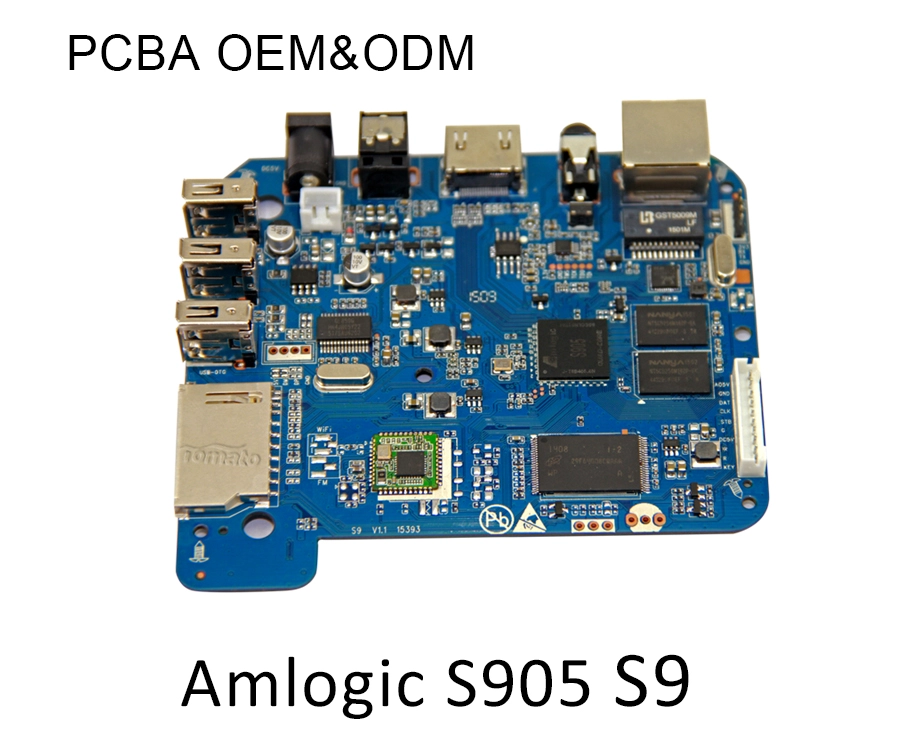
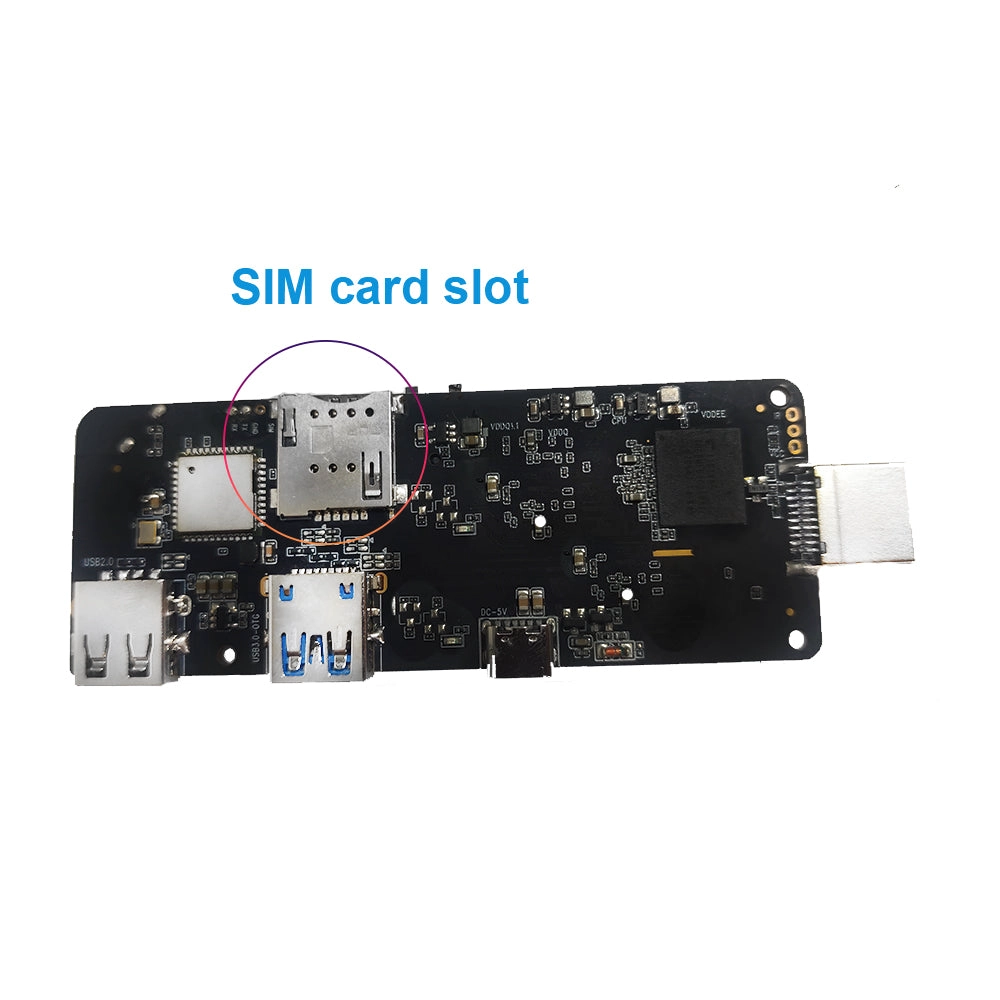
Determining the longevity of a media player requires an examination of the internal printed circuit board assembly (PCBA) and its performance under continuous stress. Hardware failure rarely stems from a single catastrophic event; rather, it is the result of progressive degradation across two main components.
Flash Storage Exhaustion (eMMC P/E Cycles)
The storage architecture of a standard media player relies on Embedded MultiMediaCard (eMMC) NAND flash memory. Every time the operating system writes data—such as logging analytics, caching video streams, or updating local content databases—it consumes Program/Erase (P/E) cycles.
-
The Problem: Standard consumer-grade eMMC flash utilizing Triple-Level Cell (TLC) NAND often supports only 500 to 1,000 P/E cycles. Under continuous read/write cycles from poorly optimized digital signage software, the storage blocks degrade, leading to file corruption, kernel panics, or a complete failure to boot.
-
The B2B Metric: Industrial deployments should demand eMMC utilizing Multi-Level Cell (MLC) or Pseudo-SLC (pSLC) configurations, which extend the write threshold to 3,000 to 30,000 P/E cycles, effectively ensuring the storage layer outlasts the display panel itself.
Power Management Unit (PMU) and Capacitor Fatigue
The Power Management Integrated Circuit (PMIC) regulates voltage steps down from the primary DC input to the sensitive rails feeding the CPU, RAM, and wireless chipsets.
-
The Problem: Continuous exposure to elevated internal case temperatures degrades the dielectric material within the decoupling capacitors surrounding the PMU. As capacitance drops, voltage ripple increases, introducing system instability, random reboots, and ultimate semiconductor breakdown.
2. Technical Framework: Benchmarking Component Lifespans
To evaluate a hardware vendor's reliability, procurement teams should analyze the Mean Time Between Failures (MTBF) and component specifications across different hardware tiers:
Hardware Component Consumer Tier Box Commercial Upgrade Tier Industrial Custom Tier Storage Type eMMC 5.1 (TLC NAND) eMMC 5.1 (MLC Grade) eMMC / UFS (pSLC Mode) Write Endurance ~500 P/E Cycles ~3,000 P/E Cycles Up to 30,000 P/E Cycles Capacitor Rating Standard (85°C Rated) Solid-State (105°C Rated) Industrial-Grade Tantalum Cooling Architecture Small internal metal plate Oversized passive heatsink Aluminum alloy chassis thermal coupling Expected Lifespan (24/7) 12 to 18 Months 36 to 48 Months 60+ Months (5+ Years)
3. Firmware and Hardware Optimizations to Extend Fleet Longevity
Extending the deployment lifecycle of your fleet requires implementing specific architectural changes at both the hardware component and Android kernel levels during the procurement process.
Implementing Firmware-Level Wear Leveling
To protect the flash memory layer, firmware must be modified to minimize storage writes.
-
Flash Optimization: Implement a customized Android OS build that shifts standard system logs (logcat) and temporary app caches entirely into volatile memory (RAM disk). By forcing the operating system to maintain runtime logs in temporary storage rather than constantly executing write operations to the physical NAND flash, you reduce eMMC degradation by up to 75%.
-
Static Wear-Leveling: Ensure the flash controller firmware utilizes static wear-leveling algorithms. This process moves stagnant, seldom-changed data (like the boot image) to worn blocks, freeing up fresher blocks for the active data cycles required by incoming streaming media.
Eliminating Moving Parts via Passive Thermal Management
Active cooling fans are a common point of mechanical failure in dusty industrial environments or enclosed kiosks. When a cooling fan seizes, the System-on-Chip (SoC) experiences thermal throttling, followed by accelerated degradation from localized heat pockets.
-
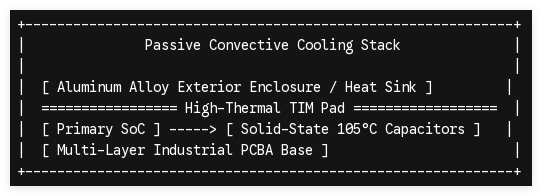
The Engineering Solution: Specify a fanless design featuring a direct thermal interface material (TIM) pad that bridges the primary SoC (such as an Amlogic or Rockchip processor) directly to an aluminum alloy exterior casing. This turns the entire chassis of the device into a passive convective heat sink, maintaining junction temperatures below 60°C under full multi-layer video rendering loads.
Secure a Future-Proof Hardware Infrastructure
Maximizing the operational lifespan of your media network requires moving beyond off-the-shelf commercial hardware. By selecting components with industrial storage architectures, robust thermal paths, and customized OS structures, you can ensure your hardware deployment stays online for years to come.
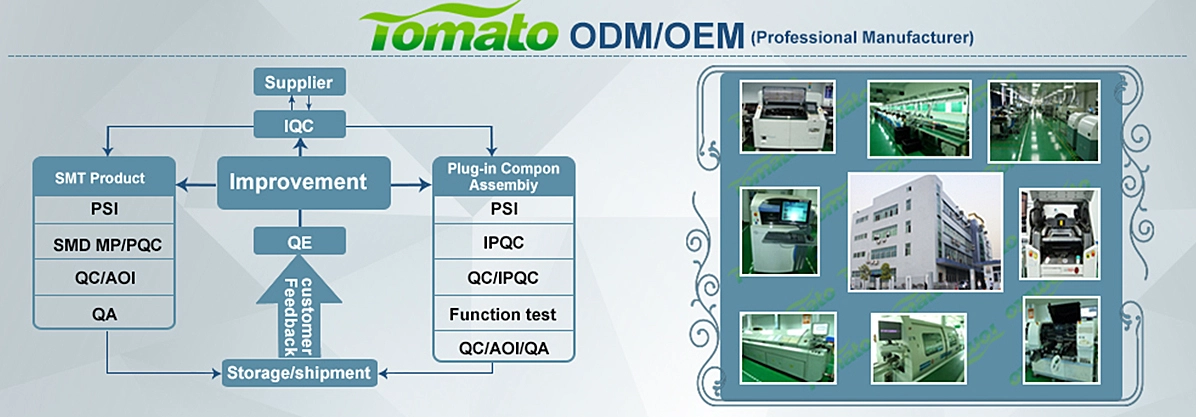
Our engineering team specializes in deep OEM/ODM customizations—including specialized firmware development, custom PCBA design, and component-level hardening—tailored to meet demanding enterprise deployment requirements.
Ready to discuss an industrial-grade media player strategy?
