
What's the best OTT TV Box?
Enterprise Video Architecture: What Infrastructure Validates the Best OTT TV Box?
Telecom operators, content aggregators, and hospitality networks face a fractured ecosystem when selecting hardware for large-scale video streaming services. While the consumer market measures a media player by its retail packaging and brand ecosystem, enterprise procurement architects must focus on transport protocols, decoding efficiency, and digital rights management (DRM) licensing.
The industry is undergoing a structural shift driven by the mandatory adoption of advanced video codecs like AV1 and the tightening of security compliance by premium content providers. Selecting the ideal hardware architecture requires evaluating raw silicon capability, kernel-level DRM integrations, and the depth of operating system customization permitted by the board manufacturer.
1. Silicon Evaluation: Amlogic vs. Rockchip in Operator-Tier Topologies
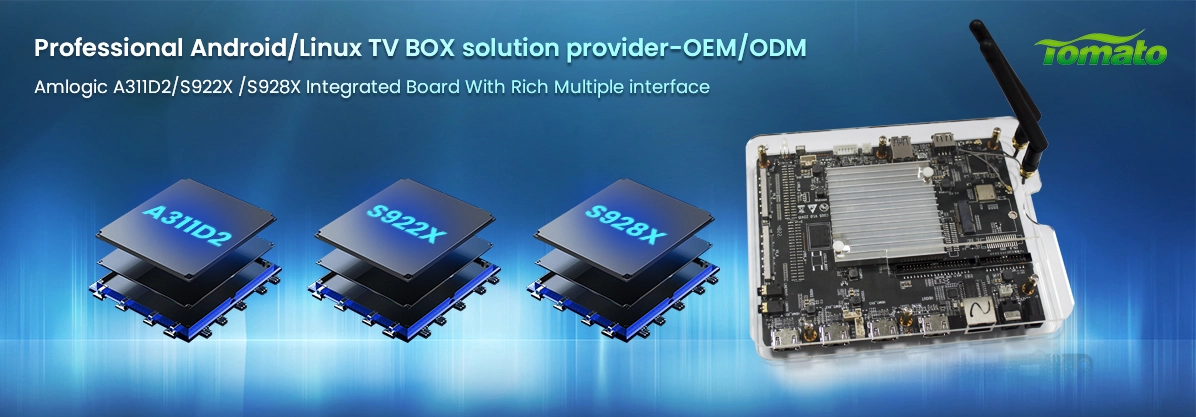
The foundation of any commercial deployment is the System-on-Chip (SoC). The SoC dictates processing margins, thermal profiles, and hardware-accelerated decoding pipelines. In the B2B ecosystem, two silicon providers dominate custom board engineering: Amlogic and Rockchip.
Amlogic: The Standard for Operator and Streaming Applications
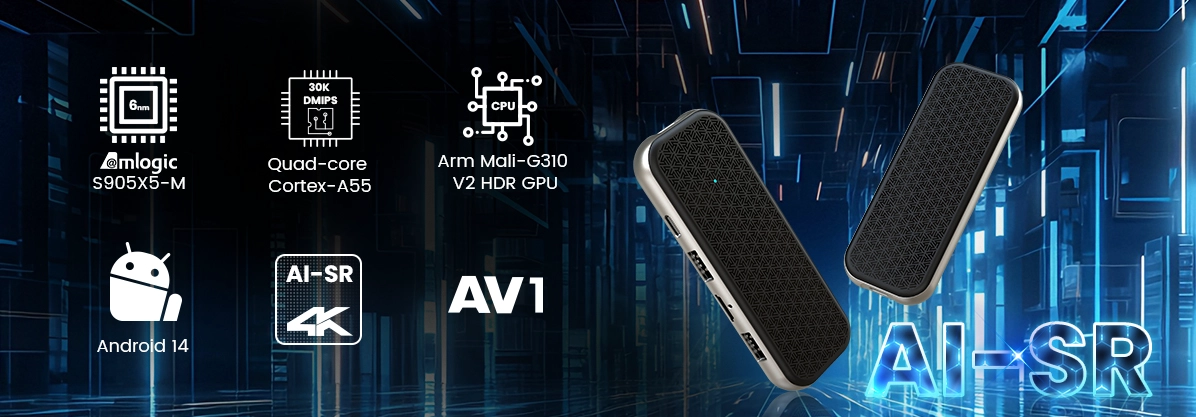
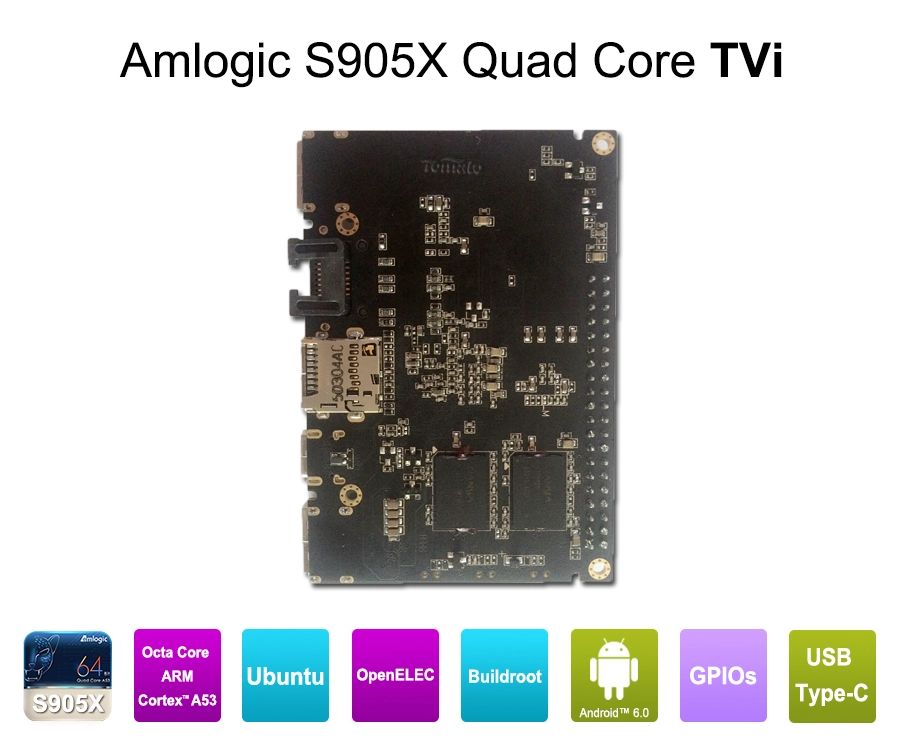
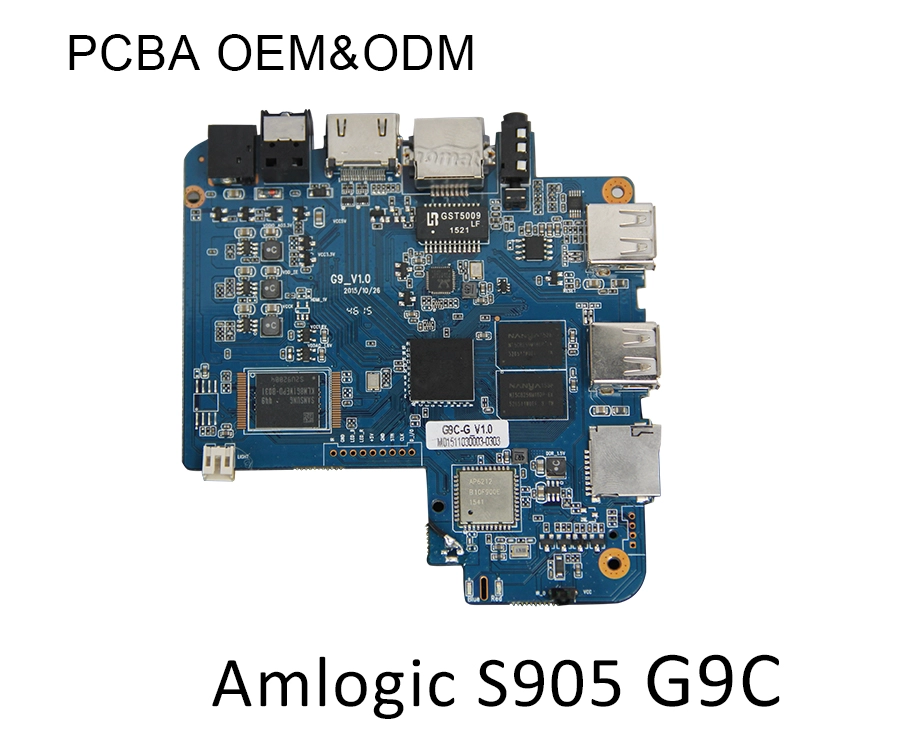
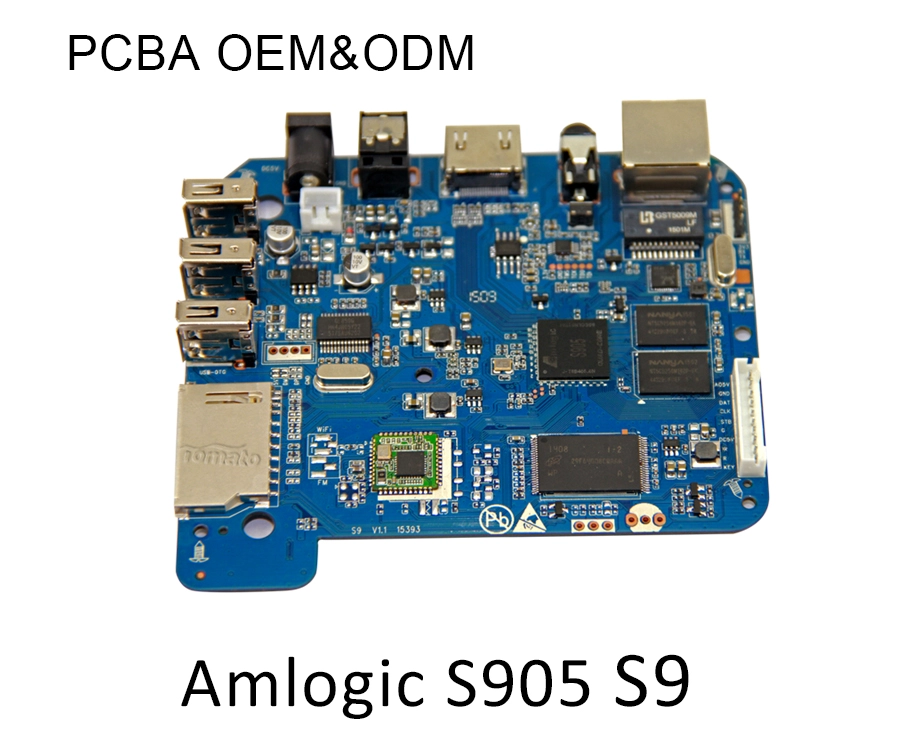
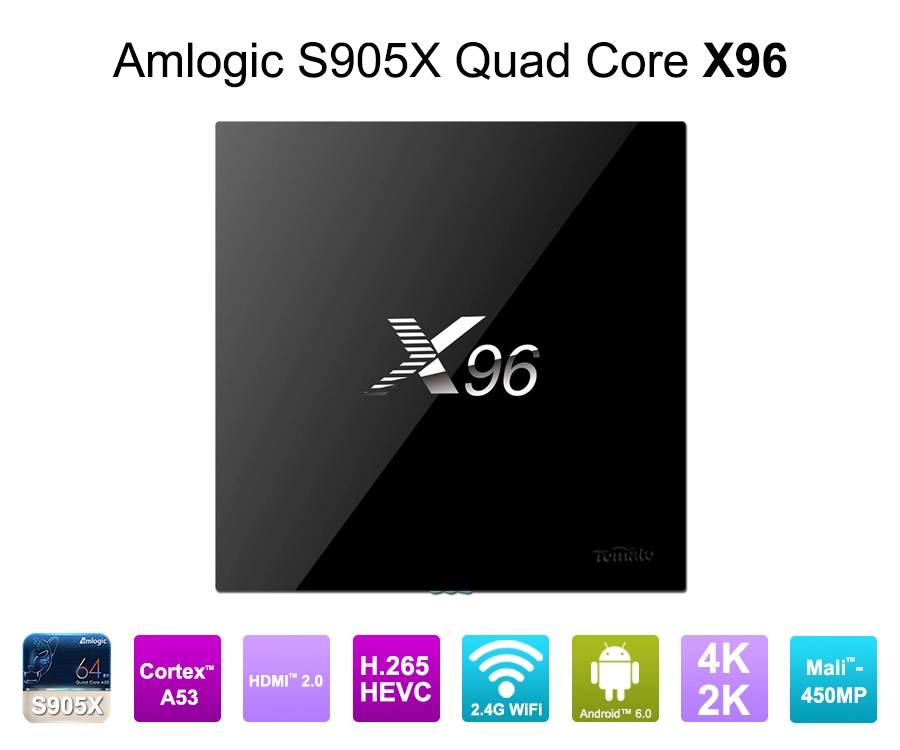
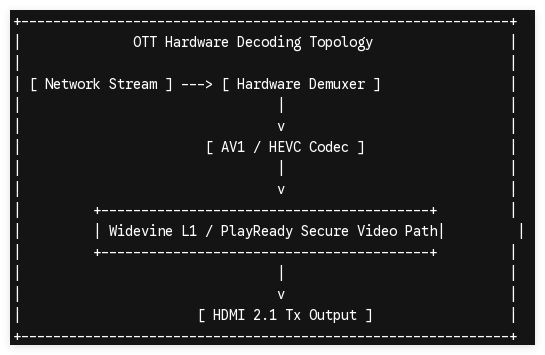
For pure streaming environments, Amlogic solutions (such as the S905X4 or S905Y4 series) are highly preferred. These chips are designed explicitly for streaming media optimization, offering native hardware decoding for AV1, HEVC (H.265), and VP9.
-
The Bandwidth Advantage: AV1 hardware decoding reduces data bandwidth requirements by up to 30% compared to H.265 without compromising visual fidelity. For network operators managing content delivery networks (CDNs), deploying hardware with native AV1 decoding significantly reduces infrastructure operating costs.
Rockchip: The Choice for Edge Computing and Multi-Functional Deployments
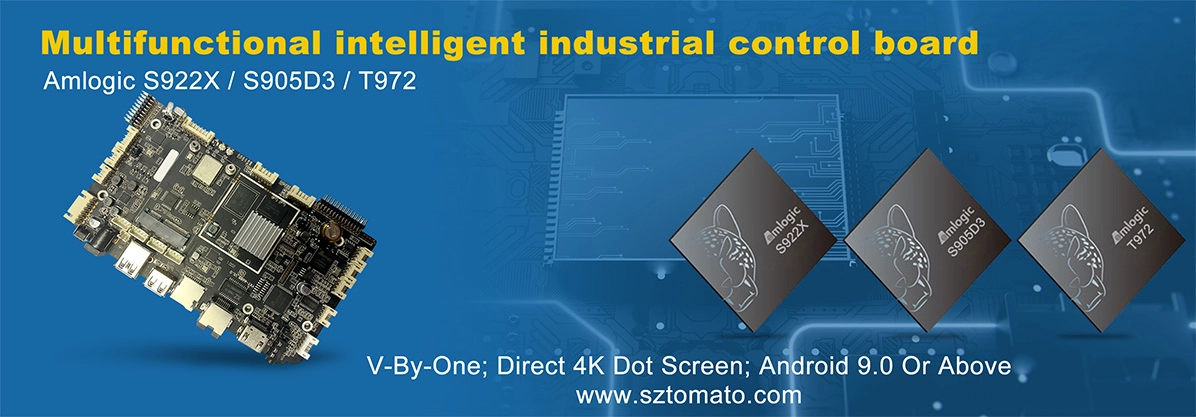
Rockchip processors, particularly the high-performance RK3588 or mid-range RK3568, are engineered for high-compute workloads. While often lacking the native Dolby or Netflix certifications out of the box, they offer unparalleled input/output interfaces and processing overhead.
-
The Compute Advantage: If an application demands multi-channel video inputs, local AI analytics, edge processing, or simultaneous video decoding onto multiple screen outputs, Rockchip provides the raw ARM Cortex-A76/A55 architecture and NPU processing power required to sustain those edge workloads.
2. The DRM Security Matrix: Why Widevine L1 Trumps Processing Power
A high-performance CPU is effectively useless for premium streaming services if the device cannot establish a secure execution environment (SEE). Premium content providers restrict access to high-definition (1080p, 4K, or HDR) streams based on strict DRM handshakes.
| DRM Tier / Security Level | Cryptographic Execution | Maximum Resolution Allowed | Commercial Use Case |
|---|---|---|---|
| Widevine Level 3 (L3) | Software-based encryption inside standard RAM | Standard Definition (480p) | Free local content, unsecured loops |
| Widevine Level 1 (L1) | Content processing occurs entirely inside the hardware TrustZone | Full HD, Ultra HD (4K), HDR | Netflix, Prime Video, Premium IPTV |
| Microsoft PlayReady | Hardware-backed key exchange via secure bootloader | Full HD, Ultra HD (4K) | Microsoft Ecosystem, Enterprise VOD |
When engineering custom hardware, integrating Widevine L1 requires hardware-level provisioning during the PCBA manufacturing process. The manufacturer must burn unique cryptographic keys into the factory one-time programmable (OTP) fuses of each individual SoC. Attempting to deploy software-only DRM modifications will cause the hardware fleet to drop to Widevine L3 state during subsequent Android OS security patches, limiting video streams to low-resolution outputs and rendering the deployment non-compliant with standard premium content licensing.
3. Firmware Customization: Bypassing Consumer Ecosystem Constraints
Off-the-shelf consumer devices lock operators into rigid ecosystems, typically forcing users into stock Google TV layouts designed to sell retail applications. To retain brand ownership and control the end-user experience, commercial buyers must utilize custom firmware builds.
During the procurement phase, verify that the board vendor can execute three fundamental firmware-level modifications:
-
Custom Launcher Hardcoding (AM_LAUNCHER): Replace the standard Android UI with a proprietary operator launcher. The system-level configuration must designate this application as the default home environment within the framework-res layer, preventing users from accessing settings, downloading unapproved applications, or exiting the proprietary platform interface.
-
Silent Mobile Device Management (MDM) Hooks: Deploying thousands of boxes across a region requires zero-touch management. Custom firmware must include root-level system privileges or a signed system app stub for MDM agents. This enables remote silent OTA firmware updates, system log extraction, cache clearing, and application push installations without user intervention.
-
Hardware Watchdog Configuration: In the field, power drops or memory leaks can cause application freezes. A firmware-backed hardware watchdog timer continually pings the main loop. If the operating system fails to respond within a designated window, the system triggers a hard hardware reset, minimizing manual power cycling by field technicians.
Engineer Your Dedicated Video Delivery Fleet
The choice of media hardware determines the stability of your video distribution network. By selecting systems with native AV1 decoding capabilities, factory-provisioned Widevine L1 keys, and open, operator-tier firmware customizability, you protect your infrastructure investment and reduce operational maintenance overhead.
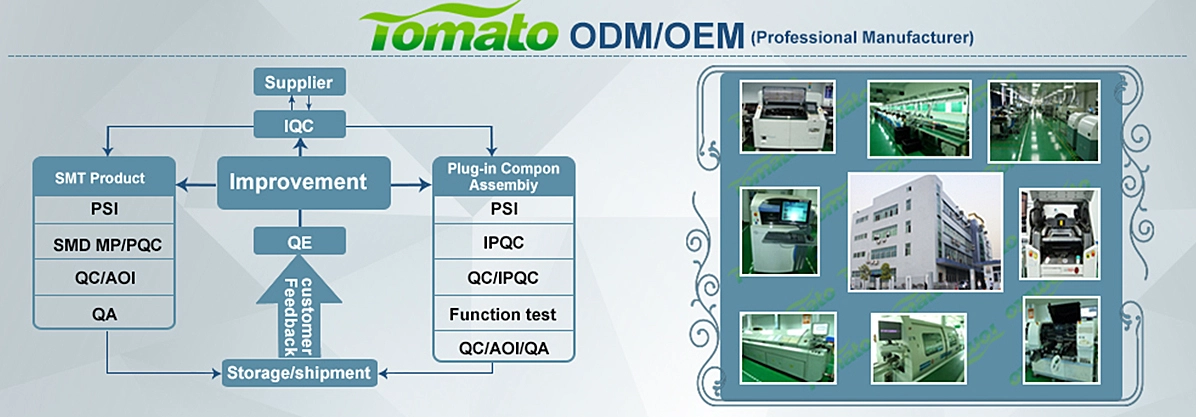
Our engineering group specializes in translating platform requirements into robust physical hardware, offering deep OEM/ODM specialization across custom PCBA design, hardware security key provisioning, and custom Android OS customization.
Want to analyze custom board designs for your streaming platform?
