What is the use of Set-Top Box (STB)?
Telecom operators, IPTV providers, and commercial system integrators face a common bottleneck: delivering high-bandwidth, secure video content to end-users without hardware failure. The core use of a Set-Top Box (STB) has completely shifted from a simple analog signal decoder to an advanced edge-computing node capable of handling 8K AV1 decoding, AI-upscaling, and complex digital rights management (DRM).
For B2B buyers and distributors, understanding the precise use of Set-Top Box (STB) hardware dictates the success of local network deployment. Let's break down the industrial applications and why relying on OEM/ODM customization is mandatory for market penetration.
Enterprise-Level Applications of a Set-Top Box (STB)
IPTV and OTT Content Distribution
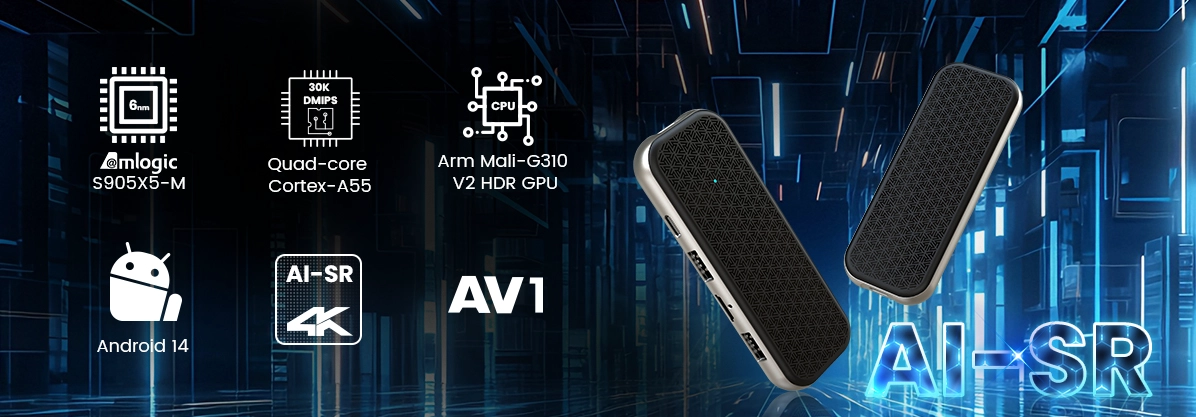
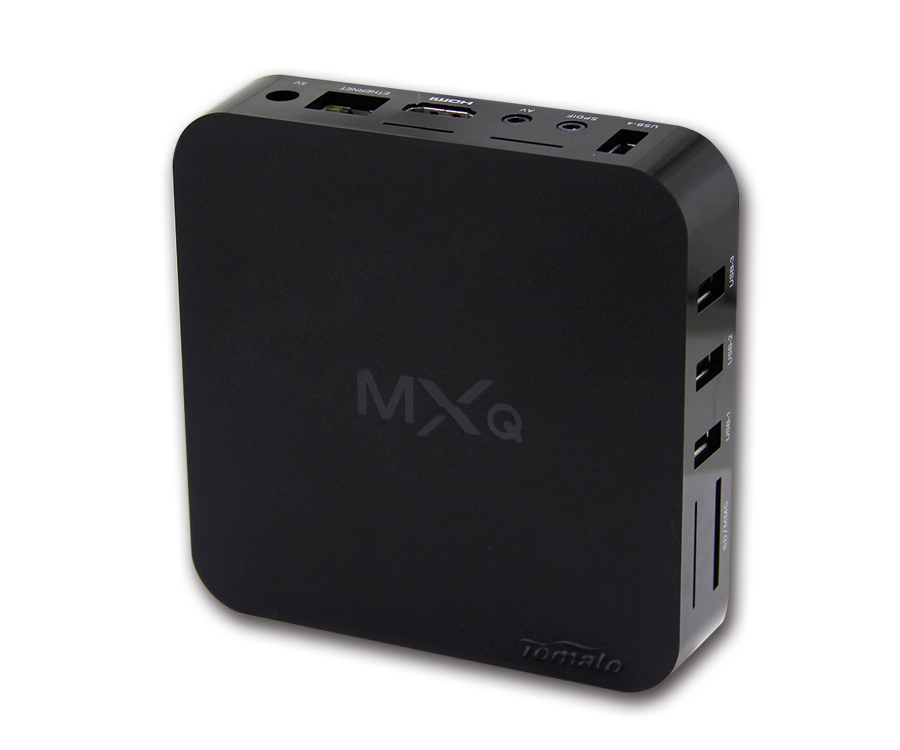
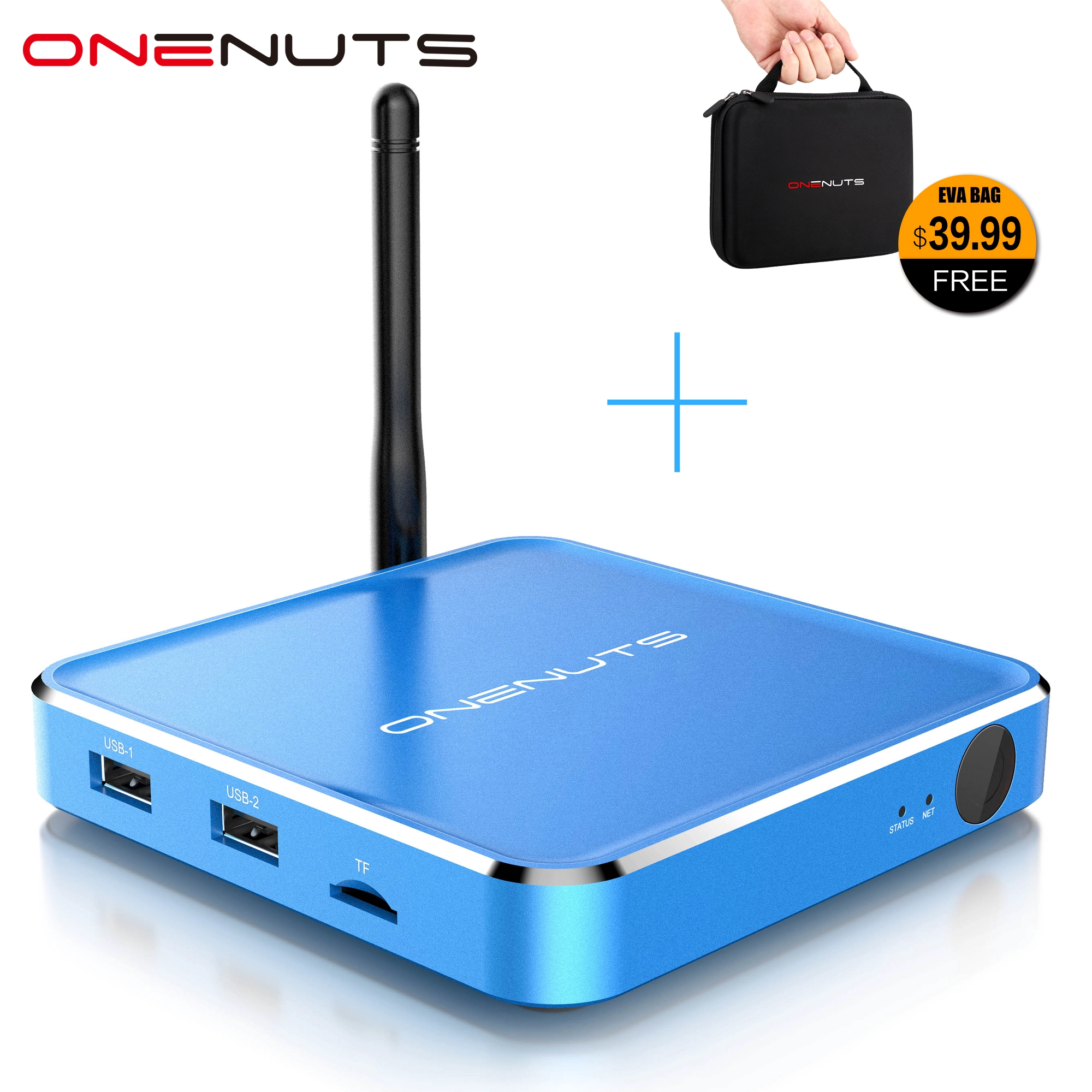
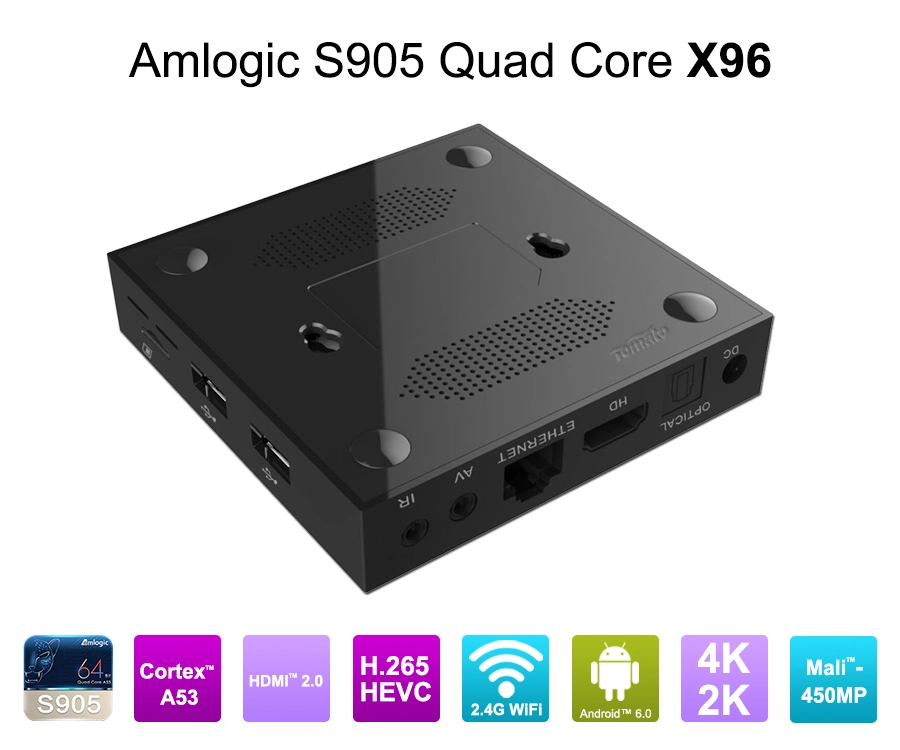
The primary use of a Set-Top Box (STB) remains secure video delivery. However, 2026 standards require hardware that supports Wi-Fi 6E, Gigabit Ethernet, and seamless integration with operator-specific middleware. A commercial Set-Top Box (STB) ensures zero-latency streaming for live broadcasting, utilizing modern chipsets like the Amlogic S905X5M or the S928X-J to handle sustained thermal loads during continuous 4K/8K playback.
Digital Signage and Commercial Integration
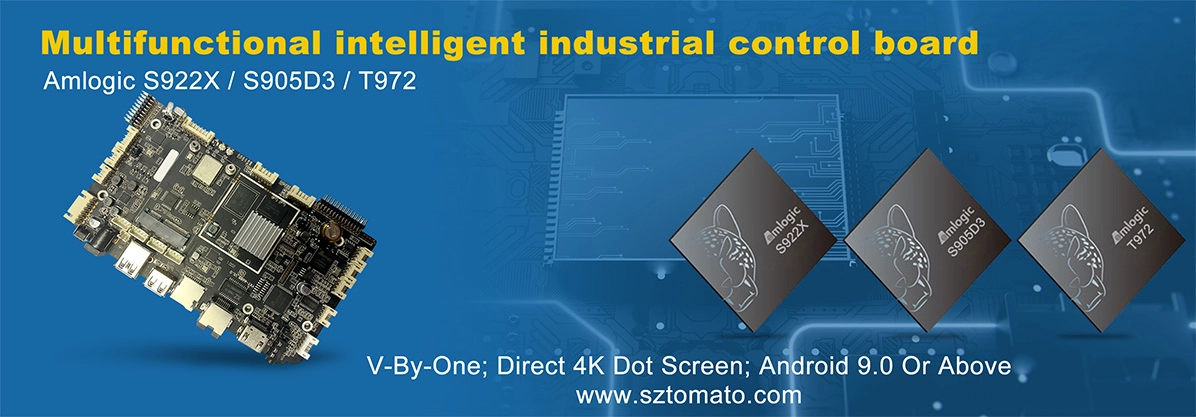
System integrators frequently deploy the Set-Top Box (STB) as the processing backbone for interactive digital signage, hospital media systems, and smart retail displays. In these 24/7 environments, the use of Set-Top Box (STB) infrastructure allows centralized remote device management, scheduled boot times, and specific output interfaces (such as RS232, dual HDMI, or PoE) that consumer-grade streaming sticks simply lack.
How OEM/ODM Customization Maximizes Set-Top Box (STB) ROI
Off-the-shelf devices rarely meet the strict security and branding protocols of network operators. To fully leverage the use of Set-Top Box (STB) technology, B2B buyers must partner with manufacturers capable of deep-level engineering.
-
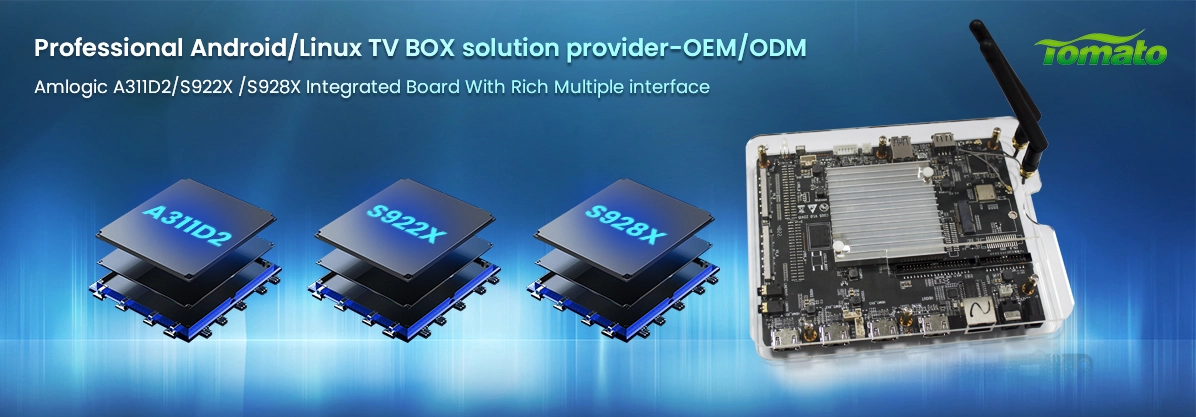
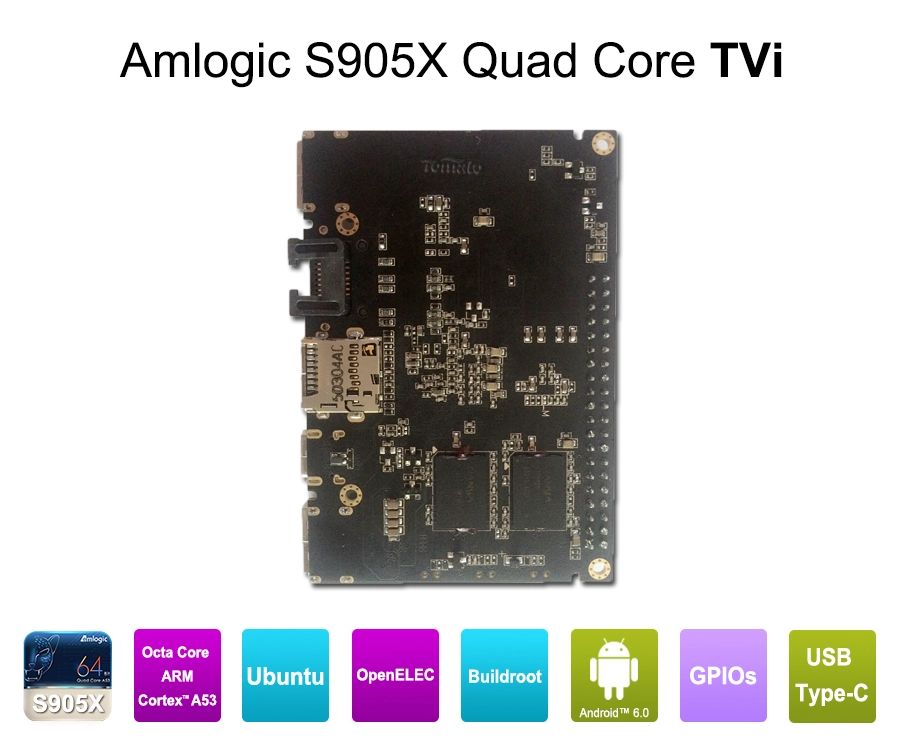
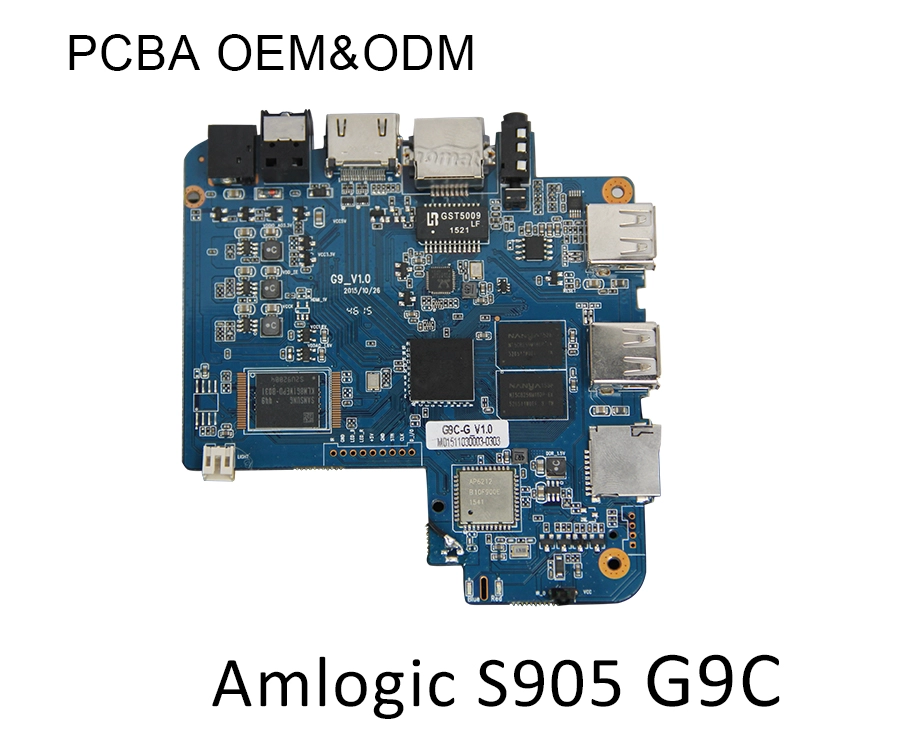
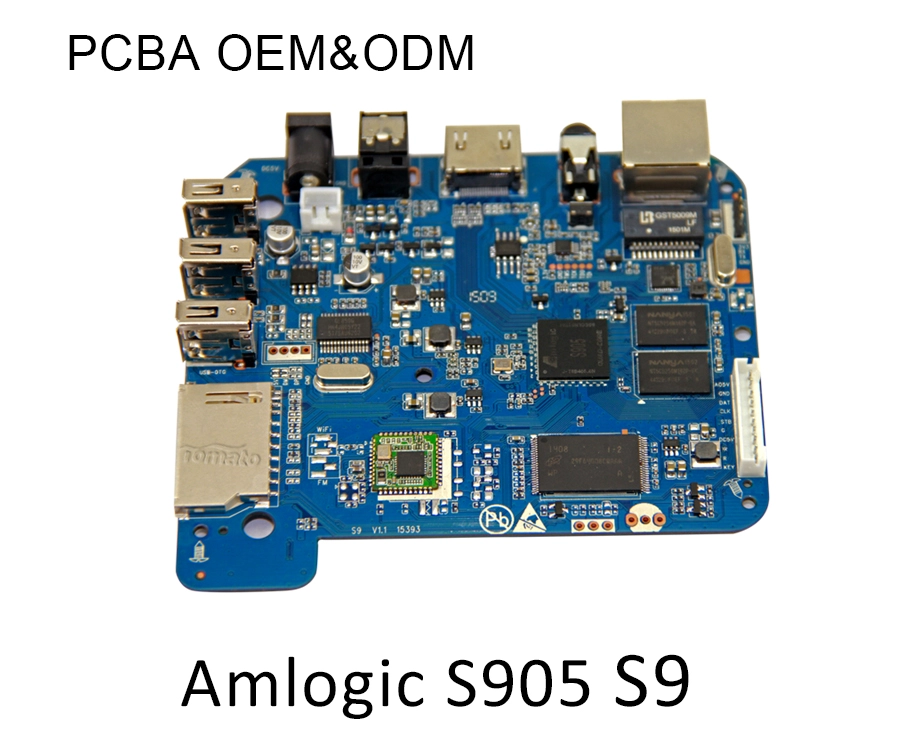
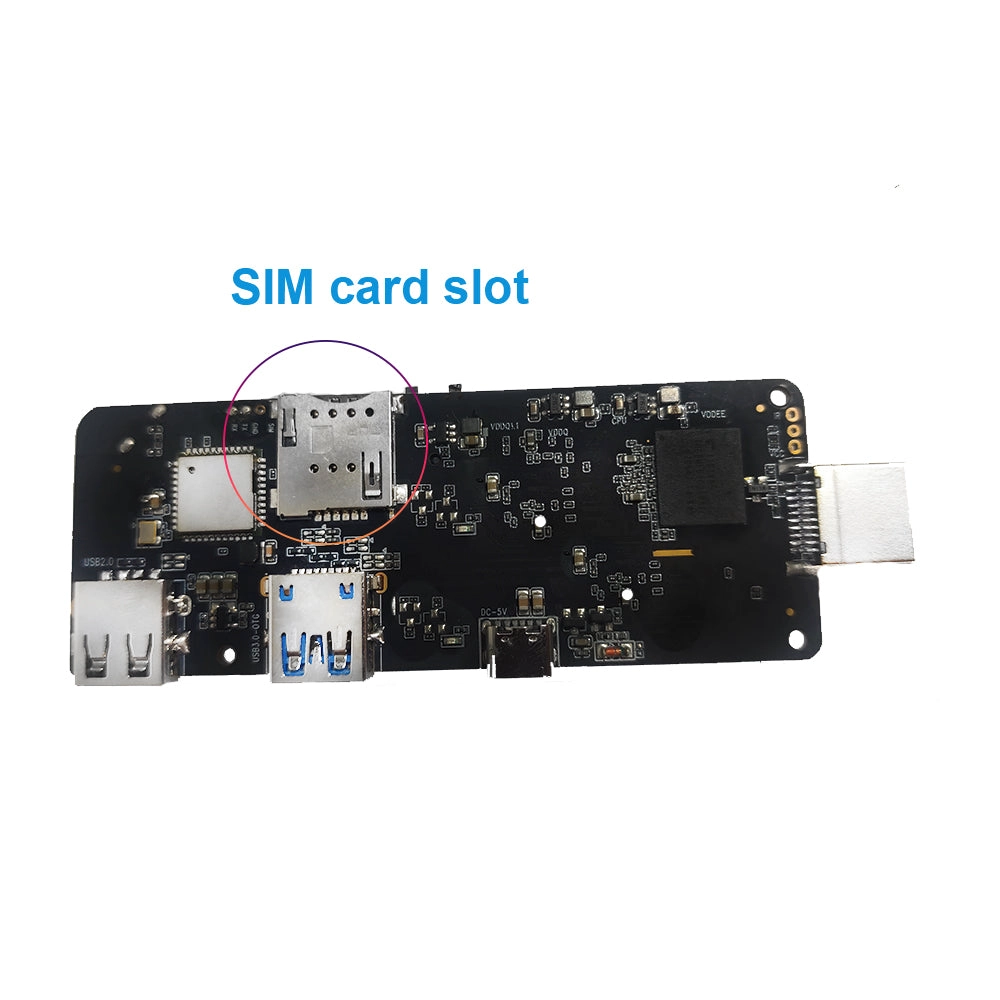
PCBA and Hardware Modification: An off-the-shelf Set-Top Box (STB) might lack necessary I/O ports. Professional OEM/ODM services allow you to redesign the Printed Circuit Board Assembly (PCBA). Whether you require integrated 4G/5G LTE modules for remote areas, optical audio outputs, or industrial-grade heat sinks, hardware modification ensures the Set-Top Box (STB) fits your exact operational environment.
-
Firmware and Software Development: A premium Set-Top Box (STB) requires specialized software architecture. This includes custom boot logos, locked-down user interfaces (UI) preventing unauthorized app installations, pre-configured server IPs, and secure Over-The-Air (OTA) update frameworks. Custom firmware guarantees that your Set-Top Box (STB) fleet operates exactly as your middleware dictates.
-
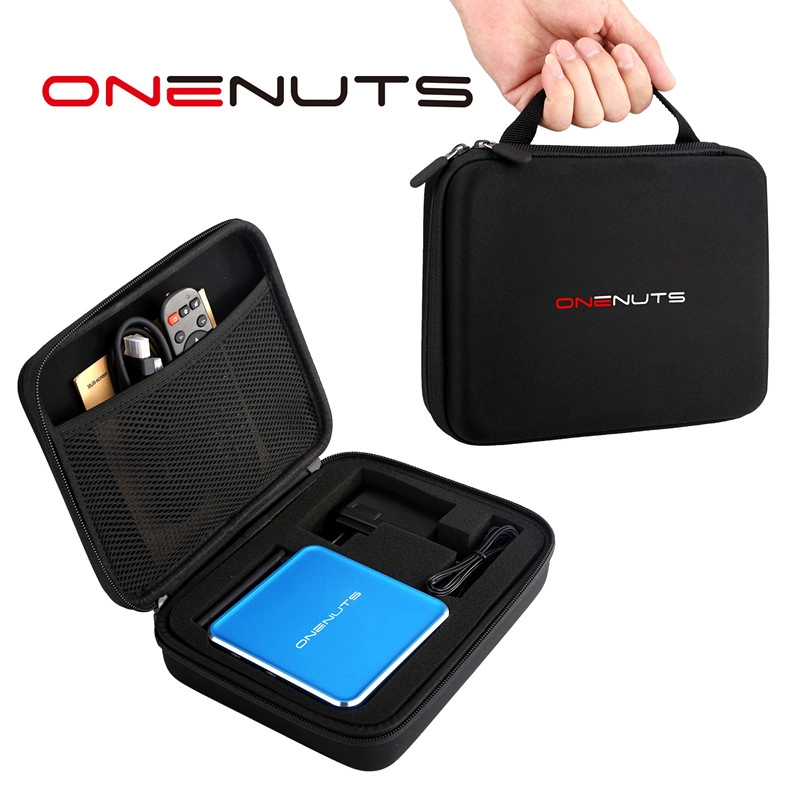
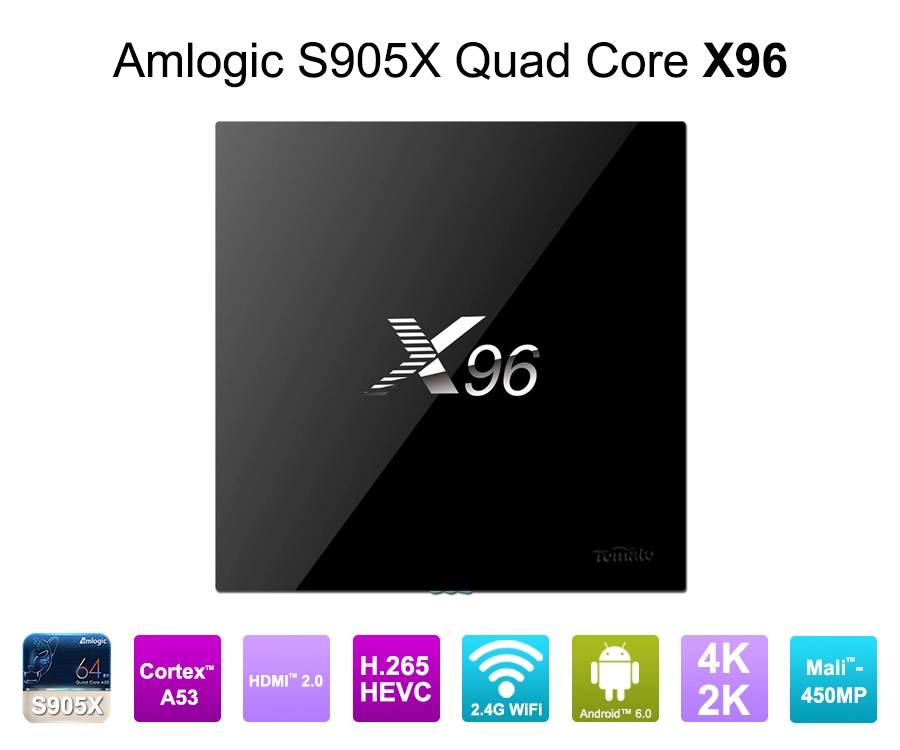
Industrial Design and Packaging: Brand recognition drives subscriber loyalty. Modifying the Set-Top Box (STB) casing with custom tooling, adding specific LED indicators, and designing localized retail packaging separates your proprietary hardware from generic competitors.
SZTomato: Engineering Your Custom Set-Top Box (STB)
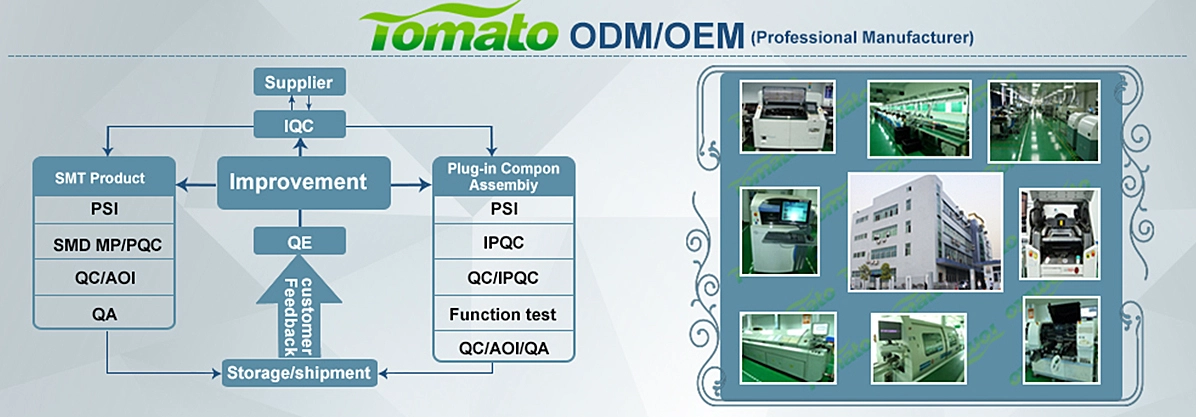
Since 2011, Shenzhen Tomato Technology Co., Ltd. has engineered tailored Android hardware solutions for global clients. When evaluating the use of Set-Top Box (STB) technology for your next telecommunications project, SZTomato provides the comprehensive OEM/ODM infrastructure required to match your exact specifications.
Our engineering team works directly with top-tier SoC platforms, including Amlogic and Rockchip (RK3588). We do not just supply standard hardware; we build your proprietary Set-Top Box (STB) from the ground up—covering everything from custom PCBA layouts and Android OS kernel modifications to custom-molded enclosures and branded packaging.
Ready to deploy a secure, high-performance Set-Top Box (STB) network? Contact SZTomato today to discuss your technical specifications, firmware requirements, and wholesale manufacturing needs.