Which Android TV box the best?
For telecom operators, hotel chain integrators, and digital signage providers, the question "Which Android TV box is the best?" has nothing to do with retail popularity. In a commercial environment, the "best" device is the one that eliminates truck rolls, prevents firmware fragmentation, and secures the content delivery chain. Off-the-shelf consumer boxes are liabilities; they lack the hardware longevity and software lockdown required for a 24/7 professional ecosystem.
To determine the ideal hardware for your 2026 deployment, you must look beyond CPU clock speeds and evaluate the depth of OEM/ODM customization available at the factory level.
Beyond the Processor: Engineering for Thermal Stability
A retail Android TV box is designed for three hours of evening use; a commercial unit must survive years of continuous operation. If your deployment involves high-bitrate 4K AV1 decoding, heat is your primary enemy. Cheap plastic housings and insufficient heat sinks lead to CPU throttling, resulting in dropped frames and system freezes that damage your brand reputation.
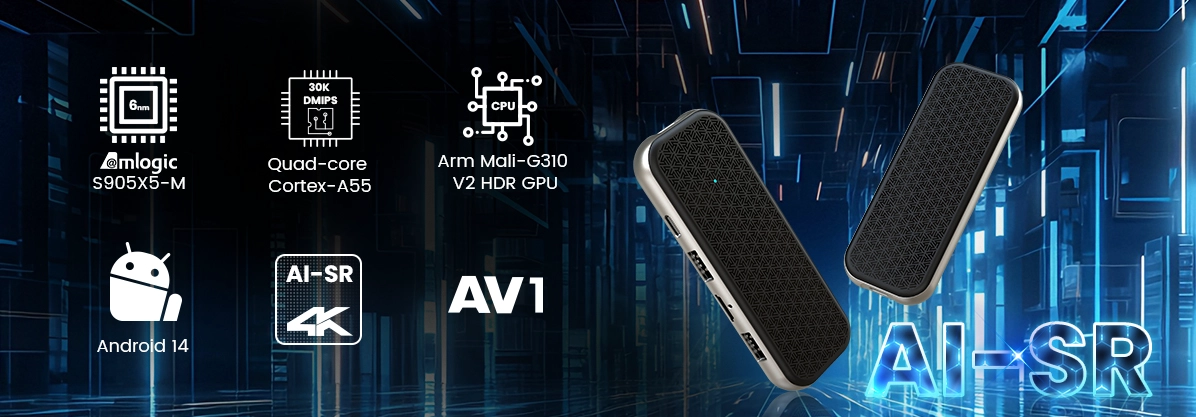
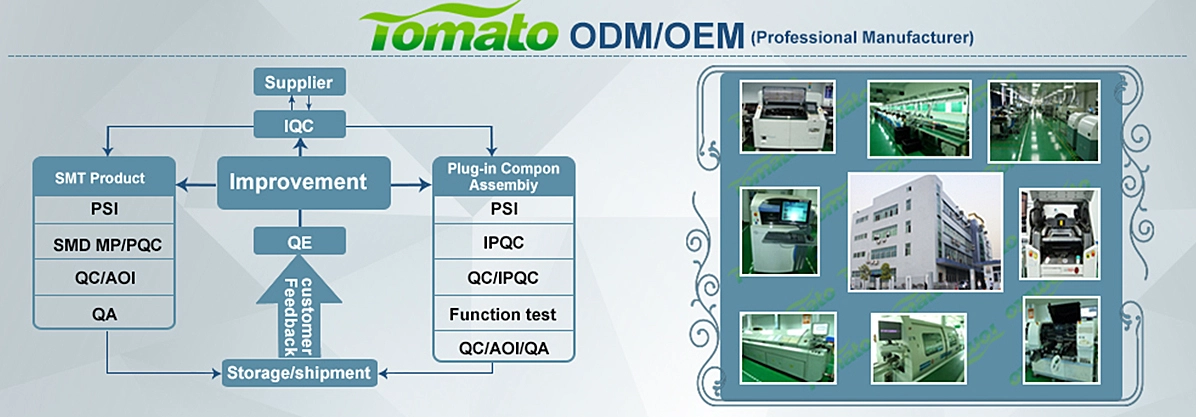
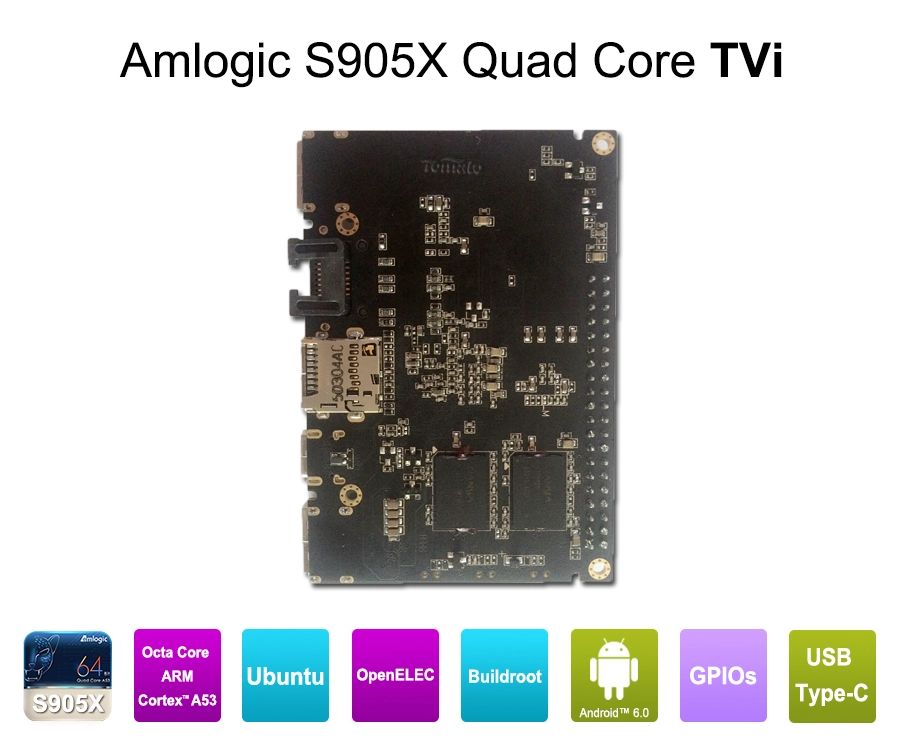
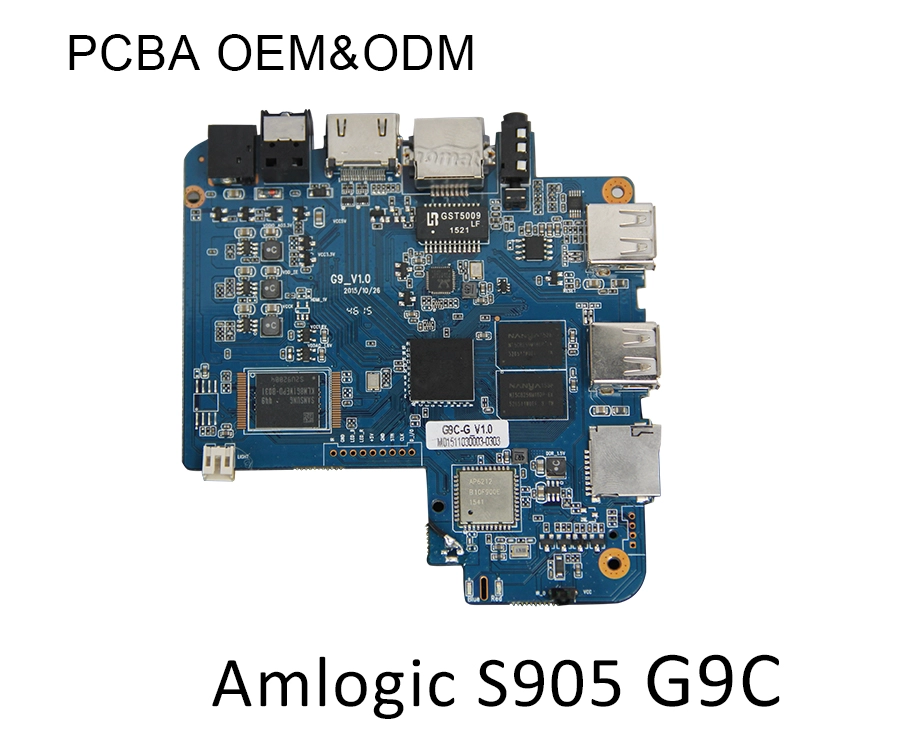
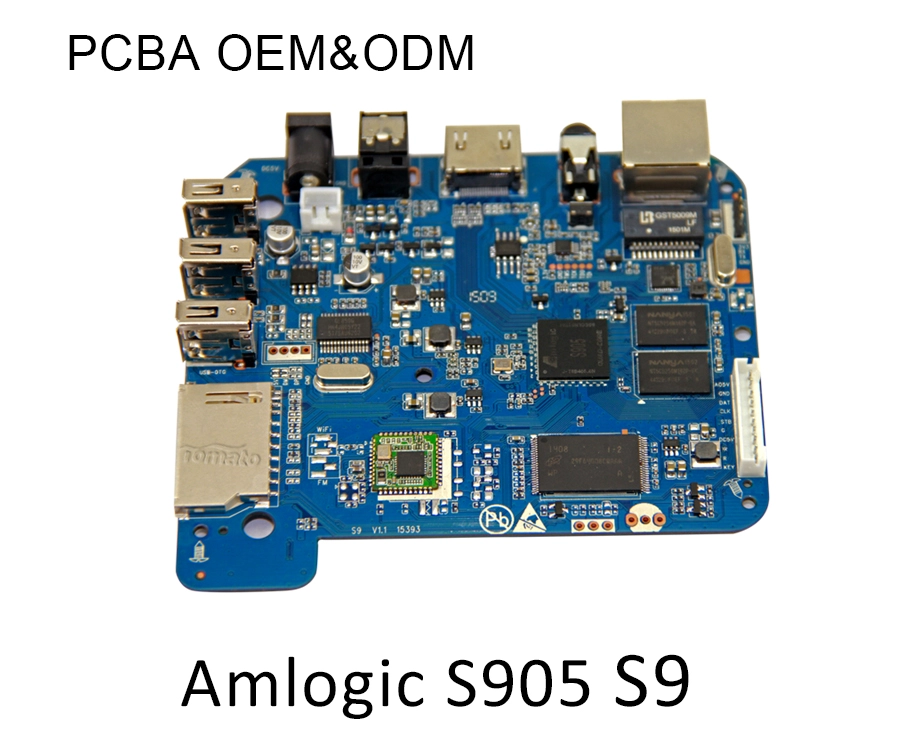
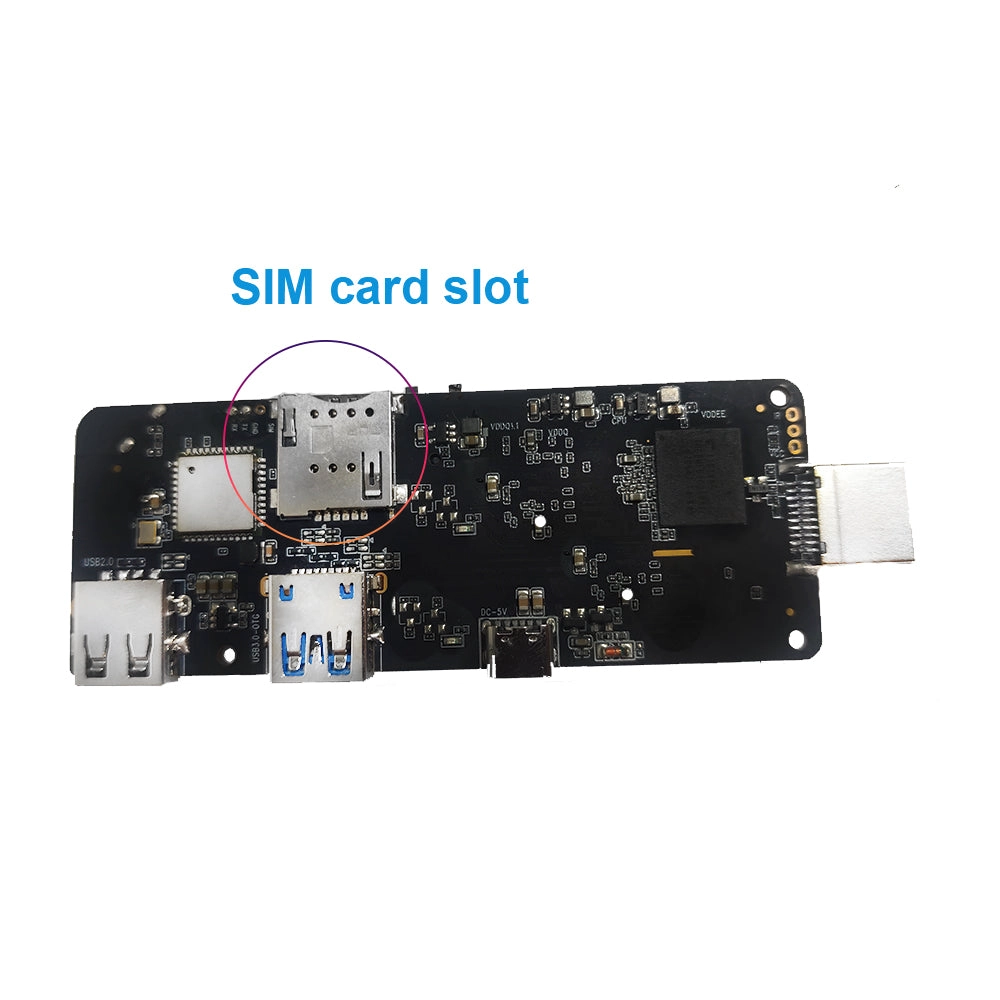
The best hardware is defined by its PCBA architecture. At SZTomato, our engineering team optimizes the thermal footprint of every board, utilizing industrial-grade capacitors and heat-dissipation materials that far exceed consumer standards. Whether you are utilizing the latest Amlogic S905X5M or high-performance Rockchip silicon, the "best" box is one where the hardware is modified to suit your specific environmental conditions—be it a fanless digital signage enclosure or a high-density IPTV rack.
Firmware Lockdown: The Core of Device Security
A generic Android TV box comes cluttered with bloatware and unverified applications that create security backdoors. For a professional operator, the best device is a "clean slate." Software customization is not just about changing a boot logo; it is about kernel-level modifications.
True enterprise value lies in the ability to develop bespoke firmware that supports Kiosk Mode, ensuring users cannot exit your proprietary application. More importantly, professional-grade devices must integrate Widevine L1 and PlayReady DRM certificates. Without these, you cannot legally or technically deliver high-definition content from premium streaming services. A customized firmware strategy also includes a dedicated Over-The-Air (OTA) update server, allowing you to push security patches and UI improvements to your entire fleet simultaneously, without user intervention.
The ROI of Custom Branding and Integration
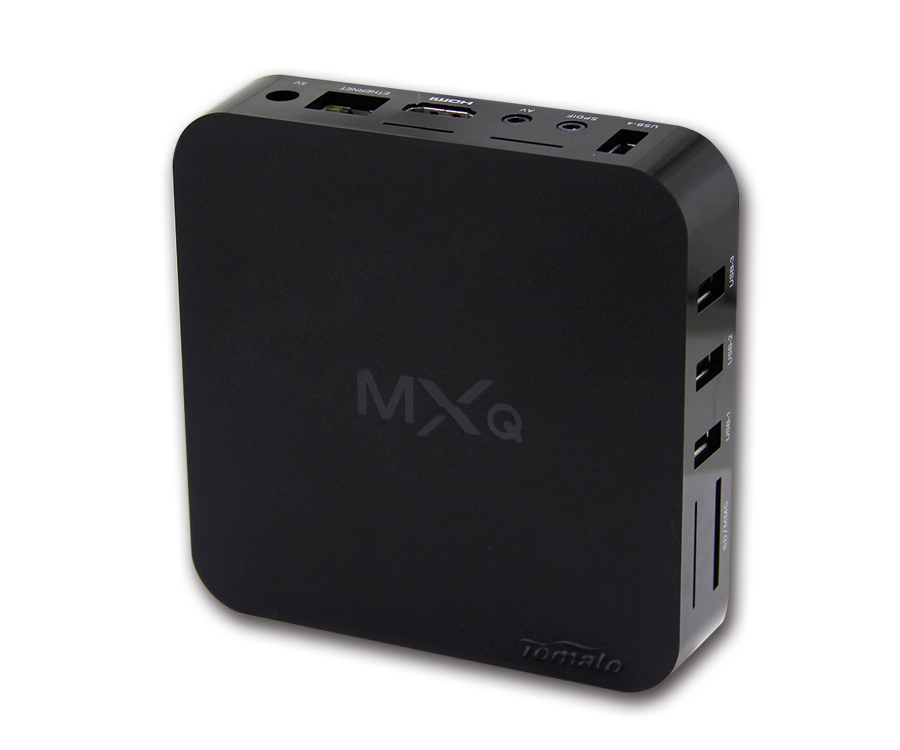
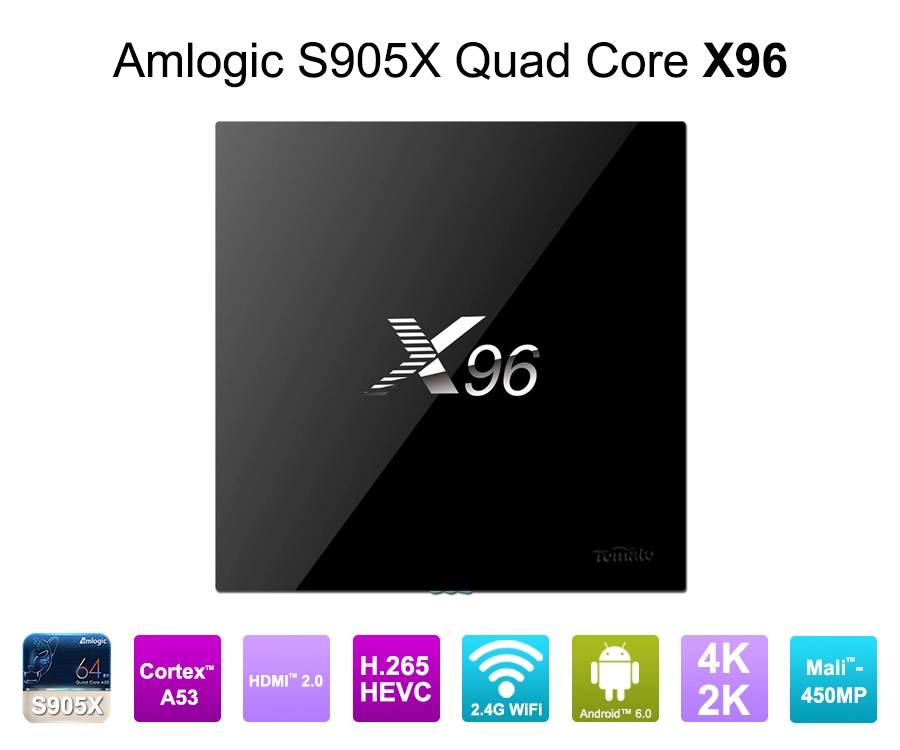
When assessing which Android TV box is the best for your business, consider the impact of hardware identity. A generic black box carries zero brand equity. To scale a subscription-based service, the hardware must be an extension of your brand.
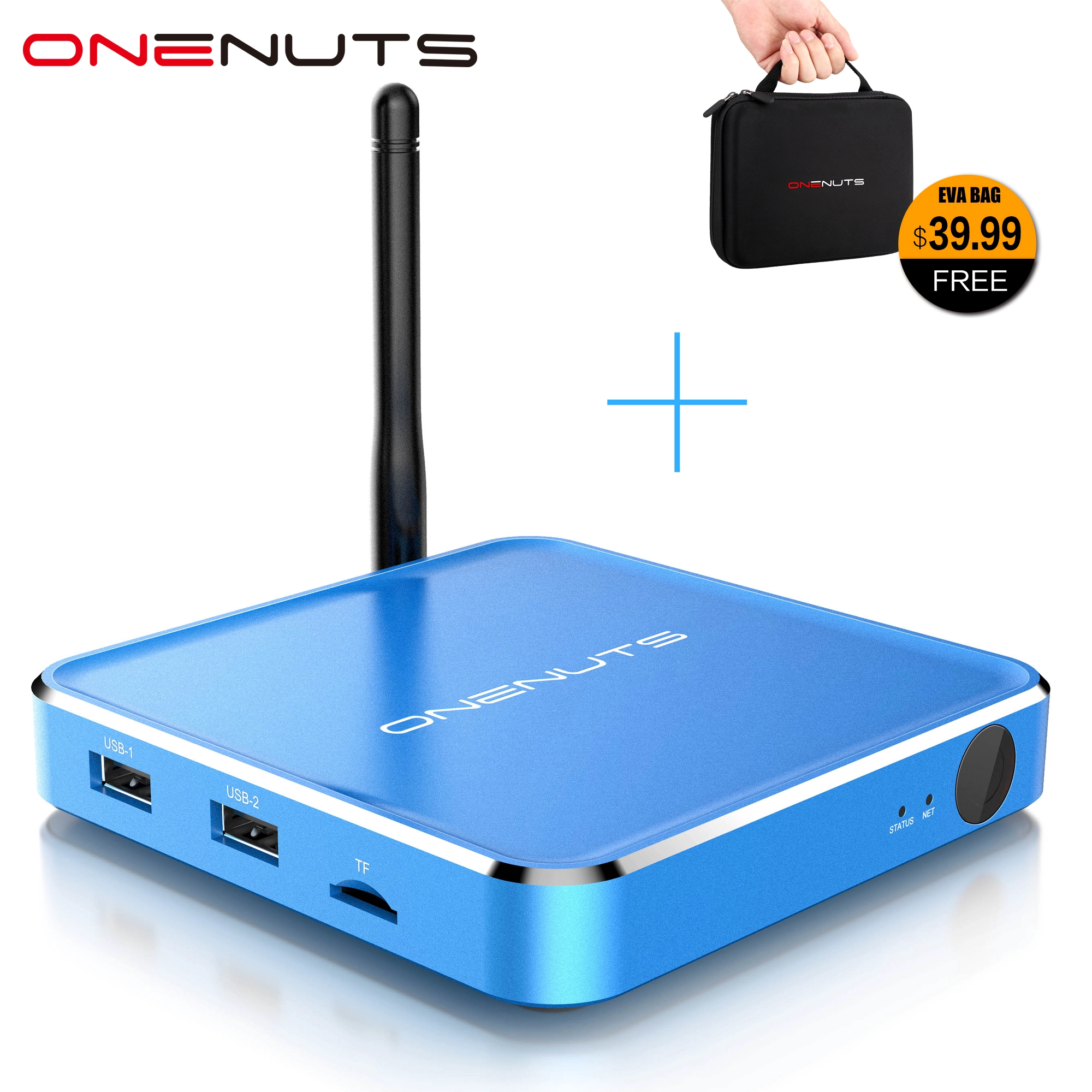
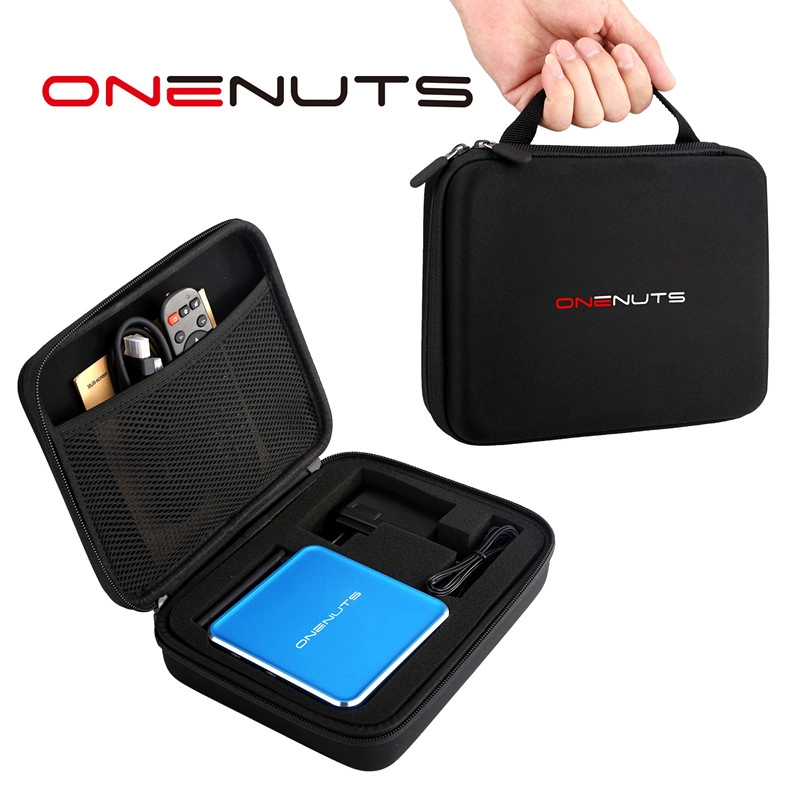
This is where SZTomato’s OEM/ODM vertical integration becomes a competitive advantage. We provide complete customization of the industrial design—from silk-screened logos and unique colorways to custom-molded enclosures. This extends to the peripheral ecosystem, including specialized Bluetooth voice remotes and localized packaging. By aligning the physical hardware with your software’s UI, you create a cohesive user experience that reduces churn and increases perceived value.
Secure Your Ecosystem Today
The best hardware is the one built specifically for your business goals. Stop competing in the race to the bottom with generic retail devices that fail within six months. You need a partner who understands the nuances of PCBA design, DRM compliance, and global supply chain logistics.
Contact the SZTomato team today to discuss your project requirements. From initial hardware modification to final firmware deployment and branded packaging, we deliver the specialized Android TV box infrastructure that powers your long-term success.