What is the use of Streaming Media Player?
Beyond Consumer Video: What is the Use of a Streaming Media Player in Enterprise Environments?
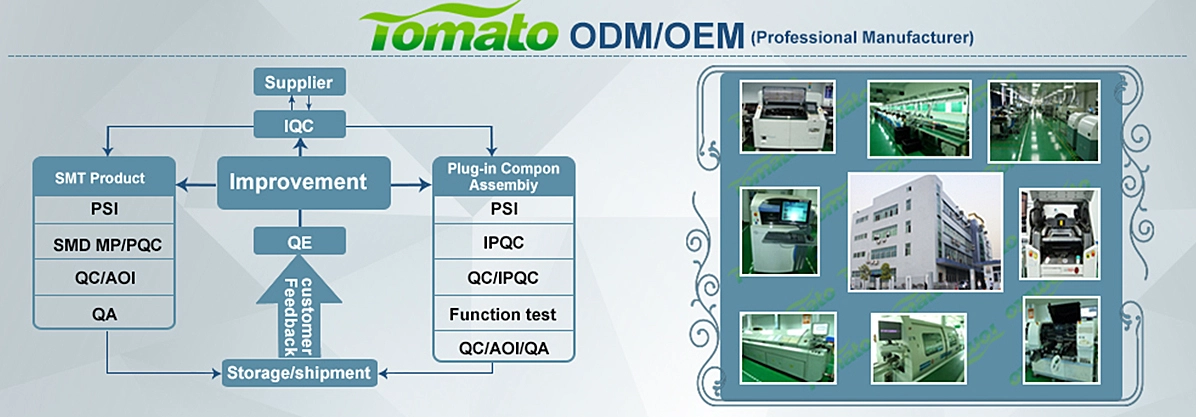
Hardware distributors and commercial integrators face a recurring bottleneck when scaling large AV deployments: the catastrophic failure rate and rigid limitations of consumer-grade electronics. When deploying hundreds of endpoints for digital advertising, hospitality IPTV, or corporate communications, standard retail hardware lacks the required root access, thermal management, and API openness. The actual utility of a streaming media player in a commercial context extends far beyond decoding video streams. In enterprise architecture, it functions as a highly customizable edge node requiring rigorous, firmware-level engineering to ensure 24/7 operational stability.
Core Functions in Industrial Environments
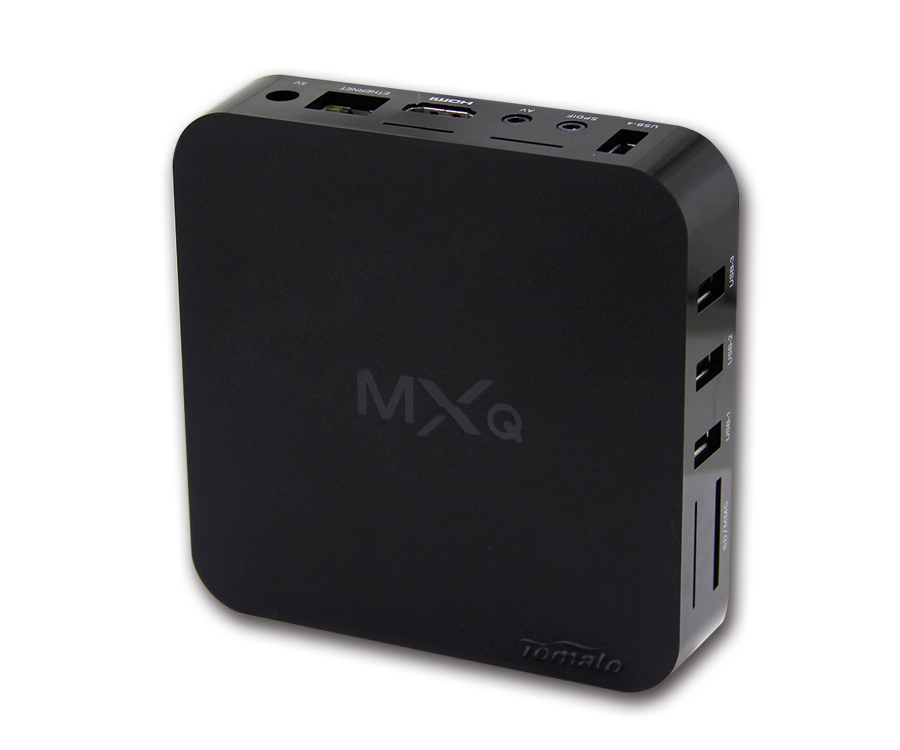
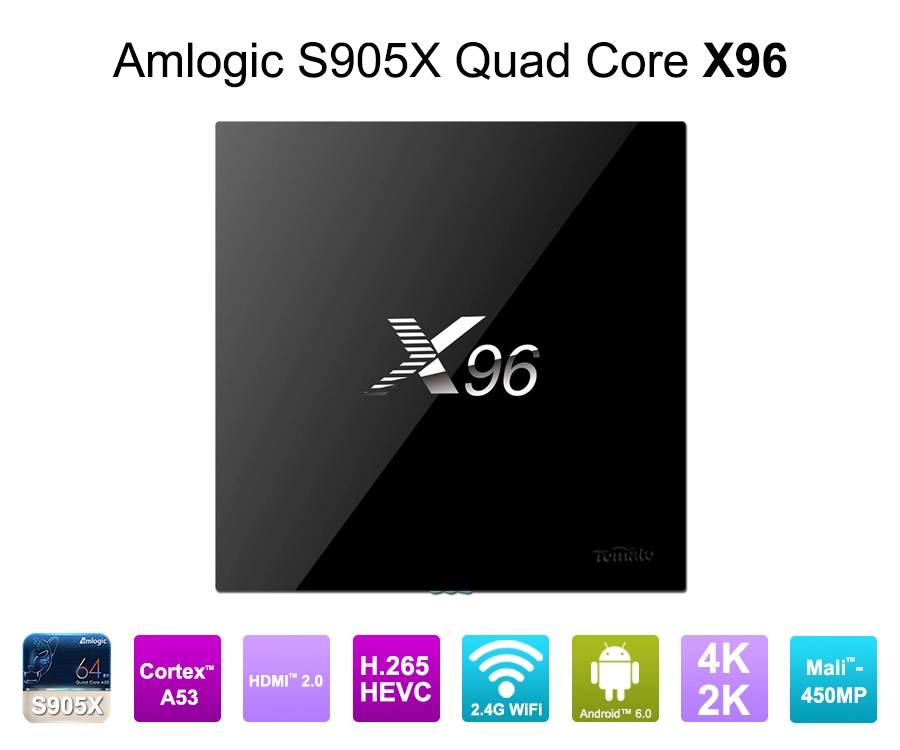
The primary difference between a retail TV box and a B2B streaming media player lies in uptime requirements and remote management. In commercial applications—such as digital signage networks, interactive kiosks, or smart classroom displays—the media player is responsible for executing persistent, uninterrupted operations.
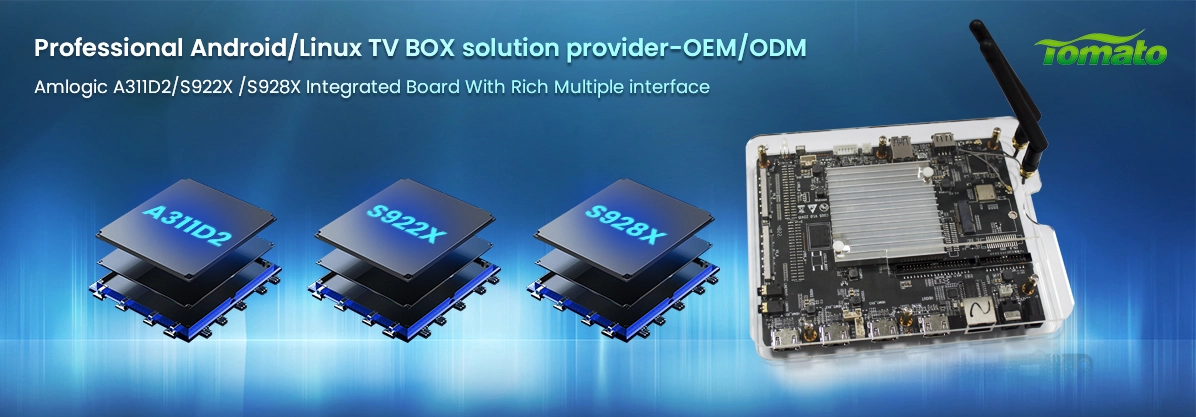
To achieve this, the use case shifts from manual user navigation to automated, headless operation. Industrial-grade streaming media players utilize hardware watch-dog timers to automatically reboot the system upon detecting an application freeze. Furthermore, these devices require optimized System on Chips (SoCs), such as advanced Amlogic or Rockchip processors, paired with specialized thermal dissipation designs to prevent CPU throttling during continuous 4K or 8K local video playback.
Deep Customization Through OEM/ODM Engineering
A streaming media player serves as a blank canvas for enterprise solution providers, provided the manufacturing partner possesses deep hardware and software capabilities. Off-the-shelf units rarely align perfectly with bespoke commercial needs, making PCBA modification and firmware compilation strictly necessary.
-
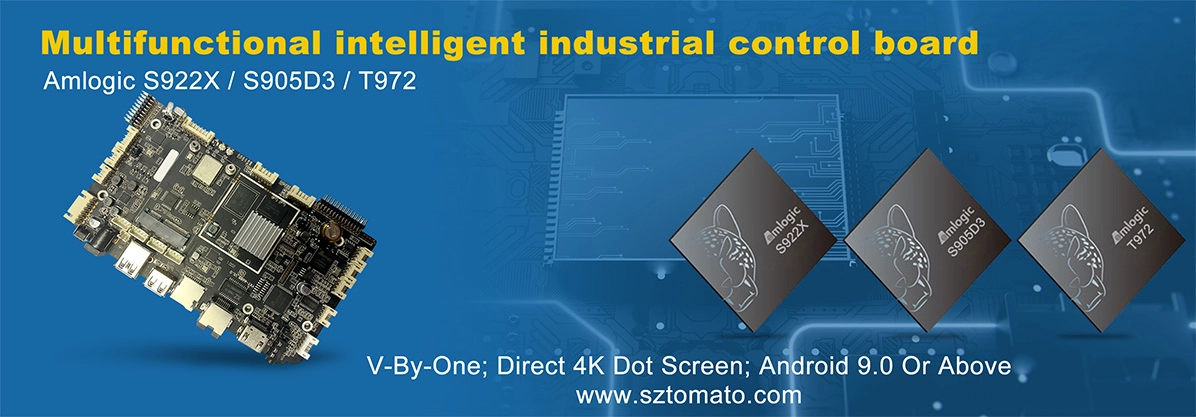
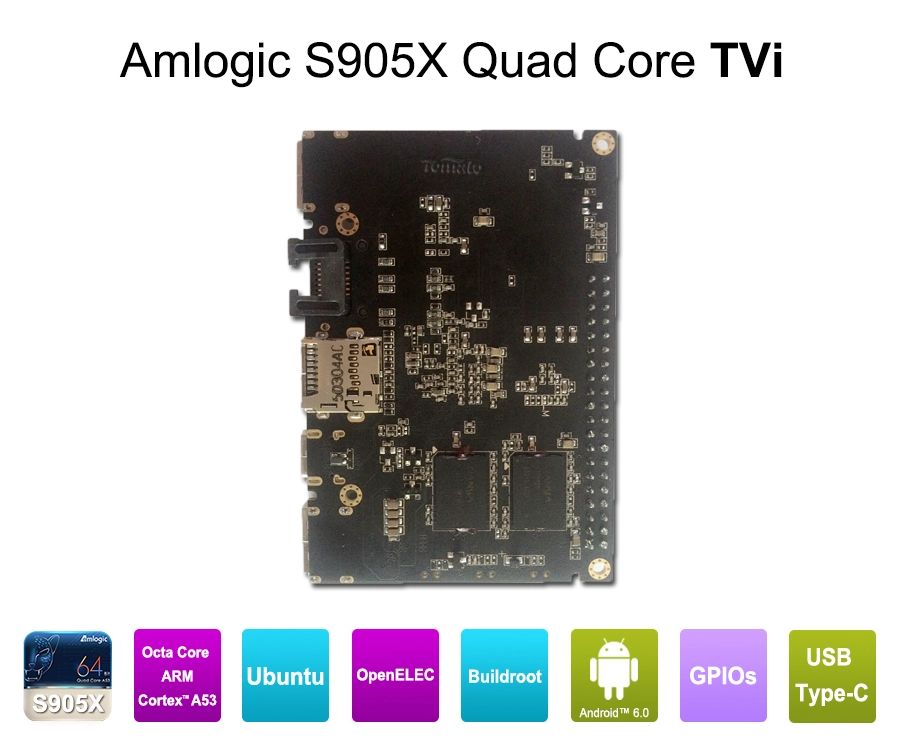
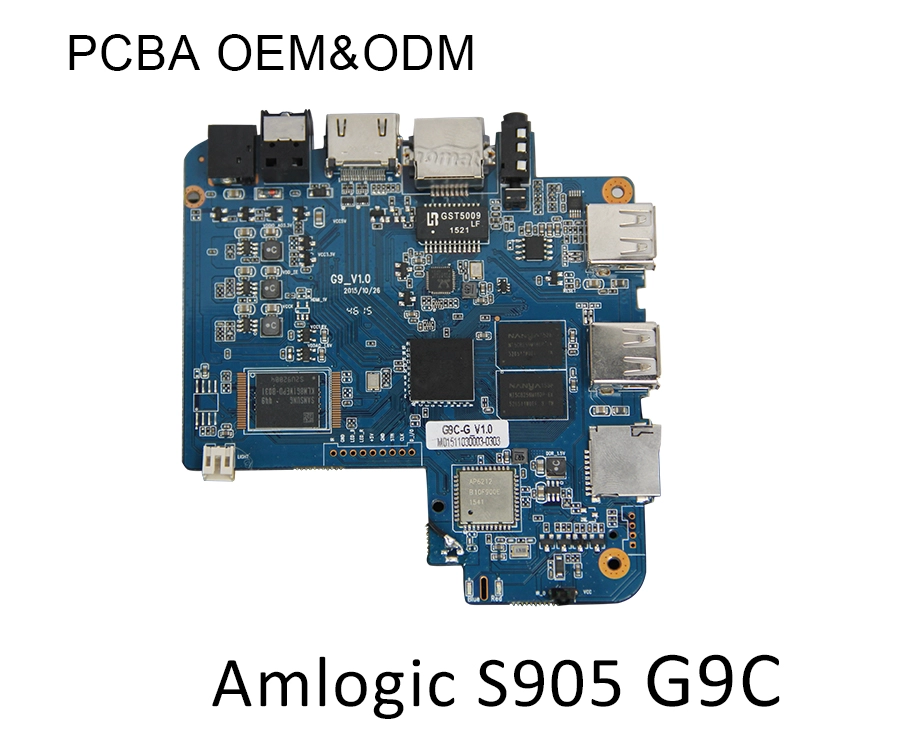
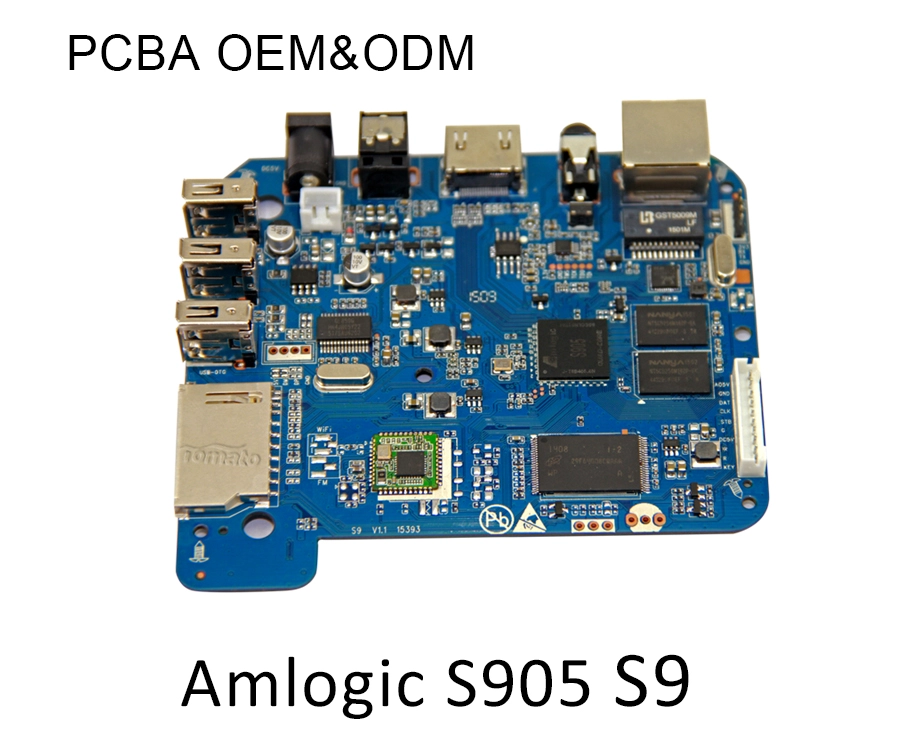
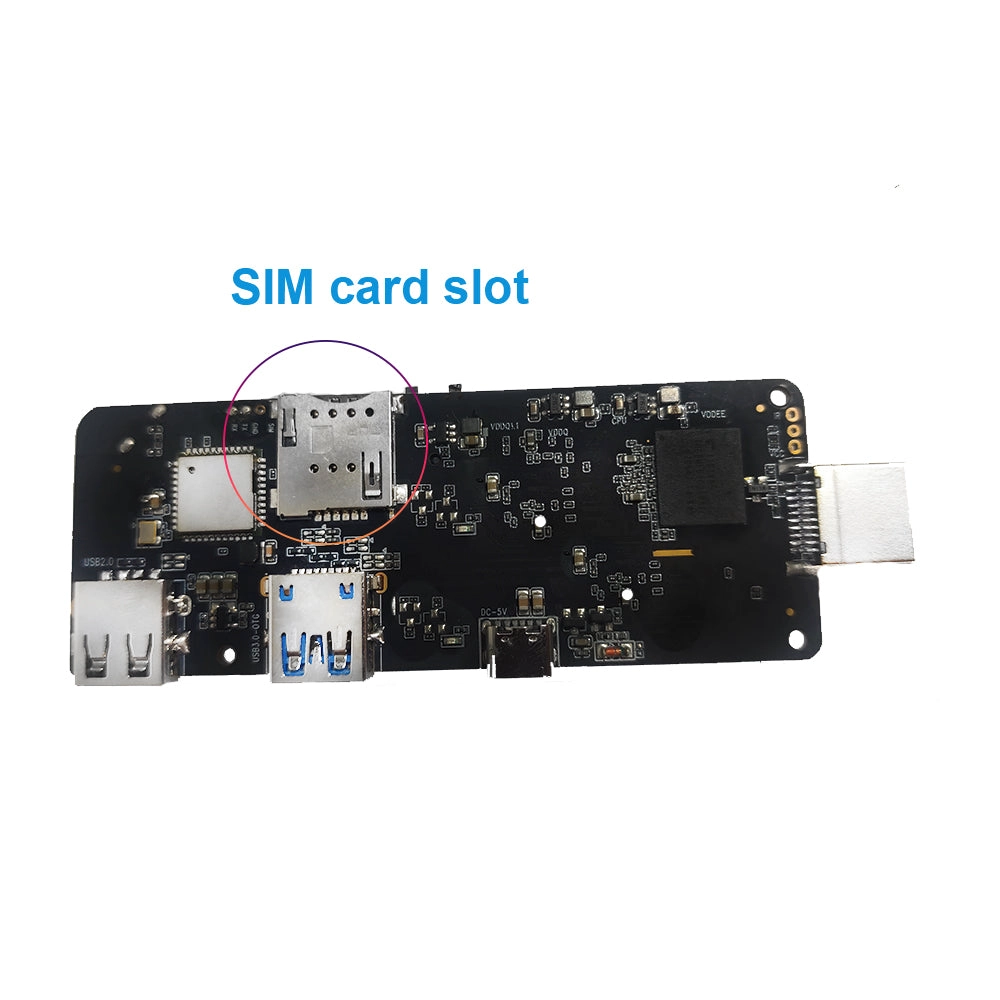
PCBA Layout Modifications: Commercial deployments often require non-standard I/O configurations. Engineers modify the printed circuit board assembly to include specific serial ports (RS232), GPIO interfaces for trigger-based playback, or dedicated audio routing for complex AV matrices.
-
Firmware-Level Engineering: The true utility of the device is unlocked at the OS level. Custom firmware allows for automated boot animations matching the client's brand, the implementation of strict Kiosk mode (locking the launcher to a single proprietary APK), and the removal of unnecessary background services to optimize RAM allocation.
-
Over-The-Air (OTA) Infrastructure: Enterprise users require localized or cloud-based OTA update mechanisms to deploy security patches or application updates across thousands of nodes simultaneously without manual intervention.
Market Trends Driving High-Performance Hardware
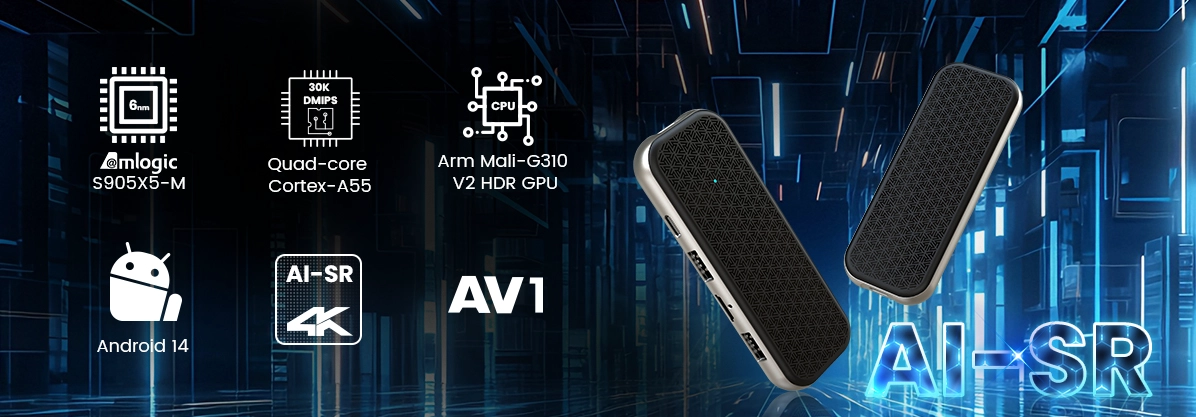
The utility of these players is expanding alongside advancements in video compression and edge computing. The mandatory adoption of the AV1 codec is shifting hardware requirements, as AV1 offers 30% greater compression efficiency over HEVC, drastically reducing bandwidth costs for digital signage networks broadcasting high-bitrate content.
Simultaneously, we are seeing the integration of Neural Processing Units (NPUs) within the streaming media player's SoC. This allows the device to process localized AI tasks, such as running basic computer vision algorithms to trigger specific demographic-targeted advertisements in retail environments without sending video feeds to a cloud server, thereby ensuring data privacy and reducing latency.
Ensuring Scalability and Security Architecture
In corporate or government deployments, an unpatched Android endpoint is a severe network vulnerability. Therefore, the use of a B2B streaming media player heavily involves secure provisioning.
For projects involving Over-The-Top (OTT) syndication or encrypted corporate broadcasts, the hardware must be engineered with HDCP compliance and Widevine L1 DRM certification. Furthermore, implementing secure boot protocols ensures that only cryptographically signed firmware can run on the device, preventing malicious network intrusion.
For global hardware distributors, telecommunications operators, and commercial AV integrators requiring bespoke PCBA design and specialized firmware compilation, standard retail units are a liability. Scalable, engineered OEM/ODM manufacturing is a structural requirement for success. Partner with the engineering team at SZTomato to define the exact specifications for your next industrial Android TV Box deployment and secure hardware architecture built specifically for your enterprise applications.