What to look for when buying a Google TV Box?
In the professional streaming and OTT sector, the term "Google TV Box" describes two very different categories: certified hardware running the official Google TV interface, and generic Android boxes. For a B2B buyer, choosing the wrong path leads to immediate failure in DRM-protected environments.
When procuring hardware for a telecom operator, a hotel chain, or a digital signage network, you aren't just buying a media player; you are investing in a gateway for your service. To ensure project longevity and ROI, you must evaluate hardware through the lens of certification, codec support, and manufacturer-level customization.
1. The Deciding Factor: DRM and Google Certification
The most frequent point of failure in commercial deployments is the lack of proper Digital Rights Management (DRM). If your project involves streaming premium content (Netflix, Disney+, or local encrypted IPTV), a standard Android box will not suffice.
-
Widevine L1 Certification: Without Widevine L1, your Google TV Box is restricted to standard definition (480p), regardless of its hardware power.
-
Netflix & Prime Video Certification: These are separate from Google’s base certification. If these apps are central to your service, you must verify that the hardware manufacturer has the necessary keys embedded at the factory level.
-
Google TV vs. Android TV UI: The Google TV interface is more content-centric and personalized. For operators, ensuring the hardware supports the specific UI version required for your audience is a critical Day-1 decision.
2. Hardware Architecture: Chipsets and AV1 Decoding
The internals of a Google TV Box dictate its lifespan. As streaming platforms shift their infrastructure, older hardware quickly becomes a liability.
-
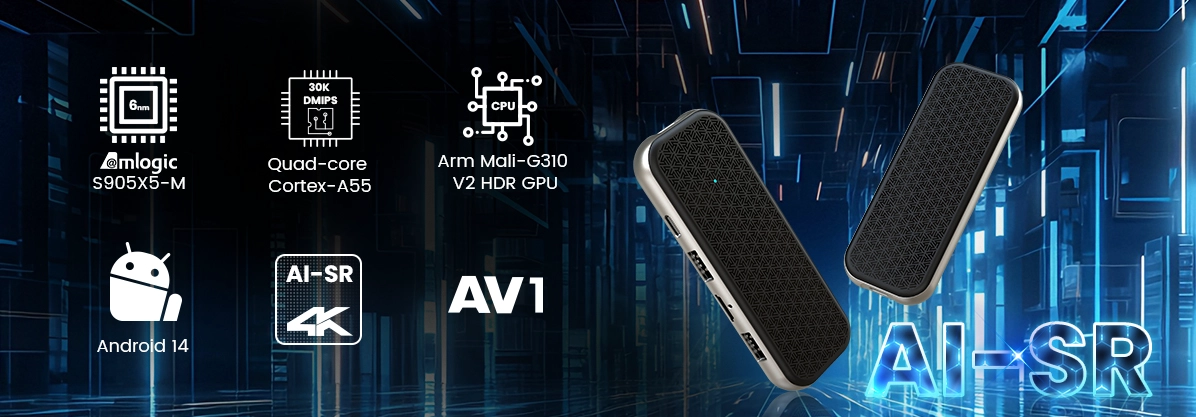
AV1 Hardware Decoding: By 2026, AV1 has become the mandatory codec for efficient 4K streaming. It offers 30% better compression than VP9. Ensuring your hardware (typically using Amlogic S905X4 or the newer S905X5M) supports AV1 at the silicon level is essential to reduce bandwidth costs and improve user experience in low-connectivity regions.
-
Storage and RAM Configurations: While 2GB/8GB is standard for consumers, B2B applications often require 4GB/32GB or higher to handle background management tools, custom launchers, and local caching.
-
Thermal Management: Commercial devices often run 24/7. Look for a Google TV Box with a dedicated internal heat sink and a chassis designed for passive cooling to prevent CPU throttling during peak usage.
3. The Necessity of OEM/ODM Customization
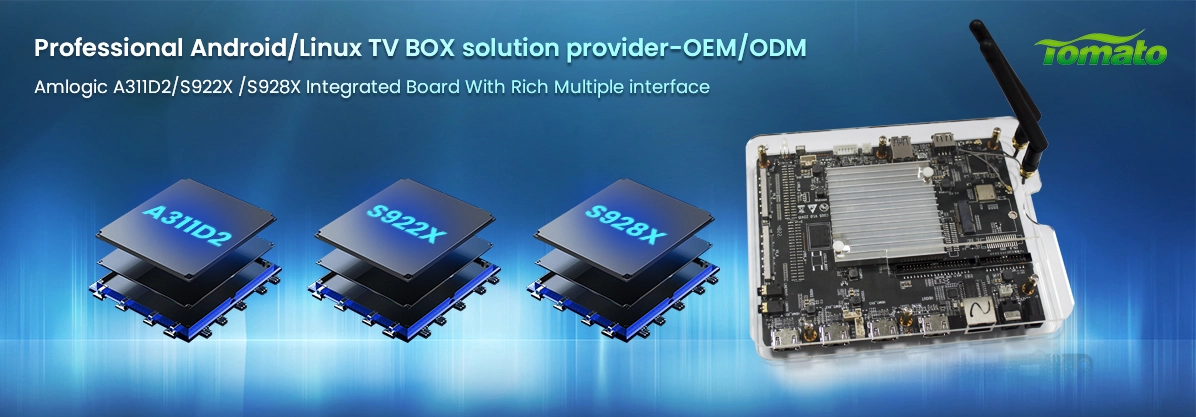
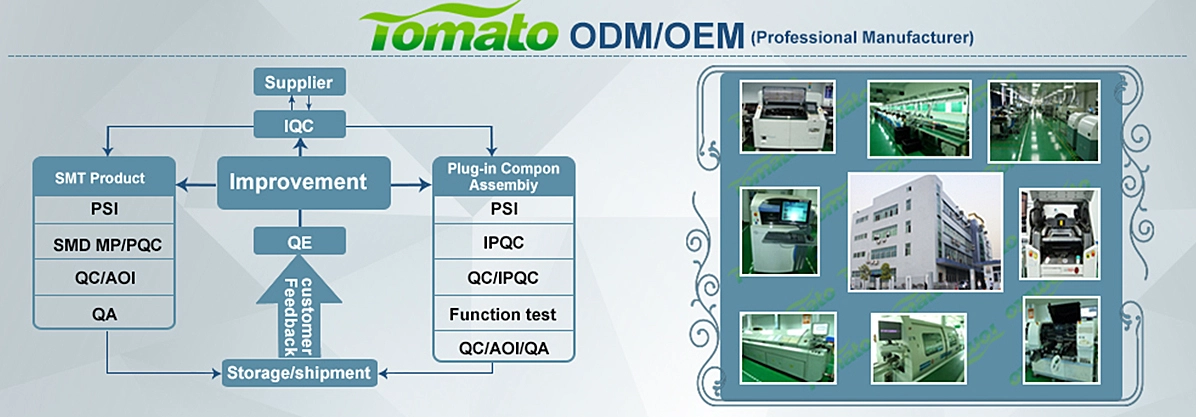
Off-the-shelf retail boxes are rarely "plug-and-play" for enterprise projects. A successful rollout requires a hardware partner capable of deep technical modification. This is where SZTomato’s 15-year history in the Android ecosystem provides a distinct competitive edge.
-
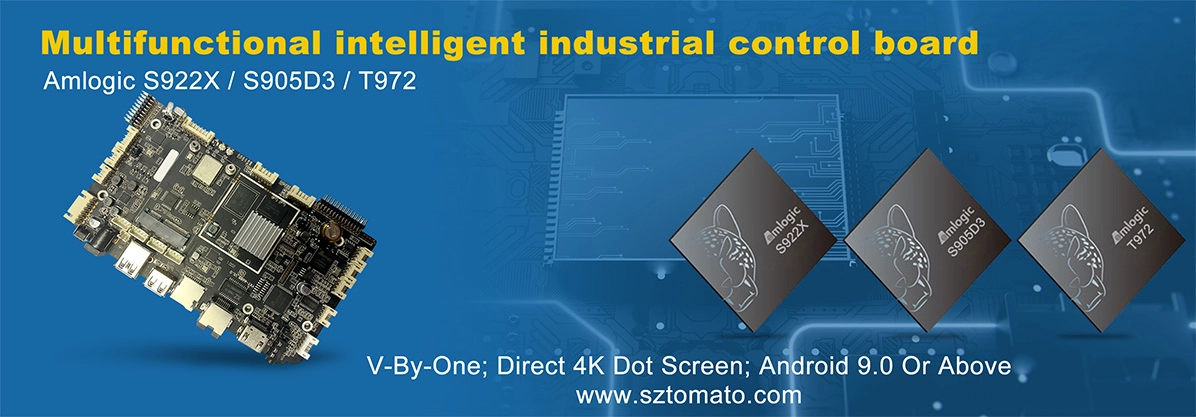
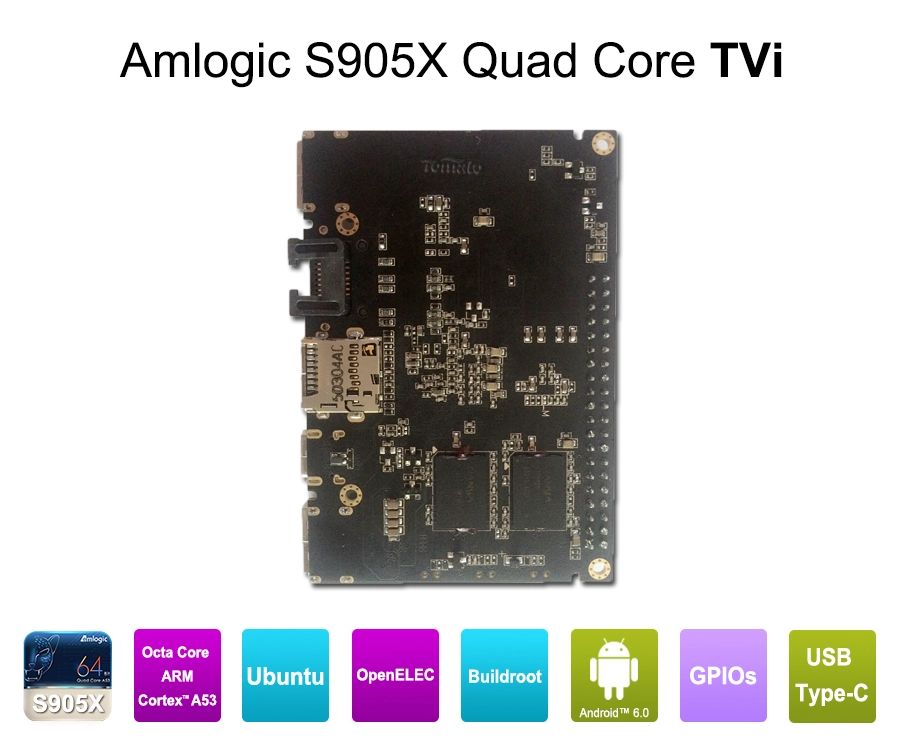
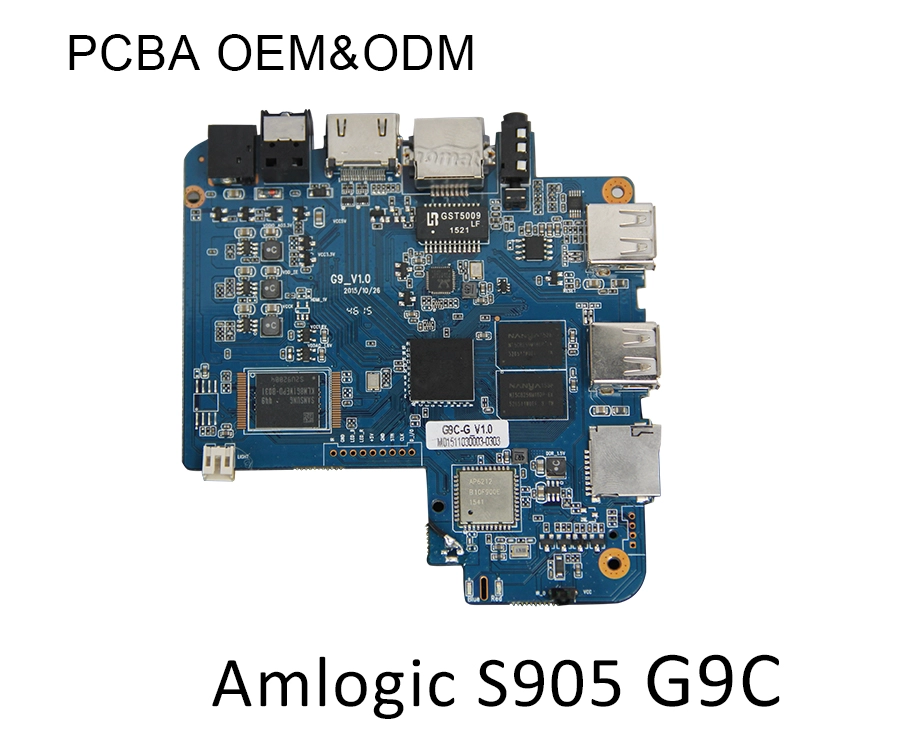
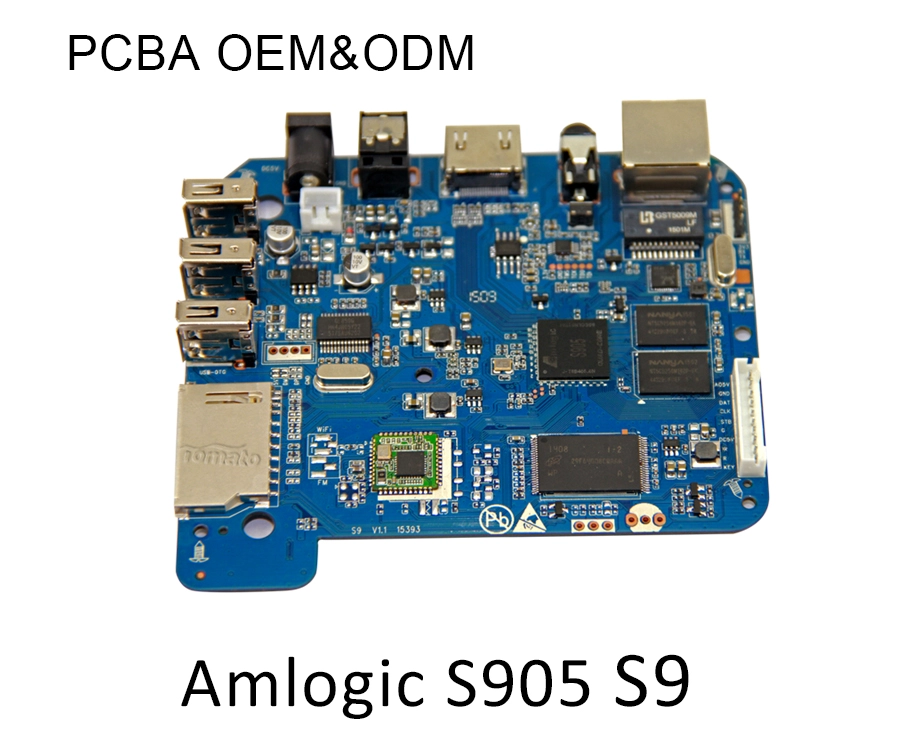
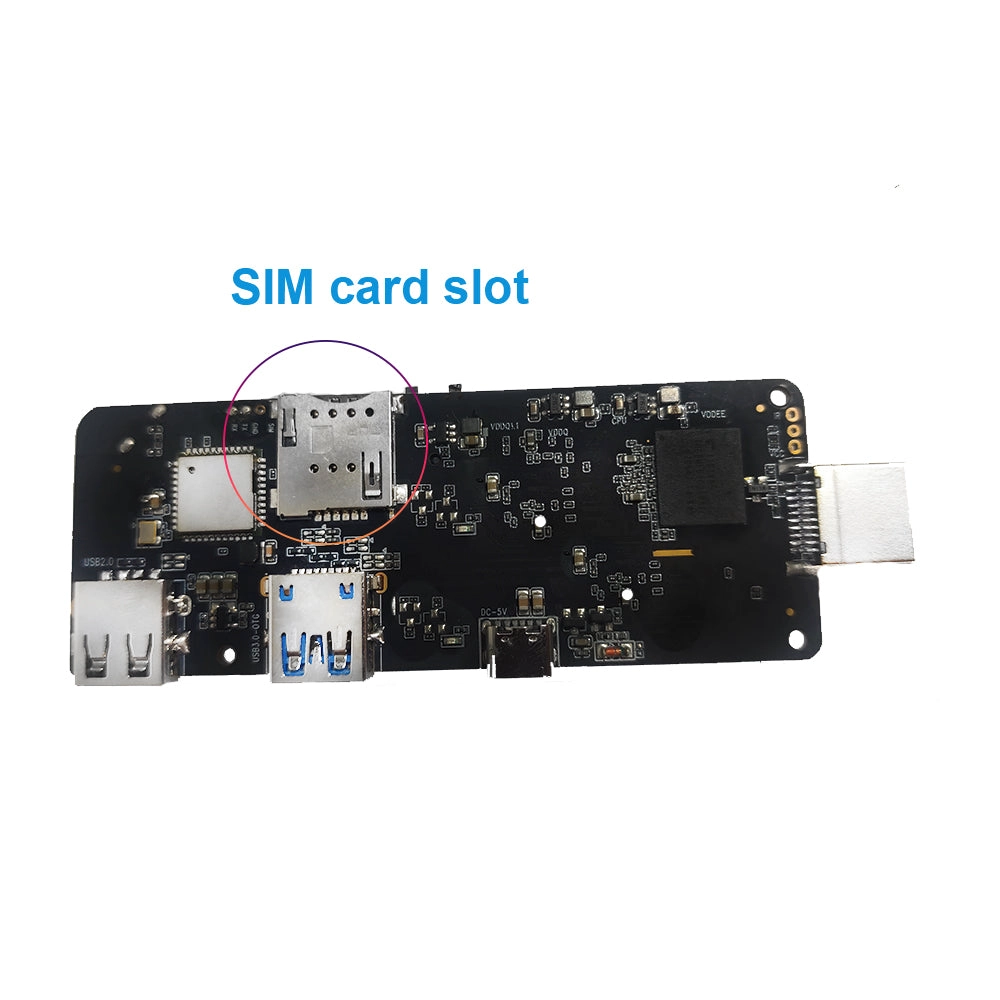
PCBA Tailoring: We don’t just offer standard boards. If your project requires a specific I/O—such as an extra RS232 port for industrial control or a hidden USB port for security dongles—we can modify the PCBA layout.
-
Firmware and Kernel Development: A professional Google TV Box needs a specialized software environment. SZTomato provides custom firmware builds that include:
-
Kiosk Mode: Locking the device to your proprietary application.
-
Rooting or Unrooting: Depending on your security or development needs.
-
Custom Boot Animations: Strengthening brand identity from the moment the device powers on.
-
-
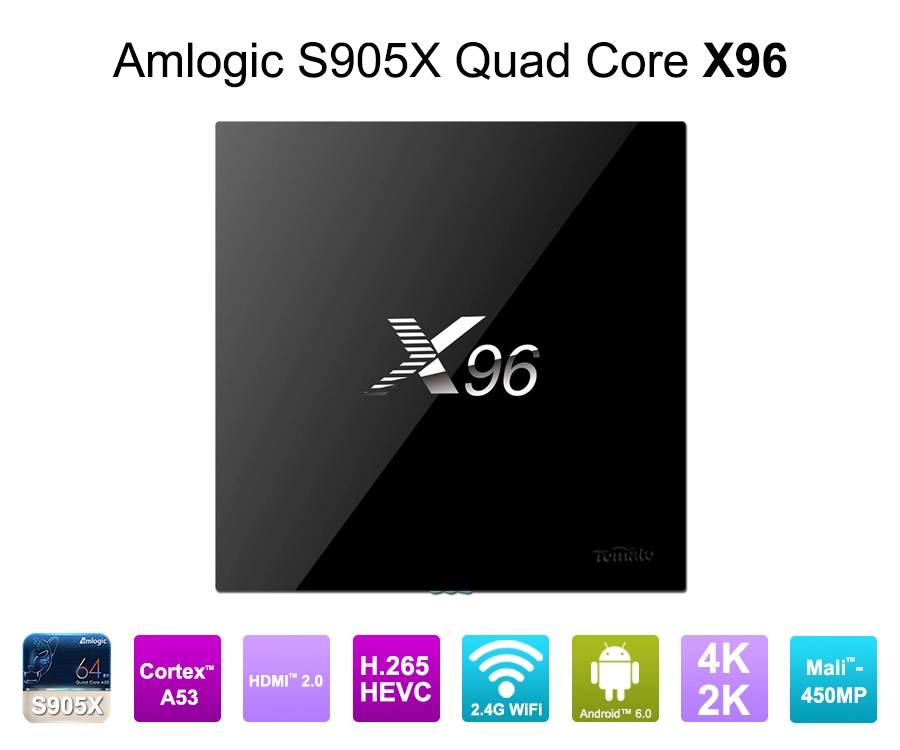
Packaging and ID Design: For brand owners, the "out-of-the-box" experience is vital. We provide end-to-end customization for the casing (ID design), remote control button mapping, and eco-friendly retail or industrial packaging.
4. Scalability and Technical Support
A B2B purchase is the beginning of a partnership, not the end of a transaction. When evaluating a Google TV Box supplier, look for their ability to provide long-term OTA (Over-The-Air) updates. Security patches and OS version jumps (e.g., from Android 12 to 14) are crucial for maintaining the security integrity of your network.
SZTomato ensures that every Google TV Box we manufacture is backed by a dedicated engineering team capable of troubleshooting complex deployment issues, from HDCP handshake errors to specific Wi-Fi 6 router compatibility.
Conclusion The hardware you choose today will define your service quality for the next three to five years. Don't settle for "standard" when you can have "engineered." By prioritizing certification, future-proof codecs, and professional-grade customization, you protect your brand's reputation and bottom line.
Ready to build a Google TV Box tailored to your brand? Contact SZTomato today to discuss your OEM/ODM requirements and request a technical consultation.