
Why would I need a Set-Top Box (STB)?
Commercial integrators often face a recurring infrastructure dilemma: when modern commercial displays feature built-in operating systems, why would I need a Set-Top Box (STB)?
The answer comes down to deployment control, hardware lifecycle management, and architectural scalability. Relying on an integrated smart display for high-stakes B2B environments—such as hospital IPTV networks, hotel infotainment systems, or mass digital signage grids—introduces severe vulnerabilities. Consumer-grade integrated boards lack the processing bandwidth, thermal management, and software flexibility required for 24/7 commercial operations. Deploying a dedicated Set-Top Box (STB) separates the computing layer from the display layer, granting operators total control over their network architecture.
1. Overcoming OS Fragmentation and Enforcing MDM Control
One of the primary causes of project failure in commercial media deployments is operating system fragmentation. Displays from different manufacturers—or even different production batches from the same manufacturer—often run varying versions of WebOS, Tizen, or locked-down Android forks.
A standardized Set-Top Box (STB) eliminates this variable. By deploying a uniform Set-Top Box (STB) across all endpoints, network administrators can deploy a single APK or software build, ensuring 100% compatibility. Furthermore, a dedicated Set-Top Box (STB) allows for strict Mobile Device Management (MDM). Network engineers require root access to push silent background updates, monitor device health via telemetry, and lock the user interface to kiosk mode. Integrated TV systems explicitly block this level of administrative access.
2. Specialized I/O Interfacing and Hardware Resilience
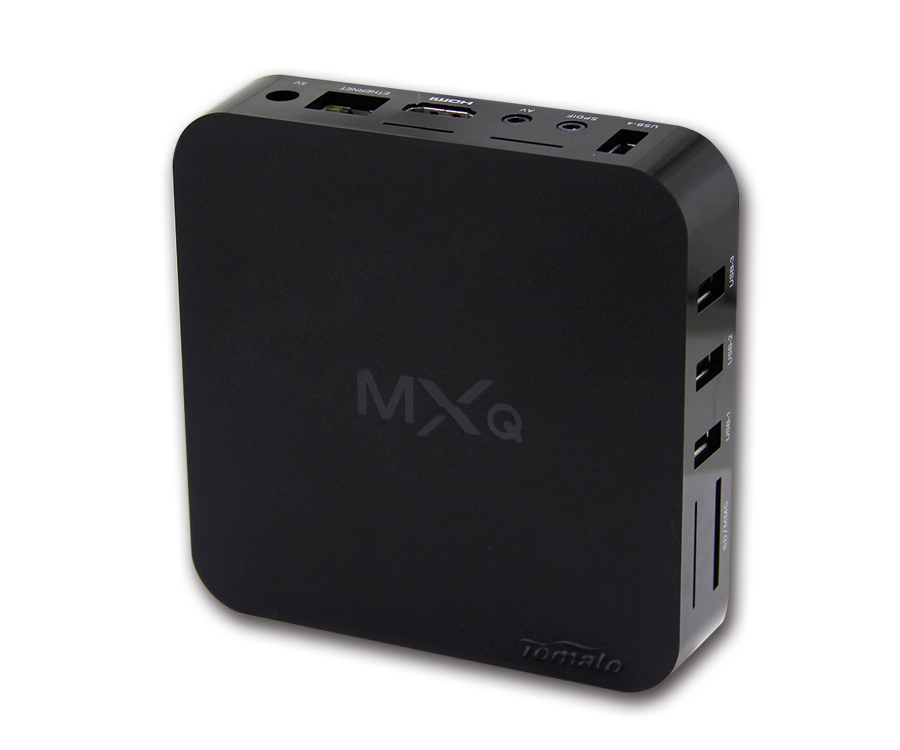
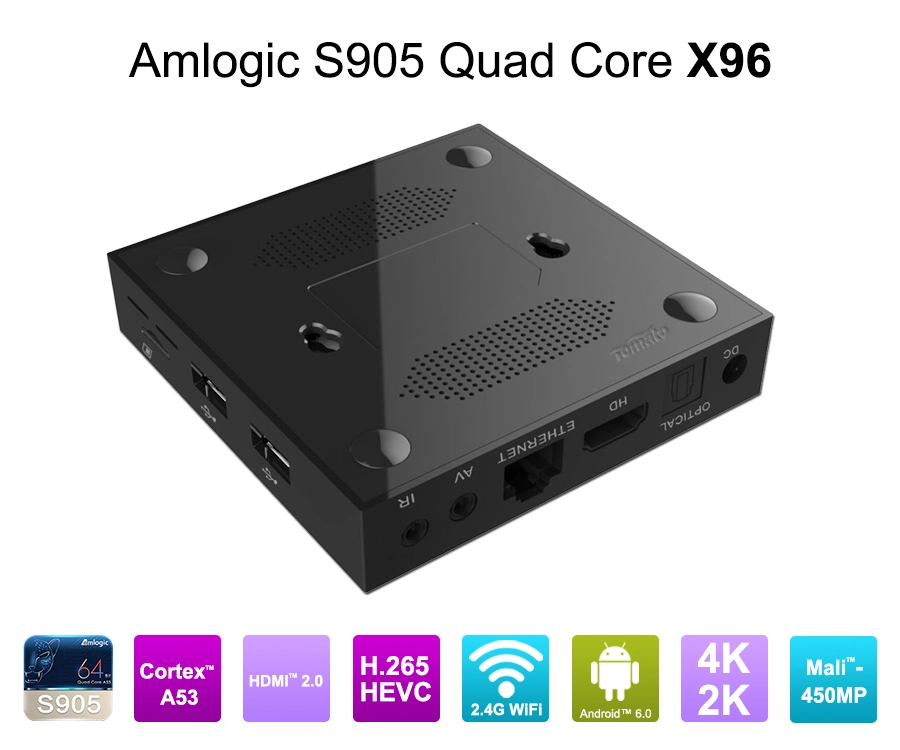
B2B physical environments require connectivity that integrated screens do not possess. A professional Set-Top Box (STB) acts as an industrial gateway, providing the necessary ports to interface with legacy and specialized peripherals.
-
RS232 / Serial Ports: Critical for low-level command execution to control external commercial monitors, projectors, and automated room lighting.
-
Gigabit LAN: High-bitrate 4K multicast IPTV requires uninterrupted bandwidth. A wired 1000Mbps connection on a Set-Top Box (STB) prevents the packet loss common to integrated TV Wi-Fi modules.
-
Thermal Architecture: Continuous 4K video decoding generates significant heat. A standalone Set-Top Box (STB) is engineered with dedicated aluminum heat sinks and optimal chassis airflow, preventing the thermal throttling that plagues ultra-thin smart TVs operating around the clock.
3. The Financial Logic of Decoupled Infrastructure
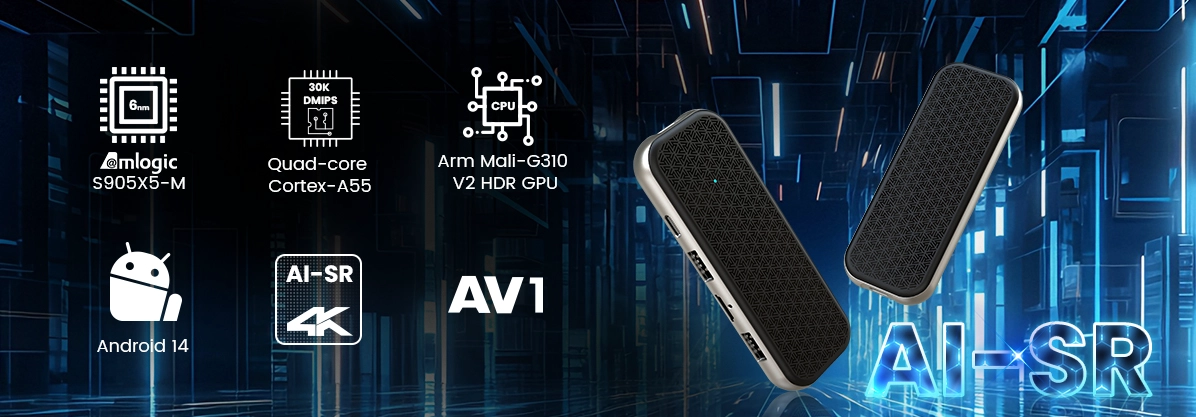
From a capital expenditure (CapEx) perspective, coupling your processing unit with your display panel is a flawed strategy. Processing requirements advance much faster than screen technology. An 85-inch commercial 4K display has a mechanical lifespan of 5 to 7 years. However, the internal processor will struggle to decode new video codecs (like AV1) or run heavier interactive software within 3 years.
By utilizing a Set-Top Box (STB), you protect your primary hardware investment. Upgrading the computing power of an entire deployment simply requires swapping out a cost-effective Set-Top Box (STB), rather than replacing thousands of expensive large-format displays.
4. Engineering the Perfect Node: OEM/ODM Customization
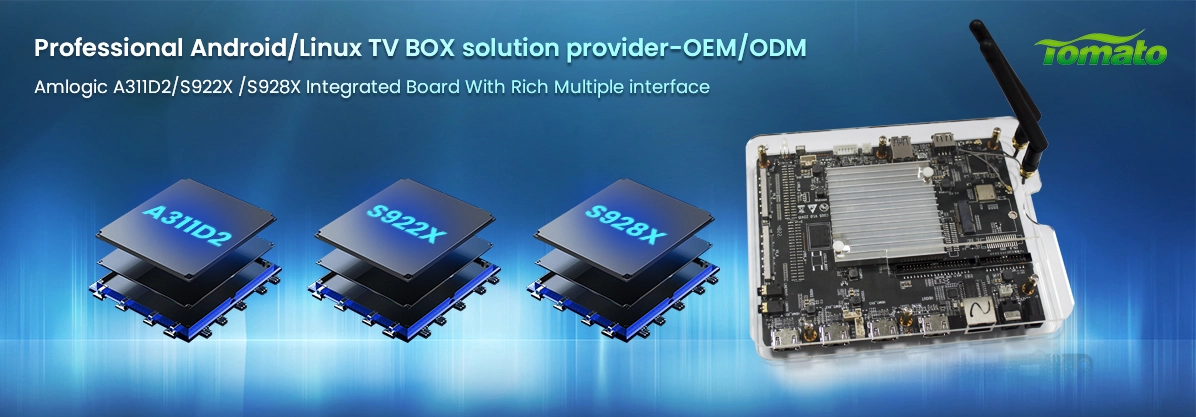
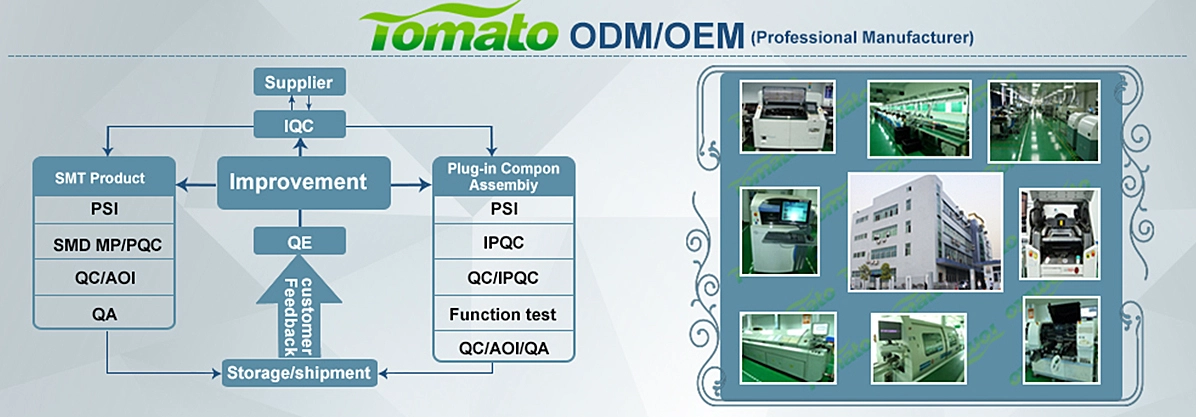
Standard retail hardware cannot seamlessly integrate into proprietary corporate networks. Achieving a zero-touch deployment requires deep hardware and software alignment, which is the exact utility of utilizing OEM/ODM services from established manufacturers like SZTomato.
Transitioning from off-the-shelf devices to a fully customized Set-Top Box (STB) involves several distinct engineering phases:
-
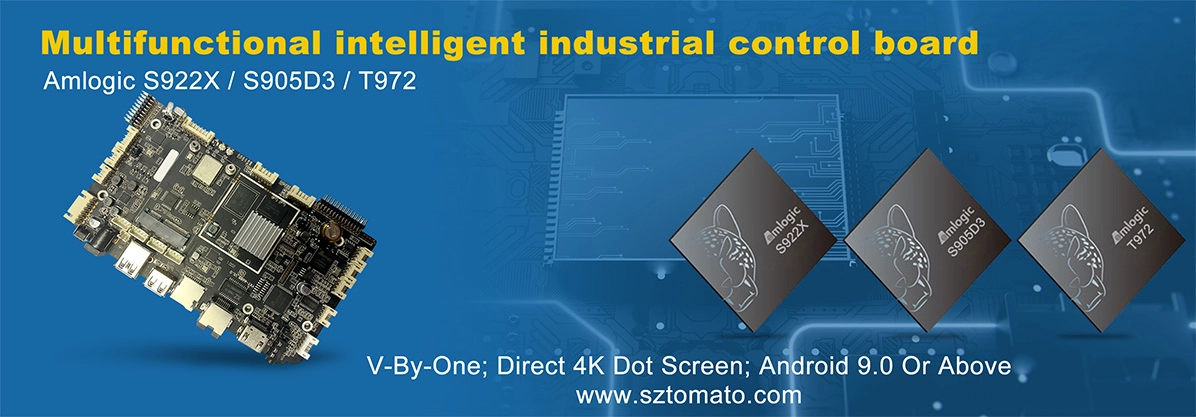
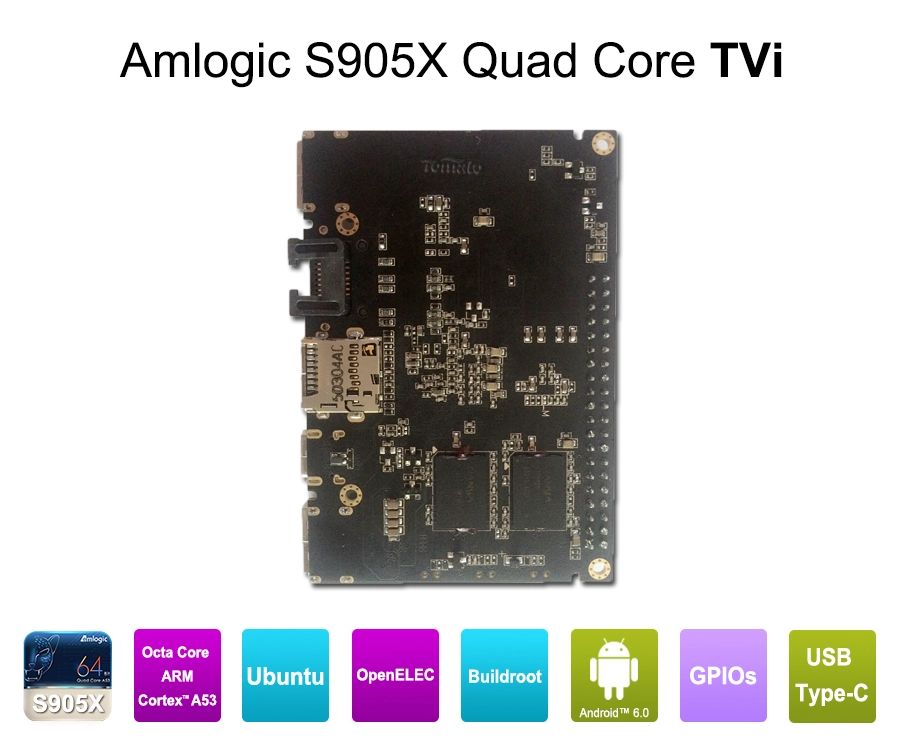
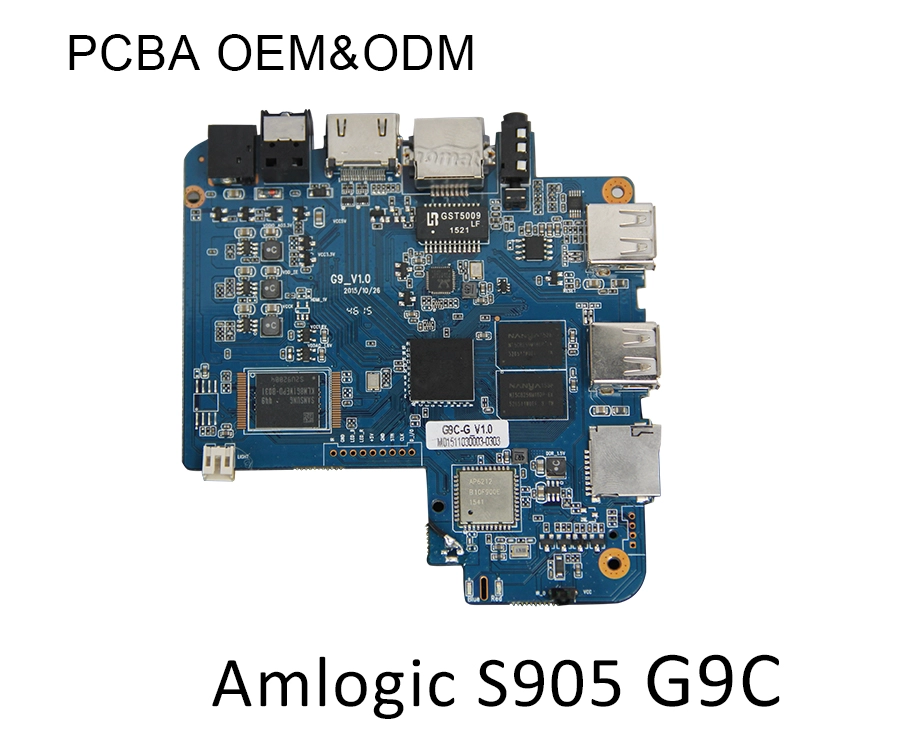
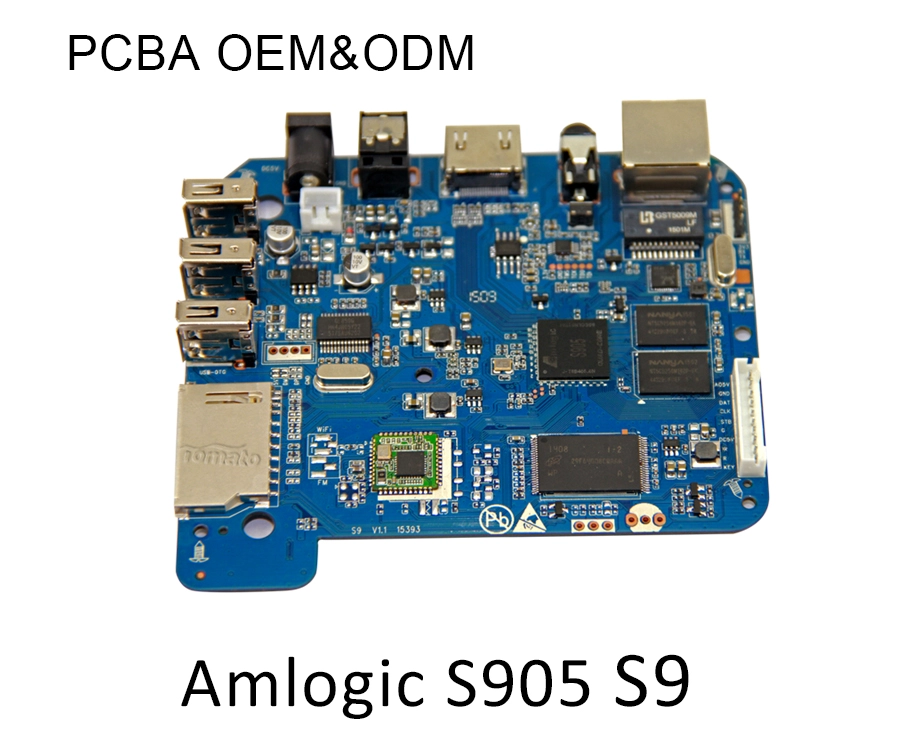
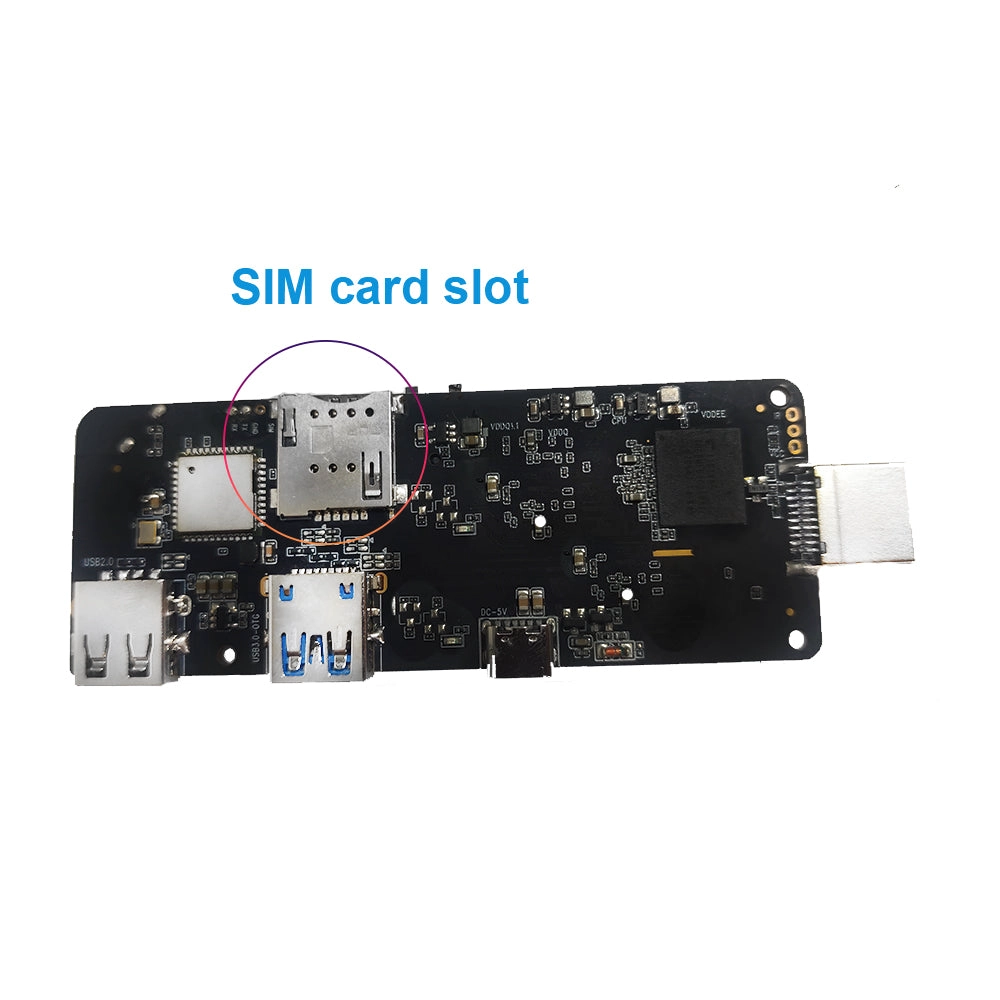
PCBA Modification: We engineer the motherboard layout strictly according to your project's I/O requirements. This includes adding Power over Ethernet (PoE) modules for ceiling installations or stripping out unnecessary consumer audio jacks to aggressively optimize the unit cost of your Set-Top Box (STB).
-
Software and Firmware Development: We compile custom Android firmware directly from the AOSP source code. This enables us to embed your proprietary VPN protocols, program specific boot animations, disable unwanted default applications, and implement secure OTA (Over-The-Air) update pathways.
-
Industrial Packaging Customization: Bulk B2B deployments require specific logistics handling. We provide custom industrial packaging designed for rapid unboxing by field technicians, minimizing physical waste while maximizing transit protection.
Conclusion Treating the computing layer as an afterthought is the fastest route to escalating maintenance costs. If you are questioning "why would I need a Set-Top Box (STB)," evaluate the long-term operational demands of your specific project. A dedicated hardware endpoint provides the security, I/O flexibility, and upgrade pathways necessary for scalable enterprise networks. Stop compromising your software's performance on underpowered consumer displays. Contact SZTomato today to architect a custom Set-Top Box (STB) solution engineered precisely for your operational environment.