What to look for when buying a Set-Top Box (STB)?
In the enterprise streaming sector, a Set-Top Box is no longer just a peripheral; it is the primary interface between your service and your subscriber. Procurement decisions based solely on "RAM and Storage" metrics are fundamentally flawed. To ensure a deployment scales without catastrophic failure rates, decision-makers must evaluate the synergy between silicon efficiency, thermal management, and software autonomy.
1. The Silicon Foundation: Choosing the Right SoC
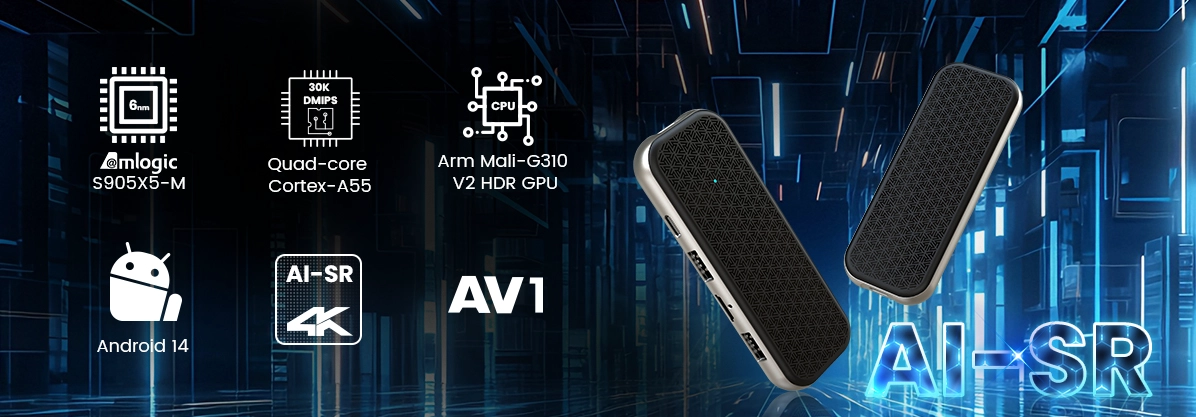
The heart of any Set-Top Box is the System-on-Chip (SoC). While consumer marketing emphasizes "Octa-core" power, B2B stability depends on hardware-level decoding capabilities. In 2026, AV1 hardware decoding is non-negotiable for reducing bandwidth costs by up to 30% without sacrificing 4K HDR10+ quality.
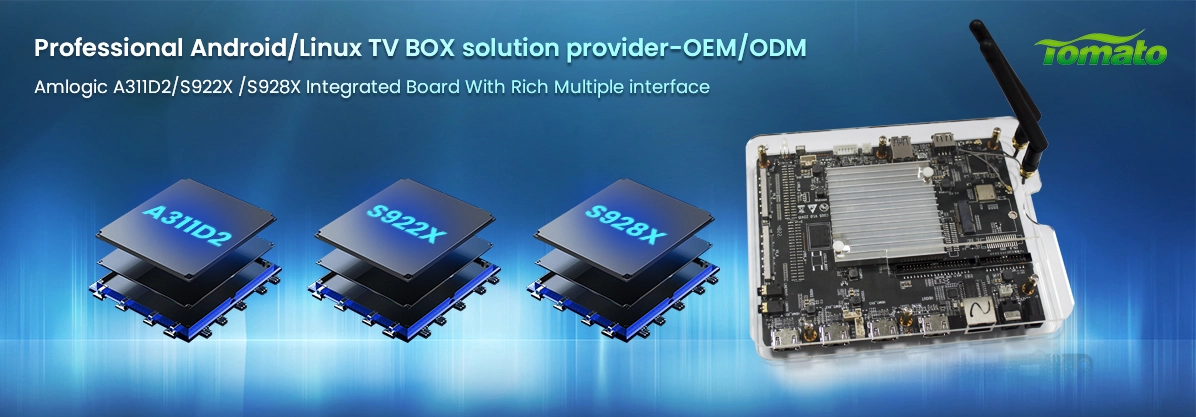
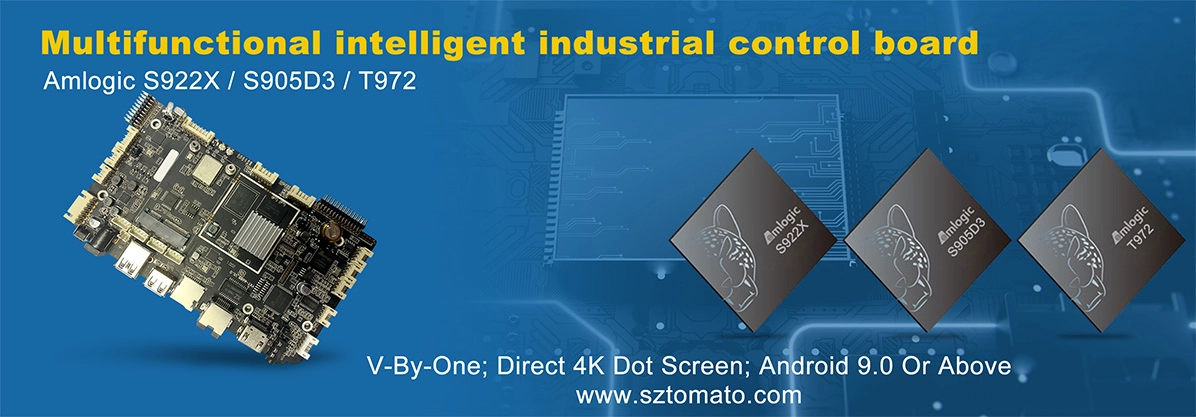
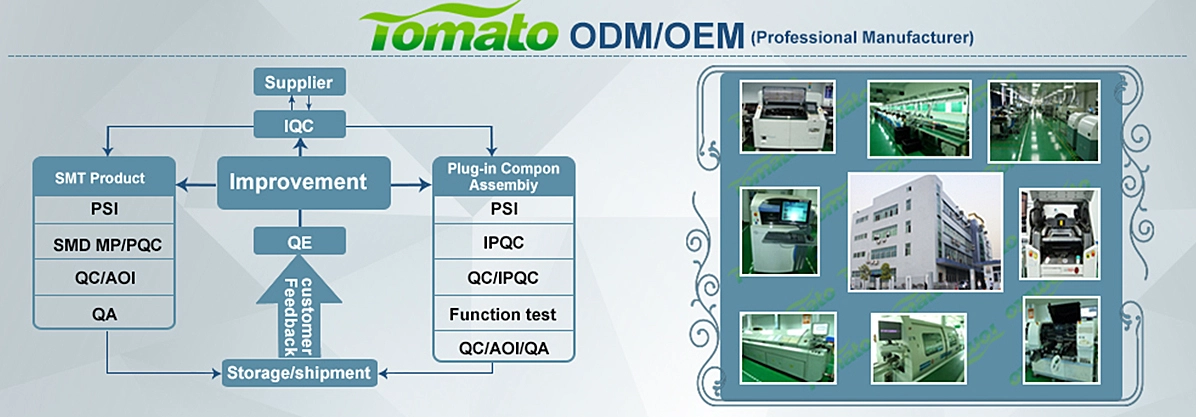
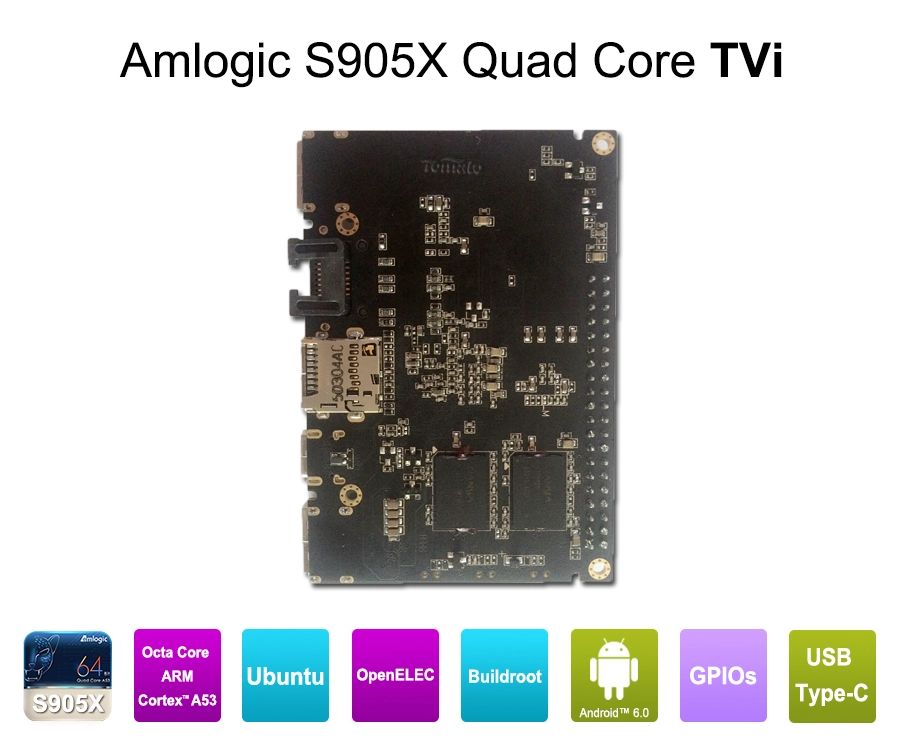
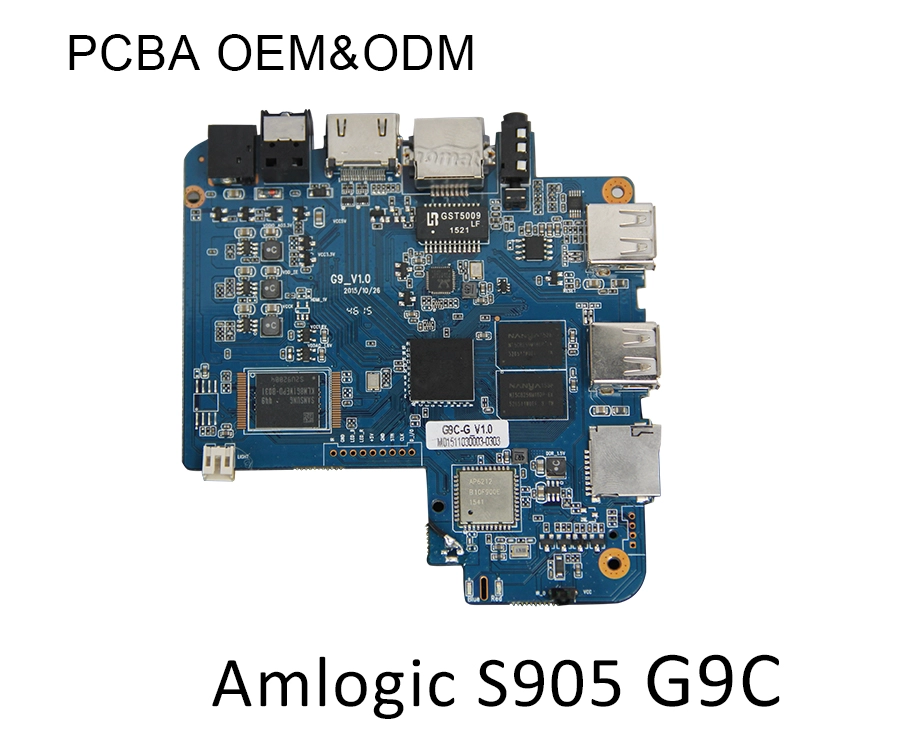
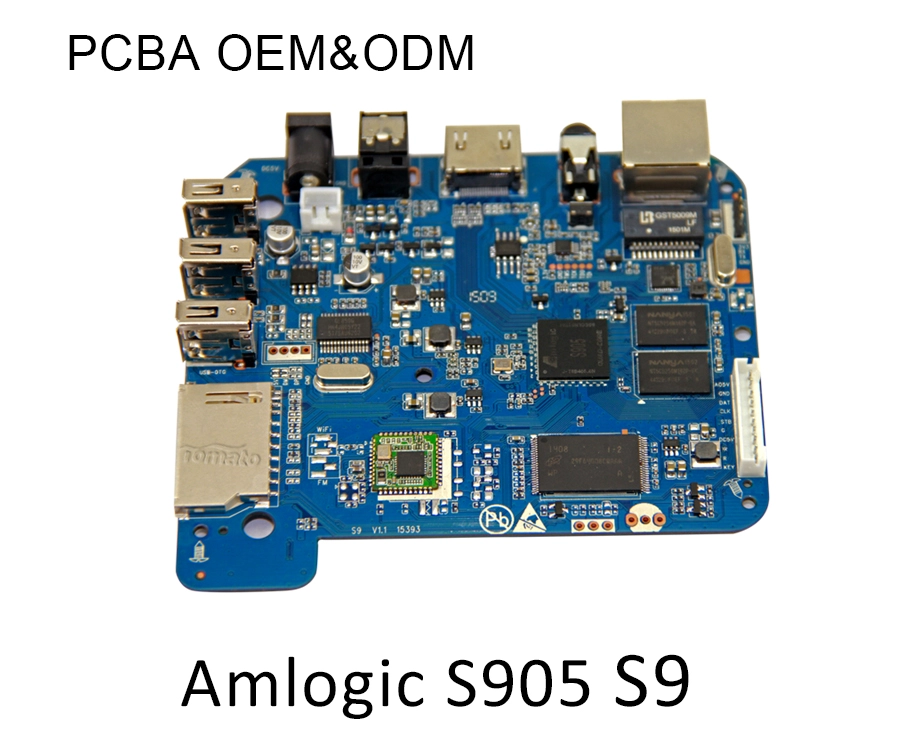
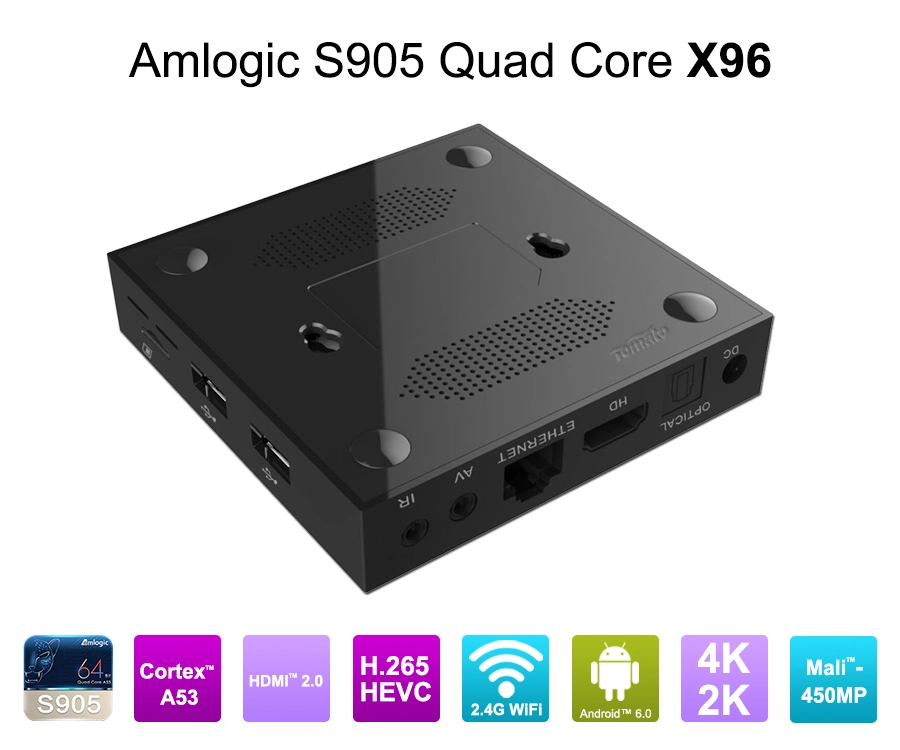
Chipset leaders like Amlogic and Rockchip offer different advantages. For high-reliability IPTV deployments, Amlogic (e.g., S905X4 or S928X series) provides superior power efficiency and security protocols (Widevine L1). SZTomato specializes in optimizing these chipsets at the PCBA level, ensuring that the hardware doesn't just meet spec sheets but survives 24/7 operation in varied climates.
2. Firmware Control and System Integrity
A standard Android build is a liability for operators. When procuring a Set-Top Box, you must verify the vendor's ability to provide "Deep Customization." This includes a custom-skinned launcher that prevents users from accessing system settings, pre-installed proprietary APKs that cannot be uninstalled, and a "Kiosk Mode" for digital signage or hotel environments.
At SZTomato, our R&D team focuses on Firmware Modification that goes beyond the surface. We provide root-access control for our partners, enabling them to push Over-The-Air (OTA) updates from their own servers. This level of software engineering ensures your fleet remains secure and compatible with evolving streaming protocols without requiring physical hardware recalls.
3. Industrial Design and Connectivity Thermal Overhead
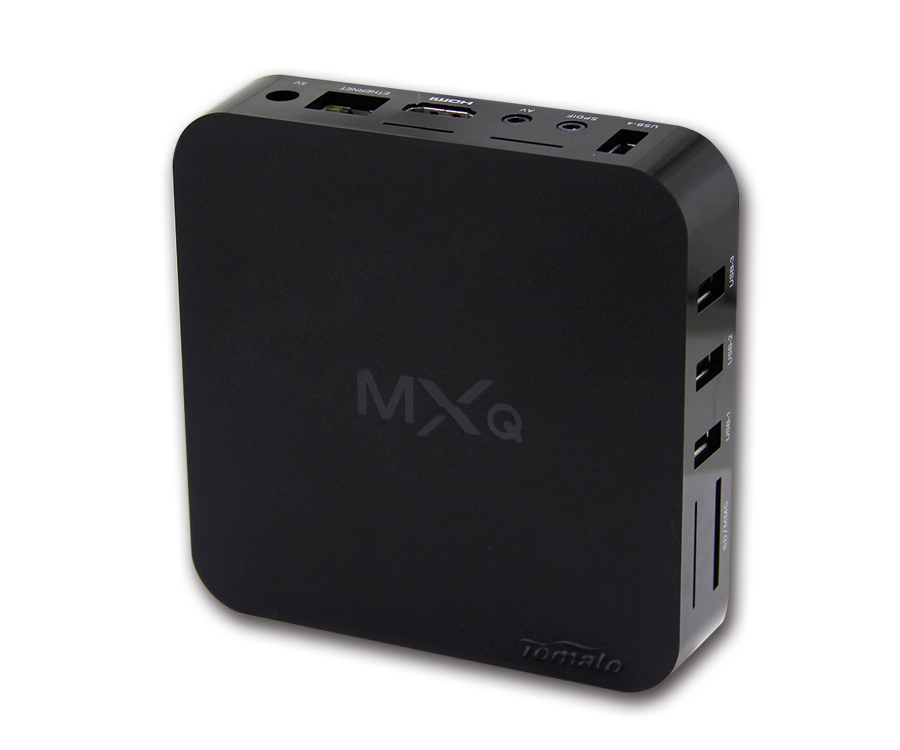
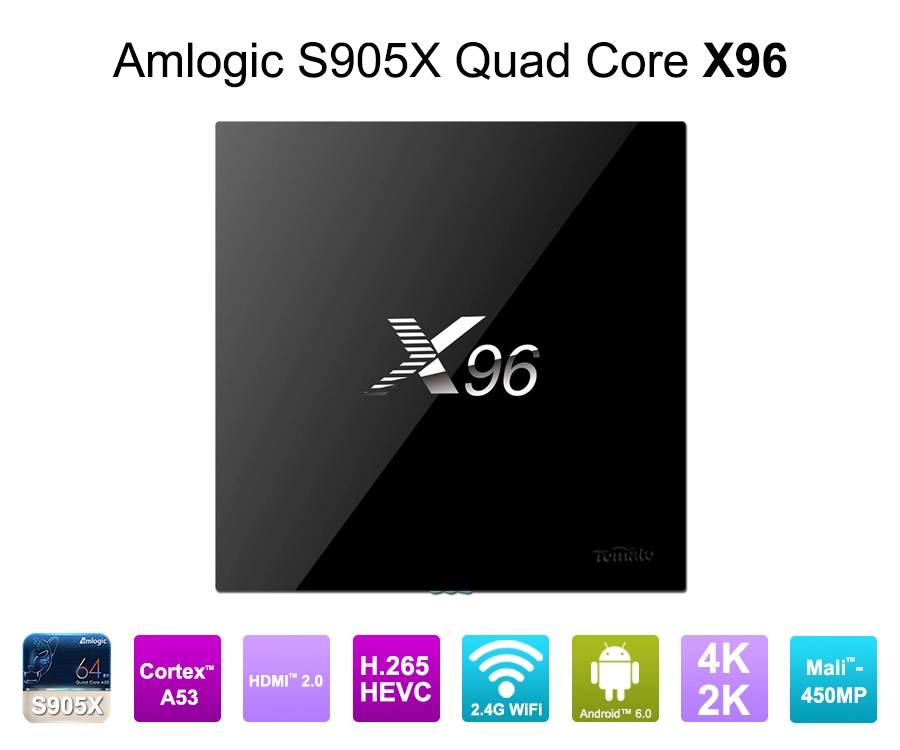
Mass-market STBs often suffer from "thermal throttling," where the CPU slows down to prevent overheating, causing lag in the user interface. Professional B2B buyers should look for Set-Top Box designs that incorporate oversized heat sinks or specialized airflow casing.
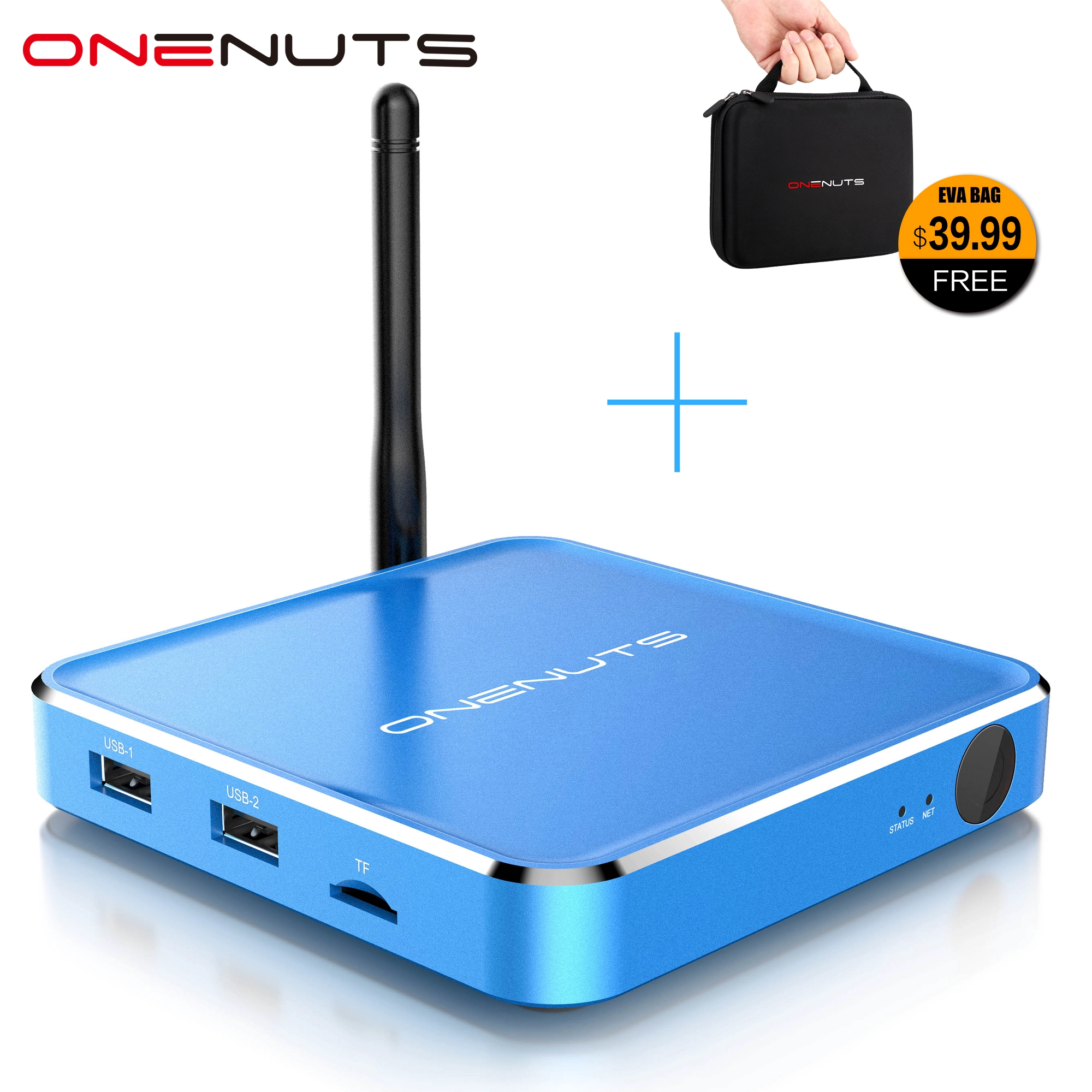
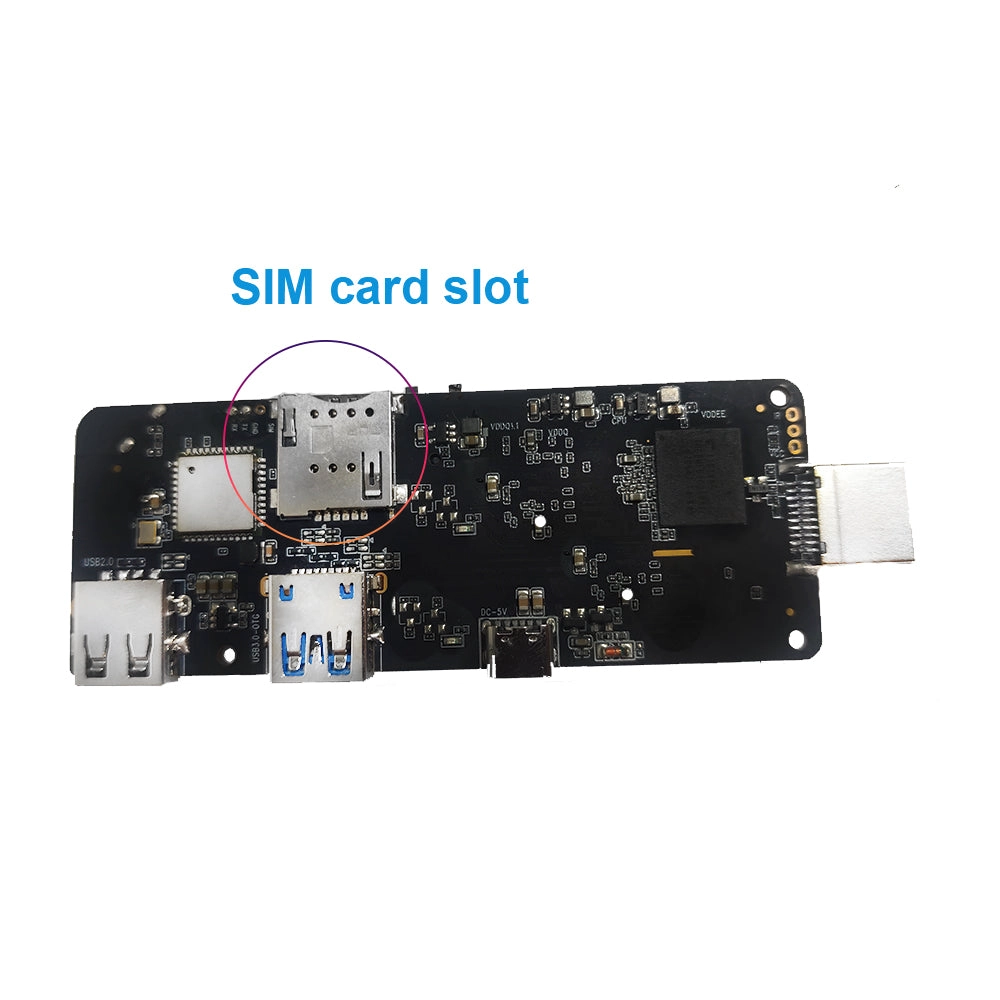
Furthermore, connectivity is a bottleneck. In 2026, dual-band Wi-Fi 6/6E and Gigabit Ethernet are the standards for high-bitrate 8K content. Through our OEM/ODM services, we allow clients to modify the physical I/O—adding specialized ports like RS232 for industrial control, or custom LED branding on the chassis to reinforce corporate identity at every touchpoint.
4. Supply Chain Transparency and After-Sales E-E-A-T
The final criterion is the manufacturer's pedigree. A reliable partner doesn't just ship a box; they provide a roadmap. This includes Long-Term Support (LTS) for components to ensure that the hardware you buy today can be replenished with the exact same specifications two years from now.
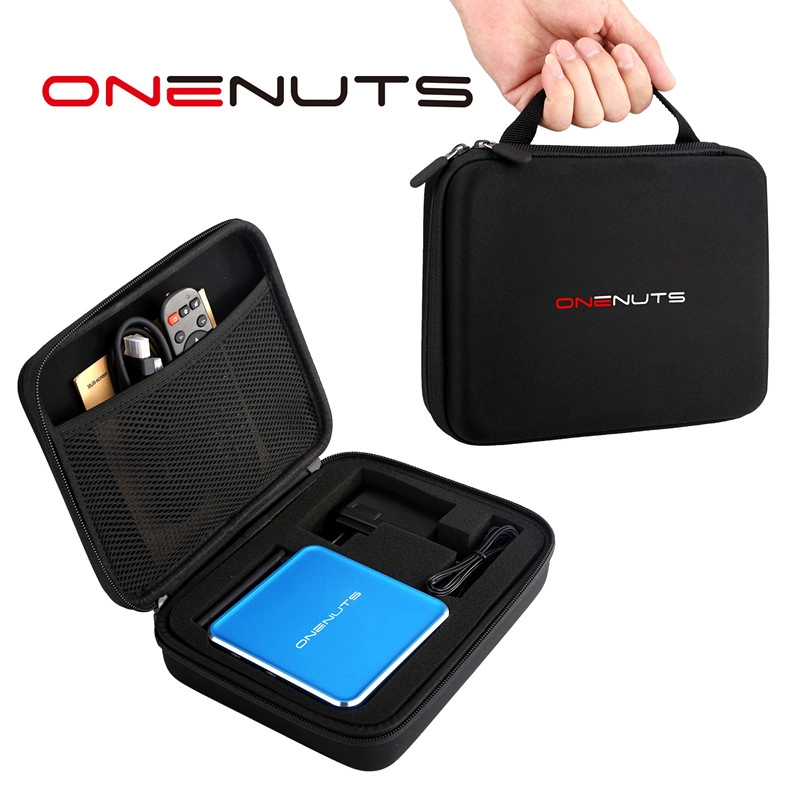
SZTomato (Shenzhen Tomato Technology Co., Ltd) has spent 15 years perfecting this model. From initial PCBA design and software debugging to bespoke packaging that meets your market’s retail standards, we operate as an extension of your engineering team. We don't just sell a Set-Top Box; we build the infrastructure for your brand’s future.
Customizing Your Solution Don't settle for off-the-shelf limitations. Whether you need a high-performance 8K media player or a cost-effective 4G-LTE integrated terminal, our team is ready to engineer it.