
What to look for when buying an OTT TV Box?
For B2B buyers—ISPs, hotel integrators, and digital signage operators—the "best" OTT TV Box is no longer defined by a simple list of CPU cores or RAM capacity. In 2026, the delta between a profitable long-term deployment and a logistical nightmare lies in three specific areas: Decoder Efficiency, Connectivity Architecture, and Firmware Sovereignty.
When sourcing at scale, a generic retail box is a liability. You need an endpoint that is engineered to minimize bandwidth costs, maximize uptime in dense RF environments, and, most importantly, project your brand, not the manufacturer's. Here is the technical checklist for professional-grade procurement in 2026.
1. The Decoding Standard: AV1 is Non-Negotiable
In 2026, the most vital metric for any OTT TV Box is codec support. The industry has fully pivoted to AV1 to combat rising CDN (Content Delivery Network) costs.
-
The 30% Bandwidth Rule: Major platforms like YouTube and Netflix now prioritize AV1 because it offers 30% better compression than H.265. For an ISP, deploying AV1-native hardware means you can deliver 4K content using significantly less data, directly improving your bottom line.
-
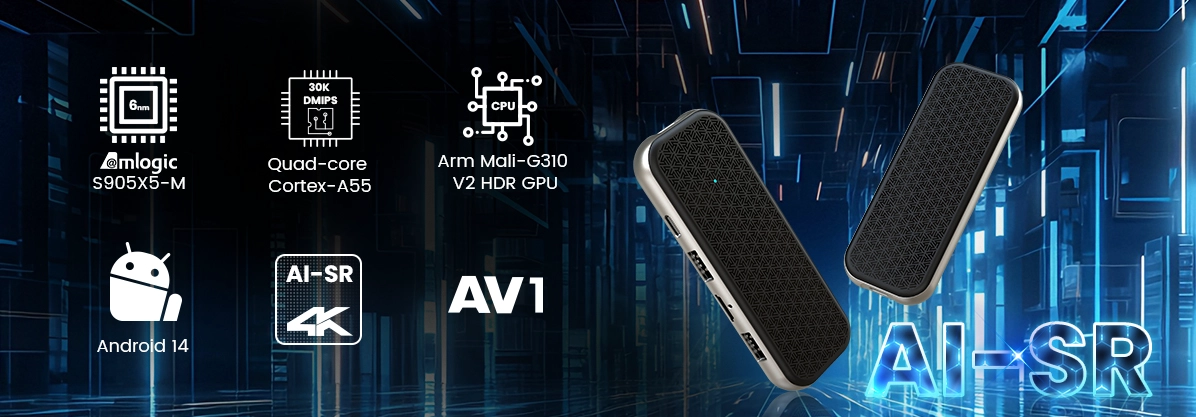
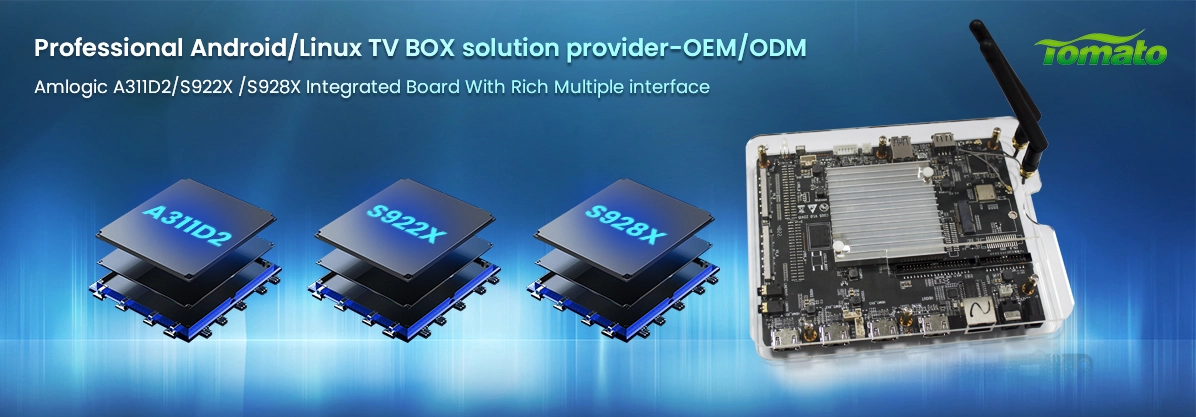
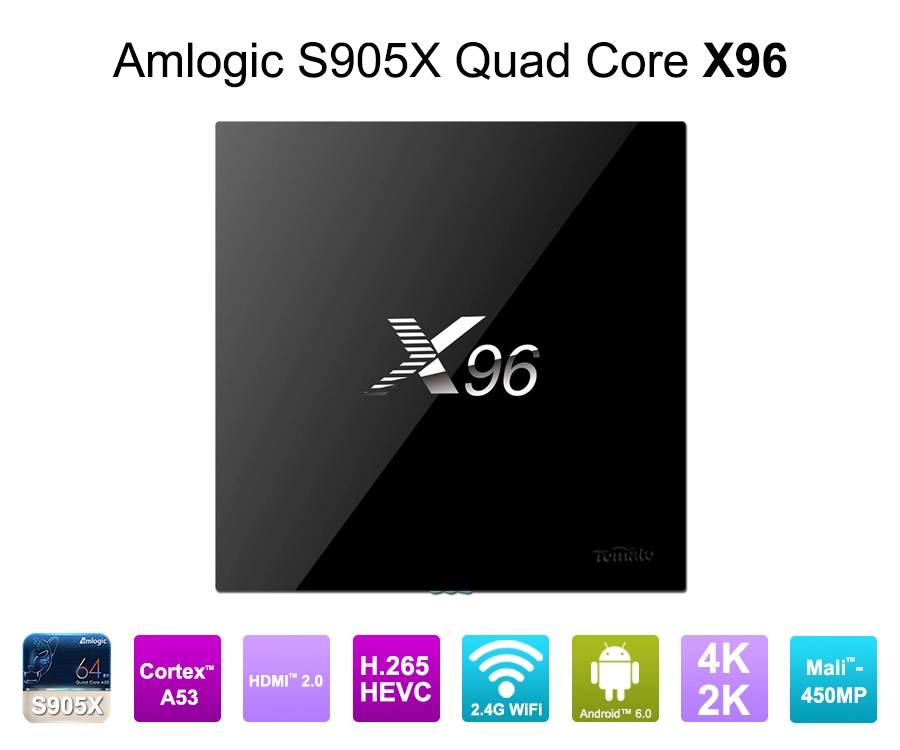
Hardware vs. Software: Ensure your box features native hardware decoding (found in chipsets like the Amlogic S905X4 or the high-performance S928X). Avoid older chipsets that rely on software decoding; they will overheat and stutter under the load of modern 4K AV1 streams.
-
AI Upscaling: For premium hospitality projects, look for the S928X SoC. Its built-in NPU (Neural Processing Unit) allows for AI-SR (Super Resolution), upscaling standard 1080p content to near-8K quality, providing a competitive edge in visual experience.
2. Hardware "Industrialization": Beyond the Spec Sheet
Most field failures are not caused by software bugs, but by thermal mismanagement and inferior components.
-
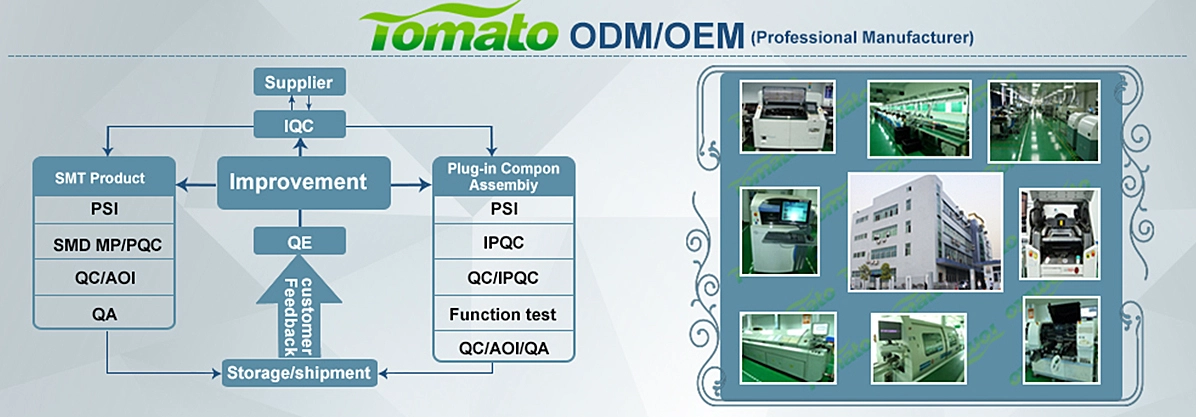
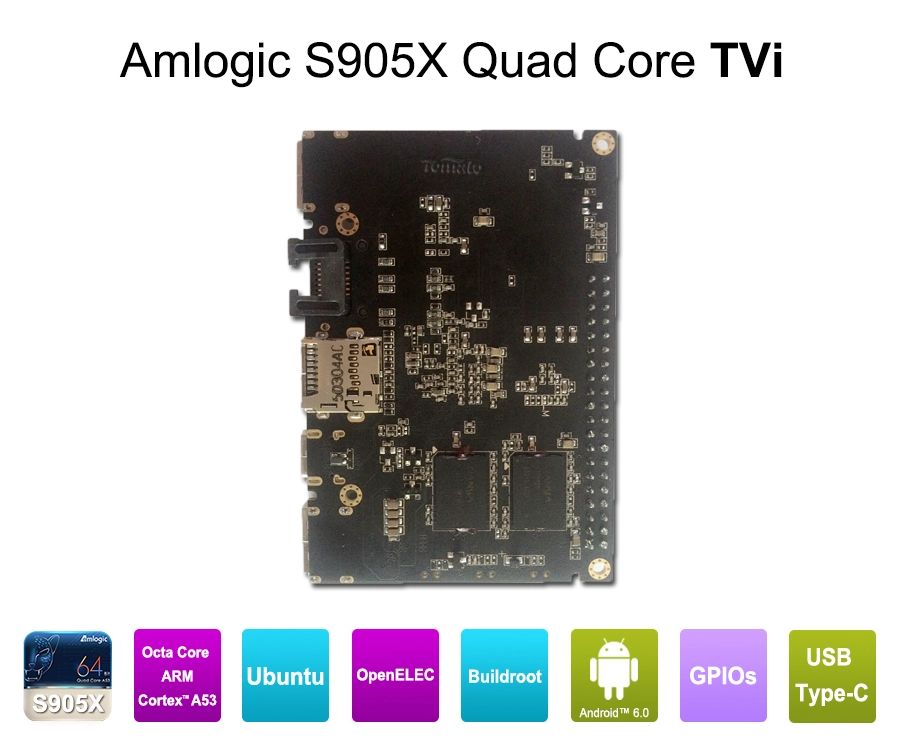
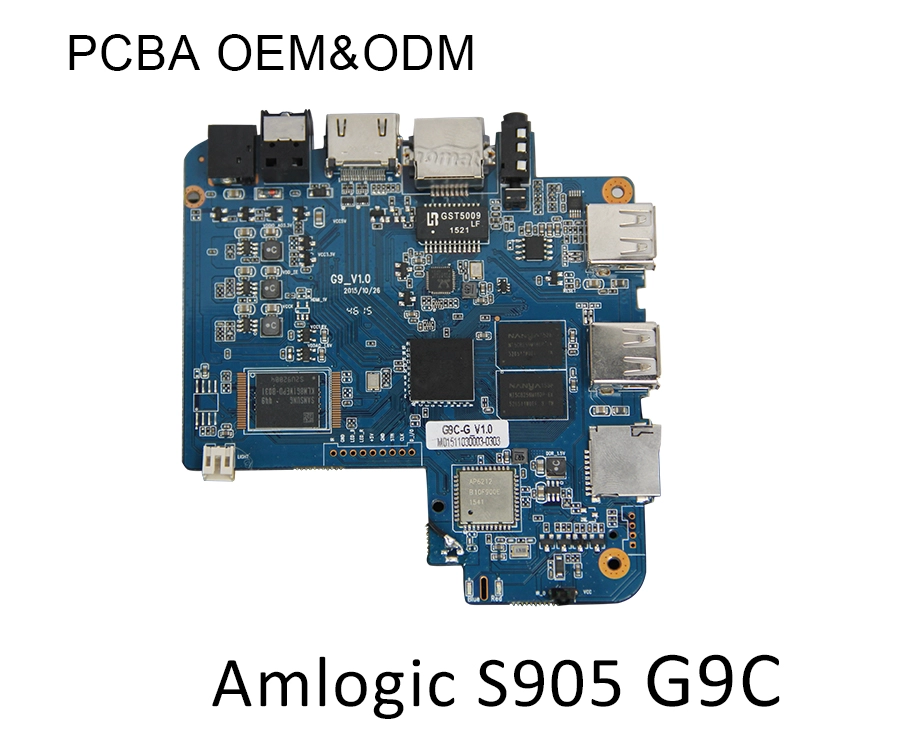
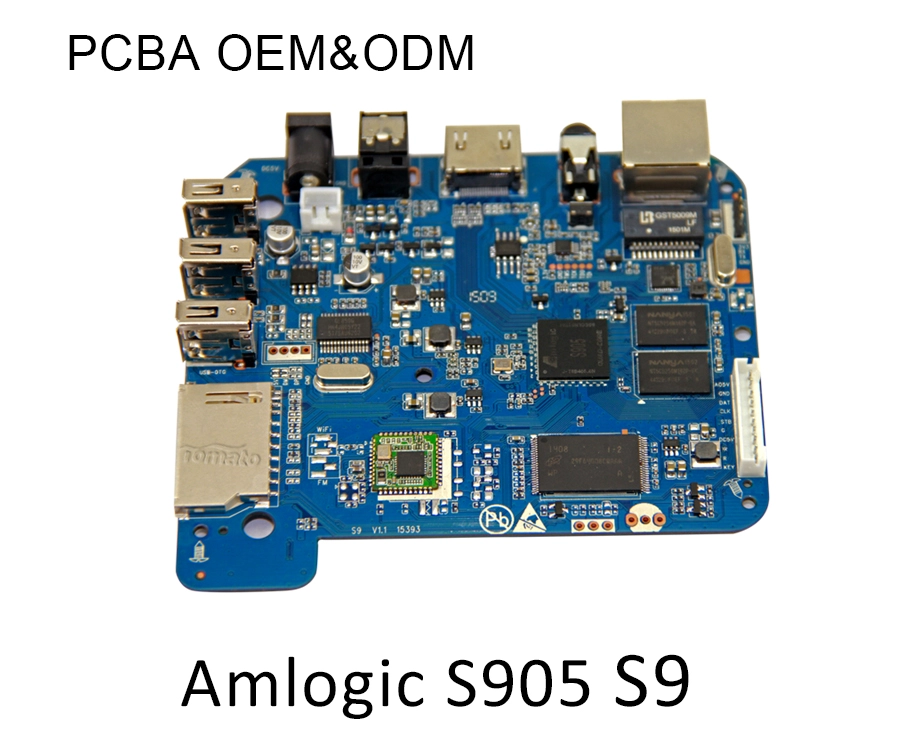
Thermal Architecture: A professional OTT TV Box requires more than a plastic shell. At SZTomato, we engineer our PCBAs with industrial-grade aluminum heatsinks and optimized airflow channels. This prevents "thermal throttling"—where the CPU slows down to protect itself—ensuring the device remains snappy even after 48 hours of continuous 4K playback.
-
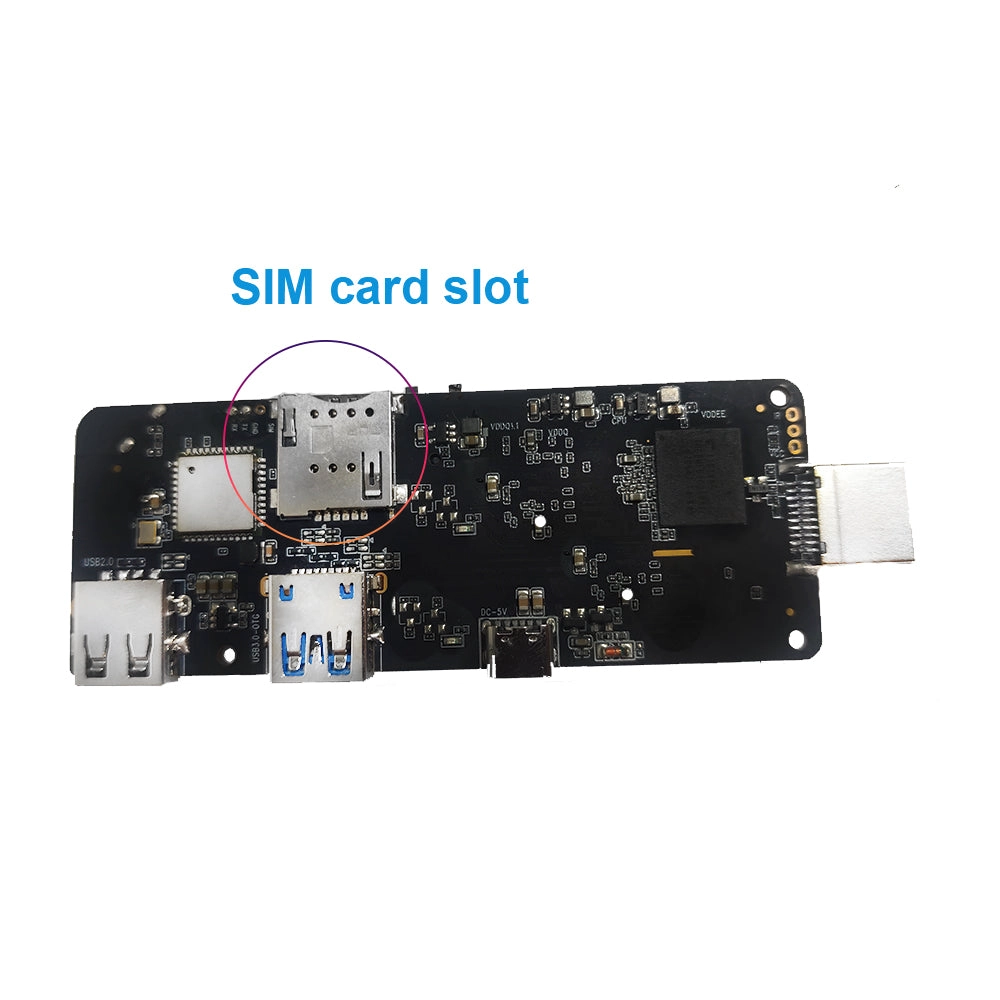
Connectivity Integrity: In 2026, 2.4GHz WiFi is unusable in hotels or apartment complexes. Your technical requirements should mandate Wi-Fi 6 (802.11ax) or Wi-Fi 6E. For specialized industrial needs, we often modify hardware to include external high-gain antennas or specialized ports like RS232/GPIO for integration with legacy systems.
3. Firmware Sovereignty: Total Brand Control
A professional device should be a "white label" canvas for your service.
-
Boot & UI Customization: Your brand identity should be hard-coded into the boot animation and the System UI. SZTomato’s firmware engineers can develop custom Launchers that hide the underlying Android settings, locking the user into your proprietary app ecosystem.
-
Private FOTA (Over-the-Air) Management: How will you update 50,000 boxes next year? Relying on third-party servers is a security risk. We provide Private FOTA server solutions, allowing you to push security patches and app updates to your entire fleet remotely and securely.
-
DRM Compliance: For premium content, ensure the box supports Widevine L1 and PlayReady. We assist our B2B partners in ensuring their hardware meets the strict security requirements of global content providers.
Conclusion: Choose a Partner, Not a Vendor
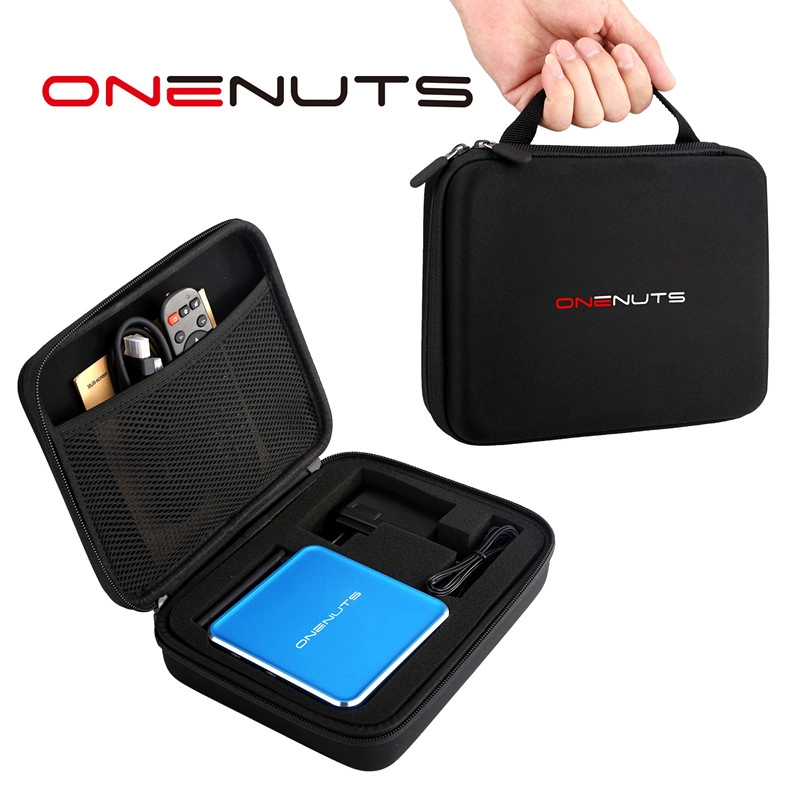
Buying an OTT TV Box is an investment in your delivery infrastructure. At SZTomato, we don't just supply boxes; we provide the engineering backbone—from PCBA layout modification and firmware hardening to customized gift box packaging—that allows your brand to lead the market.
