
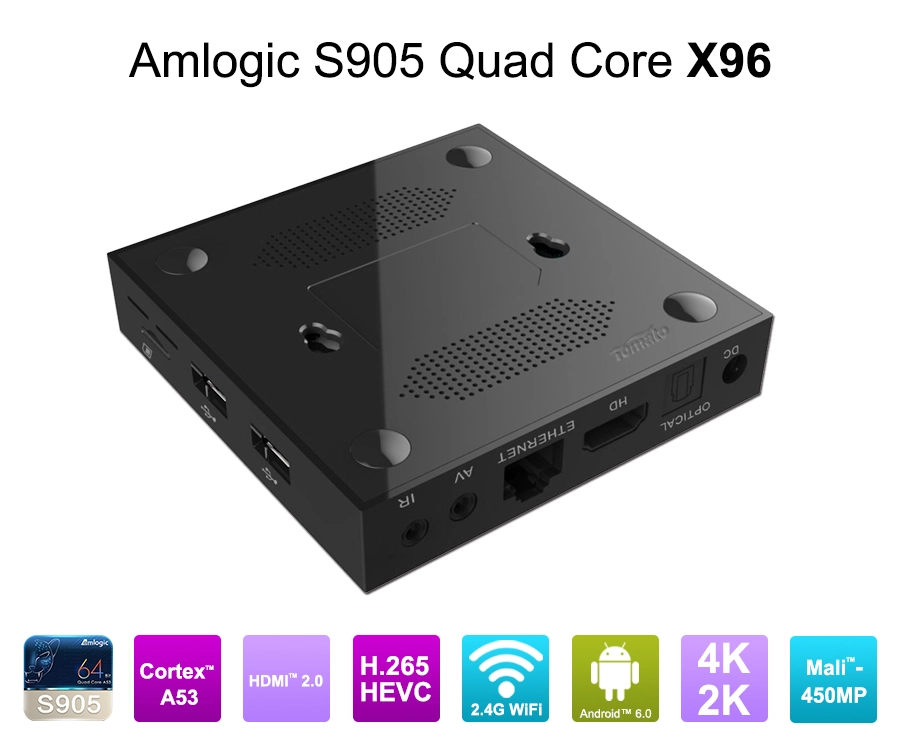
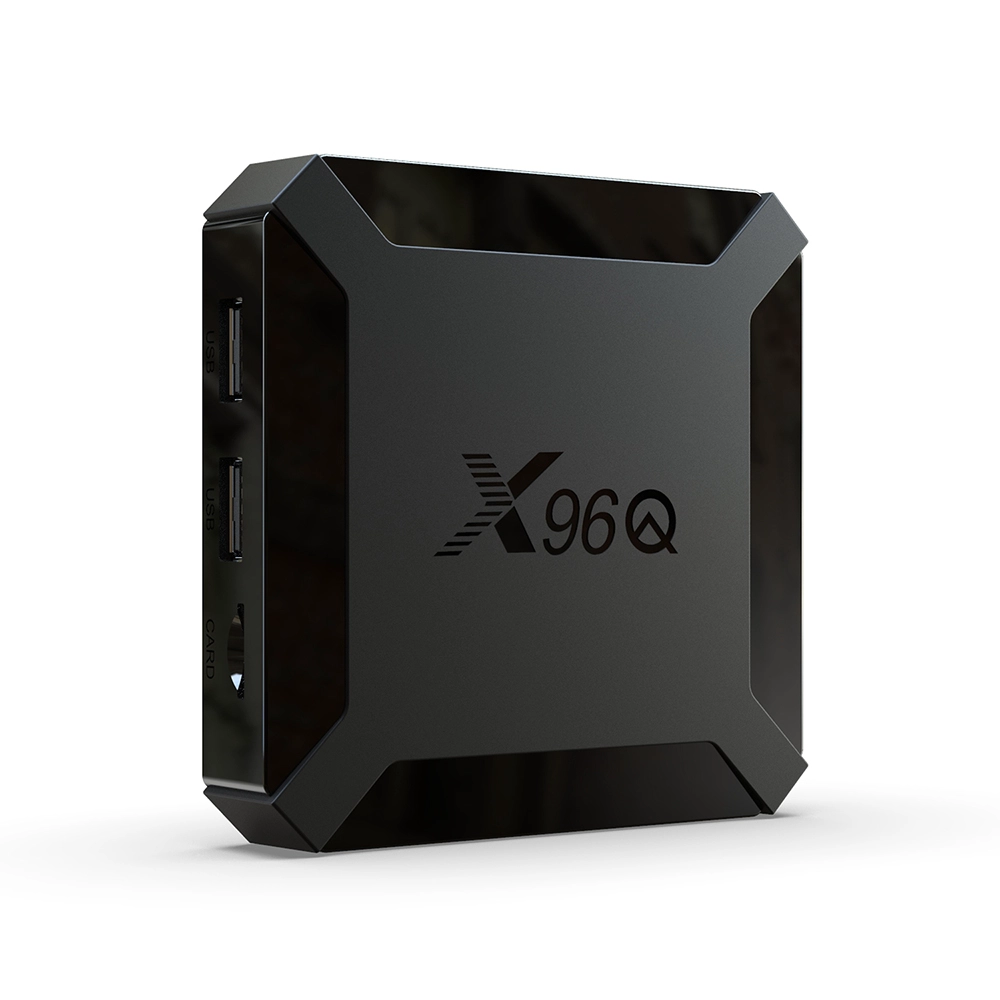
Android TV Box Circuit Design for Reliable 4K/8K HDR
The adoption of AV1 decoding, higher-resolution displays, and HDR video formats is increasing the engineering demands placed on Android TV Box manufacturers. A multimedia SoC may advertise 4K or 8K decoding, but that specification alone does not guarantee stable output in a finished product.
Actual performance depends on the complete hardware and software architecture. Memory bandwidth must support the video pipeline. The PCB must maintain signal integrity. Power circuits must handle peak loads without excessive ripple. Thermal design must prevent sustained workloads from triggering throttling. Android firmware must correctly initialize the decoder, display controller, and HDMI interface.
These requirements become more demanding in commercial deployments, where devices may operate continuously, connect to different display models, and run customized IPTV or digital signage applications.
For B2B buyers, reliable 4K/8K HDR performance is therefore a system-engineering requirement—not simply a chipset selection decision.
1. SoC and Video Architecture: Establish the Right Foundation
1.1 Select the SoC Based on Real Video Requirements
The SoC defines the core processing architecture of an Android TV Box. However, procurement decisions should not rely exclusively on CPU frequency, core count, or maximum advertised resolution.
A proper platform evaluation should examine:
-
CPU architecture and processing performance
-
GPU architecture and graphics capabilities
-
Dedicated video decoding engine
-
Supported codecs and profiles
-
Maximum decoding resolution and frame rate
-
HDR format support
-
Display controller capabilities
-
HDMI output capabilities
-
Memory bandwidth and supported DDR generation
-
Android/Linux BSP and driver maturity
For example, an SoC may support 8K video decoding but have different limitations in output resolution, refresh rate, color depth, or HDR processing. These capabilities must be checked independently.
Amlogic and Rockchip platforms are widely considered in Android TV Box OEM/ODM development. The right choice depends on the target application, multimedia requirements, peripheral interfaces, software ecosystem, and project budget.
The engineering team should define the required video workload before selecting the chipset. Important parameters include:
| Requirement | Engineering Consideration |
|---|---|
| Resolution | 4K or 8K decoding and display output |
| Frame rate | 30 fps, 60 fps, or other required modes |
| Codec | AV1, H.265/HEVC, VP9, H.264 |
| Bit depth | 8-bit or 10-bit processing |
| Chroma format | 4:2:0, 4:2:2, or 4:4:4 where supported |
| HDR | HDR10, HDR10+, Dolby Vision, HLG, as applicable |
| Output interface | HDMI version and supported transmission modes |
| Workload | Streaming, local playback, signage, or multi-application operation |
This requirement-driven approach prevents a common procurement mistake: paying for a headline specification that does not improve the actual application.
1.2 Understand the Complete 4K/8K Video Pipeline
Video playback involves multiple hardware blocks working together:
-
The input source provides encoded video data.
-
The video decoder processes the selected codec.
-
The memory subsystem stores decoded frames and intermediate data.
-
The display engine performs composition, scaling, and color processing.
-
The HDMI transmitter sends the output signal to the display.
Each stage has different performance requirements.
At 4K and 8K resolutions, memory bandwidth becomes a critical design factor. Decoded frames, graphics overlays, application interfaces, and display buffers all generate memory traffic. An insufficient memory configuration can create bottlenecks even when the decoder itself supports the target resolution.
Engineers should evaluate DDR capacity, data rate, bus width, memory-controller configuration, and system-level bandwidth requirements together.
For commercial products, the design should also account for background applications, remote management services, and customized user interfaces. A TV Box that performs well during isolated video playback may behave differently when running a signage application or IPTV middleware simultaneously.
1.3 Verify HDR Support Across the Entire System
HDR is not a single hardware feature. It requires compatible source content, decoding, color processing, display output, firmware configuration, and a receiving display.
The implementation should be evaluated for:
-
HDR format compatibility
-
10-bit processing and output, where supported
-
Color-space conversion
-
Chroma subsampling
-
HDR metadata handling
-
Display EDID negotiation
-
Resolution and refresh-rate switching
-
HDMI output configuration
HDR10, HDR10+, Dolby Vision, and HLG have different technical and licensing requirements. Support for one format does not establish support for all formats.
For an OEM project, the manufacturer should confirm the exact HDR requirements with the customer and verify the selected SoC, software stack, and output interface against those requirements.
2. PCBA Circuit Design: Signal Integrity, Power Delivery, and Stability
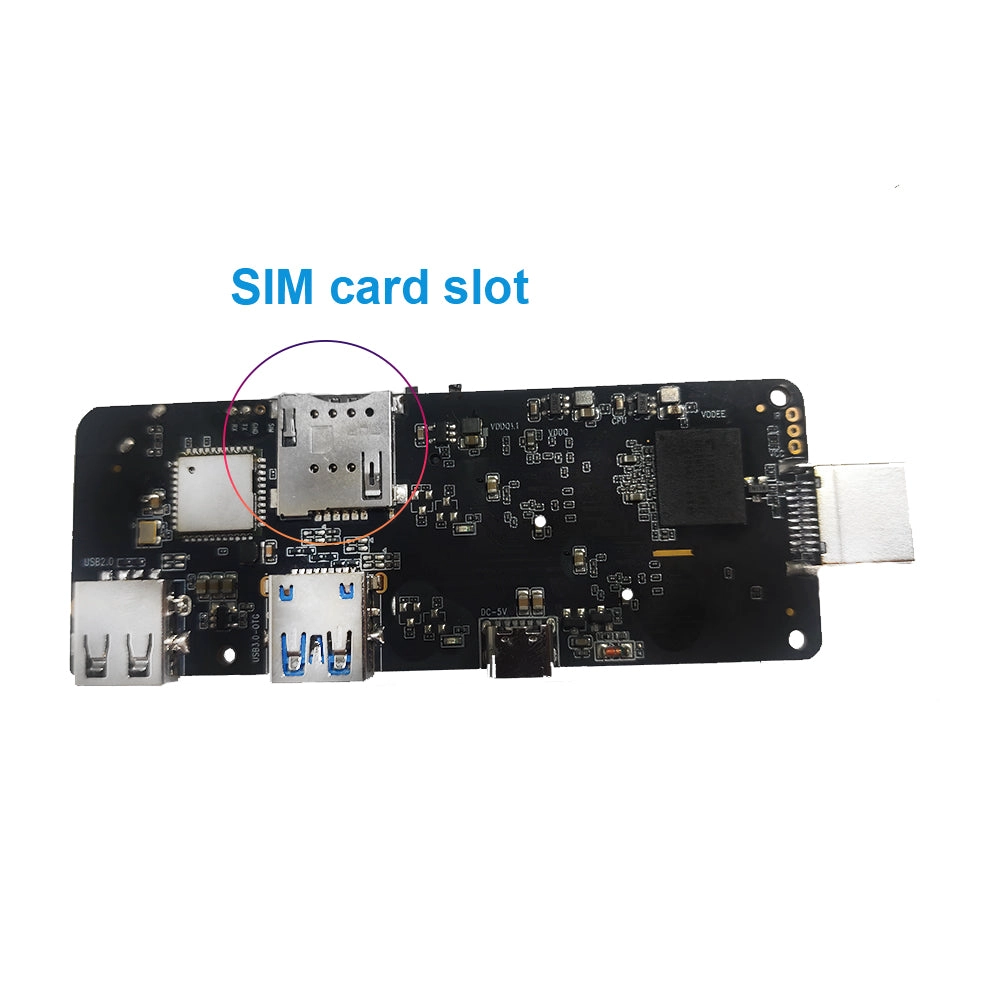
A capable SoC cannot compensate for poor PCB design. At high video resolutions, the PCBA must provide stable power, reliable memory communication, and clean high-speed signal transmission.
2.1 Optimize PCB Stack-Up and High-Speed Routing
An Android TV Box may contain several high-speed interfaces within a compact PCB:
-
DDR memory bus
-
HDMI differential pairs
-
USB 3.x
-
PCIe, where supported
-
Ethernet
-
MIPI interfaces
-
Wi-Fi and Bluetooth RF circuits
The PCB stack-up should be planned around these interfaces before routing begins. Layer count, dielectric properties, copper thickness, reference planes, and impedance targets all affect electrical performance.
For HDMI and other high-speed differential interfaces, engineers should pay particular attention to:
Controlled impedance: Differential signal pairs must follow the electrical requirements of the interface and the selected PCB stack-up. HDMI differential routing is commonly designed around a 100-ohm differential impedance target, subject to the applicable specification and implementation.
Pair matching: Differential pair lengths and routing geometry should be controlled according to interface requirements. Unnecessary detours and excessive length differences can degrade signal quality.
Reference-plane continuity: High-speed traces require a stable return path. Routing across gaps or splits in reference planes can increase electromagnetic interference and signal distortion.
Via transitions: Excessive vias, poorly designed stubs, and abrupt impedance changes can introduce reflections. Via placement and layer transitions should be minimized and validated.
Noise isolation: High-speed signals should be separated from switching power circuits and other potential noise sources where practical.
The objective is to maintain signal quality across the complete channel, including SoC pins, PCB traces, connectors, and external cables.
2.2 Design Power Integrity for Peak and Sustained Loads
An Android TV Box contains multiple voltage domains, including SoC core power, DDR memory, storage, RF circuits, HDMI, and external interfaces.
The power architecture commonly includes:
-
Main DC input
-
DC-DC converters
-
Low-dropout regulators where required
-
Power sequencing circuits
-
Filtering and decoupling networks
-
Current protection for external ports
-
Power monitoring and control
Power delivery should be designed according to the SoC reference requirements and the actual system load.
Engineers should verify:
-
Startup and shutdown sequencing
-
Voltage ripple
-
Load transient response
-
Regulator current capacity
-
Component temperature
-
Power consumption during maximum workload
-
Stability during interface hot-plug events
Insufficient power delivery can produce symptoms that resemble software defects, including random reboots, HDMI signal loss, USB disconnections, Wi-Fi instability, and intermittent boot failures.
A useful validation method is to run combined-load tests rather than testing each subsystem independently. For example, the device can play high-bitrate 4K content while Wi-Fi, USB storage, and Ethernet are active. This reveals power and thermal weaknesses that may not appear during basic playback.
2.3 Protect HDMI and External Interfaces
The HDMI output circuit generally includes the SoC transmitter, differential signal pairs, ESD protection, connector, DDC communication lines, Hot Plug Detect (HPD), and the required +5 V supply.
ESD protection devices must provide suitable protection without introducing excessive capacitance that degrades high-speed signals. Component selection and placement should follow the interface design requirements.
The HDMI circuit must also support reliable communication with connected displays. EDID reading, HPD detection, CEC behavior where implemented, and output-mode selection all influence compatibility.
HDCP is another important consideration. It protects eligible digital content during transmission between compliant devices. Commercial products must use an appropriately licensed and compliant implementation where required. HDCP support should be verified across the SoC, firmware, output path, and target display environment.
For B2B projects, compatibility testing should cover the actual displays, HDMI cables, and installation conditions expected in the field.
2.4 Validate the Complete Electrical Design
PCB design review should not stop at schematic approval or successful prototype booting.
A reliable validation process should include:
-
Power-rail measurements
-
Signal-integrity review
-
DDR stability testing
-
HDMI output compatibility
-
ESD testing
-
EMC pre-compliance testing
-
Connector and cable compatibility
-
Long-duration playback
-
Full-load operation
These tests help identify electrical problems before mass production, when a PCB revision can become more expensive and disruptive.
3. Thermal Management and Firmware Optimization for Long-Term Reliability
High-resolution decoding, graphics composition, networking, and application processing generate heat. In compact TV Box enclosures, poor thermal design can reduce performance and shorten component life.
Hardware and firmware must therefore be optimized together.
3.1 Prevent Thermal Throttling During Sustained Video Processing
Thermal performance depends on more than the SoC heat sink.
The design should consider:
-
SoC power consumption
-
DDR and PMIC heat generation
-
PCB copper distribution
-
Heat-spreader contact
-
Thermal interface material
-
Enclosure geometry
-
Airflow and ventilation
-
Ambient operating temperature
-
Installation orientation
A TV Box used in a residential environment may operate under different conditions from a commercial device mounted behind a display or installed inside a cabinet.
For continuous-operation applications, thermal testing should reproduce the intended deployment environment. Short playback tests are not enough to establish long-term stability.
Engineers should monitor SoC temperature, system frequency, power consumption, and playback performance during sustained operation. If the SoC repeatedly reduces its operating frequency because of excessive temperature, the product may fail to maintain the required workload.
SZTomato supports specialized cooling solutions for industrial applications, including project-specific thermal structures and hardware modifications. Depending on the product requirements, this may involve heat-spreader optimization, component placement adjustments, or enclosure-level thermal improvements.
3.2 Optimize Linux Kernel and Android Firmware
The Linux kernel manages the hardware resources used by Android. Driver quality and kernel configuration directly influence system stability and peripheral behavior.
Firmware engineering may involve:
-
Bootloader configuration
-
Device tree customization
-
DDR and storage initialization
-
HDMI and display drivers
-
Video decoder integration
-
GPU and graphics configuration
-
Power management
-
Thermal monitoring
-
USB and network drivers
-
Suspend and resume behavior
The Android multimedia framework must also communicate correctly with the hardware acceleration components. A decoder may be supported at the silicon level, but application compatibility depends on the vendor BSP, codec implementation, framework integration, and software configuration.
For commercial projects, firmware should be tested with the actual applications and middleware that will run on the device. IPTV clients, digital signage software, remote management platforms, and customized launchers can create different resource and compatibility requirements.
SZTomato supports Android and Linux firmware customization to align the software stack with the selected PCBA and target application.
3.3 Develop a Controlled OTA Update System
An OTA update system is essential for products deployed across multiple customer locations.
A reliable update architecture should include:
-
Firmware version identification
-
Secure update delivery
-
Package integrity verification
-
Hardware compatibility checks
-
Update failure handling
-
Recovery mechanisms
-
Rollback support where the platform permits
-
Deployment monitoring
Firmware updates can change video drivers, display timing, codec behavior, power management, and application compatibility. Every release should therefore pass regression testing on representative hardware.
For telecom operators and system integrators, controlled OTA deployment reduces the need for physical maintenance and helps maintain consistent software configurations across a device fleet.
3.4 Integrate Custom UI/UX and SDK/API Functions
A commercial Android TV Box often needs to do more than display a standard Android home screen.
Customers may require:
-
Branded boot animations and launchers
-
Custom home-screen layouts
-
IPTV application integration
-
Digital signage playback
-
Remote device control
-
System configuration interfaces
-
Integration with third-party management platforms
Custom UI/UX firmware can simplify operation and align the device with the customer's service model.
SDK/API integration allows the Android TV Box to communicate with external applications, content platforms, and management systems. This is especially relevant for telecom operators, IPTV providers, hospitality groups, and digital signage integrators.
SZTomato can incorporate these requirements into the OEM/ODM development process rather than treating firmware customization as an afterthought.
4. OEM/ODM Development: From Engineering Prototype to Mass Production
The commercial success of an Android TV Box depends on repeatable performance across production batches. A prototype that works in a laboratory does not automatically establish manufacturing readiness.
OEM/ODM development should connect product requirements, circuit design, firmware, validation, and manufacturing controls.
4.1 Define Requirements Before PCB Development
The first stage is to convert the application into measurable engineering requirements.
A project specification should identify:
-
Target SoC and performance level
-
Required video codecs and profiles
-
4K/8K resolution and frame rates
-
HDR formats
-
HDMI output requirements
-
Memory and storage configuration
-
Wi-Fi, Bluetooth, and Ethernet requirements
-
USB and other peripheral interfaces
-
Android or Linux version
-
Enclosure dimensions
-
Operating temperature
-
Continuous-operation expectations
-
Branding and software requirements
This process reduces the risk of selecting a chipset or PCB architecture that cannot support the final application.
4.2 Coordinate Hardware and Firmware Development
Hardware and software teams should work from a shared product specification.
For example, adding a new interface may require changes to the schematic, PCB routing, power architecture, device tree, kernel drivers, Android framework, and application layer.
Similarly, a change in the enclosure may affect thermal performance, antenna placement, connector accessibility, and PCB dimensions.
SZTomato's OEM/ODM support can include:
-
PCBA hardware modification
-
SoC and memory platform evaluation
-
Power and interface circuit customization
-
Android/Linux firmware development
-
Kernel and driver optimization
-
SDK/API integration
-
Custom UI/UX firmware
-
Industrial thermal solutions
-
Prototype testing and production preparation
This integrated approach helps prevent late-stage engineering changes and reduces the risk of hardware/software mismatches.
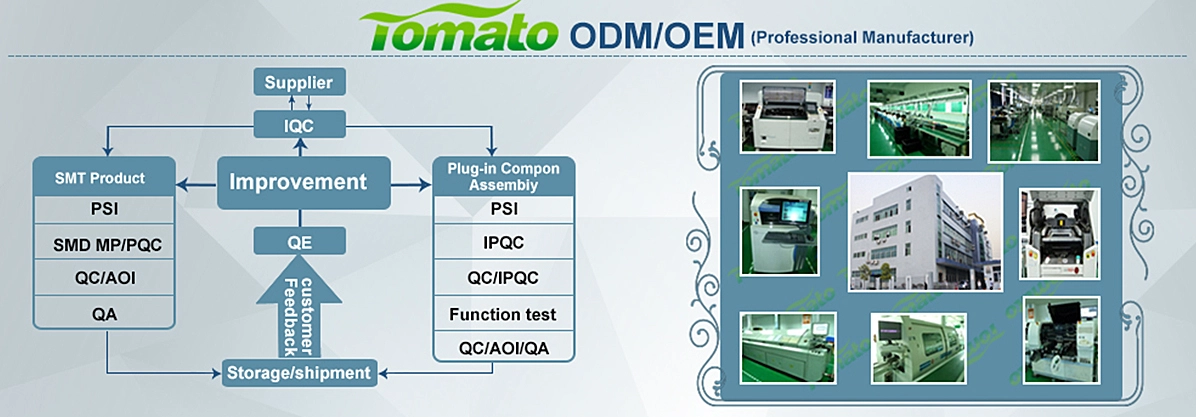
4.3 Establish Production-Level Quality Validation
A production-ready Android TV Box should undergo testing beyond basic functional inspection.
| Validation Area | Key Test Items |
|---|---|
| Video decoding | Required codecs, resolution, frame rate, and bitrate |
| HDR | Supported formats, color depth, metadata handling |
| HDMI | EDID, HPD, hot-plug, display compatibility |
| Memory | DDR stability and stress testing |
| Power | Voltage stability, ripple, transient response |
| Thermal | Sustained workload and operating temperature |
| Connectivity | Ethernet, Wi-Fi, Bluetooth, USB |
| Firmware | Boot stability, recovery, OTA, application compatibility |
| Reliability | Long-duration operation and restart testing |
| Manufacturing | Component consistency, assembly, and functional inspection |
Testing should use representative content, displays, cables, network conditions, and peripherals. For 8K products, the test specification must state the exact codec, frame rate, bit depth, chroma format, and output mode. A generic 8K playback demonstration does not prove support for every 8K configuration.
Conclusion: Engineer the Android TV Box as a Complete System
Reliable 4K/8K HDR performance is the result of coordinated engineering across the SoC, DDR memory, PCBA layout, power delivery, HDMI interface, thermal architecture, and Android/Linux firmware.
A high-performance chipset is only the starting point. The finished product must maintain signal integrity, stable power, predictable temperatures, correct HDR output, and consistent software behavior under real operating conditions.
For B2B procurement managers, telecom operators, brand owners, and system integrators, the right OEM/ODM partner should understand both circuit-level engineering and the software requirements of the final deployment.
SZTomato supports custom Android TV Box development through PCBA hardware modification, Android/Linux firmware customization, SDK/API integration, custom UI/UX, and specialized cooling solutions for industrial use.
Planning a custom 4K/8K HDR Android TV Box for IPTV, commercial displays, or a branded multimedia platform? Contact SZTomato to discuss your SoC requirements, PCBA architecture, firmware functions, thermal design, and OEM/ODM production plan.
