
Android TV OS Smart TV Box Compatibility: 4G LTE Integration Guide
Integrating 4G LTE connectivity into an Android TV OS Smart TV Box introduces several engineering challenges that are not present in conventional Wi-Fi-only streaming devices. The cellular modem must communicate correctly with the SoC, Android operating system, SIM interface, antenna system, and network infrastructure.
For telecom operators, IPTV providers, and commercial hardware brands, the objective is not simply to establish a mobile network connection. The device must maintain stable internet access, support reliable video streaming, recover from network interruptions, and operate consistently across different LTE frequency bands and regional carrier networks.
This requires coordinated hardware and firmware development. Modem selection, PCBA layout, USB or PCIe integration, Android kernel drivers, Radio Interface Layer (RIL), and thermal management must be considered before the product enters mass production.
For manufacturers developing customized Smart TV Box platforms, 4G LTE integration also creates opportunities to serve locations where fixed broadband infrastructure is unavailable or unreliable.
1. Why Integrate 4G LTE into an Android TV OS Smart TV Box?
Traditional Smart TV Boxes rely primarily on Wi-Fi or Ethernet connections. Although these interfaces work well in residential environments, they may not satisfy the connectivity requirements of mobile, remote, or infrastructure-limited installations.
Adding 4G LTE allows a Smart TV Box to connect directly to a cellular network through a SIM-enabled modem.
1.1 Applications of 4G LTE Smart TV Boxes
Several commercial applications can benefit from cellular connectivity.
Remote residential streaming
In rural locations, temporary housing, and areas without reliable broadband, an LTE-enabled Smart TV Box provides an alternative internet connection.
Hospitality and temporary accommodation
Hotels, serviced apartments, mobile accommodation units, and temporary facilities can deploy Smart TV Boxes without depending entirely on existing wired network infrastructure.
Commercial digital signage
Retail stores, outdoor advertising installations, and distributed display networks can use LTE connectivity to retrieve content, communicate with management servers, and receive remote configuration updates.
Telecom operator deployments
Telecom brands can combine cellular connectivity with customized Android TV platforms to develop managed multimedia devices for specific subscriber segments.
Mobile and transportation applications
Specialized multimedia systems in recreational vehicles, mobile offices, and transportation environments may benefit from cellular internet access.
These applications have different bandwidth, antenna, power consumption, and environmental requirements. The hardware configuration should reflect the intended deployment rather than use a single generic LTE design.
1.2 Benefits of Cellular Connectivity
An LTE-enabled Smart TV Box offers several practical advantages:
-
Independent internet connectivity without a fixed broadband connection.
-
SIM-based network authentication.
-
Flexible installation in remote locations.
-
Support for mobile network operators.
-
Alternative connectivity when wired infrastructure is unavailable.
-
Remote device management through cellular networks.
-
Potential integration with centralized content distribution systems.
However, LTE performance depends on network coverage, signal strength, frequency bands, modem category, carrier configuration, and local network congestion.
A cellular connection does not automatically guarantee stable 4K streaming. The actual available bandwidth and latency must be tested under realistic deployment conditions.
1.3 4G LTE Versus Wi-Fi and Ethernet
A modern Smart TV Box can support several network interfaces simultaneously.
| Connectivity | Main Advantage | Typical Application |
|---|---|---|
| Ethernet | Stable wired connection | Fixed IPTV installations |
| Wi-Fi 5 | Cost-effective wireless connectivity | Residential streaming |
| Wi-Fi 6 | Improved wireless efficiency | High-density environments |
| 4G LTE | Independent cellular connectivity | Remote and mobile installations |
| Wi-Fi + 4G LTE | Flexible network options | Commercial and operator devices |
For OEM/ODM projects, supporting both Wi-Fi and LTE can provide additional flexibility. The device may use Wi-Fi as its primary connection and LTE as an alternative, depending on the network configuration and firmware implementation.
2. Hardware Architecture: How to Integrate a 4G LTE Module into a Smart TV Box
The most important hardware decision is selecting a cellular module that matches the SoC platform, Android firmware, interface requirements, and target markets.
A 4G LTE module cannot be selected based on network speed alone.
2.1 Selecting the Right LTE Modem
LTE modules are available in several hardware configurations.
Common interface options include:
USB LTE modules
USB is one of the most straightforward integration methods for Android-based devices.
Advantages include:
-
Relatively simple hardware integration.
-
Availability of established modem modules.
-
Flexible external or internal module configurations.
-
Support for different modem form factors.
Depending on the module and driver architecture, USB devices may operate through standard cellular modem protocols such as MBIM, QMI, or PPP.
Mini PCIe LTE modules
Mini PCIe is used in embedded and industrial equipment.
Potential advantages include:
-
Compact integration.
-
Dedicated module mounting.
-
Availability of USB-based cellular interfaces through the connector.
-
Convenient antenna and SIM integration options.
An important technical distinction is that a Mini PCIe connector does not automatically mean the module communicates through PCIe. Many cellular modules use USB signals carried through the Mini PCIe connector.
M.2 LTE modules
M.2 provides another compact integration option for embedded hardware.
Depending on the selected module and key configuration, M.2 can support cellular interfaces and other high-speed communication functions.
Before selecting an M.2 modem, engineers must verify connector keying, pin assignments, USB or PCIe signal availability, power requirements, and module-specific design documentation.
2.2 SoC Compatibility: Amlogic and Rockchip Platforms
The main SoC must provide the necessary hardware interfaces and software support for the selected LTE modem.
For Android TV Box development, Amlogic and Rockchip platforms are commonly evaluated.
Amlogic SoC platforms
Amlogic processors are widely used in multimedia products because of their video decoding capabilities and Android development ecosystems.
For LTE integration, engineers should verify:
-
USB host availability.
-
USB bandwidth and power capacity.
-
Android kernel compatibility.
-
USB modem driver support.
-
Device-tree configuration.
-
Network interface recognition.
-
Android framework integration.
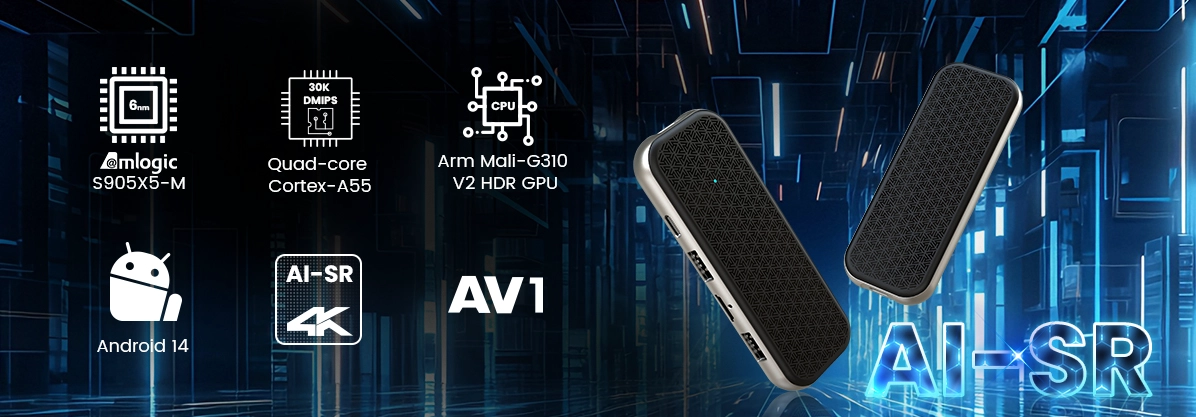
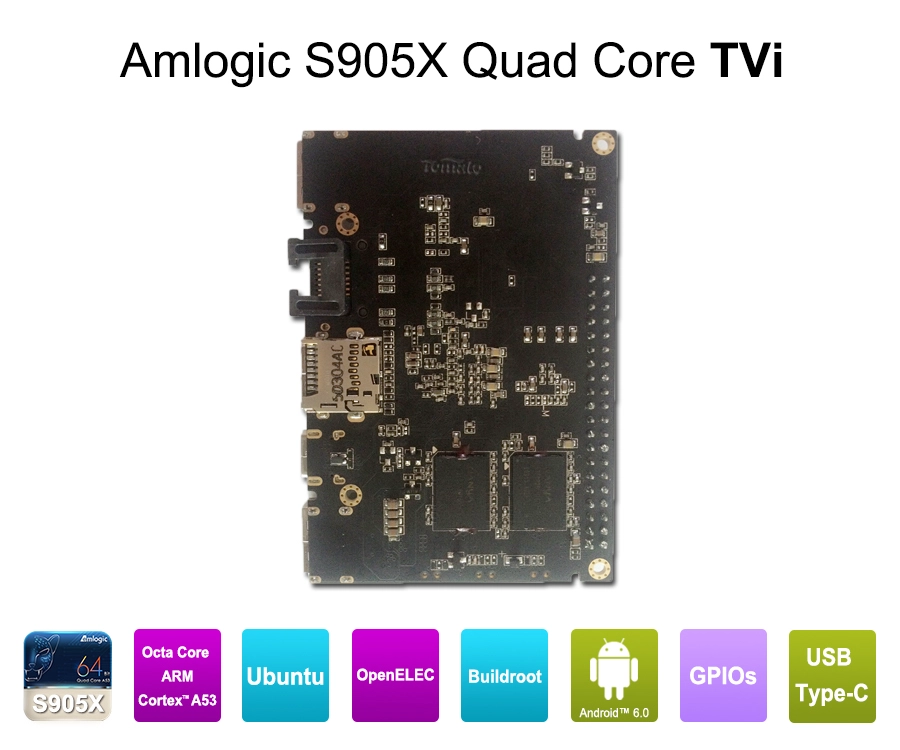
Amlogic S905X5M-based Smart TV Box designs, for example, can be evaluated for 4G LTE connectivity through compatible USB cellular modules, subject to the specific board design and BSP support.
Rockchip SoC platforms
Rockchip processors are also suitable for customized multimedia hardware.
Depending on the selected SoC, hardware resources may include USB 2.0, USB 3.0, PCIe, and additional peripheral interfaces.
These resources provide flexibility when integrating cellular modules, external storage, and other communication components.
The RK3566 and RK3588 platforms may be considered for different embedded multimedia applications, but LTE compatibility must be validated against the exact carrier board, module, and Android/Linux software package.
The presence of a USB or PCIe interface alone does not guarantee complete modem compatibility.
2.3 PCBA Layout and Power Management
LTE integration introduces additional requirements for PCB design.
A cellular modem can produce significant transient current demand during transmission. If the power supply is not designed correctly, the device may experience modem resets, unstable network connections, or system reboots.
Key PCBA design considerations include:
Power supply design
-
Stable modem input voltage.
-
Adequate peak current capability.
-
Proper DC-DC converter selection.
-
Local decoupling capacitors.
-
Low-voltage-drop power routing.
-
Appropriate power sequencing.
High-speed signal routing
-
Controlled impedance where required.
-
Proper USB differential pair routing.
-
Signal integrity validation.
-
Ground reference continuity.
-
Appropriate connector placement.
RF design
-
Separation between LTE RF paths and sensitive digital circuits.
-
Proper antenna matching.
-
Grounding and shielding.
-
Reduced electromagnetic interference.
-
Antenna clearance from metallic structures.
Thermal design
-
Modem heat dissipation.
-
SoC thermal distribution.
-
Enclosure airflow.
-
Power component temperature management.
For industrial applications requiring continuous connectivity, these details should be addressed during the initial PCBA design rather than corrected after prototype testing.
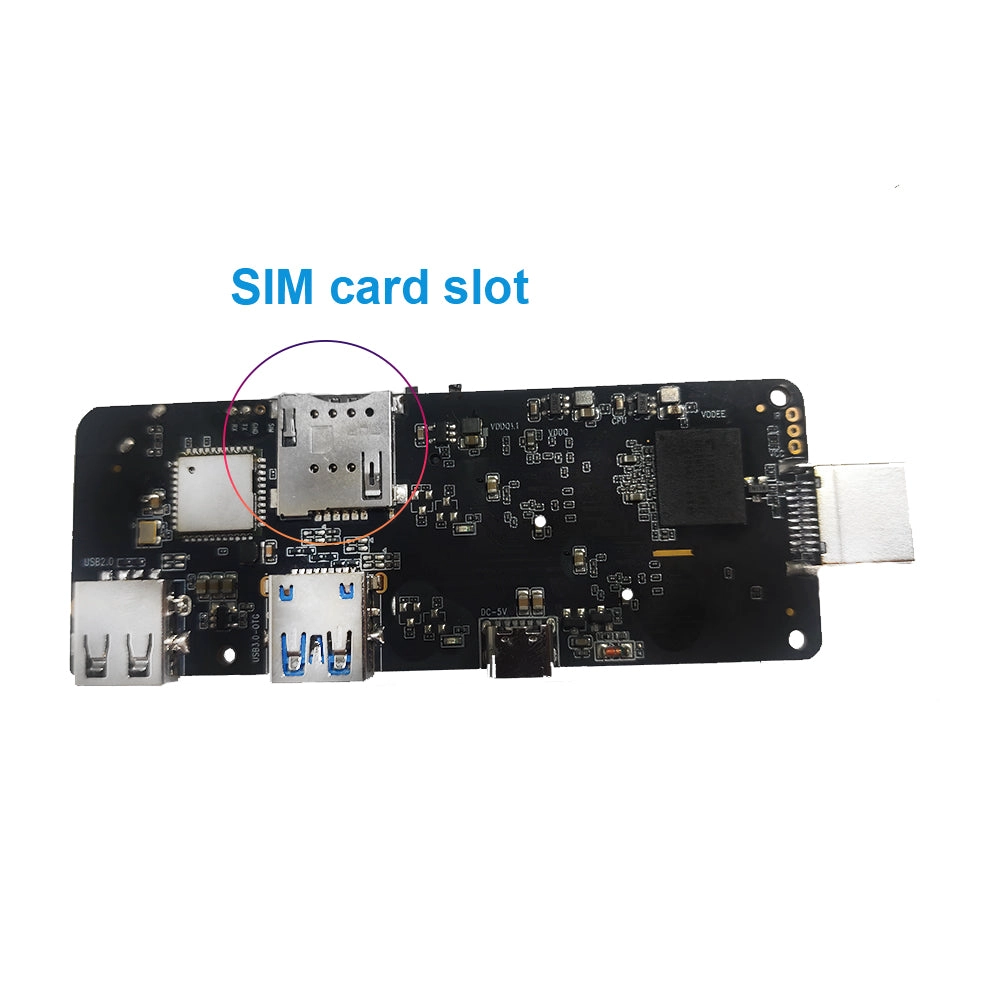
2.4 SIM Card and Antenna Integration
A cellular Smart TV Box must provide a suitable SIM interface.
Typical options include:
-
Nano-SIM slot.
-
Micro-SIM slot.
-
Embedded SIM (eSIM), where supported by the modem and carrier.
-
External SIM access for service maintenance.
The antenna system is equally important.
Depending on the LTE module and regional network requirements, the device may require multiple antenna connections for LTE diversity or MIMO operation.
Engineers should evaluate:
-
Supported LTE frequency bands.
-
Main and diversity antenna ports.
-
Antenna gain and efficiency.
-
RF cable losses.
-
Antenna placement.
-
Enclosure material.
-
Antenna isolation.
An external antenna can be useful when the Smart TV Box is installed inside a cabinet or behind a television where cellular reception is weak.
For international products, antenna design must be matched to the frequency bands used in the target countries.
3. Android TV OS Compatibility: Firmware, Drivers, and LTE Network Management
Hardware integration is only one part of the development process. Android firmware must recognize the modem, establish a network connection, and expose the necessary connectivity functions to applications and system services.
This is often the most challenging stage of 4G LTE Smart TV Box development.
3.1 Android Kernel Driver Integration
The Android kernel must support the selected LTE modem and its communication protocol.
Depending on the module, integration may involve:
-
USB serial drivers.
-
USB network drivers.
-
MBIM support.
-
QMI support.
-
PPP protocol support.
-
Modem control interfaces.
-
USB power management.
The correct driver configuration depends on the modem manufacturer's software package and the selected Android kernel version.
For example, a USB LTE module may expose several interfaces after enumeration, including control ports, diagnostic ports, and network interfaces.
The kernel must identify these interfaces correctly and provide the necessary communication channels.
Incorrect USB interface mapping or missing drivers can prevent the Android system from recognizing the modem.
3.2 Android RIL and Network Framework Integration
Android's Radio Interface Layer (RIL) provides communication between Android telephony services and the modem implementation.
However, there is an important distinction between general LTE internet connectivity and full Android telephony integration.
A Smart TV Box that only requires cellular data may use a modem-specific connection manager or MBIM/QMI-based service without implementing the complete Android telephony stack.
If the product requires SIM status reporting, carrier information, signal strength, mobile data controls, or telephony services, additional framework and RIL integration may be necessary.
The implementation should be based on the required Android version, BSP, modem SDK, and target application behavior.
Typical functions include:
-
SIM detection.
-
Modem initialization.
-
APN configuration.
-
Network registration.
-
Mobile data activation.
-
Signal strength monitoring.
-
Connection recovery.
-
Network status reporting.
For operator-specific products, SDK/API integration can expose selected modem functions to the customized user interface or device management platform.
3.3 APN Configuration and Carrier Compatibility
Access Point Name (APN) configuration determines how the LTE modem connects to the carrier's packet data network.
Different mobile operators may require different APN settings.
A commercial Smart TV Box should support the appropriate APN configuration method for its target markets.
Potential implementation options include:
-
Preconfigured APN profiles.
-
Manual APN settings.
-
Operator-specific configuration files.
-
Automatic configuration where supported.
-
Remote APN management through device management software.
International deployment requires additional attention to LTE frequency bands and carrier approval.
For example, an LTE modem designed primarily for one regional market may not support all the bands required in Europe, North America, or Asia-Pacific.
Procurement teams should confirm the modem's complete band list before approving the hardware BOM.
3.4 OTA Firmware Updates and Cellular Network Recovery
An OTA update system is particularly important for LTE-connected devices.
If a Smart TV Box is deployed in remote locations, physical maintenance may be expensive or impractical.
The firmware should support controlled updates and reliable network recovery.
Recommended capabilities include:
-
Firmware version identification.
-
Secure update package verification.
-
Background package downloading.
-
Installation and reboot management.
-
Update status reporting.
-
Failed-update recovery.
-
Cellular reconnection after reboot.
-
Remote diagnostic logging.
For large commercial deployments, OTA updates should support staged rollout and rollback mechanisms.
The system should also account for cellular data consumption. Large firmware packages can create unnecessary network costs if updates are not scheduled or managed correctly.
3.5 Network Priority and Connection Failover
A dual-connectivity Smart TV Box may use Ethernet, Wi-Fi, and 4G LTE.
The firmware must define how these interfaces interact.
For example:
-
Ethernet as the primary connection.
-
Wi-Fi as the secondary connection.
-
LTE as a backup connection.
Alternatively, LTE may serve as the primary network in remote installations.
Network failover requires more than detecting whether an interface is connected. The software should verify actual internet availability and handle DNS failures, gateway problems, and interrupted data sessions.
A robust connection manager should also prevent unnecessary switching between networks when signal quality fluctuates.
4. How to Develop a Reliable 4G LTE Smart TV Box for OEM/ODM Projects
Developing an LTE-enabled Smart TV Box requires a structured engineering process. The hardware, modem, Android firmware, antenna, and enclosure must be validated together.
For B2B brands, the most effective approach is to establish the deployment requirements before finalizing the product architecture.
4.1 Define the Technical Requirements
Start with the intended application and target markets.
| Requirement | Engineering Consideration |
|---|---|
| Target countries | LTE frequency bands and carrier requirements |
| Video resolution | 1080p, 4K, or other supported formats |
| Cellular module | USB, Mini PCIe, or M.2 |
| SIM interface | Nano-SIM, Micro-SIM, or eSIM |
| Operating system | Android TV, Android AOSP, or Linux |
| Network configuration | LTE only or LTE + Wi-Fi + Ethernet |
| Antenna | Internal or external antenna |
| OTA management | Local, cloud-based, or operator-managed |
| Operating environment | Residential, commercial, or industrial |
The modem should be selected after the network requirements are confirmed, not simply according to its advertised maximum download speed.
4.2 Customize the PCBA and Enclosure
The next step is adapting the hardware platform to the cellular module.
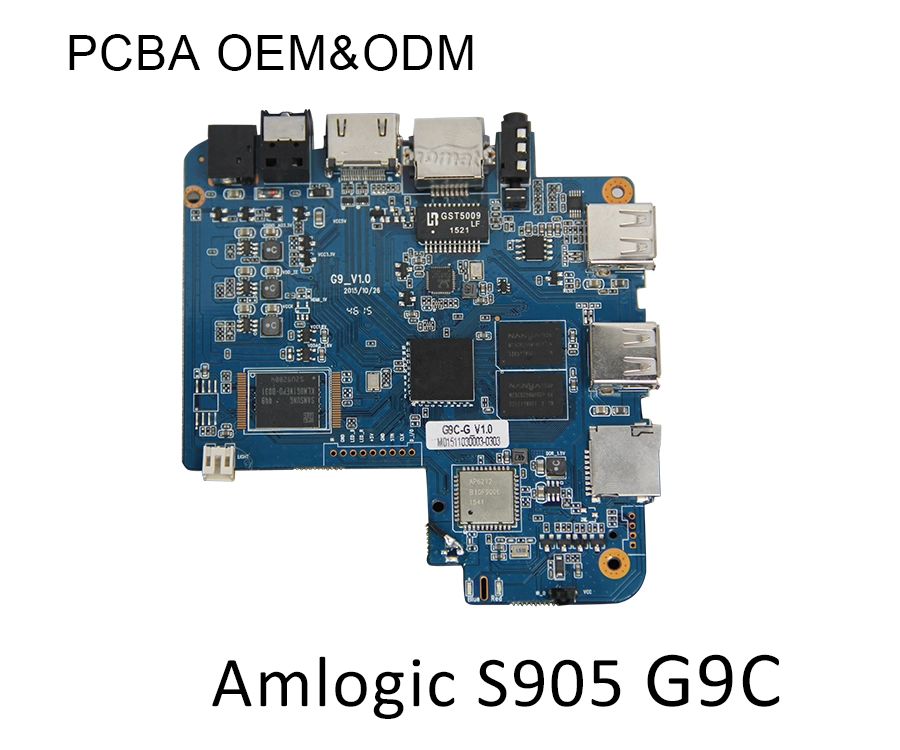
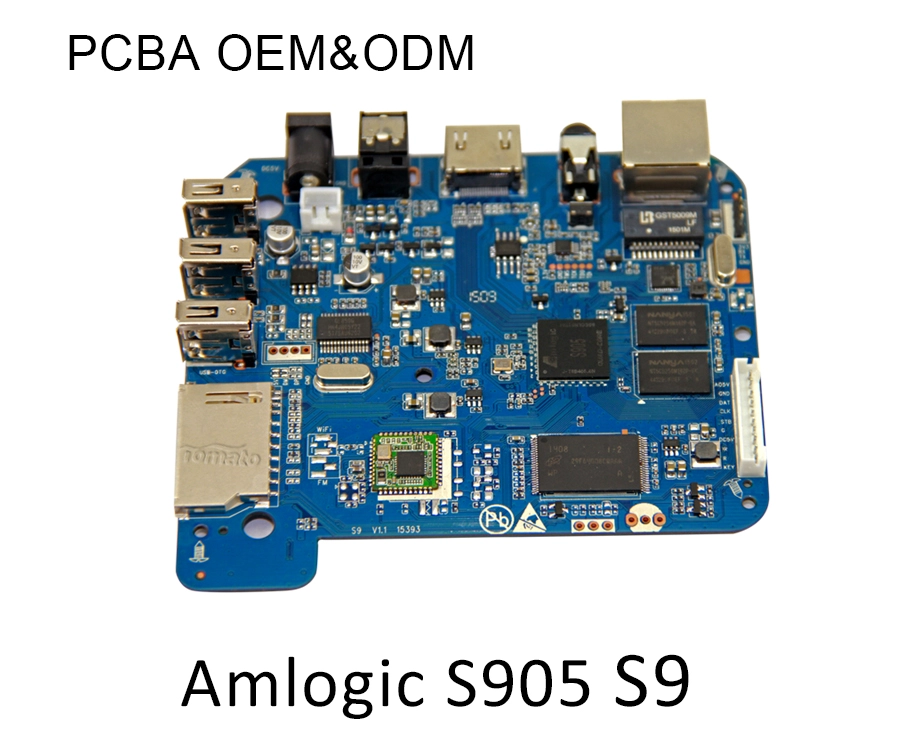
SZTomato supports PCBA hardware modification for customized multimedia products, including:
-
LTE modem integration.
-
USB and PCIe interface configuration.
-
SIM card slot placement.
-
RF antenna connectors.
-
Power circuit optimization.
-
Wi-Fi and Bluetooth integration.
-
Customized I/O interfaces.
-
Enclosure modifications.
The enclosure must also provide adequate antenna clearance and thermal dissipation.
For industrial applications, specialized cooling solutions can help manage heat generated by the SoC, modem, and power circuitry during continuous operation.
4.3 Customize Android Firmware and Software Interfaces
Firmware development should proceed alongside hardware engineering.
SZTomato's customization capabilities cover:
-
Android firmware adaptation.
-
Linux/Android kernel optimization.
-
LTE driver integration.
-
Modem initialization.
-
APN configuration.
-
Custom UI/UX development.
-
SDK/API integration.
-
OTA update functionality.
-
Network monitoring and recovery.
For telecom operators, the user interface can display network status, SIM availability, signal strength, and connection information where supported by the modem and Android framework.
The firmware can also be adapted to launch operator applications automatically and connect with existing IPTV middleware or remote device management systems.
4.4 Conduct Hardware and Network Validation
Before mass production, the complete product should undergo functional and environmental testing.
| Test Category | Recommended Validation |
|---|---|
| LTE connectivity | Network registration and data session |
| Frequency bands | Target carrier band compatibility |
| SIM functionality | SIM detection and authentication |
| Signal performance | RSSI, RSRP, RSRQ, and SINR |
| Network stability | Long-duration connectivity |
| Video streaming | 1080p and 4K playback under real network conditions |
| Wi-Fi/Ethernet | Concurrent connectivity and failover |
| OTA | Update, recovery, and reconnection |
| Thermal | Sustained CPU and LTE workloads |
| EMC/RF | Electromagnetic compatibility and radio performance |
| Power | Peak modem current and system stability |
For LTE signal evaluation, RSRP, RSRQ, and SINR provide more useful information than relying on a generic signal-bar indicator alone.
Testing should include actual carrier SIM cards and representative network conditions in the target markets.
Certification requirements should also be established early. Depending on the destination market, the device may need applicable radio, EMC, safety, and carrier approvals.
4.5 Plan for Mass Production and Long-Term Maintenance
A production-ready LTE Smart TV Box requires controlled hardware and firmware configurations.
Important considerations include:
-
Approved modem and antenna BOM.
-
Regional hardware variants.
-
Firmware version management.
-
Carrier configuration management.
-
Component traceability.
-
Production testing procedures.
-
OTA maintenance strategy.
-
Technical support arrangements.
For global brands, maintaining different LTE band configurations may be necessary to support different markets.
A modular product architecture can help reduce development costs by reusing the main Smart TV Box platform while adapting the cellular module, antenna, and firmware for specific regions.
Conclusion: Build a Customized 4G LTE Smart TV Box with the Right Engineering Partner
Integrating 4G LTE into an Android TV OS Smart TV Box requires coordinated hardware and software engineering. Modem compatibility, LTE frequency bands, SIM interfaces, antenna performance, PCBA power design, Android kernel drivers, and network management all influence the final product's reliability.
For telecom operators, IPTV providers, and commercial hardware brands, the best solution is not simply a standard Smart TV Box with an external LTE dongle. It is a platform engineered around the intended cellular network, software environment, and deployment conditions.
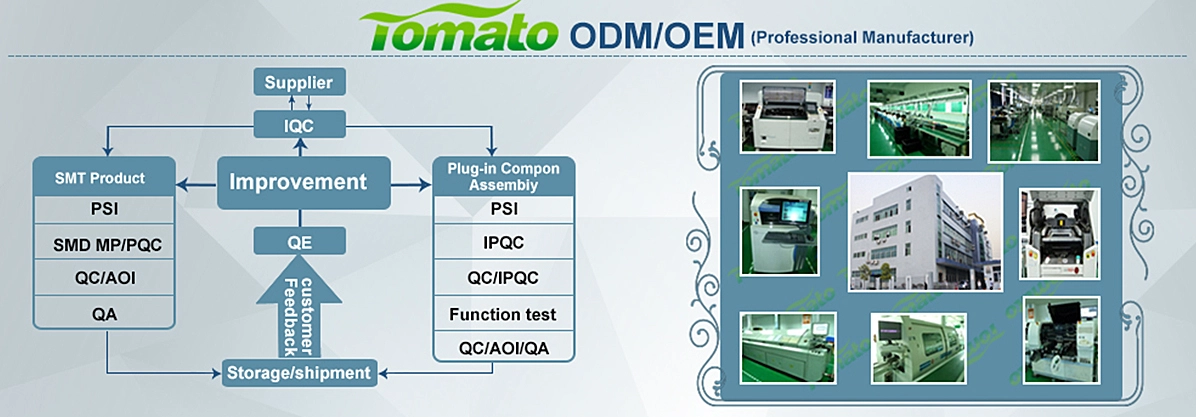
SZTomato provides OEM/ODM development services for customized Smart TV Box projects, including PCBA modification, SoC platform selection, LTE module integration, Android/Linux firmware customization, SDK/API integration, custom UI/UX, and specialized cooling solutions for industrial applications.
Whether you are developing an LTE-enabled IPTV device, a remote streaming terminal, or a commercial multimedia platform, SZTomato can help align the hardware architecture and firmware with your project specifications.
Contact SZTomato at https://www.sztomato.com to discuss your 4G LTE Smart TV Box OEM/ODM project, modem compatibility, hardware customization, and firmware development requirements.
