
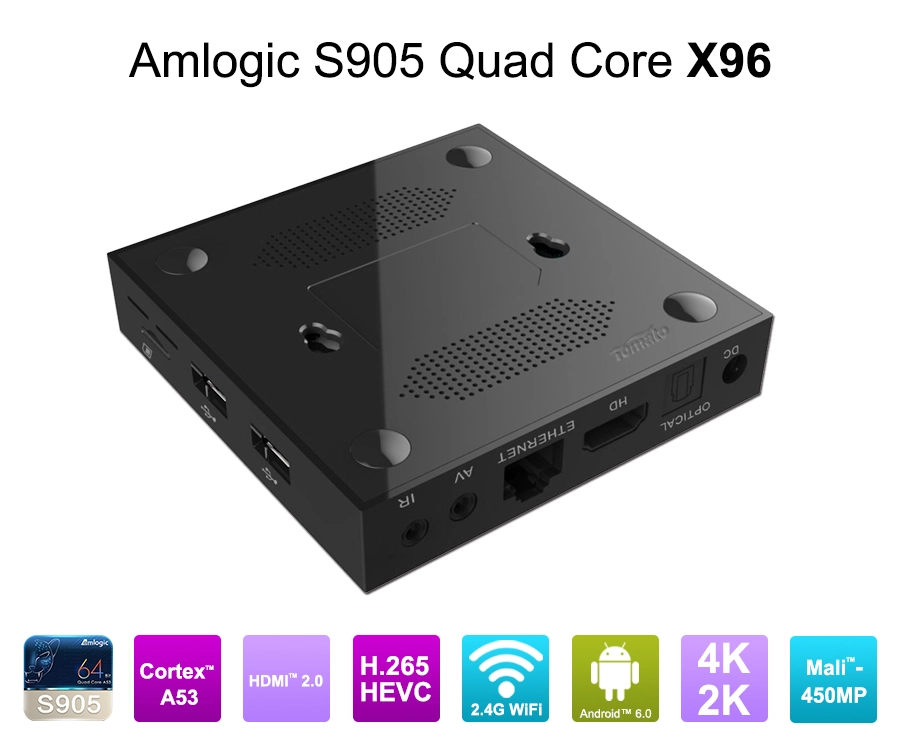
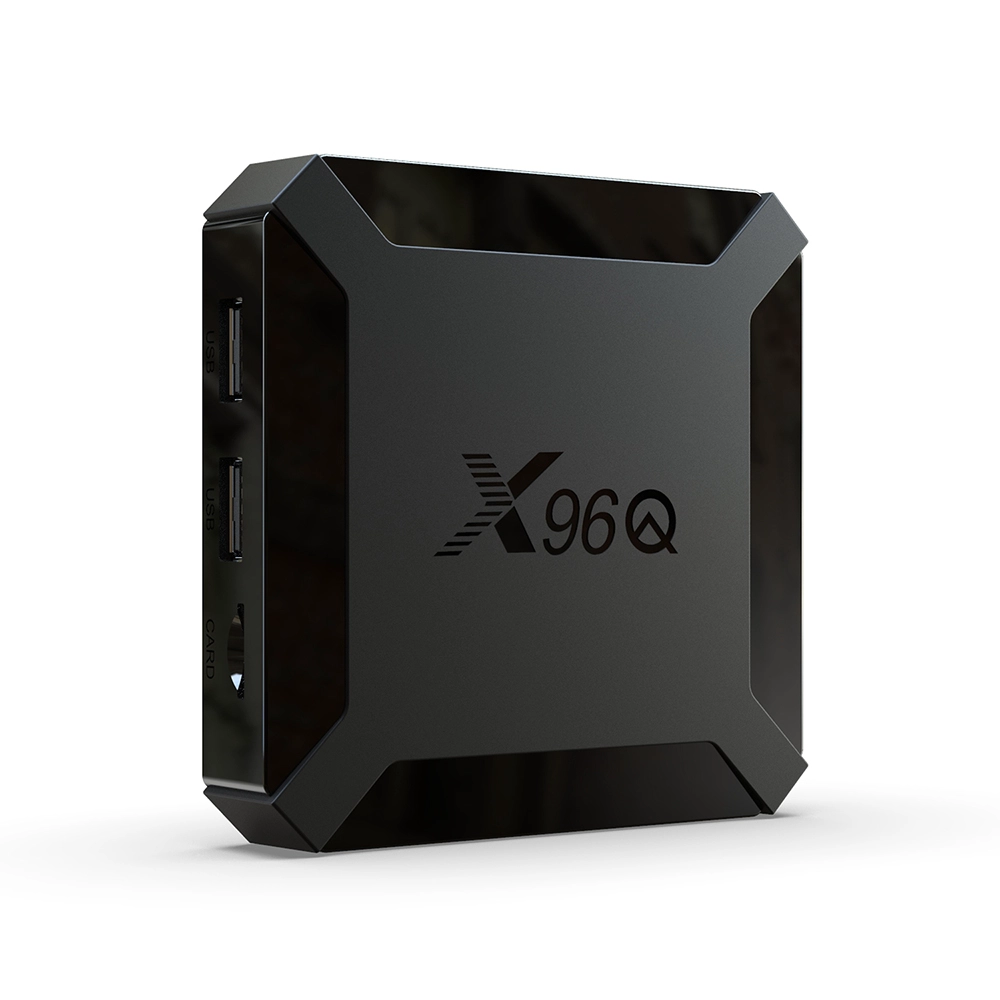
Android TV Box OEM/ODM Solutions: Custom Hardware, Firmware, and IPTV Integration
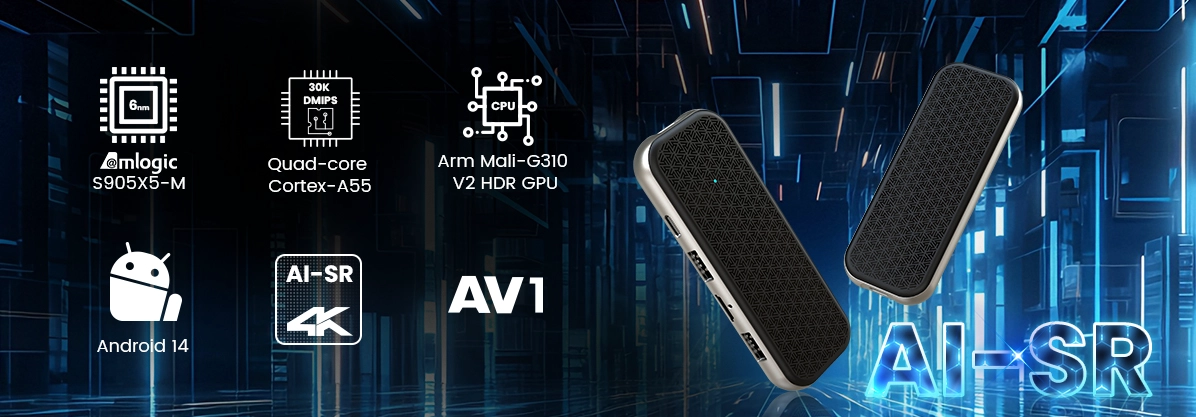
The mandatory industry shift to royalty-free AV1 hardware decoding and next-generation silicon—specifically the Amlogic S905X5 and Rockchip RK3588 architectures—has exposed a critical vulnerability for commercial deployments: off-the-shelf retail Android TV Box hardware cannot survive enterprise duty cycles. Consumer-grade units rely on stamped-aluminum heatsinks, unoptimized stock BSPs (Board Support Packages), and bloated consumer launchers that trigger thermal throttling and memory leaks within weeks of continuous 24/7 operation.
For B2B procurement directors, telecom operators, and system integrators, sourcing a generic Android TV Box introduces unacceptable field-failure rates and support overhead. Achieving carrier-grade stability requires moving up the supply chain to full-stack Android TV Box OEM/ODM engineering, where hardware schematics and low-level firmware are engineered around the exact commercial workload.
Custom Android TV Box PCBA Modification and Thermal Architecture
Standard consumer streaming boxes are engineered for intermittent four-hour evening viewing sessions inside climate-controlled living rooms. Deploying an unmodified retail Android TV Box into hospitality suites, commercial transport, or enclosed digital signage kiosks leads to rapid solder-joint fatigue and NAND flash degradation.
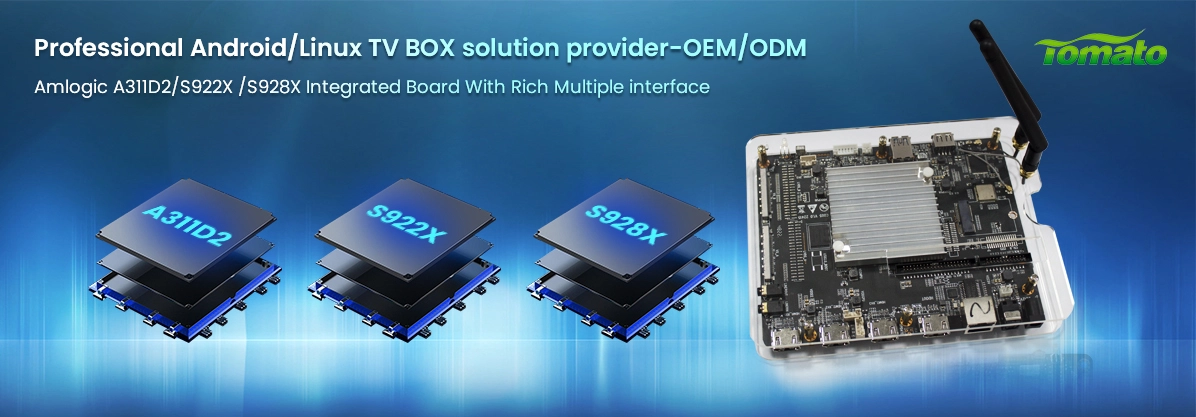
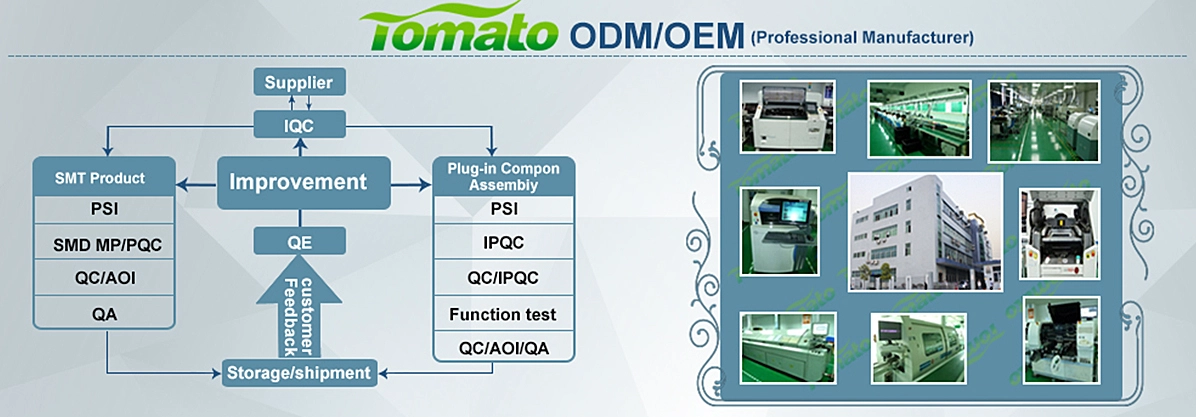
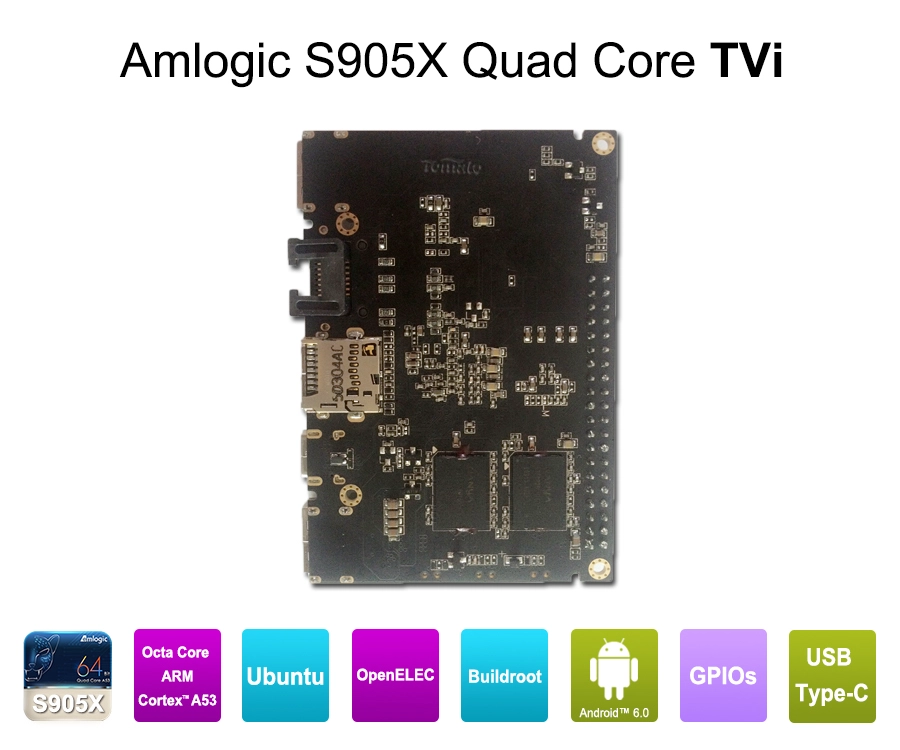
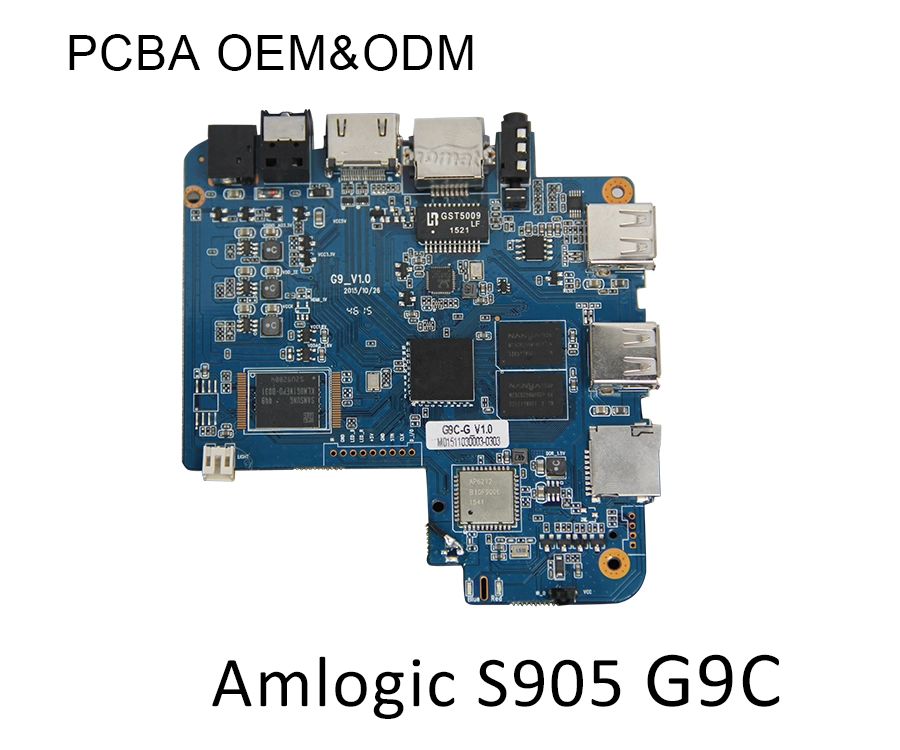
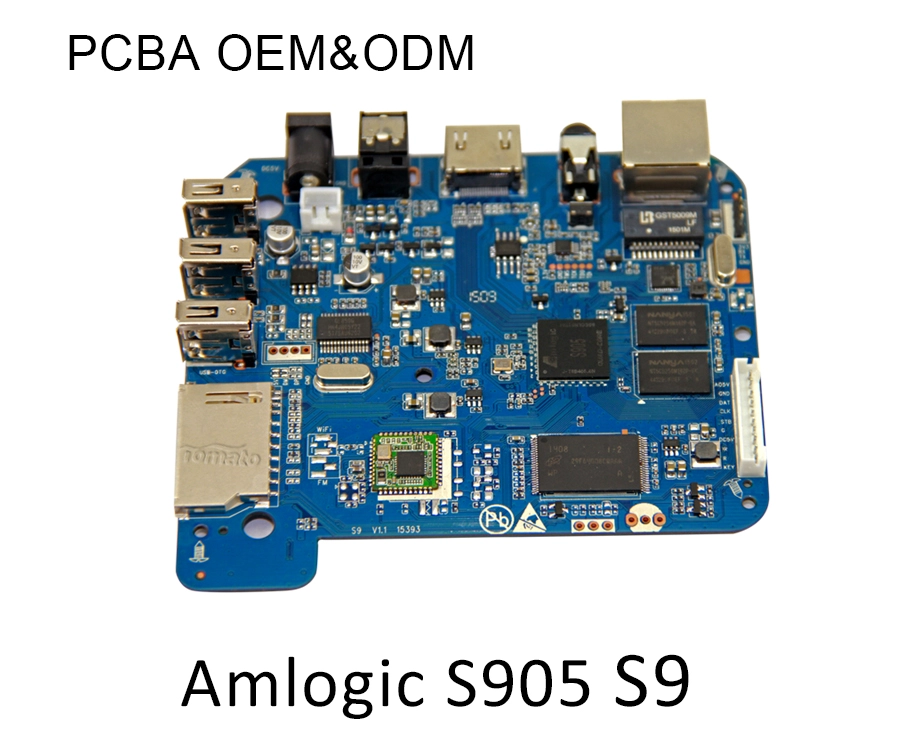
At SZTomato, enterprise Android TV Box hardware engineering begins at the schematic and PCBA layout phase rather than the outer enclosure:
-
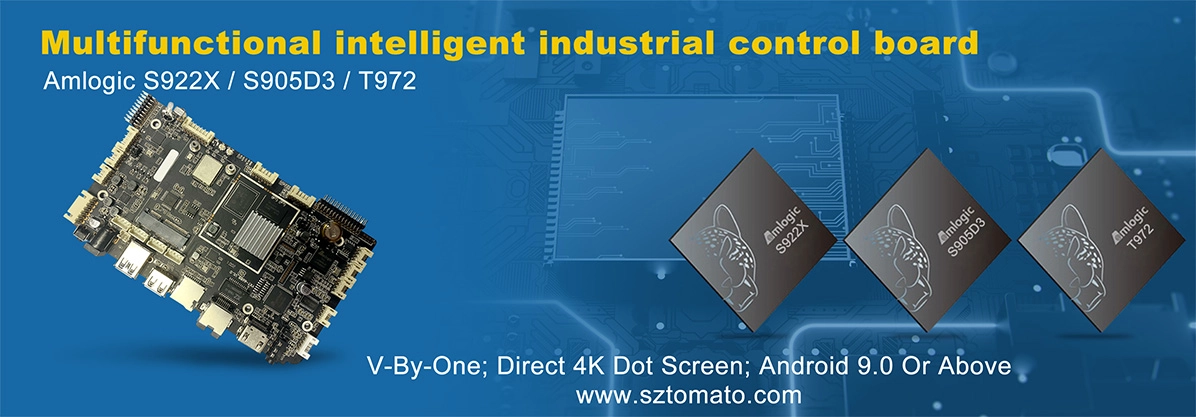
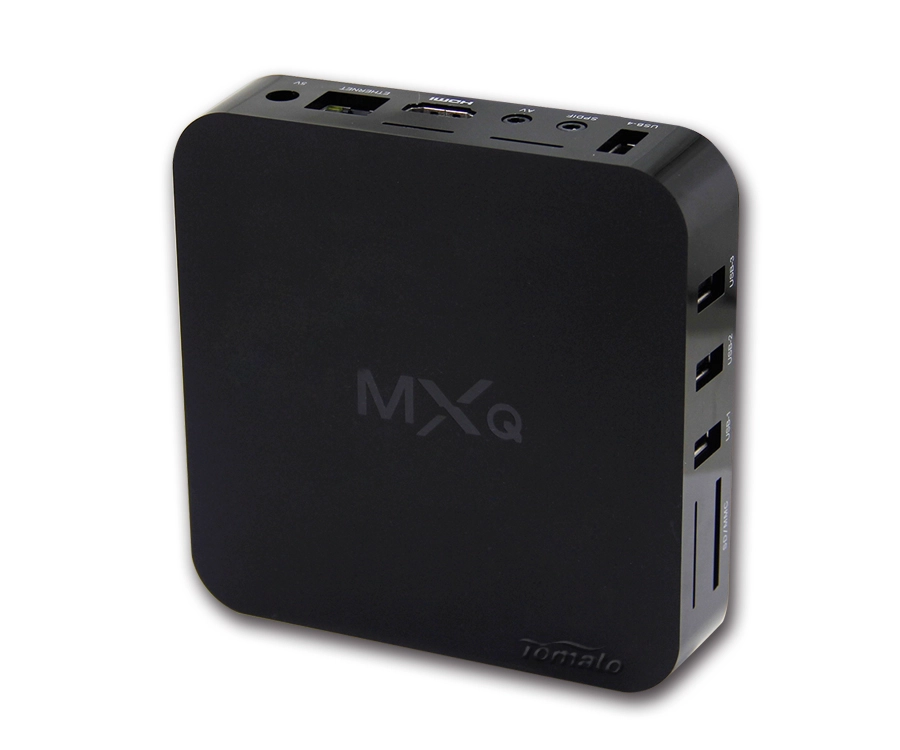
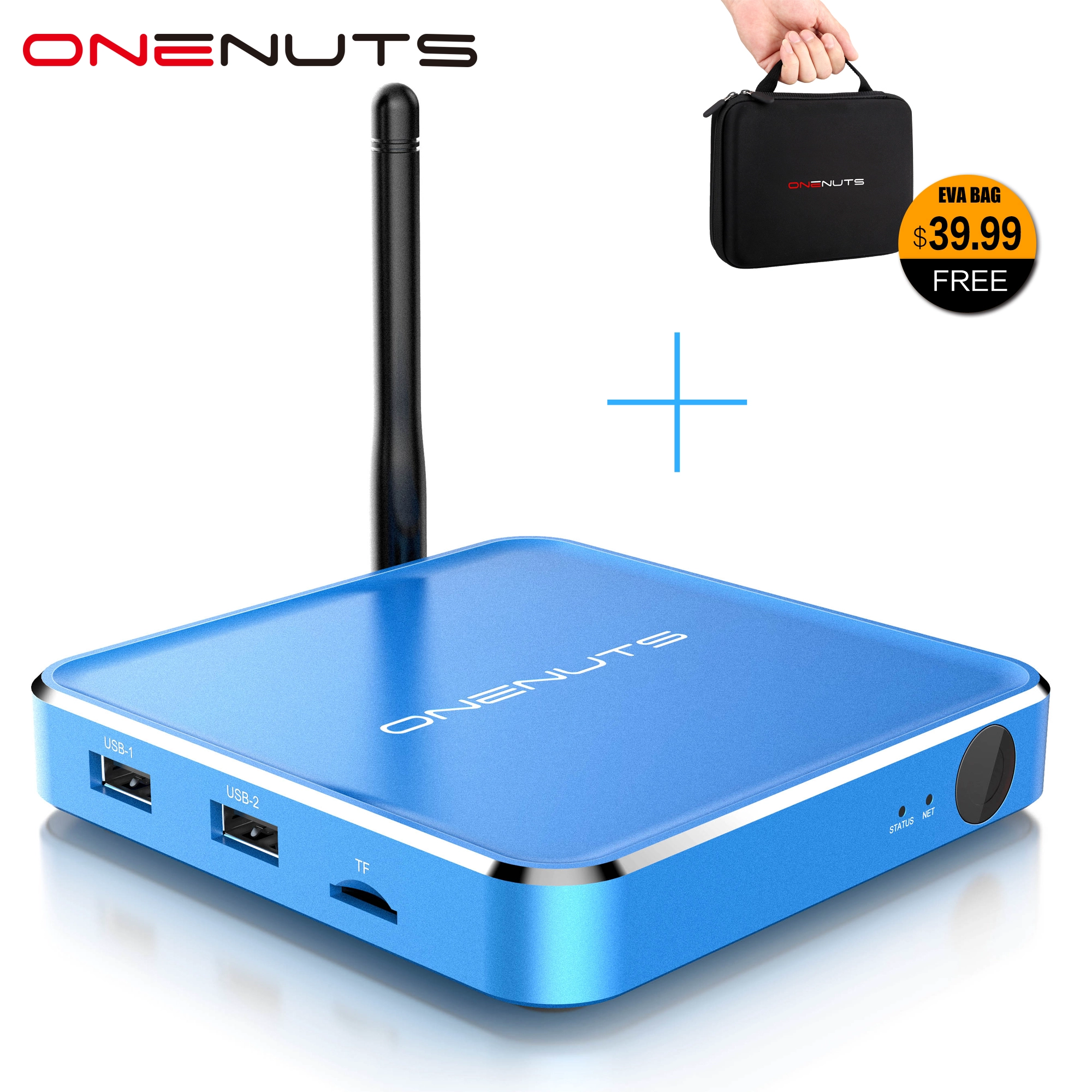
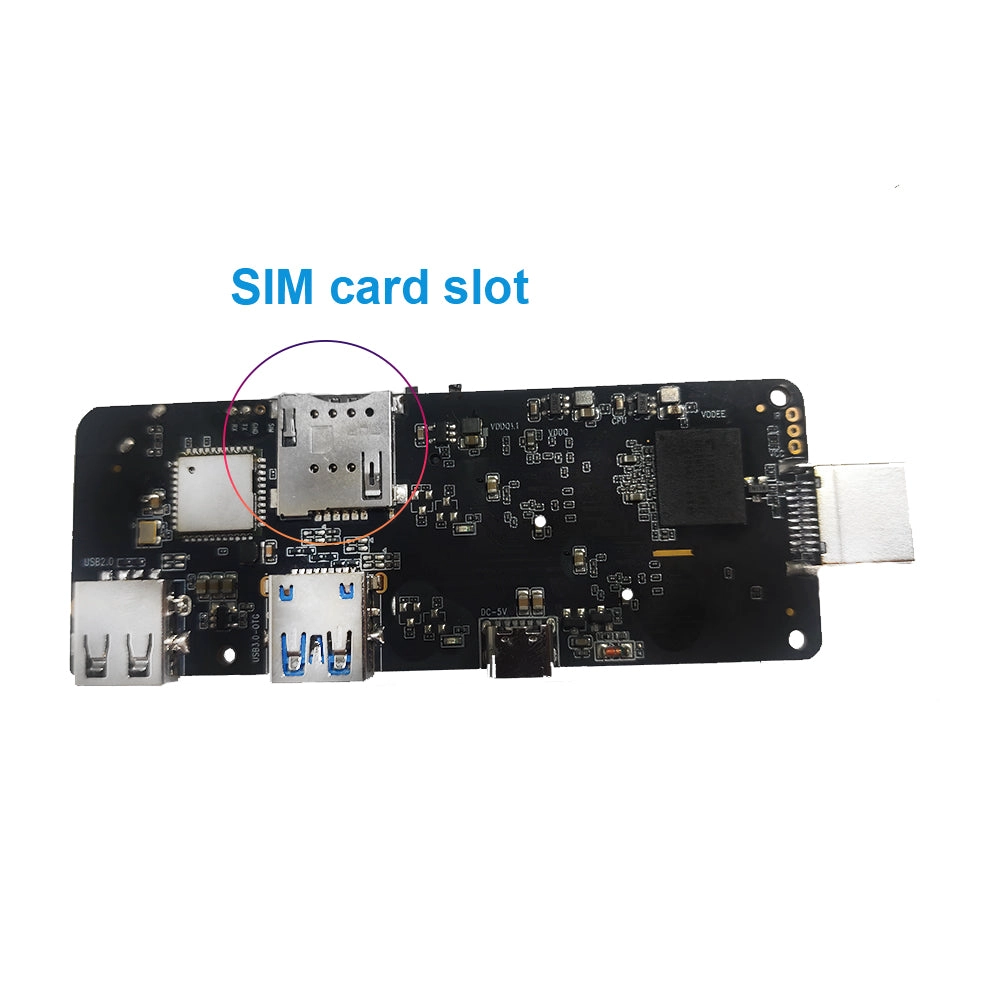
I/O and Interface Re-engineering: Commercial deployments rarely conform to standard consumer port arrays. Custom Android TV Box PCBA routing allows for the native integration of RS232/RS485 serial ports for legacy display control, PoE (Power over Ethernet) modules to eliminate external AC adapters, dual-band Wi-Fi 6E/7 with external SMA antenna connectors, and locked-down internal headers.
-
Component Lifecycle Management: Retail boards frequently swap DDR4/LPDDR4X RAM and eMMC flash suppliers based on spot-market pricing, causing batch-to-batch instability. Enterprise BOM (Bill of Materials) control locks in industrial-grade memory modules rated for extended temperature ranges (-20°C to 70°C) with guaranteed multi-year component availability across every Android TV Box production run.
-
Active and Passive Thermal Dissipation: High-bitrate 4K/8K AV1 decoding and edge-AI upscaling generate concentrated thermal loads on the SoC. Rather than relying on minimal adhesive pads, custom mechanical engineering pairs CNC-machined extruded aluminum chassis with copper vapor chambers or precision-engineered internal airflow channels, maintaining junction temperatures below 65°C under 100% continuous CPU/GPU load.
Kernel-Level Firmware Engineering and Custom UI/UX
Hardware stability fails without deterministic software execution. Generic Android Open Source Project (AOSP) builds include dozens of background Google Mobile Services (GMS) processes, telemetry daemons, and consumer bloatware that consume valuable RAM and create security vulnerabilities on a commercial Android TV Box.
True ODM Android TV Box firmware development strips the operating system down to the Linux/Android kernel level to maximize throughput and enforce strict operational boundaries:
| Engineering Layer | Generic Retail Android TV Box | SZTomato Custom Enterprise Android TV Box |
| Boot Sequence | Standard Android splash screen; 35–45s boot time | Custom hardware-level boot logo/animation; stripped init.rc scripts for under 15s cold boot |
| System Privileges | Locked consumer sandbox; restricted hardware access | Root-level API exposure, silent APK installation/uninstallation, hardware watchdog timer integration |
| User Interface | Ad-driven consumer launcher with user-modifiable settings | Kiosk-mode custom UI/UX; locked network/display parameters; single-app auto-launch |
| Update Mechanism | Public server dependencies or manual USB flashing | Private, encrypted AWS/on-premise OTA update server with granular MAC-address staging |
By modifying the Hardware Abstraction Layer (HAL) and kernel device trees, SZTomato engineers hardcode EDID (Extended Display Identification Data) handshakes. This ensures every deployed Android TV Box outputs the exact resolution, refresh rate, and color space required by commercial displays—even if the screen is powered off during initial boot.
DRM Security, IPTV Middleware, and SDK/API Integration
For OTT operators, broadband providers, and enterprise content distributors, an Android TV Box is merely the delivery vehicle for protected media streams. Deploying uncertified hardware results in immediate stream downgrades to 480p SD or complete playback rejection by content delivery networks.
Successful commercial Android TV Box integration relies on three foundational software pillars:
-
Hardware-Backed DRM & HDCP Compliance: Integrating Widevine Level 1, PlayReady, and Verimatrix requires provisioning unique cryptographic keyboxes inside the SoC’s Trusted Execution Environment (TEE) during factory MP (Mass Production). Combined with certified HDCP 2.2/2.3 output protection, each Android TV Box meets strict studio security mandates for premium 4K HDR content.
-
Pre-Integrated IPTV/OTT Middleware: Rather than forcing end-users or field technicians to manually configure portals, custom ROMs are compiled with operator middleware (such as Stalker/Ministra, Xtream Codes, or proprietary HTML5/Android WebView portals) baked directly into the system partition. The Android TV Box authenticates automatically via MAC address or serial number upon initial network connection.
-
Comprehensive SDK/API Exposure: System integrators managing fleets of thousands of endpoints require programmatic control. SZTomato provides documented Java/Kotlin SDKs and RESTful APIs that expose low-level hardware functions—allowing third-party MDM (Mobile Device Management) platforms to remotely reboot an Android TV Box, capture real-time screen frames, toggle GPIO pins, and monitor SoC temperatures.
Partner with SZTomato for Custom Android TV Box Deployment
Eliminate field failures, supply chain unpredictability, and software workarounds from your next hardware rollout. Whether you are scaling an IPTV subscriber base, deploying interactive hospitality terminals, or engineering ruggedized digital signage players, SZTomato’s engineering team provides direct factory-to-integrator execution—from initial PCBA schematic review and rapid prototyping to certified mass production.
Contact SZTomato’s B2B Engineering Team at www.sztomato.com to request our latest Android TV Box SoC capability matrix, SDK documentation, or a custom BOM evaluation for your upcoming project.
