
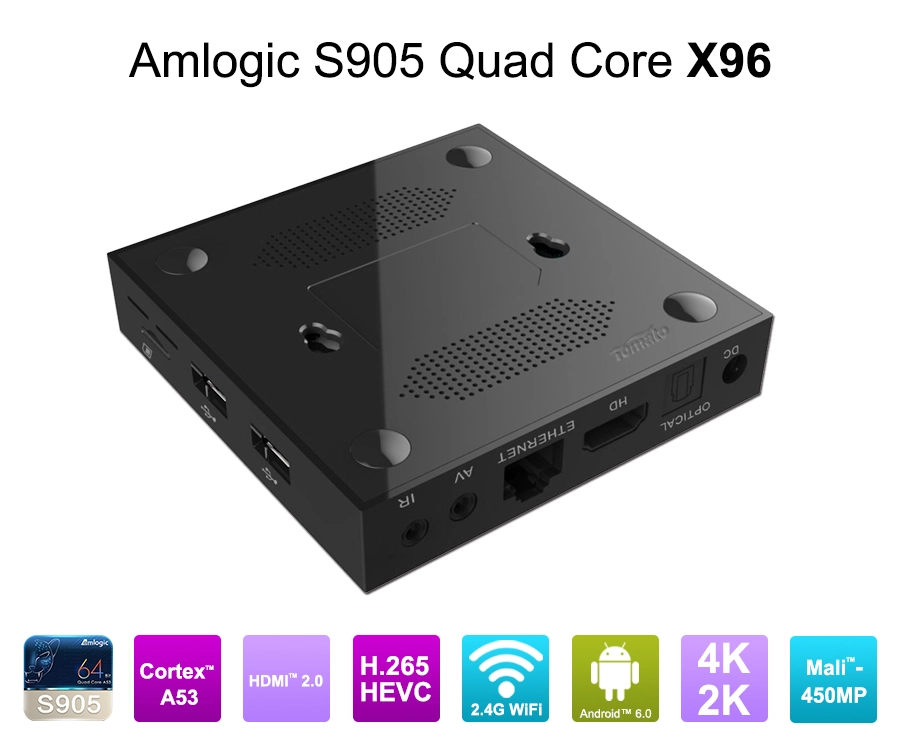
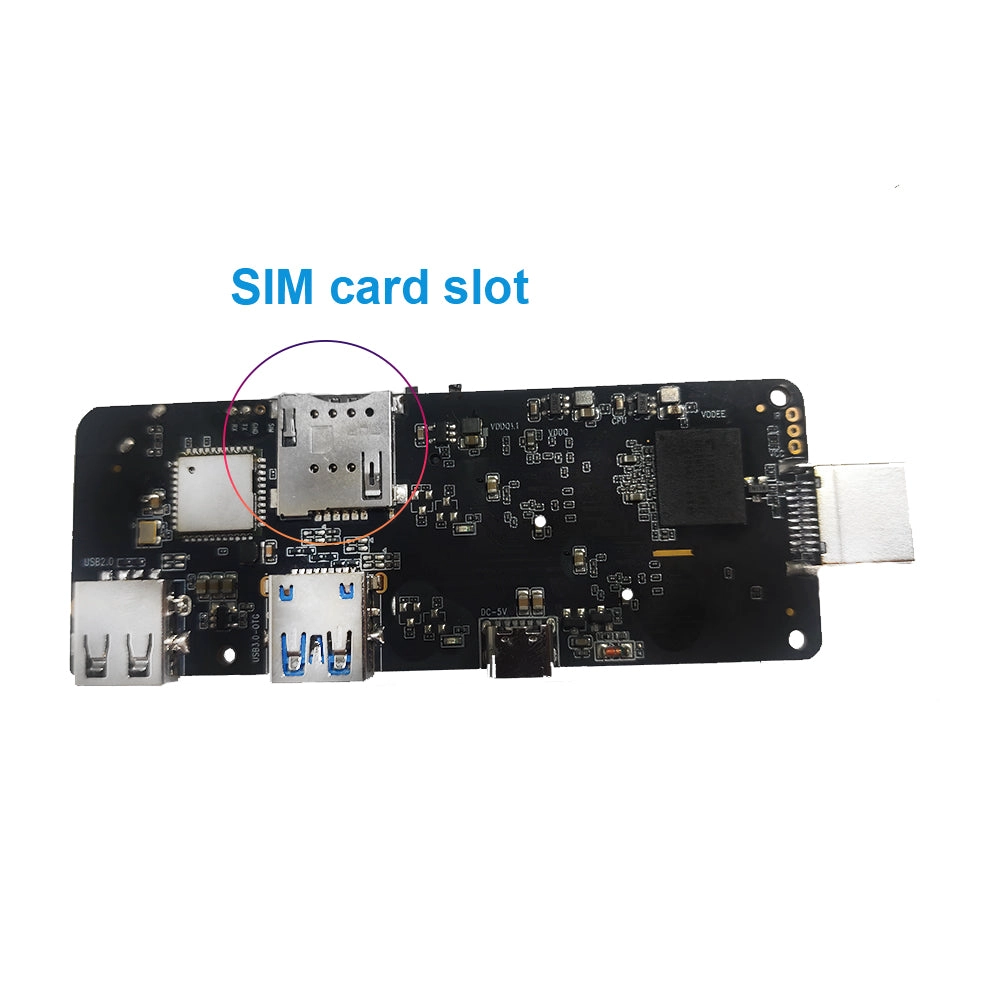
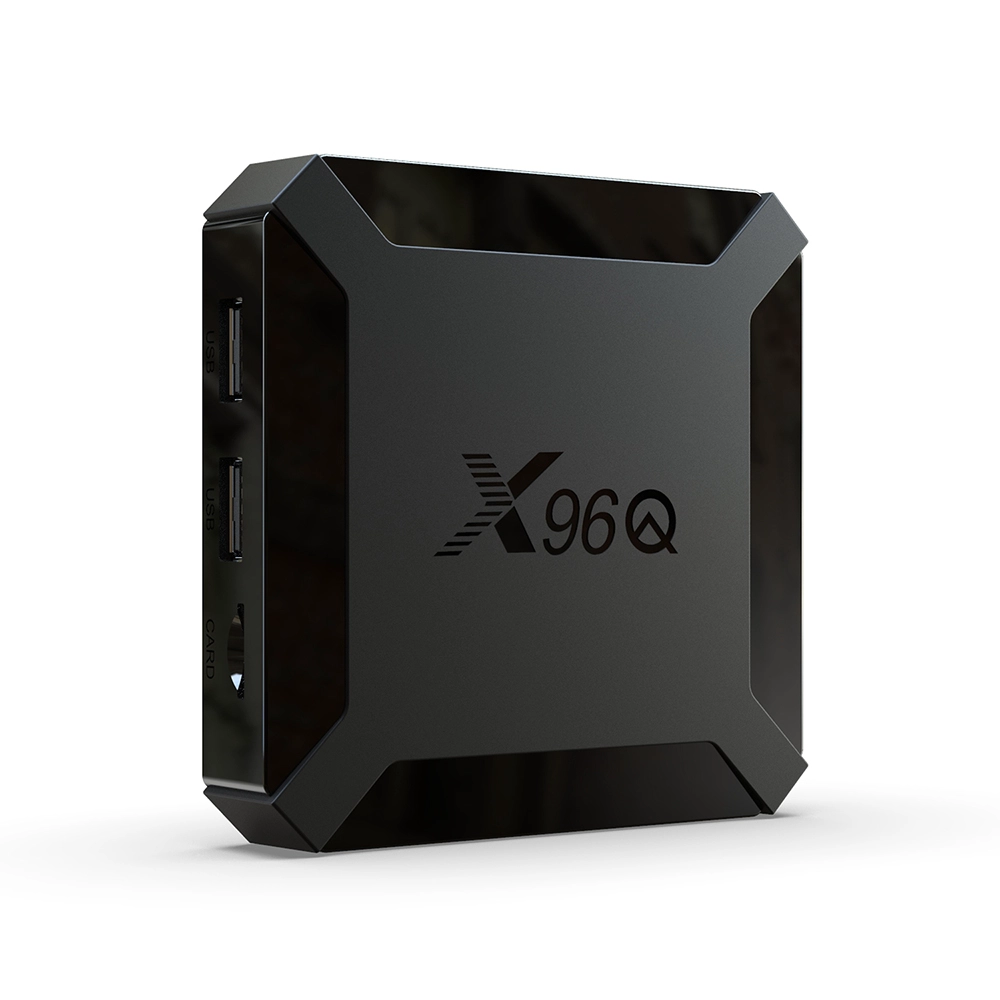
Can SZ Tomato provide OEM/ODM Custom firmware for Android TV Box?
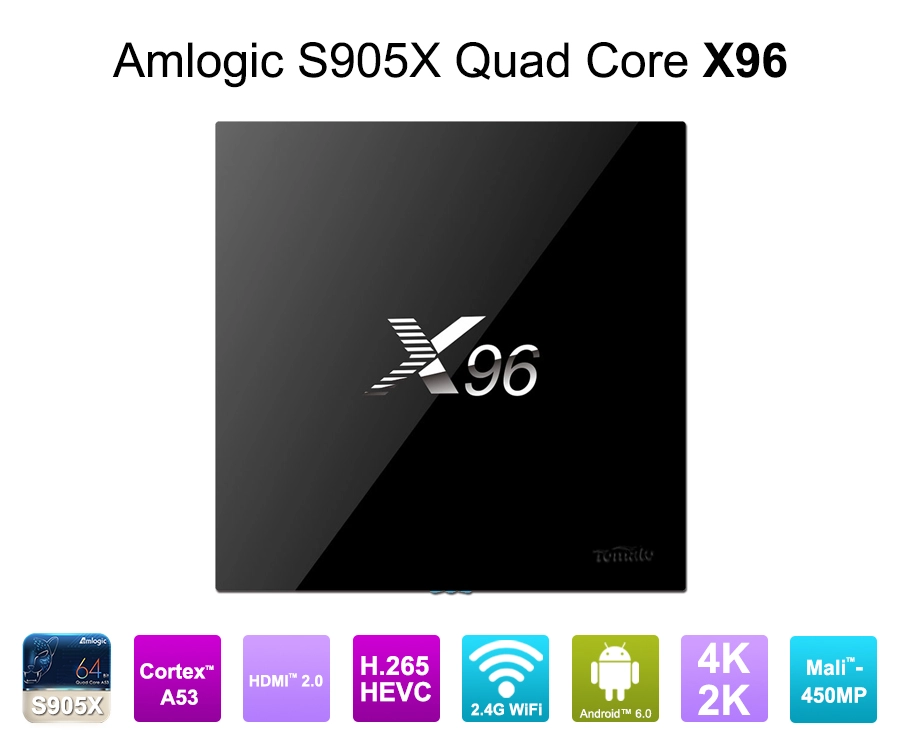
SZTomato provides OEM/ODM custom firmware solutions for Android TV Box projects, enabling B2B customers to customize the operating system, user interface, application environment, connectivity functions, and device management features according to their business requirements.
However, custom firmware should not be treated as a simple process of changing a boot logo or installing several applications before shipment.
For commercial deployments, firmware customization involves multiple engineering layers: bootloader configuration, Linux kernel compatibility, Android system integration, hardware driver support, application framework configuration, security management, and OTA maintenance.
A device intended for residential IPTV services has different requirements from one deployed across hotel networks, telecom operator environments, digital signage systems, or commercial entertainment platforms.
The critical question is therefore not whether a manufacturer can modify Android firmware, but whether its engineering team can coordinate software customization with the underlying hardware architecture.
SZTomato approaches Android TV Box OEM/ODM development from this integrated perspective.
1. What Android TV Box Firmware Can SZTomato Customize?
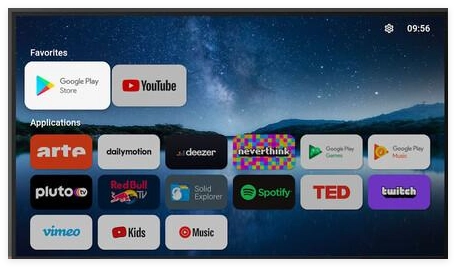
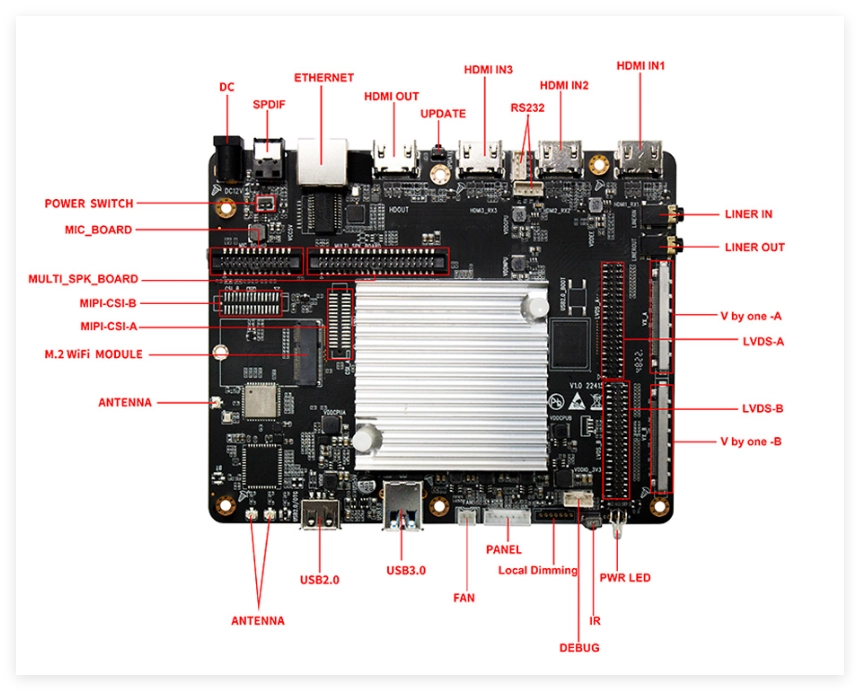

Firmware customization can be divided into several engineering layers. The scope depends on the target chipset, Android version, hardware configuration, and application requirements.
Custom Boot Animation, Logo, and System Branding
For distributors and brand owners, product identity should remain consistent throughout the user experience.
SZTomato can customize several visual and system-level elements, including:
-
Boot logos and startup animations.
-
Customized home screen and launcher interfaces.
-
Brand-specific wallpapers, icons, and themes.
-
System language and regional configurations.
-
Pre-installed applications and default application settings.
-
Customized settings menus and navigation structures.
-
Device information and branding elements.
These modifications allow businesses to launch an Android TV Box under their own brand rather than distribute a generic device with an unchanged manufacturer interface.
For larger projects, UI/UX customization can extend beyond visual branding. The launcher can be structured around specific service workflows, such as IPTV channel access, video-on-demand platforms, hotel information systems, or commercial content applications.
Android System and Kernel-Level Optimization
A customized launcher does not automatically make an Android TV Box suitable for a demanding commercial environment.
System-level development may involve:
-
Android system image configuration.
-
Linux/Android kernel compatibility adjustments.
-
Hardware driver integration.
-
Boot sequence optimization.
-
Memory allocation and resource management.
-
Background process management.
-
System service configuration.
-
Wi-Fi, Bluetooth, Ethernet, and USB compatibility.
-
Display output and audio configuration.
For example, an Android TV Box based on an Amlogic or Rockchip SoC must use firmware compatible with its specific hardware platform.
The kernel, device tree configuration, GPU drivers, video decoder, Wi-Fi module, and peripheral interfaces must work together.
A firmware image developed for one motherboard revision should not automatically be assumed compatible with another revision, even when both use the same processor.
SZTomato evaluates hardware and software compatibility during OEM/ODM development to reduce integration problems during sampling and mass production.
Pre-installed Applications and SDK/API Integration
Many B2B customers require their Android TV Box to work with an existing software ecosystem.
SZTomato supports application integration and system configuration according to project specifications.
Typical requirements include:
-
IPTV and OTT application pre-installation.
-
Customized application startup behavior.
-
Third-party SDK integration.
-
API integration with customer platforms.
-
Remote control key mapping.
-
Automatic application launch.
-
Application permissions and default settings.
-
Device identification and service configuration.
For IPTV operators, integration may include configuring the device to launch a designated IPTV application after startup.
For hotel system integrators, the interface may need to connect with an existing property management platform or guest service application through supported APIs.
The important distinction is that application installation and SDK/API integration are different engineering tasks. The latter may require cooperation between the TV Box firmware team and the customer's software developers.
2. How Does SZTomato Develop Custom Android TV Box Firmware for OEM/ODM Projects?
Successful firmware customization requires coordination between hardware design, operating system development, and application integration. SZTomato's OEM/ODM workflow considers these elements together rather than treating firmware as an isolated software package.
Step 1: Hardware Platform and SoC Compatibility Assessment
The first step is identifying the hardware platform and its capabilities.
Different SoCs have different CPU architectures, GPU performance, video decoding capabilities, memory interfaces, and peripheral support.
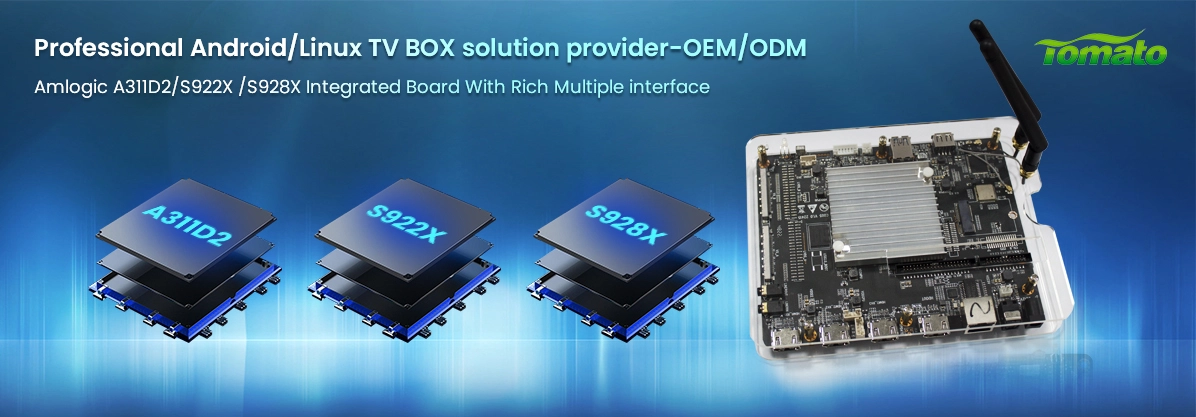
Common platforms for Android TV Box development include:
|
Chipset platform |
Typical application direction |
|---|---|
|
Amlogic S905X series |
Mainstream Android TV Box and IPTV |
|
Amlogic S928X |
High-performance 8K multimedia |
|
Rockchip RK3566 |
Commercial multimedia and embedded applications |
|
Rockchip RK3588 |
High-performance multimedia and AI edge applications |
The actual firmware configuration depends on the specific SoC, board design, and supported Android BSP.
During this stage, engineering considerations include:
-
CPU and GPU compatibility.
-
DDR and eMMC configuration.
-
Wi-Fi and Bluetooth module selection.
-
Ethernet controller and USB interface support.
-
HDMI output capabilities.
-
Audio codec and peripheral integration.
-
Android version and BSP availability.
This assessment prevents a common OEM/ODM problem: selecting hardware based on processor specifications without confirming whether the required firmware functions are supported.
Step 2: Firmware Development and UI/UX Customization
After confirming the hardware platform, the firmware development process moves to system configuration and user experience.
SZTomato can customize the Android firmware according to customer requirements, including:
System customization
-
Android system image configuration.
-
Boot logo and startup animation.
-
Default launcher and home screen.
-
Language and regional settings.
-
System application configuration.
-
Hardware interface configuration.
Application customization
-
Pre-installed customer applications.
-
Customized application packages.
-
Default application assignments.
-
Automatic application startup.
-
Remote control key mapping.
-
SDK/API integration.
User interface customization
-
Branded home screen.
-
Customized navigation menus.
-
Application shortcuts.
-
Commercial content access interfaces.
-
Simplified user workflows.
For example, an IPTV operator may require an Android TV Box that boots directly into its IPTV application instead of displaying a conventional Android launcher.
This requires more than installing an APK. Application startup behavior, system permissions, remote control interactions, and background process management must be configured and tested together.
Step 3: OTA Update and Long-Term Firmware Maintenance
Firmware maintenance is particularly important for projects involving hundreds or thousands of deployed Android TV Box devices.
Without a structured update mechanism, correcting software issues across a distributed device fleet can become expensive.
SZTomato can support OTA (Over-the-Air) update integration according to the project architecture and customer requirements.
Typical OTA-related functions include:
-
Firmware package management.
-
Version identification.
-
Update verification.
-
Remote firmware distribution.
-
Update status monitoring.
-
Recovery mechanisms.
-
Controlled update deployment.
For commercial deployments, firmware updates should be tested against the exact hardware revision before release.
A reliable OTA strategy should also consider interrupted downloads, insufficient storage, power loss during updates, and rollback or recovery requirements where supported by the platform.
For telecom operators and IPTV service providers, this approach helps reduce field maintenance and simplifies long-term software management.
Step 4: Firmware Validation and Hardware Integration
Firmware cannot be considered production-ready simply because the device boots successfully.
SZTomato's OEM/ODM development approach incorporates hardware and software validation, including:
-
System boot and restart testing.
-
Wi-Fi and Ethernet connectivity testing.
-
Bluetooth and remote control testing.
-
HDMI output and resolution testing.
-
Video decoding and playback validation.
-
Audio output and synchronization testing.
-
USB peripheral compatibility.
-
Application stability testing.
-
OTA update verification.
-
Thermal and continuous-operation testing.
For HDMI-enabled products, engineers must also consider HDCP compatibility and content-protection requirements. Commercial streaming services may impose additional certification, DRM, and application compatibility conditions.
These requirements should be confirmed before selecting the final hardware and firmware architecture.
3. Can SZTomato Customize PCBA Hardware Alongside Android Firmware?
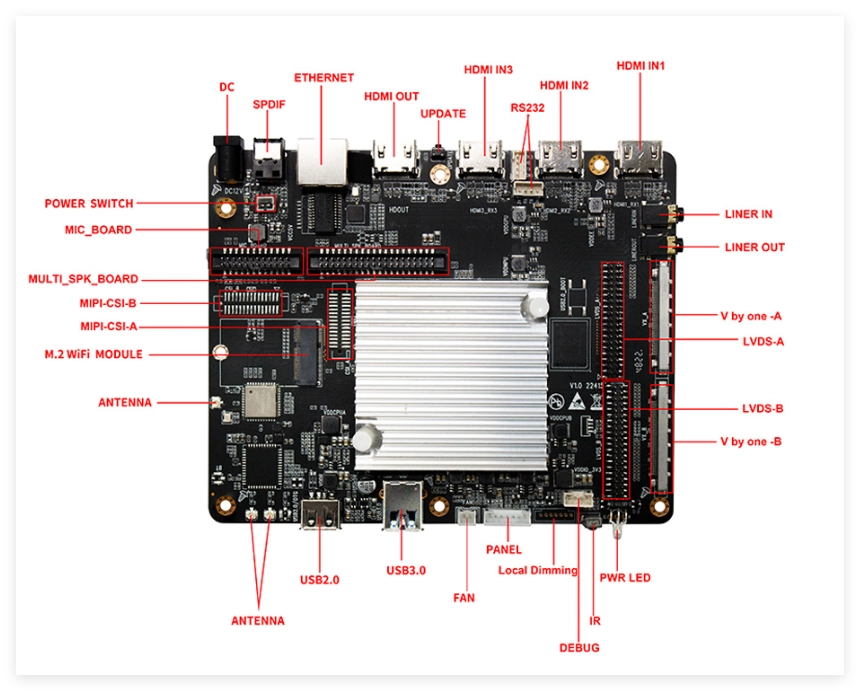
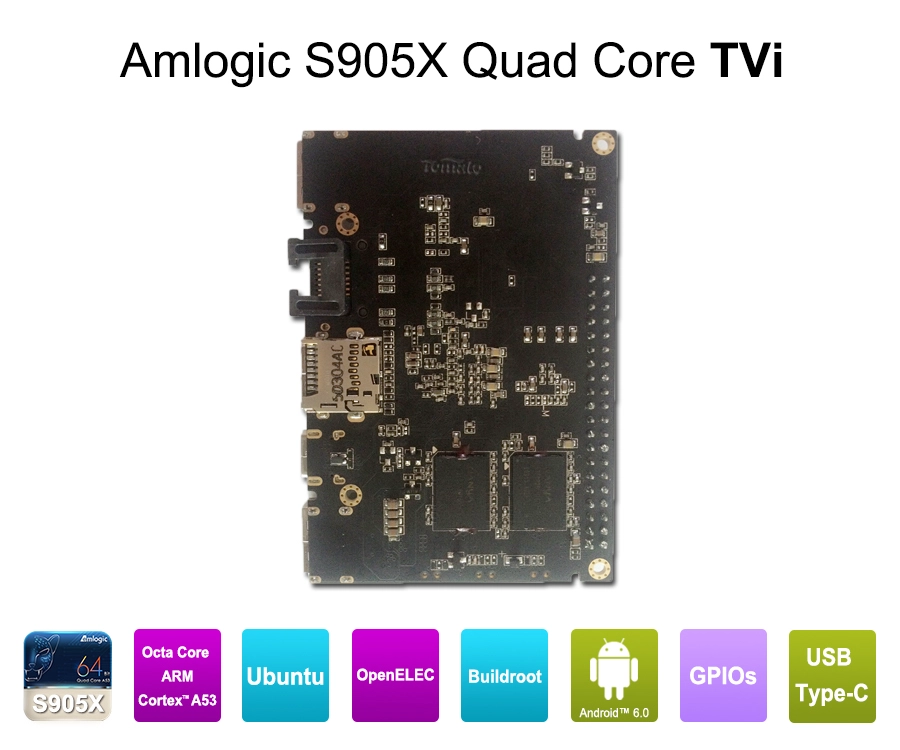
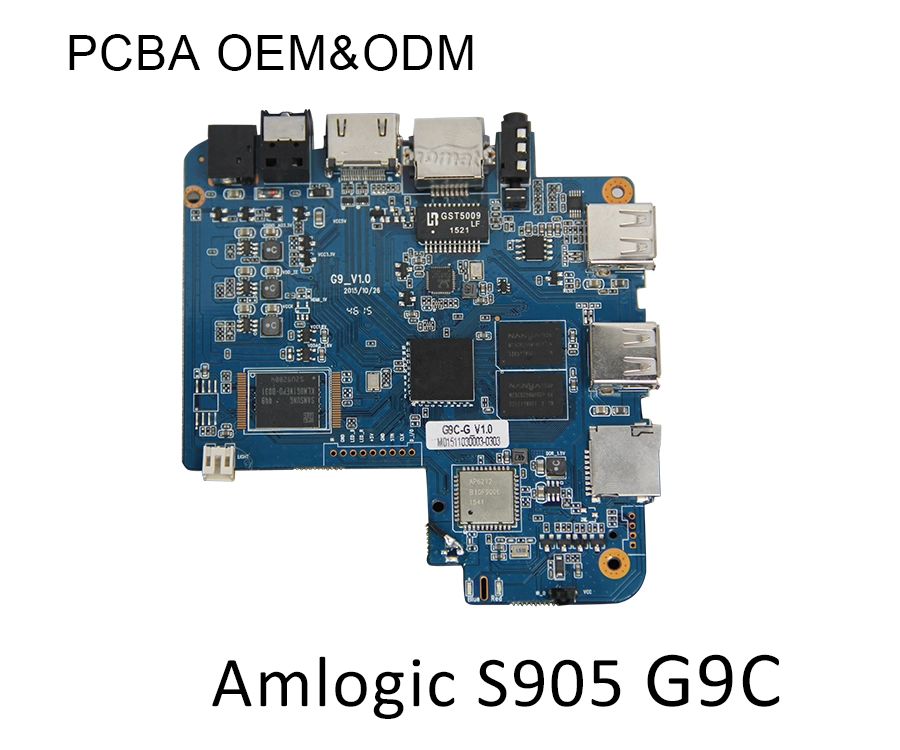
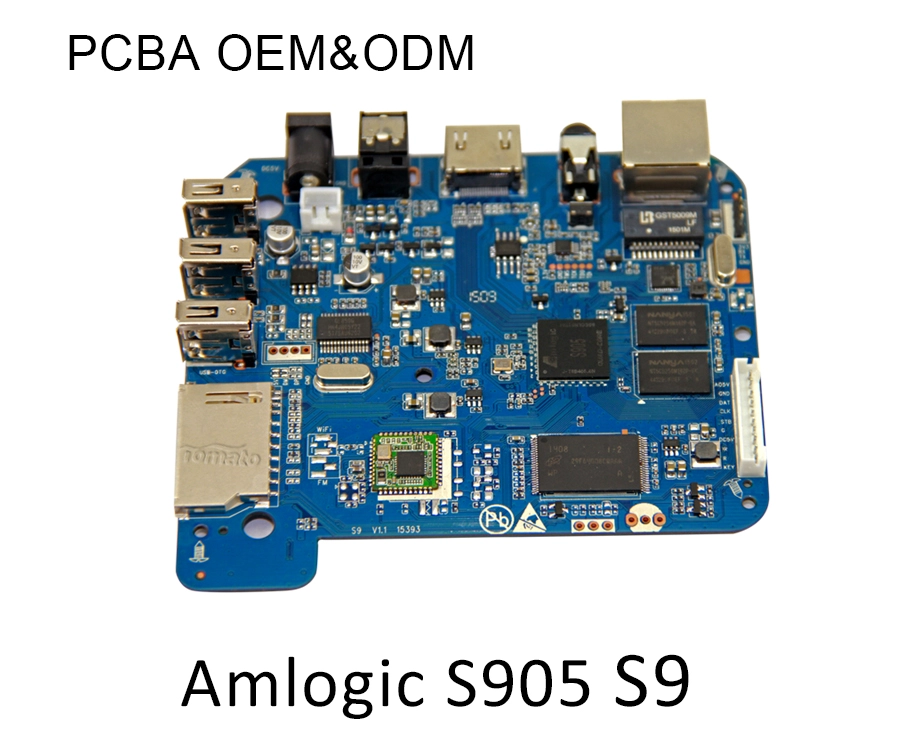
Yes. One of the important considerations in professional Android TV Box OEM/ODM development is the relationship between firmware functions and PCBA hardware design.
A software requirement may appear straightforward, but its implementation can depend on motherboard layout, component selection, power delivery, signal integrity, and thermal performance.
SZTomato supports PCBA-level hardware customization alongside firmware integration.
PCBA Layout and Interface Modification
Depending on the selected chipset and project requirements, hardware customization may involve:
-
PCB layout and component placement adjustments.
-
DDR and eMMC configuration.
-
Wi-Fi and Bluetooth module integration.
-
Ethernet interface configuration.
-
USB port expansion or modification.
-
HDMI interface configuration.
-
UART and debugging interface support.
-
Power management circuit optimization.
-
Peripheral and connector customization.
For example, a commercial customer may require additional USB connectivity for external storage, peripherals, or service equipment.
This requirement must be evaluated against the SoC's available interfaces, PCB space, power budget, and firmware driver support.
Simply adding a physical connector does not guarantee that the operating system can recognize and operate the connected device correctly.
Hardware and software compatibility must be validated together.
Specialized Cooling for Industrial Applications
Thermal management is another important consideration when an Android TV Box operates continuously in commercial or industrial environments.
High CPU utilization, intensive video decoding, limited ventilation, and elevated ambient temperatures can affect system stability.
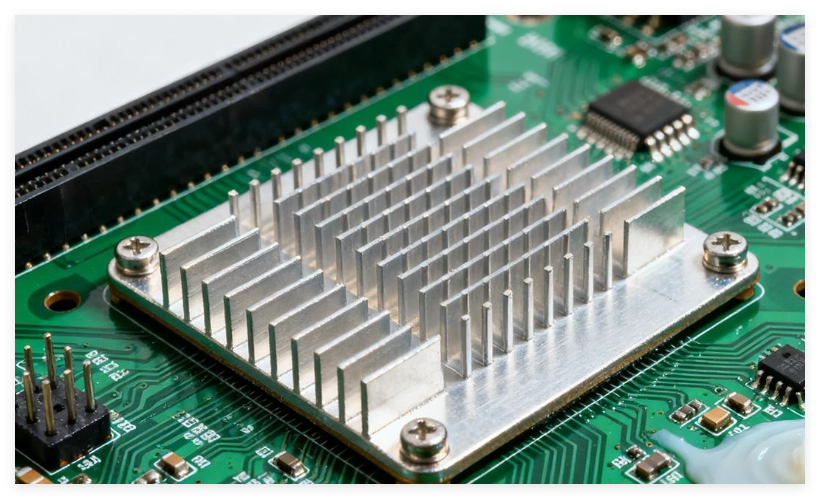
Depending on the application, SZTomato can evaluate specialized cooling solutions, including:
-
Customized heatsinks.
-
Thermal pad selection.
-
Heat dissipation structure optimization.
-
PCB component placement adjustments.
-
Enclosure ventilation improvements.
-
Passive cooling configurations.
-
Thermal performance validation.
For industrial multimedia applications, thermal design should be evaluated under realistic operating conditions rather than relying exclusively on short-duration laboratory tests.
The objective is to maintain stable performance during prolonged operation while controlling component temperatures and avoiding unnecessary thermal throttling.
Firmware and Hardware Must Be Developed Together
Consider a customer developing an Android TV Box for a hotel IPTV system.
The project may require:
-
A customized motherboard with specific Ethernet and Wi-Fi configurations.
-
Firmware that supports the selected network hardware.
-
A branded launcher connected to the hotel's service application.
-
Automatic startup of the designated IPTV application.
-
OTA updates for deployed devices.
-
Continuous-operation testing under the expected thermal conditions.
If hardware design and firmware development are handled independently, compatibility issues may emerge during production.
An integrated OEM/ODM development process reduces this risk and provides greater control over the final product.
4. What Should B2B Buyers Consider Before Ordering Custom Android TV Box Firmware?
Not every Android TV Box customization project requires the same engineering investment.
A distributor launching a branded retail product may need only a customized launcher and pre-installed applications. A telecom operator deploying thousands of devices may require deeper system integration, centralized update management, and more extensive compatibility testing.
Before requesting an OEM/ODM quotation, procurement managers should clarify the following technical requirements.
Customization Requirements and Engineering Scope
|
Requirement |
Information to confirm |
|---|---|
|
SoC platform |
Amlogic, Rockchip, or another chipset |
|
Android version |
Required Android version and BSP availability |
|
Hardware configuration |
RAM, eMMC, Wi-Fi, Bluetooth, Ethernet |
|
UI/UX |
Boot logo, launcher, themes, navigation |
|
Applications |
Pre-installed APKs and default applications |
|
SDK/API |
Third-party platform and service integration |
|
OTA |
Remote update and firmware maintenance requirements |
|
Connectivity |
HDMI, USB, Ethernet, Wi-Fi, Bluetooth |
|
Thermal design |
Operating temperature and continuous-use requirements |
|
Certification |
Google, DRM, HDCP, regional and operator requirements |
Important Considerations: Google Certification and DRM
One point deserves particular attention.
Custom Android firmware does not automatically provide Google certification, Google Play Protect certification, Google Mobile Services licensing, or access to protected streaming services.
Similarly, installing a streaming application does not guarantee HDCP compliance, Widevine certification, or playback at the service's highest supported resolution.
These capabilities depend on the hardware platform, licensing arrangements, certification status, security implementation, and application requirements.
For projects targeting certified Google TV or Android TV products, the certification pathway should be established before firmware customization begins.
Customers should also distinguish between Android Open Source Project (AOSP)-based firmware and officially certified Android TV or Google TV implementations.
This distinction has a direct impact on product positioning, application compatibility, commercial streaming services, and development costs.
Custom Firmware vs. Standard Firmware: Which Is Better?
|
Comparison |
Standard firmware |
OEM/ODM custom firmware |
|---|---|---|
|
Brand identity |
Manufacturer interface |
Customer-branded interface |
|
Launcher |
Standard launcher |
Customized launcher |
|
Applications |
General configuration |
Customer-specific integration |
|
System settings |
Standard configuration |
Project-specific configuration |
|
SDK/API |
Limited or standard |
Customized integration scope |
|
OTA management |
Platform-dependent |
Project-specific update strategy |
|
Hardware integration |
Existing PCBA |
Optional PCBA modification |
|
Commercial application |
General-purpose use |
Tailored deployment requirements |
Standard firmware is usually sufficient for buyers seeking a conventional Android TV Box with minimal customization.
OEM/ODM firmware is more appropriate when product differentiation, application integration, operator requirements, or long-term device management are essential to the business model.
The decision should be based on the deployment environment and total lifecycle cost, not simply the initial unit price.
Why Choose SZTomato for Android TV Box OEM/ODM Customization?
SZTomato is a Shenzhen-based Android TV Box manufacturer established in 2011, with more than 15 years of experience in multimedia hardware development and OEM/ODM manufacturing.
Its engineering approach focuses on combining hardware development, firmware customization, and application integration to meet the requirements of commercial customers.
Key capabilities include:
1. Integrated Hardware and Software Development
SZTomato supports PCBA hardware modification, component configuration, firmware integration, and system-level customization. This helps customers develop products around their actual application requirements rather than being restricted to standard reference designs.
2. Custom Firmware and UI/UX Development
From boot animations and branded launchers to system configuration and application integration, SZTomato supports firmware customization for different commercial applications.
3. SDK/API Integration
For customers with existing IPTV platforms, OTT services, or commercial applications, SZTomato can support SDK/API integration and application-level customization according to technical specifications.
4. Commercial and Industrial Applications
For projects requiring continuous operation, SZTomato can evaluate specialized cooling structures, hardware modifications, and system configurations to support demanding operating environments.
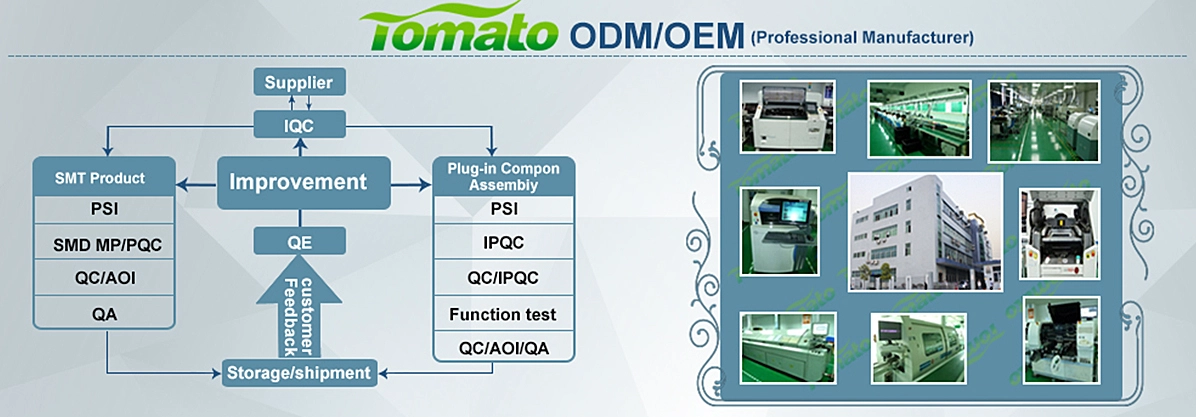
5. OEM/ODM Manufacturing and Quality Control
With manufacturing experience, multi-stage quality control, and supply-chain integration, SZTomato supports the transition from engineering samples to mass production.
The objective is not simply to supply an Android TV Box with a different logo. It is to help customers develop a commercially differentiated hardware and software solution.
Frequently Asked Questions About Android TV Box Custom Firmware
Can SZTomato install our own APK applications on an Android TV Box?
Yes. SZTomato can support pre-installation of customer-provided APK applications, default application configuration, and customized startup behavior, subject to Android compatibility and application requirements.
Can SZTomato customize the Android TV Box boot logo and launcher?
Yes. Customization can include boot logos, startup animations, wallpapers, launcher interfaces, application icons, navigation menus, and other supported branding elements.
Can SZTomato develop firmware for Amlogic and Rockchip Android TV Boxes?
SZTomato supports OEM/ODM development based on supported hardware platforms. Amlogic and Rockchip solutions can be evaluated according to the selected SoC, available BSP, Android version, and required functionality.
Does SZTomato support OTA firmware updates?
Yes. SZTomato can support OTA update integration according to the project requirements, including firmware version management, update verification, deployment configuration, and recovery considerations.
Can SZTomato modify the motherboard to support customized firmware functions?
Yes. SZTomato supports PCBA-level hardware modification, subject to SoC capabilities, PCB design feasibility, component availability, and engineering validation.
What information is required to start an Android TV Box OEM/ODM project?
Customers should ideally provide the target SoC, Android version, hardware specifications, required applications, UI/UX references, connectivity requirements, and estimated order quantity.
For projects involving SDK/API integration or specialized system functions, technical documentation and application requirements are also important.
Start Your Android TV Box OEM/ODM Project with SZTomato
Choosing an Android TV Box manufacturer should involve more than comparing processor specifications, RAM configurations, and unit prices.
For B2B buyers, the real challenge is finding a manufacturing partner capable of translating business requirements into a stable hardware and software platform.
Whether you are a telecom operator developing a customized IPTV terminal, a brand owner launching a private-label Android TV Box, a distributor seeking product differentiation, or a system integrator building a commercial multimedia solution, firmware customization can provide greater control over the final product.
SZTomato combines PCBA hardware modification, Android firmware customization, UI/UX development, SDK/API integration, and OEM/ODM manufacturing support to help customers develop project-specific solutions.
Contact SZTomato at www.sztomato.com to discuss your Android TV Box customization requirements.
Provide your target chipset, Android version, hardware configuration, software requirements, and estimated production quantity. The engineering team can evaluate the project scope and recommend an appropriate OEM/ODM development approach.
