
Custom OTT TV Box Development: How to Choose the Right OEM/ODM Manufacturer for Commercial Streaming Projects
Commercial OTT Is No Longer About Buying the Cheapest Hardware
The commercial OTT market has evolved beyond the traditional competition of hardware specifications and factory prices.
In the early stages of the OTT industry, procurement teams primarily compared processor performance, RAM, storage, connectivity, and unit costs. However, this approach is increasingly inadequate for today's commercial streaming deployments.
OTT operators, IPTV service providers, telecom companies, digital advertising networks, educational platforms, and streaming brands face a common challenge: standard reference-design devices may look attractive on paper but struggle to maintain consistent performance after large-scale deployment.
Playback interruptions, application compatibility issues, unstable firmware, uncontrolled OTA updates, and complicated remote maintenance can quickly increase the total cost of ownership.
The real requirement is no longer simply purchasing an OTT TV Box. Businesses need a customized smart terminal that integrates with their content ecosystem, supports centralized management, and delivers reliable performance throughout its operational lifecycle.
This shift is making engineering-driven OTT TV Box OEM/ODM manufacturing increasingly important.
One of the most common misconceptions among buyers is that firmware customization means changing the boot logo or preinstalling branded applications. In reality, firmware controls how hardware resources are allocated, how applications operate, how system permissions are managed, and how devices communicate with external platforms.
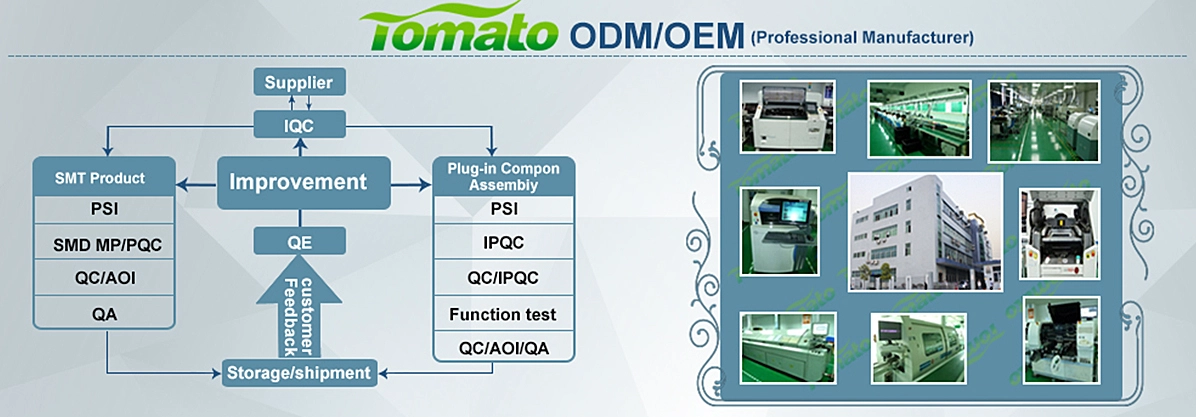
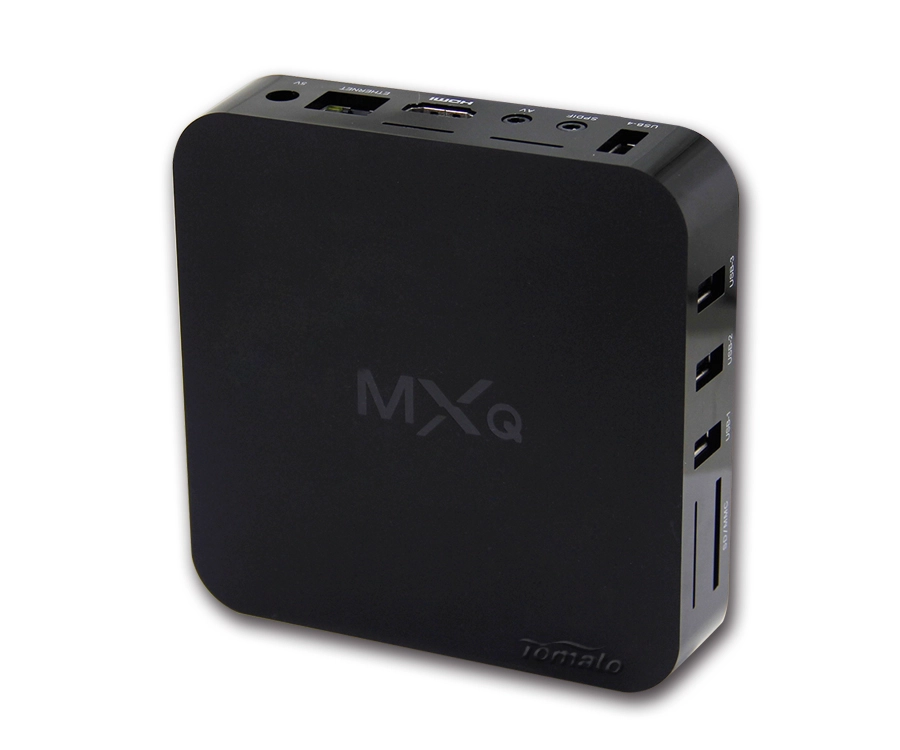
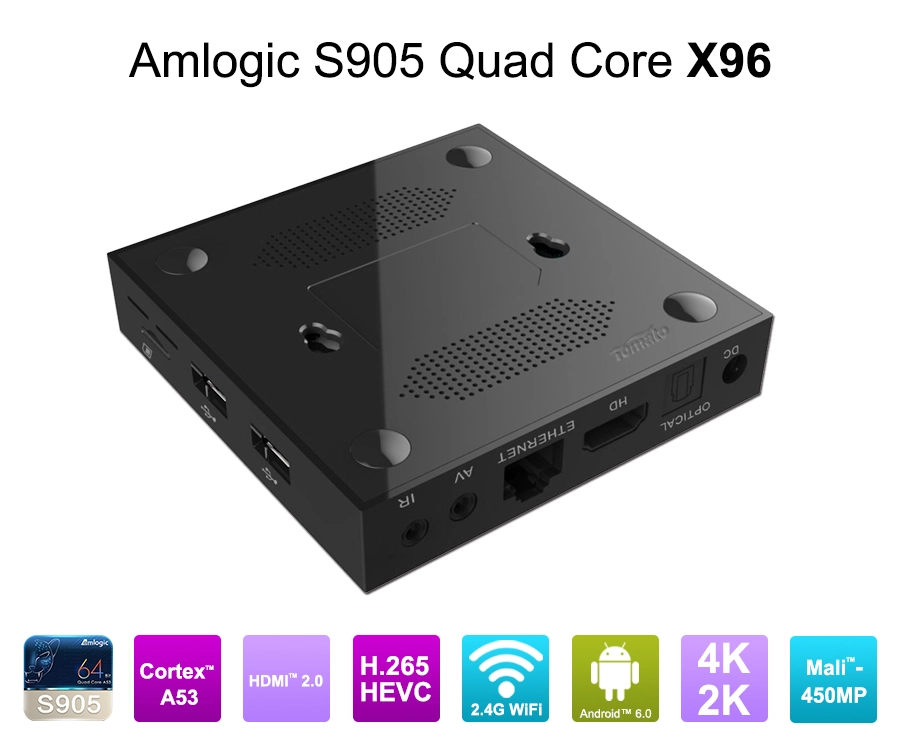
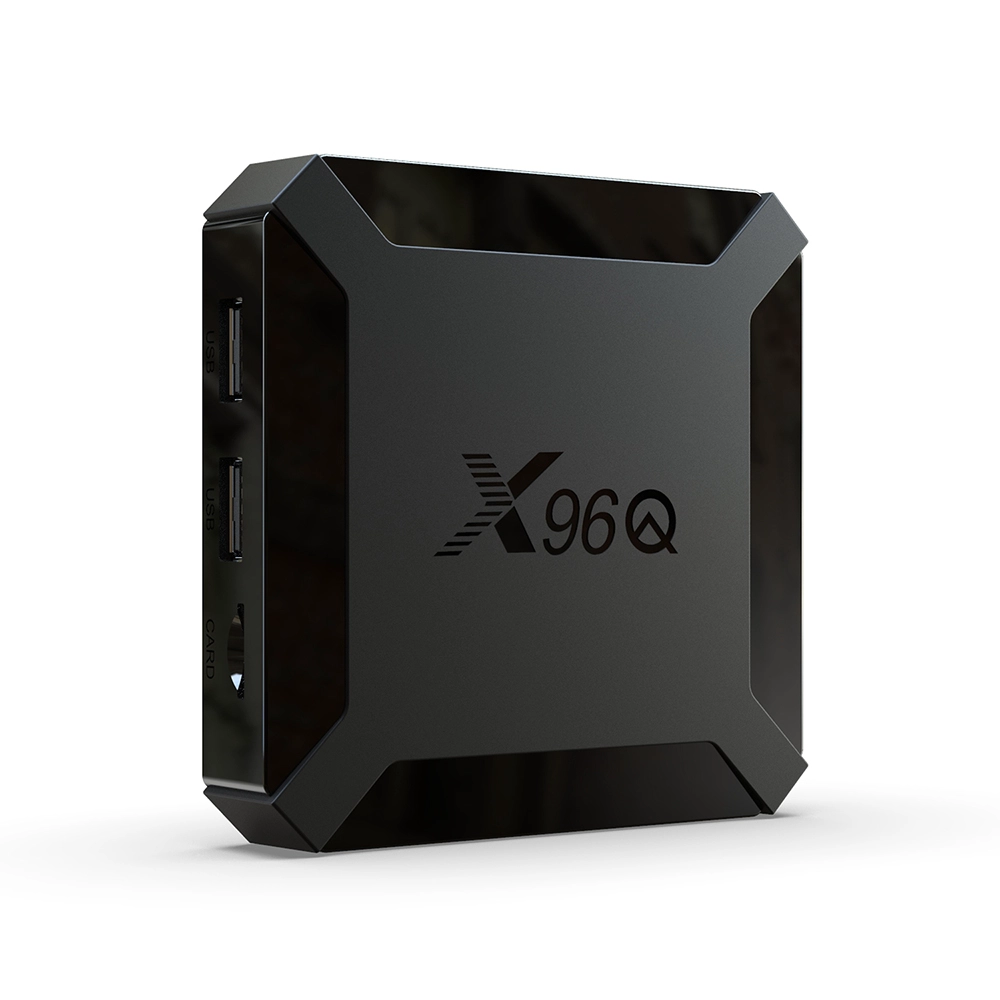
Shenzhen Tomato Technology Co., Ltd. (SZTomato), established in 2011, specializes in multimedia hardware development and OEM/ODM manufacturing. Its product portfolio includes Android TV Boxes, Smart TV Boxes, OTT TV Boxes, IPTV Set-Top Boxes, Android Media Players, Android Mini PCs, and other customized multimedia solutions.
With experience in hardware engineering, software development, and electronics manufacturing, SZTomato provides customized solutions for global brands, distributors, operators, and system integrators.
The following guide explains the engineering considerations that matter when developing a commercial OTT device and selecting a capable OEM/ODM manufacturing partner.
1. Why Standard OTT TV Boxes Are Not Always Suitable for Commercial Projects
Generic OTT TV Boxes are generally developed around standardized hardware and software configurations. They can be suitable for conventional consumer applications, but commercial deployments often demand greater flexibility, compatibility, and long-term operational control.
1.1 Multimedia Compatibility Requires More Than a Powerful SoC
The System-on-Chip (SoC) establishes the multimedia processing capabilities of an OTT device. However, choosing a processor based solely on CPU performance is a common procurement mistake.
Commercial streaming projects may require:
-
H.264 and H.265 hardware video decoding.
-
AV1 hardware decoding for supported streaming applications.
-
4K UHD output at specified resolutions and refresh rates.
-
HDR10, HLG, or other required HDR formats.
-
HDMI output with appropriate HDCP protection.
-
Stable Ethernet and Wi-Fi connectivity.
-
Sufficient memory bandwidth for demanding video workloads.
A product advertised as supporting 4K playback does not necessarily guarantee compatibility with every 4K streaming application.
Actual performance depends on the complete multimedia pipeline, including the SoC, vendor BSP, video decoding framework, firmware configuration, memory bandwidth, HDMI implementation, and application compatibility.
For protected streaming services, buyers must also evaluate DRM support, security provisioning, and relevant content-platform requirements.
An experienced OTT TV Box OEM/ODM manufacturer should validate the complete multimedia chain rather than relying exclusively on chipset specifications.
1.2 Generic Firmware Limits Brand Differentiation and System Control
Many standard OTT devices use relatively unchanged reference firmware. This reduces initial development costs but can create significant limitations for commercial customers.
Common problems include:
-
Generic launcher interfaces with little brand differentiation.
-
Unnecessary preinstalled applications consuming memory.
-
Limited application permission controls.
-
Unstable background services.
-
Restricted OTA update management.
-
Difficult integration with proprietary streaming platforms.
-
Insufficient device initialization and remote maintenance capabilities.
For an IPTV operator or streaming brand, these limitations affect both the user experience and the efficiency of device management.
A customized OTT TV Box should be developed around the customer's business requirements. The operating system, application environment, startup behavior, system permissions, and remote management architecture should all be considered during product development.
Changing a logo is cosmetic OEM customization. Developing hardware and firmware around a customer's business ecosystem is a much deeper engineering process.
1.3 Evaluate Total Cost of Ownership Instead of Unit Price
For commercial deployments involving hundreds or thousands of devices, the initial hardware purchase represents only part of the investment.
Long-term operating expenses may include:
-
Firmware updates and maintenance.
-
Application compatibility testing.
-
Device activation and registration.
-
Remote troubleshooting.
-
OTA firmware distribution.
-
Hardware repair and replacement.
-
Technical support and integration.
A lower-cost device may become more expensive if it requires frequent manual maintenance or cannot be managed efficiently.
Professional procurement teams should therefore evaluate Total Cost of Ownership (TCO), considering development, deployment, maintenance, and the expected operational lifecycle.
2. Deep Firmware Development: The Foundation of Custom OTT Solutions
Firmware customization is not simply a visual modification. It involves multiple software layers that determine how an OTT device starts, manages hardware resources, executes applications, and communicates with external platforms.
2.1 Android and Linux System-Level Customization
Different OTT applications require different operating system architectures.
Android is suitable for projects requiring a broad application ecosystem, multimedia applications, customized launchers, and integration with Android-based services.
Linux, Debian, and Ubuntu are suitable for specialized embedded terminals, dedicated multimedia applications, and environments requiring greater control over system resources.
Depending on the selected chipset and available vendor software support, system-level development may include:
-
System performance optimization.
-
Kernel configuration and customization.
-
Bootloader and startup sequence modification.
-
Hardware driver and HAL integration.
-
Multimedia decoding framework optimization.
-
Memory allocation and power management.
-
Peripheral interface configuration.
-
System service optimization.
For example, a commercial project requiring multiple USB interfaces, specialized Ethernet connectivity, GPIO expansion, or customized power management may require coordinated modifications to hardware drivers, firmware, and PCBA design.
The objective is to ensure that the operating system and hardware operate as one integrated platform.
2.2 Custom UI/UX Development for Brand Identity
The launcher is one of the most important user interaction points on an OTT device.
For telecom operators, hospitality providers, streaming brands, and commercial media networks, a customized interface creates a consistent brand experience across the entire device fleet.
Customization options may include:
-
Exclusive boot logos and startup animations.
-
Fully customized launcher layouts.
-
Dedicated business application shortcuts.
-
Preinstalled and preconfigured applications.
-
Custom remote-control key mapping.
-
Application permission management.
-
Automatic application startup.
-
Multilingual interfaces.
-
Regional localization.
-
Kiosk mode and restricted system settings.
However, a customized interface should not compromise system performance.
Unnecessary background applications and poorly optimized startup services can increase boot time, consume memory, and reduce system responsiveness.
For this reason, UI/UX development should be coordinated with firmware optimization rather than treated as an independent visual modification.
2.3 Customized OTA Management for Large-Scale Deployment
Over-the-Air (OTA) updates are essential for commercial OTT projects.
Without a reliable update mechanism, operators may need to maintain devices manually across multiple locations, increasing operational costs and service interruptions.
A customized OTA architecture may include:
-
Firmware packages assigned to specific hardware versions.
-
Device identification and firmware version verification.
-
Package integrity checks.
-
Automated installation and restart.
-
Upgrade failure recovery.
-
Firmware version tracking.
-
Scheduled and regional update distribution.
-
Staged or phased firmware deployment.
Staged OTA updates are particularly important for large device fleets.
Instead of updating every device simultaneously, operators can first distribute a new firmware version to a small test group. Once compatibility and stability are verified, the update can be expanded to additional devices.
A reliable update architecture should also address unexpected power interruptions, insufficient storage, interrupted downloads, and incompatible firmware versions.
Where supported by the device partition architecture, rollback and recovery mechanisms can further reduce upgrade risks.
SZTomato supports customized OTA solutions and device management integration to help customers maintain and update deployed devices more efficiently.
2.4 SDK and API Integration for Business Platform Connectivity
Commercial OTT devices rarely operate independently. They typically need to communicate with streaming platforms, middleware, content management systems, subscriber management platforms, and remote device management infrastructure.
Depending on the customer's architecture, integration may involve:
-
OTT application SDK integration.
-
RESTful API communication.
-
Device registration and batch activation.
-
User authentication and authorization.
-
Content delivery platform integration.
-
Device status reporting.
-
Remote parameter configuration.
-
OTA scheduling interfaces.
-
MDM and device management integration.
The integration architecture should be defined during the product planning stage.
For example, a customer requiring remote control over application behavior, system settings, device status, and firmware versions must consider the necessary APIs, permissions, and background services before mass production.
An API originally designed for a mobile application may also require additional adaptation before it can operate reliably within an embedded Android environment.
Therefore, SDK/API integration should be part of the initial product architecture rather than a final-stage addition.
3. Hardware Engineering: Building a Reliable Foundation for OTT Performance
Even well-developed firmware cannot compensate for fundamental hardware design problems.
Reliable commercial OTT devices require coordinated engineering across the SoC, PCBA, memory, connectivity, power management, and thermal architecture.
3.1 SoC Selection and Hardware Configuration
Selecting the appropriate chipset is one of the most important decisions in an OTT TV Box OEM/ODM project.
The selection should consider the intended application, multimedia workload, operating system, network requirements, and target production cost.
Key evaluation factors include:
SoC Platform
Evaluate CPU architecture, GPU performance, multimedia decoding capabilities, vendor SDK availability, and long-term platform support.
RAM and eMMC
Memory configuration should accommodate the operating system, applications, background services, and future firmware updates.
Wi-Fi and Ethernet
Evaluate wireless performance, antenna design, RF interference, Ethernet stability, and the network requirements of the target streaming environment.
HDMI and Video Output
Confirm resolution, refresh rate, HDR capabilities, HDMI specifications, EDID behavior, and HDCP requirements.
Power and Peripheral Interfaces
Consider USB connectivity, GPIO, UART, power management, storage expansion, and application-specific interfaces.
A chipset supporting AV1 or 4K decoding does not automatically guarantee that the complete device meets the requirements of a protected streaming platform.
DRM certification, security keys, secure video paths, and content-provider authorization must be evaluated separately.
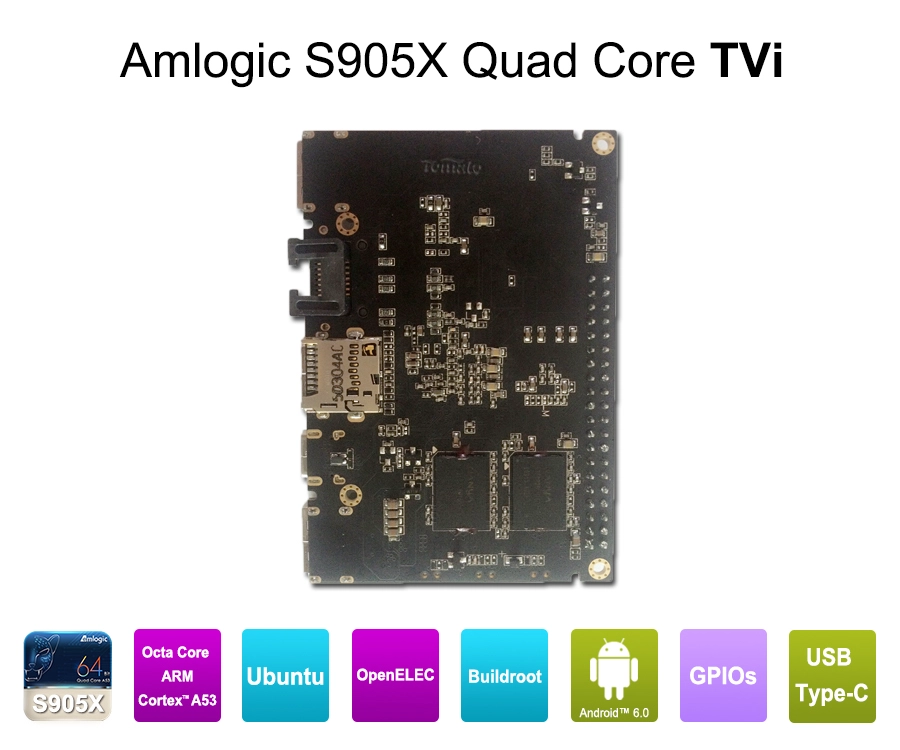
SZTomato works with mainstream SoC platforms, including Amlogic, Rockchip, and Allwinner, helping customers select hardware architectures according to their application and project requirements.
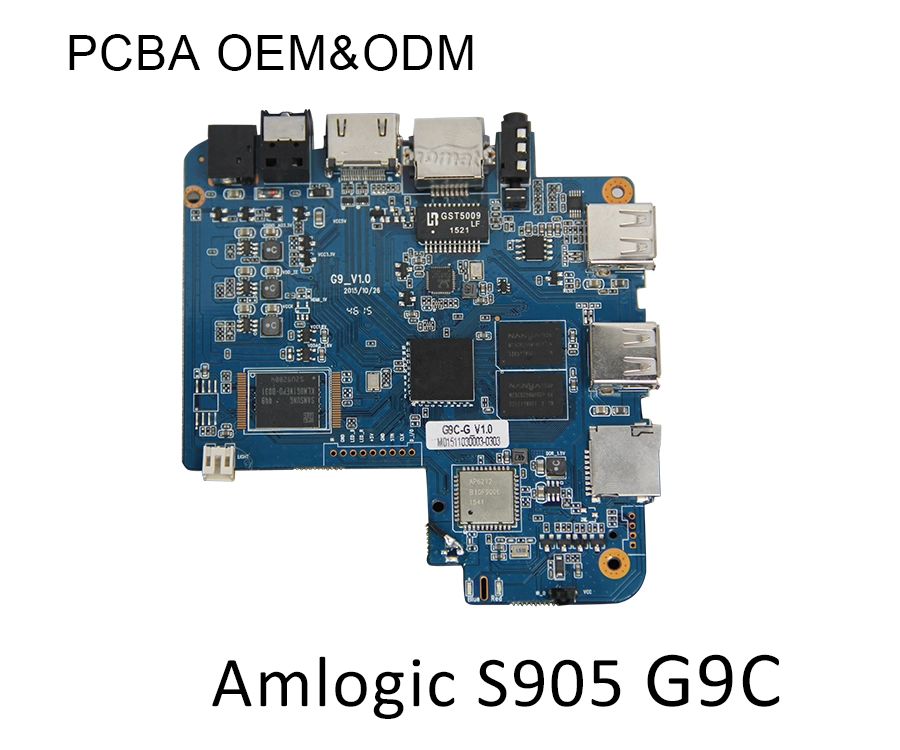
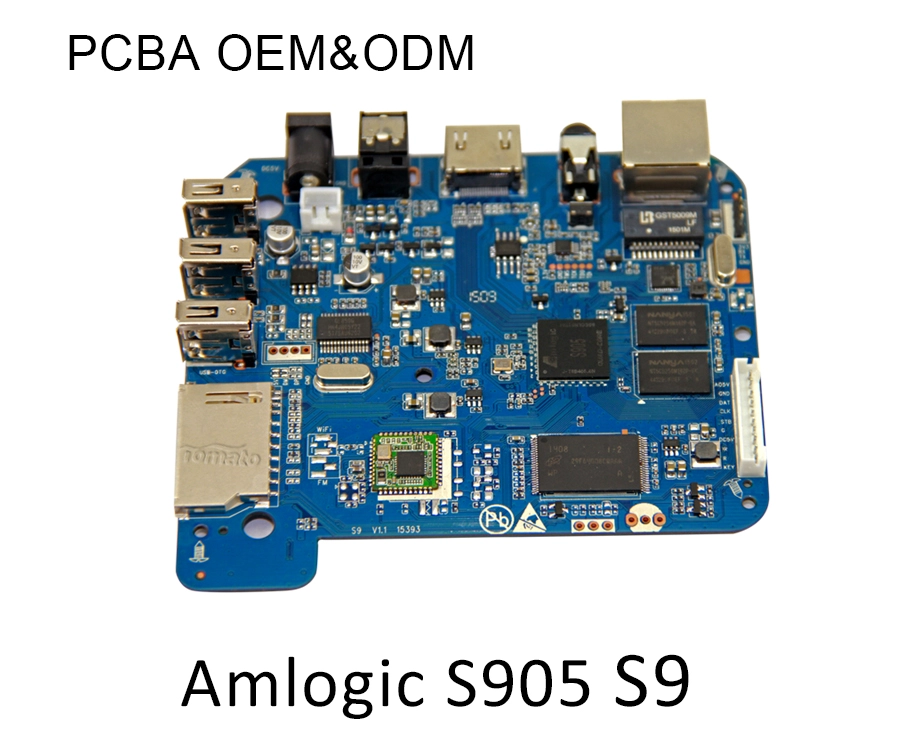
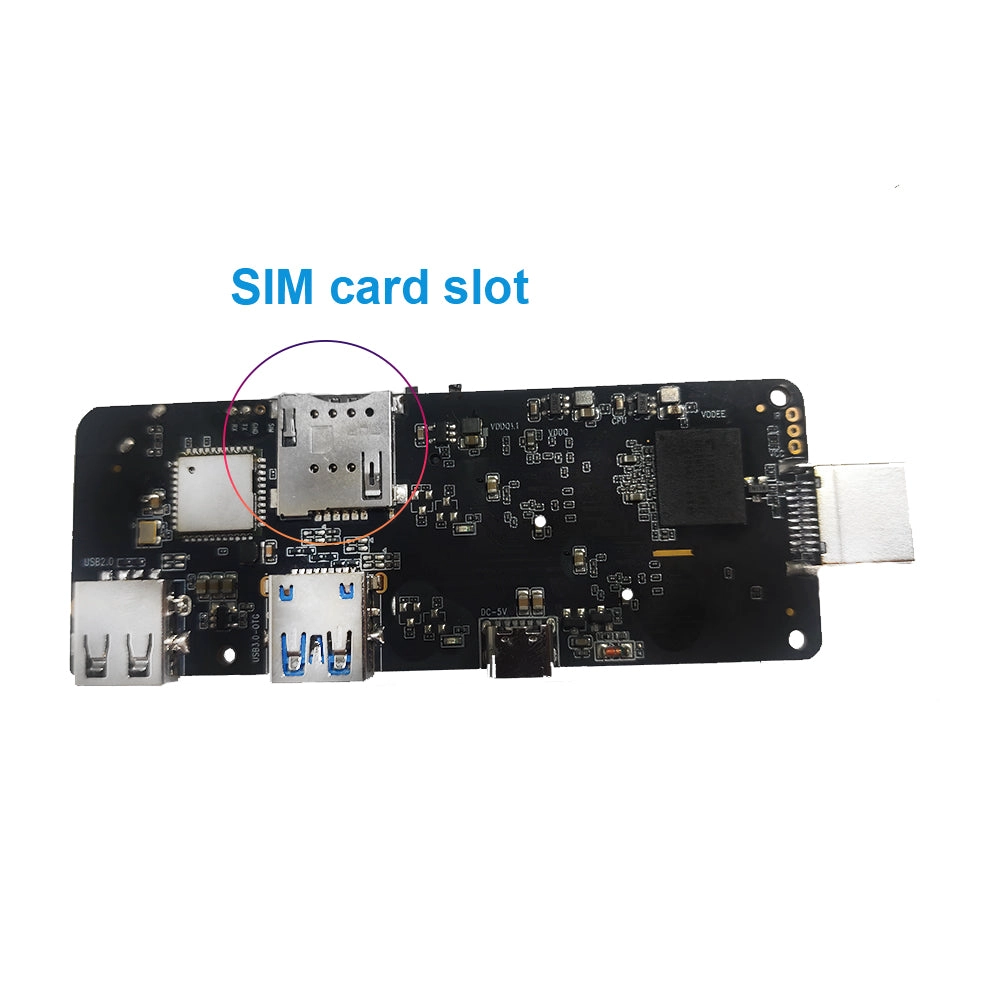
3.2 PCBA Modification and Customized Interface Design
Standard reference PCBAs are designed for general-purpose applications. Commercial projects frequently require different hardware configurations, additional interfaces, or specialized electrical characteristics.
Professional PCBA engineering may involve:
-
PCB layout and routing modifications.
-
Component placement optimization.
-
Power management circuit improvements.
-
Wi-Fi module and antenna configuration.
-
Ethernet interface expansion.
-
USB, GPIO, and UART customization.
-
HDMI signal integrity optimization.
-
RAM and eMMC configuration changes.
-
Customized peripheral integration.
For example, an IPTV operator may require additional Ethernet connectivity, while an industrial multimedia deployment may need RS232 or RS485 interfaces.
These requirements should be evaluated during hardware development rather than addressed through external adapters after production.
SZTomato supports PCBA-level hardware customization to help customers adapt existing platforms to their specific deployment requirements.
A typical development workflow includes:
Requirements Confirmation → Feasibility Assessment → Hardware Design → Prototype Development → Engineering Validation → Trial Production → Mass Manufacturing.
3.3 HDCP and DRM for Secure Content Distribution
Content protection is an important consideration for commercial streaming projects.
Depending on the target platform and licensing requirements, a device may need to support:
-
HDMI HDCP protection.
-
Widevine or other specified DRM technologies.
-
Secure video decoding paths.
-
Protected key storage.
-
Secure Boot.
-
Device identity verification.
-
Authorized content delivery mechanisms.
One important distinction must be understood: HDMI output capability does not automatically mean a device is authorized to play protected commercial content.
DRM implementation may require chipset-specific security components, licensed provisioning, certification, and approval from the relevant content platform.
Similarly, officially certified Android TV and Google TV products follow separate certification and authorization processes. A customized AOSP firmware solution should not be presented as equivalent to an officially certified Android TV product.
An experienced OEM/ODM partner should clarify these technical and licensing requirements before hardware specifications are finalized.
3.4 Customized Thermal Design for 24/7 Commercial Operation
Consumer streaming devices are generally designed for intermittent home entertainment use.
Commercial OTT devices may operate continuously in hotels, advertising networks, educational facilities, transportation environments, and other professional installations.
Insufficient thermal management can lead to:
-
CPU and GPU thermal throttling.
-
Video playback interruptions.
-
Unexpected system restarts.
-
Reduced component reliability.
-
Accelerated hardware degradation.
A suitable thermal solution should consider processor power consumption, enclosure dimensions, ambient temperature, installation orientation, and expected operating hours.
Depending on the design, thermal engineering may involve:
-
Optimized PCB component placement.
-
Thermal pads and heat-conductive materials.
-
Improved heatsink structures.
-
Passive cooling optimization.
-
Enclosure ventilation design.
-
Temperature monitoring and stress testing.
For 24/7 commercial deployments, thermal validation should be included in the engineering testing process rather than left until after mass production.
4. Complete OTT TV Box OEM/ODM Development: From Requirements to Mass Production
A reliable OTT TV Box project requires a structured engineering and manufacturing process.
The objective is to identify technical risks early, validate the complete system before production, and maintain consistency across manufacturing batches.
4.1 Establish the Technical Requirements
Before development begins, the customer and manufacturer should establish a clear technical baseline.
Important project information includes:
-
Target application: Home OTT, commercial IPTV, hospitality, education, or digital signage.
-
Required operating system and version.
-
Compatible streaming and business applications.
-
Required video decoding formats.
-
Resolution, refresh rate, and HDR specifications.
-
DRM and HDCP requirements.
-
Ethernet and Wi-Fi configurations.
-
USB and peripheral expansion requirements.
-
Customized launcher and application behavior.
-
Remote management and OTA architecture.
-
Estimated production quantity and deployment schedule.
Clearly defined specifications reduce misunderstandings and prevent unnecessary engineering changes during development.
4.2 Prototype Development and Engineering Validation
After confirming the technical requirements, the engineering team can begin prototype development.
A typical process includes:
-
Selecting the appropriate SoC and memory configuration.
-
Reviewing the reference PCBA or modifying the hardware design.
-
Assembling engineering samples.
-
Porting and optimizing firmware.
-
Integrating customer applications and software interfaces.
-
Testing network connectivity and multimedia performance.
-
Evaluating thermal performance and peripheral compatibility.
A device displaying an image on a television is not necessarily ready for commercial deployment.
Every critical function must be tested against the agreed project specifications.
4.3 Comprehensive Hardware and Firmware Compatibility Testing
Testing should cover both normal operation and potential failure conditions.
A professional OTT TV Box validation plan may include:
Multimedia Testing
-
H.264, H.265, and AV1 decoding where supported.
-
4K video playback and specified refresh rates.
-
HDMI output and EDID compatibility.
-
HDR and HDCP validation.
-
DRM-protected streaming application testing.
Network Testing
-
Wi-Fi throughput and connection stability.
-
Ethernet performance.
-
Network reconnection after interruptions.
-
Streaming performance under different network conditions.
Software Testing
-
Application compatibility.
-
System startup and shutdown behavior.
-
Application permissions.
-
Background service stability.
-
OTA upgrade and recovery procedures.
Reliability Testing
-
Long-duration operating tests.
-
Thermal monitoring.
-
Power interruption testing.
-
Storage and memory behavior.
-
Remote management functionality.
Each hardware revision should be associated with the correct firmware version and corresponding validation records.
This helps prevent firmware mismatches and unnecessary problems during mass deployment.
4.4 Manufacturing Quality Control and Mass Production
After engineering validation and customer approval, the project can proceed to trial production and mass manufacturing.
A standardized manufacturing quality process may include:
Incoming Material Inspection → PCBA Inspection → Functional Testing → Firmware Flashing and Verification → HDMI and Network Testing → Reliability Sampling → Final Inspection → Packaging and Shipment.
Manufacturing consistency is just as important as the initial engineering sample.
Component specifications, firmware versions, assembly procedures, and functional testing standards should remain controlled throughout production.
SZTomato provides OEM/ODM manufacturing support for customized multimedia hardware projects, from initial technical evaluation and prototype development to trial production and bulk supply.
5. How to Choose a Reliable OTT TV Box OEM/ODM Manufacturer
Selecting an OEM/ODM partner based solely on the lowest quotation can create significant technical and commercial risks.
Buyers should evaluate whether the manufacturer can support the complete development lifecycle.
The following capabilities are particularly important:
| Evaluation Area | What Buyers Should Verify |
|---|---|
| Hardware Engineering | PCBA modification, PCB layout, component selection, and interface customization |
| Firmware Development | Android/Linux system-level optimization beyond logo replacement |
| SoC Expertise | Knowledge of chipset platforms, vendor SDKs, and BSP development |
| Platform Integration | SDK/API connectivity and compatibility with customer systems |
| Content Security | DRM, HDCP, and applicable certification requirements |
| OTA Management | Firmware distribution, version control, and recovery mechanisms |
| Thermal Engineering | Cooling solutions for demanding and continuous operation |
| Manufacturing | Prototype development, trial production, and mass-production quality control |
| Technical Support | Firmware maintenance, engineering updates, and long-term project support |
One practical question can quickly distinguish an engineering-driven manufacturer from a simple assembly supplier:
When a standard reference design cannot meet your requirements, can the manufacturer modify both the PCBA and the underlying firmware?
If the answer is yes, the supplier is more likely to possess the engineering capabilities needed for complex OEM/ODM projects.
Buyers should also request relevant engineering documentation, sample validation results, hardware revision records, and a clear definition of development responsibilities before placing a large-volume order.
6. Why Choose SZTomato for Customized OTT TV Box OEM/ODM Solutions?
Shenzhen Tomato Technology Co., Ltd. (SZTomato) specializes in customized multimedia hardware development and OEM/ODM manufacturing for international brands, wholesalers, IPTV operators, telecom companies, advertising networks, and system integrators.
Established in 2011, SZTomato has developed a product and engineering portfolio covering Android TV Boxes, OTT TV Boxes, IPTV Set-Top Boxes, Android Media Players, Android Mini PCs, and other specialized multimedia hardware.
The company's customization capabilities extend beyond exterior branding and standard assembly.
Hardware and PCBA Engineering
Customized hardware configurations, PCB modifications, memory adjustments, peripheral expansion, wireless connectivity solutions, and thermal optimization.
Multi-Platform Firmware Development
Android, Linux, Debian, Ubuntu, and project-specific Android TV platform solutions, subject to chipset support and applicable certification requirements.
Customized UI/UX and System Integration
Boot animations, launcher development, application integration, startup configuration, system optimization, and customized user experiences.
SDK/API and Platform Integration
Software interface development, device registration, remote management integration, and communication with customer platforms.
OTA and Device Management
Customized firmware update solutions, device version management, and centralized deployment support.
SZTomato also provides device management and application store backend solutions for applicable projects.
End-to-End OEM/ODM Manufacturing
Support across industrial design, hardware development, tooling, plastic enclosure production, SMT, assembly, quality inspection, and mass delivery.
By coordinating hardware engineering, software development, and manufacturing, SZTomato helps customers reduce the complexity of working with separate hardware and software suppliers.
For businesses developing proprietary streaming devices, commercial multimedia terminals, or customized smart hardware, this integrated approach provides a practical foundation for product development and scalable manufacturing.
7. Build Your Next OTT Product with an Engineering-Driven OEM/ODM Partner
The competitive advantage of a commercial OTT device does not come from hardware specifications alone.
It comes from the coordinated performance of three essential layers.
Hardware Platform: The SoC, PCBA, memory, connectivity, and thermal architecture establish the device's physical capabilities.
Firmware Architecture: The operating system, drivers, multimedia framework, UI/UX, and OTA mechanisms determine how reliably the hardware performs.
Business Ecosystem: SDK/API integration, streaming applications, content security, and device management connect the terminal to the customer's commercial platform.
When these layers are developed independently, integration problems often emerge during testing or mass deployment.
An engineering-driven OEM/ODM approach brings them together from the beginning.
Whether you are building your own OTT hardware brand, upgrading an IPTV device portfolio, developing a commercial streaming platform, or deploying thousands of connected multimedia terminals, selecting the right manufacturing partner is a critical business decision.
SZTomato provides customized hardware engineering, firmware development, platform integration, and manufacturing support to help global customers transform product requirements into scalable commercial solutions.
Looking for a reliable OTT TV Box OEM/ODM manufacturer in China?
Visit https://www.sztomato.com to explore SZTomato's customized OTT TV Box and multimedia hardware solutions.
Contact the SZTomato team to discuss your SoC requirements, PCBA modifications, firmware architecture, SDK/API integration, and production plans.
From engineering samples to stable mass production, SZTomato supports your project with an integrated OEM/ODM development approach.
