
Is it better to buy a smart TV or an OTT TV Box?
1. Smart TV vs. OTT TV Box: Understanding the Technical Differences
The adoption of AV1 decoding, higher-resolution streaming, and increasingly demanding application ecosystems has changed how manufacturers approach television hardware.
A television's display quality no longer determines the overall streaming experience. The SoC, memory architecture, operating system, network connectivity, and DRM implementation also influence application responsiveness and playback reliability.
A Smart TV integrates its display and computing platform into one product. An OTT TV Box separates multimedia processing from the television, allowing users to add or replace the streaming platform without replacing the display.
1.1 What Is a Smart TV?
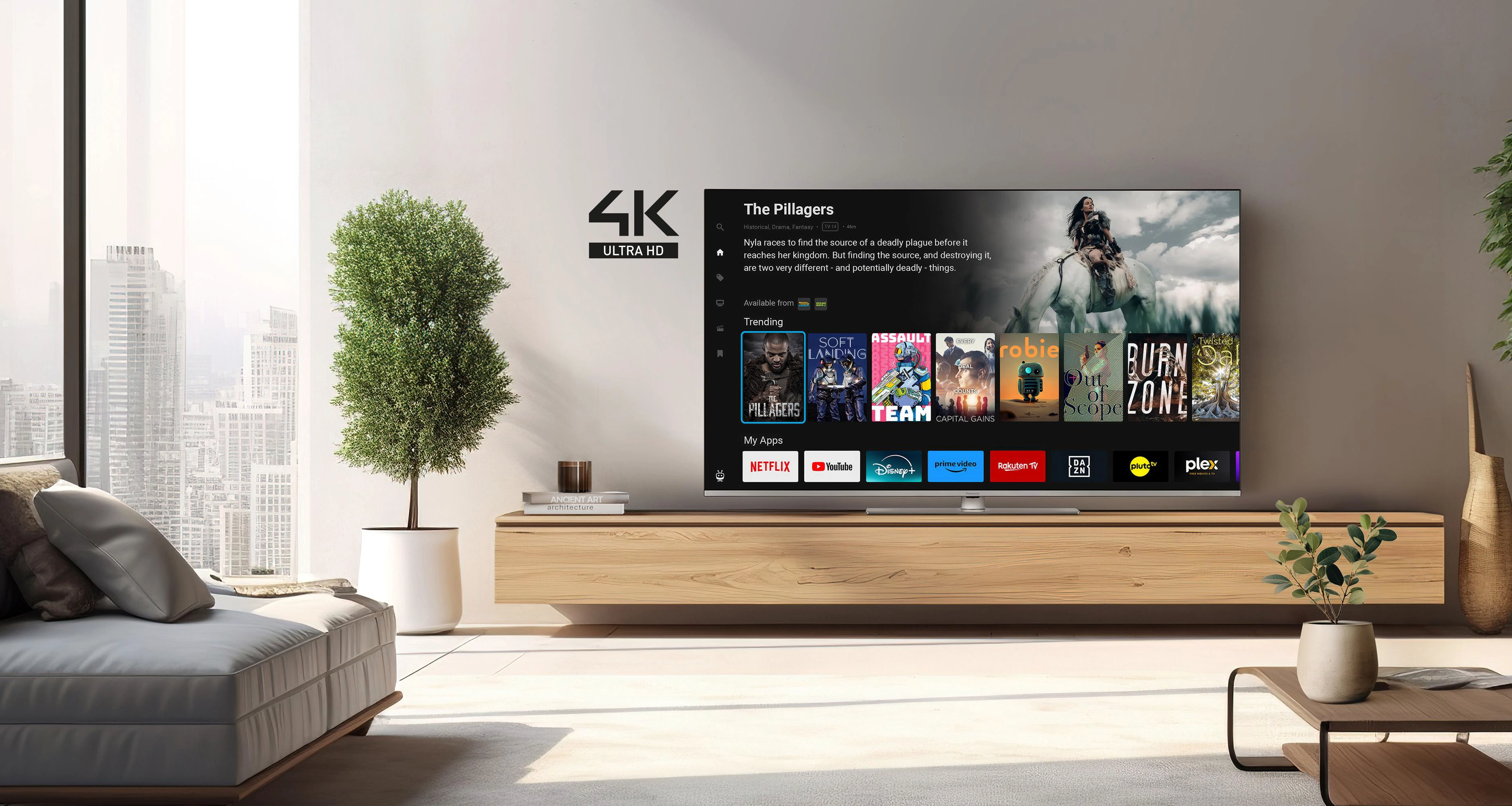
A Smart TV combines a television display with an integrated operating system and multimedia processing hardware.
Depending on the manufacturer, the operating system may be Google TV, Android TV, webOS, Tizen, or another proprietary platform.
Typical Smart TV features include:
-
Built-in streaming applications.
-
Integrated Wi-Fi and Ethernet connectivity.
-
HDMI and USB interfaces.
-
Application installation and updates.
-
Integrated audio and video processing.
-
Remote control and voice assistant support.
The main advantage is convenience. Users do not need to purchase an additional streaming device or manage another power supply and HDMI connection.
However, the integrated hardware has a fixed upgrade cycle.
When the television's processor becomes outdated, the operating system loses application support, or the manufacturer stops providing firmware updates, replacing the internal computing platform is generally not practical.
The display may remain fully functional even when its Smart TV software becomes obsolete.
1.2 What Is an OTT TV Box?
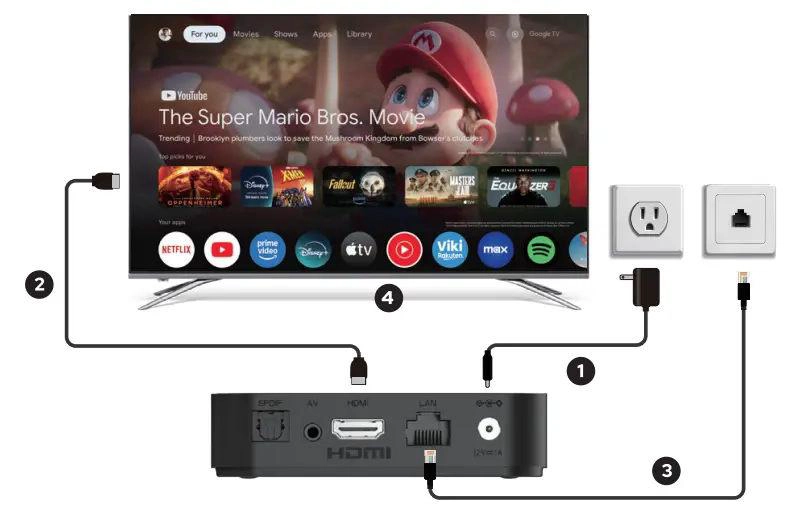
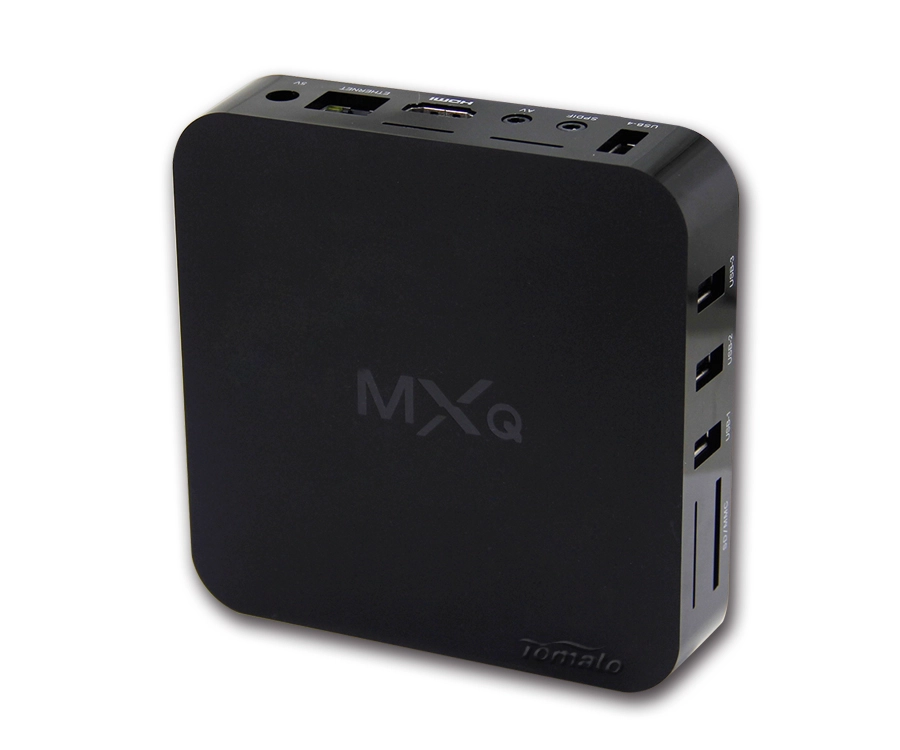
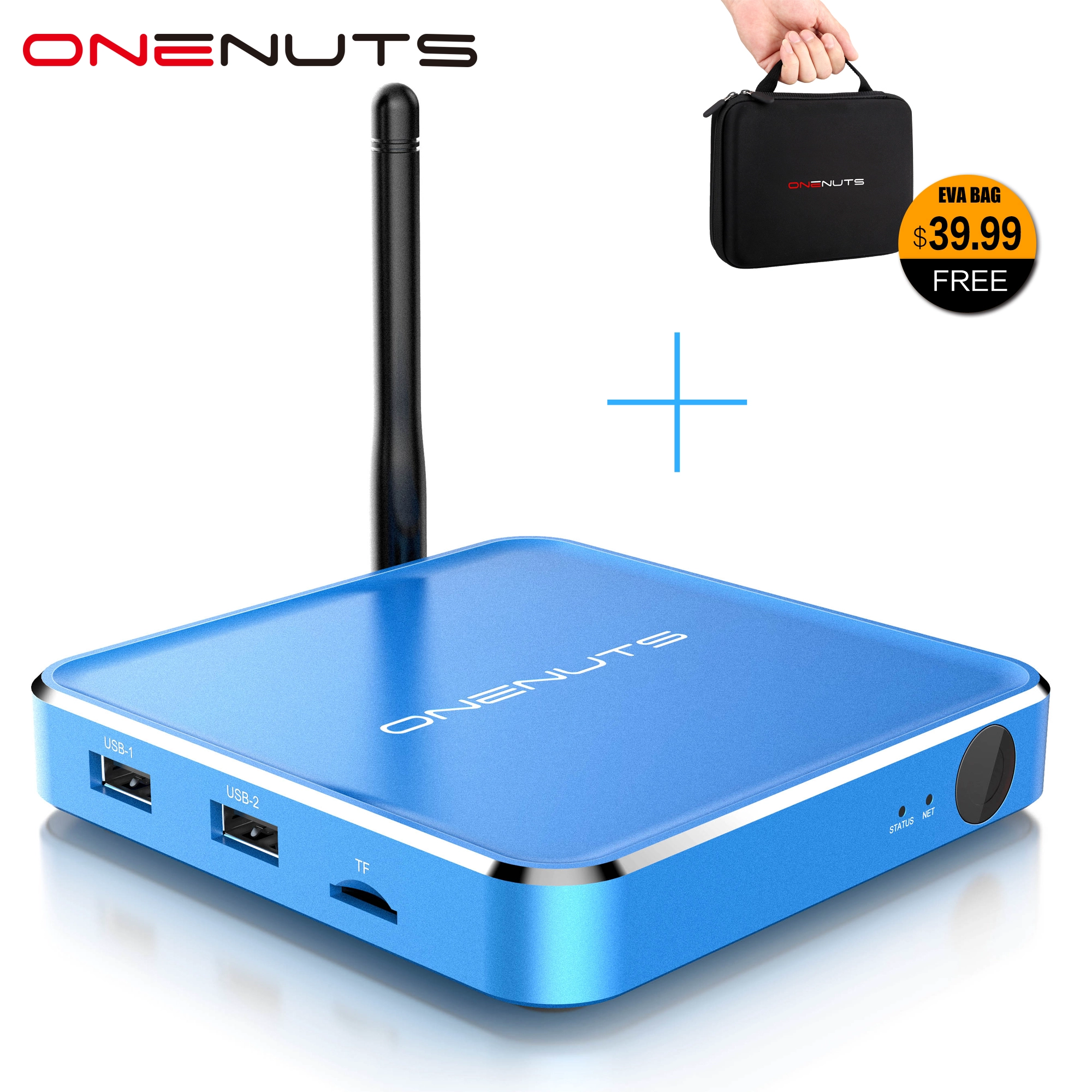
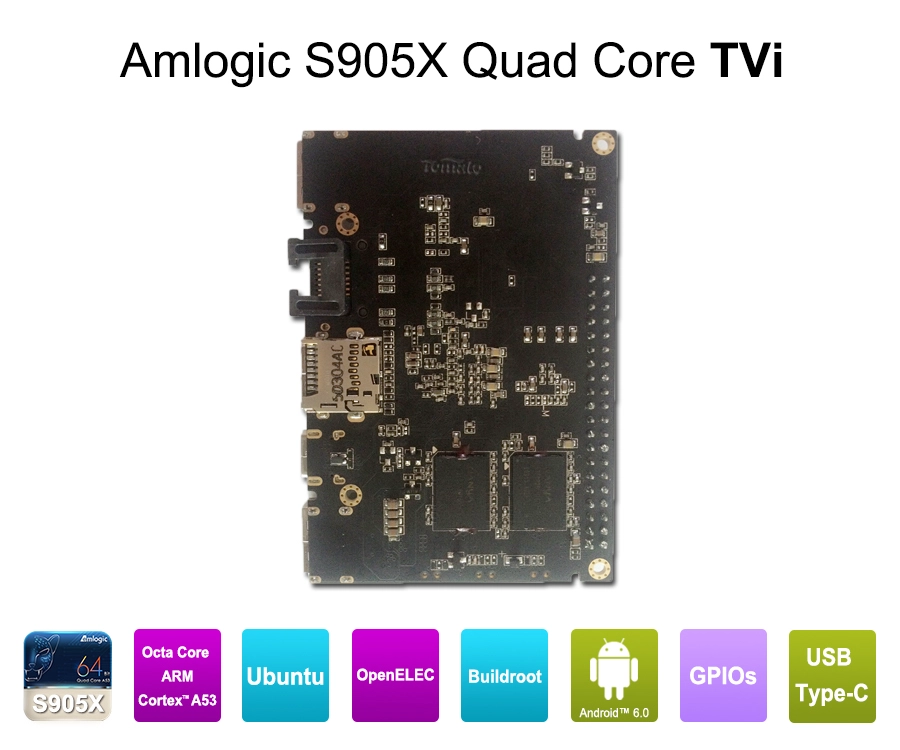
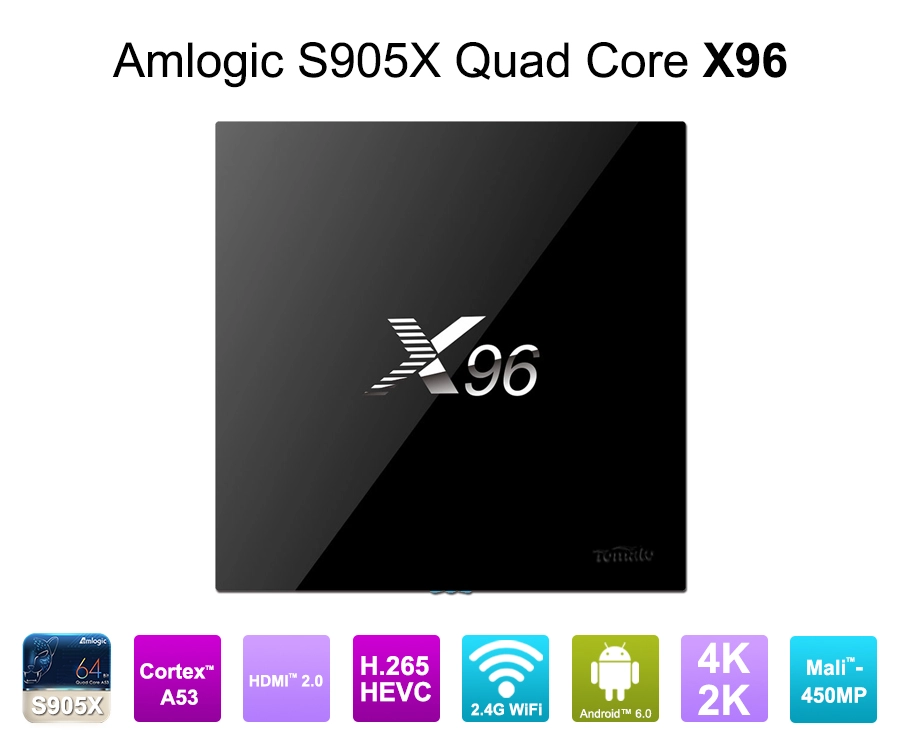
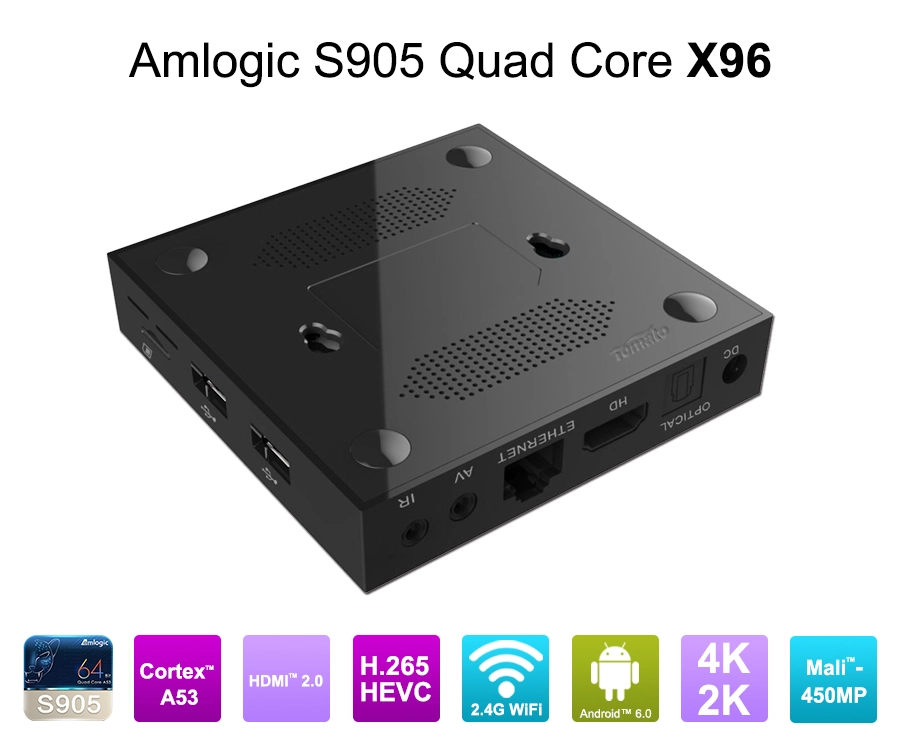
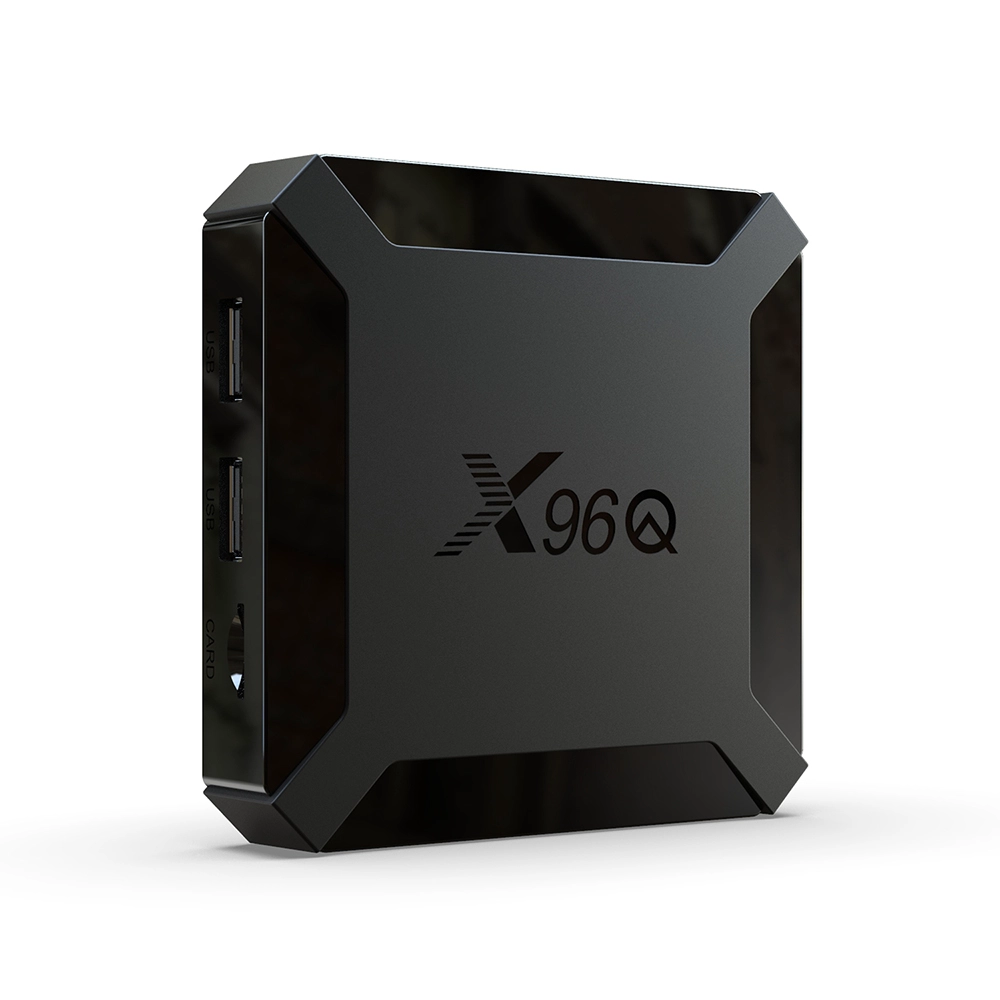
An OTT TV Box is an external multimedia device that connects to a television through HDMI and delivers internet-based video, audio, and application services.
Most modern OTT TV Boxes use Android-based operating systems, although Linux-based and other embedded platforms are also available.
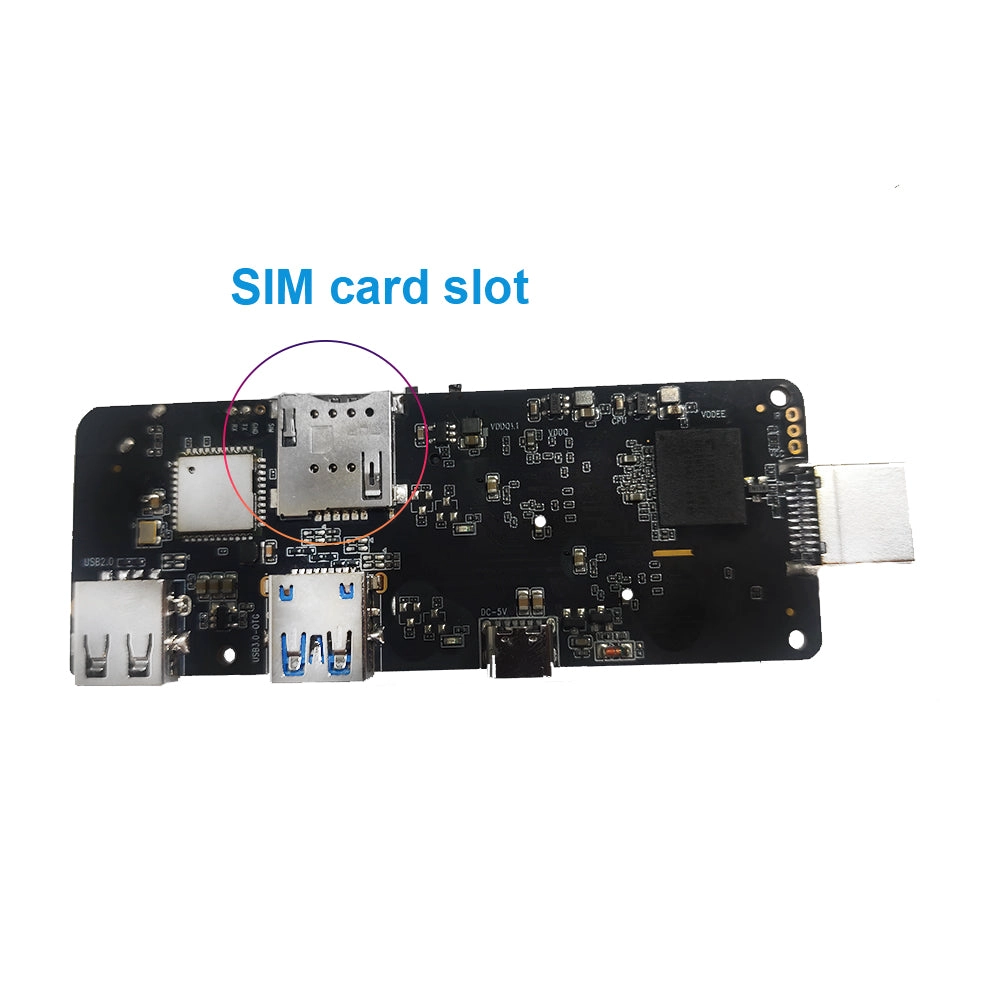
Typical hardware components include:
-
ARM-based SoC.
-
CPU and GPU.
-
RAM and eMMC storage.
-
Wi-Fi and Bluetooth modules.
-
Ethernet connectivity.
-
HDMI output.
-
USB interfaces.
-
Audio processing components.
The OTT TV Box handles application execution, streaming, video decoding, and network communication, while the television primarily functions as the display and audio output device.
This separation provides an important lifecycle advantage: users can upgrade the multimedia hardware independently of the television.
For manufacturers and B2B buyers, the external architecture also creates opportunities for custom PCBA development, firmware modification, application integration, and product differentiation.
1.3 Smart TV vs. OTT TV Box: Direct Comparison
|
Evaluation Factor |
Smart TV |
OTT TV Box |
|---|---|---|
|
Initial Setup |
Simple, integrated |
Requires HDMI connection |
|
Hardware Upgrade |
Usually requires replacing TV |
Replace the box independently |
|
Processing Performance |
Fixed by TV manufacturer |
Selectable by hardware platform |
|
Operating System |
Manufacturer-dependent |
Android, Linux, or customized platforms |
|
Application Flexibility |
Depends on TV ecosystem |
Depends on OS and firmware |
|
Memory Configuration |
Fixed |
Configurable during OEM/ODM development |
|
Firmware Customization |
Limited for external buyers |
Greater OEM/ODM flexibility |
|
Maintenance |
Often tied to TV lifecycle |
Device can be replaced independently |
|
Commercial Integration |
Depends on TV platform |
Supports specialized hardware/software integration |
|
Product Branding |
Primarily TV manufacturer |
Supports custom branding and product development |
The comparison highlights one important distinction: a Smart TV prioritizes integrated convenience, whereas an OTT TV Box prioritizes flexibility in the multimedia platform.
For B2B applications, the ability to control hardware and software specifications can be more important than eliminating one external device.
2. Which Is Better? Performance, Applications, and Long-Term Costs
There is no universal winner. The better investment depends on the intended application, operating environment, and expected service life.
For residential users, an integrated Smart TV may be sufficient. For businesses that need standardized streaming hardware, application customization, or centralized device management, an OTT TV Box often provides a more flexible architecture.
2.1 Processing Performance and Hardware Upgradeability
Smart TV performance depends on the processor selected by the television manufacturer.
Even when two televisions support the same 4K resolution, their processing capabilities may differ significantly.
Factors affecting performance include:
-
CPU architecture and frequency.
-
GPU performance.
-
RAM capacity.
-
Internal storage speed.
-
Hardware video decoding.
-
Memory bandwidth.
-
Thermal design.
An external OTT TV Box allows buyers to select a suitable SoC platform according to the application workload.
For example, an entry-level streaming application may operate effectively on a cost-efficient quad-core processor.
More demanding applications involving 4K video decoding, interactive interfaces, multitasking, or AI processing may require a stronger SoC and larger memory configuration.
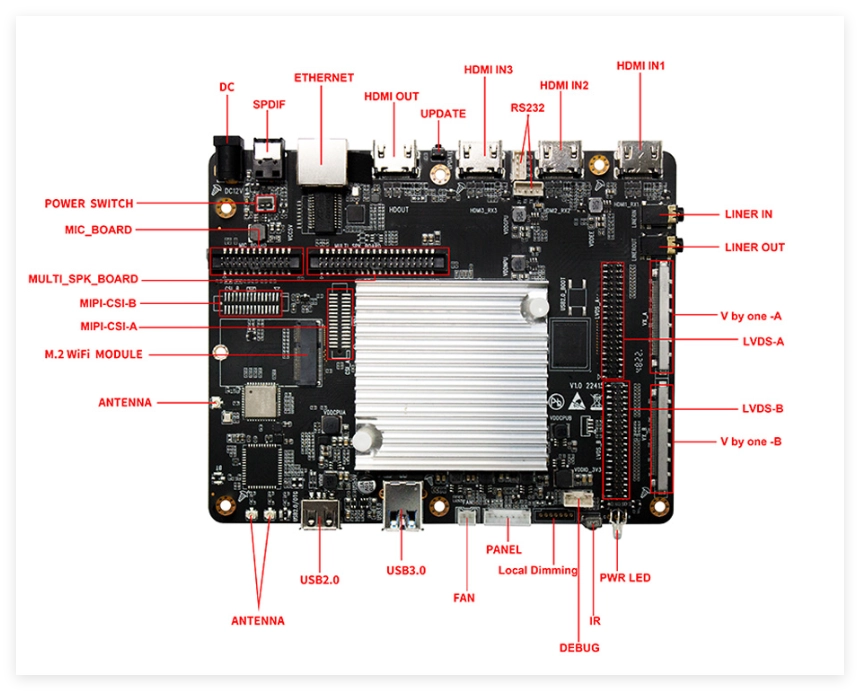
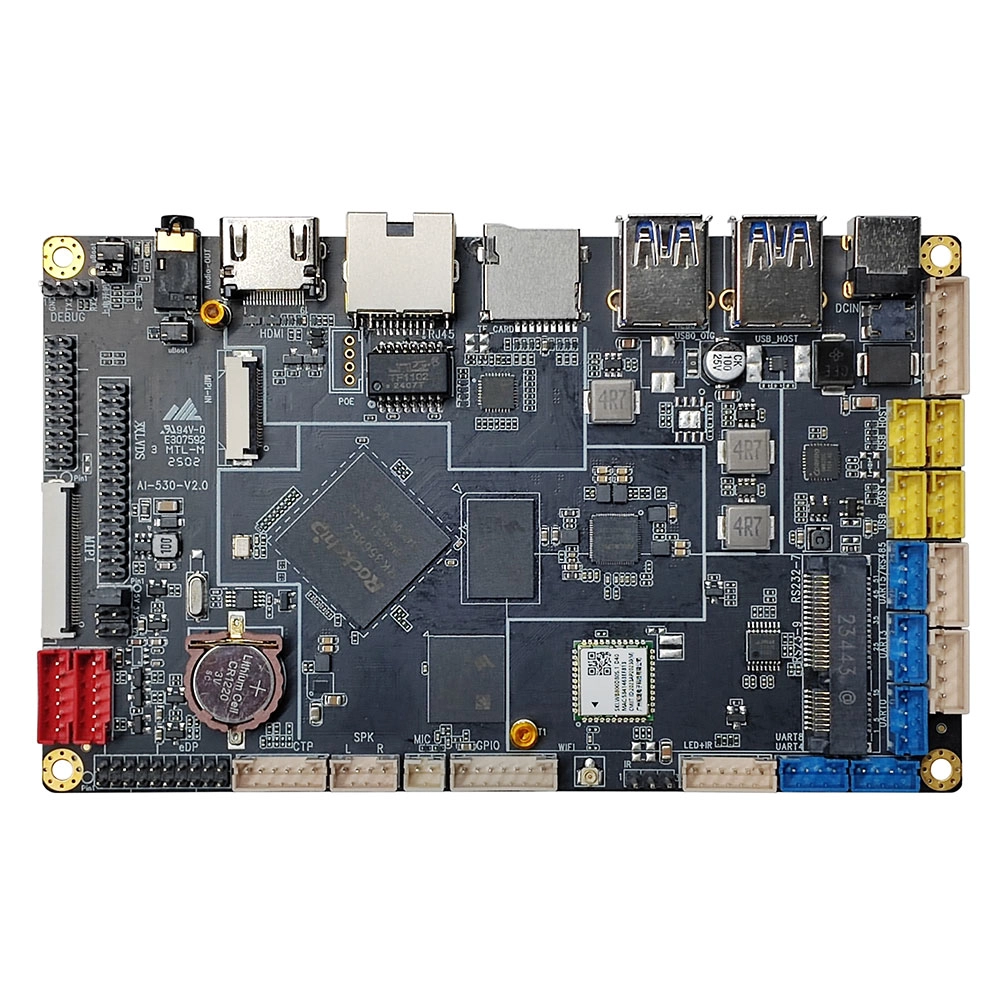
When evaluating an OTT TV Box, procurement teams should examine the following specifications:
|
Hardware Component |
What to Evaluate |
|---|---|
|
CPU |
Core architecture and processing capability |
|
GPU |
Graphics rendering and application requirements |
|
RAM |
Available memory for multitasking |
|
Storage |
eMMC capacity and read/write performance |
|
Video Decoder |
AV1, H.265, VP9, H.264 support |
|
HDMI |
Resolution, refresh rate, and output compatibility |
|
Network |
Wi-Fi generation and Gigabit Ethernet |
|
Cooling |
Heat dissipation under sustained workloads |
An external device also makes future hardware replacement easier.
A business can upgrade its OTT platform while retaining compatible television displays, reducing the need to replace an entire installed display fleet.
2.2 Application Compatibility and Operating System Flexibility
Application availability is another major difference.
Smart TVs rely on their manufacturer's application ecosystem. Users are generally restricted to applications supported by the television's operating system and distribution platform.
OTT TV Boxes offer additional flexibility, particularly when based on Android or a customized AOSP platform.
Depending on firmware configuration, they may support:
-
Video streaming applications.
-
IPTV applications.
-
Local media players.
-
Web browsers.
-
Video conferencing applications.
-
Enterprise multimedia applications.
-
Customized business software.
However, Android application compatibility should not be confused with unrestricted application support.
An application may require a specific Android version, CPU architecture, Google certification, DRM support, or system permissions.
For protected streaming services, Widevine certification and HDCP compatibility can determine whether content plays at the expected resolution.
A device that supports 4K hardware decoding does not automatically qualify for 4K playback on every commercial streaming platform.
For B2B projects, these requirements should be verified before selecting the SoC and firmware architecture.
2.3 Total Cost of Ownership: Smart TV vs. OTT TV Box
Purchase price alone is not an adequate measure of long-term investment.
Businesses managing hundreds or thousands of displays must consider hardware replacement, maintenance, software updates, installation, and operational costs.
Consider a simplified example involving 100 display installations.
Illustrative deployment models
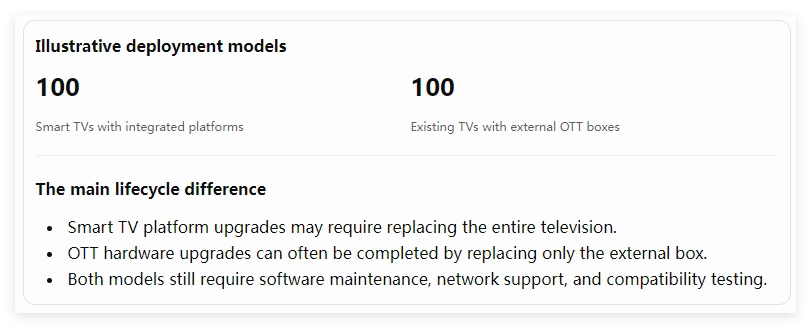
The following formula provides a more useful framework:
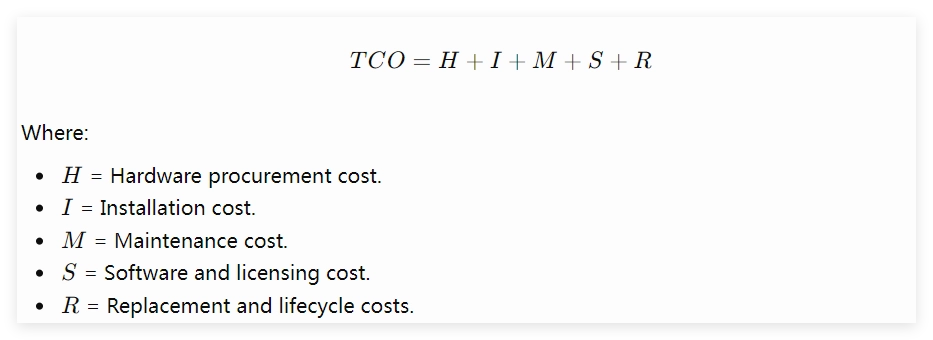
An OTT TV Box can reduce replacement costs when the television display remains usable but the multimedia platform needs upgrading.
However, an external box also introduces additional hardware, cables, power supplies, and device management requirements.
The financial advantage should therefore be calculated using the actual project specifications rather than assuming an OTT TV Box is always cheaper.
2.4 When Should You Choose Each Solution?
|
Application Scenario |
Recommended Solution |
|---|---|
|
Residential users wanting simplicity |
Smart TV |
|
Older televisions needing streaming |
OTT TV Box |
|
Businesses standardizing hardware across TV brands |
OTT TV Box |
|
Telecom operators deploying IPTV services |
Customized OTT TV Box |
|
Hotels requiring branded guest interfaces |
Customized OTT TV Box |
|
Commercial streaming installations |
OTT TV Box |
|
Users satisfied with built-in applications |
Smart TV |
|
Projects requiring specialized interfaces |
OEM/ODM OTT TV Box |
For commercial projects, an external multimedia platform provides greater control over the product lifecycle and software environment.
3. Why OTT TV Boxes Are Becoming More Important in Commercial Applications
The OTT TV Box is no longer limited to residential streaming.
Its modular architecture makes it suitable for hospitality, telecommunications, digital signage, education, and enterprise multimedia deployments.
The business value comes from separating the display hardware from the computing and application platform.
3.1 Hospitality and Hotel IPTV Systems
Hotels frequently operate televisions from different manufacturers and product generations.
Deploying a standardized OTT TV Box across these displays can simplify software integration and device management.
A customized hotel OTT solution may include:
-
Branded guest interface.
-
Room-specific welcome messages.
-
IPTV channel management.
-
Video-on-demand integration.
-
Guest authentication.
-
Hotel property management system integration.
-
Remote firmware updates.
SDK/API integration is particularly important when the OTT TV Box needs to communicate with hotel management software.
The device may need to retrieve guest information, display personalized content, or respond to room-management events.
These functions require coordinated development across the application, firmware, and backend systems.
3.2 Telecom Operators and IPTV Service Providers
Telecom operators require stable hardware platforms that can support subscriber authentication, middleware, streaming applications, and remote maintenance.
An OTT TV Box can be configured around the operator's specific service environment.
Important engineering considerations include:
-
IPTV middleware compatibility.
-
Hardware video decoding.
-
DRM and HDCP requirements.
-
Ethernet performance.
-
Custom application launcher.
-
Secure firmware configuration.
-
OTA update systems.
-
Remote diagnostics.
A standardized hardware platform also helps operators control procurement specifications and maintain consistency across different markets.
For large deployments, OTA infrastructure should support staged firmware updates and recovery procedures to reduce operational risks.
3.3 Digital Signage and Commercial Multimedia
OTT TV Box technology also shares important hardware foundations with commercial digital signage players.
Both platforms rely on multimedia SoCs, hardware video decoding, network communication, storage, and application management.
However, commercial signage applications often require additional functions:
-
Scheduled content playback.
-
Remote content distribution.
-
Playlist management.
-
Multi-zone display.
-
Automatic startup.
-
Remote device monitoring.
-
Continuous 24/7 operation.
For these deployments, the standard consumer OTT TV Box configuration may not be sufficient.
The hardware may require additional interfaces, improved thermal design, and firmware optimized for unattended operation.
This is where a customized multimedia hardware platform becomes valuable.
4. OTT TV Box OEM/ODM: Hardware, Firmware, and Customization Considerations
For distributors, brand owners, telecom operators, and system integrators, buying a standard OTT TV Box is not always the best approach.
Projects with specialized application requirements may need a customized hardware and software platform.
The manufacturer's engineering capability should therefore be evaluated before selecting a production partner.
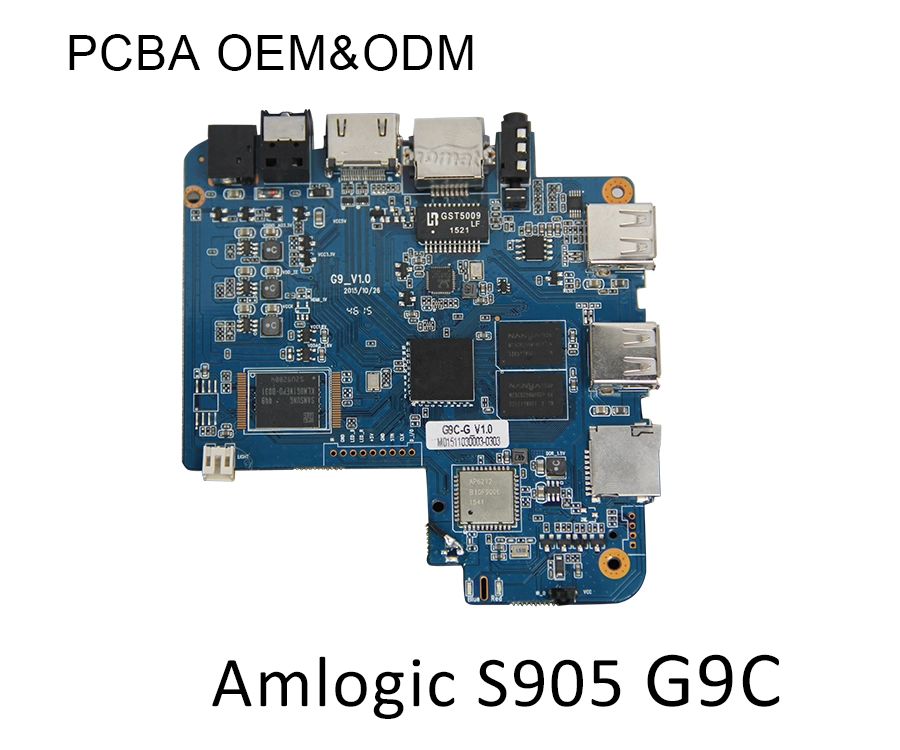
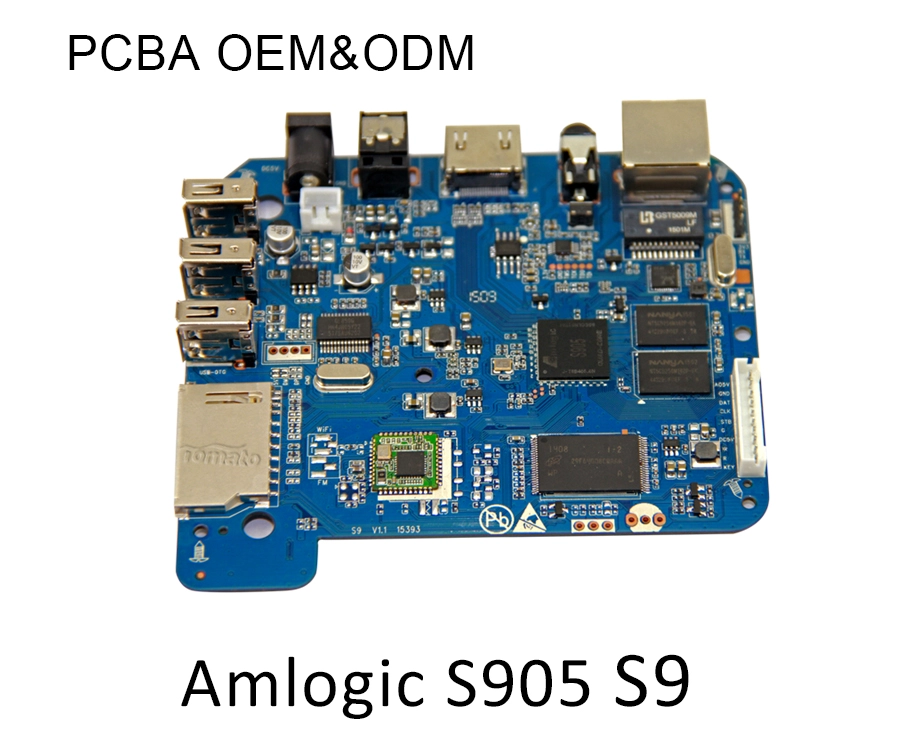
4.1 SoC Selection and PCBA Hardware Modification
The SoC determines the fundamental processing and multimedia capabilities of an OTT TV Box.
Different processors offer different CPU architectures, GPU capabilities, video codecs, memory interfaces, and peripheral support.
A proper hardware design should consider:
-
CPU and GPU performance.
-
Hardware AV1 and H.265 decoding.
-
RAM and eMMC configurations.
-
HDMI interface requirements.
-
Wi-Fi and Ethernet modules.
-
USB and serial interfaces.
-
Power management.
-
PCB layout and signal integrity.
For specialized commercial projects, PCBA modification may be necessary to integrate additional interfaces or optimize the electrical architecture.
For example, a commercial multimedia device may require RS232 communication, additional USB ports, or a customized audio output circuit.
Such requirements should be addressed during hardware development rather than after mass production.
4.2 Custom Android Firmware and UI/UX Development
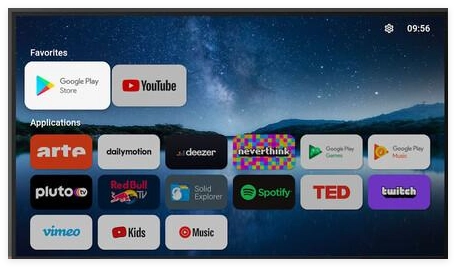
Firmware customization allows an OTT TV Box manufacturer to create a product tailored to a particular business model.
Possible development features include:
-
Custom boot logos.
-
Branded startup animations.
-
Customized launchers.
-
Pre-installed applications.
-
System application management.
-
Custom remote control functions.
-
Application auto-start.
-
Restricted system settings.
-
OTA firmware update integration.
For example, a telecom operator may require its OTT TV Box to launch directly into its IPTV application.
A hospitality customer may need a customized home screen with room information and service applications.
These requirements involve Android framework configuration, application integration, and sometimes Linux/Android kernel optimization.
The objective is to deliver a consistent user experience across all deployed devices.
4.3 SDK/API Integration and Application-Level Engineering
Hardware and firmware are only part of the development process.
Many commercial projects require the OTT TV Box to interact with external software platforms and specialized peripherals.
SDK/API integration can support:
-
IPTV middleware.
-
Content management systems.
-
Hotel management systems.
-
Remote device management.
-
External control interfaces.
-
Audio and video applications.
-
Customized business software.
The required integration depends on the customer's application architecture.
Manufacturers should verify API availability, system permissions, security requirements, and application compatibility before confirming the development scope.
4.4 Thermal Engineering and Continuous Operation
Commercial OTT TV Boxes may operate for extended periods under sustained video processing and network workloads.
Thermal management is therefore an important hardware design consideration.
Poor heat dissipation can cause processor throttling, unstable playback, and unexpected system restarts.
Depending on the project, specialized cooling solutions may involve:
-
Optimized heat sink structures.
-
Improved thermal contact.
-
PCB component placement adjustments.
-
Enclosure ventilation.
-
Power consumption optimization.
-
Thermal validation under continuous workloads.
SZTomato supports specialized cooling solutions for industrial and commercial applications where continuous operation is required.
4.5 Why Choose SZTomato as Your OTT TV Box OEM/ODM Manufacturer?
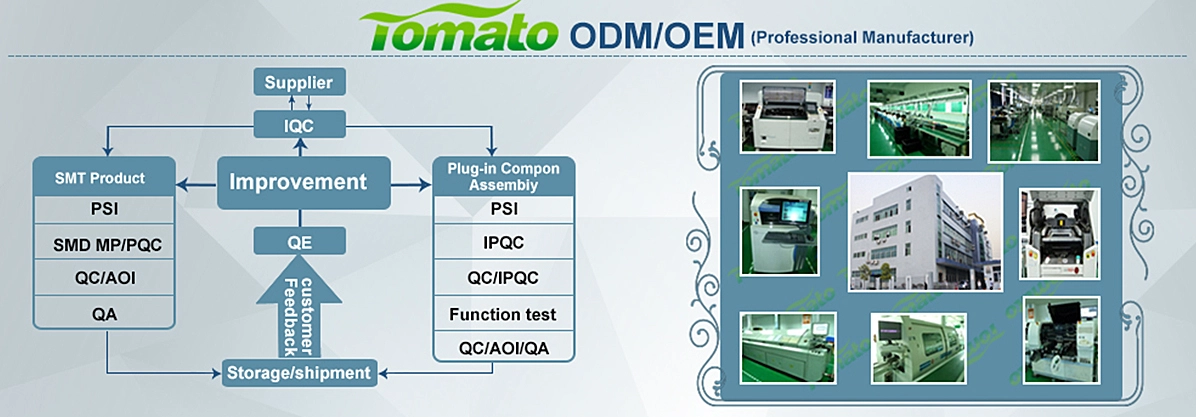
Established in 2011, SZTomato provides multimedia hardware OEM/ODM solutions for global brands, distributors, telecom operators, and system integrators.
Its engineering capabilities cover the complete OTT TV Box development process.
|
Engineering Area |
SZTomato Capabilities |
|---|---|
|
Hardware Design |
SoC selection, PCBA modification, circuit optimization |
|
Firmware |
Custom Android firmware and system configuration |
|
UI/UX |
Branded launchers and customized interfaces |
|
SDK/API |
Application and middleware integration |
|
Multimedia |
Video decoding and professional audio solutions |
|
Thermal Design |
Specialized cooling for industrial use |
|
Production |
Functional testing and mass-production quality control |
Rather than treating the OTT TV Box as a standard retail product, SZTomato approaches OEM/ODM development as an integrated hardware and software engineering project.
This approach allows customers to define their own hardware specifications, application environment, user interface, and commercial deployment requirements.
Conclusion: Smart TV or OTT TV Box?
A Smart TV is the better choice when convenience, integrated hardware, and a simple installation process are the main priorities.
An OTT TV Box is the stronger choice when hardware flexibility, application customization, independent upgrades, and long-term platform control matter more.
For B2B buyers, the decision becomes even more important.
Telecom operators, hotel groups, distributors, and system integrators need more than a device that can play streaming content. They need a stable multimedia platform that supports their applications, infrastructure, and future business requirements.
An appropriately engineered OTT TV Box provides that flexibility without requiring the replacement of an entire television.
Developing your own OTT TV Box or looking for a reliable OEM/ODM manufacturing partner?
SZTomato supports customized OTT TV Box development, from SoC selection and PCBA hardware modification to Android firmware customization, SDK/API integration, and specialized thermal engineering.
Contact SZTomato to discuss your project specifications and build an OTT TV Box solution aligned with your application ecosystem, target market, and commercial objectives.
