
Do you have to pay monthly for a TV Box?
1. Do You Have to Pay a Monthly Fee for a TV Box?
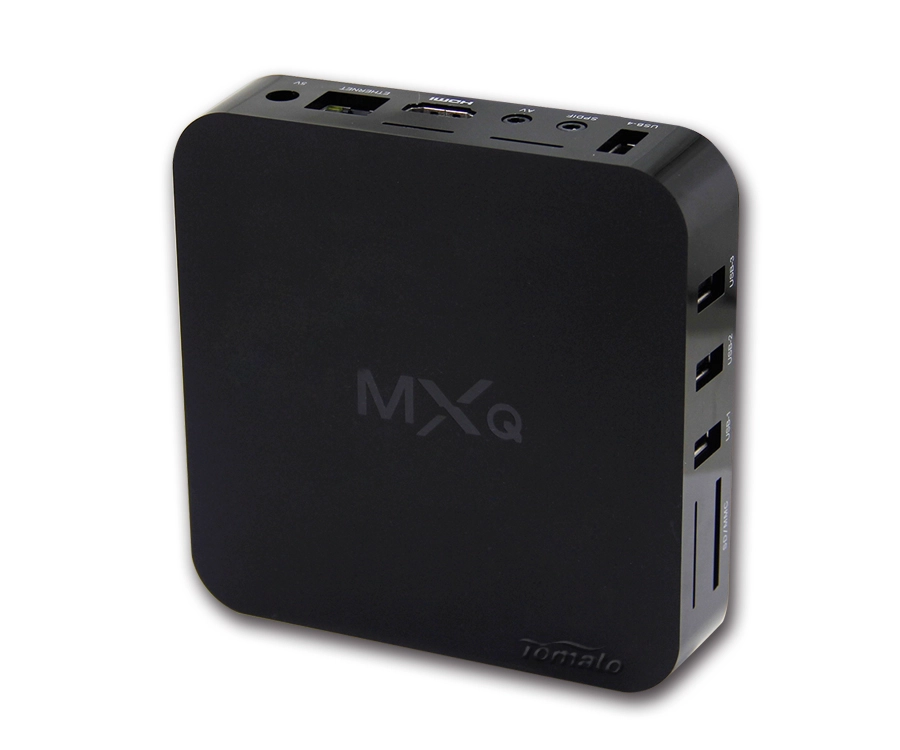
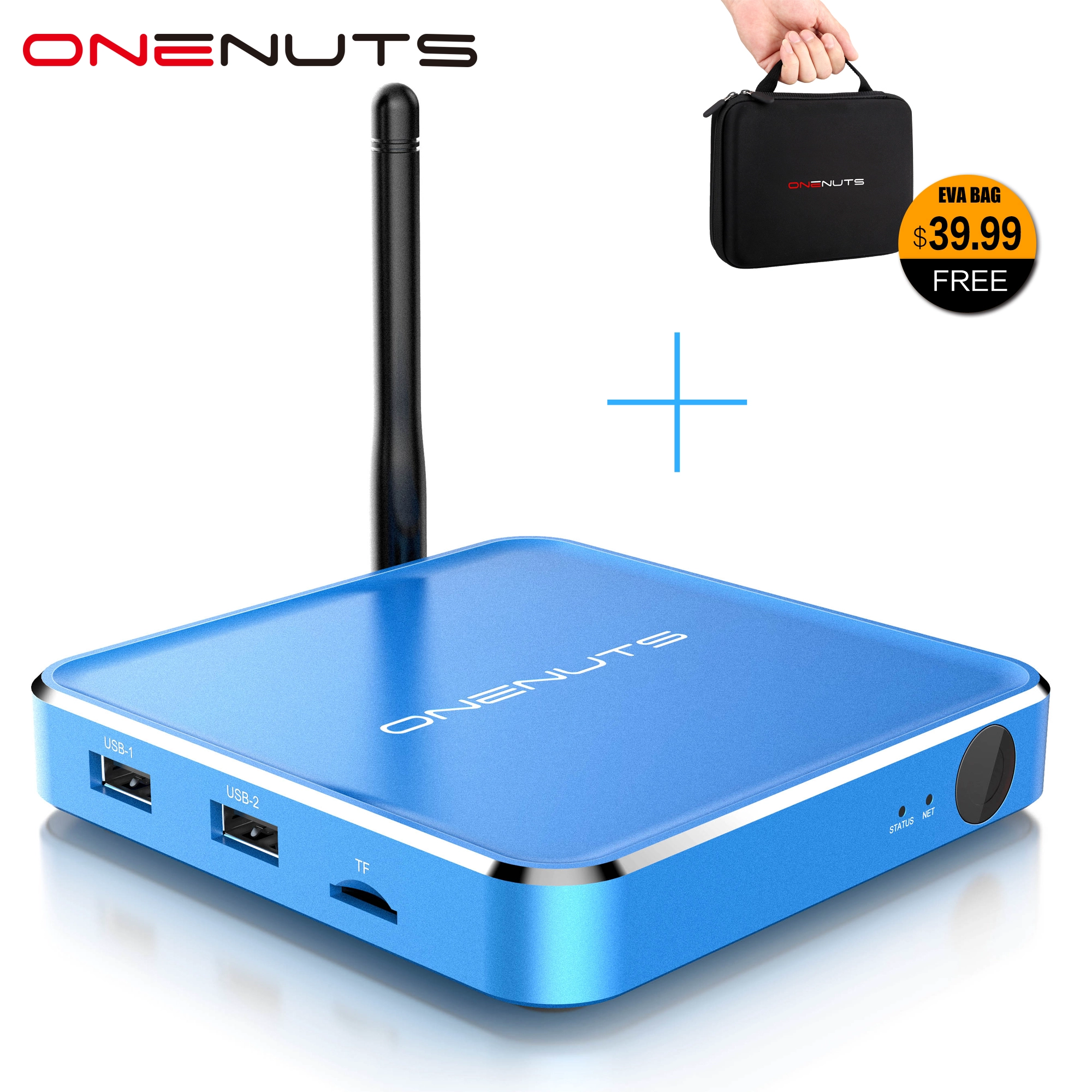
The short answer is no—not for the hardware itself in most cases. A TV Box is generally purchased as a physical device, and ownership does not automatically create a monthly payment obligation.
However, the total cost depends on what you want the device to do.
A TV Box can connect a television to internet-based video services, local media, applications, or an IPTV platform. Some functions are available without a paid subscription, while others require an account or recurring payment.
|
Cost category |
Is a monthly fee required? |
What determines the cost? |
|---|---|---|
|
TV Box hardware |
Usually no |
One-time purchase price or financing terms |
|
Internet connection |
Often already paid for separately |
Broadband or mobile data plan |
|
Free-to-use applications |
Not necessarily |
Application terms and available features |
|
Paid streaming services |
Yes, if subscribed |
Service provider and subscription plan |
|
IPTV service |
Depends on the provider |
Channel package, licensing, and service terms |
|
Cloud management |
Depends on the product |
Management platform and service agreement |
|
Firmware updates |
Not necessarily |
Manufacturer or service-provider support policy |
The important distinction is that buying a TV Box does not automatically pay for the content delivered through it.
A device may support Netflix, YouTube, IPTV applications, or other streaming platforms, but support for an application does not mean that a paid subscription is included. Application availability also depends on the operating system, device compatibility, certification, and regional restrictions.
2. How to Watch TV Without Paying a Monthly Subscription
A TV Box can provide access to free content, but the available channels and applications depend on the device, region, internet connection, and content provider.
Free streaming applications and internet video
Some applications offer free, ad-supported movies, television channels, news, and other video content. You may be able to access these services without paying a monthly subscription, although an account or advertisements may be required.
A typical setup involves:
-
Connecting the TV Box to a television through HDMI.
-
Connecting the device to the internet through Wi-Fi or Ethernet.
-
Installing or opening a supported free streaming application.
-
Accepting the application's terms and following any account requirements.
The TV Box itself does not need to charge a monthly fee for these functions. However, free content availability can change, and not every application is compatible with every Android-based device.
Free-to-air television and local media
Depending on the hardware and region, users may also access free-to-air television through a compatible external tuner or play locally stored video files from supported USB storage.
These options have different technical requirements. A conventional Android TV Box does not automatically include a terrestrial or satellite TV tuner, and local media playback depends on supported codecs, file systems, and the media player software.
Why an IPTV subscription may still cost money
IPTV describes television delivery over Internet Protocol networks. It does not mean that the content is free.
Some providers distribute free channels, while others charge for live television, sports, movies, or premium programming. Before purchasing an IPTV subscription, check the provider's licensing, supported devices, payment terms, and cancellation policy.
Be cautious of services that promise every premium channel for a one-time hardware payment. A TV Box cannot legitimately guarantee permanent access to content that requires an ongoing license or subscription.
3. What Determines the Total Cost of a TV Box?
For both consumers and commercial buyers, the purchase price is only one part of the cost calculation.
Hardware specifications and operating system
The processor, memory, storage, wireless connectivity, video-decoding capability, and software platform influence the purchase price.
For example, a basic device intended for simple streaming has different requirements from a 4K media player that needs AV1 decoding, extensive application support, or continuous commercial operation.
An Android TV Box can also require additional investment when the project needs specialized firmware, custom interfaces, or integration with third-party services.
Streaming subscriptions and application licensing
The TV Box manufacturer and the streaming provider are separate entities in many product ecosystems.
A manufacturer may supply the hardware, while a streaming company controls its subscription fees and content availability. Google services, certified streaming applications, DRM systems, and premium content access may also have distinct eligibility and licensing requirements.
B2B buyers should therefore distinguish between:
-
The hardware purchase price.
-
Any recurring content or streaming subscription.
-
Application, middleware, or cloud-management licensing.
-
Optional technical support and maintenance agreements.
-
Internet connectivity and other operating expenses.
Firmware maintenance and long-term support
A TV Box that receives ongoing firmware updates may remain more useful and secure over its service life. However, firmware updates are not universally free forever; the applicable policy depends on the manufacturer and any service agreement.
For commercial deployments, buyers should evaluate OTA update mechanisms, security patches, application compatibility, recovery procedures, and the availability of engineering support.
Linux/Android kernel optimization, driver maintenance, and SDK/API integration may also become relevant when a product is deployed across a large fleet or must work with proprietary applications.
A realistic total cost of ownership should include these lifecycle considerations rather than comparing devices solely by their initial price.
4. How TV Box Manufacturers Can Support Different Business Models
For distributors, telecom operators, streaming brands, and system integrators, recurring fees are not simply a consumer pricing issue. They affect how a product is packaged, deployed, supported, and monetized.
A hardware supplier must understand whether the customer needs a standalone streaming device, an operator-managed IPTV platform, or a commercial media player connected to a subscription-based service.
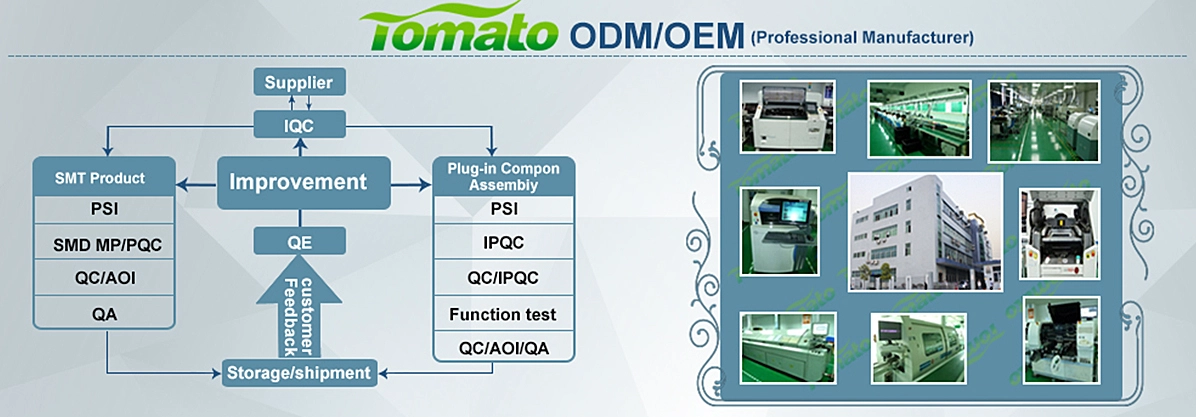
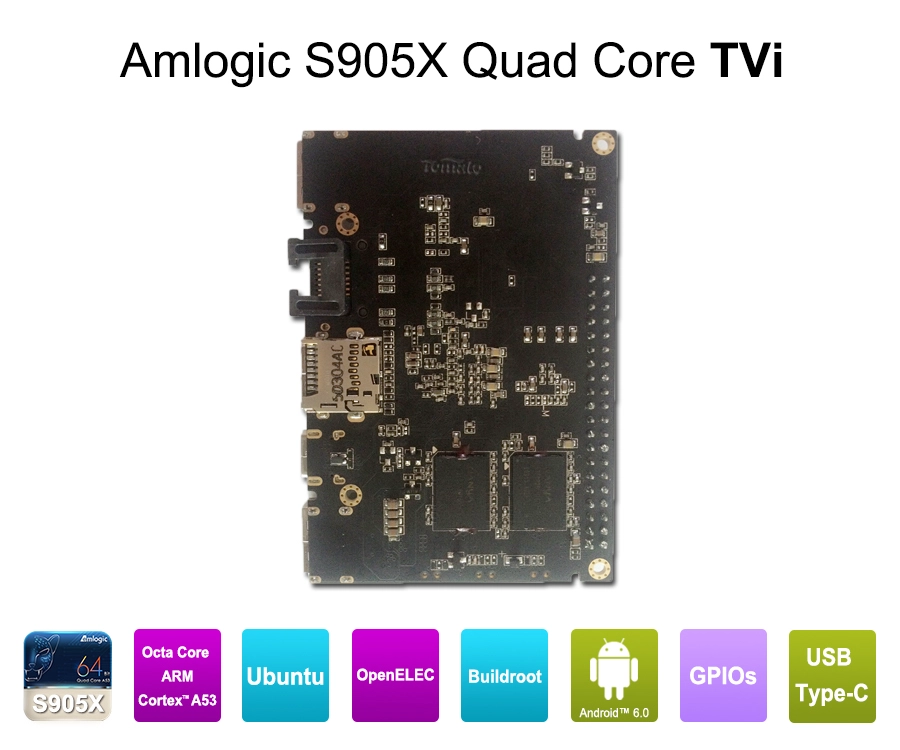
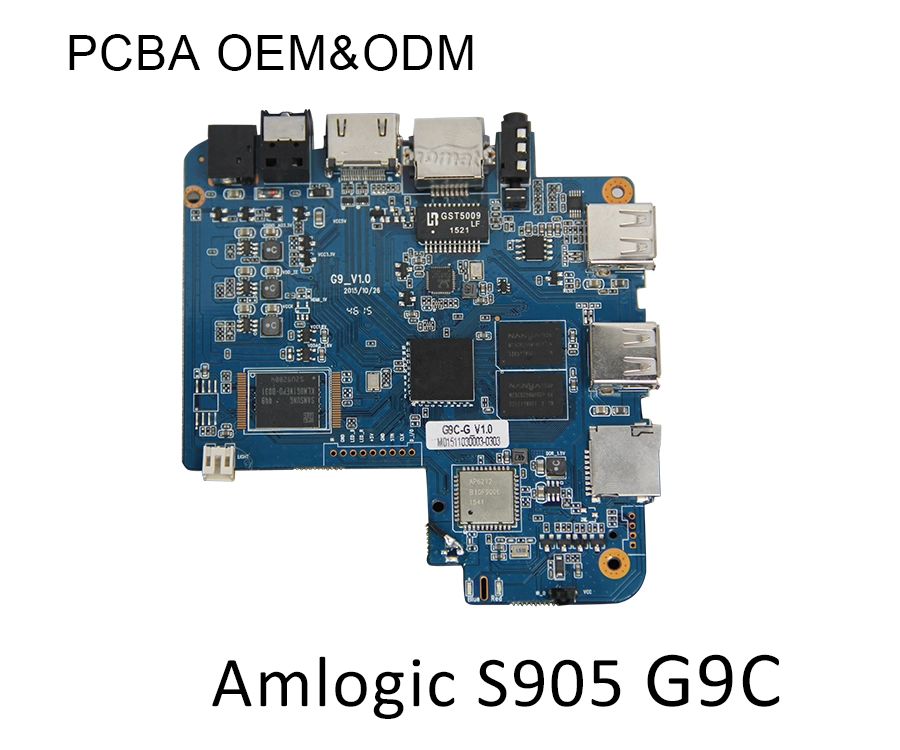
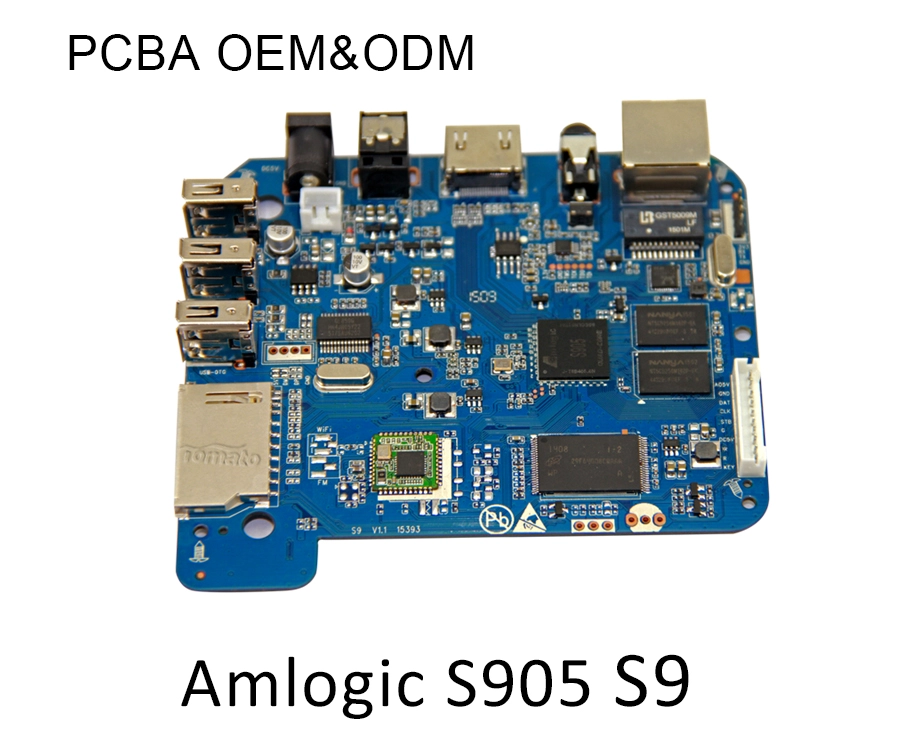
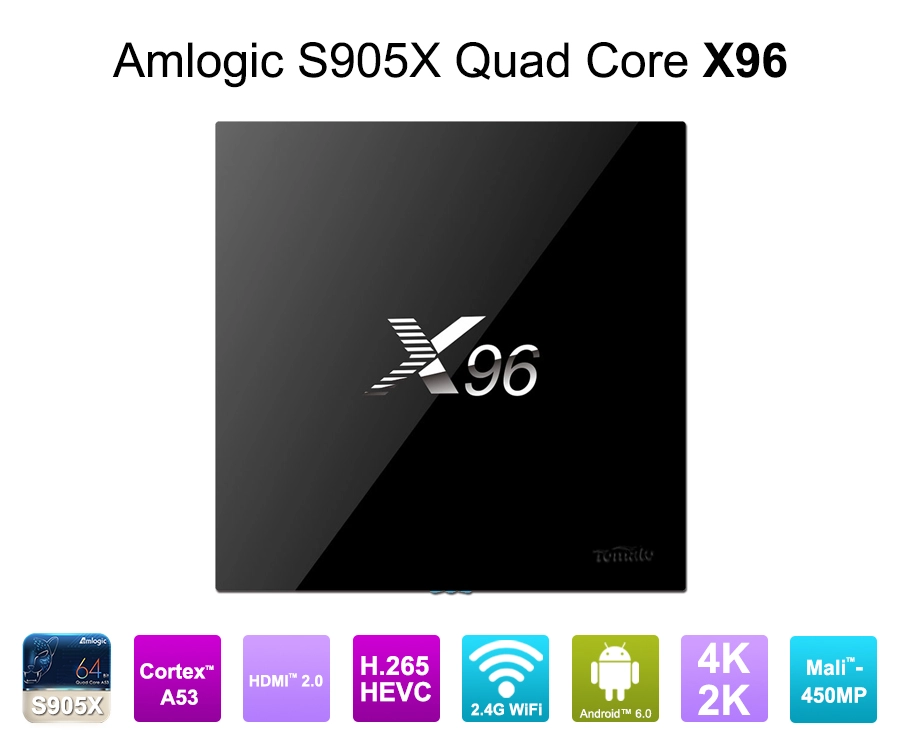
SZTomato supports OEM/ODM development for Android TV Boxes, IPTV set-top boxes, streaming media players, and commercial multimedia hardware.
Depending on the selected platform and project requirements, customization can include:
-
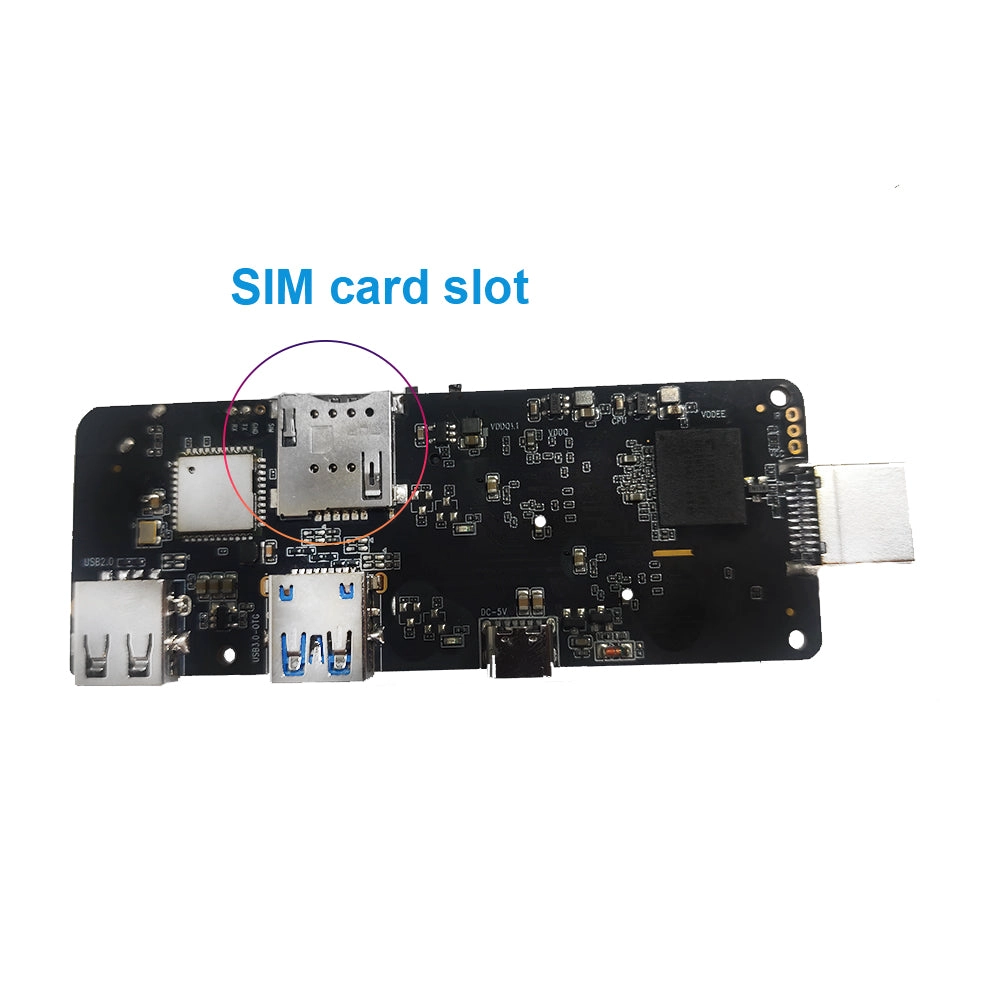
PCBA hardware modification: Configure network interfaces, USB ports, storage, power delivery, and other hardware features for the target application.
-
Custom UI/UX firmware: Build a branded interface and application workflow that reflects the customer's service model.
-
SDK/API integration: Connect the device with supported streaming applications, middleware, authentication systems, or remote-management platforms.
-
OTA update systems: Support controlled firmware deployment and maintenance across compatible devices.
-
Specialized cooling solutions: Address thermal requirements for industrial or continuously operating installations.
These capabilities do not automatically eliminate subscription costs. Instead, they give B2B customers greater control over the device's hardware and software configuration while keeping content licensing and service fees separate from the hardware product.
When defining an OEM/ODM project, buyers should specify which functions are included in the device price, which services require third-party agreements, and who is responsible for firmware maintenance after shipment.
Conclusion: Buy the TV Box Once, Pay Only for Services You Need
You generally do not have to pay a monthly fee simply to own a TV Box. Recurring charges depend on the streaming subscriptions, IPTV services, cloud features, or other paid services you choose to use.
For consumers, the practical approach is to confirm which applications and free content are available before buying a device. For B2B buyers, the priority is to separate hardware costs, service licensing, software customization, and ongoing support in the commercial specification.
If you are sourcing an Android TV Box or IPTV set-top box for your own brand, distributor network, or operator deployment, SZTomato can help define the appropriate hardware platform and OEM/ODM customization scope.
Visit www.sztomato.com to discuss your requirements for processor selection, PCBA design, custom firmware, SDK/API integration, and long-term product support.
