
What Is the Difference Between an OTT TV Box and an Android TV Box?
A streaming device built around an Amlogic or Rockchip system-on-chip (SoC) can support 4K video decoding, hardware-accelerated codecs, network streaming, and application-based services. Yet those specifications alone do not determine whether the device is suitable for an operator's deployment. The delivery model, operating system, content-protection requirements, and software integration determine how the product performs in a real service environment.
The core distinction is straightforward:
-
OTT TV Box: Defined primarily by its role in delivering video and other media services over IP networks.
-
Android TV Box: Defined primarily by its operating system, which provides an application and software platform for media playback and other functions.
An Android TV Box can be an OTT device. In fact, many commercial Android TV Boxes are designed specifically for OTT streaming. An OTT TV Box, however, does not have to run Android; it may use Linux or another operating system.
For procurement teams, the useful question is not simply which category is better. It is which combination of operating system, SoC, connectivity, security, and firmware architecture fits the target application.
OTT TV Box vs Android TV Box: Technical Comparison
The following table separates the delivery model from the operating platform and highlights the factors that affect product selection.
|
Evaluation factor |
OTT TV Box |
Android TV Box |
|---|---|---|
|
Core definition |
Internet-based media delivery device |
Device using the Android operating system |
|
Operating system |
Android, Linux, or another supported platform |
Android or an Android-derived implementation |
|
Content delivery |
OTT streaming over IP networks |
OTT, IPTV applications, local media, and other supported services |
|
Application ecosystem |
Depends on the OS and vendor implementation |
Depends on Android version, device compatibility, and certification |
|
User interface |
Operator-designed or vendor-provided |
Standard, customized, or operator-specific |
|
Hardware platform |
SoC selected for target workloads |
SoC selected for Android compatibility and target workloads |
|
Content protection |
Depends on service and device requirements |
Depends on DRM integration, certification, and service approval |
|
Firmware updates |
Depends on the vendor's update architecture |
Android OTA, vendor update systems, or operator-managed deployment |
|
Customization |
Depends on hardware, OS, and software access |
Supports customization at the hardware, system, and application levels, subject to platform restrictions |
|
Typical buyers |
OTT service providers, telecom operators, streaming brands |
Device brands, distributors, IPTV operators, system integrators |
An important qualification: OTT is a content-delivery category, not a specific hardware or operating-system specification. Android TV is also a more specific platform term than generic Android. An Android-based TV Box does not automatically qualify as a Google-certified Android TV device. Google's Android TV requirements and certification ecosystem should be evaluated separately when a project depends on Google services or approved applications.
1. How to Select the Right SoC, Memory, and Connectivity
For B2B projects, selecting a TV Box by resolution alone is a common engineering mistake. Two products may both advertise 4K output but differ in codec support, sustained performance, memory capacity, network stability, and software compatibility.
SoC and video decoding
Start with the content profile and workload.
-
Standard OTT streaming: Prioritize the required H.264, H.265/HEVC, VP9, or AV1 decoding capabilities, supported output resolutions, frame rates, and actual application requirements.
-
4K commercial streaming: Validate the complete playback chain, including the SoC's hardware decoder, HDMI output, HDCP requirements, display compatibility, and DRM support.
-
Operator-managed IPTV: Evaluate middleware compatibility, multicast or unicast delivery requirements, network interfaces, channel switching, and remote device management.
-
Interactive or AI-enabled applications: Assess CPU and GPU capacity, memory bandwidth, storage, and any NPU acceleration needed by the application.
A codec logo on a product specification sheet is not sufficient evidence of end-to-end playback compatibility. The selected silicon, firmware, media framework, application, and licensing conditions must all support the intended use case.
Memory, storage, and network interfaces
RAM and flash storage should reflect the expected software footprint rather than a generic minimum specification. A device running a lightweight streaming client may have different requirements from one running multiple applications, an operator portal, digital signage scheduling software, or background device-management services.
Connectivity also affects deployment costs:
-
Dual-band Wi-Fi for wireless installations.
-
Ethernet for deployments that require predictable network performance.
-
USB interfaces for peripherals, maintenance, or external storage.
-
Bluetooth for supported remotes and accessories.
-
HDMI output and the required HDCP version for protected content.
The final interface configuration must be verified against the selected SoC, PCB design, driver support, and enclosure constraints.
PCBA layout and thermal design
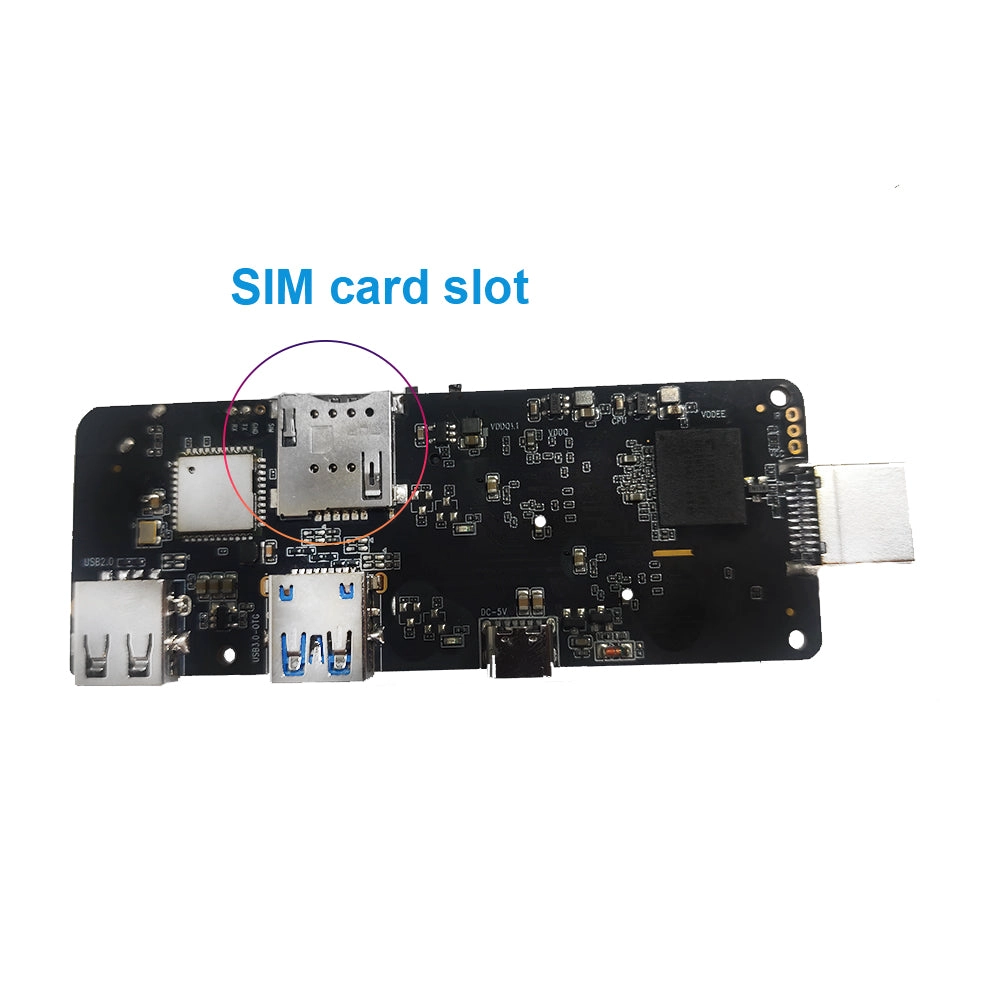
A reference design can shorten development time, but it may not address every deployment requirement. Ethernet magnetics, antenna placement, power regulation, USB routing, HDMI signal integrity, and heat dissipation all influence product reliability.
For a TV Box operating continuously in a commercial enclosure, thermal design deserves particular attention. High ambient temperatures, restricted airflow, and sustained decoding loads can increase component temperatures and trigger performance throttling.
SZTomato supports OEM/ODM projects involving PCBA hardware modification, interface configuration, and specialized cooling solutions for industrial use. The objective is to match the board and enclosure to the actual workload, not simply to increase the headline specification.
2. Firmware, Application Compatibility, and Content Protection
Hardware determines what a device can potentially do. Firmware and platform integration determine which functions can be delivered reliably.
Android TV Box firmware customization
An Android-based TV Box can support customized launchers, branded home screens, pre-installed applications, remote-control mappings, boot animations, system settings, and deployment-specific behavior, depending on the platform and available permissions.
For an operator or device brand, the engineering work may include:
-
Custom UI/UX firmware aligned with the operator's service workflow.
-
SDK/API integration with middleware, authentication systems, device-management platforms, and application backends.
-
Linux/Android kernel optimization and driver integration where supported by the selected platform.
-
OTA update systems for staged firmware releases, version management, and recovery procedures.
-
Startup optimization, application compatibility testing, and system-log diagnostics.
A production-grade OTA strategy should include more than the ability to download a firmware image. It should address package verification, interrupted updates, recovery behavior, release control, and compatibility across deployed hardware revisions.
DRM, HDCP, and streaming certification
Premium streaming services may impose requirements that cannot be resolved through a simple launcher modification or application installation.
Widevine DRM, for example, is used by major streaming services to protect premium video content. Actual playback capabilities depend on the device implementation, security level, service requirements, and relevant licensing arrangements.
HDCP is a separate component of protected digital video output. Its required version and compatibility must be checked across the source device, HDMI connection, and display.
Before committing to an Android TV Box platform, procurement teams should confirm:
-
Whether the target applications support the selected operating system and device implementation.
-
Which DRM system and security level the service requires.
-
Whether Google Play, Google Mobile Services, or Android TV certification is necessary.
-
Whether the required content licenses and application approvals are available.
-
Whether future OS upgrades and security patches can be maintained over the intended product lifecycle.
Generic AOSP-based Android and certified Android TV are not interchangeable commercial propositions. Google identifies Play Protect certification as an indicator that a device has undergone relevant compatibility and security testing; certification should be verified rather than inferred from the product listing.
3. Which Platform Fits Your Business Model?
The right choice depends on the service being delivered, the level of control required, and the commercial lifetime of the product.
Consumer streaming brands and distributors
An Android TV Box is often the stronger starting point when the product needs a familiar application environment, a branded interface, and support for multiple streaming services. Buyers should establish whether generic Android, AOSP, or certified Android TV is required before selecting the platform.
Priority: application compatibility, certification, product cost, and long-term firmware support.
Telecom operators and IPTV service providers
An operator-focused OTT or IPTV set-top box may be built around Android or Linux. The key requirements are middleware integration, subscriber authentication, remote provisioning, service reliability, and centralized device management.
Priority: middleware compatibility, network behavior, security, and OTA lifecycle management.
Digital signage integrators and commercial display projects
A purpose-built Android media player may combine streaming, scheduled playback, remote management, and custom application workflows. Continuous operation, thermal management, interface requirements, and unattended recovery are often more important than consumer-oriented features.
Priority: PCBA customization, industrial cooling, reliable playback, and centralized control.
For projects that require an operator-specific interface, proprietary applications, or custom hardware, the selection process should begin with a system requirements document rather than a generic product catalogue. Define the workload, target applications, network environment, required interfaces, certification constraints, and support period before freezing the hardware configuration.
4. How OEM/ODM Engineering Reduces Deployment Risk
A standard TV Box can be a practical starting point for a straightforward application. However, a commercial deployment may require changes that extend beyond the standard product configuration.
The engineering process should connect four layers.
Hardware and PCBA
Select the SoC, memory, storage, Ethernet, wireless connectivity, and physical interfaces according to the application. Modify the PCBA where the project requires a different interface layout, power configuration, or thermal solution.
Operating system and firmware
Adapt the Android or Linux software stack to the target hardware, including supported driver changes, boot configuration, system services, and firmware stability improvements.
SDK/API and application integration
Integrate operator middleware, third-party applications, authentication, device-management APIs, or a custom UI/UX. Confirm that software dependencies remain compatible with the selected OS version and hardware platform.
Validation and lifecycle support
Test video playback, network recovery, thermal performance, peripheral compatibility, OTA recovery, and long-duration operation. Establish a firmware maintenance plan and regression-testing process for future releases.
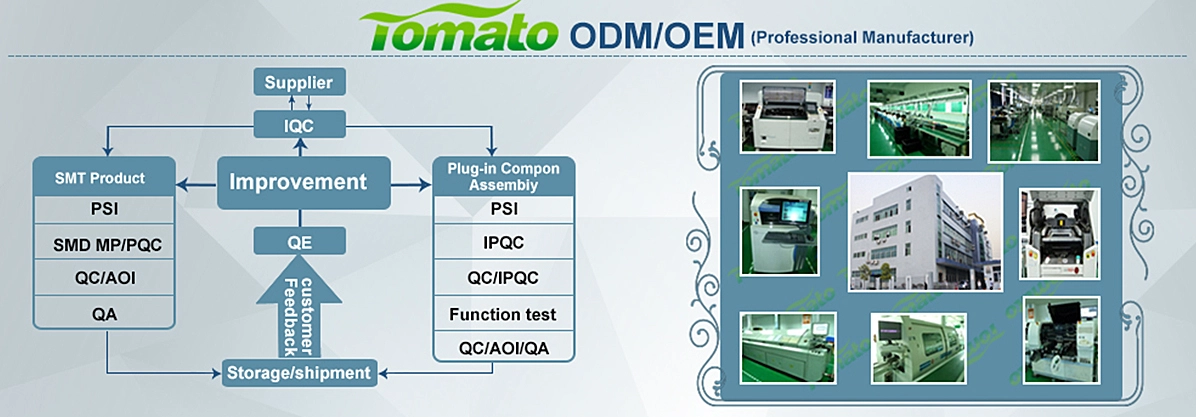
SZTomato, established in 2011, provides OEM/ODM manufacturing and engineering support for Android TV Boxes, IPTV set-top boxes, streaming media players, and commercial multimedia hardware. Its project capabilities include PCBA hardware modification, custom UI/UX firmware, SDK/API integration, and specialized cooling solutions for industrial applications.
For B2B customers, the value of this approach is the ability to coordinate hardware and software requirements within one product-development process. It helps identify integration constraints before mass production and reduces the risk of selecting a platform that meets the initial specification but cannot support the final application.
The precise scope of customization depends on the selected SoC, source-code access, platform permissions, third-party licensing, and certification requirements.
Conclusion: Choose the Platform Around the Service, Not the Name
The difference between an OTT TV Box and an Android TV Box is primarily the difference between a content-delivery role and an operating-system platform. They frequently overlap, and neither label alone guarantees application compatibility, premium streaming support, or commercial reliability.
For B2B procurement managers, telecom operators, and system integrators, the most effective selection process starts with the target service, followed by SoC capability, memory and connectivity, DRM and certification, firmware architecture, and long-term maintenance requirements.
If your project requires a customized Android TV Box, an operator-specific OTT set-top box, or a commercial streaming platform, SZTomato can help assess the hardware and software requirements before production.
Discuss your OEM/ODM project with SZTomato at www.sztomato.com. Share your target applications, operating system, SoC preferences, connectivity requirements, and expected production volume to establish a practical development scope for your next product.
