
Google TV Box OEM/ODM: Driving Competitive Advantage with Custom Firmware Solutions
1. Why Custom Firmware Is Becoming a Competitive Advantage for Google TV Box OEM Projects
The challenge facing Google TV Box manufacturers is no longer simply delivering hardware capable of decoding 4K video. Buyers increasingly expect a complete platform that combines a certified operating system, consistent application performance, secure updates, branded user experiences, and integration with their existing services.
Google TV is built on the Android TV operating system, but it provides a distinct user experience centered on content discovery, personalized recommendations, applications, and Google services.
For OEM/ODM buyers, this distinction matters. A generic Android TV Box and a Google TV Box are not interchangeable product categories. Google TV products must meet the applicable Google platform, compatibility, certification, and licensing requirements.
1.1 Hardware Performance Is Only the Starting Point
A Google TV Box project typically begins with SoC selection.
The processor determines important hardware capabilities, including:
-
CPU and GPU performance.
-
Hardware video decoding.
-
AV1, H.265, and VP9 codec support.
-
4K HDR video processing.
-
DDR memory bandwidth.
-
HDMI interface capabilities.
-
Wi-Fi and Bluetooth connectivity.
However, the processor specification alone does not determine the final product experience.
Consider a Google TV Box designed for an IPTV operator. The device may need 4K decoding, stable Wi-Fi connectivity, operator application integration, customized boot behavior, and centralized OTA management.
A hardware platform that meets the video requirements but cannot accommodate the required software architecture will create additional development costs.
The engineering team must therefore evaluate hardware and firmware as one system.
1.2 Google TV Certification and Platform Compatibility
Google TV OEM development requires a clear distinction between customization and platform compliance.
Google's certification and licensing requirements govern access to specific Google services and features. These may include Google Play, Google Assistant, Google Cast, and other platform capabilities, depending on the applicable device program.
OEM manufacturers cannot independently reproduce the official Google TV experience simply by installing an Android launcher or adding Google applications.
A legitimate Google TV product must follow the applicable Google authorization, certification, compatibility, and licensing processes.
This affects several engineering decisions:
|
Development area |
OEM/ODM consideration |
|---|---|
|
SoC platform |
Compatibility with the intended Google TV device program |
|
Android operating system |
Supported Android TV platform version |
|
Google services |
Authorized integration and applicable licensing |
|
Hardware interfaces |
Compatibility with platform requirements |
|
Firmware |
Compliance with applicable compatibility tests |
|
OTA infrastructure |
Secure update and maintenance strategy |
|
Product branding |
Customization within Google's platform guidelines |
For distributors and brand owners, confirming certification feasibility at the beginning of the project is essential. It prevents the commercial team from committing to product features that the selected platform cannot legally or technically support.
1.3 Why Generic Firmware Limits Product Differentiation
Reference firmware is useful for initial hardware validation, but it rarely addresses every commercial requirement.
A distributor may need its own startup animation, language configuration, application package, and remote-control behavior. An IPTV operator may require integration with an existing subscriber platform. A hotel technology provider may need a controlled application environment and centralized device management.
These requirements demand more than changing a wallpaper or installing an application.
They involve system-level configuration, application integration, Android framework behavior, device drivers, and update management.
This is where custom firmware engineering becomes a meaningful OEM/ODM advantage.
2. Custom Google TV Firmware: How OEM Manufacturers Create Product Differentiation
Custom firmware is one of the most important development areas in a professional Google TV Box project. It connects the hardware platform with the customer's applications, services, branding requirements, and operational infrastructure.
However, customization must be planned around the selected Google TV program. A manufacturer cannot assume that every system-level component, launcher element, Google service, or user interface can be freely replaced.
The engineering objective is to identify which functions can be customized, which require Google approval, and which must remain consistent with platform requirements.
2.1 Custom UI/UX and Brand Integration
Brand owners often want their Google TV Box to provide a recognizable product experience.
Typical requirements include:
-
Customized boot animation and startup configuration, where permitted.
-
Brand-specific application presentation.
-
Regional language and localization settings.
-
Customized remote-control key mapping.
-
Preinstalled authorized applications.
-
Branded product setup and support information.
-
Application-level integration with customer services.
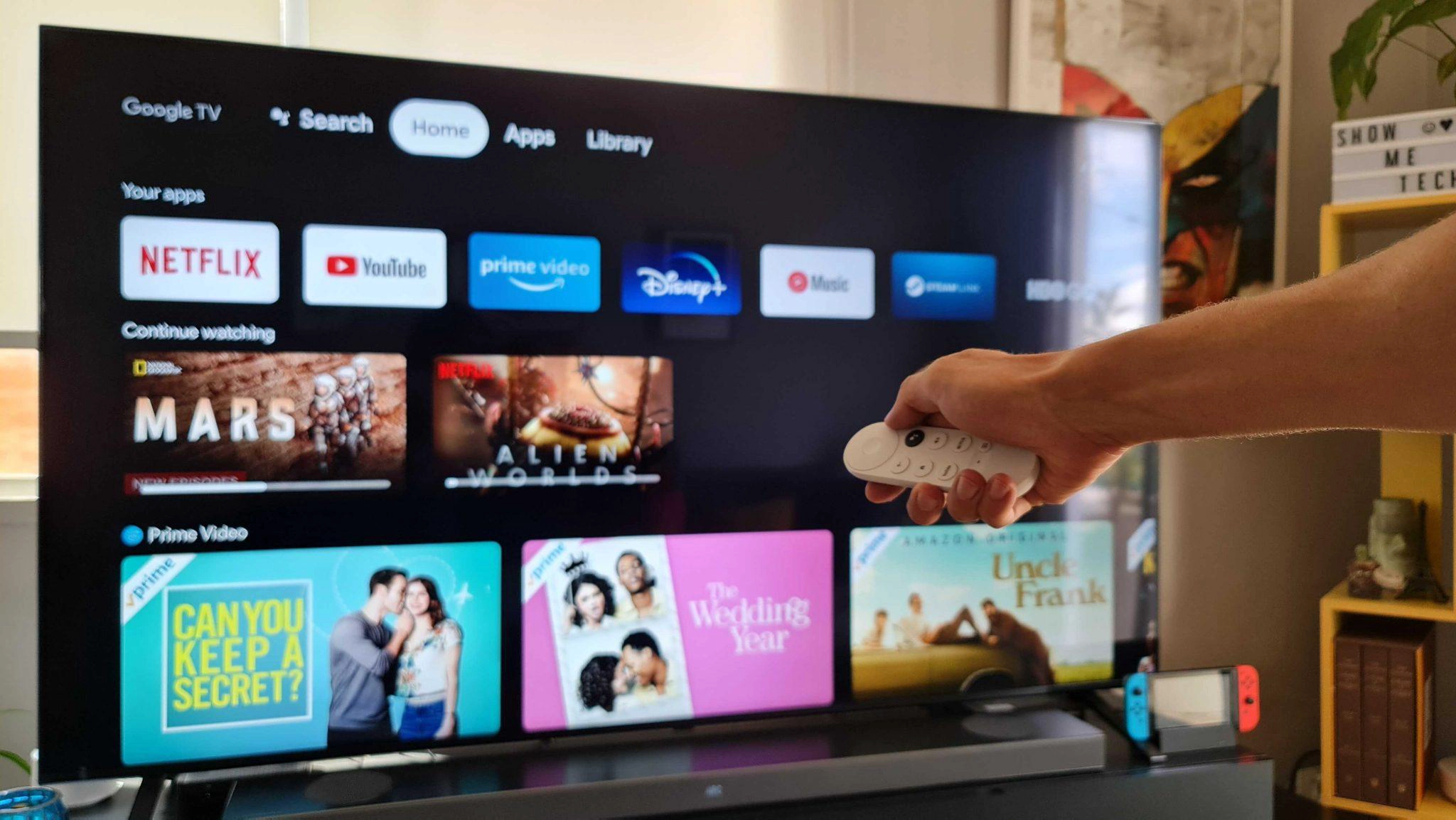
For example, an international electronics brand may require multiple language configurations and regional application packages. An IPTV operator may need its own service application integrated with the Google TV environment.
These requirements should be addressed through supported application interfaces, system configuration options, and approved customization mechanisms.
It is important to distinguish a custom application experience from replacing the official Google TV interface. The latter is subject to platform and partner requirements.
2.2 SDK/API Integration for IPTV and Commercial Applications
A Google TV Box becomes more valuable to B2B customers when it integrates with their existing software infrastructure.
SZTomato supports SDK/API integration for projects involving:
-
IPTV middleware and subscriber management systems.
-
Video-on-demand platforms.
-
Third-party streaming applications.
-
Content management systems.
-
Device registration and activation platforms.
-
Remote configuration services.
-
Customer-specific application ecosystems.
For an IPTV operator, for example, the Google TV Box may serve as the client hardware for an existing subscription platform.
The integration architecture can include application authentication, API communication, account management, service discovery, and content playback.
The exact implementation depends on the operator's backend architecture and the capabilities permitted by the Google TV platform.
2.3 Linux/Android Kernel Optimization and Hardware Adaptation
Firmware stability starts below the application layer.
A custom Google TV Box may require adjustments to the Board Support Package (BSP), kernel configuration, device drivers, Hardware Abstraction Layer (HAL), and multimedia framework.
Important engineering areas include:
|
Firmware component |
Engineering responsibility |
|---|---|
|
Bootloader |
Hardware initialization and secure boot configuration |
|
Linux kernel |
Hardware resource management and device drivers |
|
HAL |
Communication between Android framework and hardware |
|
Media framework |
Hardware decoding and playback pipelines |
|
Display subsystem |
HDMI output, resolution and refresh-rate management |
|
Audio subsystem |
Audio routing, output configuration and synchronization |
|
Wi-Fi/Bluetooth drivers |
Wireless connectivity and peripheral compatibility |
|
OTA framework |
Firmware distribution, installation and recovery |
A common problem in OEM projects is selecting a chipset based on its advertised CPU and GPU performance without evaluating BSP maturity.
An SoC may offer excellent hardware specifications, but incomplete driver support or an unstable BSP can extend development schedules and increase maintenance costs.
For this reason, SZTomato considers chipset availability, SDK maturity, kernel support, memory configuration, and peripheral compatibility when evaluating custom Google TV Box platforms.
2.4 OTA Updates and Long-Term Firmware Maintenance
OTA management is essential for products deployed across multiple regions or large device fleets.
A professional OTA architecture should support:
-
Firmware version identification.
-
Controlled update distribution.
-
Secure update verification.
-
Download and installation monitoring.
-
Recovery mechanisms.
-
Update failure reporting.
-
Staged deployment and rollback where supported.
For Google TV products, OTA implementation must also respect the applicable platform security and certification requirements.
Google's Android manufacturer guidance emphasizes compatibility testing and security patch maintenance for supported devices, including televisions and set-top boxes.
For B2B customers, the commercial value is straightforward: a maintainable firmware platform reduces field-service costs and makes it easier to keep deployed devices consistent.
3. Google TV Box Hardware Engineering: SoC, PCBA, Connectivity, and Thermal Design
Custom firmware cannot compensate for an unsuitable hardware platform.
A Google TV Box designed for long-term commercial deployment needs a balanced hardware architecture that supports the required applications, video formats, connectivity, and operating conditions.
3.1 Selecting the Right SoC for the Application
The SoC selection process should start with the product's actual workload.
A retail streaming device, an IPTV operator box, and a commercial multimedia terminal may have very different processing requirements.
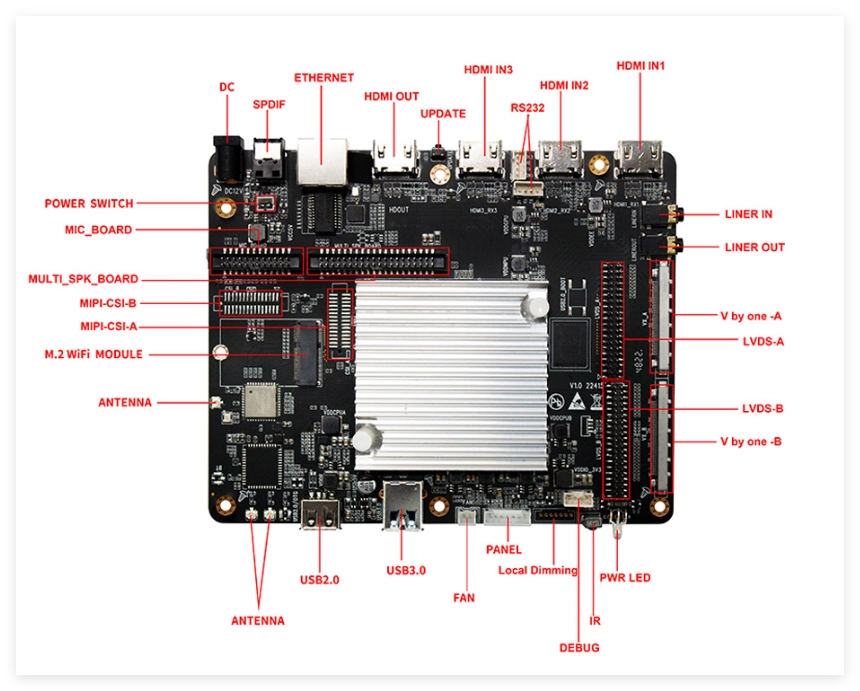
Key selection criteria include:
CPU and GPU performance
The processor must support the intended Android TV software environment and application workload without creating unnecessary power consumption or BOM costs.
Video decoding
For 4K products, evaluate hardware decoding support for H.265, VP9, and AV1 where required.
AV1 hardware decoding is particularly relevant for streaming platforms adopting more efficient video compression.
Memory and storage
RAM capacity influences multitasking and application performance. eMMC capacity determines the space available for the operating system, applications, cache, and OTA packages.
Display and HDMI
Confirm the SoC's actual HDMI transmitter capabilities, supported resolutions, refresh rates, HDR formats, and HDCP implementation.
Wireless connectivity
Wi-Fi performance and Bluetooth compatibility influence streaming reliability, remote-control responsiveness, and peripheral integration.
A practical comparison should focus on the complete platform rather than CPU frequency alone.
|
Hardware factor |
Entry-level Google TV Box |
Advanced Google TV Box |
|---|---|---|
|
CPU |
Application-dependent quad-core |
Higher-performance multi-core |
|
GPU |
Basic UI and video rendering |
More demanding graphics workloads |
|
Video |
4K decoding |
Advanced 4K and supported HDR configurations |
|
Memory |
Cost-optimized configuration |
Higher RAM capacity |
|
Storage |
Standard eMMC |
Expanded eMMC capacity |
|
Connectivity |
Dual-band Wi-Fi, Bluetooth |
Enhanced wireless and wired interfaces |
|
Cooling |
Passive thermal design |
Optimized heatsink and thermal management |
These are engineering categories, not fixed Google certification specifications. The actual configuration must be validated against the selected platform and product requirements.
3.2 PCBA Modification for Customer-Specific Requirements
A standard reference board rarely provides every interface needed by an OEM customer.
Some projects require:
-
Additional USB interfaces.
-
Gigabit Ethernet.
-
Customized Wi-Fi antenna placement.
-
Expanded storage.
-
UART debugging interfaces.
-
GPIO control.
-
Customized HDMI and audio configurations.
-
Modified PCB dimensions and connector positions.
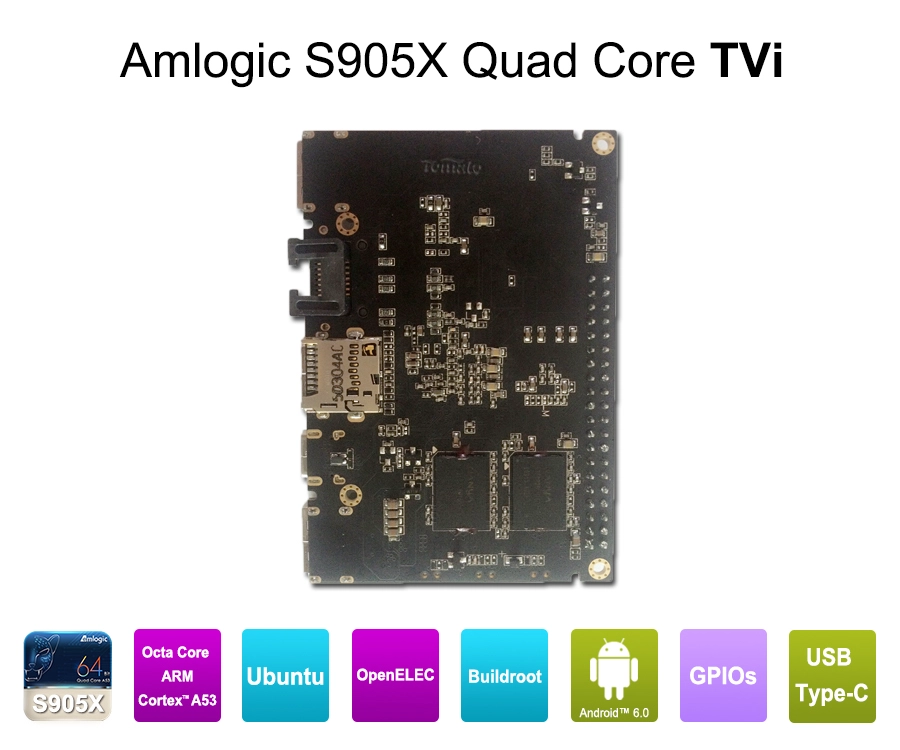
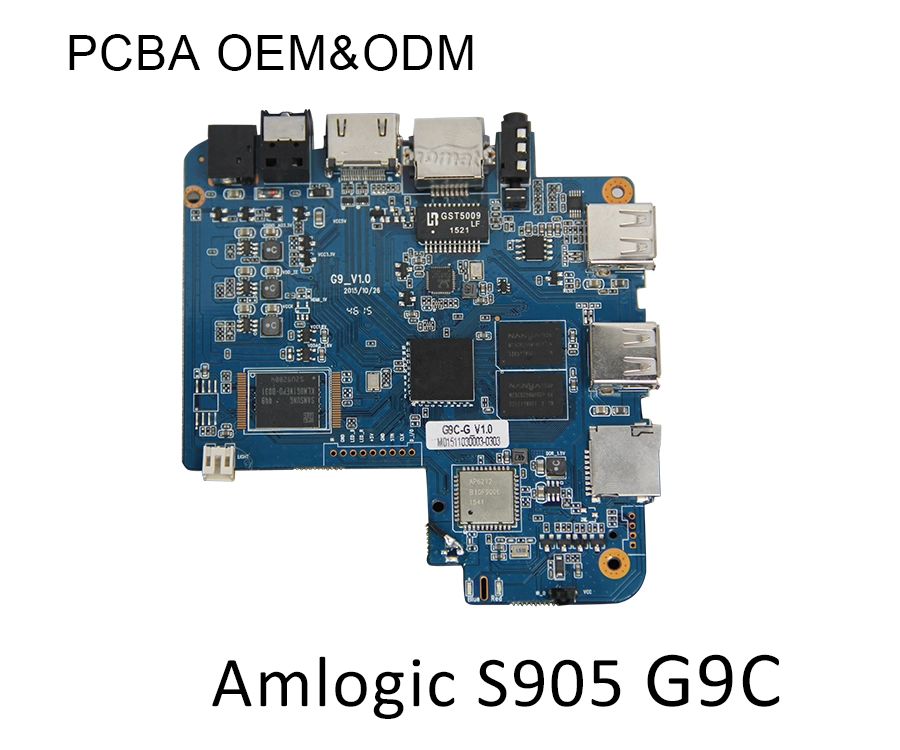
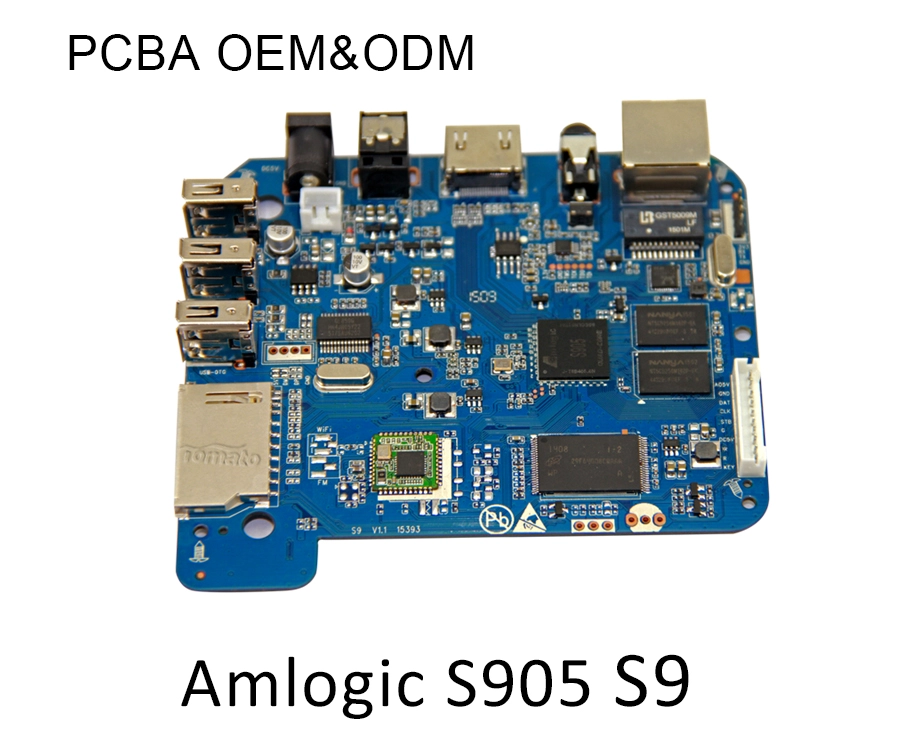
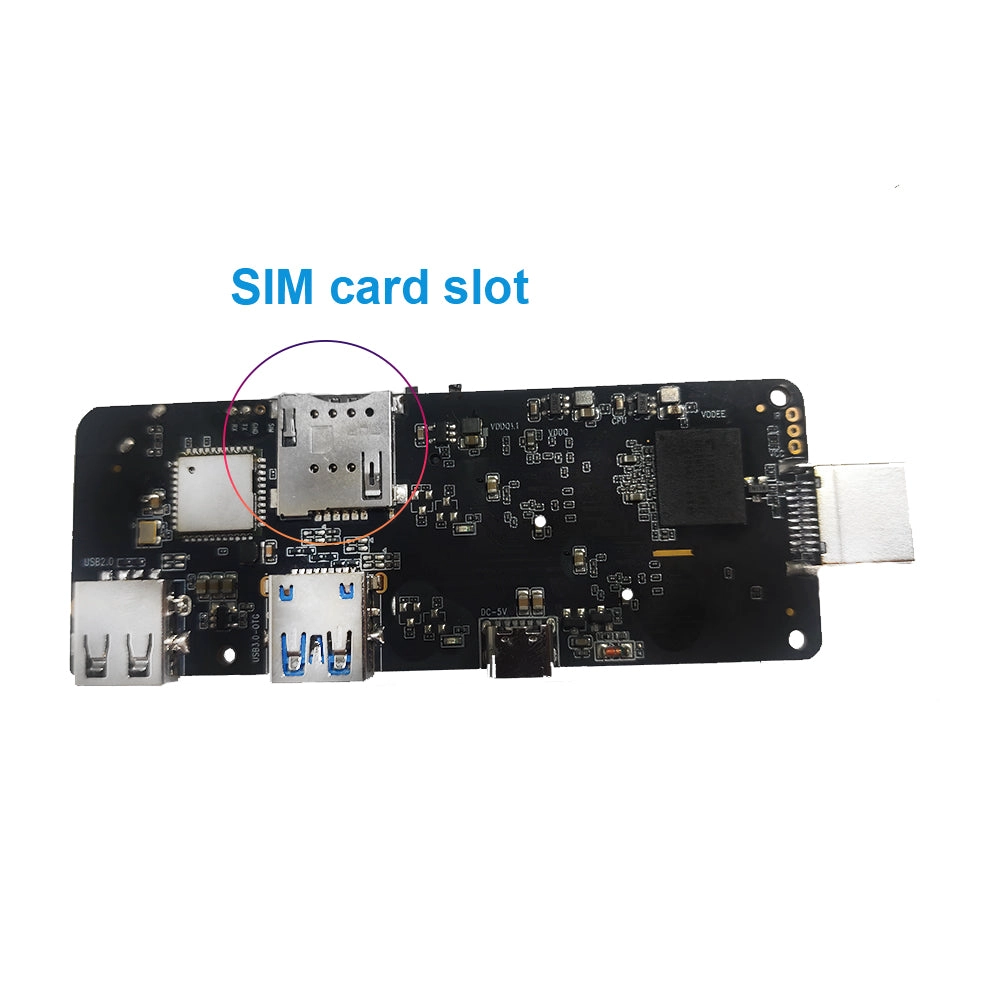
SZTomato supports PCBA hardware modification to adapt the motherboard to the product enclosure, connectivity requirements, and application environment.
The design process includes schematic review, PCB layout optimization, component selection, power management, and prototype validation.
High-speed interfaces require particular attention to impedance control, differential-pair routing, power integrity, ESD protection, and EMI performance.
For a Google TV Box with 4K HDR output, HDMI signal integrity and stable power delivery are essential to consistent display performance.
3.3 Thermal Management for Continuous Commercial Operation
A retail streaming device and a commercial Google TV Box may operate under very different conditions.
A device installed behind a television, inside a hotel cabinet, or within a commercial display enclosure may receive limited airflow.
Thermal design should consider:
-
SoC junction temperature.
-
DDR and power IC heat generation.
-
Enclosure material and internal volume.
-
Ambient operating temperature.
-
Continuous video decoding workload.
-
Wireless module heat dissipation.
-
Long-duration operating requirements.
SZTomato provides specialized cooling solutions for industrial-use applications, including heatsink optimization, thermal pad selection, PCB heat spreading, and enclosure-level thermal considerations.
The objective is to prevent thermal throttling and maintain consistent performance during extended operation.
3.4 Hardware and Firmware Must Be Validated Together
A successful OEM/ODM development process should not separate PCBA validation from software validation.
For example, increasing RAM capacity may require changes to memory initialization and device configuration. Adding a new wireless module requires compatible drivers and firmware. Modifying HDMI circuitry may require additional kernel and display-framework testing.
The engineering team should validate the complete hardware-software combination before approving mass production.
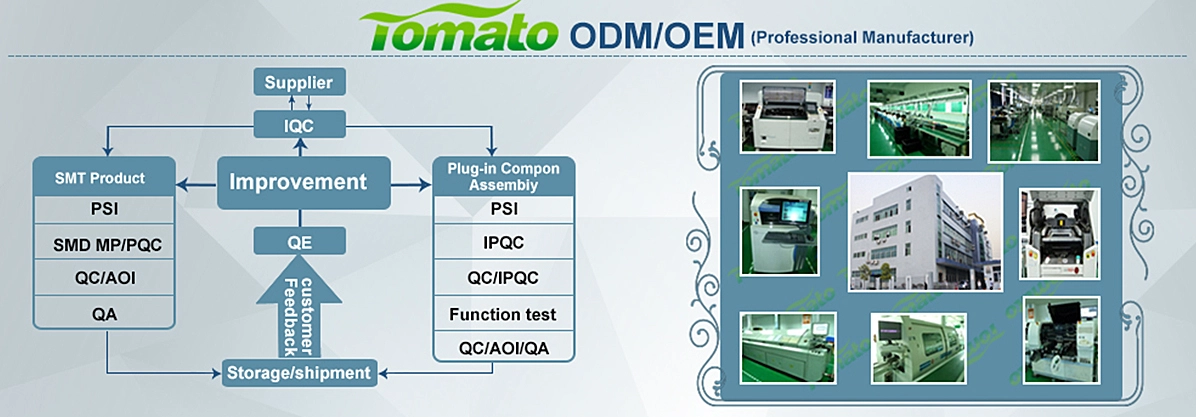
4. Google TV Box OEM/ODM Manufacturing: From Prototype to Mass Production
For international brand owners, distributors, telecom operators, and system integrators, choosing a Google TV Box manufacturer is a long-term supply-chain decision.
The manufacturer must be capable of managing hardware development, platform compatibility, firmware customization, production quality, and after-sales technical support.
A low-cost reference board may reduce the initial purchase price, but it can create higher expenses if the product requires extensive modifications after production begins.
4.1 A Structured OEM/ODM Development Process
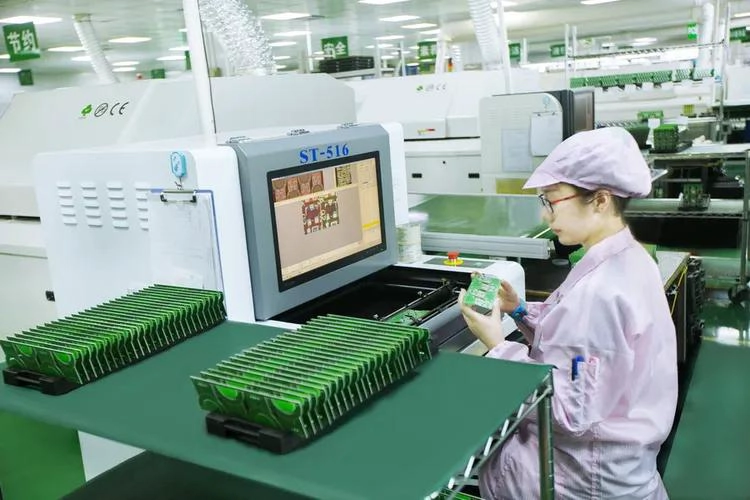
A professional Google TV Box OEM/ODM project should follow a defined development process.
|
Development stage |
Main engineering activities |
|---|---|
|
1. Requirement analysis |
Define SoC, Android version, video specifications and application requirements |
|
2. Hardware selection |
Evaluate chipset, RAM, storage, wireless modules and interfaces |
|
3. PCBA development |
Schematic design, PCB layout and hardware modification |
|
4. Firmware development |
BSP adaptation, drivers, application integration and system configuration |
|
5. Platform validation |
Compatibility, certification and applicable Google approval processes |
|
6. Prototype testing |
Performance, thermal, connectivity and stability testing |
|
7. Pilot production |
Manufacturing validation and quality inspection |
|
8. Mass production |
Production control, functional testing and shipment |
|
9. Lifecycle support |
OTA maintenance, firmware updates and technical troubleshooting |
One important point deserves attention: Google certification is not automatically granted by an OEM factory simply because it uses a particular SoC or Android version.
The applicable Google partner agreements, product approvals, compatibility testing, and licensing arrangements must be established for the actual project.
Manufacturers should clearly identify which certification activities they can support and which require direct participation or approval from the customer and Google.
4.2 Google TV Certification: A Critical Procurement Checkpoint
B2B buyers should request clear information about the certification status of the proposed platform.
Questions worth asking include:
-
Is the proposed device configuration eligible for the intended Google TV program?
-
What is the current status of Google authorization and certification?
-
Are Google Play and other required Google services properly licensed?
-
Which compatibility tests have been completed?
-
What is the firmware update and security maintenance strategy?
-
Are any hardware changes likely to affect certification status?
Google distinguishes between Android TV OS devices and the Google TV experience. An Android-based device with a manually installed launcher or Google applications should not automatically be marketed as an officially certified Google TV product.
Brand usage also requires attention. Google publishes specific trademark, visual identity, and partner marketing requirements. OEMs should obtain the appropriate approvals before using Google TV branding in product packaging, advertising, and promotional materials.
4.3 Why Choose an Engineering-Oriented OEM/ODM Manufacturer?
The difference between a conventional TV Box supplier and an engineering-oriented manufacturer becomes clear when a project moves beyond standard configurations.
A conventional supplier may offer several existing models with different memory capacities and wireless configurations.
An engineering-oriented OEM/ODM partner can evaluate whether the existing motherboard, chipset, firmware architecture, and enclosure are suitable for the customer's requirements.
SZTomato focuses on this second approach.
Established in 2011, Shenzhen Tomato Technology Co., Ltd. provides multimedia hardware manufacturing and OEM/ODM development services for international customers.
Its engineering capabilities cover:
-
PCBA hardware modification: Customized motherboard architecture, component selection, interface configuration, and PCB layout.
-
Custom firmware development: System configuration, boot behavior, device drivers, and application integration within the applicable platform requirements.
-
SDK/API integration: Integration with IPTV platforms, CMS systems, customer applications, and third-party software.
-
Custom UI/UX solutions: Branded application experiences and customer-specific software interfaces where platform permissions allow.
-
OTA update systems: Firmware distribution, update management, and long-term maintenance.
-
Industrial cooling solutions: Thermal optimization for enclosed devices and continuous-operation applications.
-
Production and quality control: Prototype validation, manufacturing inspection, and mass-production support.
This combination of hardware and software capabilities helps customers avoid the limitations of simply purchasing a generic TV Box and applying a different logo.
Conclusion: Custom Firmware Turns a Google TV Box into a Differentiated B2B Product
The competitive advantage of a Google TV Box OEM/ODM project comes from the integration of certified platform technology, hardware engineering, customized applications, and long-term firmware maintenance.
SoC selection determines the available processing capabilities. PCBA engineering determines the hardware architecture. Firmware determines how the device interacts with applications, services, and external systems. OTA infrastructure determines how the product can be maintained after deployment.
For brand owners and telecom operators, these elements must be planned together.
A successful Google TV Box project should therefore begin with a clear technical specification rather than a price comparison between existing retail models.
SZTomato – Your Google TV Box OEM/ODM Development Partner
SZTomato works with international brand owners, distributors, IPTV operators, and system integrators to develop customized multimedia hardware solutions.
Whether your project requires a branded Google TV Box, customized PCBA, SDK/API integration, application-level customization, or an industrial multimedia device, our team can help evaluate the hardware and software architecture.
Discuss Your Google TV Box OEM/ODM Project
Visit www.sztomato.com to discuss your project requirements.
When contacting our team, provide the following technical information:
-
Target SoC and processing requirements.
-
Required Google TV platform and certification status.
-
RAM and eMMC configuration.
-
4K HDR and video codec requirements.
-
Wi-Fi, Bluetooth, Ethernet, and HDMI interfaces.
-
Custom application and SDK/API requirements.
-
Estimated order quantity and target market.
SZTomato can evaluate the feasibility of your proposed configuration and provide an OEM/ODM development direction aligned with your business objectives.
