
How to make a TV Box?
1. Define the TV Box Application Before Selecting Hardware
The first step in making a TV Box is to establish what the device must do. Hardware selection should follow the application requirements, not the other way around.
A consumer streaming box, an IPTV set-top box for telecom operators, and a commercial digital signage player may share similar components, but their system requirements can differ substantially.
Identify the target market and workload
Start by documenting the deployment environment.
| Application | Key engineering priorities |
|---|---|
| Consumer streaming | Application compatibility, video decoding, Wi-Fi, responsive UI |
| IPTV and telecom | Middleware integration, remote management, OTA maintenance, network stability |
| Hospitality TV | Branded interface, service integration, controlled configuration |
| Digital signage | Continuous operation, scheduled playback, remote monitoring, thermal management |
| Industrial multimedia | Extended operating duty, interface customization, enclosure and cooling design |
| AI-enabled media device | NPU capability, memory bandwidth, software framework compatibility |
These requirements determine the processor, memory, storage, connectivity, enclosure, and firmware architecture.
For example, a basic streaming device may not need an AI accelerator. A commercial player running local inference or computer vision, however, may require an SoC with a dedicated NPU, sufficient memory bandwidth, and a software stack compatible with the intended models.
Select an appropriate SoC platform
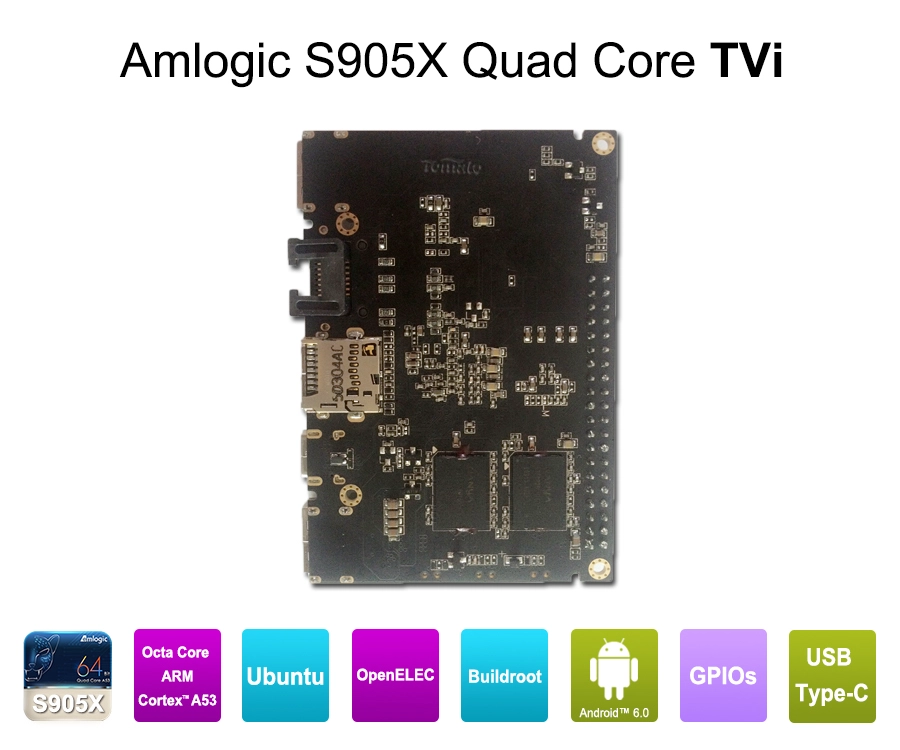
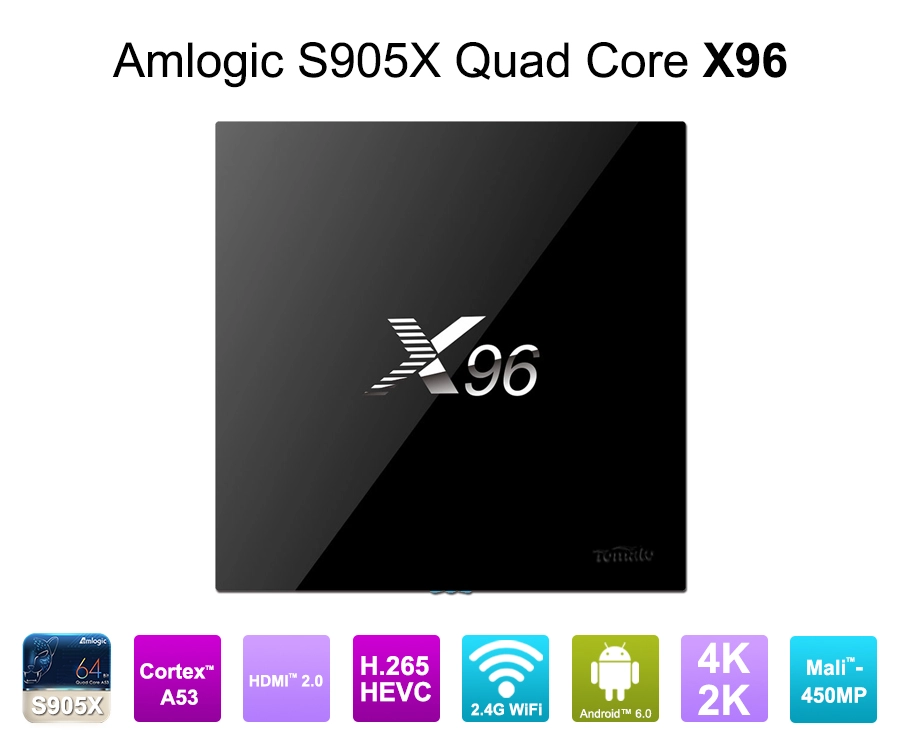
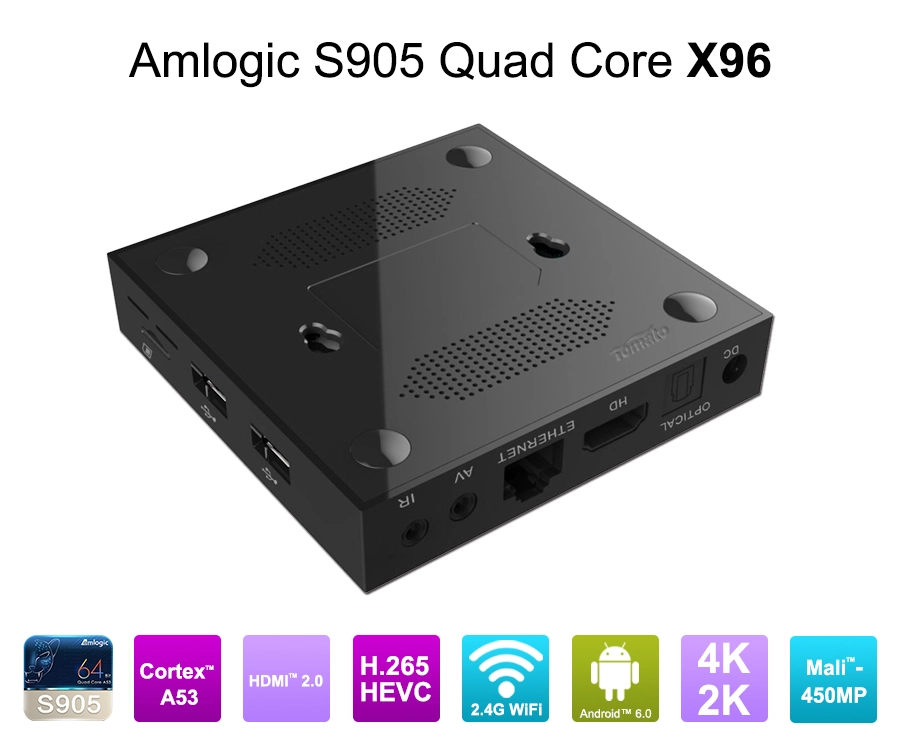
The system-on-chip is the foundation of the TV Box design. Common platform families include Amlogic, Rockchip, and Allwinner, with the appropriate choice depending on the product's performance, interface, software, and cost requirements.
When evaluating an SoC, examine:
-
CPU architecture and sustained processing performance.
-
GPU performance for the intended user interface.
-
Hardware video decoding and encoding capabilities.
-
Supported codecs, resolutions, frame rates, and HDR formats.
-
NPU performance and supported precision formats, if AI processing is required.
-
Available RAM and storage interfaces.
-
HDMI, USB, Ethernet, PCIe, MIPI, and other required interfaces.
-
Android or Linux BSP availability and long-term software support.
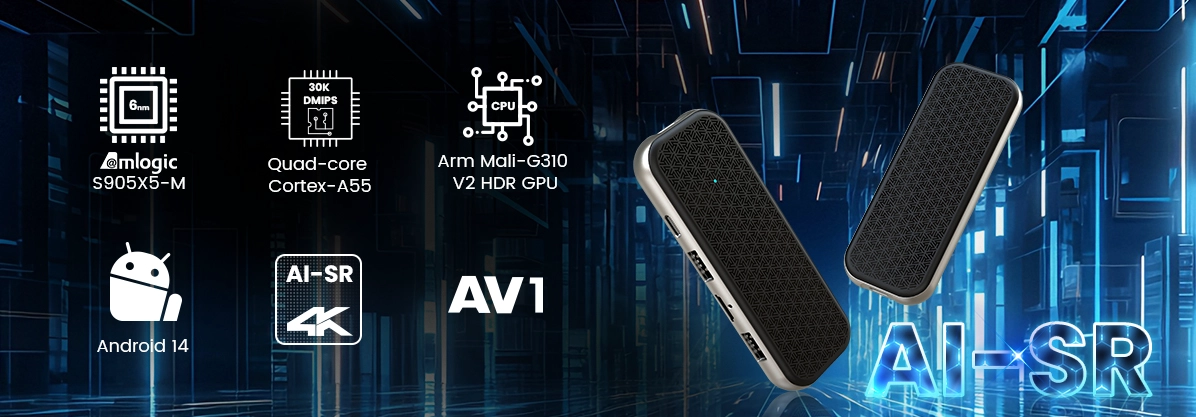
AV1 support is one example of why detailed specifications matter. A processor may advertise AV1 decoding, but the project team must verify the supported resolution, frame rate, bit depth, and HDR combinations against the actual workload.
Likewise, an SoC that supports 4K output does not guarantee that every application can decode 4K content smoothly. Memory bandwidth, software implementation, thermal limits, and display compatibility also affect the result.
For commercial projects, choose a platform based on validated system requirements rather than a single benchmark or headline specification.
2. Design the PCBA, Power System, and Thermal Architecture
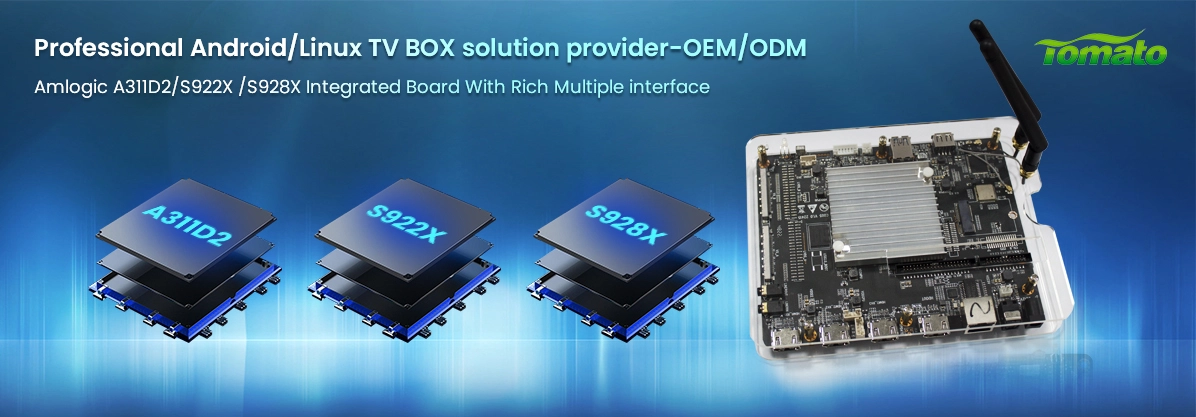
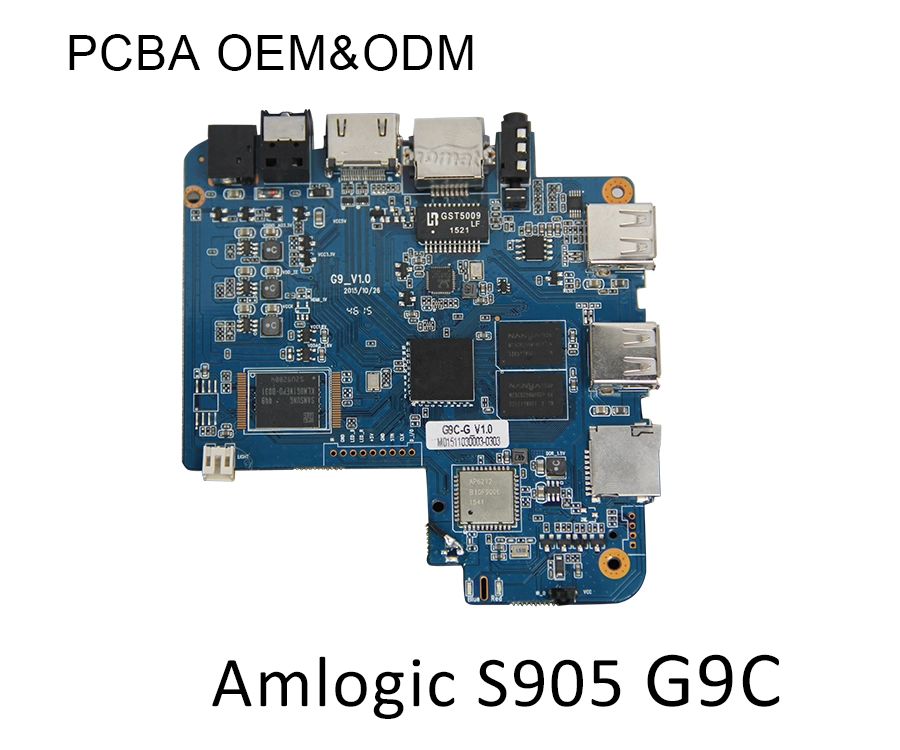
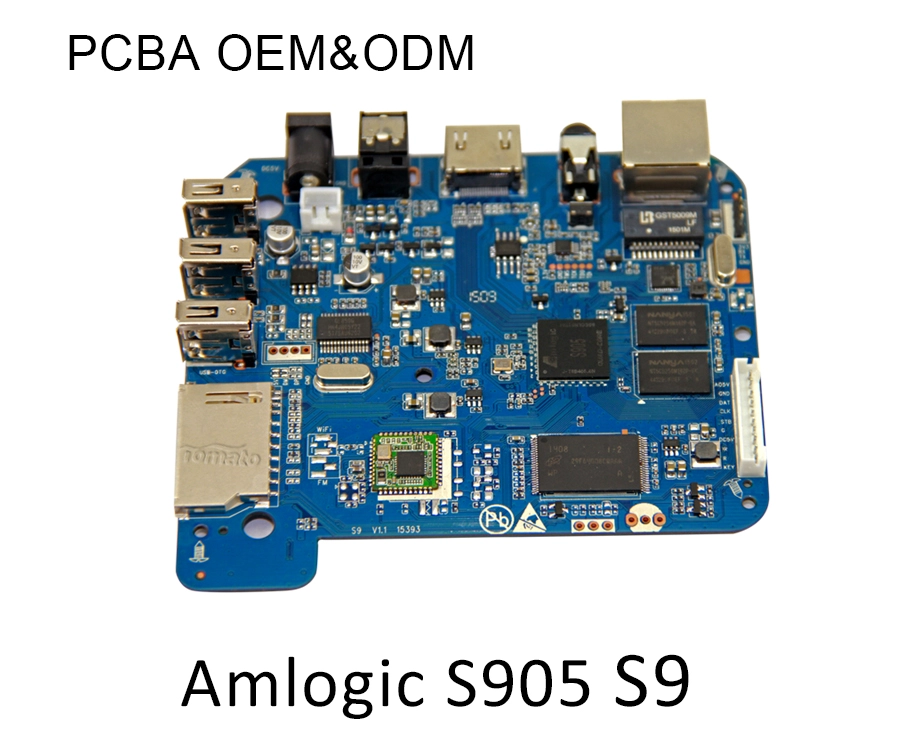
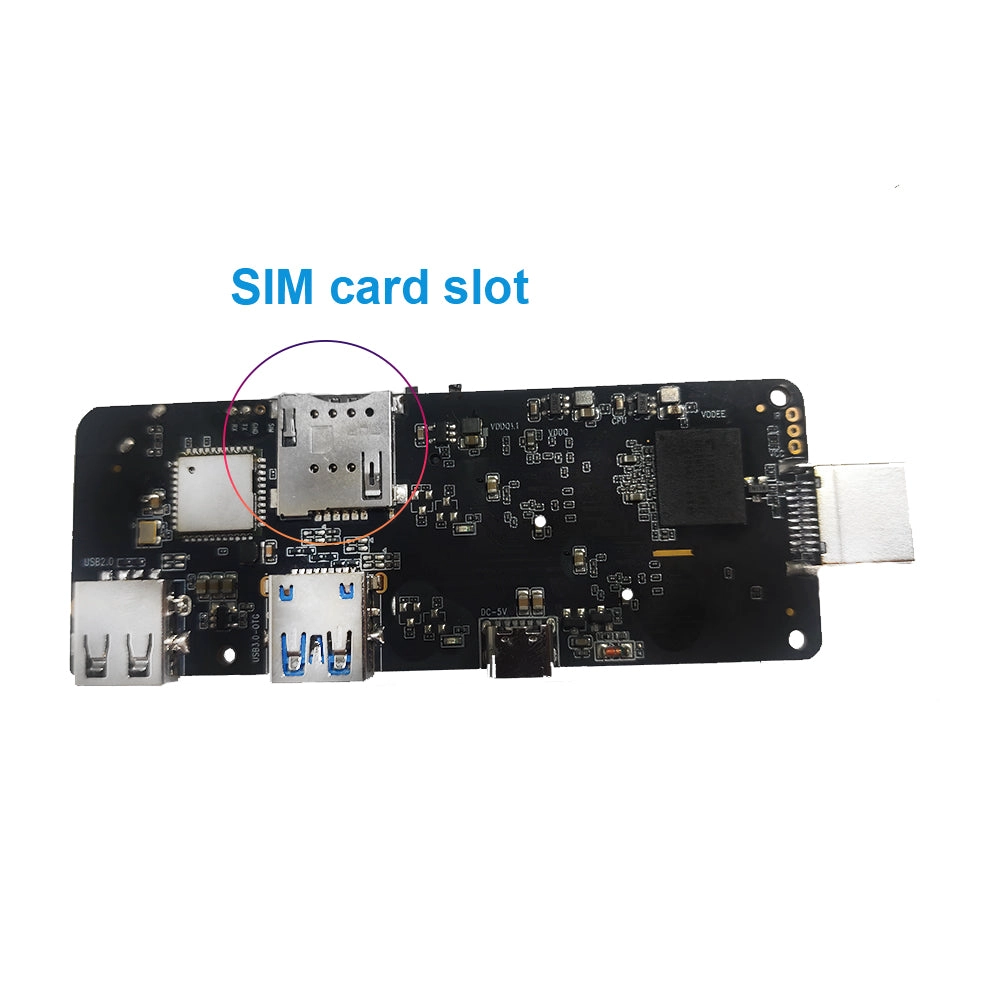
Once the SoC and system requirements are defined, the next stage is hardware engineering. The PCBA determines how the processor, memory, power supply, connectivity, and peripheral interfaces work together.
A reference design can accelerate development, but a production-ready TV Box still requires validation against the target enclosure, operating environment, and interface requirements.
Develop the PCBA layout
The PCB layout must account for signal integrity, power delivery, electromagnetic compatibility, thermal behavior, and manufacturing constraints.
Important design areas include:
Power management. The power architecture must supply stable voltage and current to the SoC, RAM, storage, wireless module, and connected peripherals. Power sequencing and transient response should be validated under startup, peak decoding, and peripheral-load conditions.
High-speed signal routing. DDR memory, HDMI, USB 3.x, and other high-speed interfaces require appropriate routing, impedance control, return paths, and layout constraints. Poor implementation can cause intermittent failures that are difficult to reproduce during basic functional testing.
Wireless and Ethernet connectivity. Antenna placement, RF interference, shielding, Ethernet controller selection, and enclosure materials can affect connectivity. Wireless performance should be measured in the final enclosure rather than assessed solely from module specifications.
Expansion interfaces. Commercial projects may require additional USB ports, serial communication, GPIO, storage, or specialized peripheral connections. These interfaces should be included in the initial architecture instead of added through improvised modifications late in development.
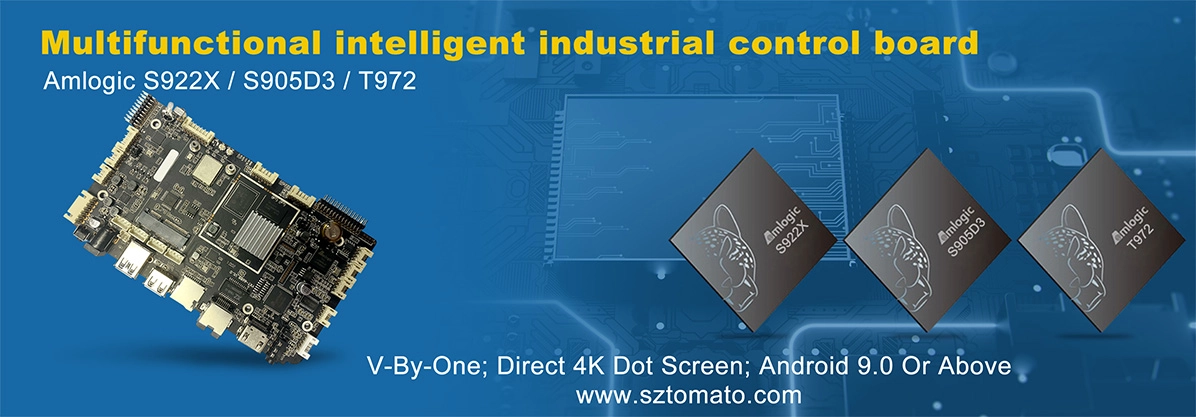
PCBA hardware modification is particularly valuable when a standard reference design cannot meet the project's interface, mechanical, power, or performance requirements.
Engineer the enclosure and cooling system
Thermal management should be addressed before the mechanical design is finalized.
A TV Box can operate normally during a short demonstration but throttle under sustained video decoding, intensive application use, or continuous commercial playback. Temperature increases can reduce performance and place additional stress on components.
The engineering process should include:
-
Measuring power consumption across representative workloads.
-
Identifying heat-generating components and thermal bottlenecks.
-
Evaluating heat spreading through the PCB and enclosure.
-
Testing ventilation and airflow under realistic installation conditions.
-
Verifying sustained performance at the specified ambient temperature.
For industrial or continuously operated devices, specialized cooling solutions may be required. Depending on the design, these can include improved heat spreaders, optimized enclosure geometry, thermal interface materials, or active cooling.
Cooling decisions should follow measured thermal requirements. Adding a fan without considering dust, acoustics, reliability, and enclosure design can create new maintenance problems.
Validate HDMI and HDCP requirements
HDMI output must be tested with the intended displays, cables, refresh rates, and audio configurations.
For protected streaming content, HDCP compatibility is also important. The source device, display, and any intermediate equipment must support the required protection scheme. A successful HDMI connection does not prove that a protected streaming service will authorize playback at its expected resolution.
The project team should validate the complete playback chain, including supported HDR formats, audio passthrough, display negotiation, and the relevant content-service certification requirements.
3. Develop and Optimize the Android or Linux Firmware
Hardware alone does not make a commercially viable TV Box. Firmware determines how the device boots, manages memory, communicates with peripherals, handles applications, and receives updates throughout its service life.
For OEM/ODM products, software customization should be planned alongside the hardware architecture.
Build the operating system and BSP
The board support package connects the operating system to the selected SoC and peripheral hardware. It typically includes kernel components, device drivers, bootloader configuration, hardware abstraction layers, and platform-specific libraries.
Android projects may require work on:
-
Linux kernel and device-driver compatibility.
-
Hardware acceleration for video and graphics.
-
Audio routing and HDMI behavior.
-
Wi-Fi, Bluetooth, Ethernet, and USB integration.
-
Memory allocation and application startup.
-
System services, permissions, and security configuration.
-
Power management, suspend behavior, and recovery.
Linux-based products require a corresponding review of kernel support, graphics and media frameworks, application dependencies, and system-update mechanisms.
Kernel optimization should be driven by measurable problems. Examples include excessive boot time, memory pressure, driver instability, inefficient power management, or dropped frames during sustained playback.
Changing the kernel or system configuration without a defined test plan can introduce regressions. Each modification should be validated against the actual hardware revision and application workload.
Customize the user interface and integrate applications
A branded TV Box often requires a different experience from a standard development board or generic retail device.
Custom UI/UX firmware can support branded launchers, simplified navigation, preconfigured applications, restricted settings, startup behavior, and application-specific workflows.
SDK/API integration enables the TV Box to communicate with external systems. Depending on the project, this may include:
-
IPTV middleware and subscriber-management platforms.
-
Hotel property-management systems.
-
Digital signage content-management systems.
-
Device enrollment and remote configuration services.
-
Monitoring, diagnostics, and fleet-management platforms.
The implementation must account for API authentication, error handling, version compatibility, network interruptions, and recovery behavior.
Streaming applications also have their own certification and content-protection requirements. A custom Android build does not automatically provide Google certification, Netflix authorization, DRM credentials, or permission to distribute protected applications. These requirements must be confirmed separately for the intended market and service.
Implement a reliable OTA update system
An over-the-air update system is essential for products that must remain maintainable after deployment.
A production OTA architecture should address:
-
Firmware package authentication and integrity verification.
-
Secure transport and access control.
-
Compatibility checks for hardware and software versions.
-
Staged rollouts and deployment monitoring.
-
Power-loss and network-interruption handling.
-
Recovery from failed updates.
-
Rollback or fallback mechanisms where supported.
-
Release tracking and diagnostic information.
Updates should be tested against representative production hardware, including different memory and storage configurations where applicable.
For telecom and commercial deployments, the update process should also support controlled release schedules. A fleet-wide firmware change should not be deployed without sufficient validation, monitoring, and a recovery plan.
4. Test, Certify, and Prepare the TV Box for Mass Production
A prototype demonstrates feasibility. It does not establish production readiness.
Before mass production, the development team must verify that the TV Box meets its functional, performance, environmental, regulatory, and reliability requirements.
Build a structured validation plan
The test plan should cover the complete system rather than checking whether the device powers on.
| Test category | What to verify |
|---|---|
| Functional testing | Boot, remote control, ports, network, audio, video |
| Video testing | Supported codecs, resolutions, frame rates, HDR, sustained playback |
| Connectivity | Wi-Fi throughput, Ethernet stability, Bluetooth, USB compatibility |
| Performance | Boot time, application launch, memory use, sustained workload |
| Thermal testing | Temperature rise, throttling, enclosure performance |
| Firmware testing | OTA installation, recovery, security updates, configuration retention |
| Compatibility | Displays, HDMI cables, peripherals, target applications |
| Manufacturing testing | Assembly quality, power consumption, interfaces, test coverage |
The exact test scope depends on the product specification and intended market.
For commercial devices, long-duration playback and repeated power-cycle testing can help identify problems that short bench tests miss. Environmental testing should follow the operating conditions defined for the product.
Establish certification and compliance requirements
Regulatory requirements depend on the destination market, wireless functionality, power supply, and product configuration.
A project may require applicable electromagnetic compatibility, electrical safety, radio, environmental, and restricted-substance compliance assessments. Requirements should be confirmed with qualified laboratories and regulatory specialists before production commitments are made.
If the product is intended for certified streaming platforms, platform approval and content-service authorization must be treated as additional workstreams.
Certification planning should begin early because changes to antennas, PCBA layouts, power supplies, enclosures, or wireless modules may affect test results and project schedules.
Prepare the production line and quality controls
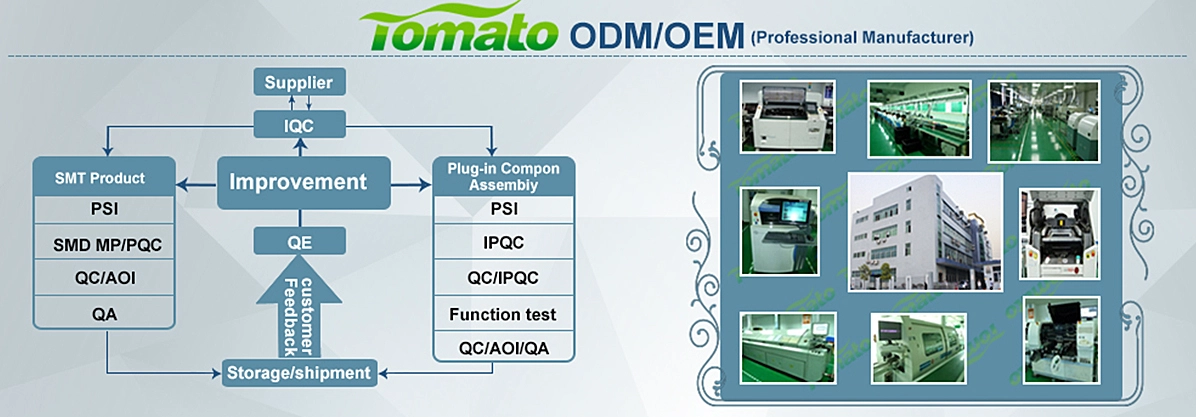
A stable manufacturing process requires repeatable assembly, documented inspection criteria, and traceable test results.
Typical controls include:
-
Incoming inspection of critical components.
-
PCB assembly and soldering quality checks.
-
Verification of memory and storage configurations.
-
Automated firmware loading and version verification.
-
Functional testing of network, HDMI, USB, and audio interfaces.
-
Final inspection of the enclosure and accessories.
-
Serial-number and production-batch traceability.
-
Defined procedures for failure analysis and corrective action.
Pilot production is an important checkpoint. It helps expose assembly variation, component substitutions, test-fixture limitations, and firmware issues before large orders are released.
Engineering changes should be controlled through documented hardware revisions, approved component lists, firmware version records, and regression testing. Without this discipline, two devices sold under the same product name may behave differently because of undocumented changes.
How SZTomato Supports TV Box OEM/ODM Development
For B2B buyers, developing a TV Box is a coordinated product-engineering project, not simply a component-purchasing exercise.
SZTomato supports TV Box OEM/ODM projects for brand owners, wholesalers, telecom operators, IPTV providers, and system integrators. The development scope can cover SoC platform selection, PCBA hardware modification, customized interfaces, Android or Linux firmware, custom UI/UX, SDK/API integration, OTA update systems, and specialized cooling solutions for industrial use.
The right approach depends on the target application. A standard reference platform may be sufficient for a straightforward streaming product, while a commercial deployment may require custom hardware, deeper firmware integration, or a more controlled update and maintenance strategy.
Before requesting a quotation, B2B procurement managers should prepare a technical brief covering the intended application, target market, operating system, video requirements, memory and storage configuration, network interfaces, enclosure constraints, certification requirements, customization scope, estimated order quantity, and expected product lifecycle.
This information allows the engineering team to assess feasibility, identify design risks, define validation requirements, and establish a more realistic development plan.
If you are planning to launch a branded TV Box or develop a customized IPTV or commercial media platform, contact SZTomato at www.sztomato.com to discuss your OEM/ODM project. A well-defined hardware and firmware architecture is the foundation for reliable mass production and long-term product support.
