
Is a Android TV Box the same as a Firestick?
Amazon’s aggressive migration away from Android-based Fire OS toward its proprietary Linux-based Vega OS across its 2025–2026 Fire TV Stick lineup has severed the last remaining architectural overlap between Amazon streaming sticks and commercial Android TV Boxes. For B2B procurement managers, telecom operators, and digital signage integrators, treating these two hardware classes as interchangeable leads directly to broken APK dependencies, thermal throttling, and unmanageable device fleets.
An Android TV Box and a Firestick are not the same—neither at the silicon and thermal enclosure level, nor within the operating system kernel.
1. OS Architecture: Open AOSP/Android TV vs. Locked Fire OS & Vega OS
Historically, older Fire TV Sticks ran Fire OS—a heavily forked, locked-down derivative of Android Open Source Project (AOSP). Newer Fire TV Stick generations (including the Fire TV Stick 4K 3rd Gen and Fire TV Stick HD) run Vega OS, a closed Linux distribution that natively rejects standard .apk packages in favor of Amazon’s proprietary .vpkg format and eliminates traditional USB/network sideloading.
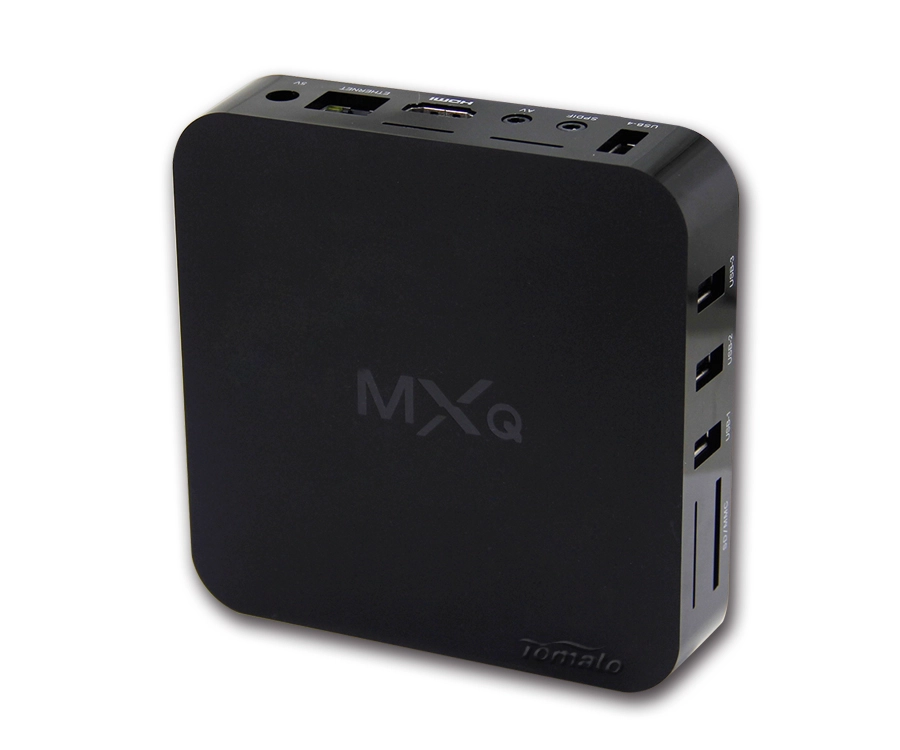
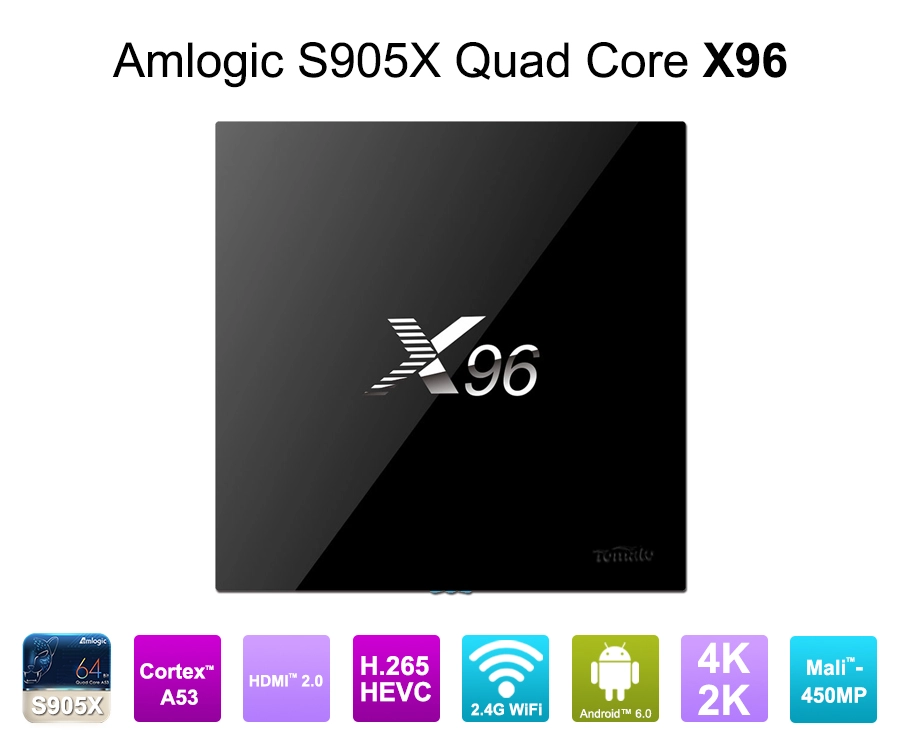
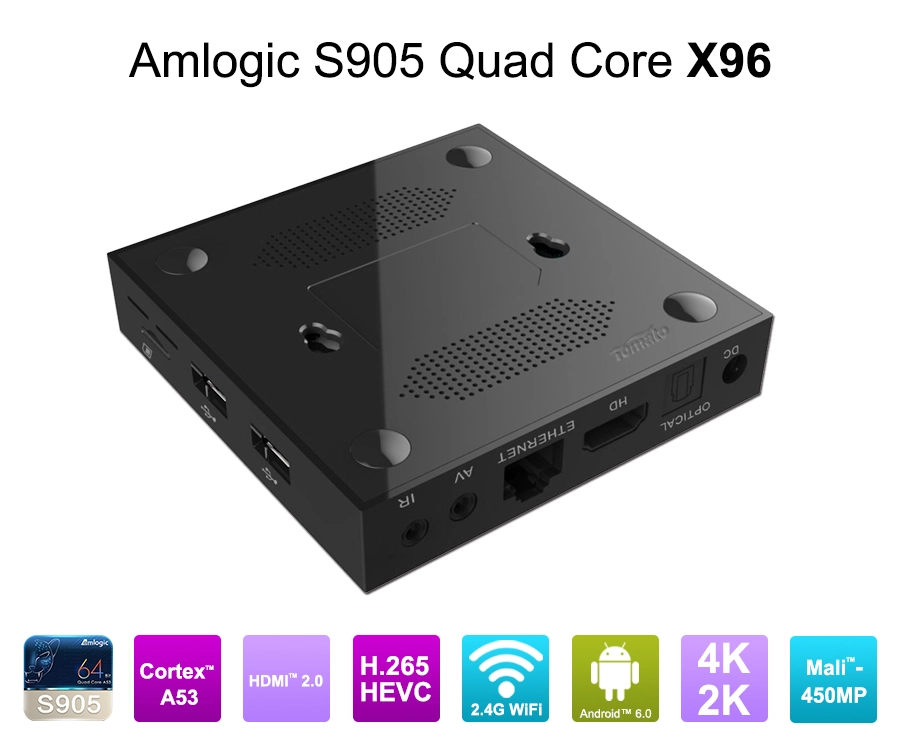
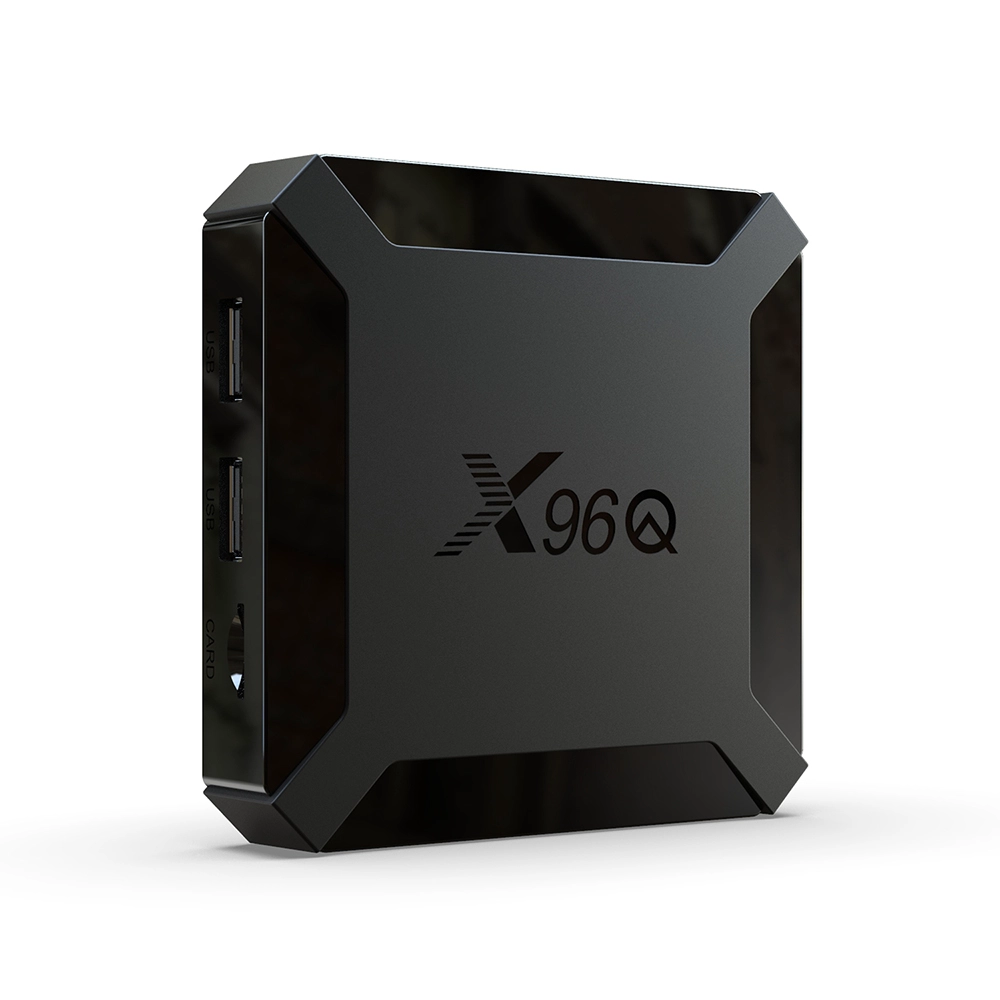
A commercial Android TV Box operates on standard Android TV or unencumbered AOSP, granting enterprise developers direct access to the underlying framework:
-
Full Kernel & Root Control: B2B deployments require system-level permissions that retail sticks block. On an OEM Android TV Box, firmware engineers compile custom Linux kernels, configure SELinux policies, and expose root-level APIs so proprietary enterprise applications execute without user permission prompts.
-
Custom UI/UX Firmware & Kiosk Lockdown: Consumer Firesticks force users through ad-heavy Amazon home screens and interrupt continuous playback with idle timeouts ("Still watching?" prompts) after power cycles. Commercial Android builds strip out consumer launchers entirely, modifying init.rc scripts to boot directly into a locked single-app Kiosk Mode with disabled navigation bars.
-
Independent OTA Update Systems: Amazon pushes mandatory firmware updates across its retail fleet on its own schedule, frequently breaking third-party signage or IPTV software. ODM Android hardware utilizes dedicated, private Over-The-Air (OTA) servers, allowing system integrators to test, stage, and deploy differential firmware patches to specific MAC address groups.
2. Hardware & Thermal Engineering: Dongle Form Factor vs. Industrial PCBA
The physical constraints of a thumb-sized HDMI dongle dictate severe compromises in power delivery, heat dissipation, and I/O connectivity.
| Architectural Dimension | Amazon Fire TV Stick (Retail Dongle) | Commercial OEM Android TV Box |
|---|---|---|
| Operating System | Vega OS (Linux) or locked Fire OS | Open AOSP / Custom Android TV |
| App Deployment | Amazon Appstore / .vpkg only (no standard APKs) | Native .apk support, silent remote installation |
| Thermal Design | Sealed plastic shell; throttles behind warm displays | Extruded aluminum chassis with SoC thermal bridging |
| Network & I/O | Wi-Fi only (requires external adapter for LAN) | Native RJ45 Gigabit LAN, USB 3.0, RS232, PoE, GPIO |
| Power & Boot Logic | Often stalls on home screen after power outage | Hardware auto-power-on (AC restore) + Watchdog daemon |
| DRM & Encryption | Fixed retail Widevine / HDCP configuration | Custom Widevine L1, PlayReady, HDCP 2.2/2.3 provisioning |
Thermal Throttling Under 24/7 Workloads
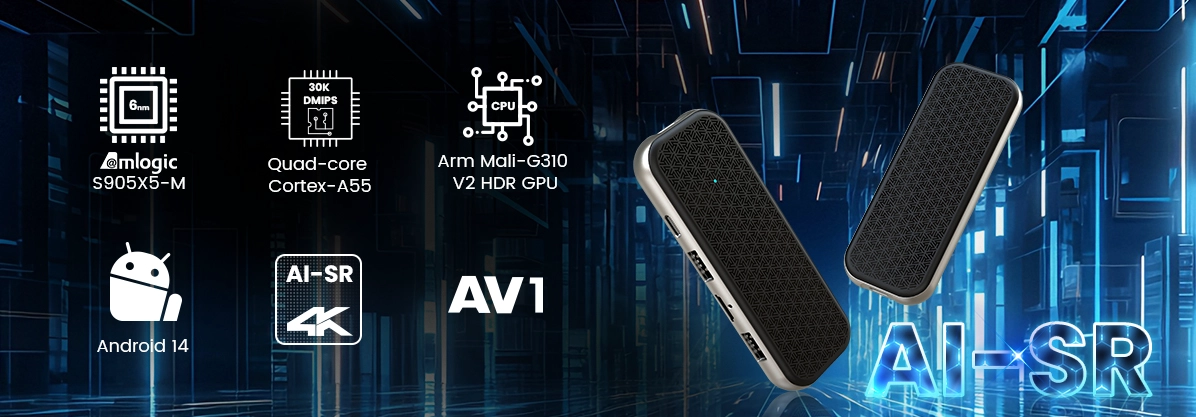
Plugged directly into the rear HDMI port of a commercial display, a Firestick absorbs radiant heat from the panel’s power supply while decoding 4K AV1 or H.265 streams. Lacking thermal mass or airflow, the SoC rapidly hits thermal junction limits and throttles CPU/GPU clock speeds, causing frame drops and system crashes. Commercial Android TV Boxes utilize ventilated or CNC-machined aluminum housings paired with high-conductivity thermal pads linking the Amlogic or Rockchip SoC directly to the exterior heatsink.
PCBA Hardware Modification
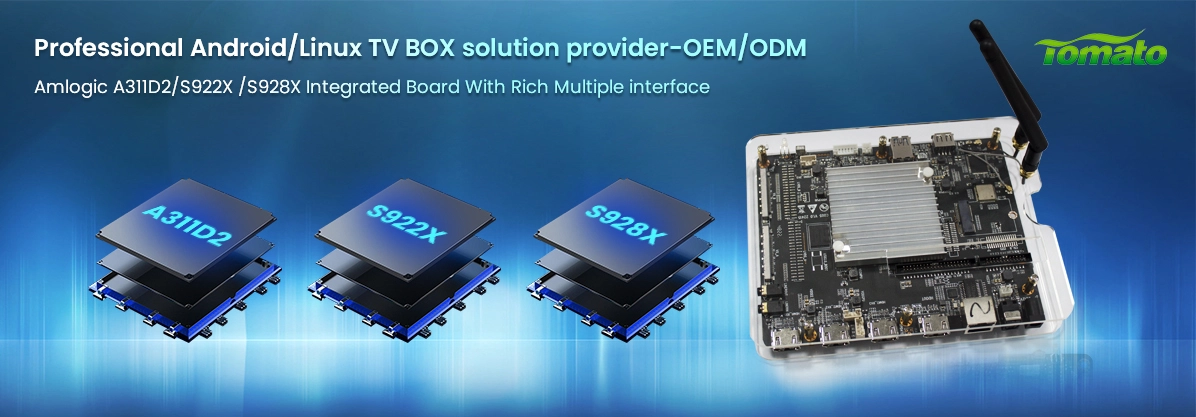
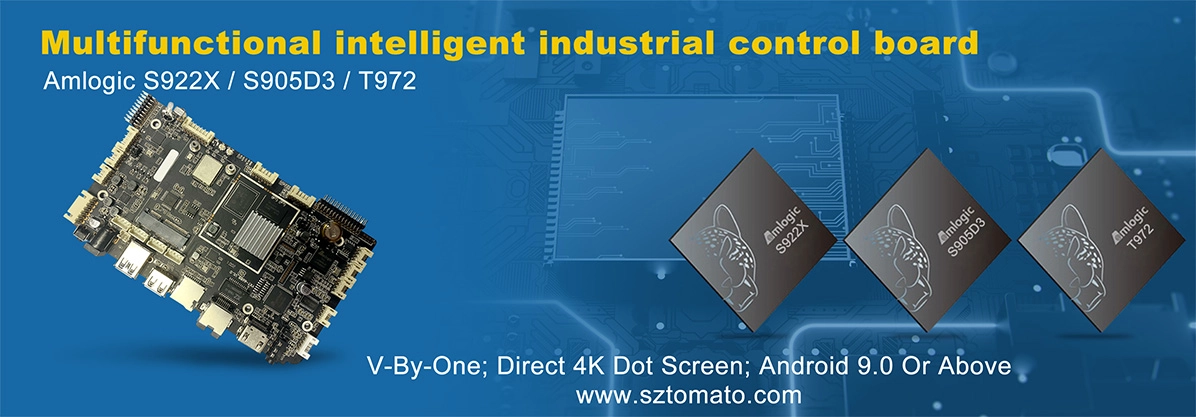
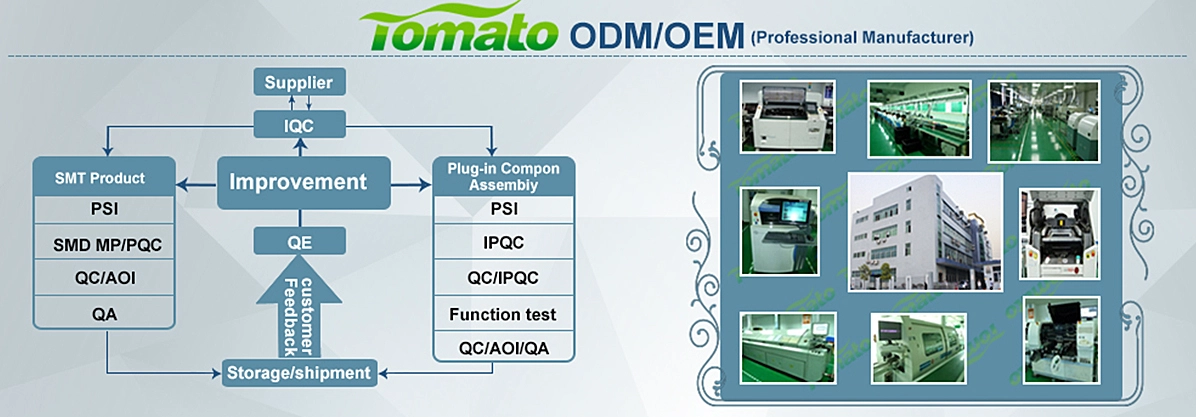
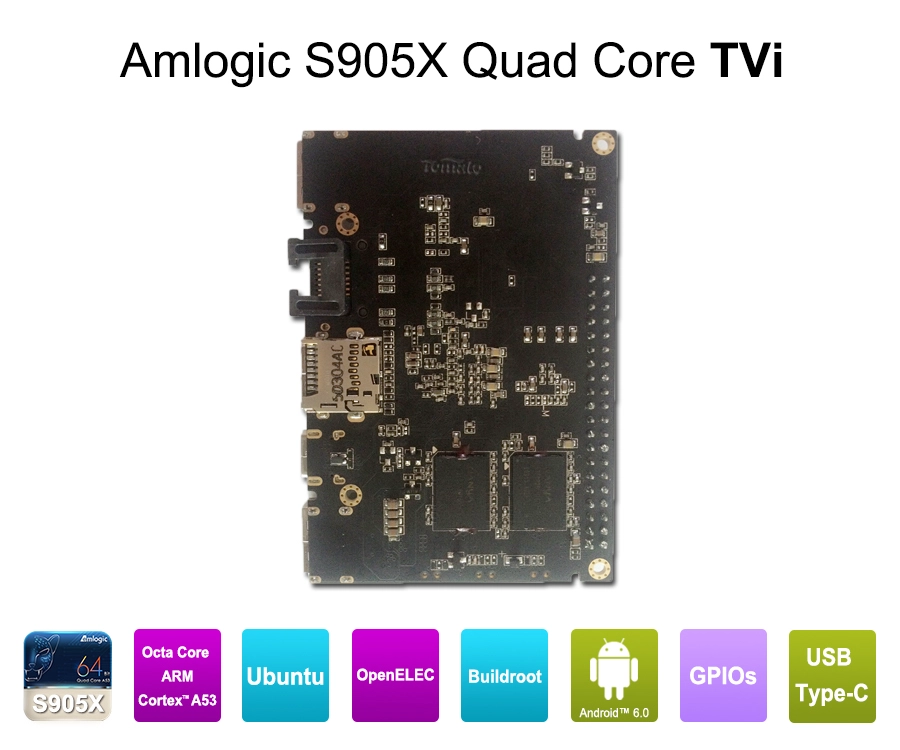
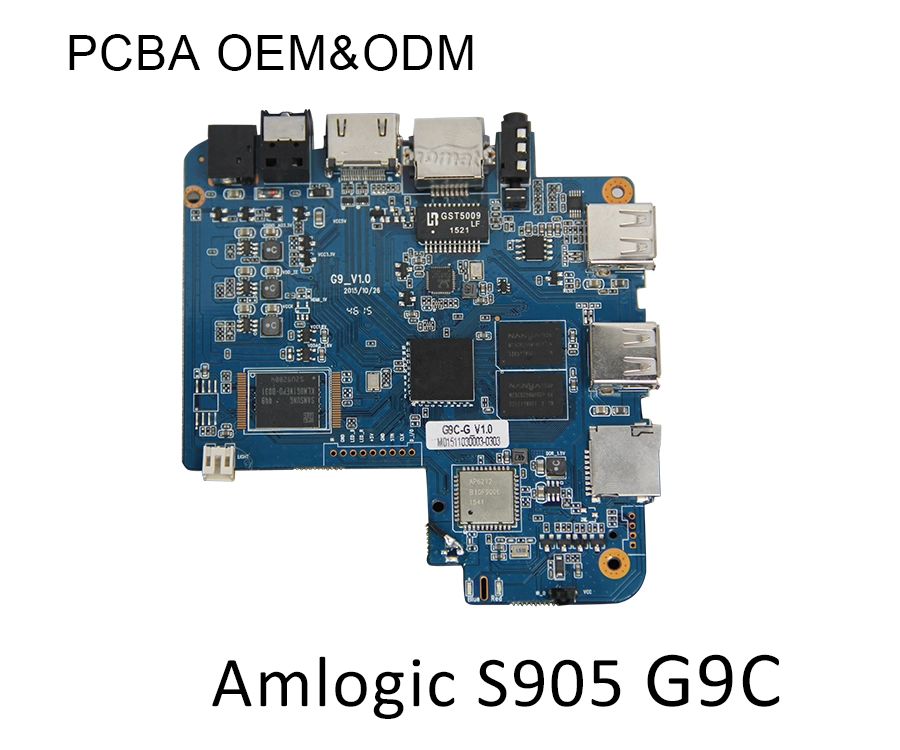
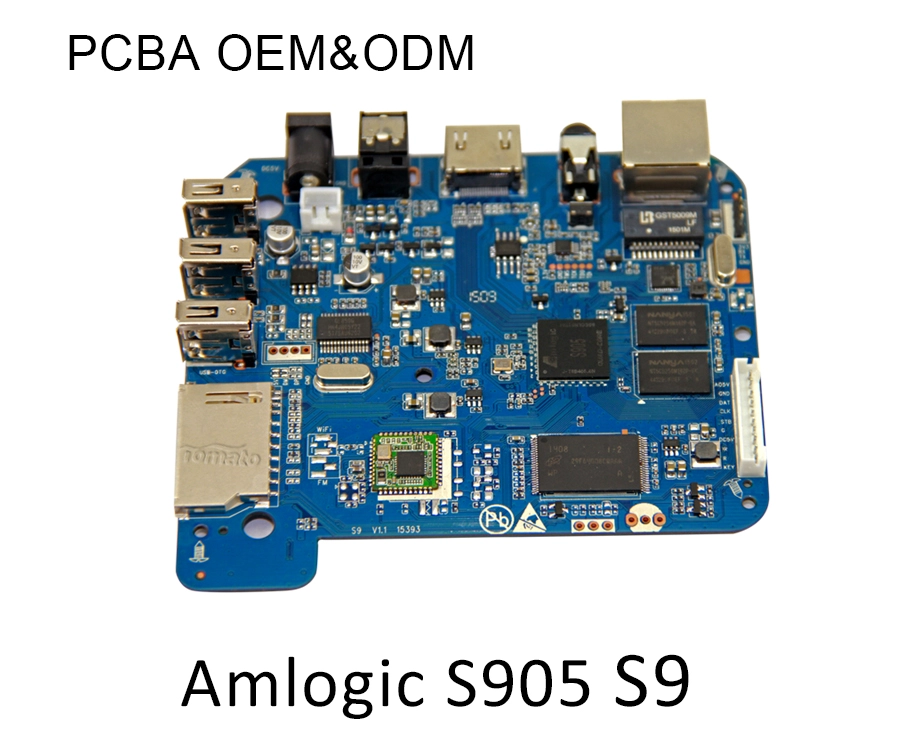
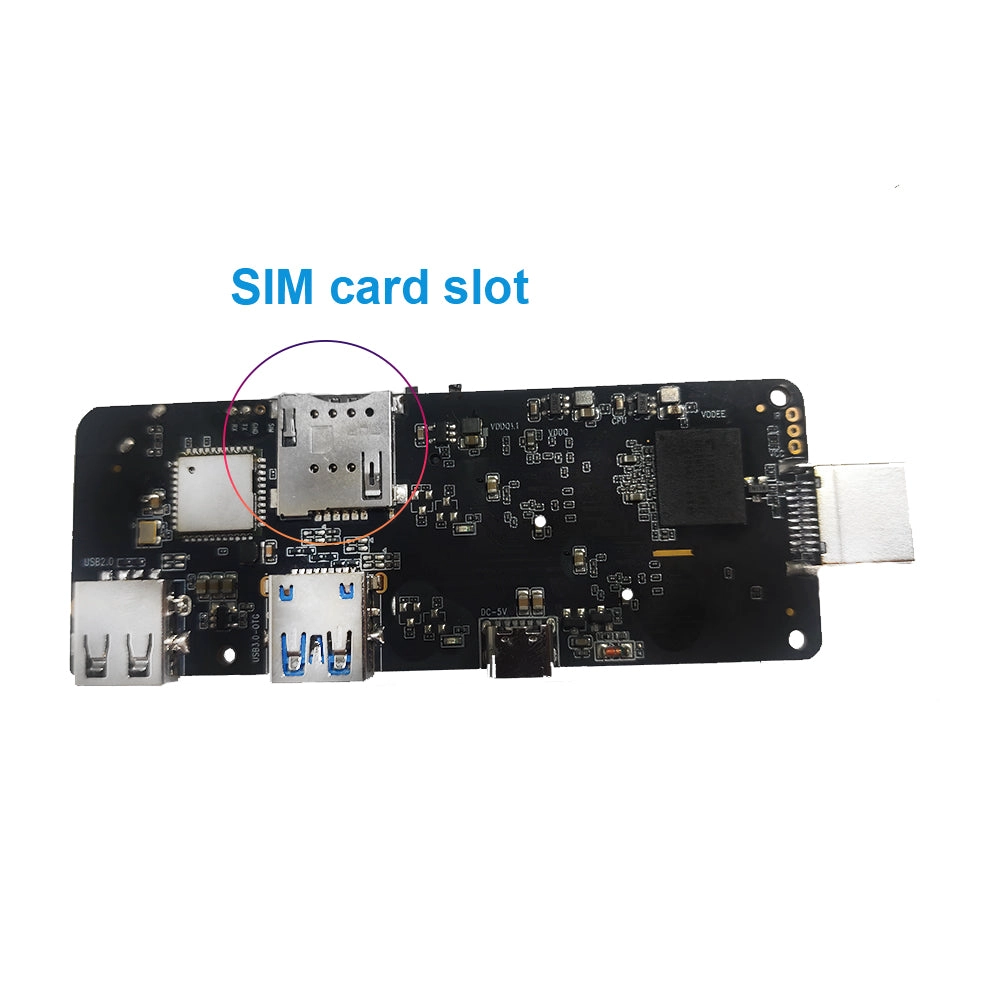
Retail streaming sticks offer zero hardware extensibility. In contrast, engineering-driven ODMs like SZTomato modify the Printed Circuit Board Assembly (PCBA) to match exact project schematics:
-
Wired Redundancy: Integrating native 100M/1000M RJ45 Ethernet ports and Power over Ethernet (PoE) modules eliminates Wi-Fi interference in high-density commercial venues like airports, hospitals, and retail malls.
-
Industrial Control Interfaces: Adding UART/RS232 serial ports, dual HDMI outputs for multi-screen video walls, and internal M.2 NVMe storage slots for offline local media caching.
3. Solving B2B Deployment Bottlenecks with Custom SDK/API Integration
For enterprises managing thousands of endpoints, hardware is only viable if it integrates programmatically into existing Mobile Device Management (MDM) or Content Management Systems (CMS).
Consumer Firesticks lack exposed system-level APIs for hardware telemetry. SZTomato’s OEM Android TV Box architecture bridges this gap by embedding a proprietary Java/Kotlin SDK and RESTful API layer directly into the firmware image. System integrators gain remote programmatic control over:
-
Hardware Watchdog & RTC Scheduling: Configuring Real-Time Clock (RTC) wake/sleep timers and hardware watchdog circuits that automatically power-cycle the board if an application thread hangs.
-
Display & Peripheral Management: Sending native HDMI-CEC commands to power connected commercial monitors on or off, rotating screen orientation at the framebuffer level (0°, 90°, 180°, 270°), and capturing live screen diagnostics.
-
BOM & Supply Chain Stability: Consumer sticks undergo silent internal hardware revisions—swapping Wi-Fi chipsets or NAND flash vendors mid-production—which invalidates enterprise software certifications. OEM manufacturing locks the Bill of Materials (BOM) across multi-year deployment cycles.
Engineer Your Next Commercial Deployment
Relying on retail streaming sticks for commercial digital signage, hospitality IPTV, or enterprise edge computing introduces unacceptable field maintenance costs and OS lock-in risks.
Contact SZTomato’s hardware and firmware engineering team at www.sztomato.com to review our Amlogic and Rockchip PCBA specifications, request SDK documentation, or initiate an OEM/ODM sample build tailored to your deployment environment.
