
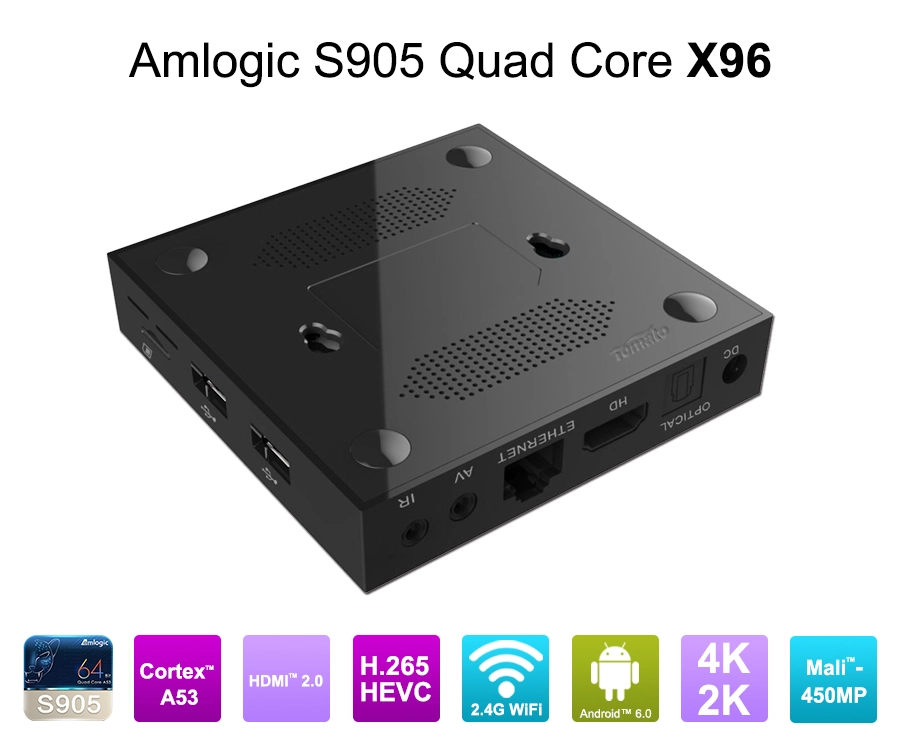
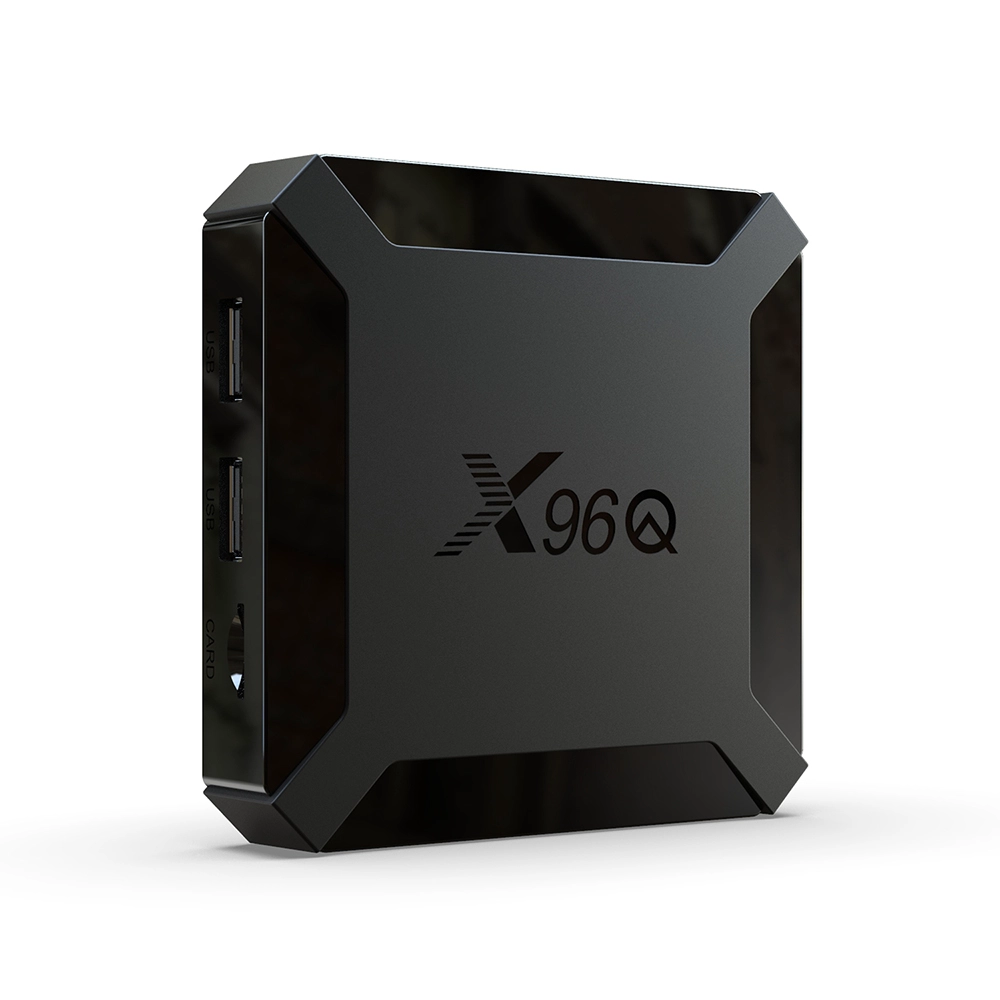
Can an Android TV Box Be Customized for OEM Projects?
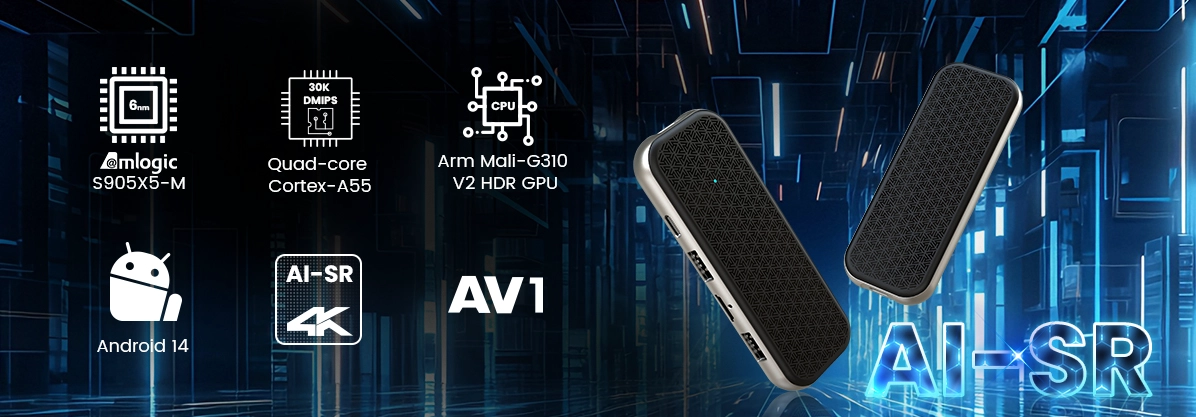
The rapid transition from H.265 (HEVC) to hardware-decoded AV1 video streams—coupled with the processing demands of Amlogic S905X4, S928X, and Rockchip RK3588 SoCs—has exposed a critical flaw in B2B hardware procurement: consumer retail devices fail under commercial workloads.
When system integrators deploy standard retail boxes for digital signage, hospital infotainment, or hospitality IPTV, they immediately encounter thermal throttling, bloated consumer launchers, lack of root access, and unauthorized Google Play Store dependencies. True commercial deployment requires an OEM/ODM engineering approach where the Android TV Box is built from the silicon and PCB up to match exact operational parameters.
1. Hardware-Level Customization: PCBA Layout and Industrial I/O
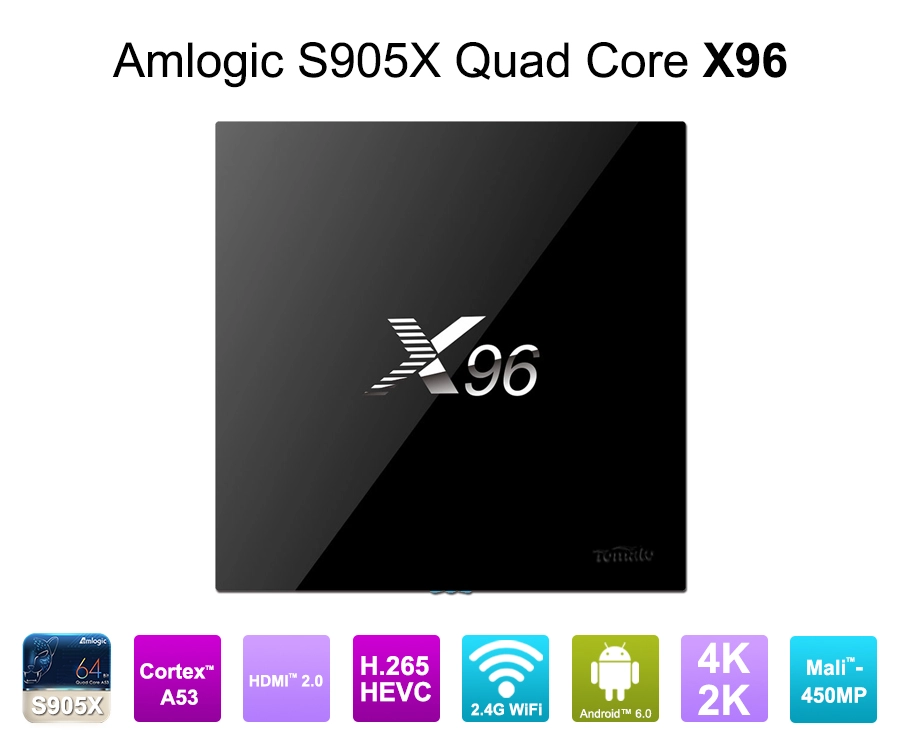
Standard retail media players are cost-engineered for living rooms, relying on compact plastic enclosures and minimal port configurations. For industrial and commercial applications, off-the-shelf motherboards rarely survive continuous 24/7 duty cycles.
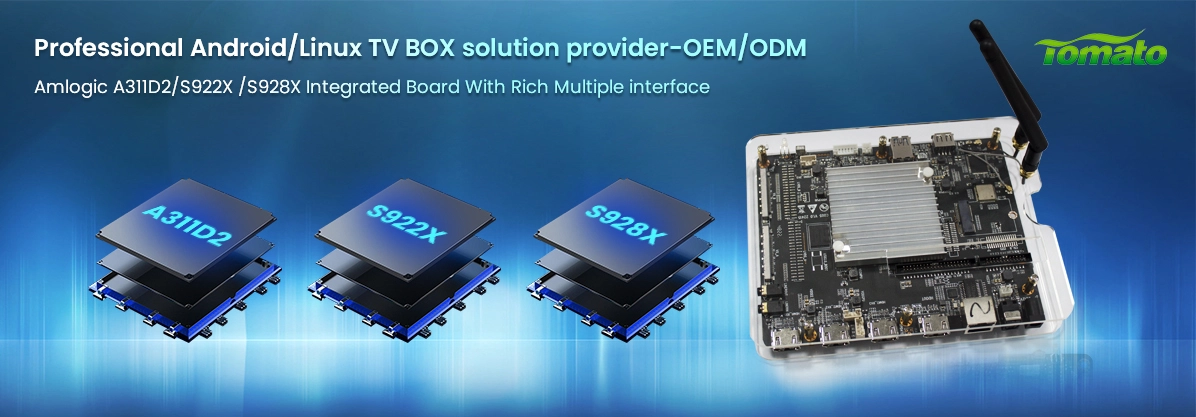
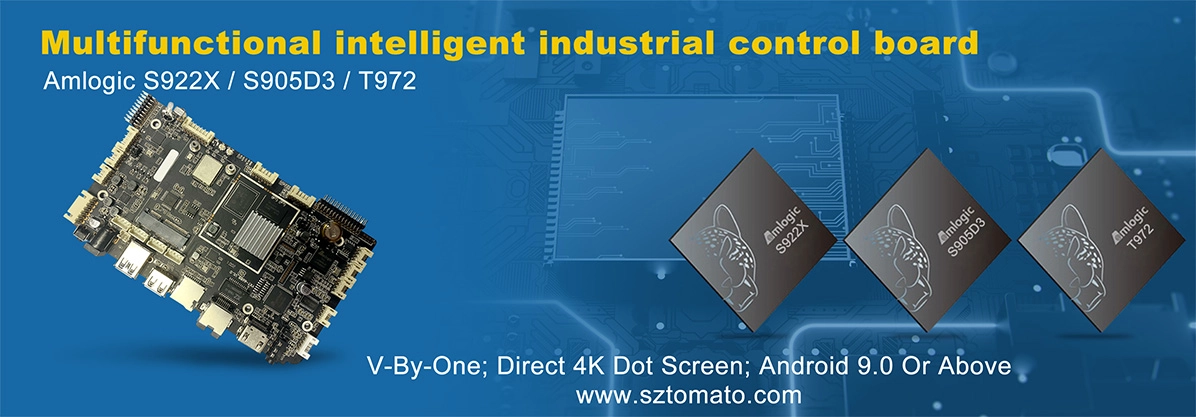
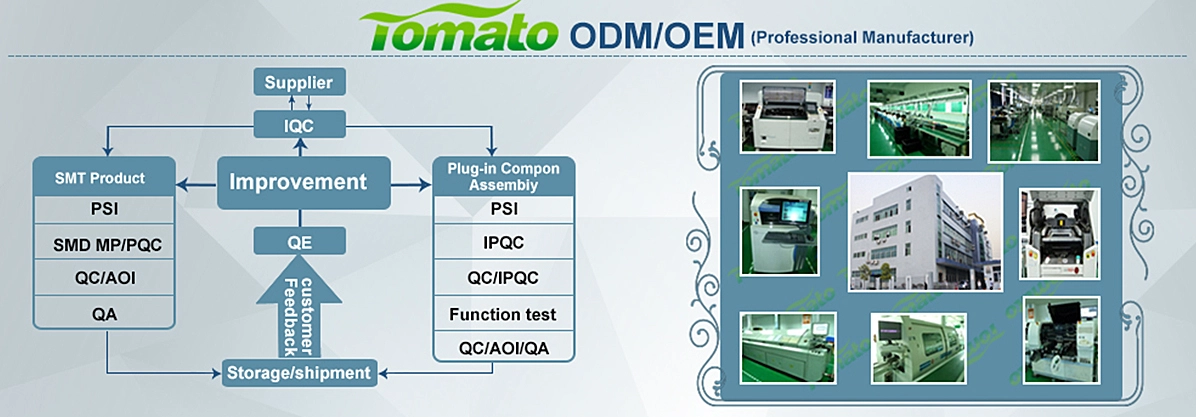
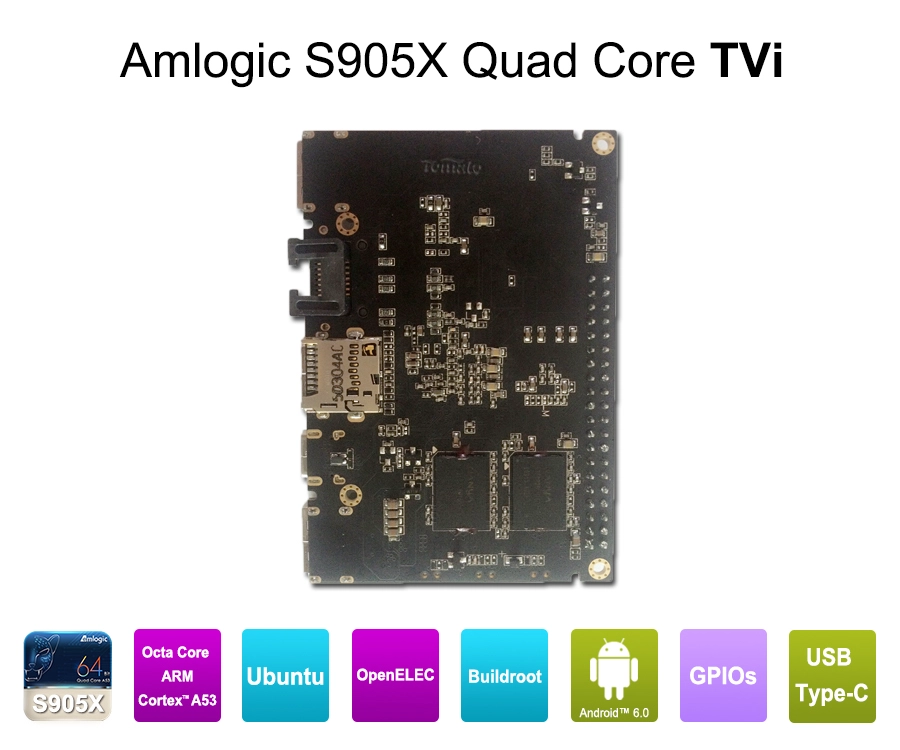
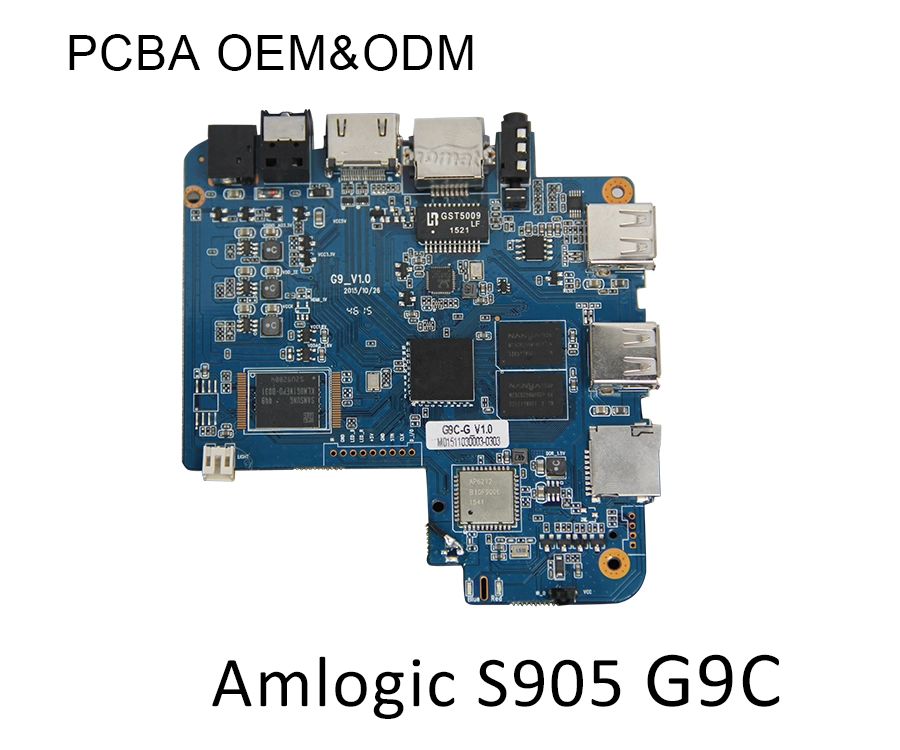
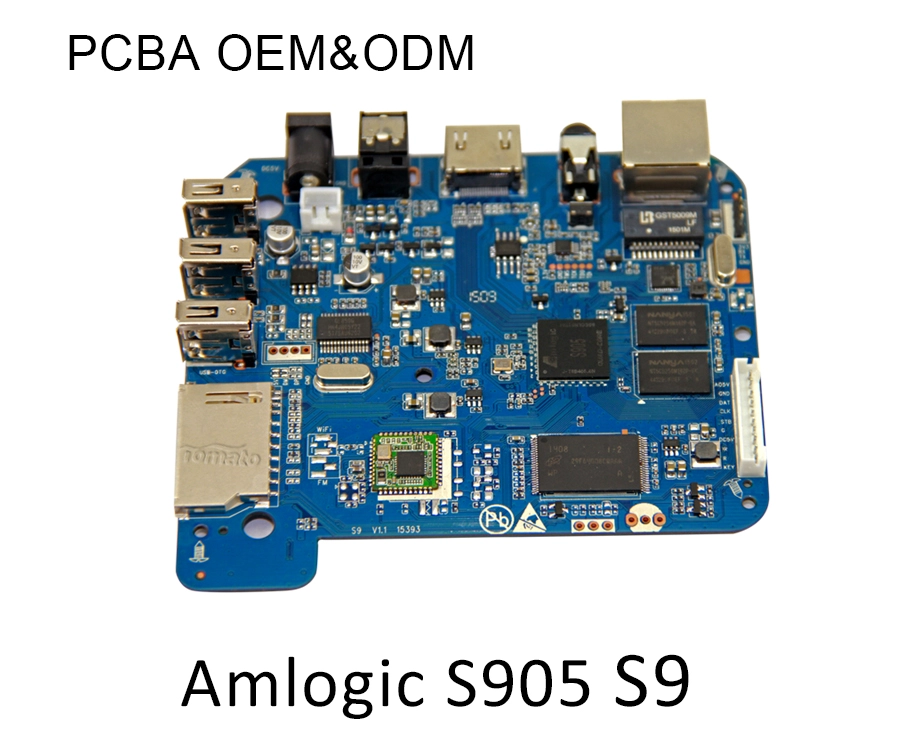
At SZTomato, OEM hardware engineering begins at the Printed Circuit Board Assembly (PCBA) level:
-
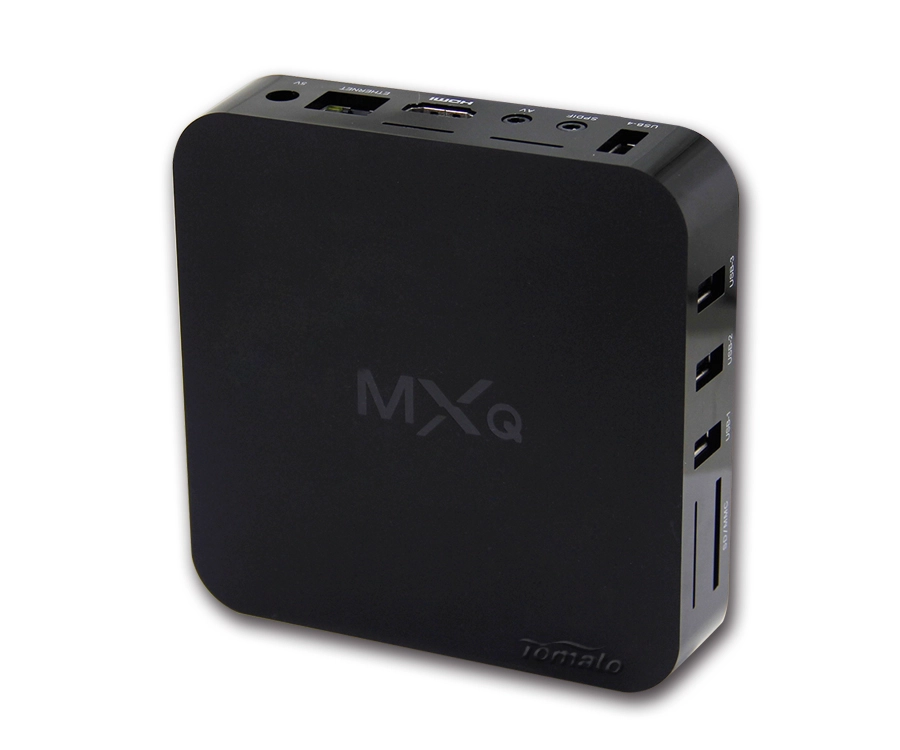
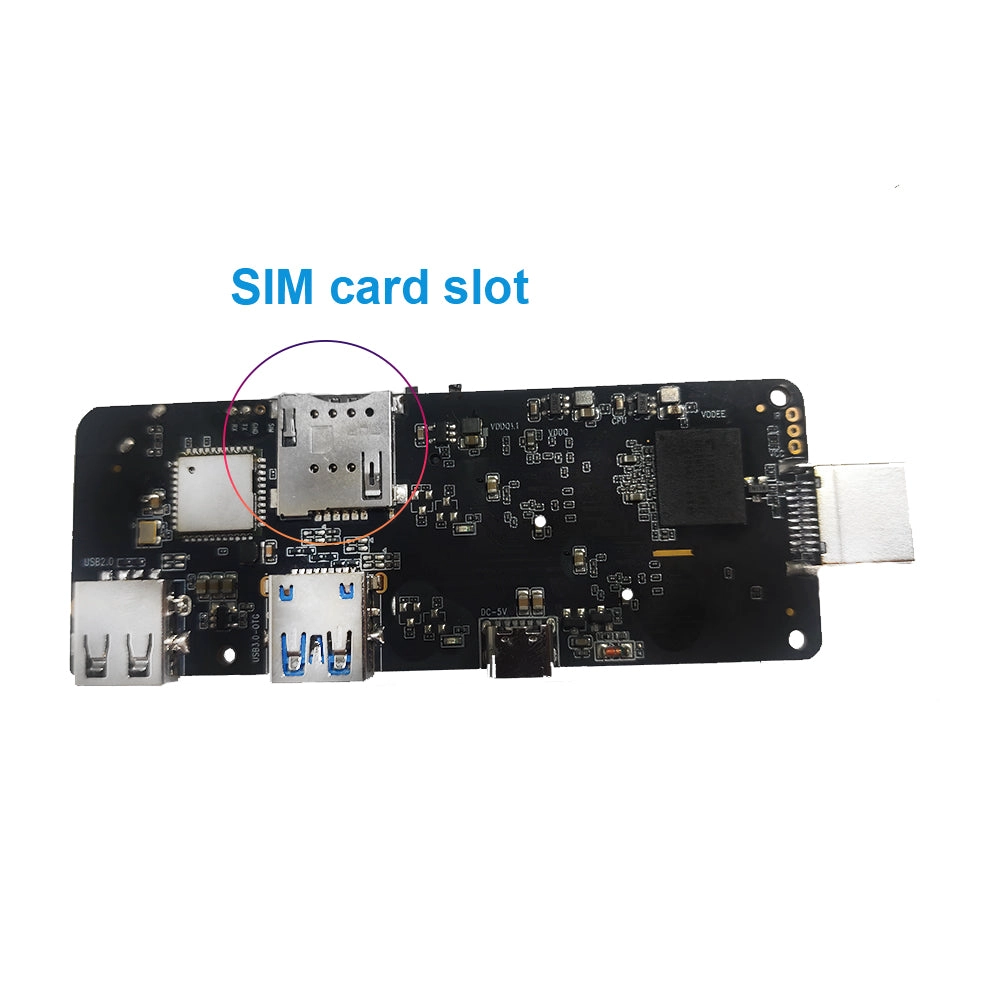
Custom I/O & Interface Expansion: Commercial installations require legacy and industrial connectivity. Custom PCBA layouts integrate RS232/RS485 serial ports for external display control, PoE (Power over Ethernet) modules to eliminate external AC adapters, dual-band Wi-Fi 6/6E with external high-gain SMA antennas, and dual RJ45 Gigabit Ethernet ports for network redundancy.
-
Thermal Dissipation & Enclosure Engineering: Consumer boxes trap heat, forcing the SoC to downclock and drop frames during 4K/8K playback. Industrial OEM builds utilize CNC-machined aluminum chassis acting as passive heatsinks, paired with high-conductivity thermal pads directly bridging the SoC, DDR4/LPDDR4X RAM, and eMMC flash storage to the housing.
-
Component Lifecycle Guarantee: Retail hardware changes internal Wi-Fi modules or NAND flash suppliers without notice, breaking enterprise software images. An OEM bill of materials (BOM) locks down specific IC components for 3 to 5 years, guaranteeing hardware consistency across multi-phase rollouts.
| Specification | Consumer Retail Android TV Box | SZTomato OEM Commercial Build |
| Duty Cycle Rating | 4–6 hours/day (intermittent) | 24/7/365 continuous operation |
| Thermal Management | Stamped metal plate in ABS plastic | Extruded aluminum heatsink chassis |
| I/O Interfaces | Standard HDMI, 2x USB, 1x 100M/1G LAN | Custom RS232, PoE, GPIO, Dual LAN, Dual HDMI |
| OS & Root Access | Locked bootloader, consumer bloatware | Rooted AOSP/Android TV, stripped Google services |
| Firmware Updates | Public manufacturer servers (unpredictable) | Dedicated private OTA server with version control |
2. Firmware & Kernel Optimization: Beyond Surface Branding
Swapping a wallpaper and pre-installing an APK does not constitute firmware customization. Enterprise deployments require deep modifications within the Linux kernel and Android Open Source Project (AOSP) framework to secure the device and automate workflows.
-
Boot Sequence & Kiosk Lockdown: Engineers modify the U-Boot bootloader and init.rc scripts to replace standard boot animations with client branding while simultaneously stripping out unnecessary background daemons. The system boots directly into a locked-down Kiosk Mode or custom UI/UX launcher, disabling the navigation bar, system settings, and unauthorized USB debugging.
-
DRM & Content Protection: For hospitality IPTV and OTT operators, content security is non-negotiable. Firmware engineering integrates hardware-backed Widevine Level 1 (L1) DRM, PlayReady, and HDCP 2.2/2.3 encryption protocols directly into the TrustZone execution environment, preventing stream capture and ensuring compliance with studio licensing mandates.
-
Peripheral Driver Integration: When an Android TV Box connects to commercial touchscreens, barcode scanners, or biometric readers, standard Android HID drivers often fail. Custom kernel compilation embeds specific USB/UART drivers and configures SELinux policies so external hardware communicates natively without user permission prompts.
3. SDK/API Integration and Private OTA Infrastructure
Managing 5,000 deployed media players across distributed retail locations or hotel properties cannot rely on manual USB flashing. A viable OEM hardware strategy requires programmatic device management built into the OS layer.
-
System-Level SDK & API Exposure: SZTomato provides custom Java/Kotlin SDKs and RESTful APIs that expose system-level controls to the client's proprietary software. Applications gain programmatic access to schedule hardware power on/off cycles, toggle HDMI CEC commands, monitor CPU/GPU thermal telemetry, capture remote screenshots, and execute silent APK installations.
-
Dedicated Private OTA Update Systems: Relying on public Over-The-Air (OTA) servers exposes enterprise fleets to forced OS upgrades that can break mission-critical applications. OEM deployments include a dedicated, cloud-hosted OTA management backend. Administrators push differential firmware patches, security updates, and application bundles to segmented device groups based on MAC address, serial number, or geographic region.
4. Evaluating OEM/ODM Feasibility for Your Project
When transitioning from off-the-shelf prototyping to custom production, procurement teams must align Minimum Order Quantities (MOQs) with engineering depth:
-
Tier 1: Firmware & Branding Customization (Low MOQ): Utilizes proven SZTomato reference PCBAs (e.g., Amlogic S905X4 or RK3566). Includes custom silk-screen chassis logos, retail/bulk packaging, custom boot animation, pre-installed APKs, and basic launcher lockdown.
-
Tier 2: Deep OS & OTA Architecture (Medium MOQ): Adds custom Linux kernel compilation, root permission mapping, proprietary SDK/API integration, Wi-Fi/Bluetooth MAC address pre-allocation, and private OTA server deployment.
-
Tier 3: Full ODM Hardware & PCBA Engineering (Project-Based MOQ): Involves custom schematic design, PCB layout modification for specialized I/O (PoE, RS232, M.2 NVMe expansion), custom tooling for metal/industrial enclosures, and regional compliance certifications (FCC, CE, RoHS, UL).
Partner with an Engineering-Driven ODM
Stop forcing consumer streaming sticks into mission-critical commercial environments. Whether you are scaling a global digital signage network, deploying hospitality IPTV, or building specialized edge-computing terminals, hardware stability starts at the motherboard and kernel level.
Contact SZTomato’s engineering and B2B solutions team at www.sztomato.com to request our latest Amlogic and Rockchip PCBA datasheets, review our SDK documentation, or schedule a technical consultation for your next OEM/ODM project.
