
How to choose the Best Custom Smart TV Box Manufacturer in China?
The shift from H.265/HEVC to hardware AV1 decoding, combined with the rollout of high-efficiency 6nm Armv9 processors and on-device Neural Processing Units (NPUs), has redrawn the baseline for commercial media hardware. Whether deploying an IPTV fleet for a regional telecom operator, powering multi-screen retail digital signage, or building an edge-AI hospitality gateway, supporting 4K resolution is no longer a differentiator.
Yet, a vast percentage of Shenzhen suppliers operating on B2B portals are assembly brokers—not engineering manufacturers. They purchase generic public-mold motherboards, silk-screen a client logo onto a plastic shell, and ship unoptimized consumer Android builds. When these units run 24/7 inside enclosed display cabinets or hotel racks, thermal throttling, eMMC wear-out, and HDMI handshake failures drive up field-service and RMA costs.
Evaluating a genuine Smart TV Box OEM/ODM partner in China requires auditing their capabilities across four technical disciplines: silicon architecture and PCBA modification, kernel-level firmware engineering, post-deployment OTA infrastructure, and industrial thermal design.
1. SoC Selection & PCBA Layout Modification
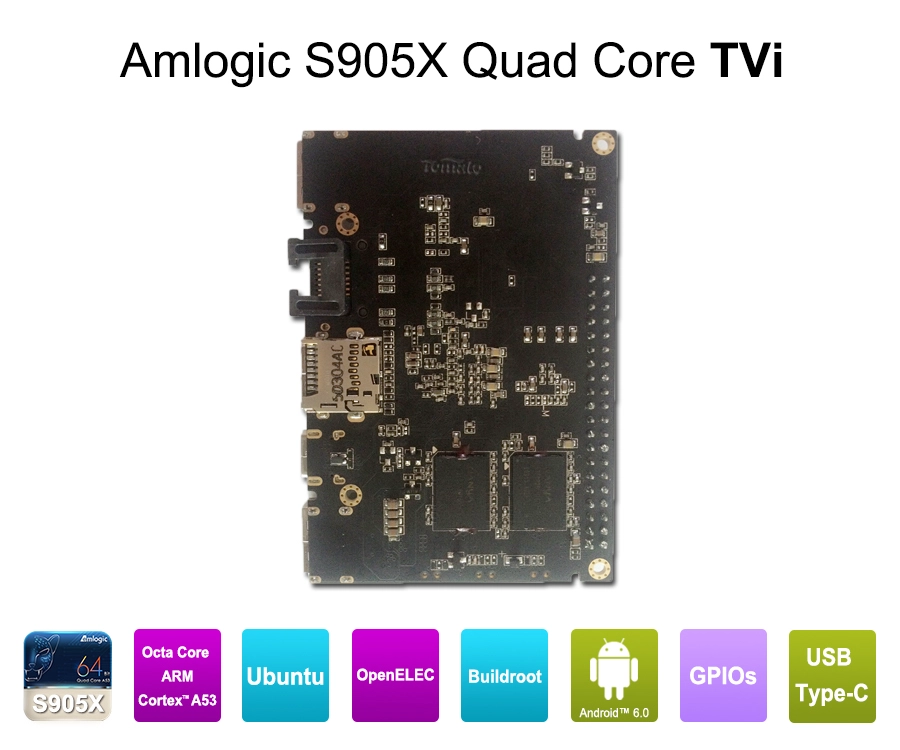
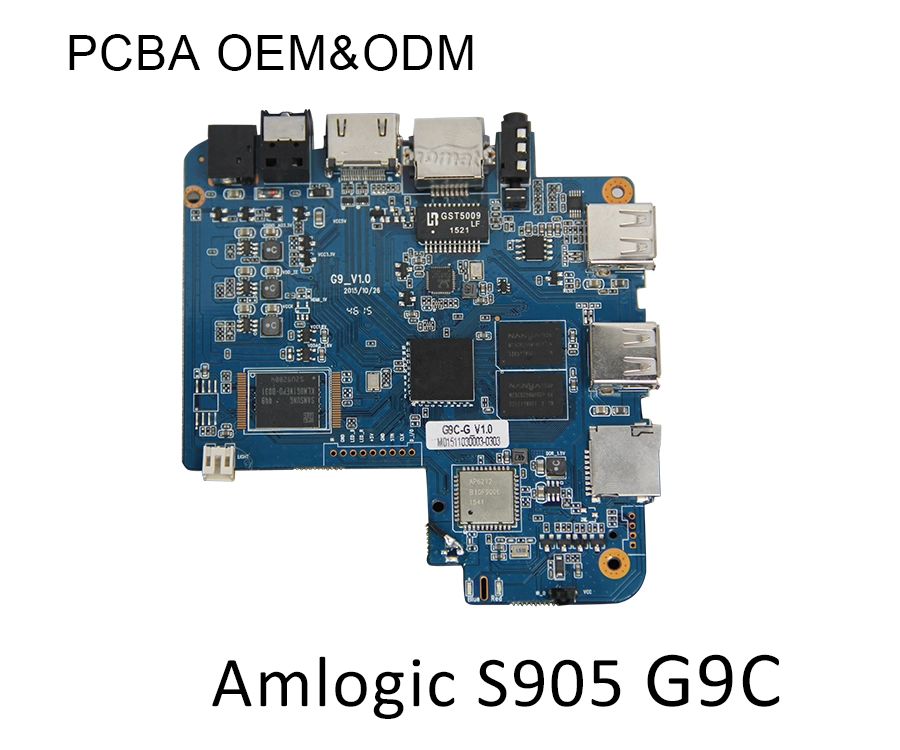
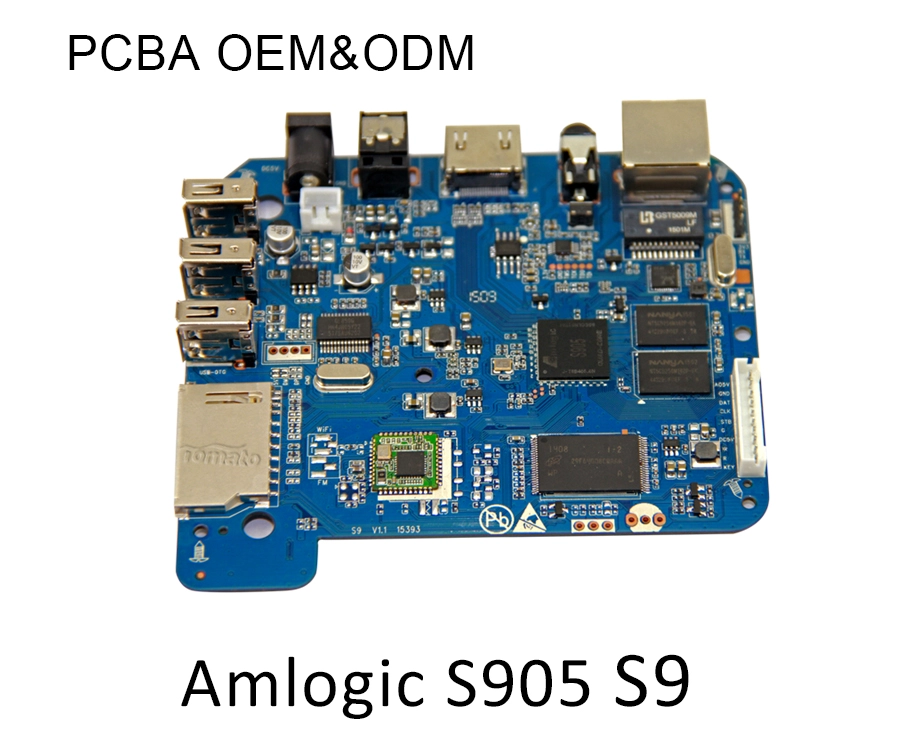
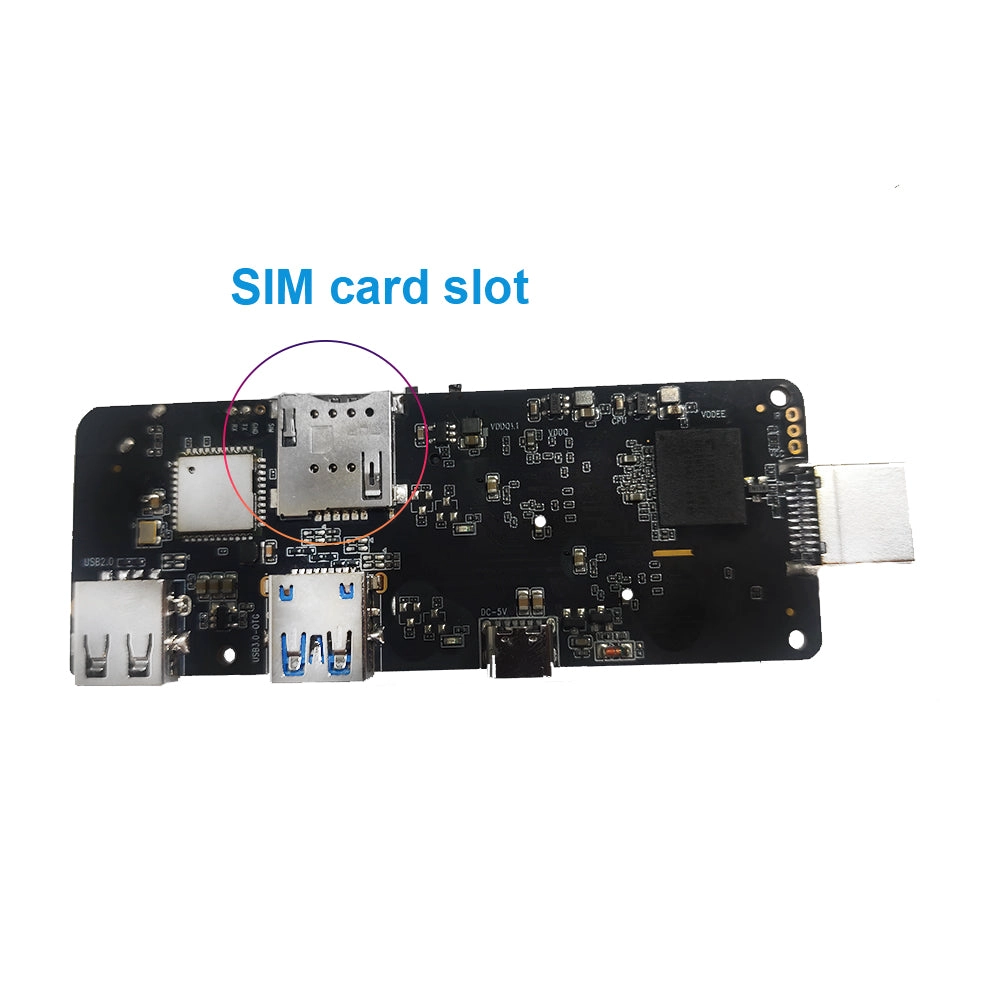
A capable ODM manufacturer does not push a single "flagship" chipset for every project. Instead, their electrical engineers align the System-on-Chip (SoC) with your software ecosystem, codec pipeline, and thermal envelope—and modify the Printed Circuit Board Assembly (PCBA) to match.
| Evaluation Layer | Generic Trading / Assembly House | Engineering-First OEM/ODM (e.g., SZTomato) |
| PCBA Architecture | Fixed reference designs; zero schematic edits | Custom multilayer PCB routing, BOM lock, component relocation |
| Industrial Interfaces | Consumer HDMI, USB 2.0, 100M Ethernet | Dual Gigabit RJ45, RS-232/RS-485, GPIO, PoE, M.2/PCIe |
| Power & Boot Logic | Standard 5V/2A barrel jack; manual standby | Wide-voltage DC input (9V–36V), hardware auto-boot on AC restore |
| Memory & Storage | Variable commercial-grade DDR/eMMC batches | Industrial-grade eMMC 5.1, LPDDR4X/LPDDR5 with strict BOM traceability |
-
Platform Alignment (Amlogic vs. Rockchip): For operator OTT/IPTV projects requiring strict Google certification and hardware AV1 efficiency, Amlogic platforms (such as the S905X4/S905X5 series) offer superior DRM integration and lower thermal output. For commercial digital signage, multi-display output (HDMI + eDP/MIPI-DSI), native Linux (Debian/Ubuntu) support, and higher TOPS AI inference, Rockchip architectures (RK3566, RK3588) provide deeper open-source flexibility.
-
True PCBA Customization: Verify that the factory maintains in-house layout engineers capable of adjusting DDR memory routing, isolating RF/Wi-Fi 6E/7 antenna paths for low interference, and exposing UART, I2C, or GPIO headers directly on the board rather than relying on fragile external USB adapters.
2. Firmware Engineering: Kernel Optimization, SDK/API, and DRM
Hardware specifications only perform as well as the Board Support Package (BSP) governing them. A legitimate manufacturer compiles custom Android (AOSP / Android TV) and embedded Linux images directly from source rather than relying on third-party firmware patches.
-
Linux/Android Kernel & Driver Adaptation: Audit the software team’s ability to strip consumer bloatware, lock CPU/GPU frequency governors for sustained frame rates, and write kernel-level drivers for proprietary peripherals (such as industrial touch panels, barcode scanners, or external DVB tuners).
-
Root-Level SDK/API & Kiosk Lockdown: Enterprise deployments require programmatic control over the OS. Engineering partners like SZTomato provide dedicated SDKs and APIs that allow system integrators to enforce single-app kiosk mode, hide system status/navigation bars, remap custom IR/Bluetooth remote keycodes, and deploy hardware watchdog timers that automatically recover hung applications.
-
HDCP Encryption & EDID Handshake Stability: Commercial AV displays and matrix switchers frequently trigger black-screen errors when consumer boxes fail handshake negotiations. Confirm the factory conducts rigorous compliance testing for HDCP 2.2/2.3 key provisioning, Widevine L1/PlayReady DRM, and forced EDID resolution locking.
3. Private OTA Infrastructure & Lifecycle Management
Deploying thousands of Smart TV Boxes across distributed sites without remote firmware governance creates a severe maintenance bottleneck. Manual USB flashing is not viable at scale.
-
Dedicated Private OTA Servers: Ensure the manufacturer can deploy and host—or hand over—a private Over-The-Air (OTA) update infrastructure. Your operations team must be able to push incremental delta updates, execute staged rollouts segmented by MAC address or batch ID, and schedule reboots outside business hours.
-
A/B Partitions & Brick Protection: Unexpected power loss during a firmware write can permanently disable single-partition consumer units. Specify dual A/B system partitions or hardware recovery triggers that automatically roll back to a verified image if an update fails cryptographic signature checks.
4. Industrial Thermal Architecture for 24/7 Duty Cycles
Continuous 4K/8K AV1 video decoding combined with simultaneous Wi-Fi/Ethernet data ingestion generates sustained heat inside compact enclosures. Standard ABS plastic housings trap thermal energy, pushing SoC junction temperatures past 85°C and triggering aggressive clock throttling.
-
Fanless Passive Dissipation: Mechanical cooling fans collect dust and fail within 12 to 18 months in commercial environments. Evaluate whether the manufacturer designs custom extruded aluminum alloy enclosures that act as passive heatsinks, using high-conductivity thermal interface pads (≥ 6.0 W/m·K) to bridge the SoC, DRAM, and PMIC directly to the chassis.
-
Thermal Chamber & Burn-In Verification: Before approving mass production, require thermal imaging profiles and 72-hour continuous burn-in test logs recorded at 45°C–55°C ambient chamber temperatures under 100% VPU/CPU load.
Partner with an Engineering-Driven OEM/ODM Manufacturer
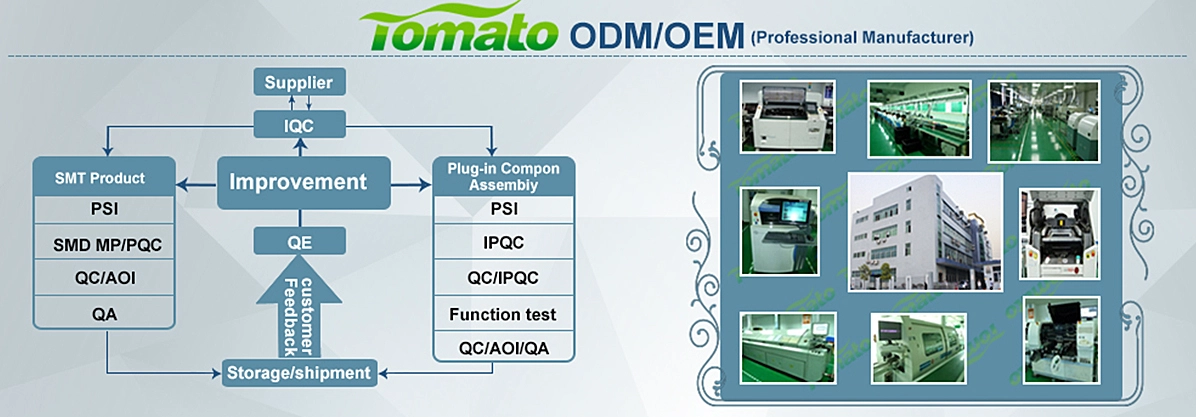
For B2B procurement directors, telecom operators, and AV system integrators, long-term ROI is determined by field reliability, BOM consistency, and firmware control. SZTomato operates as a specialized OEM/ODM engineering partner—delivering custom PCBA hardware modifications, tailored Linux/Android kernel builds, white-label UI/UX launchers, private OTA servers, and industrial thermal enclosures built for continuous commercial deployment.
Validate your next hardware rollout with our engineering team. Share your target SoC requirements, I/O specifications, and deployment environment at www.sztomato.com to schedule a technical feasibility review and custom PCBA consultation.
