
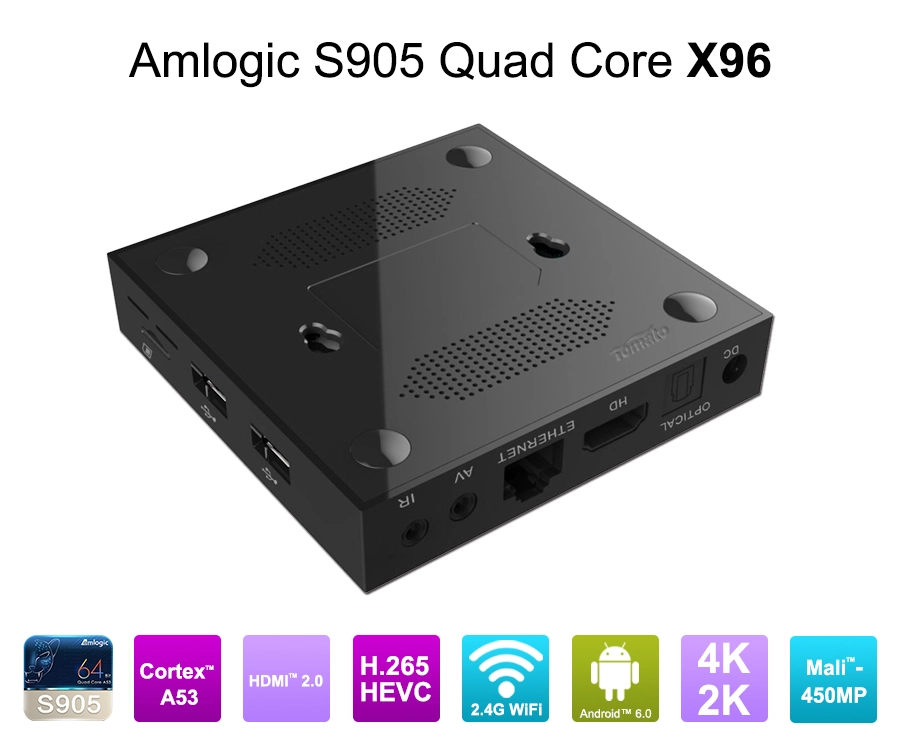
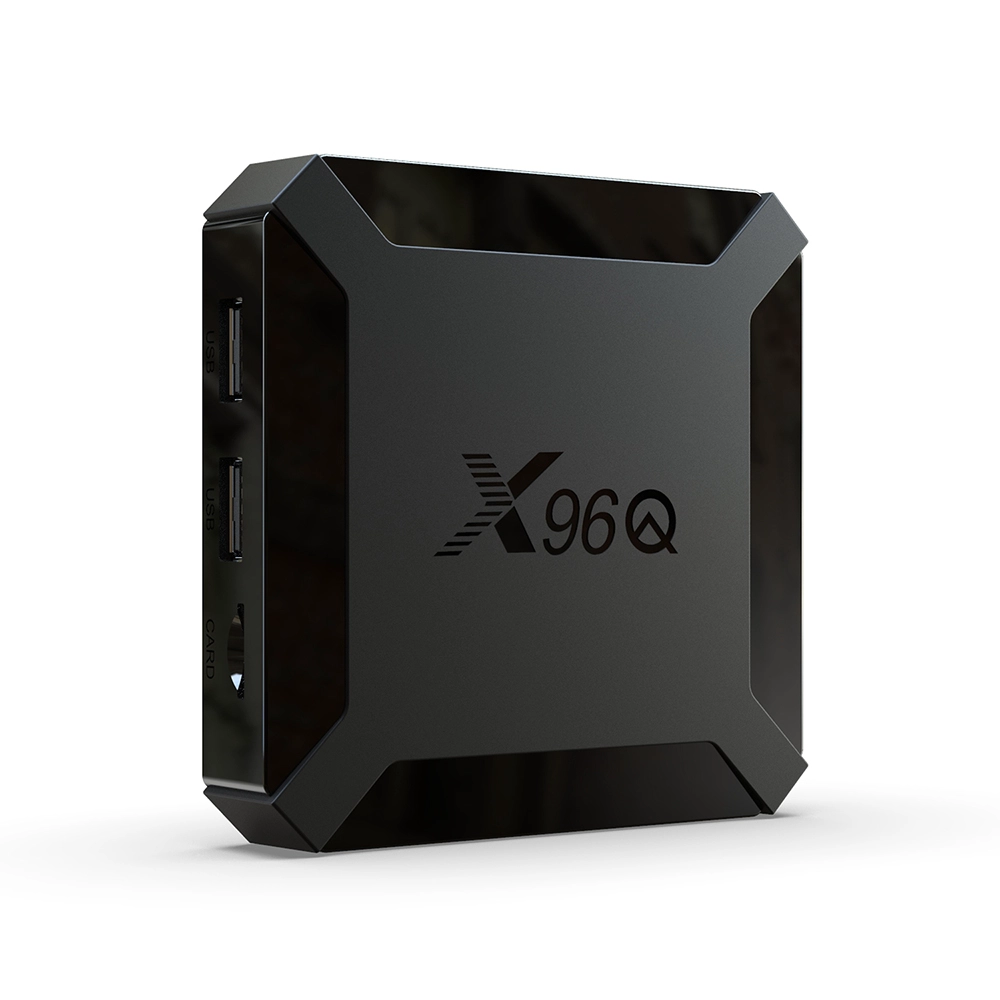
OEM/ODM TV Box Manufacturing: From Hardware Engineering to Production
A TV Box project can fail long before mass production begins. An SoC may support 4K decoding on paper but struggle with sustained workloads because of inadequate thermal design. A PCBA reference design may meet basic functional requirements but lack the interfaces needed for an IPTV operator's middleware or peripheral integration. Even when hardware performance is satisfactory, poorly optimized firmware can create boot delays, application instability, and OTA update failures.
These problems share one underlying cause: treating TV Box manufacturing as an assembly process instead of an integrated engineering project.
For international brands, telecom operators, distributors, and system integrators, a competitive TV Box requires coordinated development across chipset selection, circuit design, firmware, mechanical engineering, testing, and production.
SZTomato provides OEM/ODM TV Box manufacturing solutions that connect these engineering stages, helping customers develop customized products rather than relying exclusively on standard reference designs.
1. TV Box Hardware Engineering: From SoC Selection to PCBA Design
Hardware architecture establishes the performance limits, interface capabilities, power requirements, and upgrade potential of a TV Box.
The first engineering decision should be the target application, not the chipset with the highest published specifications.
Selecting the Right SoC for the Application
Different TV Box projects have different processing and multimedia requirements.
A home entertainment device, a telecom IPTV terminal, and a commercial streaming player may all require 4K output, but their priorities are not identical.
Common SoC selection considerations include:
| Technical Factor | Engineering Considerations |
|---|---|
| CPU | ARM Cortex-A55, Cortex-A76, or other suitable architectures |
| GPU | UI rendering, graphics acceleration, and application performance |
| Video decoding | H.264, H.265/HEVC, VP9, and AV1 hardware support |
| Video resolution | 4K@60Hz or 8K, depending on platform capability |
| HDR | HDR10, HDR10+, Dolby Vision, or other supported formats |
| Memory | LPDDR4, LPDDR4X, or LPDDR5 configuration |
| Storage | eMMC capacity and firmware upgrade requirements |
| Connectivity | Gigabit Ethernet, Wi-Fi, Bluetooth, USB, and HDMI |
| Operating system | Android, Linux, or a project-specific software platform |
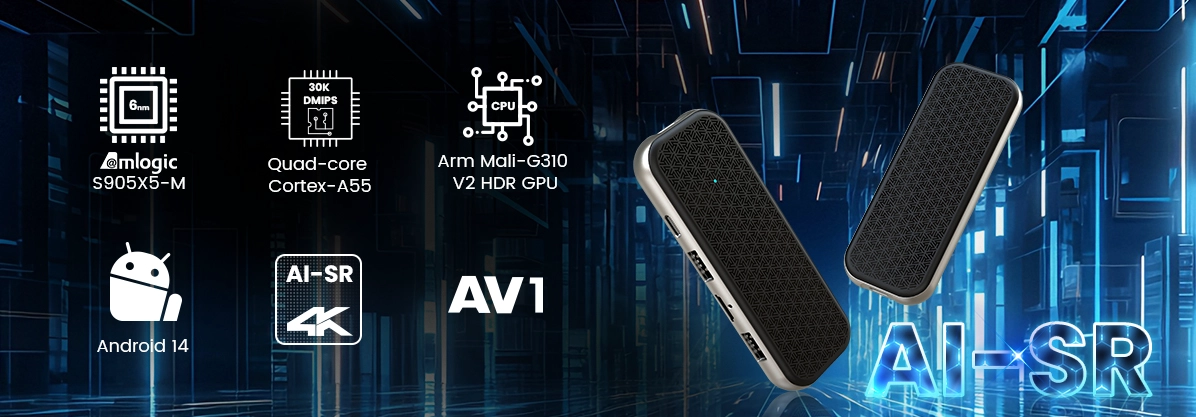
AV1 hardware decoding is increasingly relevant to streaming applications because of its compression efficiency. However, chipset selection must account for the entire playback chain, including codec support, operating system integration, application compatibility, DRM requirements, and content delivery infrastructure.
A specification sheet alone cannot establish whether a chipset is suitable for a commercial deployment.
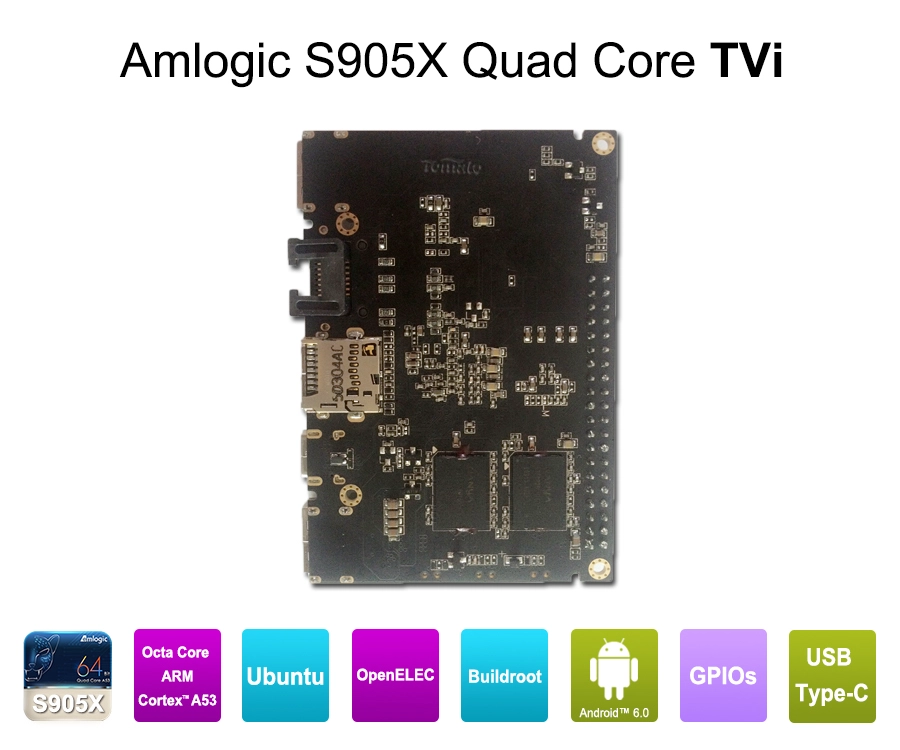
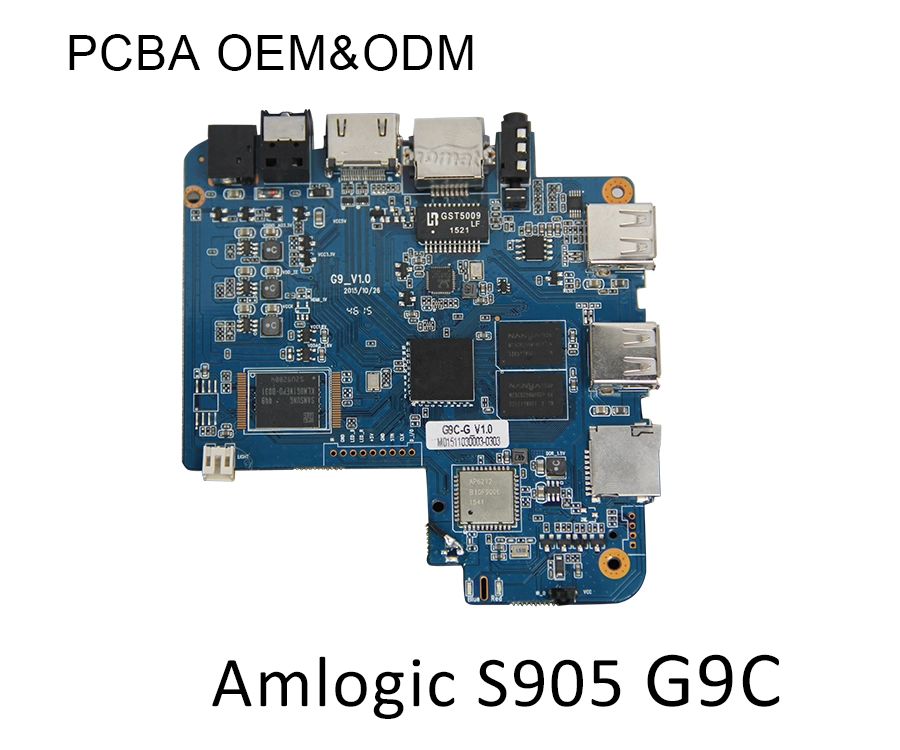
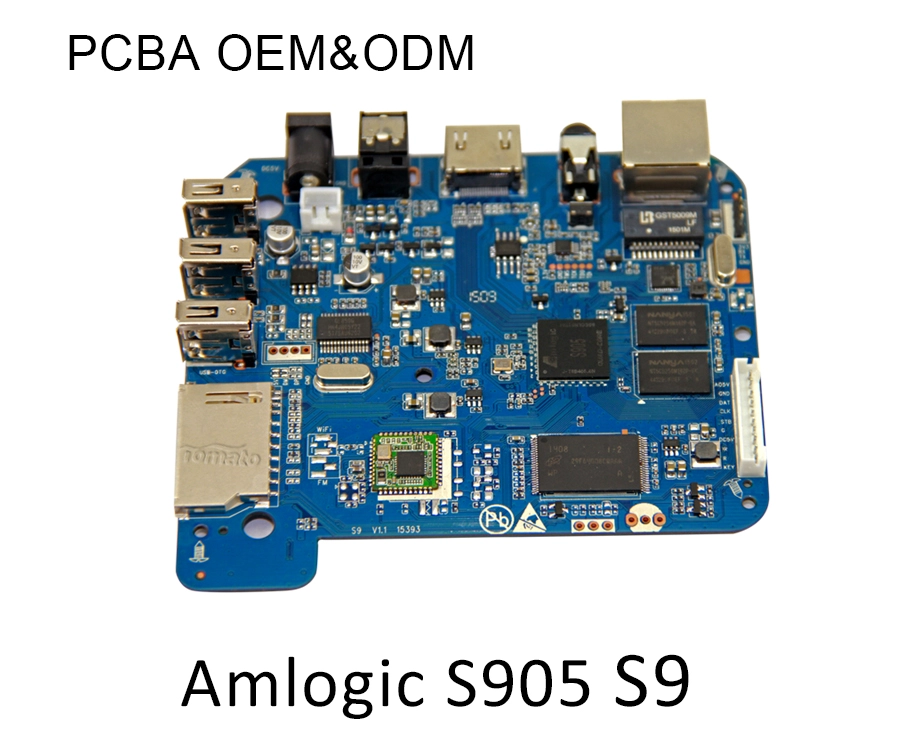
PCBA Hardware Design and Customization
A standard TV Box reference design provides a starting point, but it may not match the electrical and mechanical requirements of a specific project.
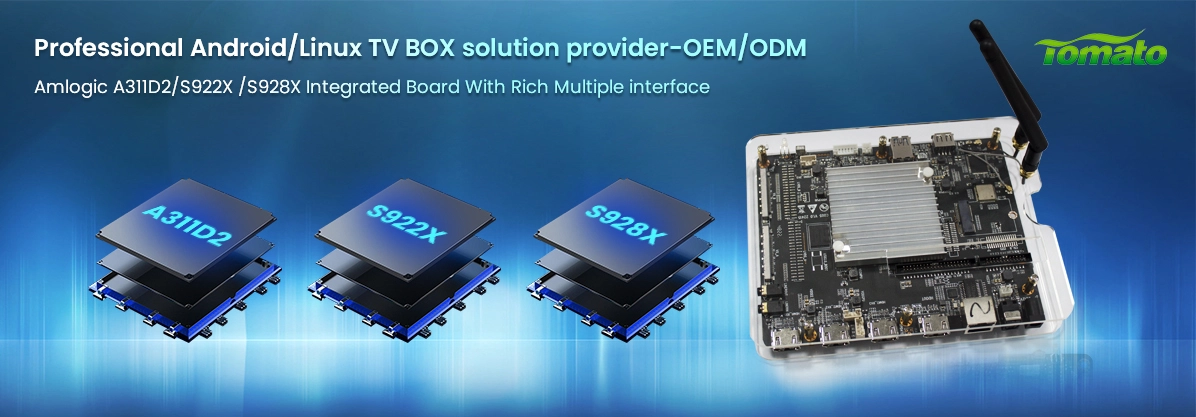
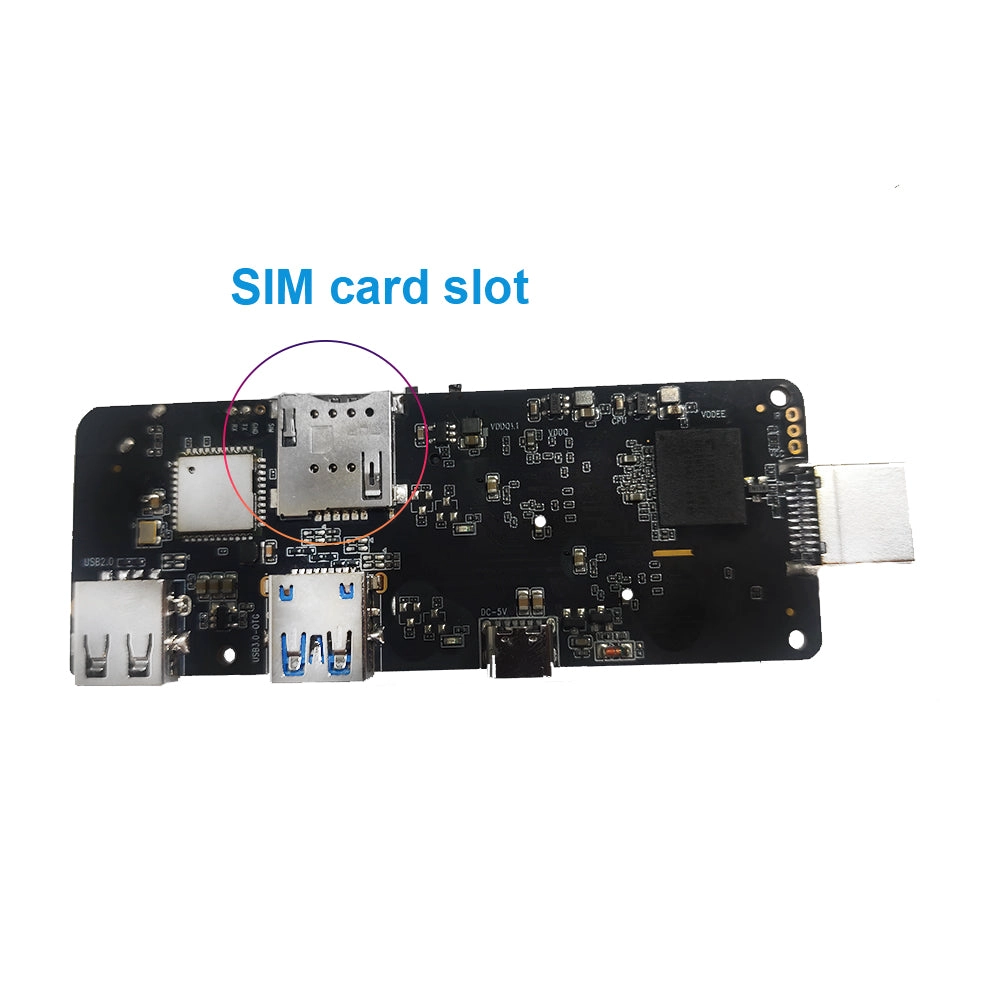
PCBA engineering determines how the SoC, memory, storage, power circuits, wireless modules, and external interfaces work together.
SZTomato supports PCBA hardware modification according to customer specifications, including:
-
PCB layout and component placement optimization.
-
DDR and eMMC configuration.
-
Power management and voltage regulation.
-
HDMI, USB, Ethernet, and audio interface customization.
-
Wi-Fi and Bluetooth module integration.
-
Antenna layout and RF performance considerations.
-
GPIO and specialized peripheral interfaces.
-
EMI/EMC design considerations.
For example, an IPTV operator may require additional USB ports, a different Ethernet configuration, or a customized audio output solution. These requirements can affect PCB routing, component selection, enclosure dimensions, and production costs.
They should therefore be evaluated during the initial hardware design stage rather than after the first prototype is completed.
Mechanical Design and Thermal Management
Thermal performance is a critical consideration for devices operating under sustained decoding, networking, or application workloads.
An undersized heatsink, poor enclosure ventilation, or inefficient component placement can cause elevated operating temperatures and CPU throttling.
For commercial and industrial applications, SZTomato can support specialized cooling solutions through:
-
Customized heatsink structures.
-
Thermal pad and heat-spreader integration.
-
Optimized PCB component placement.
-
Enclosure ventilation design.
-
Passive cooling configurations.
-
Sustained-load thermal testing.
The correct cooling architecture depends on SoC power consumption, enclosure material, ambient temperature, installation orientation, and expected operating duration.
The objective is stable operation without unnecessary increases in enclosure size or manufacturing cost.
2. Firmware Development: Turning Hardware into a Market-Ready TV Box
A TV Box is not defined by its hardware alone. Firmware determines how efficiently the device uses its processing resources, communicates with external services, manages applications, and delivers the intended user experience.
For OEM/ODM projects, firmware customization is often the difference between a generic product and a platform that reflects the customer's brand and business model.
Android and Linux System Customization
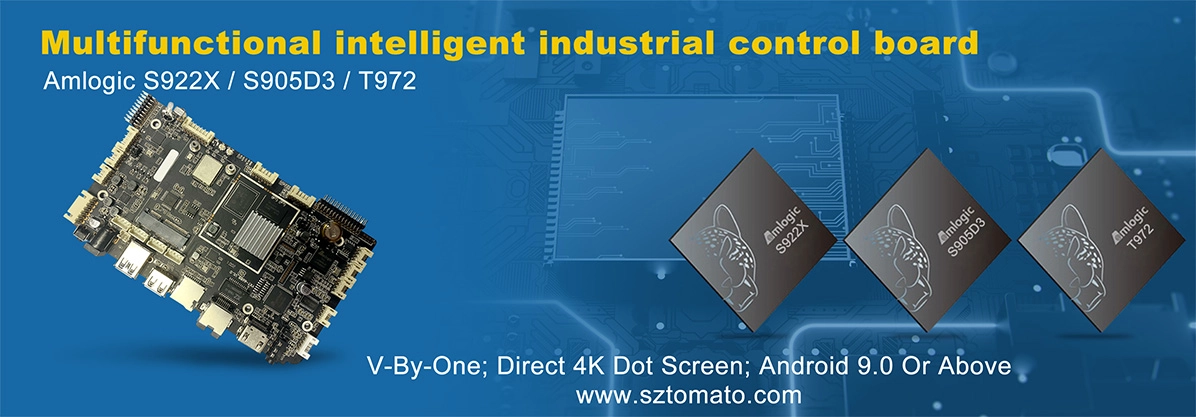
SZTomato supports customized Android and Linux firmware development based on project requirements and the selected SoC platform.
The engineering scope can include:
Android firmware customization
-
System configuration and framework customization.
-
Boot logo and startup animation.
-
Custom launcher and application integration.
-
System application removal or modification where permitted.
-
Permission and background process management.
-
Hardware driver adaptation.
-
OTA update integration.
-
System performance optimization.
Linux firmware development
-
Linux kernel configuration and optimization.
-
Device tree configuration.
-
Driver integration and peripheral adaptation.
-
Bootloader configuration.
-
Root filesystem customization.
-
Application environment preparation.
-
Hardware interface testing.
Kernel optimization is particularly important when a project requires specialized peripherals or non-standard hardware configurations.
For example, changing the wireless module, adding an external interface, or integrating a new peripheral may require coordinated updates to the device tree, kernel drivers, and userspace components.
A firmware modification should always be validated against the actual PCBA revision. Software compatibility cannot be assumed simply because two devices use the same SoC.
Custom UI/UX and Brand Integration
International TV Box brands and telecom operators often require a consistent interface across their product portfolios.
A customized UI/UX solution can incorporate:
-
Brand-specific boot screens.
-
Custom launchers and navigation.
-
Application shortcuts.
-
Operator-specific home screens.
-
Customized system settings.
-
Multilingual interface support.
-
Preinstalled applications.
-
Remote-control key mapping.
This allows customers to establish a recognizable product experience without developing the entire operating system independently.
SDK/API Integration and Application Compatibility
Many OEM/ODM projects require integration with third-party software platforms.
Depending on the application, a TV Box may need to connect with:
-
IPTV middleware.
-
OTT streaming platforms.
-
EPG services.
-
Video-on-demand applications.
-
Remote device management systems.
-
Subscriber authentication services.
-
Cloud-based monitoring platforms.
-
Third-party hardware peripherals.
SZTomato supports SDK/API integration to connect device firmware with customer software systems.
Integration work should define API specifications, authentication methods, communication protocols, error handling, and firmware dependencies before development begins.
Content protection also requires careful planning. Widevine DRM, HDCP encryption, secure boot, and other security mechanisms may be required depending on the target platform and content provider.
These technologies involve separate licensing, certification, and implementation requirements. An Android-based TV Box does not automatically qualify for every streaming service.
3. TV Box Product Validation: Testing Before Mass Production
A working prototype does not necessarily represent a production-ready product.
The transition from engineering samples to mass production requires systematic validation of hardware, software, connectivity, thermal performance, and manufacturing consistency.
Engineering Sample and Functional Testing
The initial prototype should be evaluated against an agreed product specification.
Typical verification items include:
| Testing Category | Main Verification Items |
|---|---|
| Boot performance | Startup time, boot stability, recovery behavior |
| Video playback | Resolution, frame rate, codec compatibility |
| HDMI | Resolution negotiation, HDCP, audio/video output |
| Network | Ethernet, Wi-Fi, DNS, DHCP, reconnection |
| Wireless | Bluetooth pairing, RF performance |
| USB | Peripheral compatibility and data transfer |
| Audio | HDMI audio, SPDIF, analog output where applicable |
| Firmware | Application stability, system resource utilization |
| OTA | Update integrity, version control, recovery |
| Thermal | Temperature under sustained workloads |
| Reliability | Long-duration operation and restart testing |
For IPTV and OTT projects, testing should also include actual applications, middleware, network environments, and content protection configurations.
A device that plays a local 4K video file successfully may still encounter problems with encrypted online streaming or a specific application framework.
Reliability and Production Validation
Before mass production, engineering teams should establish repeatable test procedures.
Important activities include:
-
PCBA electrical testing.
-
Functional testing of production samples.
-
Burn-in testing based on project requirements.
-
Thermal testing under representative workloads.
-
Wireless and network stability testing.
-
Firmware version verification.
-
Enclosure and connector inspection.
-
Packaging and accessory verification.
Quality control should be defined according to the product's intended deployment environment and customer acceptance criteria.
For large telecom or commercial projects, maintaining hardware and firmware revision records is particularly important. Changes to memory components, wireless modules, or PCB revisions can affect software compatibility and product performance.
OTA Update Architecture and Long-Term Maintenance
OTA capability should be considered during firmware architecture development.
A well-designed OTA system can reduce field maintenance costs and simplify firmware lifecycle management.
Depending on the operating system and platform architecture, the update system may include:
-
Remote firmware package distribution.
-
Device and firmware version identification.
-
Staged update deployment.
-
Package integrity verification.
-
Installation status reporting.
-
Recovery or rollback mechanisms where supported.
-
Update logs and remote diagnostics.
For telecom operators and brands managing large device fleets, these capabilities help standardize software deployment and reduce unnecessary service interventions.
4. From Prototype to Mass Production: Building a Scalable OEM/ODM Process
The commercial success of a TV Box project depends on how effectively engineering requirements are translated into a stable manufacturing process.
A supplier that can build one successful prototype may not necessarily have the engineering coordination and quality management needed for repeatable mass production.
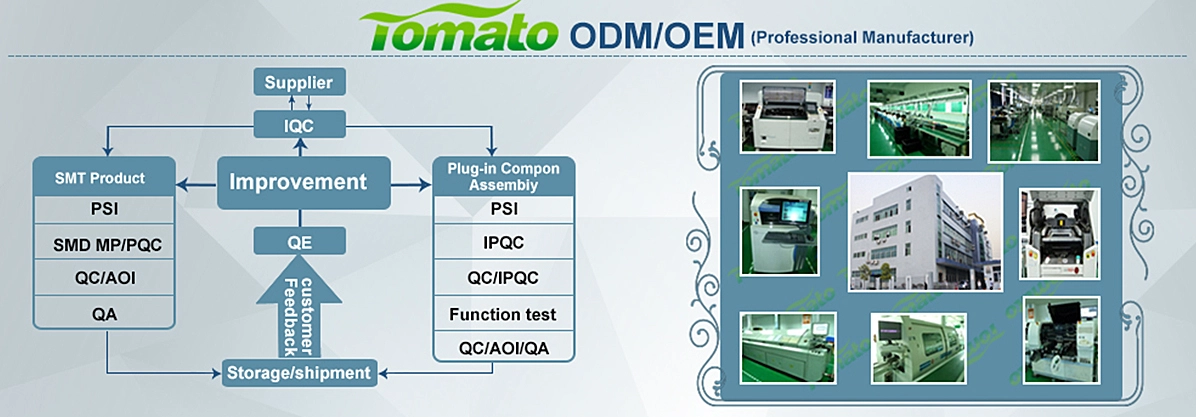
SZTomato's OEM/ODM approach covers the development process from initial requirements to finished product delivery.
Step 1: Define Product Requirements
The project begins with a technical specification covering:
-
Target application and market.
-
SoC platform and performance requirements.
-
RAM and storage configuration.
-
Video and audio specifications.
-
Network and wireless interfaces.
-
Operating system and firmware requirements.
-
Enclosure and industrial design.
-
Certifications and regulatory requirements.
-
Target production volume and cost expectations.
Clear requirements reduce unnecessary design changes during later development.
Step 2: Hardware and Firmware Development
The engineering team evaluates the appropriate hardware platform and customization scope.
Depending on project complexity, this may involve PCBA modification, peripheral integration, thermal optimization, Android/Linux firmware development, and SDK/API integration.
Hardware and software teams should validate their designs together to avoid compatibility problems during integration.
Step 3: Prototype and Engineering Validation
Engineering samples are produced for functional verification.
The customer can evaluate hardware configuration, operating system behavior, application compatibility, appearance, and performance.
Any issues identified during testing should be documented and resolved before the design is approved.
Step 4: Design Finalization and Pilot Production
Once the engineering sample meets the agreed specifications, the design moves toward production validation.
This stage confirms:
-
Final PCBA revision.
-
Component availability and approved substitutions.
-
Firmware release version.
-
Mechanical and packaging specifications.
-
Assembly procedures.
-
Testing standards.
-
Production quality requirements.
A pilot run helps identify assembly and testing issues before larger production quantities are released.
Step 5: Mass Production and Quality Control
Mass production requires consistent component sourcing, assembly procedures, firmware programming, functional testing, and final inspection.
Production traceability and revision control are important for customers operating long-term product programs.
SZTomato supports OEM/ODM manufacturing for international brands, distributors, telecom operators, and system integrators, with customization options based on project requirements.
Why Choose an Integrated TV Box OEM/ODM Manufacturer?
Working with separate hardware designers, firmware developers, and assembly suppliers can create communication gaps.
When a problem appears, responsibility may be divided between the PCB designer, software provider, and manufacturing factory.
An integrated OEM/ODM partner can coordinate these technical layers more effectively.
SZTomato has provided manufacturing solutions since 2011, with capabilities covering:
-
SoC platform selection: Matching processing and multimedia capabilities to application requirements.
-
PCBA engineering: Hardware modification and interface customization.
-
Firmware development: Android/Linux customization and kernel optimization.
-
SDK/API integration: Connecting hardware with customer applications and software platforms.
-
UI/UX customization: Building branded interfaces and customized system experiences.
-
Thermal engineering: Developing cooling solutions for continuous and demanding workloads.
-
Production support: Prototype development, quality inspection, and mass manufacturing.
This engineering-centered model is particularly relevant to customers who need more than a standard TV Box with a customized logo.
Develop Your Custom TV Box with SZTomato
Successful TV Box manufacturing requires coordinated decisions across hardware architecture, firmware development, mechanical design, testing, and production.
For international brands, telecom operators, wholesalers, and system integrators, the right OEM/ODM partner should understand the technical requirements behind the product and have the engineering capability to implement them.
SZTomato provides customized TV Box manufacturing solutions covering PCBA hardware modification, Android/Linux firmware development, SDK/API integration, custom UI/UX, specialized cooling solutions, and production support.
Whether you are developing a new Android TV Box, an IPTV Set-Top Box, a Linux-based multimedia device, or a customized streaming platform, SZTomato can work with your engineering and procurement teams from product definition through mass production.
Looking for a reliable TV Box OEM/ODM manufacturer in China?
Visit www.sztomato.com to discuss your project requirements, chipset selection, PCBA specifications, firmware customization, target production volume, and development schedule.
Build your next TV Box around the engineering requirements of your market, not the limitations of a standard reference design.
