
Leading Streaming Media Player Supplier for Global Telecommunication Brands
Telecommunication operators face a different set of requirements when selecting a Streaming Media Player than conventional consumer electronics distributors. A device that performs well in a retail environment may struggle when deployed across thousands of households, connected to different broadband networks, and integrated with operator-specific IPTV or OTT platforms.
The challenge is not simply decoding 4K video. Operators need consistent playback performance, secure content delivery, reliable OTA updates, predictable hardware behavior, and long-term firmware maintenance. Hardware compatibility, DRM implementation, network performance, and thermal stability must work together throughout the product lifecycle.
For telecom brands, choosing a Streaming Media Player supplier is therefore a strategic hardware decision rather than a straightforward purchasing exercise.
SZTomato provides OEM/ODM streaming hardware solutions for telecommunications companies, IPTV operators, system integrators, and international hardware brands. Its engineering approach combines PCBA modification, customized firmware, SDK/API integration, and hardware optimization to support project-specific requirements.
1. What Telecom Operators Should Expect from a Professional Streaming Media Player Supplier
A telecom-grade Streaming Media Player must satisfy three interconnected requirements: hardware reliability, software compatibility, and operational manageability.
Hardware Architecture and SoC Selection
The System-on-Chip (SoC) determines much of the device's multimedia capability, processing performance, interface configuration, and long-term platform suitability.
For commercial IPTV and OTT deployments, the appropriate SoC should be evaluated against several technical requirements:
-
CPU architecture: ARM Cortex-A55, Cortex-A76, or other suitable processor configurations, depending on application complexity.
-
GPU performance: Required for UI rendering, graphics acceleration, and multimedia applications.
-
Video decoding: Hardware acceleration for H.264, H.265/HEVC, VP9, and AV1 where supported by the selected platform.
-
Display capability: Support for the required 4K or 8K resolution, HDR formats, refresh rates, and HDMI specifications.
-
Memory configuration: Sufficient RAM and eMMC capacity for applications, system processes, caching, and future firmware updates.
-
Connectivity: Gigabit Ethernet, dual-band Wi-Fi, Bluetooth, USB, and other interfaces required by the deployment environment.
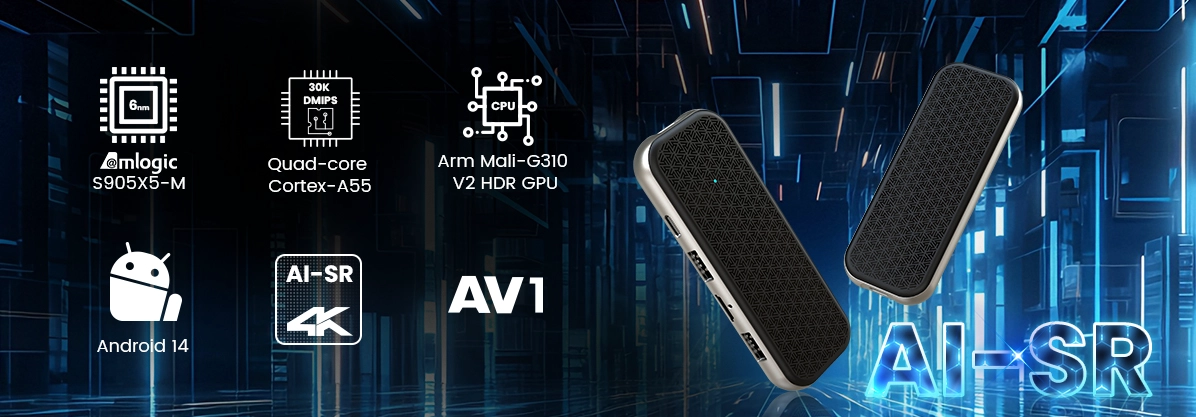
AV1 adoption is particularly relevant to operators evaluating bandwidth efficiency and future content delivery requirements. However, AV1 support should be verified at the hardware decoder, firmware, application, and content-service levels. A chipset's theoretical decoding capability does not automatically guarantee compatibility with every streaming platform.
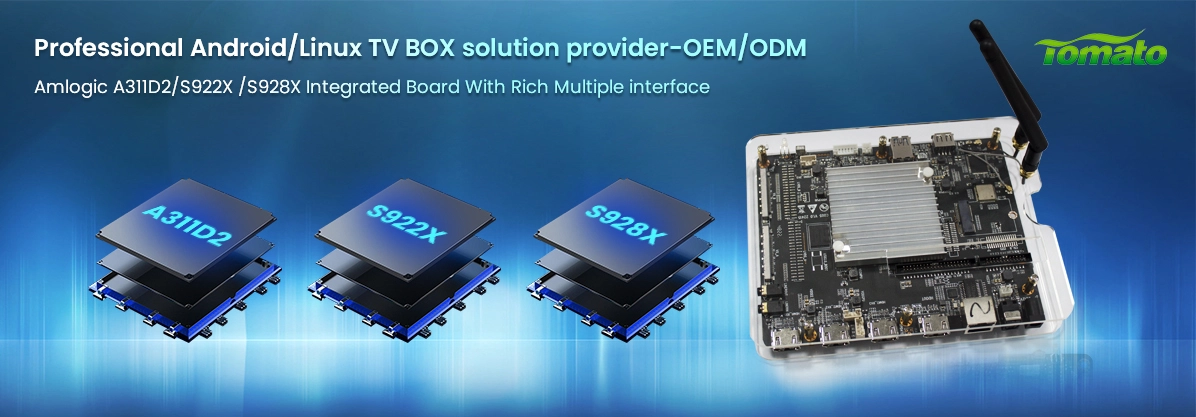
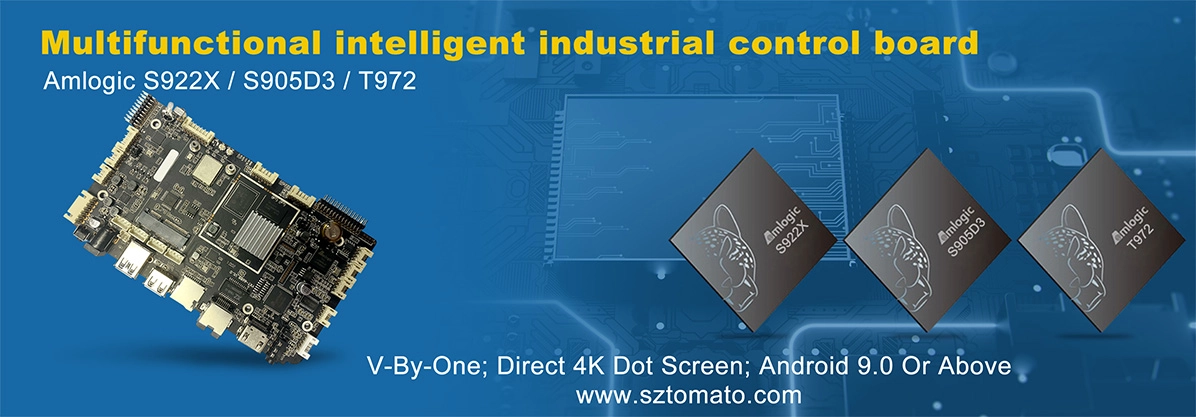
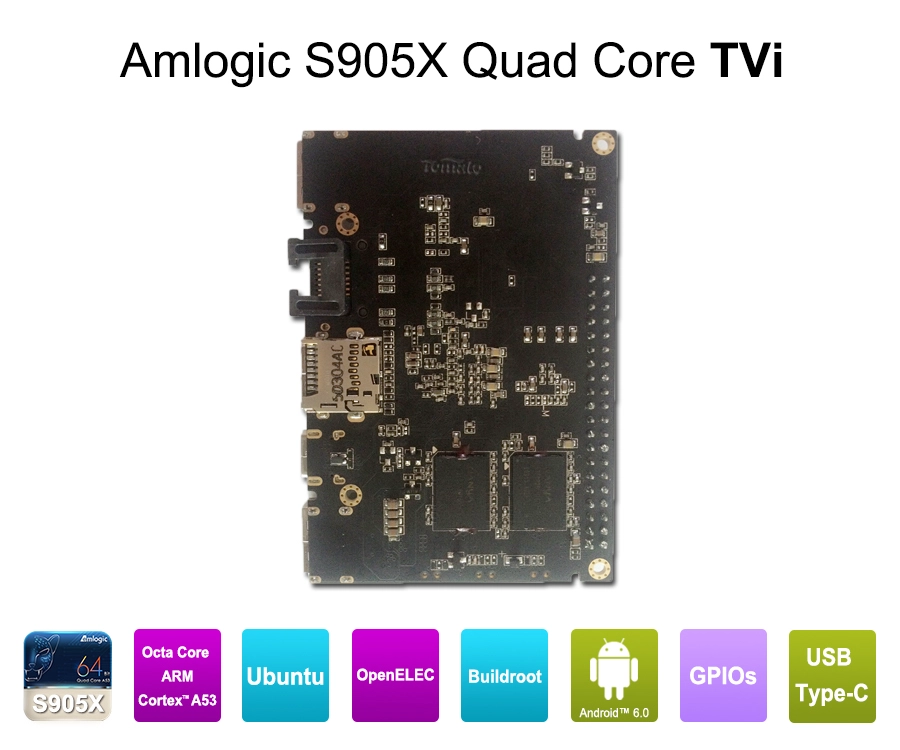
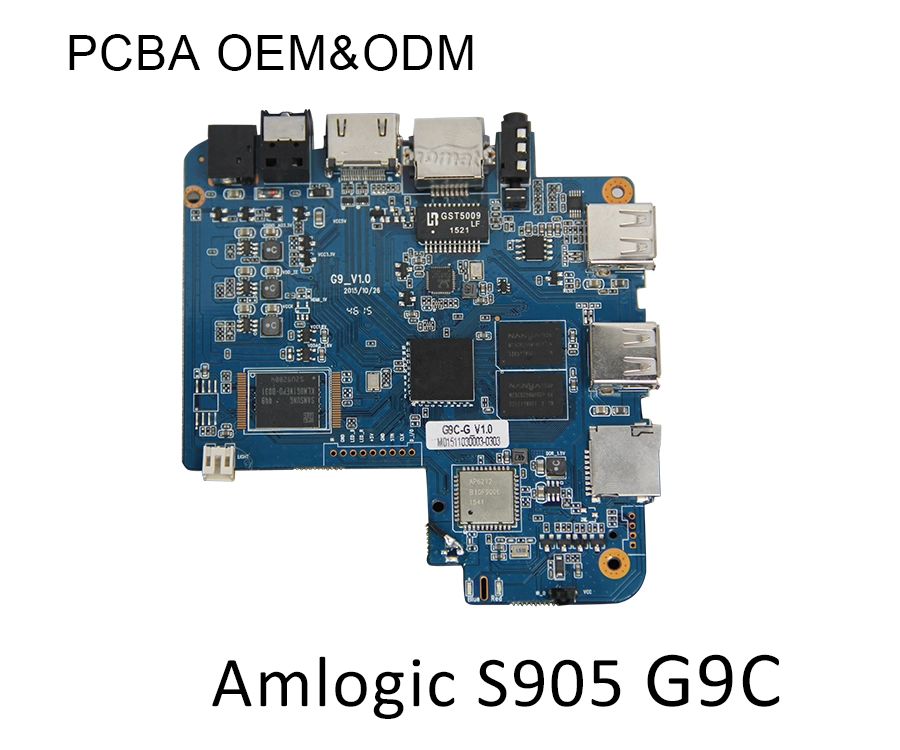
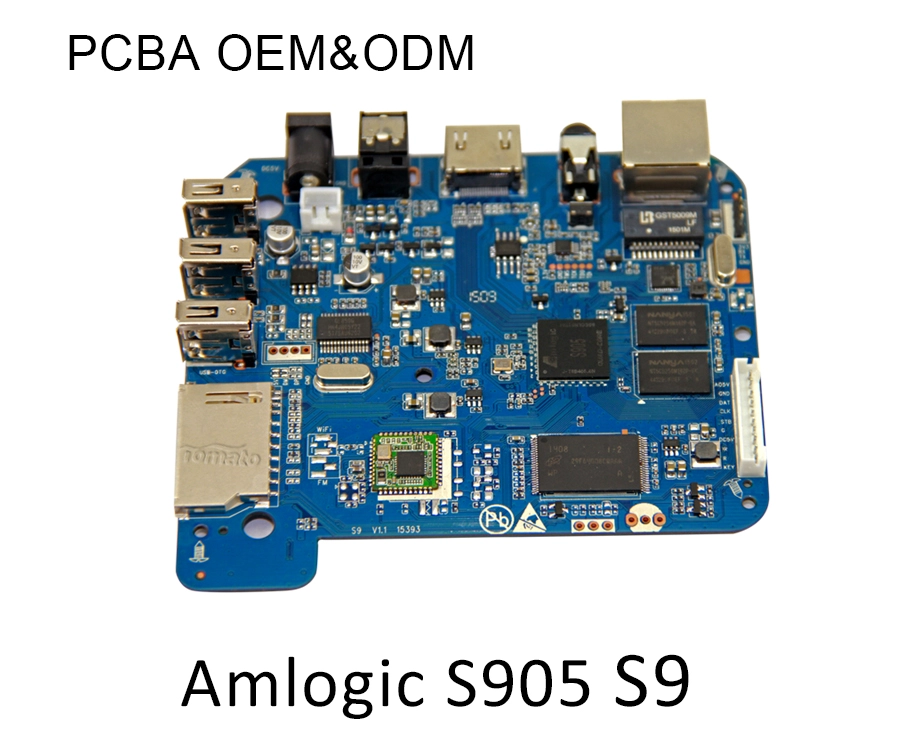
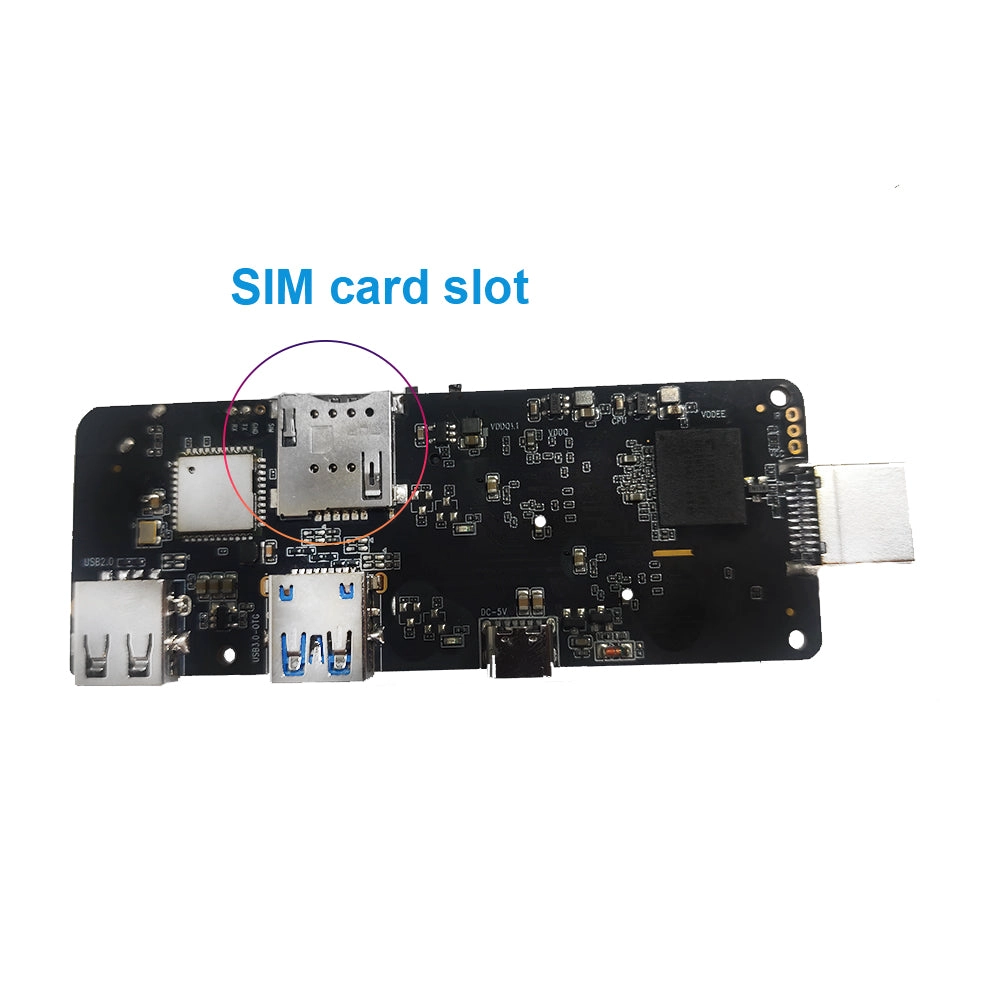
SZTomato supports SoC platform selection and PCBA hardware modification based on the operator's application requirements. Instead of forcing every project onto an existing reference design, the engineering process can address interface allocation, memory configuration, wireless modules, power management, and other board-level requirements.
Network Compatibility and Content Delivery
Telecom operators frequently deploy devices across networks with different bandwidth conditions, router configurations, and access technologies.
A suitable Streaming Media Player should undergo testing for:
-
Wired and wireless network stability.
-
DHCP, DNS, and IPv4/IPv6 compatibility where required.
-
Network reconnection after power interruptions.
-
Streaming performance under variable bandwidth conditions.
-
Ethernet throughput and Wi-Fi coexistence.
-
Application behavior during network latency and packet loss.
For operators managing large subscriber bases, these factors directly influence technical support costs and customer satisfaction.
2. Custom Firmware and IPTV Integration: The Difference Between a Generic Device and an Operator-Ready Solution
Hardware specifications alone cannot determine whether a Streaming Media Player is suitable for a telecommunications project.
The firmware layer connects the hardware platform with the operator's applications, network services, security requirements, and user experience.
Customized Android and Linux Firmware
A professional supplier should provide firmware engineering capabilities beyond basic system installation.
SZTomato supports customized firmware development and optimization, including:
System-level customization
-
Android system configuration and framework customization.
-
Linux kernel configuration and driver adaptation.
-
Hardware abstraction layer (HAL) integration.
-
Boot logo, startup animation, and system behavior customization.
-
Preinstalled applications and application permission management.
-
Background service optimization and resource allocation.
Custom UI/UX development
Telecom brands often require a consistent interface across their hardware portfolio.
Custom UI/UX firmware can incorporate operator branding, customized launchers, navigation structures, application shortcuts, system settings, and content access interfaces.
This allows operators to maintain control over the customer-facing experience instead of distributing generic streaming devices with unrelated retail interfaces.
SDK/API Integration for IPTV and OTT Platforms
Integration with an operator's existing service platform is one of the most important stages of product development.
Depending on the project architecture, a Streaming Media Player may need to communicate with:
-
IPTV middleware platforms.
-
OTT content delivery applications.
-
Electronic Program Guide (EPG) systems.
-
Subscriber authentication services.
-
Device activation and provisioning servers.
-
Remote device management platforms.
-
Network monitoring and diagnostic systems.
SZTomato supports SDK/API integration to connect device firmware with third-party applications and operator infrastructure.
For example, an IPTV operator may require automatic device registration after network connection, followed by subscriber authentication and application configuration. These processes need to be coordinated between firmware, application logic, and backend APIs.
The exact integration scope depends on the operator's middleware, security architecture, and software specifications.
DRM, HDCP, and Content Protection
Commercial streaming deployments require careful consideration of digital rights management and output protection.
Relevant technologies may include:
-
Widevine DRM, subject to the required platform certification and licensing.
-
HDCP protection for supported HDMI output configurations.
-
Secure boot and verified system components where supported.
-
Application-level authentication and authorization.
-
Protected content playback and secure key management.
Operators should verify DRM provisioning, security certification, content-provider approval, and HDCP compatibility before approving mass production.
A device supporting Android does not automatically qualify for every commercial streaming service. Certification and licensing must be evaluated separately.
3. Engineering Reliability for Large-Scale Telecom Deployments
A device that passes a short laboratory test may still experience problems after months of continuous operation.
For telecommunications brands, long-term reliability depends on component selection, PCB layout, thermal management, firmware stability, and manufacturing quality control.
PCBA Modification and Hardware Optimization
Standard reference designs are useful for initial development, but they do not always satisfy the electrical, mechanical, and functional requirements of commercial projects.
SZTomato supports PCBA-level customization to address specific engineering requirements, including:
-
PCB layout and component placement adjustments.
-
Power supply and voltage regulation optimization.
-
Ethernet, USB, HDMI, and other interface modifications.
-
Wireless module selection and antenna configuration.
-
Memory and storage configuration.
-
GPIO and peripheral interface customization.
-
EMI/EMC design considerations.
For example, a telecom operator requiring additional USB connectivity or a specialized Ethernet configuration may need modifications to the original PCBA rather than simple changes to the external enclosure.
These adjustments should be evaluated together with signal integrity, power consumption, PCB routing, and production feasibility.
Specialized Cooling Solutions for Industrial Applications
Thermal management becomes particularly important when a Streaming Media Player operates continuously in enclosed cabinets, commercial installations, or environments with elevated ambient temperatures.
High CPU utilization, sustained video decoding, wireless transmission, and limited ventilation can increase internal temperatures.
Poor thermal design may lead to processor throttling, unstable playback, component aging, or unexpected system shutdowns.
SZTomato can support specialized cooling solutions based on the device's operating environment, including:
-
Optimized PCB component placement.
-
Thermal pad and heat-spreader integration.
-
Customized heatsink structures.
-
Enclosure ventilation optimization.
-
Passive cooling configurations.
-
Thermal testing under sustained workloads.
The objective is to maintain stable operating temperatures without introducing unnecessary mechanical complexity or increasing manufacturing costs.
OTA Updates and Lifecycle Management
A telecom operator may deploy thousands of devices across geographically distributed networks. Manually updating each unit is neither practical nor economical.
An effective Over-the-Air (OTA) update system should support controlled firmware distribution and long-term device maintenance.
Important capabilities include:
-
Remote firmware deployment: Distribute approved software packages to selected devices or deployment groups.
-
Version management: Track firmware versions and maintain software consistency across device batches.
-
Staged rollout: Release updates to a limited group before expanding deployment.
-
Update recovery: Support rollback or recovery mechanisms where the platform architecture permits.
-
Update integrity: Verify firmware packages and maintain appropriate security controls.
-
Remote diagnostics: Collect relevant system information to help identify device and software issues.
For large-scale deployments, A/B system updates can reduce the risk of interrupted upgrades when supported by the selected hardware and software platform.
OTA architecture should be designed during product development rather than added as an afterthought.
4. How to Evaluate a Streaming Media Player Manufacturer for Telecom Projects
Selecting a supplier requires more than comparing unit prices and published specifications.
Telecom procurement managers should evaluate the manufacturer's ability to support the entire product lifecycle, from initial engineering to mass production and subsequent firmware maintenance.
| Evaluation Area | What Telecom Buyers Should Verify |
|---|---|
| SoC and hardware | Processor capability, decoding performance, memory, interfaces |
| PCBA engineering | Schematic and layout modification capabilities |
| Firmware | Android/Linux customization and system optimization |
| IPTV integration | Middleware, SDK/API, EPG, and application compatibility |
| Security | DRM, HDCP, secure boot, and certification requirements |
| Thermal design | Cooling architecture and sustained-load testing |
| OTA management | Remote deployment, version control, and recovery |
| Manufacturing | Quality inspection, production consistency, and traceability |
| After-sales engineering | Firmware maintenance and technical support |
Why OEM/ODM Engineering Matters
A generic streaming device manufacturer typically focuses on standard hardware configurations and repeatable production.
A telecom-focused OEM/ODM partner must be able to adapt the platform to different commercial requirements.
This distinction becomes important when a project involves a customized PCB, operator-specific firmware, non-standard interfaces, third-party middleware, or long-term software maintenance.
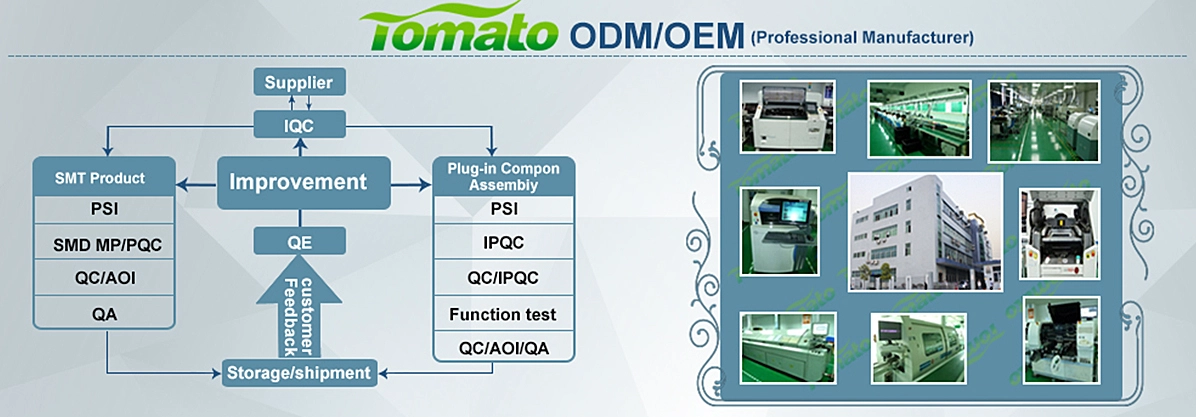
SZTomato has provided OEM/ODM manufacturing solutions since 2011, serving international brands, wholesalers, telecom operators, and system integrators.
Its development approach covers several interconnected engineering layers:
-
Hardware: SoC platform selection and component configuration.
-
PCBA: Circuit design adjustments and board-level customization.
-
Firmware: Android/Linux system development and optimization.
-
SDK/API: Integration with IPTV, OTT, and third-party applications.
-
UI/UX: Customized operator interfaces and branding.
-
Thermal engineering: Cooling optimization for demanding environments.
-
Manufacturing: Product assembly, quality inspection, and mass production.
This integrated approach helps reduce the technical gaps that often emerge when hardware, firmware, and software integration are handled by separate suppliers.
Build Your Telecom Streaming Platform with SZTomato
Choosing a Streaming Media Player supplier is a long-term decision that affects product differentiation, deployment reliability, and operational costs.
Telecom operators need a manufacturing partner capable of understanding both the hardware architecture and the software ecosystem behind their services.
SZTomato combines OEM/ODM manufacturing experience with PCBA hardware modification, customized Android/Linux firmware, SDK/API integration, specialized cooling solutions, and scalable production support.
Whether your project involves an Android IPTV Set-Top Box, an OTT Streaming Media Player, a customized telecom device, or a specialized commercial multimedia platform, SZTomato can work with your engineering and procurement teams to evaluate the hardware architecture and customization requirements.
Are you sourcing a customized Streaming Media Player for your telecommunications brand?
Contact SZTomato at www.sztomato.com to discuss your SoC selection, PCBA requirements, firmware specifications, IPTV integration, certification needs, and OEM/ODM manufacturing plans.
The right engineering partner should deliver more than a finished device. It should provide a hardware and software platform that supports your service strategy throughout the product lifecycle.
