
Is a Smart TV Box better than Fire Stick?
Smart TV Box vs. Fire Stick: Why Open OEM Architecture Beats Closed Streaming Dongles in Enterprise Deployments
Evaluating streaming endpoints for commercial deployment highlights a technical divergence: consumer streaming dongles like the Amazon Fire TV Stick are engineered for low-cost, intermittent household entertainment, while commercial deployments require hardware stability and deep software control. When system integrators attempt to scale digital signage networks, hotel IPTV systems, or interactive kiosks using consumer sticks, they inevitably encounter severe operational barriers: thermal throttling under continuous 4K/8K workloads, unconfigurable home screens, forced OS updates, and a complete absence of local hardware management.
For B2B procurement managers and system architects, asking whether a Smart TV Box is better than a Fire Stick extends beyond retail specifications. The true comparison lies between a closed consumer device and an open, customizable OEM/ODM hardware platform engineered for continuous operations.
1. Thermal Physics and Hardware Engineering: PCBA Layout vs. Dongle Constraints
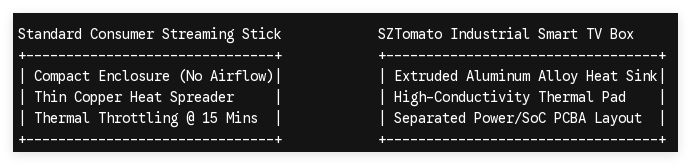
The physical footprint of a HDMI streaming stick creates a fundamental engineering bottleneck: limited thermal dissipation. Enclosed within a compact plastic chassis without active or high-mass passive cooling, dongles rely on low thermal thresholds.
Thermal Throttling & Component Aging
Under continuous AV1 or H.265 4K video decoding, a streaming stick’s SoC core temperature quickly reaches thermal thresholds. To prevent permanent silicon failure, the OS forces CPU/GPU clock throttling, resulting in frame drops, UI latency, media buffer underruns, and system crashes.
SZTomato mitigates thermal stress at the hardware layer:
-
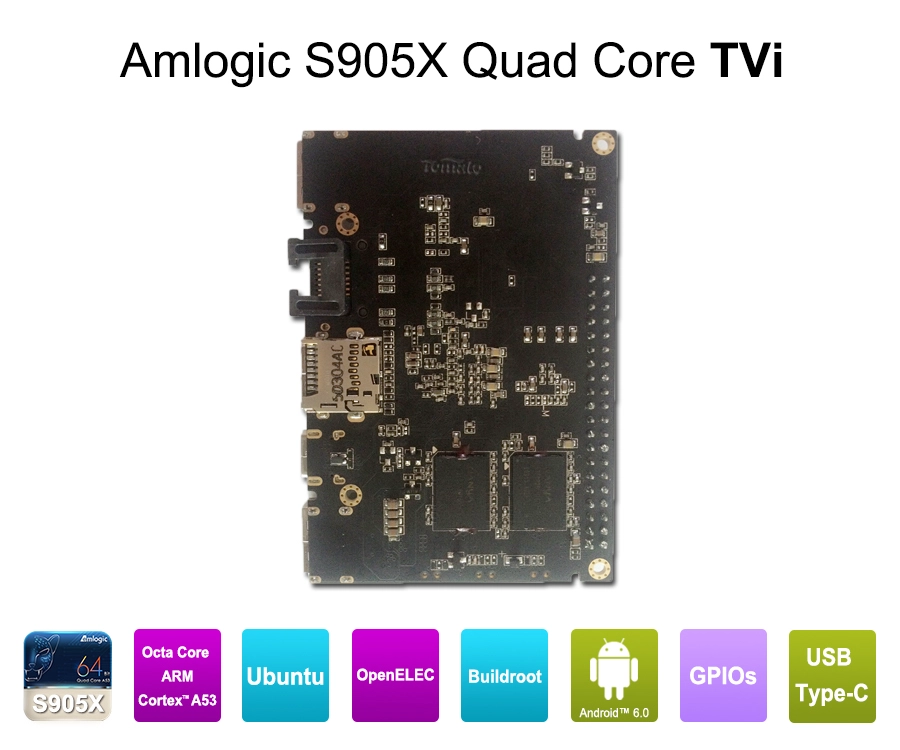
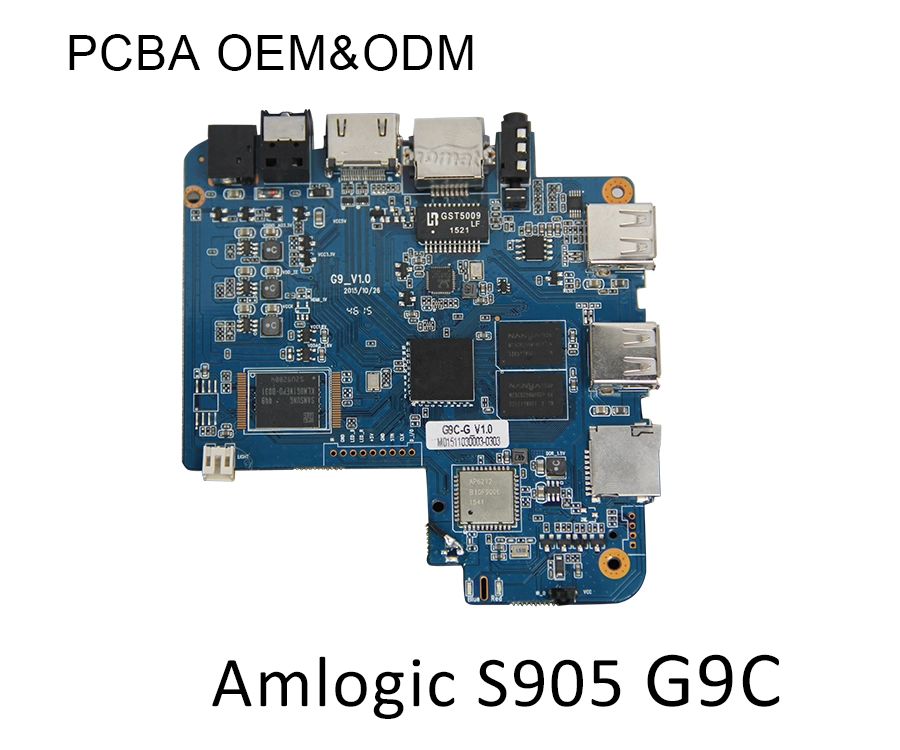
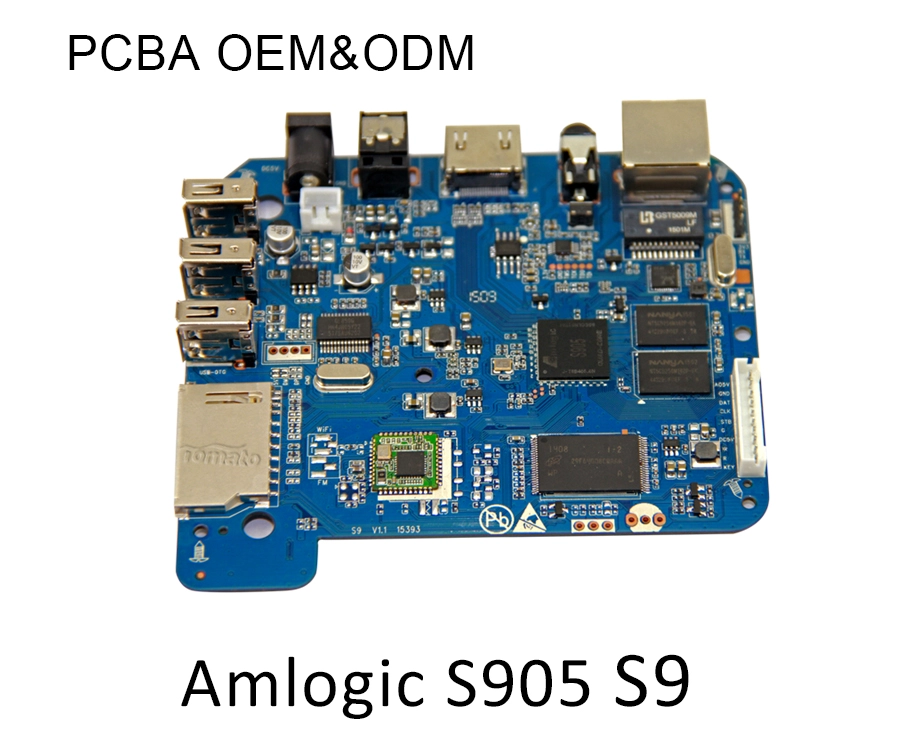
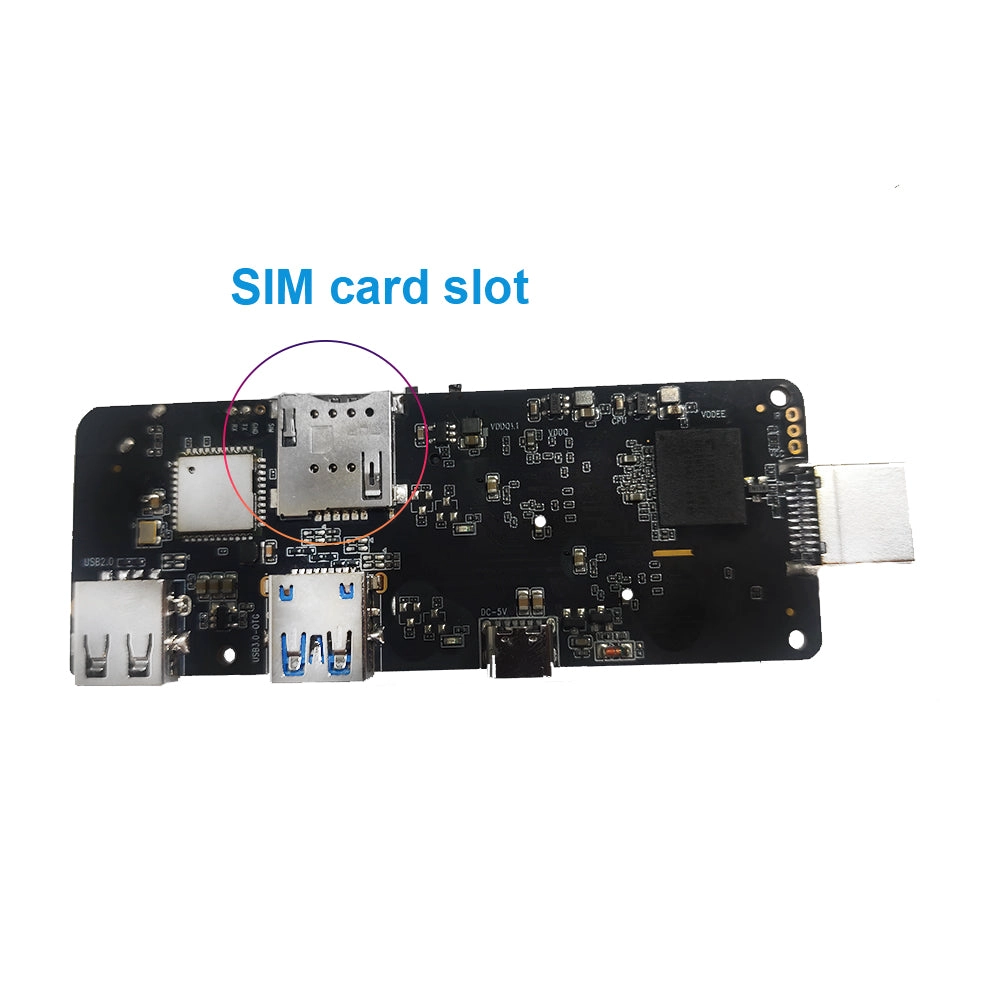
Custom PCBA Layouts: Isolating power regulation components from the primary System-on-Chip (SoC) to eliminate concentrated heat zones and electronic interference.
-
Industrial Cooling Solutions: Replacing thin foil spreaders with custom-extruded aluminum alloy heat sinks paired with high-conductivity thermal pads. This passive system keeps junction temperatures safely below throttling thresholds during continuous 24/7 operation in ambient temperatures up to 50°C.
Physical I/O and Component Reliability
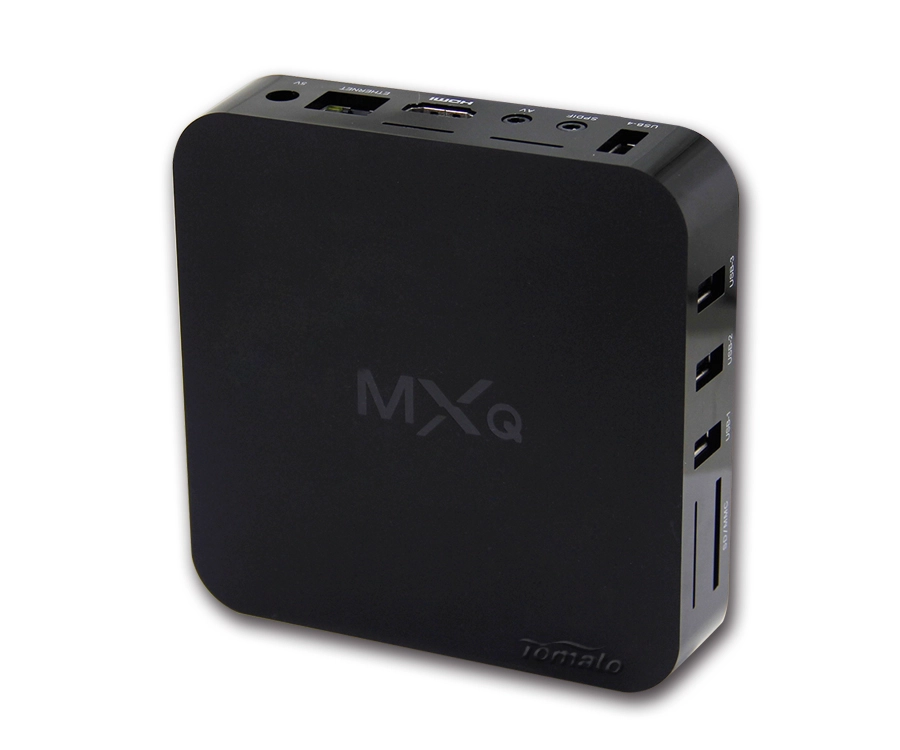
Fire Sticks rely on a single multiplexed port for power and data, creating physical vulnerabilities in commercial installations. Custom Smart TV Boxes provide dedicated board-level expansion:
-
Gigabit Ethernet & PoE: Integrated RJ45 ports with Power over Ethernet (PoE) modules to eliminate external power supplies and unreliable Wi-Fi links.
-
Industrial Interfaces: Dedicated RS232/RS485 serial ports for legacy display control, GPIO pins, optical S/PDIF, and USB 3.0 ports for local peripheral integration.
-
Power Stability: Wide-voltage DC power input circuits (9V–36V) featuring surge suppression and Electrostatic Discharge (ESD) protection grids to safeguard internal buses against unstable power grids.
2. Firmware Mastery: Kernel Optimization vs. Locked Ecosystems
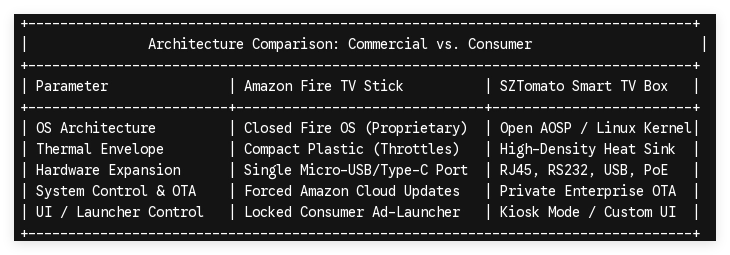
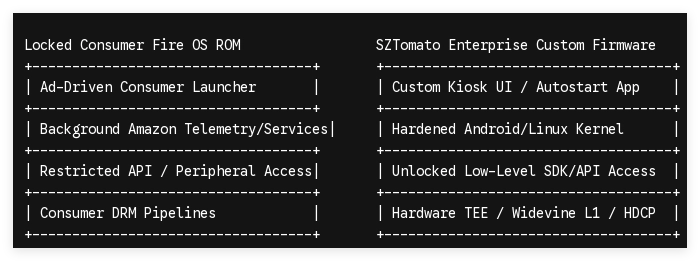
The Amazon Fire Stick operates on Fire OS, an ecosystem tightly bound to Amazon’s consumer services and ad-driven launcher. Attempting to bypass this launcher or strip background services is actively counteracted by automated operating system updates.
Kernel Hardening and Resource Allocation
Stock consumer operating systems run dozens of background tasks—analytics collectors, ad servers, and retail app stores—that consume up to 40% of available RAM and CPU cycles.
Deep Linux and Android kernel optimization strips away these background processes:
-
Resource Optimization: Rebuilding the Android Open Source Project (AOSP) or Linux kernel frees system memory and reduces boot times to under 12 seconds.
-
Deep API/SDK Binding: Providing system integrators with low-level API access to control hardware functions programmatically, including HDMI-CEC power toggling, display rotation (0°/90°/180°/270°), watchdog reset timers, and status LEDs.
-
Hardware DRM Integration: Hardcoding Widevine L1, PlayReady, and HDCP 2.3 encryption pipelines directly into the silicon Trusted Execution Environment (TEE) for secure content delivery.
Custom Kiosk UI and Brand Control
Commercial networks require a locked user experience that prevents end-user tampering:
-
UI/UX Lock-Down: Flashing custom launchers directly into the read-only system partition (/system), forcing the unit to boot directly into designated client middleware.
-
Firmware-Level Branding: Injecting company logos, boot animations, and custom color palettes into the bootloader to ensure consistent brand identity.
-
Disabled Interference Vectors: Blocking access to system setting menus, status bar pull-downs, and pop-up notifications.
3. Remote Infrastructure: Enterprise OTA vs. Uncontrolled Consumer Updates
Deploying streaming hardware across distributed commercial sites requires an enterprise-managed update infrastructure. Consumer dongles update automatically via public cloud servers, which can introduce unvetted UI alterations or software changes that break proprietary middleware.
Private OTA System Architecture
SZTomato provides private Over-the-Air (OTA) update infrastructures that give system administrators complete authority over firmware lifecycles:
| Management Feature | Consumer Streaming Dongles | SZTomato Enterprise Smart TV Box |
|---|---|---|
| Update Control | Mandatory public cloud updates. | Fully controllable, private enterprise OTA server execution. |
| Partition Safety | Single partition; failed updates can brick the device. | Dual-slot A/B partitions (slot_a / slot_b) with automatic rollback protection. |
| Payload Optimization | Full system ROM downloads. | Differential Delta updating reduces package sizes by up to 80%. |
| Deployment Staging | Immediate global distribution. | Phased, role-based staging by device batch, region, or customer tier. |
Hardware Root of Trust
To protect client applications and operational data from unauthorized access or firmware tampering, security is established at the factory layer:
-
Secure Boot: RSA/ECC cryptographic keys burned directly into eFuse memory ensure the device boots only verified, digitally signed firmware.
-
Certificate Pre-Injection: Pre-loading private SSL/TLS enterprise certificates into the root system store enables secure, encrypted communication channels out of the box.
Strategic Selection Matrix for Enterprise Procurement
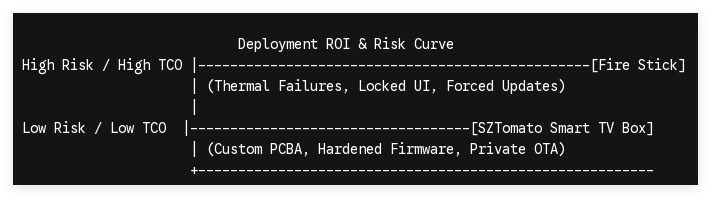
When evaluating hardware for commercial deployments, picking consumer sticks introduces hidden operational costs over time:
-
Deployment Purpose: If the goal is basic consumer streaming at home, a retail dongle works. If the objective is scaling a managed network (IPTV, Digital Signage, Kiosks, Healthcare Displays), a custom Smart TV Box is required.
-
Total Cost of Ownership (TCO): Consumer dongles carry a lower upfront purchase price but incur high long-term maintenance costs due to field failures and manual troubleshooting. Custom OEM hardware reduces long-term maintenance overhead through enterprise-grade thermal stability and remote management capabilities.
Architect Your Hardware Strategy with SZTomato
Deploying a commercial media network on consumer hardware compromises operational reliability. SZTomato provides system integrators, telecommunications operators, and enterprise network managers with custom OEM/ODM hardware and firmware solutions engineered for demanding deployment environments.
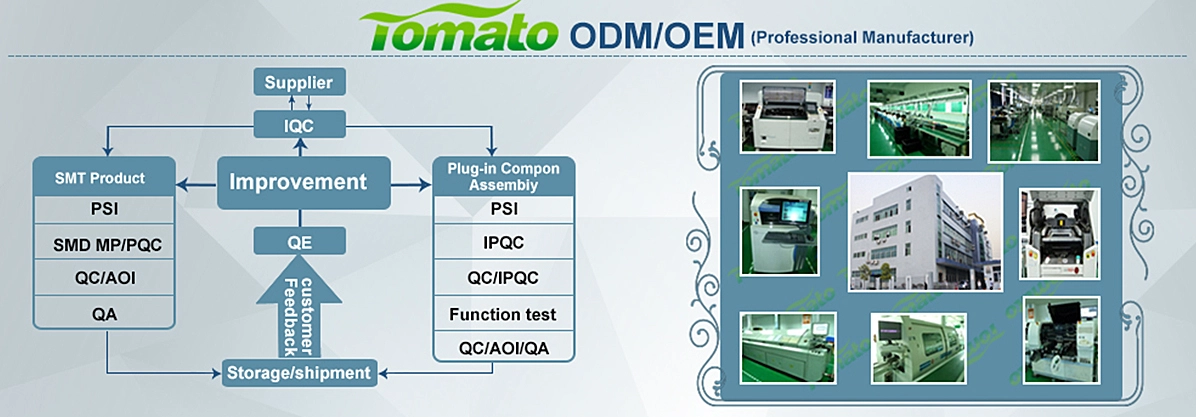
With over 16 years of expertise in cross-border electronics manufacturing, Shenzhen Tomato Technology Co., Ltd. delivers turnkey engineering solutions—from initial SoC evaluation (Amlogic, Rockchip) and custom PCBA layout design to kernel hardening, launcher lock-down, and private OTA server deployment.
Eliminate operational bottlenecks in your hardware deployment.
Visit www.sztomato.com to review hardware specifications, request evaluation samples, or schedule a technical consultation with our engineering team.
