
Leading TV Box Supplier for Global Telecommunication Brands
Leading TV Box Supplier for Global Telecommunication Brands
A telecom-grade TV Box is not simply a consumer streaming device with a customized logo. For IPTV operators, broadband providers, and telecom brands, it is a network-connected endpoint that must work reliably with service middleware, content protection systems, remote device management, and the operator's software ecosystem.
The engineering challenge starts before production. The selected system-on-chip (SoC), memory configuration, network interfaces, firmware architecture, and thermal design must work together under the operator's actual deployment conditions. A mismatch in any of these areas can increase integration costs, delay rollout, or create support problems across thousands of installed devices.
For global telecom brands, the right supplier must therefore combine hardware manufacturing with genuine engineering capabilities.
1. How to Select a TV Box Platform for Telecom Deployment
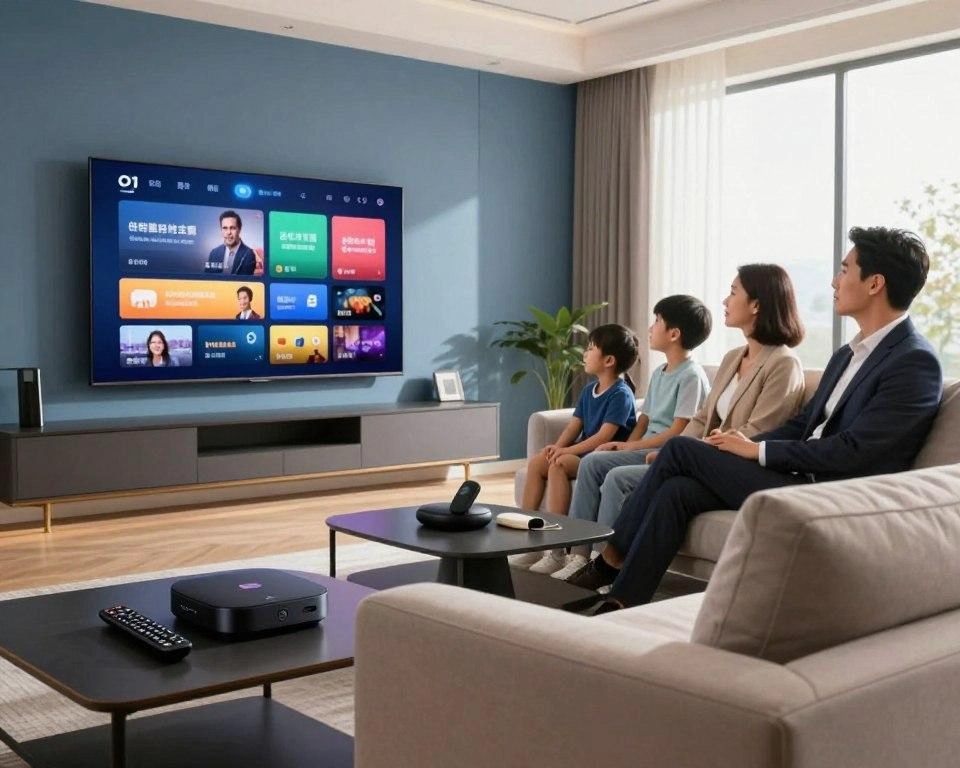
Match the SoC to the service workload
The processor should be selected according to the intended application rather than headline specifications alone. A platform designed for basic IPTV playback may be unsuitable for a demanding Android application environment, while a high-performance multimedia SoC may increase the bill of materials without delivering meaningful benefits to a basic linear-TV service.
Procurement teams should assess the following areas before approving a platform.
|
Engineering factor |
What telecom buyers should verify |
|---|---|
|
SoC architecture |
CPU performance, GPU capability, video engine and hardware acceleration |
|
Video decoding |
Required H.264, HEVC and AV1 profiles, resolutions, frame rates and bit depths |
|
Memory and storage |
RAM capacity, eMMC performance, application footprint and lifecycle availability |
|
Network connectivity |
Gigabit Ethernet requirements, Wi-Fi capability and interface stability |
|
Display output |
HDMI specification, supported output modes, CEC and applicable HDCP requirements |
|
Software platform |
Android or Linux BSP, kernel support, drivers and middleware compatibility |
|
Product lifecycle |
Chip availability, firmware maintenance, component continuity and replacement planning |
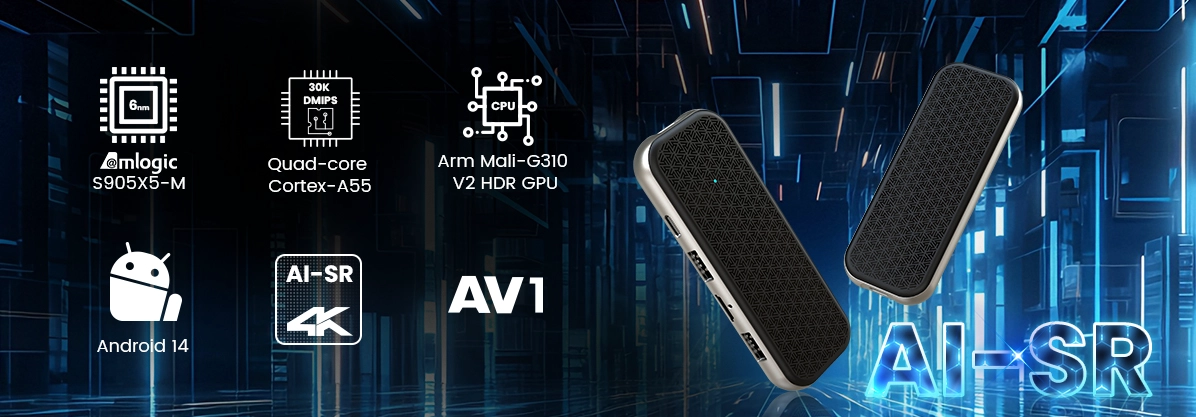
AV1 support deserves particular attention when designing a new streaming platform. Hardware decoding can reduce CPU load for supported AV1 streams, but actual benefits depend on codec profiles, content delivery configuration, application support, and the capabilities of the complete playback pipeline.
Similarly, 4K or 8K decoding capability does not automatically guarantee smooth playback. Memory bandwidth, thermal conditions, HDMI output configuration, DRM integration, and software optimization can all affect real-world performance.
For a telecom operator, the correct platform is the one that meets its service requirements with sufficient performance margin and a manageable long-term cost structure.
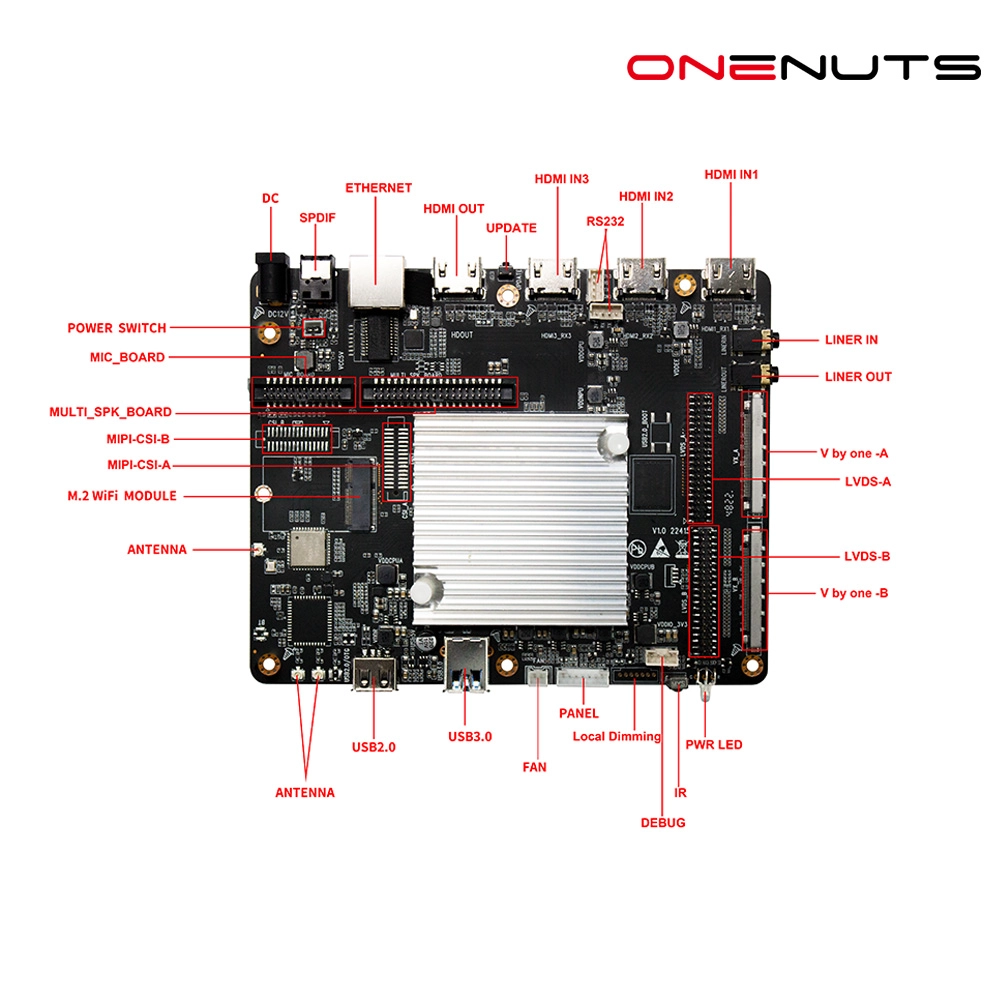
Design the PCBA around the deployment
A reference design is a useful starting point, but it does not always meet the requirements of a specific operator.
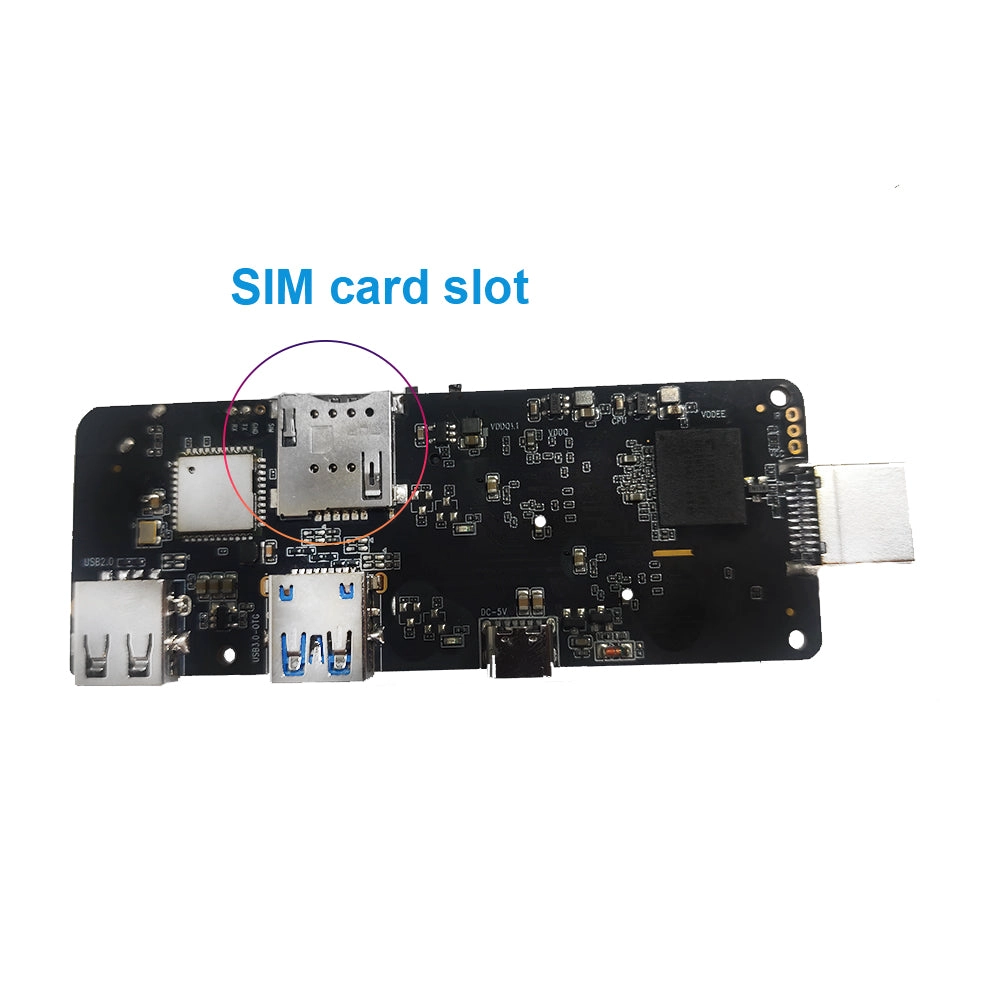
A project may need additional USB interfaces, a different Ethernet configuration, revised antenna placement, customized power delivery, a specialized enclosure, or a connector layout compatible with existing installation practices.
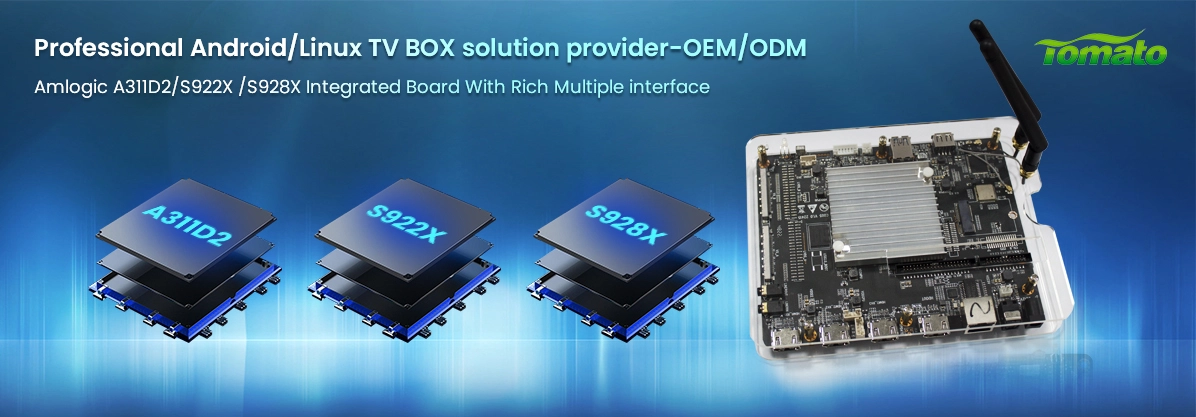
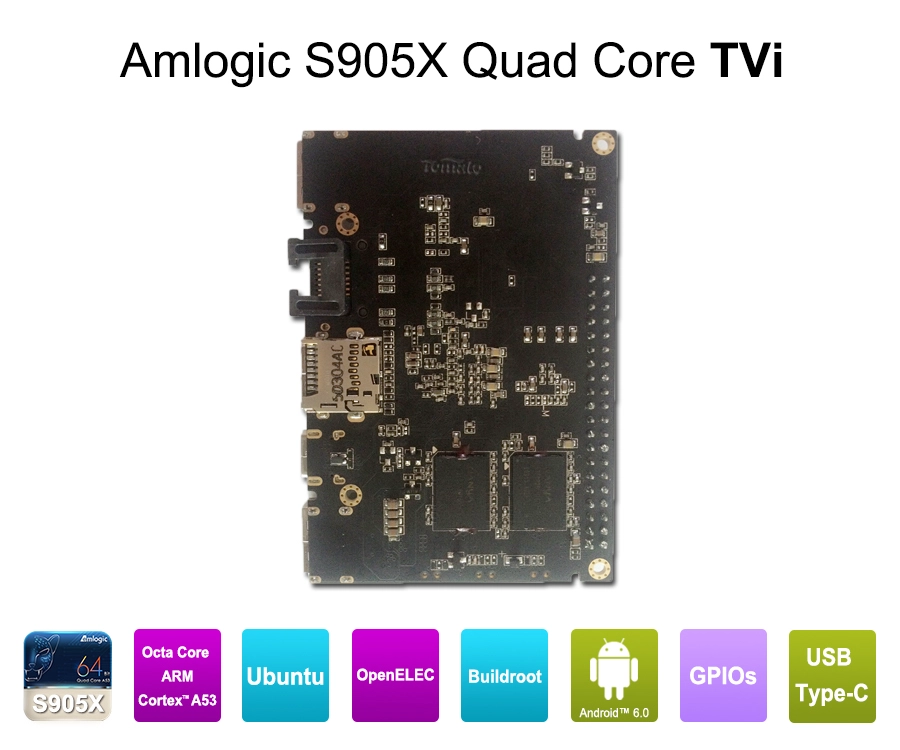
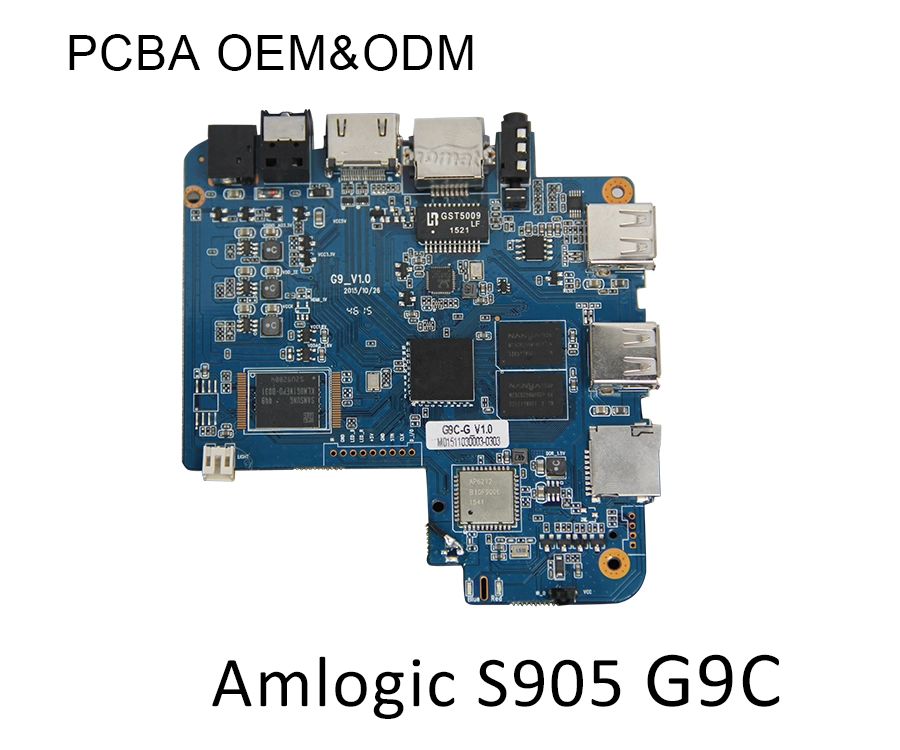
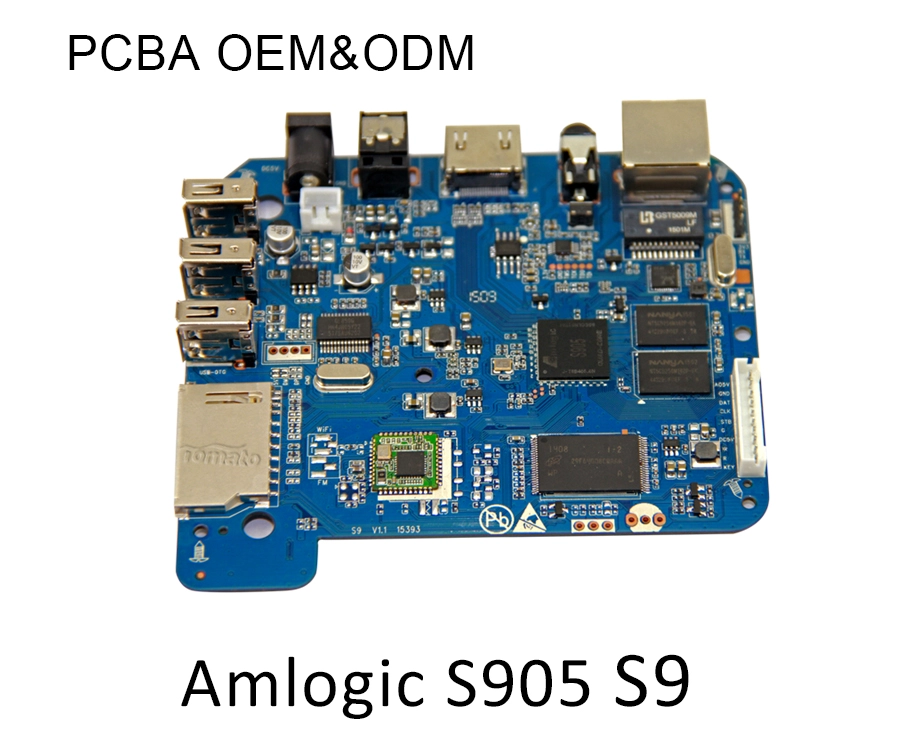
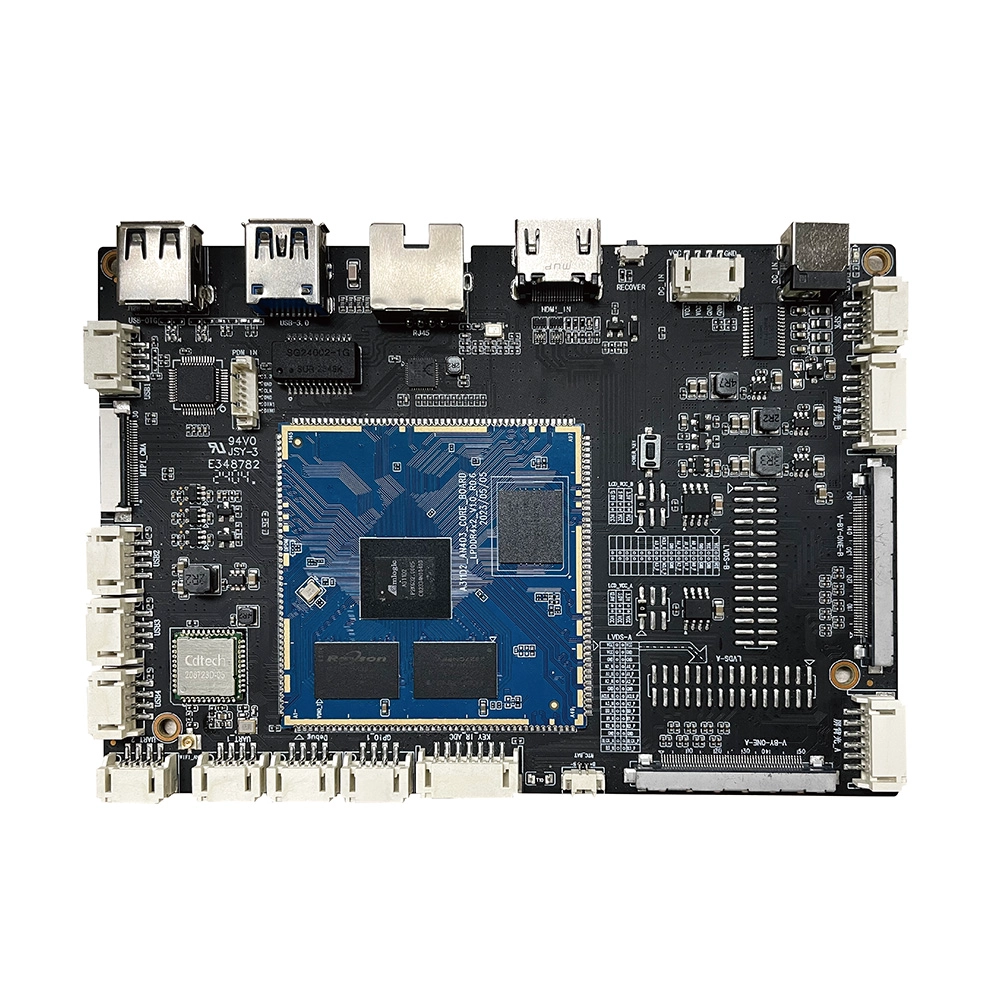
SZTomato supports OEM/ODM development that can include PCBA hardware modification, component selection, interface adjustments, and hardware-software integration. These changes should be evaluated together because a modified PCB can affect signal integrity, power consumption, electromagnetic compatibility, heat distribution, and enclosure design.
Before mass production, buyers should request a defined engineering validation plan covering:
-
Electrical and interface verification.
-
Sustained video playback and application-load testing.
-
Ethernet and wireless connectivity testing.
-
Thermal performance under representative workloads.
-
Firmware compatibility and recovery testing.
-
Production consistency and quality-control procedures.
The objective is not simply to produce a functioning prototype. It is to establish a repeatable design that can be manufactured, deployed, and supported at commercial scale.
2. Why Firmware Engineering Matters More Than Branding
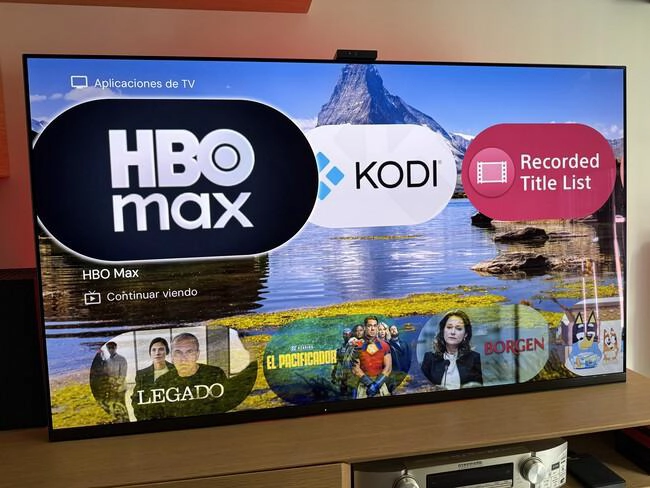
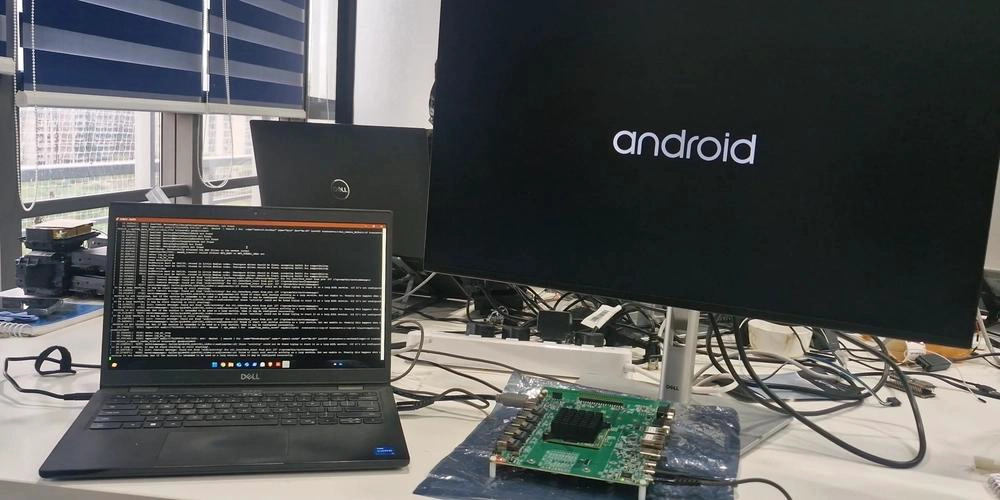
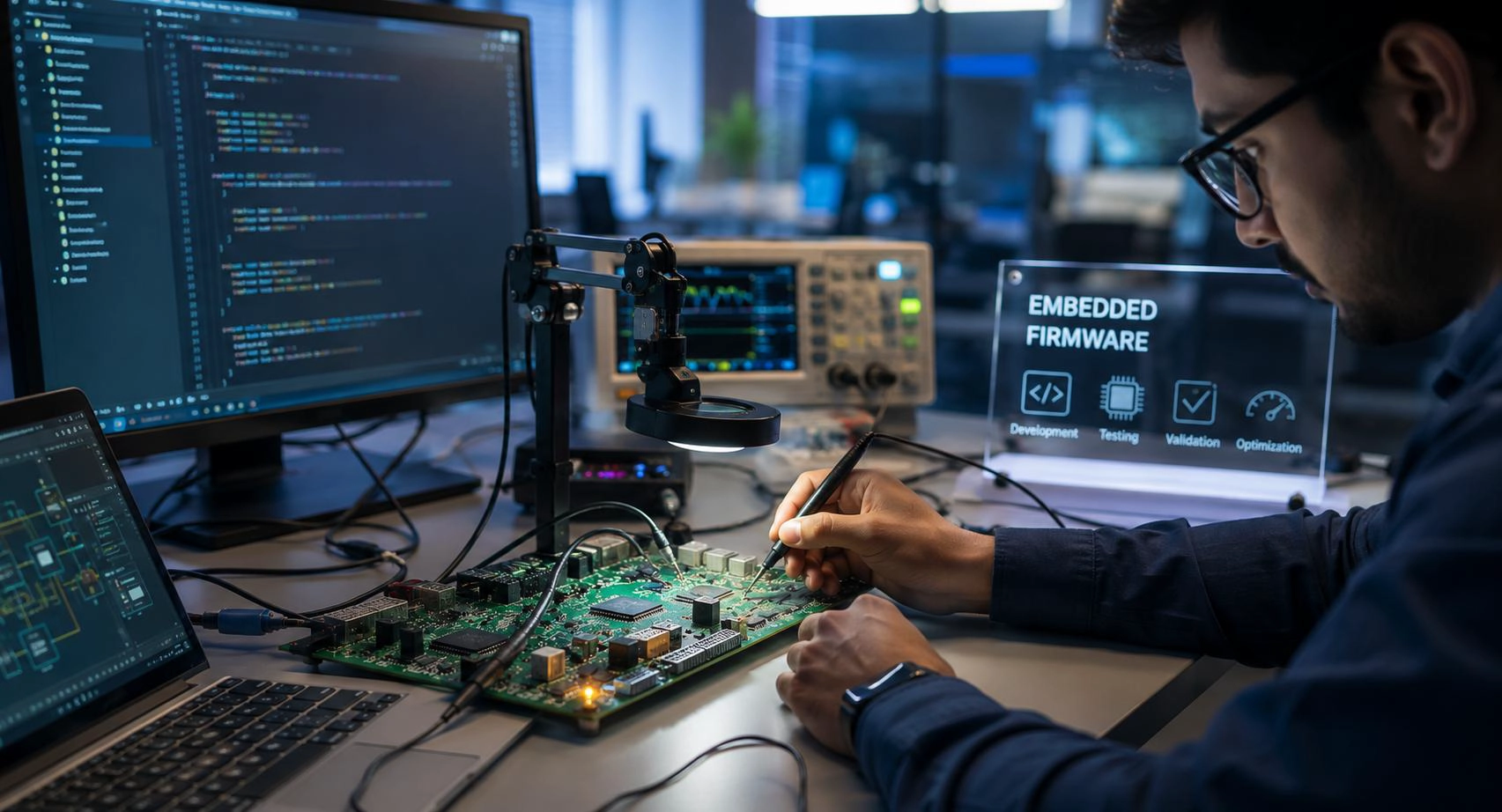
For telecom operators, firmware determines how the TV Box behaves after it enters the network. A standard Android image may support basic playback, but operator deployments often require deeper changes to the boot sequence, system services, application permissions, device management, and middleware integration.
Android and Linux kernel optimization
A complete firmware customization project may involve several software layers:
-
Bootloader and BSP: Configure startup behavior, hardware initialization, recovery mechanisms, and supported board variants.
-
Linux kernel and device drivers: Integrate peripherals, configure network interfaces, manage power states, and resolve hardware compatibility issues.
-
Android framework or Linux user space: Adjust system services, permissions, resource allocation, and background processes.
-
Middleware and application integration: Connect IPTV services, electronic program guides, authentication systems, and operator-specific applications.
-
Custom UI/UX firmware: Apply branded launchers, boot animations, menu structures, navigation logic, and controlled application access.
These layers should be treated as a coordinated engineering system. For example, adding a new peripheral may require changes to the kernel driver, device tree, Hardware Abstraction Layer (HAL), and system permissions. Installing an application alone will not solve an underlying hardware integration problem.
SZTomato provides custom firmware and UI/UX development, together with SDK/API integration, to support projects that require more than standard logo or enclosure customization.
The exact scope depends on the target SoC, available BSP, licensing restrictions, and the operator's software architecture.
Integrate middleware, APIs, and content protection early
An IPTV platform can depend on several interconnected systems, including subscriber authentication, middleware, electronic program guides, video-on-demand services, and remote device management.
The TV Box must communicate correctly with these systems and handle failures predictably. Authentication errors, interrupted streams, expired sessions, and network changes should not leave the device in an unrecoverable state.
SDK/API integration can connect the device to an operator's applications and management infrastructure. Engineering teams should define interface specifications, authentication mechanisms, error handling, logging, and compatibility requirements before the firmware is finalized.
Content protection also requires early planning. HDCP protects supported digital audio/video connections, whereas DRM and conditional access systems govern access to protected content. They serve different purposes and may be required together. Applicable licenses, certificates, key provisioning, and platform approvals must be confirmed with the relevant technology providers.
ITU+1
A practical integration checklist includes:
-
Confirming required DRM and HDCP versions.
-
Verifying whether platform or application certification is mandatory.
-
Testing playback under the actual middleware and network configuration.
-
Defining API compatibility and authentication requirements.
-
Establishing diagnostic logs and software recovery procedures.
These requirements are difficult to resolve efficiently if they are discovered only after the hardware has entered mass production.
3. OTA Updates, Security, and Long-Term Device Management
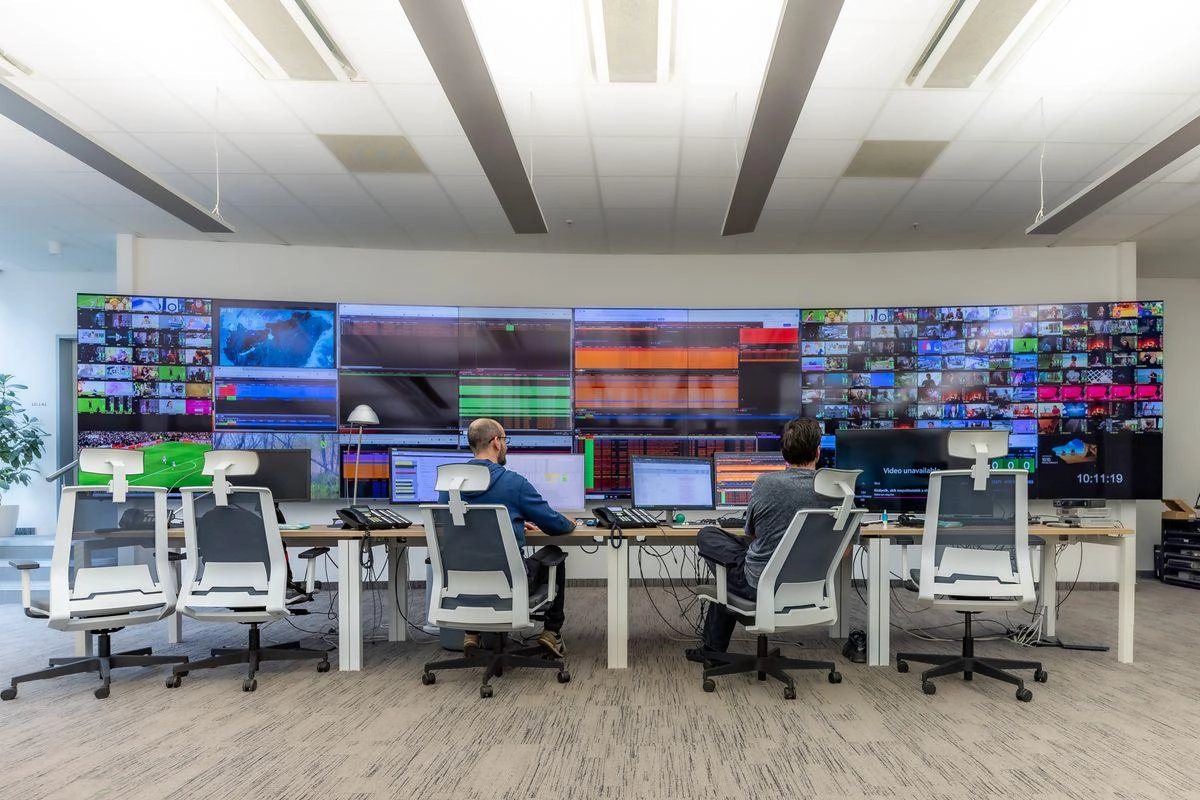
For a telecom brand, the cost of a TV Box extends beyond the purchase price. Software maintenance, field support, replacement logistics, and compatibility with evolving services can affect the total cost of ownership throughout the product lifecycle.
A device that performs well at launch but cannot be updated reliably may become an operational liability.
Build an OTA update strategy before deployment
An Over-the-Air (OTA) update system allows operators to distribute firmware updates without collecting devices for manual servicing. However, OTA capability should be designed around operational requirements rather than treated as a single software feature.
A robust update architecture should address:
-
Device identification and targeting: Assign devices to appropriate product, firmware, region, or service groups.
-
Package integrity: Verify update packages and enforce appropriate authentication and signature validation.
-
Controlled rollout: Deploy updates to pilot devices before expanding to larger device populations.
-
Failure recovery: Define recovery behavior for interrupted downloads, failed installations, and incompatible firmware.
-
Version management: Maintain clear records of firmware versions, deployment status, and supported upgrade paths.
-
Diagnostics: Collect appropriate error information to help engineering teams investigate field issues.
Where the hardware and software architecture support it, A/B system partitions or equivalent recovery mechanisms can reduce the risk associated with failed updates. Their availability must be verified for the selected platform rather than assumed.
SZTomato can support customized firmware and OTA-related integration according to project requirements. The update server, backend infrastructure, signing process, security responsibilities, and service-level commitments should be specified separately in the project agreement.
Treat security as a complete system
A secure TV Box requires more than an encrypted connection. Security depends on the entire device lifecycle, from manufacturing and provisioning to deployment, updating, and eventual decommissioning.
Relevant engineering considerations include secure boot where supported, signed firmware packages, controlled debugging interfaces, appropriate credential storage, authenticated management connections, and a defined vulnerability-handling process.
For Android-based products, the supported operating-system version and the manufacturer's maintenance capability should also be evaluated. Linux-based deployments require equivalent attention to package maintenance, access control, kernel updates, and application security.
Telecom buyers should establish a realistic software support period, including the scope of security fixes, compatibility updates, and maintenance responsibilities. These commitments should be documented instead of relying on an informal promise of future support.
4. Thermal Design, Quality Control, and OEM/ODM Production
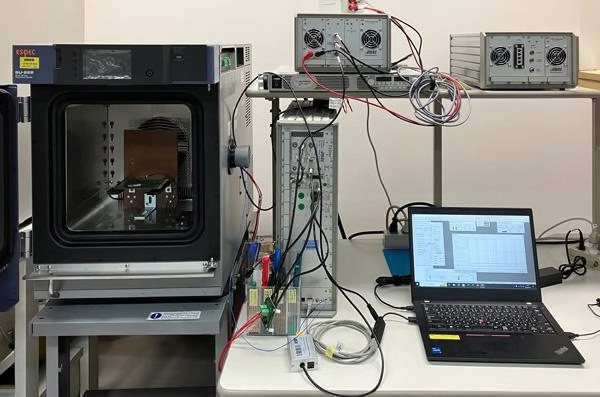
A TV Box that passes a short functional test may still encounter problems during continuous operation. This is particularly relevant to telecom installations where devices may run for long periods, operate in poorly ventilated cabinets, or experience elevated ambient temperatures.
Thermal management should therefore be considered during platform selection and enclosure development, not after performance problems appear.
Design for sustained performance
The SoC, memory, power-management components, PCB layout, enclosure, and ventilation path collectively determine thermal behavior.
If the device overheats, the processor may reduce its operating frequency through thermal throttling. The result can include slower application response, unstable playback under demanding workloads, or reduced performance during simultaneous background operations.
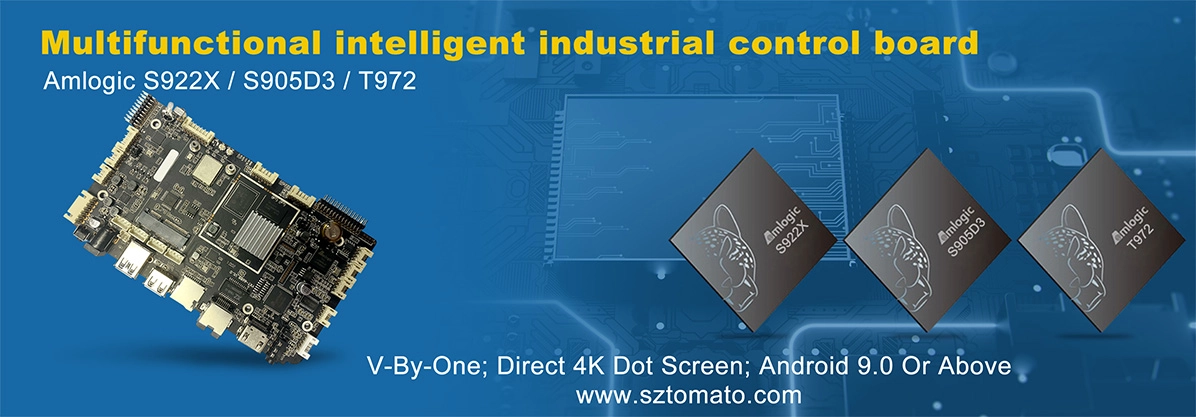
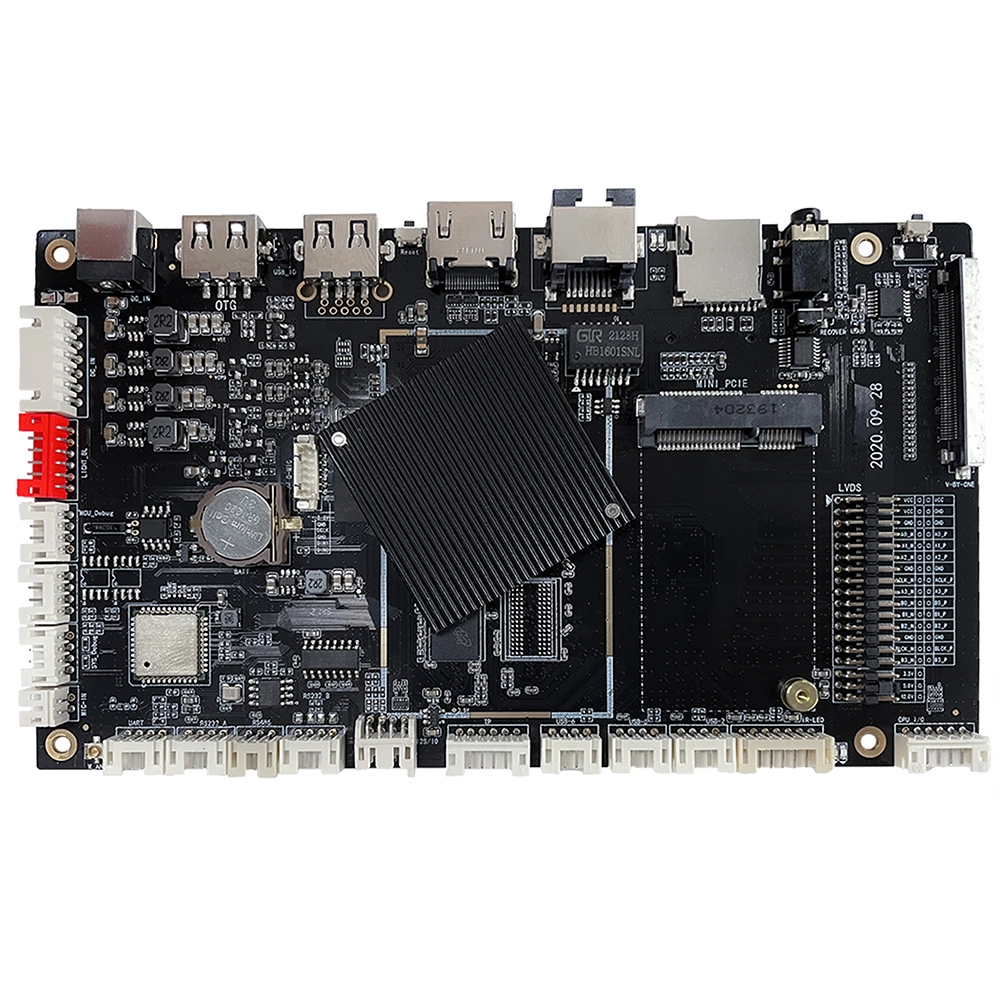
SZTomato supports specialized cooling solutions for industrial applications, selected according to the hardware configuration and operating environment. Depending on project requirements, engineering measures may include heatsink optimization, revised component placement, improved thermal interfaces, and enclosure airflow adjustments.
Validation should include sustained workloads rather than brief benchmarks alone. Testing should reflect the expected ambient temperature, enclosure orientation, ventilation conditions, network activity, and multimedia workload.
Establish production quality gates
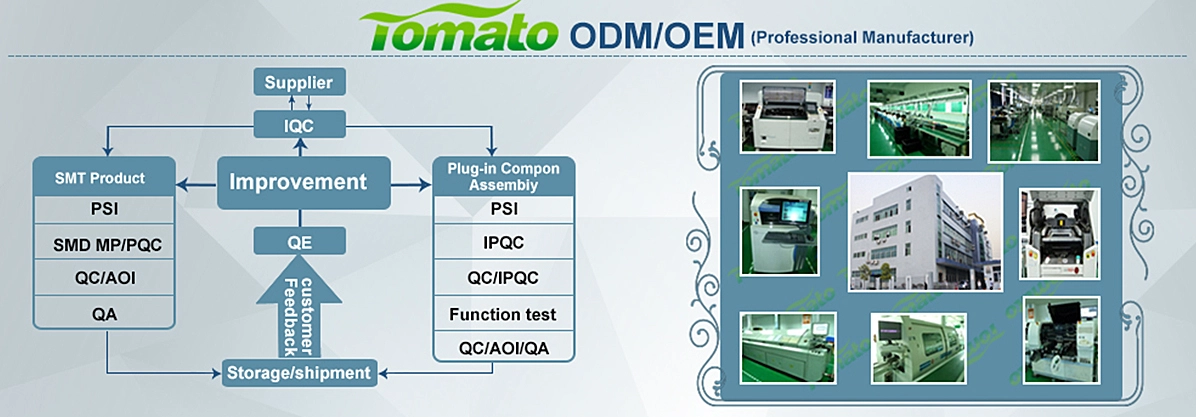
OEM/ODM production requires consistency between the approved engineering sample and the units delivered to the customer.
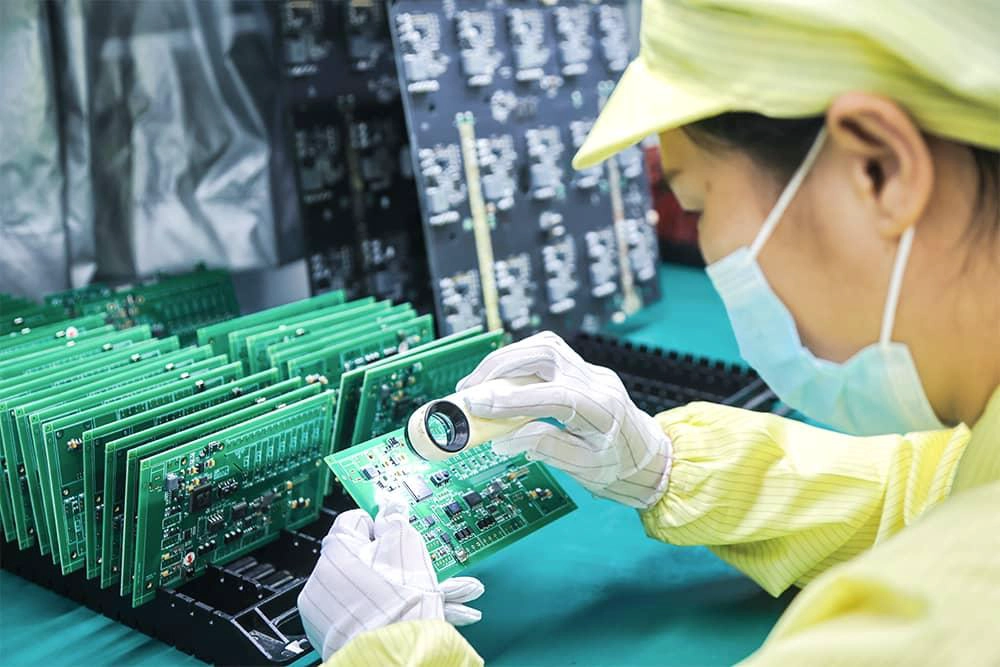
A practical quality plan should cover incoming component inspection, PCBA assembly verification, firmware flashing, functional testing, interface checks, and final inspection. For telecom projects, additional tests may be necessary for extended playback, network reconnection, OTA recovery, and interoperability with operator infrastructure.
|
Production stage |
Recommended control |
|---|---|
|
Engineering validation |
Confirm hardware, firmware, interface, and thermal requirements |
|
Pilot production |
Verify assembly repeatability and firmware configuration |
|
Firmware provisioning |
Control approved software versions and device-specific settings |
|
Functional testing |
Check display output, connectivity, audio, remote control, and required peripherals |
|
Reliability testing |
Evaluate sustained operation and recovery from defined fault conditions |
|
Shipment release |
Confirm inspection records, packaging, labeling, and configuration traceability |
The exact sampling plan, acceptance criteria, and reliability-test duration should be agreed upon before production. No single checklist replaces application-specific testing, especially where the operator has mandatory certification or security requirements.
For procurement teams, this is where a technically capable supplier can provide more value than a factory offering only a standard product catalog.
Why Global Telecom Brands Work with SZTomato
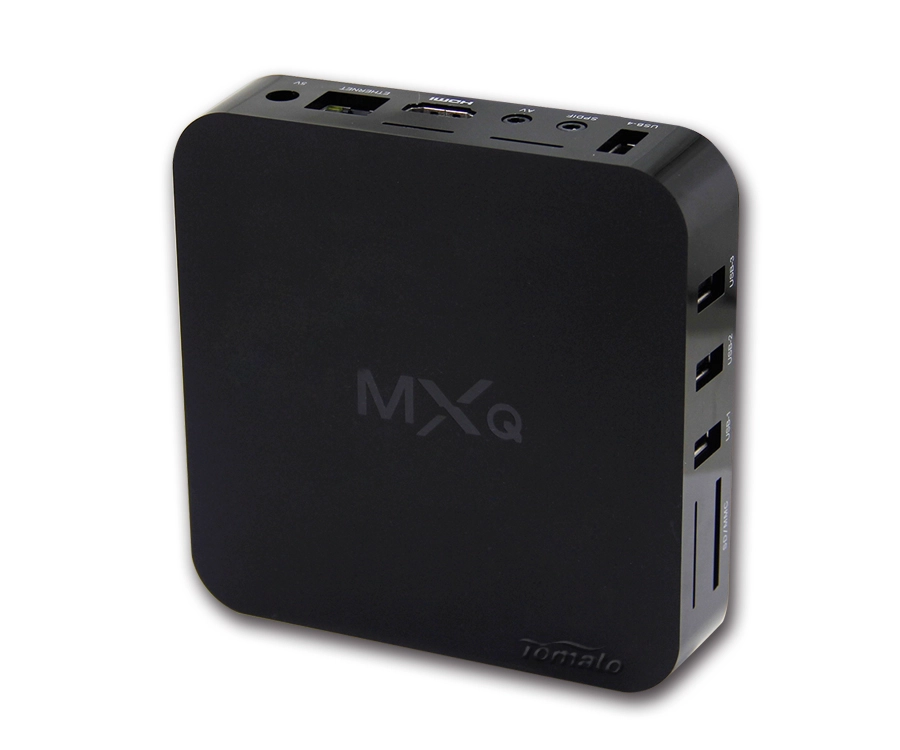
SZTomato, Shenzhen Tomato Technology Co., Ltd., focuses on Android TV Box, IPTV set-top box, streaming media player, digital signage, and related smart multimedia hardware. Its OEM/ODM approach combines hardware customization with firmware and software integration.
For telecom operators, brand owners, distributors, and system integrators, relevant capabilities include:
-
Hardware engineering: PCBA modification, interface customization, and component configuration.
-
Firmware development: Android/Linux customization, system optimization, and branded UI/UX.
-
Software integration: SDK/API development support and integration with customer-defined applications and middleware.
-
Thermal engineering: Cooling solutions designed around workload, enclosure, and operating conditions.
-
Manufacturing support: Engineering validation, production testing, and configuration control based on project requirements.
The most appropriate solution depends on the deployment scale, target market, chipset availability, certification needs, and expected maintenance period. These details should be reviewed before finalizing the bill of materials or committing to production.
Conclusion: Choose a TV Box Supplier That Can Support the Entire Lifecycle
A telecom-grade TV Box project succeeds when hardware capability, firmware architecture, content protection, network integration, and production quality are planned together.
The lowest unit price does not necessarily deliver the lowest deployment cost. A better purchasing decision considers integration effort, failure recovery, software maintenance, thermal stability, component availability, and the supplier's ability to resolve engineering problems after launch.
For procurement managers and system integrators, the next step is to define the service environment, required interfaces, target SoC performance, operating-system requirements, middleware dependencies, and security obligations.
SZTomato supports OEM/ODM TV Box projects with PCBA hardware modification, custom Android/Linux firmware, SDK/API integration, UI/UX development, and specialized thermal design. Share your target specifications, deployment scenario, estimated order volume, and customization requirements to begin a technical feasibility review and develop a platform aligned with your telecom service strategy.
