
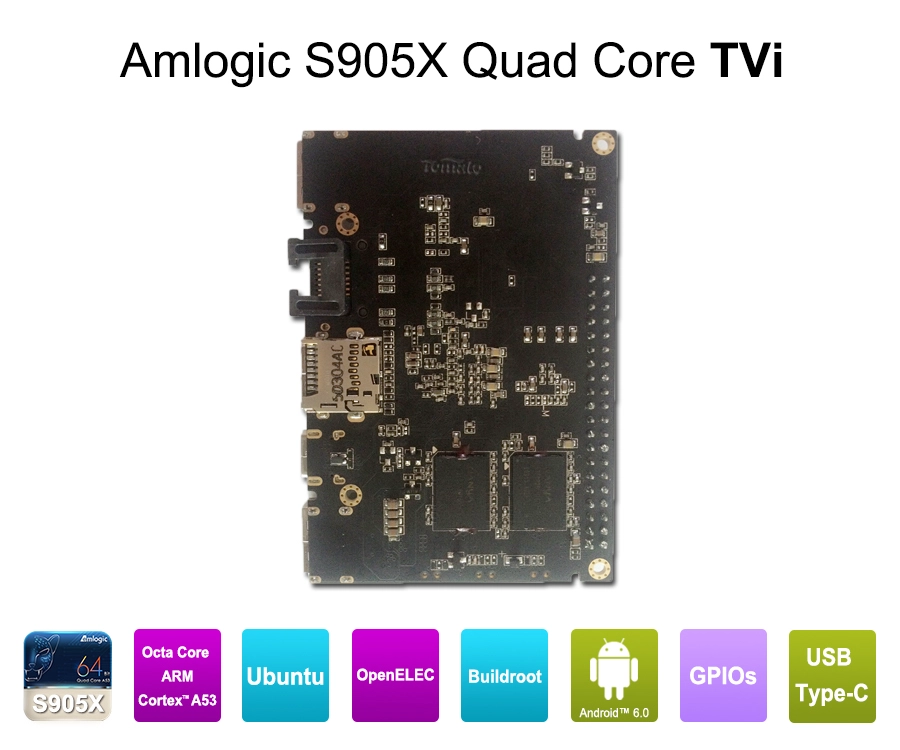
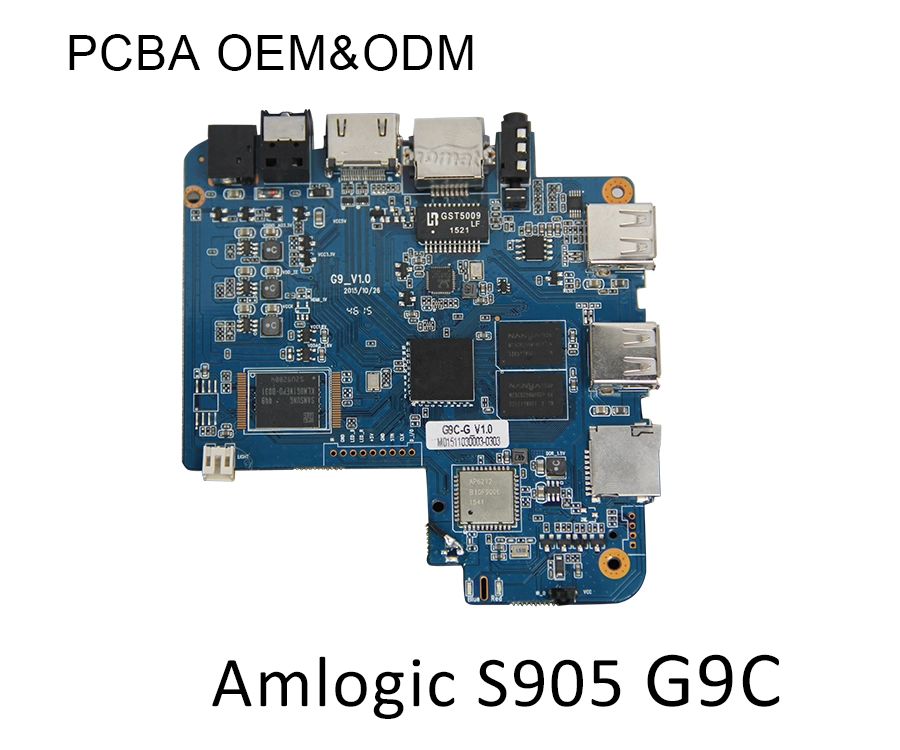
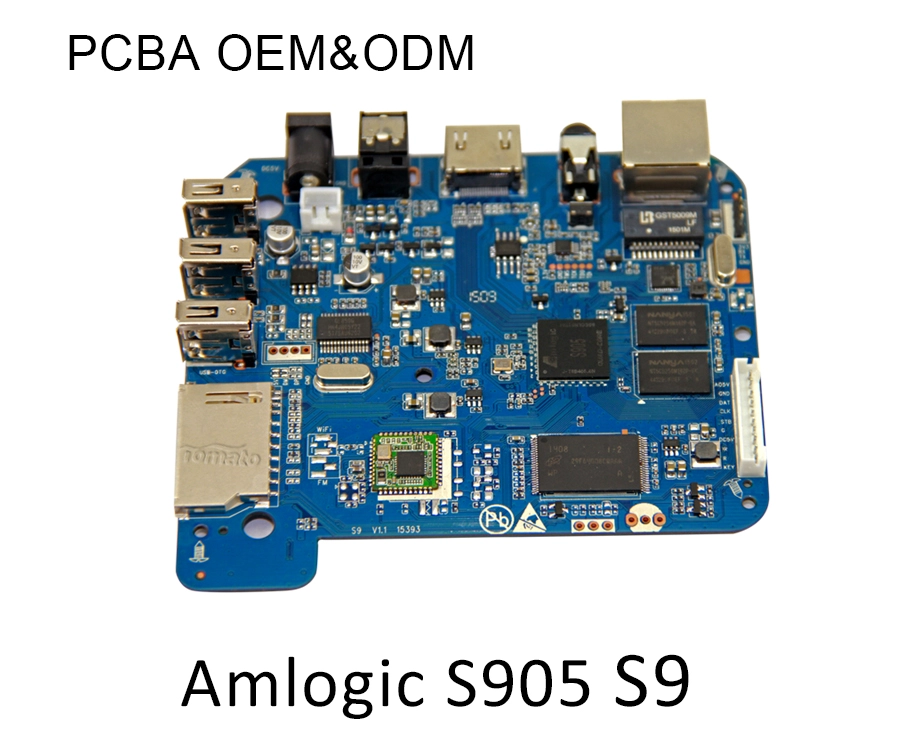
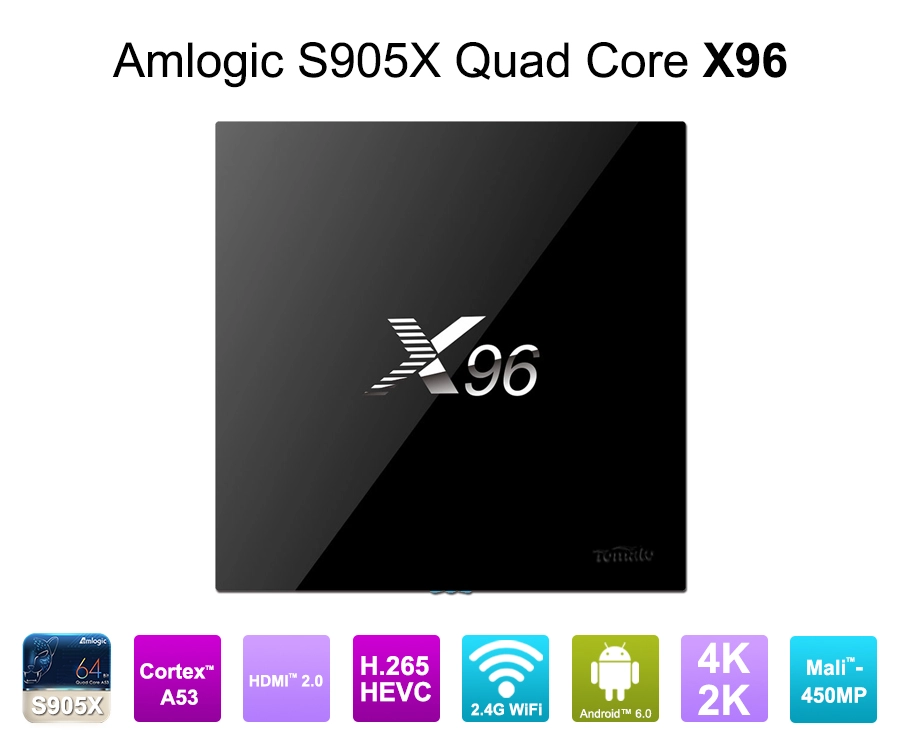
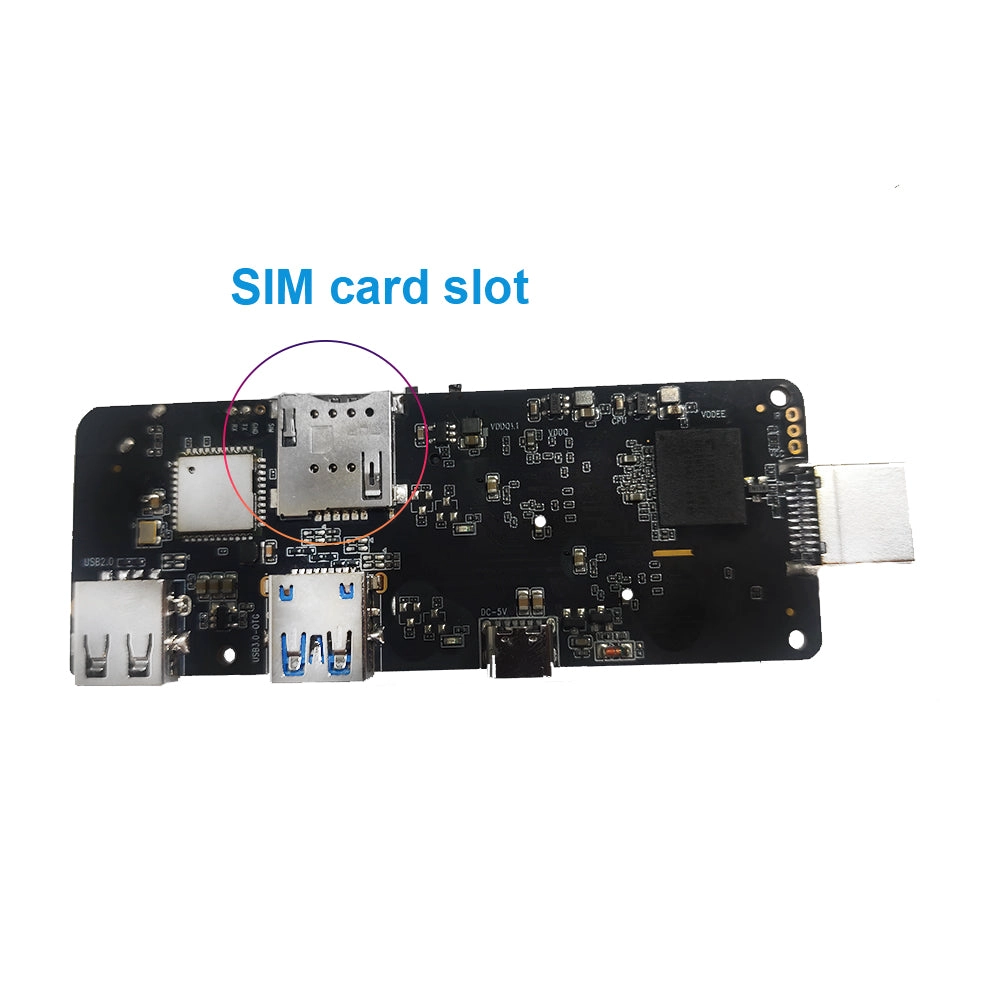
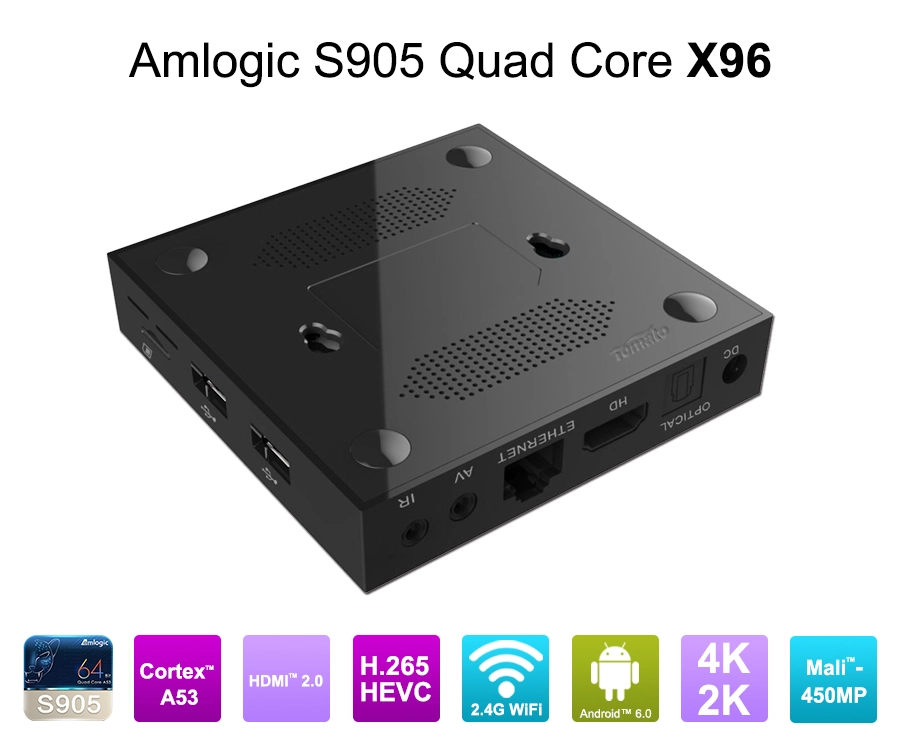
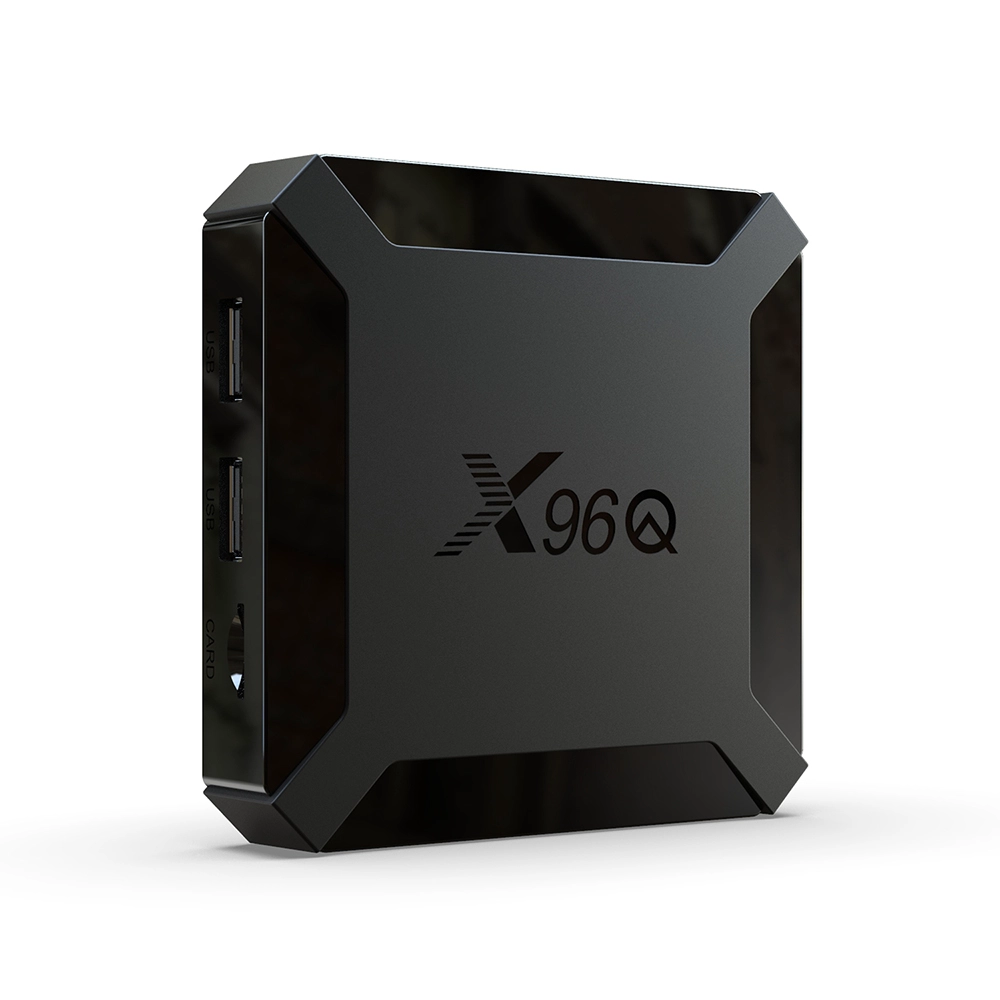
Linux & Android Dual-OS Android TV Box Development Board technical specifications
1. Dual-OS Android TV Box Development Board: Hardware Architecture and SoC Selection
The SoC is the foundation of a dual-operating-system development board. It determines the CPU architecture, GPU capabilities, memory controller, multimedia engine, peripheral interfaces, and availability of Android/Linux software development resources.
For B2B projects, Rockchip platforms are worth evaluating because their product ecosystem covers multimedia, embedded Linux, Android, and industrial applications.
Two representative platforms illustrate different project requirements.
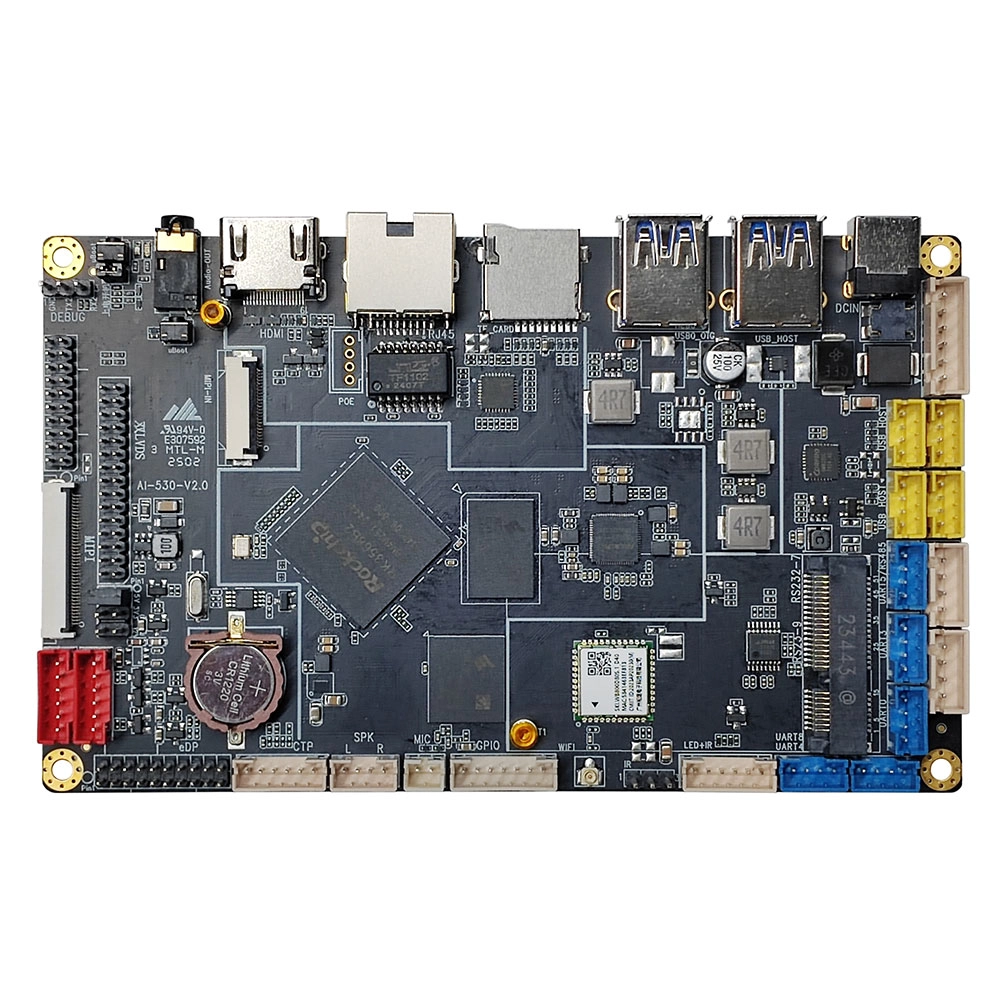 Rockchip RK3568
Balanced embedded platform
-
Quad-core Cortex-A55 CPU
-
Mali-G52 GPU
-
1 TOPS NPU
-
4K H.265/H.264/VP9 decoding
-
Android 11/12 and Linux SDK support documented for the platform
Suitable for IPTV, embedded terminals, smart displays, and industrial control.
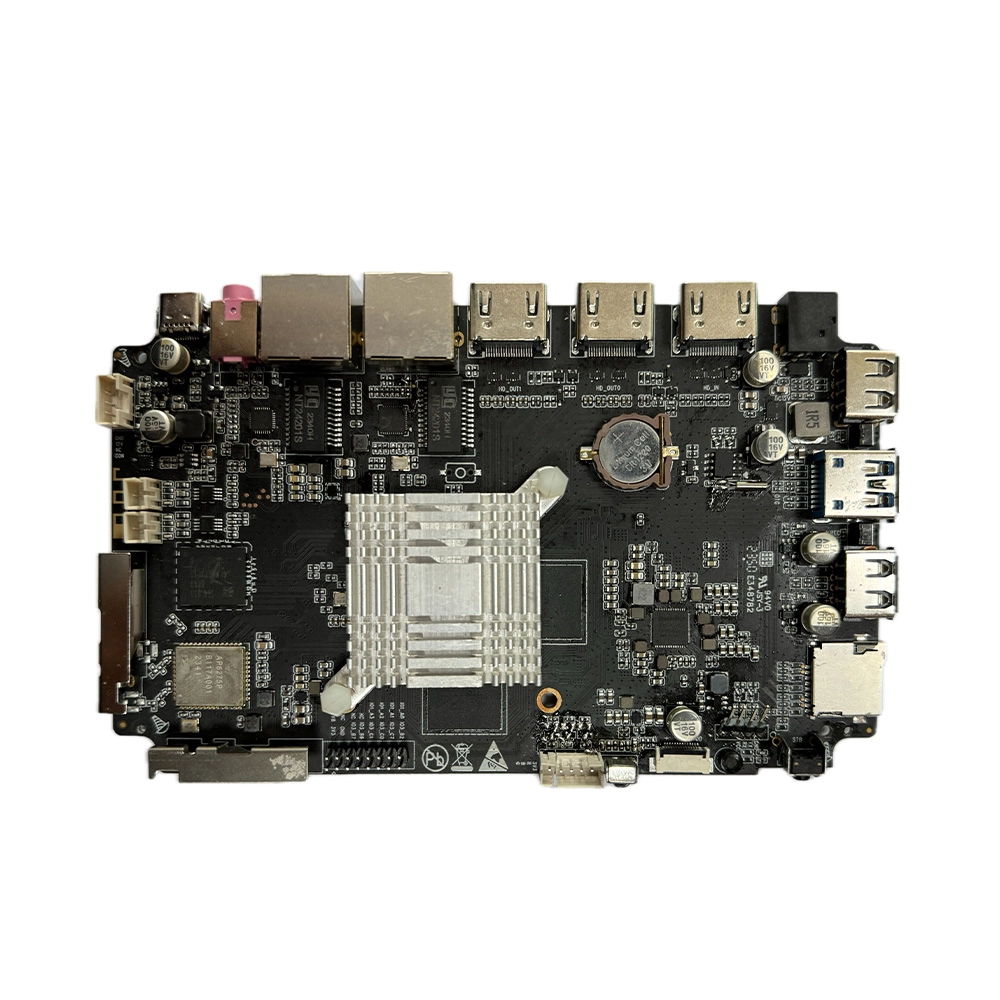 Rockchip RK3588
High-performance platform
-
4× Cortex-A76 + 4× Cortex-A55
-
Mali-G610 MP4 GPU
-
Up to 6 TOPS NPU
-
8K video decoding capabilities
-
Android and multiple Linux distributions supported on documented development platforms
Suitable for advanced multimedia, AI applications, and complex industrial systems.
1.1 Recommended Hardware Specification Framework
The following table provides a practical reference for planning a Linux & Android Dual-OS Android TV Box development board.
These are recommended engineering configurations, not specifications of one confirmed SZTomato product.
|
Hardware component |
Recommended configuration |
Engineering consideration |
|---|---|---|
|
SoC |
Rockchip RK3568 / RK3588 or compatible Amlogic platform |
Confirm dual-OS BSP availability |
|
CPU |
Quad-core or octa-core ARM |
Match processing requirements |
|
GPU |
Mali-series GPU |
Verify Linux and Android graphics drivers |
|
RAM |
4GB / 8GB LPDDR4 or LPDDR5, SoC-dependent |
Check memory-controller compatibility |
|
Storage |
32GB / 64GB / 128GB eMMC |
Allow sufficient space for both OS images |
|
External storage |
MicroSD or USB storage |
Development and recovery |
|
Ethernet |
10/100/1000 Mbps |
Stable wired connectivity |
|
Wi-Fi |
Dual-band Wi-Fi 5/6 |
Confirm module and driver support |
|
Bluetooth |
Bluetooth 5.x |
Peripheral compatibility |
|
Video output |
HDMI 2.0 or higher, SoC-dependent |
Resolution, refresh rate, HDCP |
|
USB |
USB 2.0 / USB 3.0 |
Host and OTG functionality |
|
Expansion |
UART, GPIO, I2C, SPI, PCIe |
Industrial integration |
|
Power input |
5V or 12V, platform-dependent |
Match PMIC and board design |
|
Cooling |
Passive heatsink or customized thermal solution |
Sustained operating stability |
The final configuration should be determined by the SoC datasheet, reference design, peripheral requirements, and software support matrix.
1.2 Memory and Storage Architecture for Two Operating Systems
Memory allocation is one of the most important decisions in a dual-OS development board.
Android generally requires more storage for its system image, application framework, system applications, and OTA update mechanisms than a minimal embedded Linux distribution.
A development board with 4GB RAM and 32GB eMMC can be a practical starting point for many embedded multimedia projects, although demanding applications may require 8GB RAM or greater storage capacity.
A possible eMMC partition structure is:
|
Partition |
Purpose |
|---|---|
|
Bootloader |
U-Boot or vendor bootloader components |
|
Boot |
Kernel and boot configuration |
|
Android system |
Android system image |
|
Android vendor |
Hardware-specific vendor components |
|
Linux boot |
Linux kernel and device tree |
|
Linux rootfs |
Debian, Ubuntu, Buildroot, or Yocto root filesystem |
|
Data |
Shared or application-specific storage |
|
Recovery |
System recovery and firmware maintenance |
The partition layout must account for the SoC's boot architecture, Android release, Linux distribution, A/B update requirements, and recovery strategy.
A shared data partition can simplify file exchange between operating systems, but filesystem compatibility, permissions, encryption, and concurrent access must be considered.
1.3 Essential Development Board Interfaces
A development board should provide sufficient hardware interfaces for product integration.
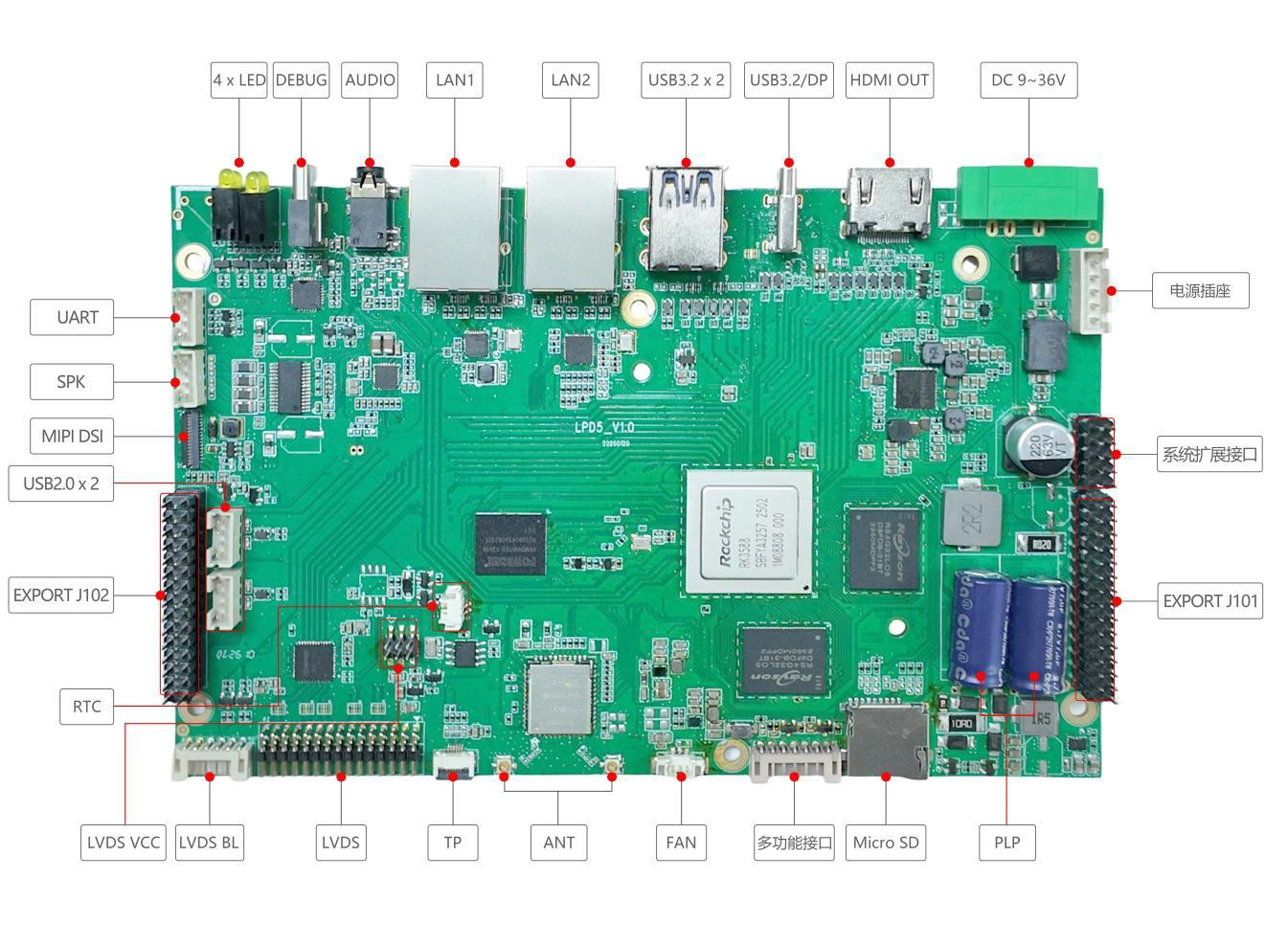
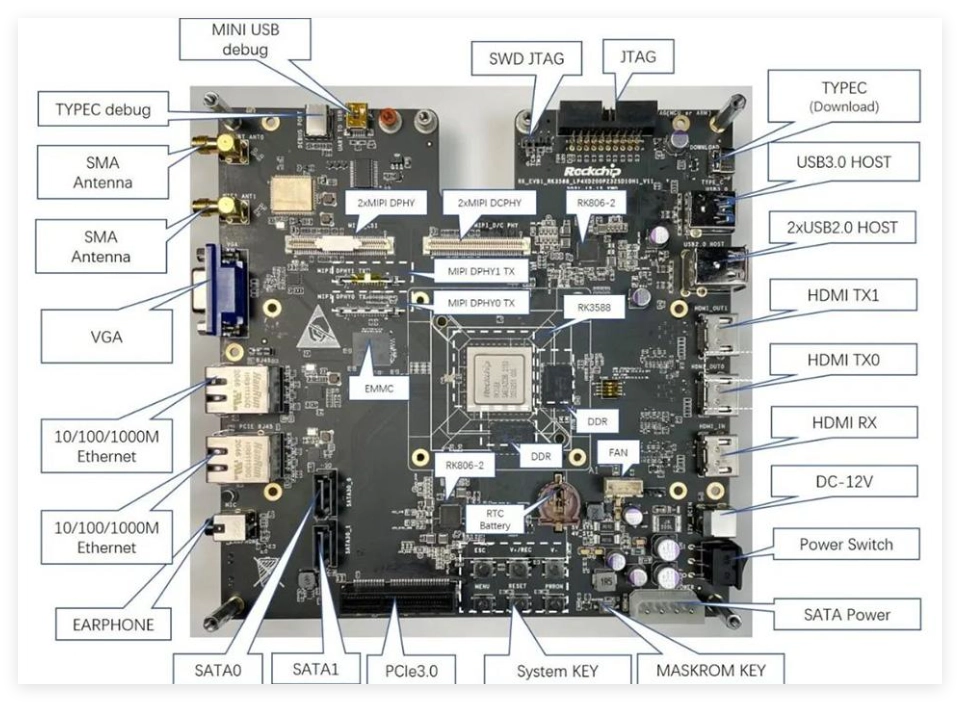
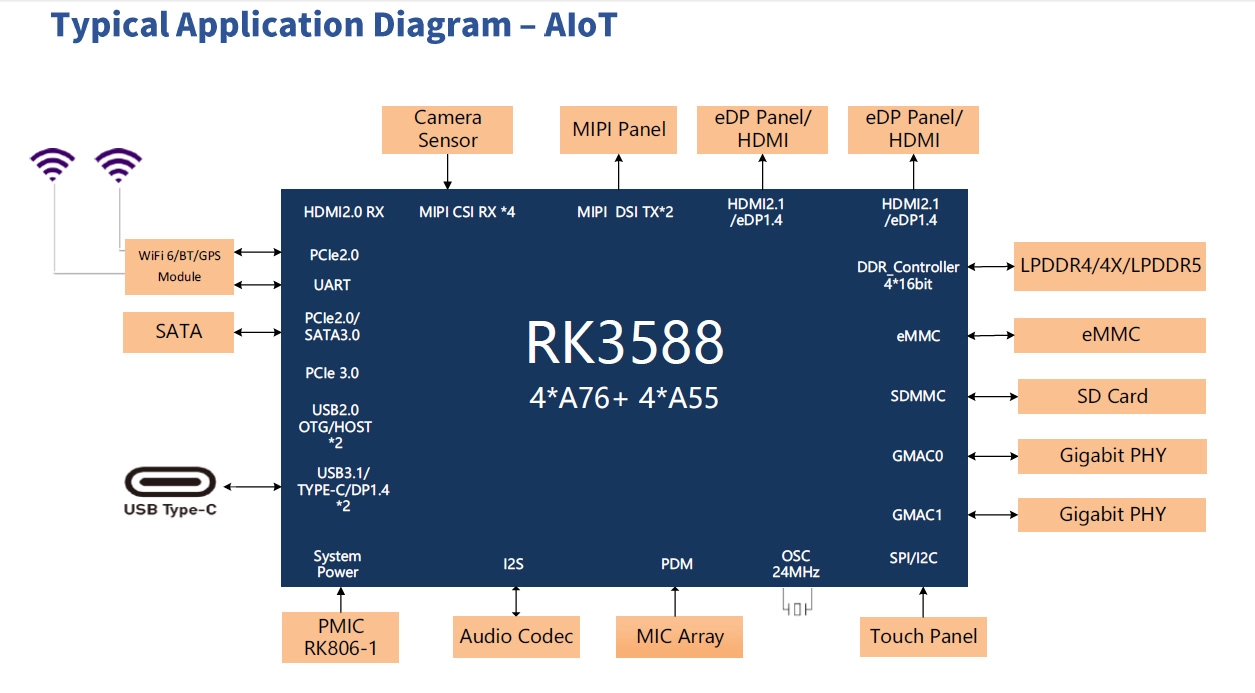
The following interfaces deserve particular attention:
-
HDMI: Video output, audio transmission, display compatibility, and HDCP implementation.
-
USB Host/OTG: External storage, cameras, keyboards, debugging, and peripheral integration.
-
Gigabit Ethernet: Reliable IPTV delivery, remote management, and industrial networking.
-
UART: Bootloader console, kernel debugging, and hardware diagnostics.
-
GPIO: Power control, sensors, buttons, status indicators, and external equipment.
-
I2C/SPI: Communication with display controllers, sensors, and peripheral ICs.
-
PCIe/M.2: Optional wireless, storage, and communication expansion.
The interface list should be finalized before PCBA layout. Adding connectors after PCB fabrication can introduce routing conflicts, power limitations, and unnecessary redesign costs.
2. Linux and Android Dual-OS Implementation: Bootloader, Kernel, and BSP
Supporting Linux and Android on one hardware platform requires a coordinated software architecture.
The critical point is that dual-OS capability does not necessarily mean both operating systems run simultaneously.
Most development board implementations use one of three approaches:
-
Dual-boot: Select Linux or Android during startup.
-
Firmware switching: Flash the required OS image when changing application environments.
-
Virtualization or container-based architecture: Run supported isolated workloads under a primary operating system, subject to SoC and hypervisor support.
For most Android TV Box OEM/ODM projects, dual-boot or selectable firmware is the more straightforward architecture.
2.1 U-Boot and Bootloader Configuration
U-Boot is responsible for initializing the hardware platform and loading the operating system.
In a dual-OS development board, the bootloader needs to identify the selected operating system and load the corresponding boot configuration.
A typical boot sequence is:
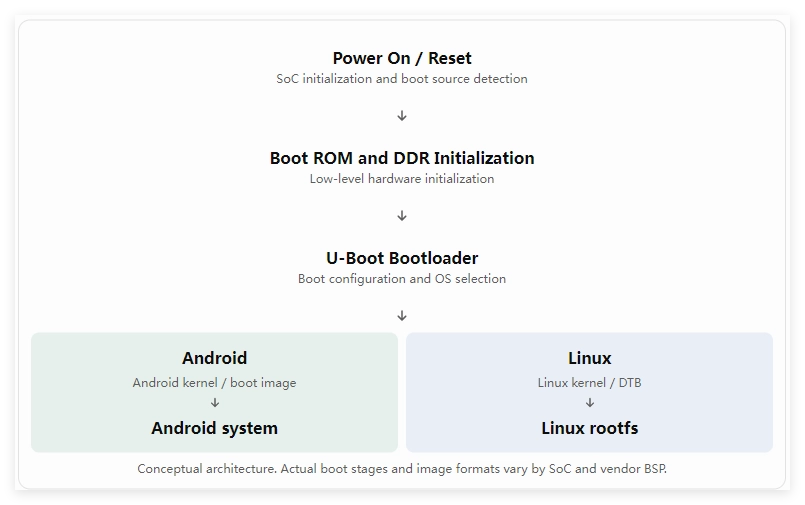
Conceptual architecture. Actual boot stages and image formats vary by SoC and vendor BSP.
Important bootloader functions include:
-
DDR initialization and hardware configuration.
-
eMMC, SPI NOR, NAND, or SD-card detection.
-
Kernel image loading.
-
Device Tree Blob (DTB) selection.
-
Boot argument configuration.
-
Secure boot verification where required.
-
Recovery and firmware upgrade support.
Rockchip's development documentation describes board-specific U-Boot configurations, kernel device trees, boot sources, and firmware installation procedures.
Das U-Boot unknown version documentation+2
For OEM development, bootloader source availability and customization rights should be confirmed before project approval.
2.2 Android BSP and Linux BSP Compatibility
BSP stands for Board Support Package. It provides the software components required to operate a specific hardware platform.
An Android BSP and a Linux BSP may use the same SoC but still have different driver implementations, kernel configurations, graphics stacks, and multimedia frameworks.
|
Software layer |
Android environment |
Linux environment |
|---|---|---|
|
Bootloader |
Vendor U-Boot / boot image |
U-Boot / platform bootloader |
|
Kernel |
Android-compatible Linux kernel |
Vendor or mainline Linux kernel |
|
Graphics |
EGL, OpenGL ES, Vulkan where supported |
DRM/KMS, EGL, OpenGL ES |
|
Audio |
Android Audio HAL |
ALSA / PulseAudio / PipeWire |
|
Video |
MediaCodec and vendor media framework |
V4L2 and vendor multimedia framework |
|
Networking |
Android network services |
NetworkManager / systemd-networkd |
|
Applications |
APK / Android framework |
Native Linux applications |
|
Update |
OTA package system |
A/B update, recovery, or image-based update |
A key development issue is GPU and video-decoder driver availability.
A board may boot Linux successfully but lack the required hardware acceleration for 4K playback. Similarly, an Android system may display its interface correctly while certain HDMI, audio, Wi-Fi, or Bluetooth functions remain unsupported.
This is why successful dual-OS development must include full hardware validation under both operating systems.
2.3 Linux Distribution Selection
The Linux distribution should match the application rather than being selected solely by popularity.
|
Linux platform |
Typical application |
Main advantage |
|---|---|---|
|
Debian |
Industrial multimedia and general embedded applications |
Extensive software ecosystem |
|
Ubuntu |
Application development and enterprise integration |
Familiar development environment |
|
Buildroot |
Dedicated embedded multimedia terminals |
Compact customized root filesystem |
|
Yocto |
Commercial and industrial embedded products |
Reproducible, configurable builds |
|
Armbian |
Supported ARM development environments |
Convenient board-oriented Linux deployment |
For production systems, Buildroot and Yocto are particularly relevant when developers need control over packages, boot time, filesystem size, security configuration, and software maintenance.
The availability of a working image alone is insufficient. Buyers should request kernel source availability, device tree files, cross-compilation instructions, and the corresponding BSP release documentation.
3. Dual-OS Android TV Box Software Development: Drivers, Multimedia, and OTA
The difference between a development board and a production-ready product is the quality of its software integration.
A development board may successfully boot Android and Linux, but commercial deployment introduces additional requirements: multimedia compatibility, secure content delivery, application management, remote updates, and hardware reliability.
3.1 Hardware Driver Development and Interface Adaptation
Every peripheral connected to the PCBA requires compatible drivers and system configuration.
Common development tasks include:
-
Ethernet driver integration and network configuration.
-
Wi-Fi and Bluetooth module driver adaptation.
-
HDMI display and audio driver integration.
-
USB host and OTG functionality.
-
GPIO, UART, I2C, and SPI driver configuration.
-
RTC and watchdog support.
-
Power management and suspend/resume behavior.
Device Tree configuration is particularly important in Linux development.
The DTB describes the hardware configuration to the kernel, including memory regions, buses, GPIO assignments, regulators, clocks, and peripheral connections.
Incorrect device tree configuration can cause hardware initialization failures even when the PCB itself is functioning correctly.
For Android, corresponding hardware components must also be integrated with the appropriate HAL and vendor services.
3.2 Multimedia Acceleration and DRM Compatibility
For an Android TV Box development board, multimedia performance is often a major selection criterion.
A production design should verify:
|
Feature |
Validation requirement |
|---|---|
|
H.264 |
Hardware decoding and playback stability |
|
H.265/HEVC |
Resolution, frame rate, and profile support |
|
VP9 |
Hardware acceleration where required |
|
AV1 |
Confirm dedicated decoder availability |
|
HDMI |
Resolution, refresh rate, audio, and EDID |
|
HDCP |
Supported version and licensed implementation |
|
HDR |
Supported formats and display compatibility |
|
Audio |
PCM, passthrough, and supported codec formats |
For commercial streaming services, DRM and HDCP are not optional details.
Widevine provisioning, secure video paths, HDCP authentication, and service-specific certification may be required. Their availability cannot be assumed simply because an SoC supports Android.
A Linux system may support local multimedia playback without providing the same licensed streaming ecosystem as an Android-certified device.
For this reason, B2B buyers should distinguish between:
-
Android development board compatibility.
-
Android TV platform certification.
-
Google certification and Google Play services availability.
-
Netflix or other streaming service certification.
-
DRM and HDCP licensing requirements.
These are separate engineering and commercial requirements.
3.3 OTA Update and Remote Maintenance Architecture
Long-term software maintenance should be considered during initial board development.
An Android TV Box deployed across hotels, retail locations, IPTV networks, or digital signage installations may need firmware updates without physical access.
A dual-OS product introduces additional update considerations.
Android OTA system
The Android update mechanism should support signed firmware packages, version control, recovery, and, where supported, A/B system updates.
Linux update system
Linux firmware updates can use image-based deployment, A/B root filesystem partitions, package management, or customized recovery mechanisms.
Remote management
A centralized management platform can monitor:
-
Device firmware versions.
-
Operating system status.
-
Network connectivity.
-
CPU and memory utilization.
-
Storage health.
-
Temperature and system logs.
-
Update deployment status.
A well-designed OTA system should also include rollback or recovery procedures to reduce the risk of devices becoming unusable after an interrupted update.
For dual-OS devices, the update system must protect the bootloader and the other operating system's partitions from accidental modification.
4. PCBA Customization and Industrial Integration: Turning a Development Board into a Commercial Product
A standard development board is designed to provide access to hardware resources. A commercial Android TV Box requires a more focused design.
The final product may need a smaller PCB, fewer connectors, customized power circuits, a different enclosure, and a firmware configuration optimized for one application.
This is where OEM/ODM engineering becomes important.
4.1 PCBA Layout Optimization
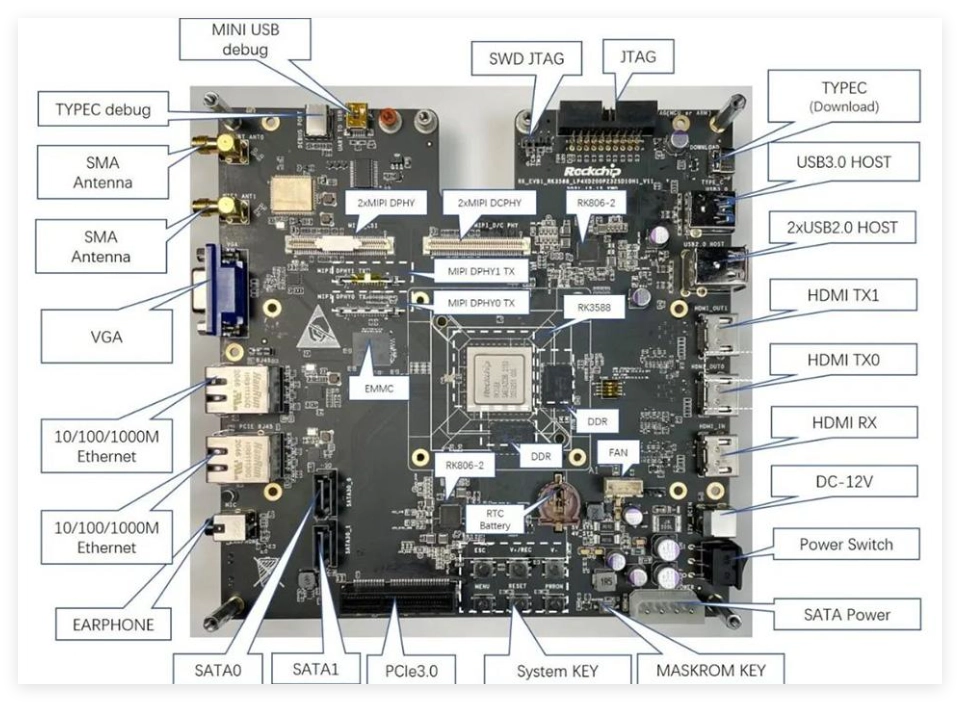
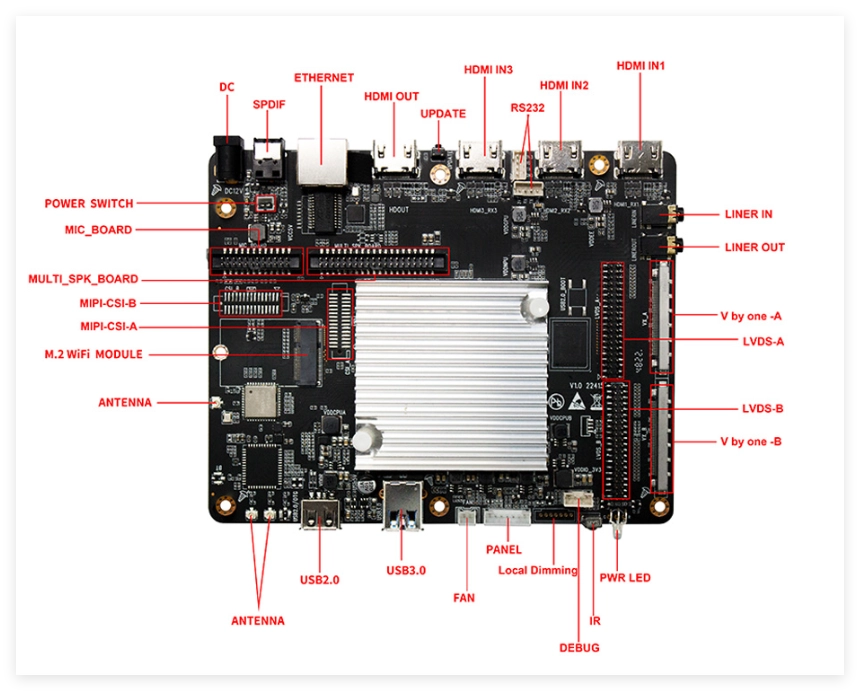
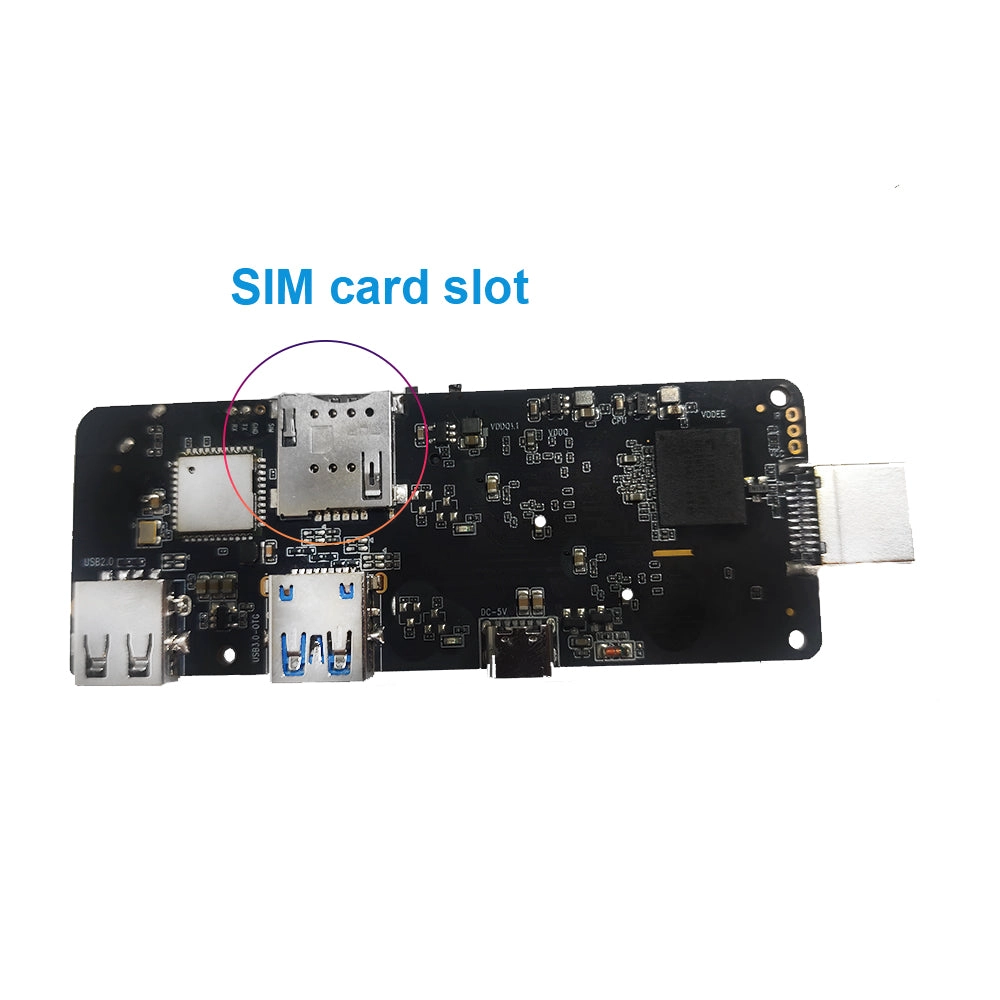
PCBA customization can address several engineering requirements:
PCB size and component placement
The board layout can be modified to match the customer's enclosure, mounting position, connector arrangement, and manufacturing requirements.
Power supply architecture
DC input circuits, PMIC selection, voltage regulators, protection components, and power sequencing should match the selected SoC and peripherals.
Peripheral integration
Optional interfaces such as RS232, RS485, CAN, GPIO, M.2, SATA, or additional USB ports can be considered where supported by the SoC and board architecture.
EMI and signal integrity
High-speed interfaces, DDR routing, grounding, and power distribution require careful design and validation.
Thermal management
The SoC, memory, and power components should be evaluated together to prevent concentrated heat inside compact enclosures.
4.2 Cooling Solutions for Industrial Applications
A development board operating in a laboratory does not necessarily perform the same way inside a sealed commercial enclosure.
Industrial deployments may involve:
-
Continuous 24/7 operation.
-
High ambient temperatures.
-
Restricted airflow.
-
Multiple connected peripherals.
-
Sustained video decoding or AI workloads.
-
Installation in cabinets or display equipment.
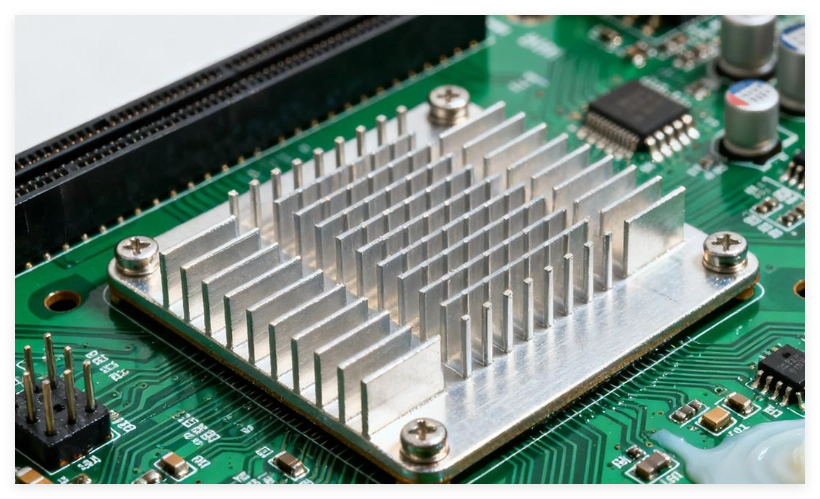
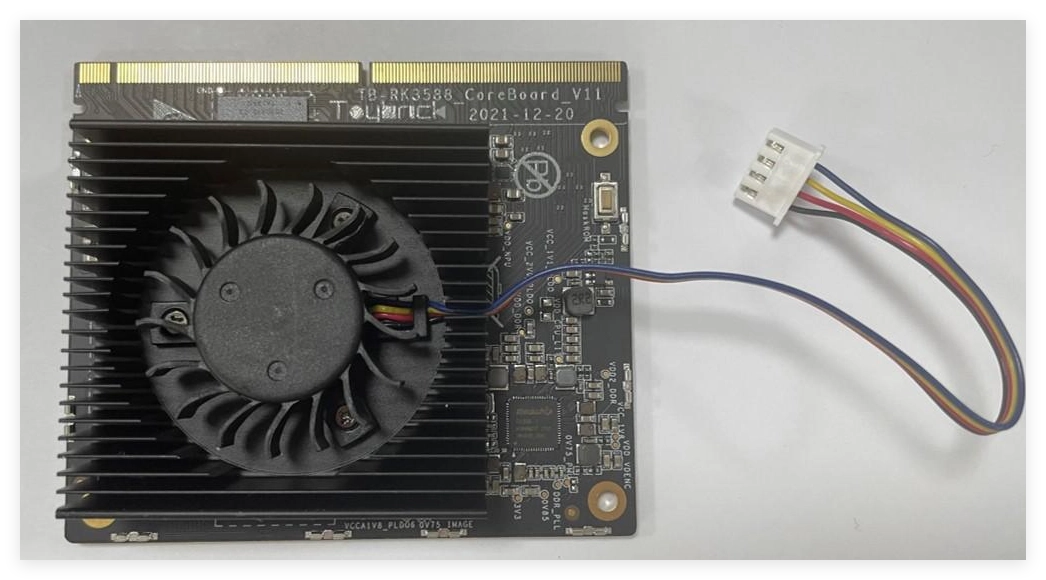
Possible cooling solutions include:
-
Aluminum heatsinks for direct SoC heat dissipation.
-
Thermal pads and heat spreaders to improve component-to-enclosure contact.
-
Aluminum enclosures that function as passive heat sinks.
-
Heat pipes for applications with higher thermal loads.
-
Active cooling where passive thermal management cannot meet the operating requirements.
Thermal design should be validated through extended workload testing, temperature monitoring, and thermal throttling analysis.
4.3 Custom Firmware and SDK/API Integration
Different commercial applications require different operating-system behavior.
For example:
|
Application |
Preferred OS approach |
Customization requirement |
|---|---|---|
|
IPTV terminal |
Android |
Customized launcher, MediaCodec, OTA |
|
Digital signage |
Android or Linux |
Scheduled playback, remote control, display management |
|
Industrial control |
Linux |
GPIO, UART, RS485, watchdog |
|
Multimedia kiosk |
Android or Linux |
Touchscreen drivers, peripherals, application lockdown |
|
AI edge terminal |
Linux or Android |
NPU runtime, SDK/API, model deployment |
|
Custom streaming device |
Android |
DRM, HDCP, HDMI, application integration |
SZTomato supports customized Android TV Box development, including PCBA hardware modification, custom UI/UX firmware, SDK/API integration, and specialized cooling solutions for industrial applications.
For projects requiring Linux and Android compatibility, the software architecture should be defined according to the selected SoC, BSP availability, driver requirements, and customer application.
The objective is not to provide two operating-system images as separate deliverables. It is to provide a validated hardware and software platform that supports the intended deployment.
5. SZTomato OEM/ODM Development: From Dual-OS Development Board to Custom Android TV Box
For hardware brands, IPTV operators, telecom companies, and system integrators, selecting a development board is only the first step.
The more important question is whether the manufacturer can adapt the platform to the customer's product requirements and maintain software compatibility throughout the product lifecycle.
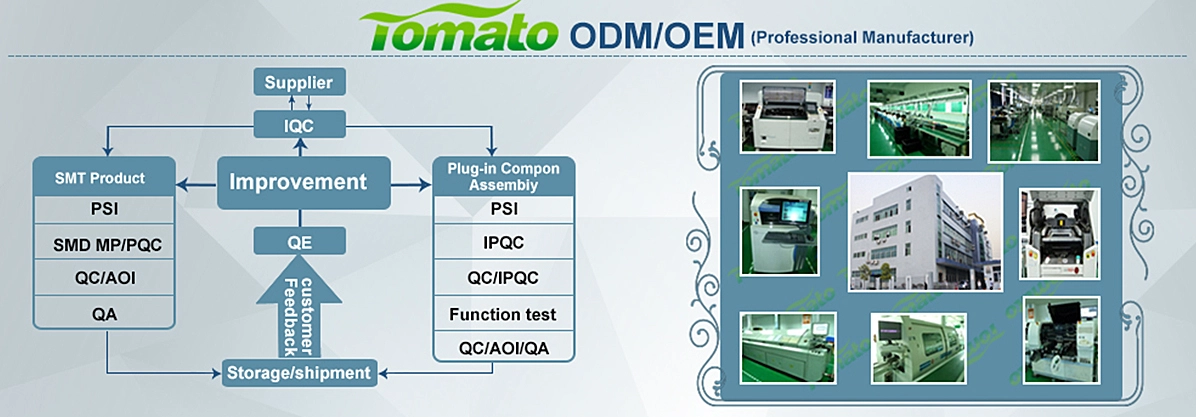
SZTomato (Shenzhen Tomato Technology Co., Ltd.) has provided multimedia hardware development and manufacturing services since 2011, with a focus on Android TV Box, IPTV Set-Top Box, Streaming Media Player, Digital Signage, and customized embedded multimedia solutions.
Its OEM/ODM engineering capabilities cover the following areas:
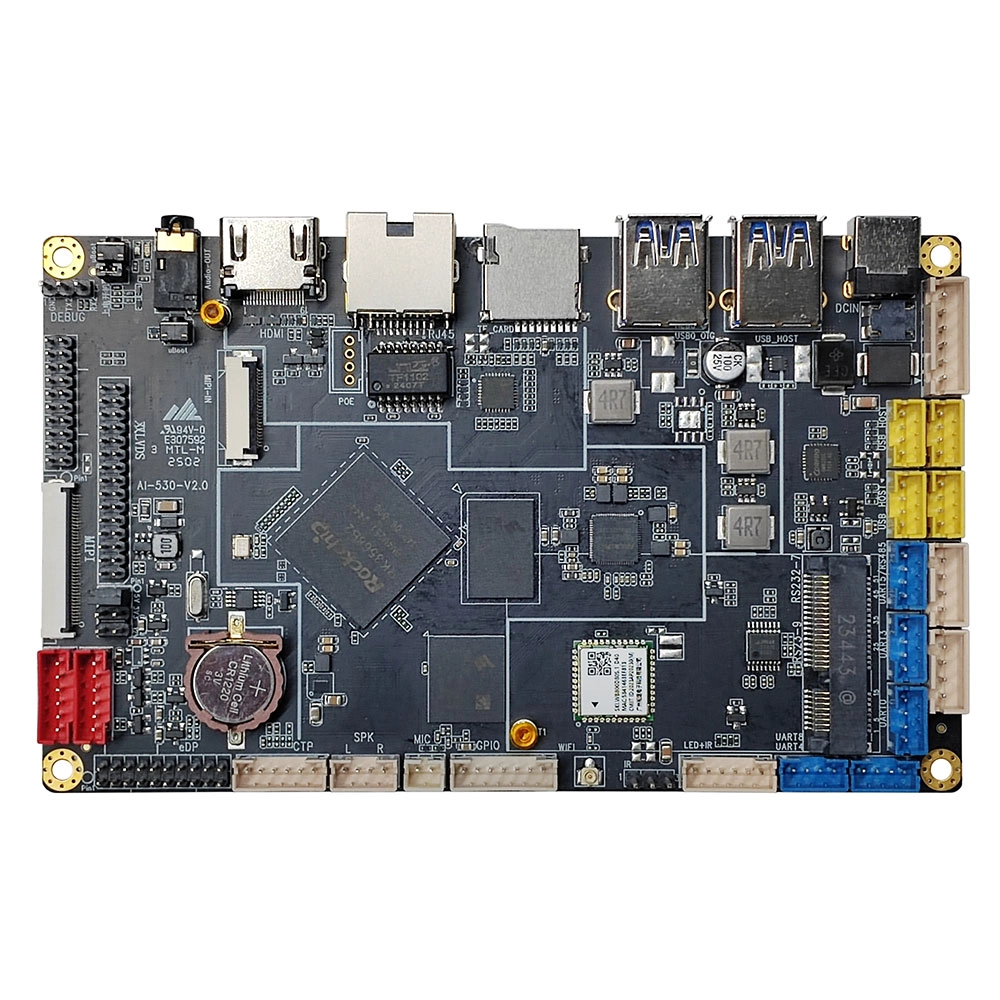
PCBA Hardware Modification
Customized PCB layouts, power circuits, component selection, peripheral interfaces, and motherboard configurations.
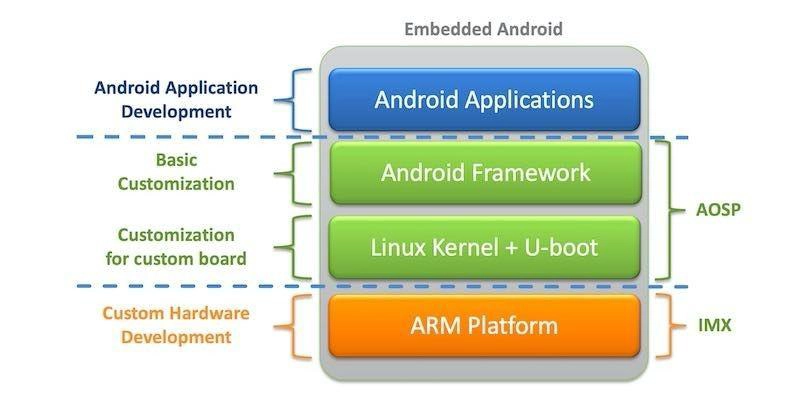 Android/Linux Firmware Customization
OS integration, kernel configuration, driver adaptation, bootloader customization, and application-level optimization.
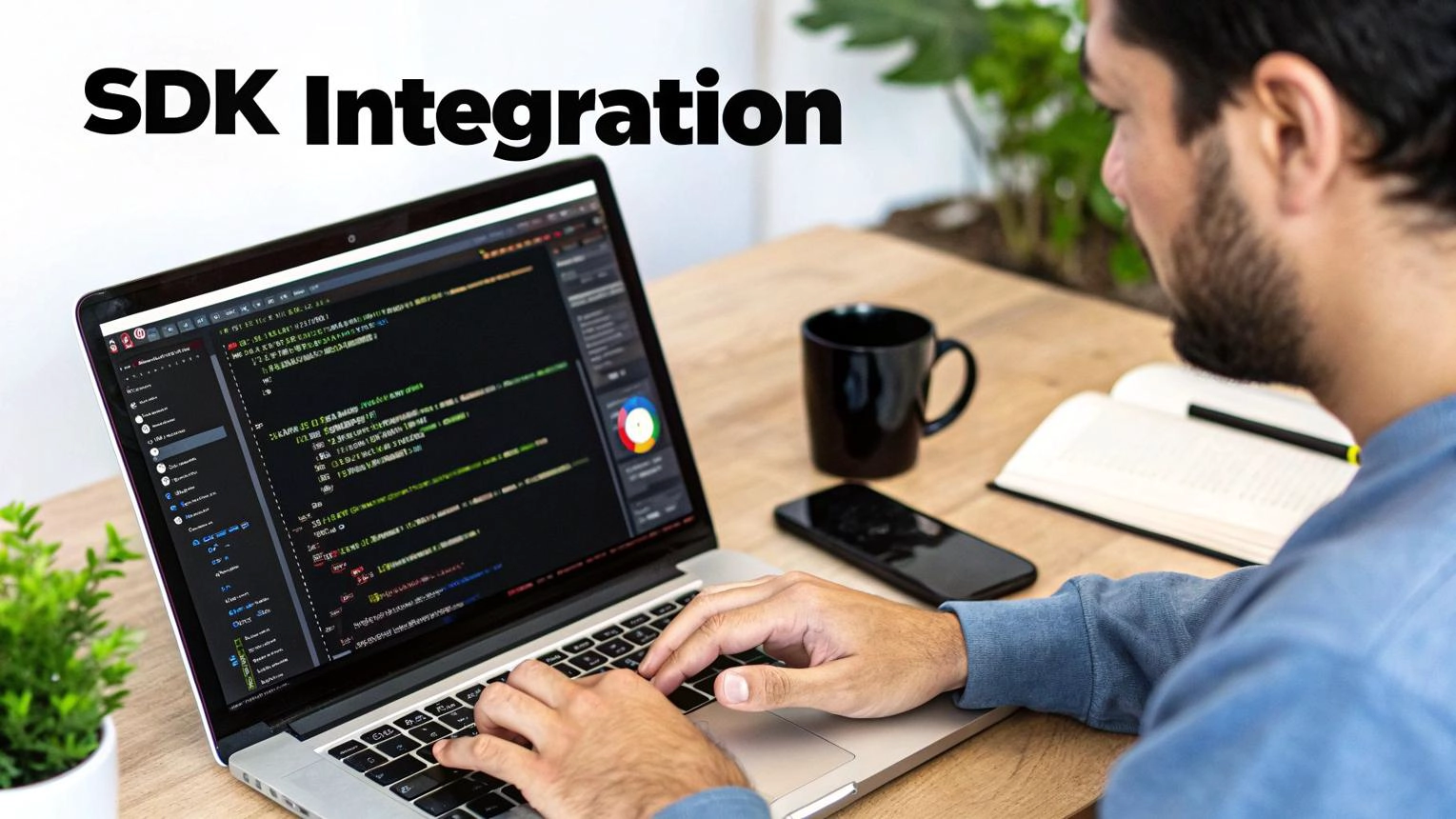 SDK/API Integration
Hardware control, third-party application integration, device management, and communication with external systems.
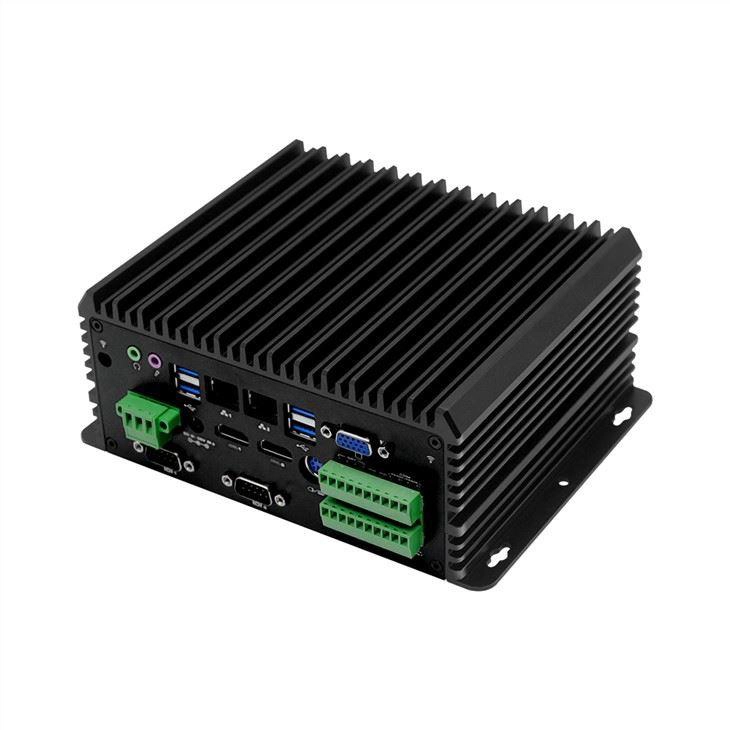
Industrial Thermal Engineering
Customized heatsinks, thermal interfaces, enclosure optimization, and cooling solutions for continuous operation.
 OEM/ODM Manufacturing
Hardware validation, functional testing, production quality control, and long-term technical support.
Recommended Development Process
For a Linux & Android Dual-OS Android TV Box project, a practical development workflow includes:
-
Requirement analysis: Define the application, preferred SoC, operating systems, memory, storage, and interface requirements.
-
Platform evaluation: Confirm Linux/Android BSP availability, kernel versions, drivers, and multimedia capabilities.
-
Hardware development: Complete PCBA modifications, power design, interface configuration, and thermal engineering.
-
Software integration: Develop bootloader configurations, OS images, kernel drivers, firmware, and SDK/API functionality.
-
Engineering validation: Test boot reliability, video playback, network connectivity, peripheral compatibility, and thermal performance.
-
Mass production: Finalize the hardware configuration, firmware release, quality standards, and production documentation.
This approach reduces the risk of selecting a chipset that appears suitable on paper but cannot meet the actual software and hardware requirements of the project.
Conclusion: Choosing the Right Dual-OS Android TV Box Development Platform
A Linux & Android Dual-OS Android TV Box development board offers flexibility for companies developing multimedia terminals, IPTV products, industrial systems, and digital signage equipment.
However, dual-OS support must be evaluated at the complete platform level.
SoC compatibility, U-Boot configuration, BSP availability, kernel drivers, memory architecture, storage partitioning, multimedia acceleration, and OTA maintenance all influence whether a development board can become a reliable commercial product.
For B2B buyers, the best platform is not necessarily the one with the highest CPU frequency or the largest number of interfaces. It is the one that provides the right combination of hardware performance, software compatibility, customization flexibility, and long-term technical support.
Developing a customized Linux & Android Dual-OS Android TV Box?
SZTomato supports OEM/ODM multimedia hardware development, PCBA modification, Android/Linux firmware customization, SDK/API integration, and industrial thermal design.
Contact the SZTomato engineering team at www.sztomato.com to discuss your SoC selection, dual-OS architecture, development board specifications, and customized production requirements.
