
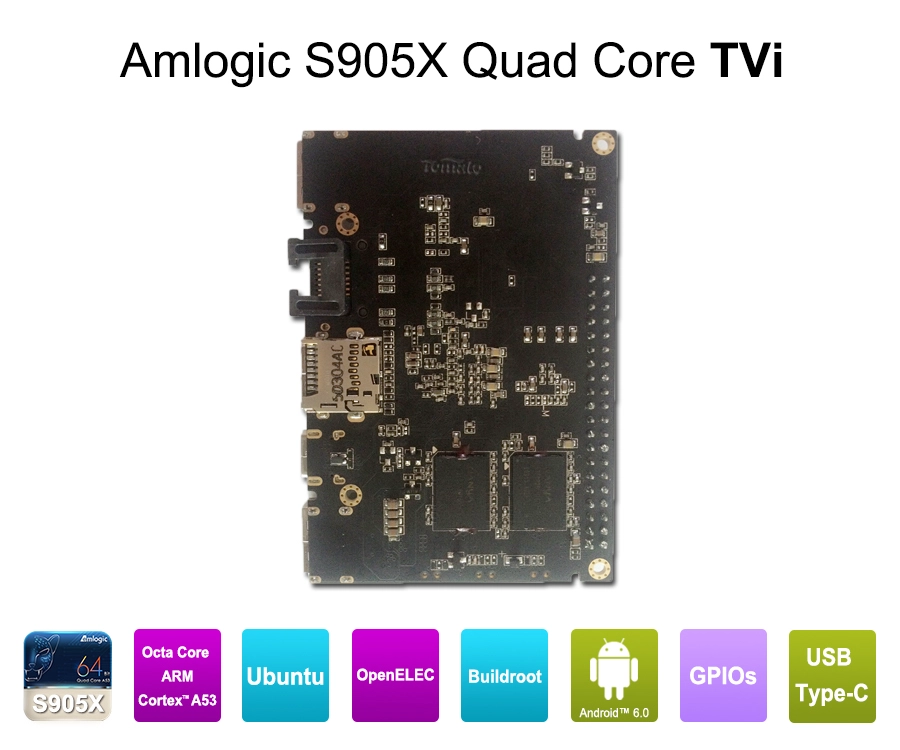
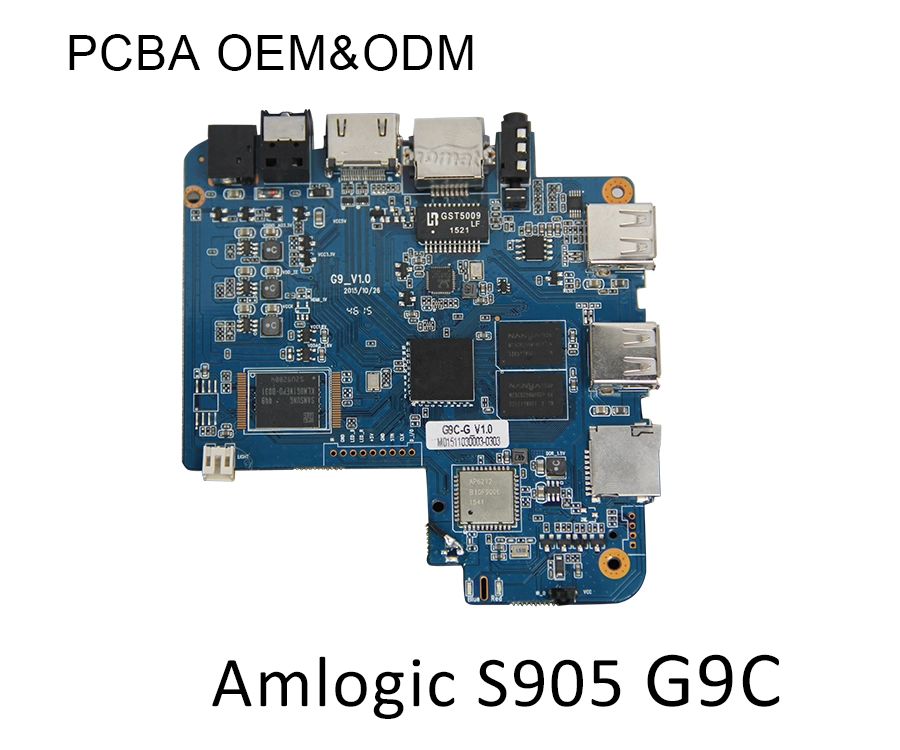
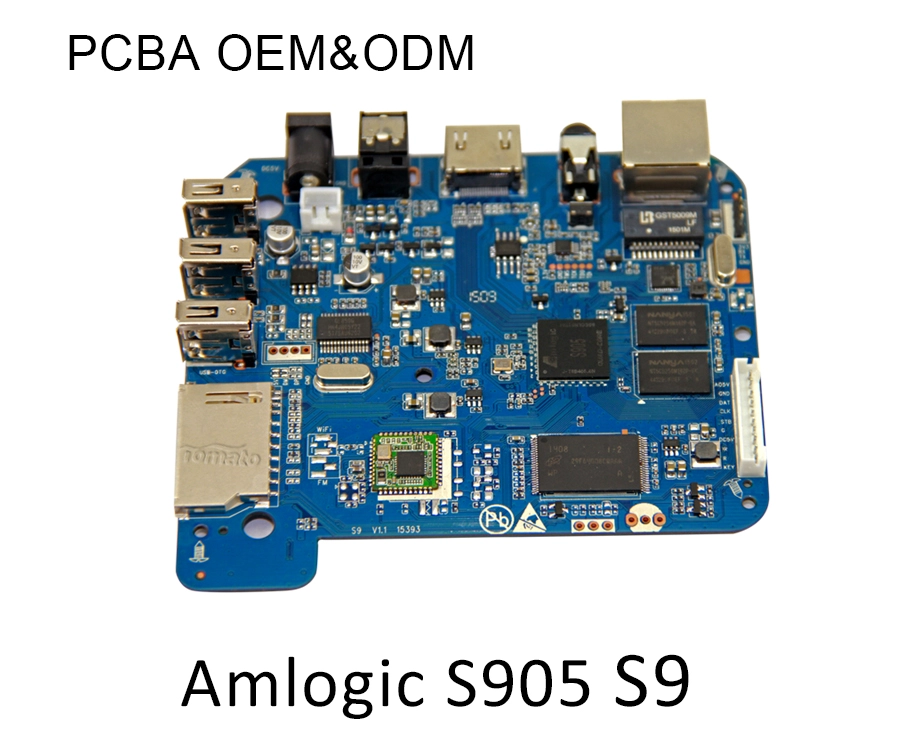
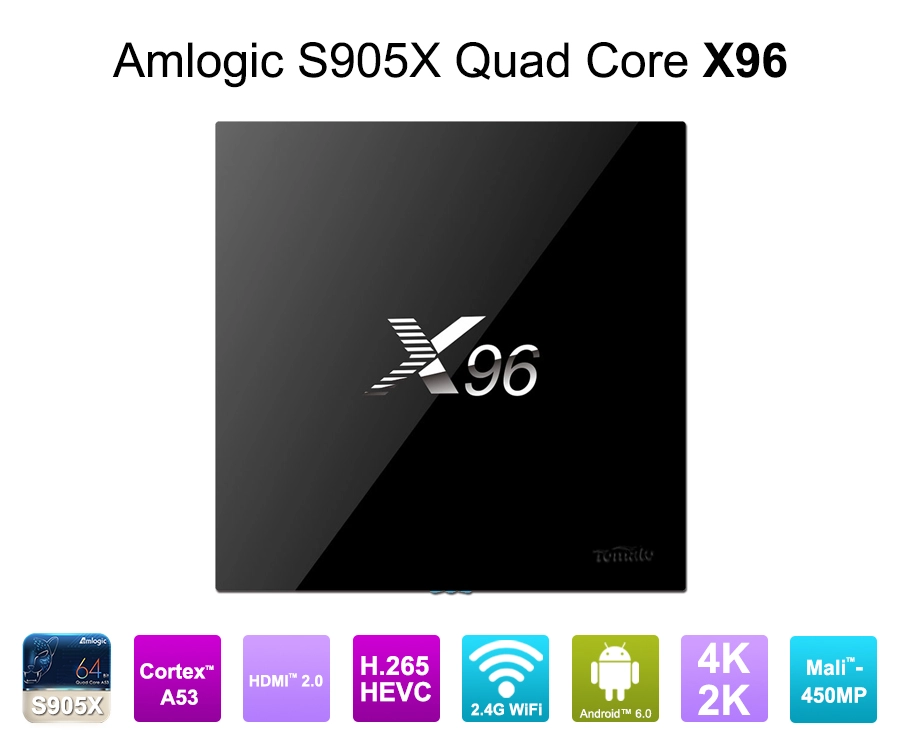
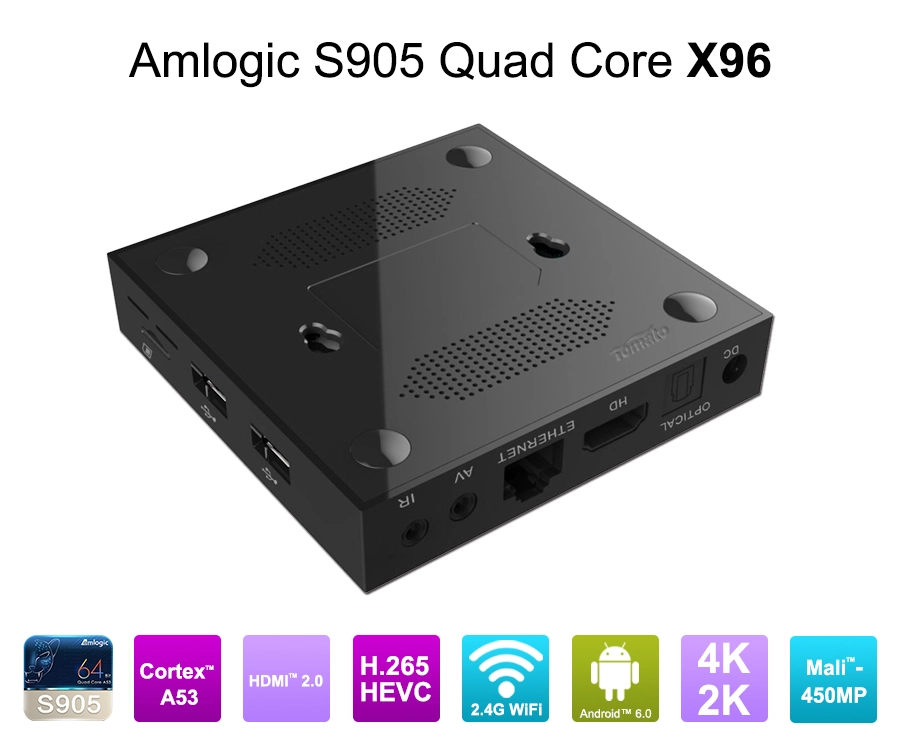
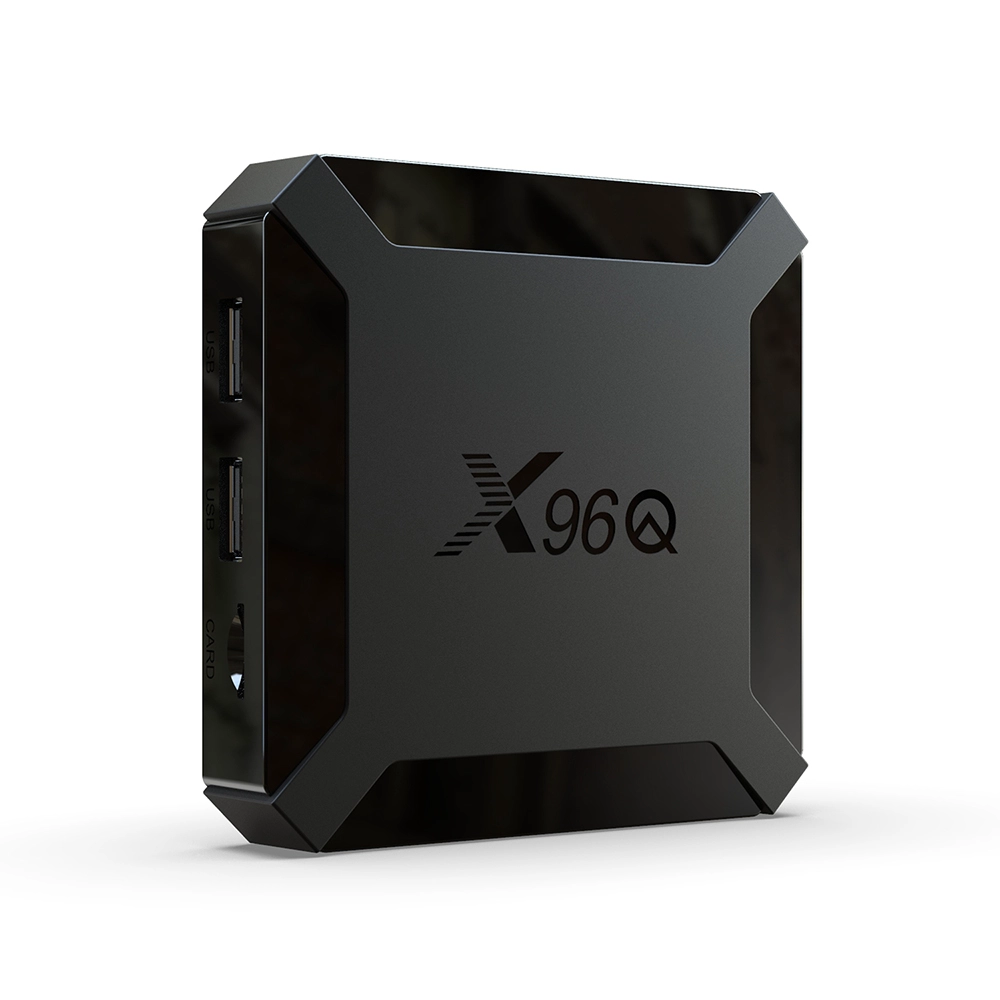
OTT TV Box OEM/ODM: Driving Competitive Advantage with Custom Firmware Solutions
The adoption of AV1 decoding, Android 14 and newer platform releases, and increasingly demanding DRM requirements is changing how OTT hardware is designed. A streaming device that performs well in a laboratory environment may still encounter playback failures, application compatibility issues, or unstable OTA updates after deployment across thousands of households.
For OTT operators and hardware brands, the challenge is no longer simply sourcing an affordable TV Box. It is developing a device that works reliably within a specific content ecosystem, supports the required streaming applications, maintains consistent performance, and remains manageable throughout its commercial lifecycle.
This is where OEM/ODM engineering becomes commercially important.
An OTT TV Box developed around a reference design can provide a reasonable starting point. However, competitive differentiation requires deeper control over the hardware architecture, firmware behavior, application integration, security configuration, and user interface.
Custom firmware is not an optional cosmetic feature. It is part of the product architecture.
For businesses developing their own OTT hardware brands or deploying streaming devices at scale, working with an experienced OEM/ODM manufacturer such as SZTomato provides access to integrated engineering capabilities covering PCBA modification, firmware customization, SDK/API integration, and production-level quality control.
1. Why Standard OTT TV Box Hardware Is No Longer Enough
The OTT ecosystem has become more technically demanding. Streaming platforms, content owners, telecom operators, and device manufacturers must coordinate hardware capabilities with software requirements.
A standard OTT TV Box may support 4K output, Wi-Fi connectivity, and Android applications. However, these specifications do not guarantee compatibility with every commercial OTT deployment.
Several technical issues frequently emerge during product development.
1.1 Hardware and Streaming Application Compatibility
The system-on-chip (SoC) determines much of the device's multimedia processing capability.
Depending on the target application, an OTT TV Box may require:
-
H.264 and H.265 hardware decoding.
-
AV1 decoding for supported streaming workflows.
-
4K UHD video output with appropriate refresh-rate support.
-
HDR10 or other required HDR formats.
-
HDMI output with the required HDCP protection.
-
Hardware acceleration for demanding multimedia applications.
-
Stable Wi-Fi and Ethernet connectivity.
A common procurement mistake is selecting a chipset based primarily on CPU frequency or memory capacity.
For commercial OTT applications, the more important question is whether the SoC, multimedia framework, firmware, and target applications work together reliably.
For example, a device may advertise 4K decoding but still experience playback problems because of an incompatible media framework, unsupported codec profile, inadequate memory bandwidth, or incorrect firmware configuration.
The engineering team must validate the complete playback chain rather than relying on individual component specifications.
1.2 Reference Firmware Creates Product Differentiation Problems
Many manufacturers use similar reference designs and standard Android firmware.
This approach reduces initial development costs, but it creates several limitations:
-
Identical or similar home-screen interfaces across competing brands.
-
Unnecessary preinstalled applications.
-
Limited control over system-level functions.
-
Inconsistent boot behavior and background services.
-
Insufficient OTA management flexibility.
-
Difficult integration with proprietary OTT applications.
-
Limited control over device provisioning and remote management.
For distributors and brand owners, these limitations can weaken product positioning.
A customized OTT TV Box should reflect the operator's application ecosystem, branding strategy, and deployment requirements rather than simply carrying a different logo on a standard enclosure.
1.3 Total Deployment Cost Matters More Than Initial Hardware Price
For an operator purchasing thousands of devices, hardware procurement is only one part of the overall investment.
Other costs include:
-
Firmware development and maintenance.
-
Application compatibility testing.
-
Device activation and provisioning.
-
Remote troubleshooting.
-
OTA update distribution.
-
Replacement and after-sales support.
-
Long-term platform maintenance.
A lower-cost device that requires frequent manual intervention can become more expensive over its operational lifecycle.
OEM/ODM development should therefore evaluate total cost of ownership (TCO), not just the unit price.
2. Custom Firmware Engineering: The Core of a Competitive OTT TV Box
Firmware determines how hardware resources are allocated, how applications interact with the operating system, and how the device behaves after deployment.
For commercial OTT products, firmware customization should extend beyond changing the boot logo or modifying the launcher.
It requires engineering at multiple software layers.
2.1 Android and Linux System-Level Optimization
The first step is selecting an operating system architecture that matches the target deployment.
Android is commonly selected for OTT products because of its application ecosystem, multimedia framework, and compatibility with streaming applications.
Linux can be appropriate for specialized streaming platforms, embedded applications, and environments requiring tighter control over system resources.
Depending on project requirements, SZTomato supports firmware customization involving:
-
Android system configuration and optimization.
-
Linux-based firmware development.
-
Bootloader and startup sequence customization.
-
Kernel configuration and device driver integration.
-
Hardware abstraction layer (HAL) configuration.
-
Multimedia framework optimization.
-
System application management.
-
Power management and memory allocation.
Kernel-level optimization is particularly relevant when the target hardware includes customized interfaces or peripherals.
For example, a project requiring additional USB interfaces, specialized Ethernet controllers, or custom power-management behavior may need corresponding driver and kernel configuration changes.
The objective is to establish stable communication between the operating system and the actual PCBA design.
2.2 Custom UI/UX Firmware for Brand Differentiation
The home screen is the primary interaction point between the OTT operator and the end user.
A generic Android launcher may be sufficient for basic applications, but commercial deployments often require a controlled interface.
Custom UI/UX firmware can support:
-
Branded boot animations and startup screens.
-
Customized home-screen layouts.
-
Operator-specific application shortcuts.
-
Preinstalled and configured applications.
-
Simplified navigation structures.
-
Remote-control key mapping.
-
Application access restrictions.
-
Automatic application launch.
-
Language and regional configuration.
For telecom operators, a customized launcher can place their proprietary streaming service at the center of the user experience.
For hospitality projects, the interface can be configured around guest services and approved entertainment applications.
For branded OTT devices, the entire startup and navigation experience can reflect the company's visual identity.
The important distinction is that UI customization should work with the underlying Android system architecture. Poorly implemented launchers can introduce unnecessary background processes, memory consumption, and startup delays.
2.3 OTA Update Systems and Long-Term Firmware Management
An OTT TV Box deployed at scale requires a reliable software maintenance strategy.
Without an effective OTA (Over-the-Air) update mechanism, manufacturers and operators may need to manually update devices or manage firmware inconsistencies across different production batches.
A properly designed OTA system can support:
-
Firmware package distribution.
-
Device model and hardware revision identification.
-
Version checking and update notifications.
-
Download verification and package integrity checks.
-
Controlled installation and reboot procedures.
-
Update failure handling and recovery.
-
Firmware version tracking.
For large deployments, staged OTA releases are especially valuable.
Instead of updating every device simultaneously, operators can release new firmware to a limited device group, evaluate performance, and expand distribution after validation.
This approach helps reduce the risk of widespread failures caused by an unexpected firmware issue.
A robust OTA architecture should also account for interrupted downloads, insufficient storage, power loss during installation, and compatibility between firmware versions.
SZTomato can support customized firmware and OTA-related development according to the customer's platform architecture and project requirements.
2.4 SDK/API Integration for OTT Platform Compatibility
Many commercial OTT projects involve more than a standalone streaming application.
The device may need to communicate with an operator's backend, content management system, subscriber management platform, or remote device management infrastructure.
SDK/API integration enables the OTT TV Box to participate in these systems.
Typical integration requirements include:
|
Integration Area |
Technical Function |
|---|---|
|
OTT application SDK |
Connects device software with the streaming platform |
|
RESTful API |
Exchanges device and application data with backend services |
|
Device provisioning |
Supports activation and device registration |
|
User authentication |
Integrates subscriber login and access management |
|
Content management |
Connects with supported content delivery platforms |
|
Remote management |
Enables device monitoring and configuration |
|
OTA interfaces |
Coordinates firmware update operations |
Integration must be evaluated against the actual software architecture.
An API designed for a mobile application, for example, may not be directly suitable for an embedded Android environment without additional authentication, networking, or lifecycle handling.
For this reason, SDK/API integration should begin during product definition rather than being treated as a final-stage software addition.
3. Hardware Engineering for Reliable OTT Streaming Performance
Custom firmware cannot compensate for an incorrectly designed PCBA.
The hardware platform must provide sufficient processing capacity, memory bandwidth, connectivity, signal integrity, and thermal performance for the intended application.
An effective OTT TV Box OEM/ODM project therefore requires coordinated hardware and firmware development.
3.1 Selecting the Right SoC Architecture
The SoC should be selected according to the target streaming workload, software requirements, connectivity, and product cost.
Different chipset platforms provide different combinations of CPU performance, GPU capabilities, video decoding, memory support, and peripheral interfaces.
The following table outlines the major selection considerations.
|
Hardware Component |
Engineering Consideration |
|---|---|
|
SoC |
CPU architecture, GPU, multimedia engine, SDK availability |
|
RAM |
Application memory requirements and multitasking performance |
|
eMMC |
Firmware storage, application space, and update capacity |
|
Wi-Fi |
Throughput, antenna configuration, and RF performance |
|
Ethernet |
Wired streaming stability and network compatibility |
|
HDMI |
Resolution, refresh rate, HDR, and HDCP requirements |
|
USB |
Peripheral compatibility and external storage |
|
Power supply |
Voltage stability and peak-load requirements |
|
Cooling |
Thermal limits under continuous operation |
A chipset supporting 4K or AV1 decoding is not automatically suitable for every OTT application.
The manufacturer must verify the supported codec profiles, firmware implementation, display output, and application compatibility.
For projects involving specialized DRM or commercial streaming applications, the SoC vendor's SDK and the availability of required security components can be decisive factors.
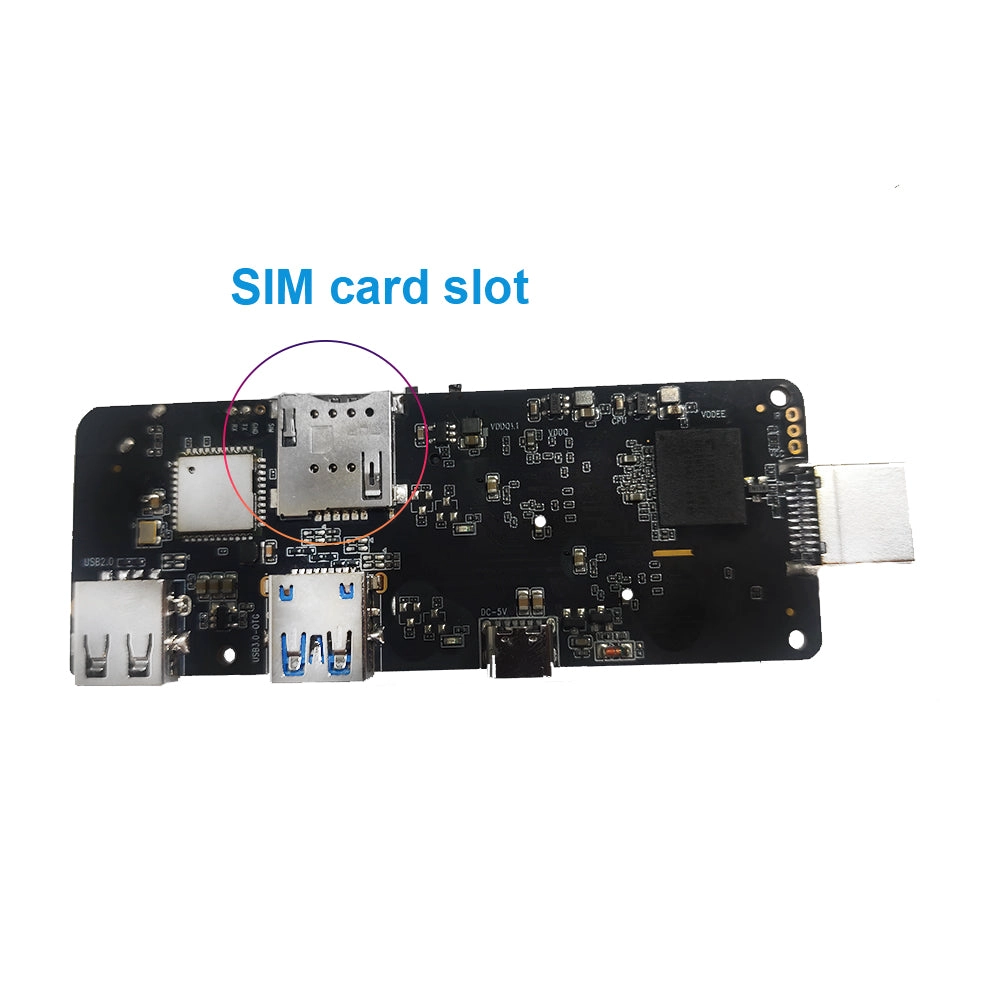
3.2 PCBA Modification and Interface Customization
Standard PCBA layouts are designed around general-purpose product requirements.
Commercial projects may require different interfaces, component placement, power circuits, or wireless configurations.
SZTomato supports PCBA-level hardware modification to accommodate project-specific requirements.
Potential engineering work includes:
-
PCB layout and component placement adjustments.
-
Power management circuit optimization.
-
Wi-Fi module and antenna configuration.
-
Ethernet interface customization.
-
USB interface expansion or modification.
-
HDMI signal integrity optimization.
-
GPIO and UART interface integration.
-
Memory and storage configuration.
-
Peripheral driver compatibility testing.
For example, an OTT TV Box designed for a telecom operator may require Gigabit Ethernet, additional USB connectivity, and a specific wireless module.
These requirements affect PCB routing, power consumption, enclosure design, and firmware configuration.
They should be evaluated together before the engineering sample is finalized.
3.3 HDCP, DRM, and Secure Content Delivery
Content protection is a critical consideration for commercial OTT deployments.
Depending on the streaming platform and content licensing requirements, devices may need to support technologies such as:
-
HDCP protection for HDMI output.
-
Widevine DRM or other required DRM systems.
-
Secure video decoding paths.
-
Protected key storage.
-
Secure boot configurations.
-
Device authentication and integrity checks.
These technologies have different implementation and certification requirements.
For example, HDCP is associated with protected digital audio/video transmission over interfaces such as HDMI. DRM systems govern content access and playback authorization within supported software and hardware environments.
A device that supports HDMI 2.0 or 4K output does not automatically meet the DRM, HDCP, or certification requirements of a particular streaming service.
The target platform must be validated against the content provider's actual technical specifications.
For projects involving certified Android TV or Google TV platforms, certification and licensing requirements must also be addressed separately. A customized Android firmware build should not be represented as an officially certified platform unless the necessary authorization has been obtained.
3.4 Specialized Cooling for Continuous Operation
Thermal management is often underestimated in streaming hardware development.
A consumer OTT TV Box may operate intermittently, while commercial deployments can involve extended operating hours and higher ambient temperatures.
Thermal problems can result in:
-
CPU or GPU frequency throttling.
-
Unstable application performance.
-
Increased system errors.
-
Reduced component lifespan.
-
Unexpected device shutdowns.
SZTomato can develop specialized cooling solutions according to the hardware architecture and operating environment.
Potential approaches include:
-
Optimized PCB component placement.
-
Improved thermal conduction paths.
-
Aluminum heat spreaders.
-
Thermal interface materials.
-
Ventilation and enclosure optimization.
-
Passive cooling structures.
-
Customized thermal solutions for industrial applications.
The appropriate solution depends on SoC power consumption, enclosure dimensions, ambient temperature, and the expected workload.
Thermal validation should include sustained multimedia playback and representative application workloads rather than relying exclusively on short-duration benchmark tests.
4. OTT TV Box OEM/ODM Development: From Engineering Samples to Mass Production
A successful OEM/ODM project requires a structured development process.
The objective is to reduce engineering uncertainty before committing to mass production.
For brand owners, IPTV operators, and system integrators, the following workflow provides a practical framework.
4.1 Define the Application and Technical Requirements
Before selecting hardware, the project team should identify the intended deployment environment.
Important questions include:
-
Is the device designed for residential OTT streaming or commercial deployment?
-
Which Android or Linux version is required?
-
Which streaming applications must be supported?
-
Is AV1 decoding necessary?
-
What are the DRM and HDCP requirements?
-
Does the project require Gigabit Ethernet?
-
Are additional USB, UART, or GPIO interfaces needed?
-
Is a customized launcher required?
-
Will devices be remotely managed?
-
What OTA update architecture will be used?
These requirements establish the technical baseline for hardware selection and firmware development.
4.2 Engineering Sample Development
Once the requirements are confirmed, the manufacturer develops the engineering sample.
This stage may involve:
-
SoC and memory configuration.
-
PCBA design and modification.
-
Prototype assembly.
-
Firmware porting.
-
Kernel and driver configuration.
-
Application integration.
-
Thermal evaluation.
-
Interface testing.
The sample should be evaluated against a defined acceptance checklist.
A working HDMI output alone is not sufficient evidence that an OTT TV Box is ready for commercial deployment.
4.3 Firmware Validation and Compatibility Testing
Firmware testing should cover both normal operation and failure scenarios.
|
Test Category |
Validation Objective |
|---|---|
|
Video decoding |
Verify supported codecs and resolution profiles |
|
HDMI output |
Check display compatibility and HDCP behavior |
|
Wi-Fi/Ethernet |
Evaluate network stability and throughput |
|
Application testing |
Verify target OTT application compatibility |
|
DRM testing |
Validate authorized content playback |
|
OTA testing |
Check download, installation, and recovery |
|
Thermal testing |
Monitor temperature under sustained workloads |
|
Stress testing |
Evaluate stability under continuous operation |
|
Remote control |
Verify key mapping and navigation |
|
Power management |
Test startup, standby, and recovery behavior |
For large deployments, firmware version control is equally important.
Each hardware revision should be associated with its corresponding firmware build and testing records.
This prevents incompatible software from being installed on different production configurations.
4.4 Mass Production and Quality Control
After engineering validation, the project moves into mass production.
Manufacturing quality directly affects long-term product reliability.
A professional OEM/ODM production process should include:
-
Incoming component inspection.
-
PCBA assembly inspection.
-
Power-on functional testing.
-
Firmware flashing and verification.
-
HDMI and connectivity testing.
-
Thermal and stability checks.
-
Final assembly inspection.
-
Packaging and shipment verification.
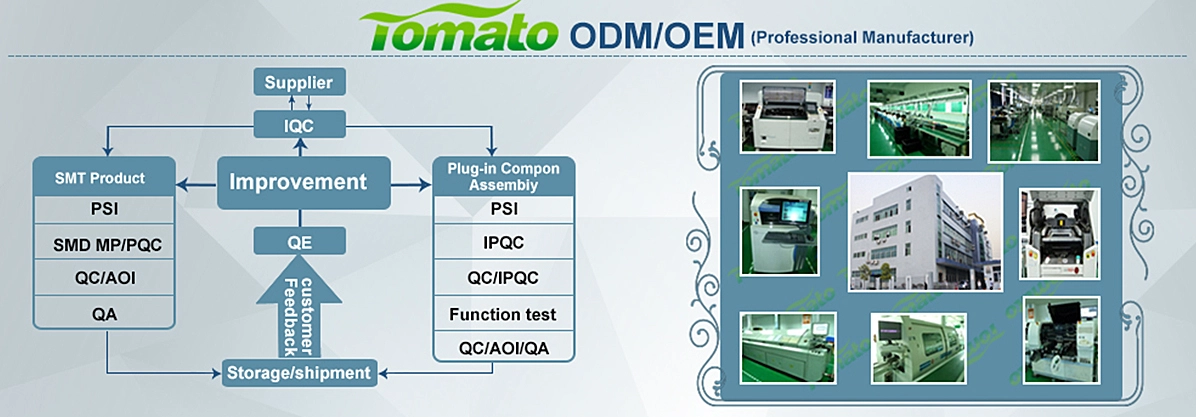
SZTomato was established in 2011 and provides OEM/ODM manufacturing services in Shenzhen, China, combining hardware engineering, firmware customization, and production quality control.
For international B2B customers, this integrated development model helps reduce the coordination gaps that can occur when hardware design, firmware development, and manufacturing are handled by unrelated suppliers.
5. How to Choose an OTT TV Box OEM/ODM Manufacturer
Choosing a supplier based solely on unit price or advertised hardware specifications creates unnecessary project risk.
A capable manufacturing partner should demonstrate engineering competence across the complete product lifecycle.
The following criteria are particularly important.
|
Evaluation Criteria |
What B2B Buyers Should Verify |
|---|---|
|
Hardware engineering |
Can the supplier modify PCBA layouts and interfaces? |
|
Firmware development |
Can it customize Android/Linux firmware beyond branding? |
|
SoC experience |
Does it understand the selected chipset platform and SDK? |
|
Application integration |
Can it support SDK/API integration? |
|
Security compatibility |
Can it work with the required DRM and HDCP architecture? |
|
OTA infrastructure |
Can it support customized update workflows? |
|
Thermal engineering |
Can it address continuous-operation requirements? |
|
Manufacturing |
Does it provide engineering samples and production QC? |
|
After-sales support |
Can it support firmware maintenance and hardware revisions? |
One particularly useful question is:
Can the manufacturer modify both the PCBA and firmware when the standard reference design cannot meet the project requirements?
The answer reveals whether the supplier is primarily an assembly manufacturer or a genuine OEM/ODM engineering partner.
For commercial OTT deployments, the distinction can have a direct impact on product performance, development time, and long-term maintenance costs.
6. Why Work with SZTomato for Custom OTT TV Box Development?
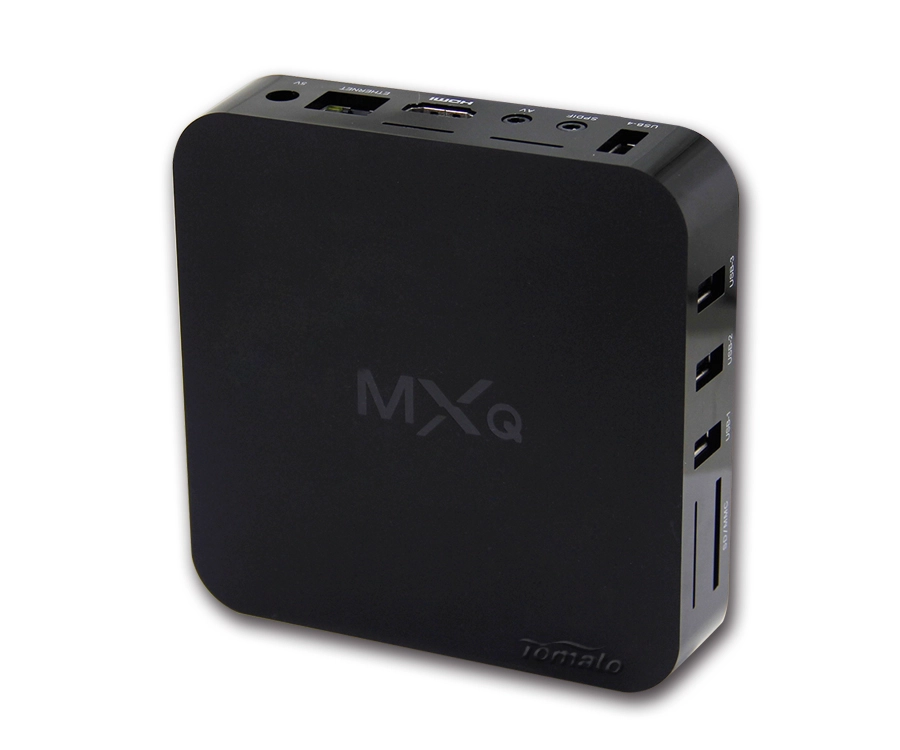
SZTomato focuses on OEM/ODM development and manufacturing of Android TV Boxes, OTT devices, IPTV set-top boxes, streaming media players, and other smart multimedia hardware.
Established in 2011, the company combines hardware engineering, firmware customization, and manufacturing capabilities to support international brands, distributors, telecom operators, and system integrators.
Its engineering capabilities cover several critical areas.
Hardware and PCBA Engineering
SZTomato supports hardware configuration and PCBA modification according to project requirements, including interface adjustments, component selection, connectivity configuration, and specialized hardware development.
Custom Android and Linux Firmware
Projects can involve system configuration, firmware optimization, custom UI/UX, boot sequence modification, application integration, and OTA-related development.
SDK/API Integration
For customers operating proprietary OTT platforms or device management systems, SZTomato can support software integration according to the available SDK documentation, API specifications, and platform architecture.
Industrial Thermal Solutions
For products requiring extended operating hours or specialized deployment environments, customized cooling and thermal management solutions can be incorporated into the hardware design.
OEM/ODM Manufacturing Support
From engineering samples to mass production, SZTomato supports the development process with manufacturing coordination and multi-stage quality control.
The company's approach is based on a straightforward principle: the hardware configuration, firmware architecture, and application ecosystem must be developed as one integrated product.
This is particularly important for customers who need more than a standard Android TV Box with a customized logo.
Conclusion: Build an OTT TV Box Around Your Business Requirements
The competitive advantage of an OTT TV Box increasingly comes from the relationship between its hardware platform, operating system, firmware architecture, and content ecosystem.
A suitable SoC provides the processing foundation. PCBA engineering ensures the required interfaces and electrical performance. Custom firmware controls system behavior and user experience. SDK/API integration connects the device to the operator's infrastructure. OTA management supports long-term deployment and maintenance.
Treating these elements as separate purchasing decisions often creates integration problems later in the development cycle.
For telecom operators, OTT platform owners, distributors, brand owners, and system integrators, the better approach is to define the complete technical requirements before selecting the manufacturing partner.
SZTomato provides OTT TV Box OEM/ODM solutions covering PCBA hardware modification, Android/Linux firmware customization, SDK/API integration, custom UI/UX development, and specialized thermal engineering.
Whether you are developing a new OTT device brand, upgrading an existing streaming hardware platform, or deploying customized devices for a commercial content ecosystem, SZTomato can support your project from engineering samples to mass production.
Contact SZTomato at www.sztomato.com to discuss your OTT TV Box OEM/ODM requirements and develop a streaming hardware platform aligned with your business objectives.
