
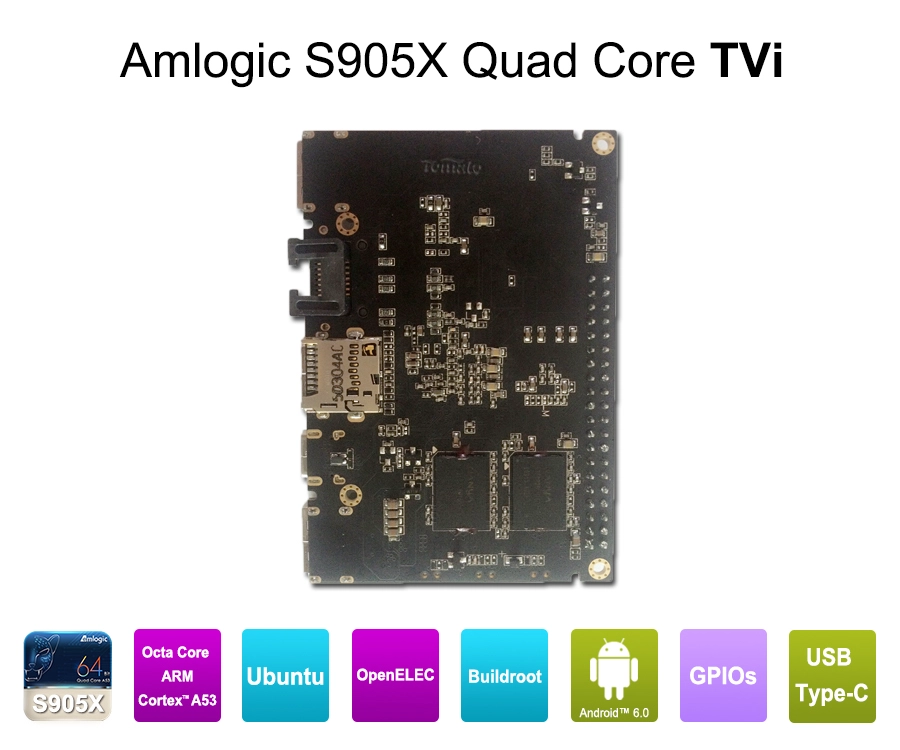
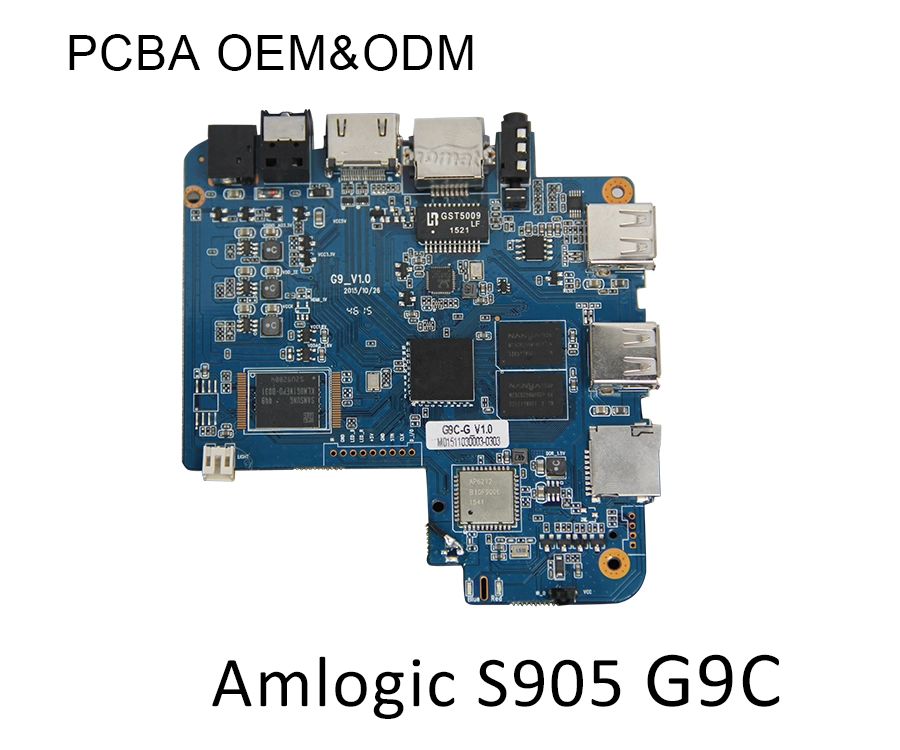
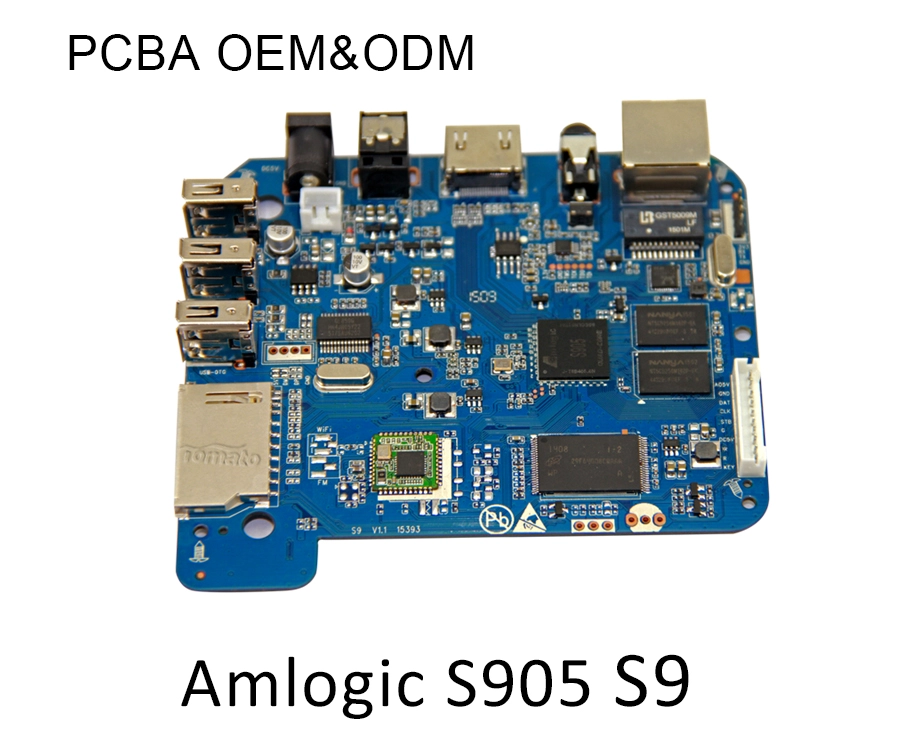
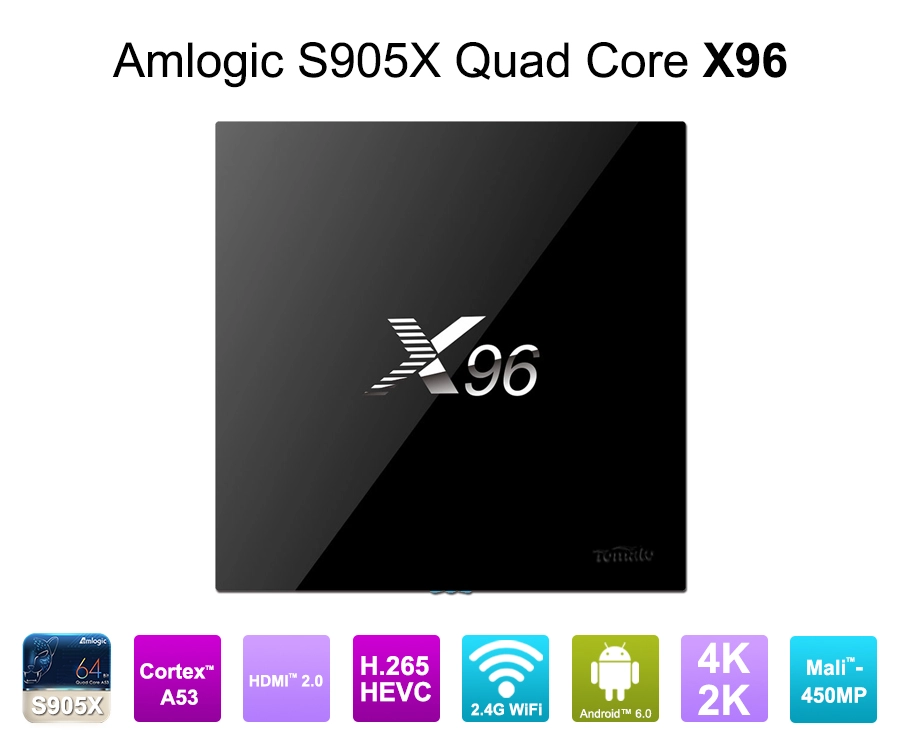
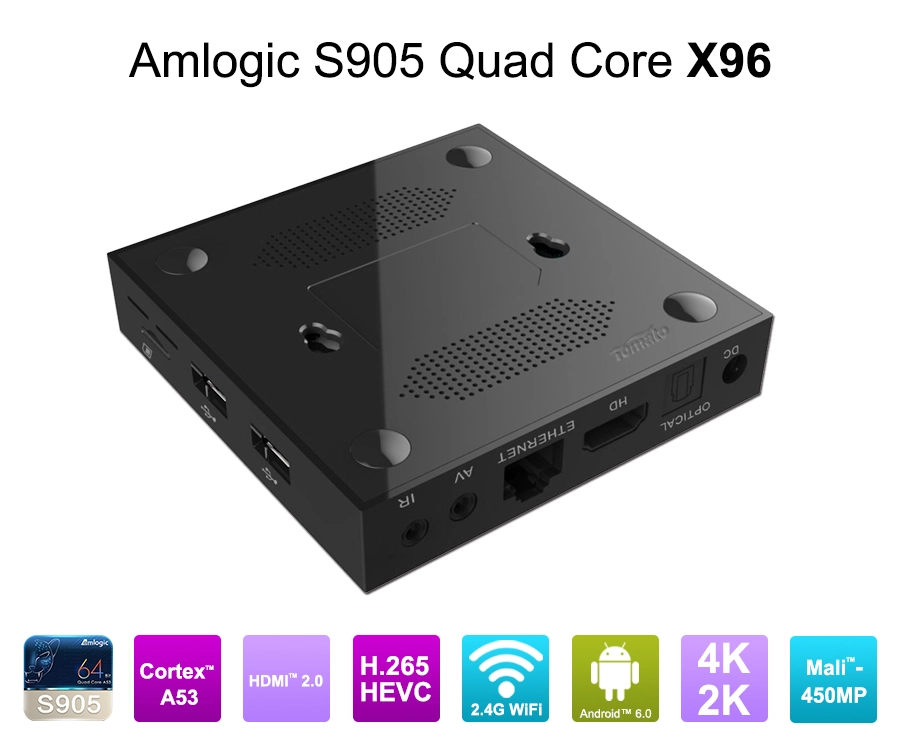
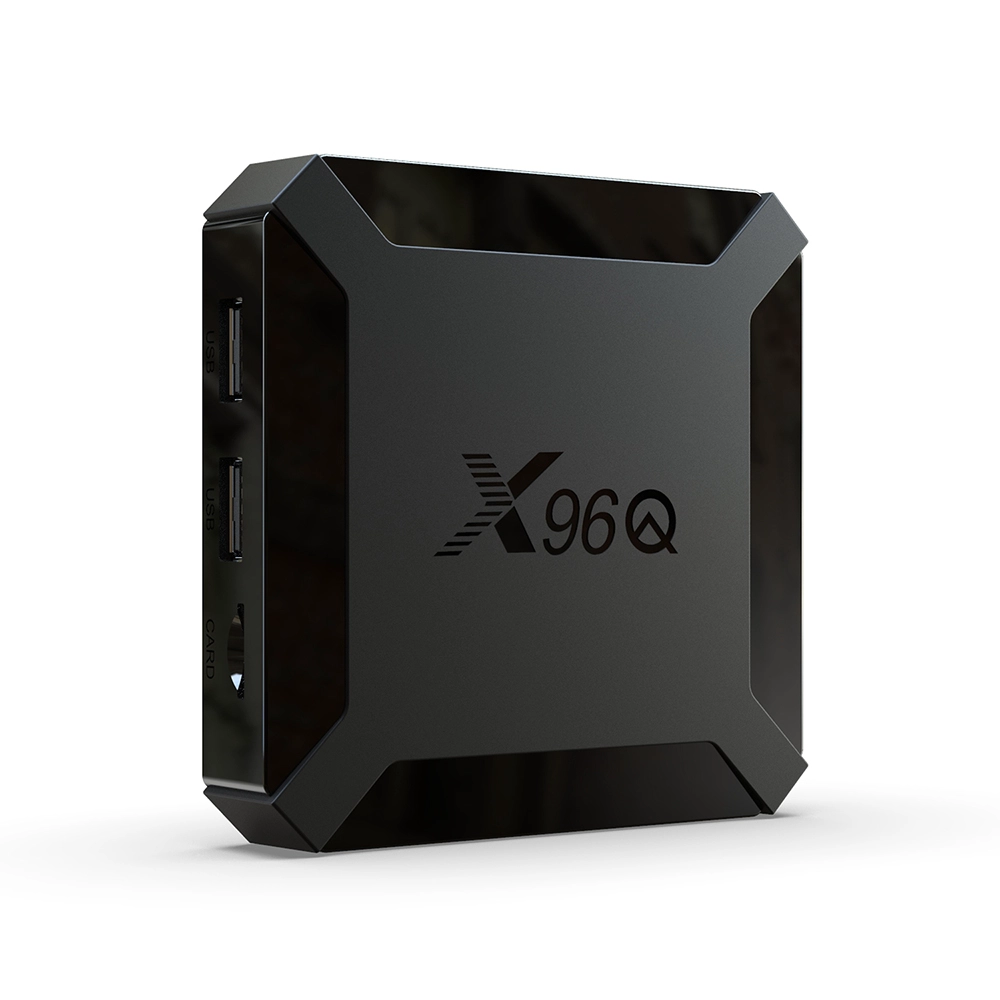
Can SZ Tomato provide OEM/ODM Custom firmware for Smart TV Box?
1. Why Custom Firmware Matters for Smart TV Box OEM/ODM Projects
A Smart TV Box is no longer defined solely by its processor, memory capacity, or video decoding specifications. For B2B customers, firmware determines how the device interacts with applications, network infrastructure, content delivery platforms, peripheral hardware, and remote management systems.
Two Smart TV Box products can use the same Amlogic or Rockchip SoC but deliver significantly different commercial experiences because of their firmware architecture.
A standard reference firmware may be sufficient for general consumer applications. However, it often creates limitations when a product needs to support:
-
A proprietary launcher and branded user interface.
-
Pre-installed applications and restricted application environments.
-
IPTV middleware and customized streaming protocols.
-
Remote device management and centralized configuration.
-
OTA firmware distribution and version control.
-
Specific HDMI, USB, Ethernet, Wi-Fi, and Bluetooth configurations.
-
Industrial or commercial operating conditions.
For example, an IPTV operator may require a Smart TV Box that automatically launches its proprietary application after boot, prevents unauthorized access to system settings, supports remote configuration, and receives firmware updates from its own server.
A standard Android image rarely satisfies all these requirements without additional engineering.
This is where OEM/ODM custom firmware becomes commercially important.
What Can SZTomato Customize?
SZTomato supports firmware customization at several technical levels:
|
Customization Area |
Engineering Capabilities |
Business Value |
|---|---|---|
|
Android/Linux OS |
System configuration, kernel optimization, driver adaptation |
Better platform compatibility |
|
Boot and Startup |
Boot animation, startup sequence, automatic application launch |
Consistent brand experience |
|
UI/UX |
Custom launcher, menus, navigation, branded interface |
Product differentiation |
|
Application Integration |
APK pre-installation, SDK/API integration |
Application ecosystem compatibility |
|
Network Configuration |
Ethernet, Wi-Fi, Bluetooth and network parameter customization |
Deployment flexibility |
|
OTA System |
Firmware updates, version management, recovery mechanisms |
Long-term maintenance |
|
Security |
Permission management, system restrictions, encryption integration |
Better operational control |
The actual customization scope depends on the selected SoC, Android/Linux version, chipset SDK availability, hardware configuration, and project requirements.
SZTomato approaches firmware development as part of the complete Smart TV Box engineering process, not as an isolated software modification.
2. How Does SZTomato Develop Custom Firmware for Smart TV Box?
Custom firmware development requires coordination between the hardware platform, operating system, application layer, and deployment environment.
A firmware modification that works on one hardware revision may fail on another if the device tree, drivers, memory configuration, or peripheral interfaces are different.
SZTomato's OEM/ODM workflow addresses these dependencies through several engineering stages.
2.1 Android and Linux System Customization
The operating system determines the software environment in which applications execute.
Depending on the selected chipset platform and project requirements, SZTomato can support Android or Linux-based Smart TV Box development.
Typical customization areas include:
-
Android system configuration and build customization.
-
Linux kernel configuration and optimization.
-
Device tree configuration and peripheral adaptation.
-
Bootloader and startup sequence customization.
-
Hardware driver integration.
-
System service configuration.
-
Memory and resource management.
-
Application compatibility testing.
For Android projects, firmware development may involve modifying system images, integrating vendor-specific libraries, adjusting system permissions, and configuring pre-installed applications.
For Linux-based platforms, development may involve kernel configuration, driver adaptation, root filesystem customization, and application environment integration.
The selected SoC determines which BSP, SDK, source code, and development resources are available. Consequently, firmware customization should begin with chipset feasibility assessment rather than assuming that every function can be transferred between different platforms.
2.2 Custom UI/UX and Application Integration
For operators and private-label brands, the user interface is an important part of product identity.
SZTomato supports custom UI/UX firmware development to help customers replace generic interfaces with branded operating environments.
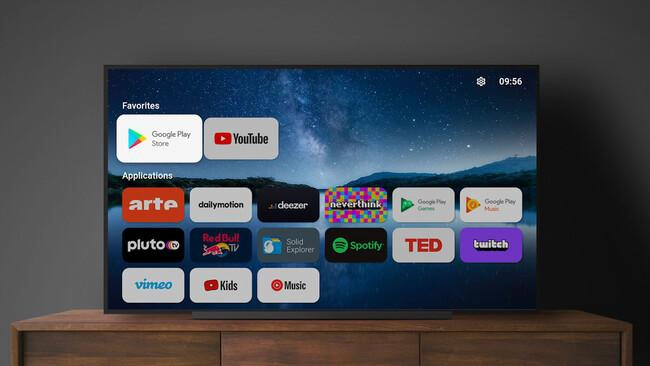
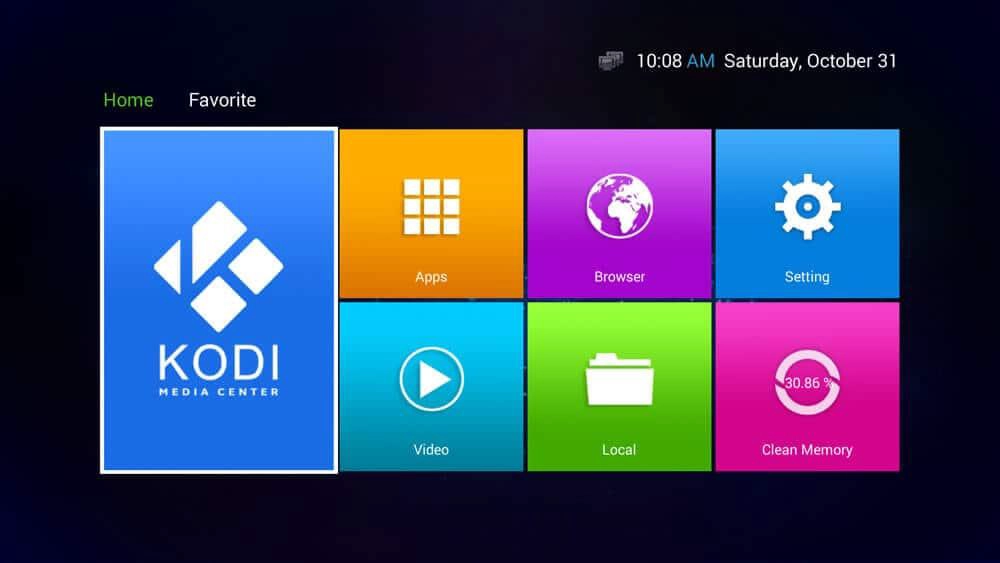
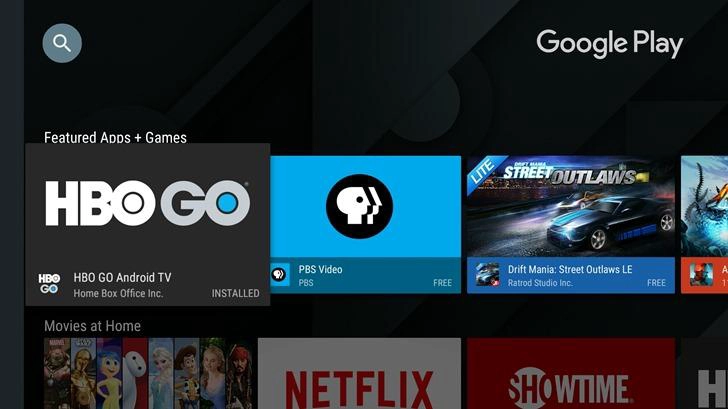
Possible customization includes:
Custom launcher development
-
Branded home screen and navigation structure.
-
Customized application icons and menus.
-
Category-based content organization.
-
Simplified remote-control navigation.
-
Automatic startup of designated applications.
Application integration
-
Pre-installation of customer-specified APK files.
-
Integration of proprietary applications.
-
SDK/API integration with third-party platforms.
-
Customized application startup behavior.
-
Compatibility testing across firmware versions.
System behavior customization
-
Restricted access to selected Android settings.
-
Application permission configuration.
-
Background service management.
-
Customized power-on and standby behavior.
-
Remote-control key mapping.
For an IPTV operator, for example, the Smart TV Box can be configured to launch its IPTV application automatically after boot. The interface can prioritize live television, video-on-demand, account management, and other operator-defined functions.
However, application integration and system-level restrictions must be evaluated against Android version requirements, application licensing, security policies, and chipset vendor limitations.
2.3 OTA Firmware Updates and Remote Maintenance
Firmware maintenance becomes increasingly important when hundreds or thousands of Smart TV Box devices are deployed across different locations.
Without a reliable update mechanism, even a minor application compatibility issue can result in significant after-sales costs.
SZTomato supports customized OTA update solutions based on project requirements.
A typical OTA architecture includes:
-
Firmware packaging: Prepare the system image and application packages for the target hardware platform.
-
Version management: Identify firmware versions and maintain compatibility between hardware revisions.
-
Update distribution: Configure the update server and delivery mechanism.
-
Device verification: Check firmware compatibility and update eligibility.
-
Installation and recovery: Apply the update and provide suitable recovery mechanisms.
-
Validation: Verify system startup, application functionality, and peripheral compatibility.
For commercial deployments, additional considerations include:
-
Incremental versus full firmware updates.
-
Update scheduling and bandwidth management.
-
Firmware signature verification.
-
Update interruption recovery.
-
Rollback support where the platform permits it.
-
Device identification and update grouping.
A well-designed OTA system reduces the need for manual firmware installation and provides a more manageable maintenance process.
For IPTV operators, telecom providers, and digital signage integrators, these capabilities can significantly simplify device lifecycle management.
3. Beyond Firmware: Hardware and PCBA Customization for Smart TV Box
Custom firmware cannot compensate for every hardware limitation.
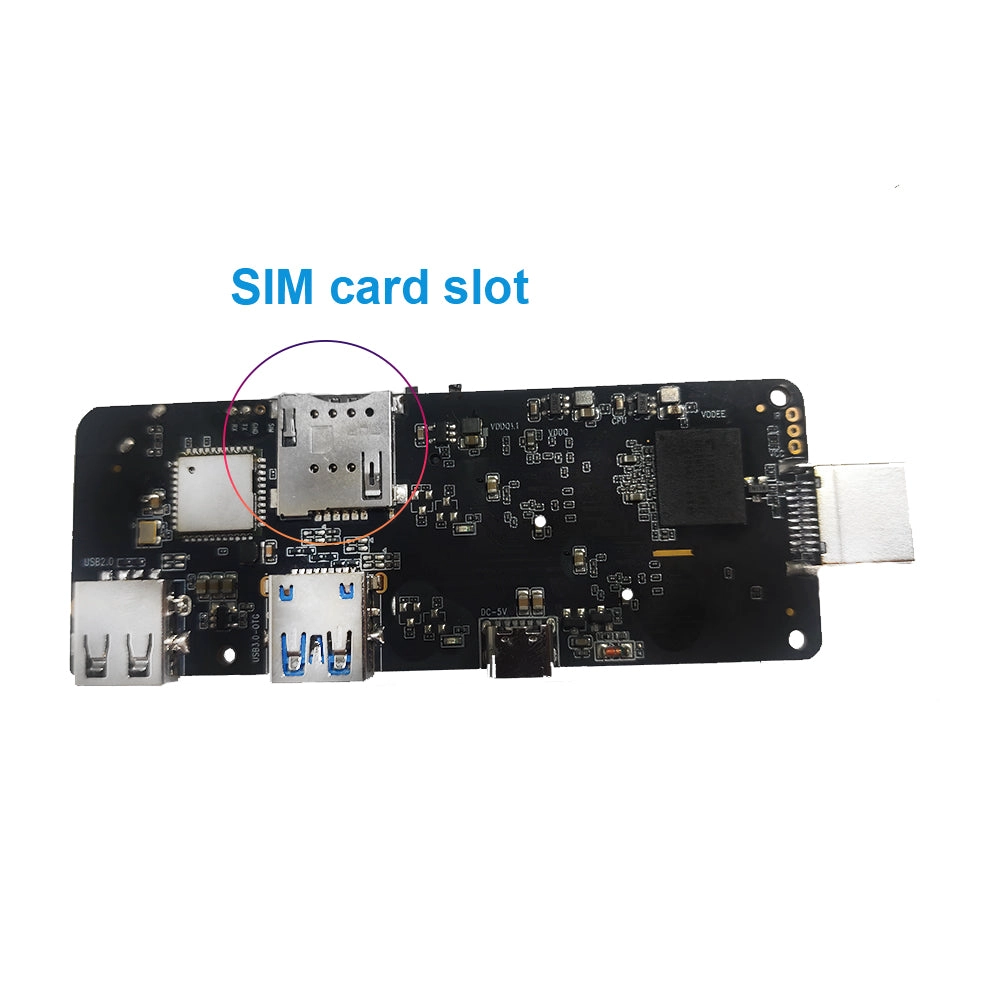
If a project requires additional interfaces, different wireless modules, specialized peripheral support, or improved thermal performance, the PCBA design must be considered alongside software development.
SZTomato integrates hardware and firmware engineering to address these requirements.
3.1 PCBA Layout and Hardware Modification
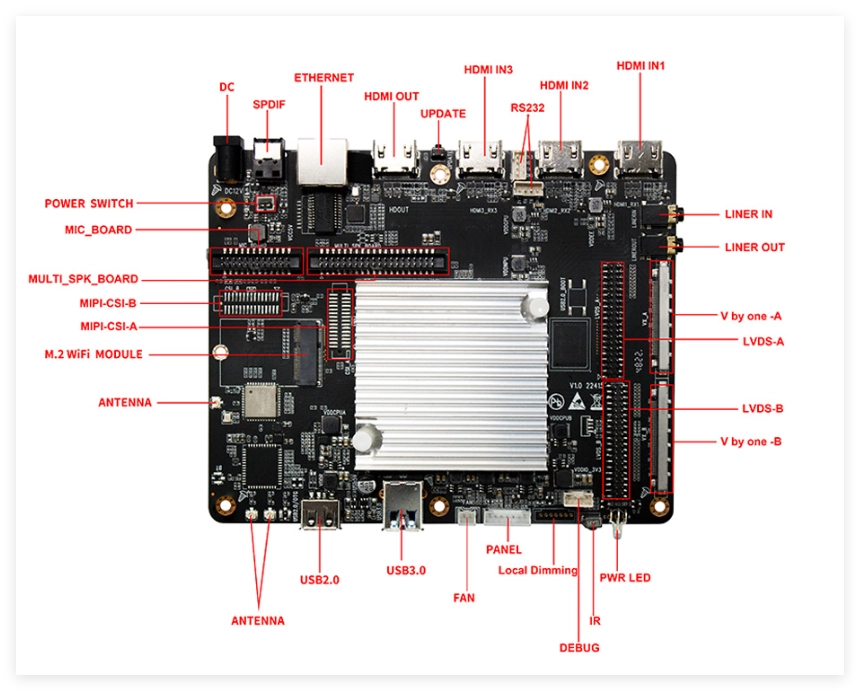
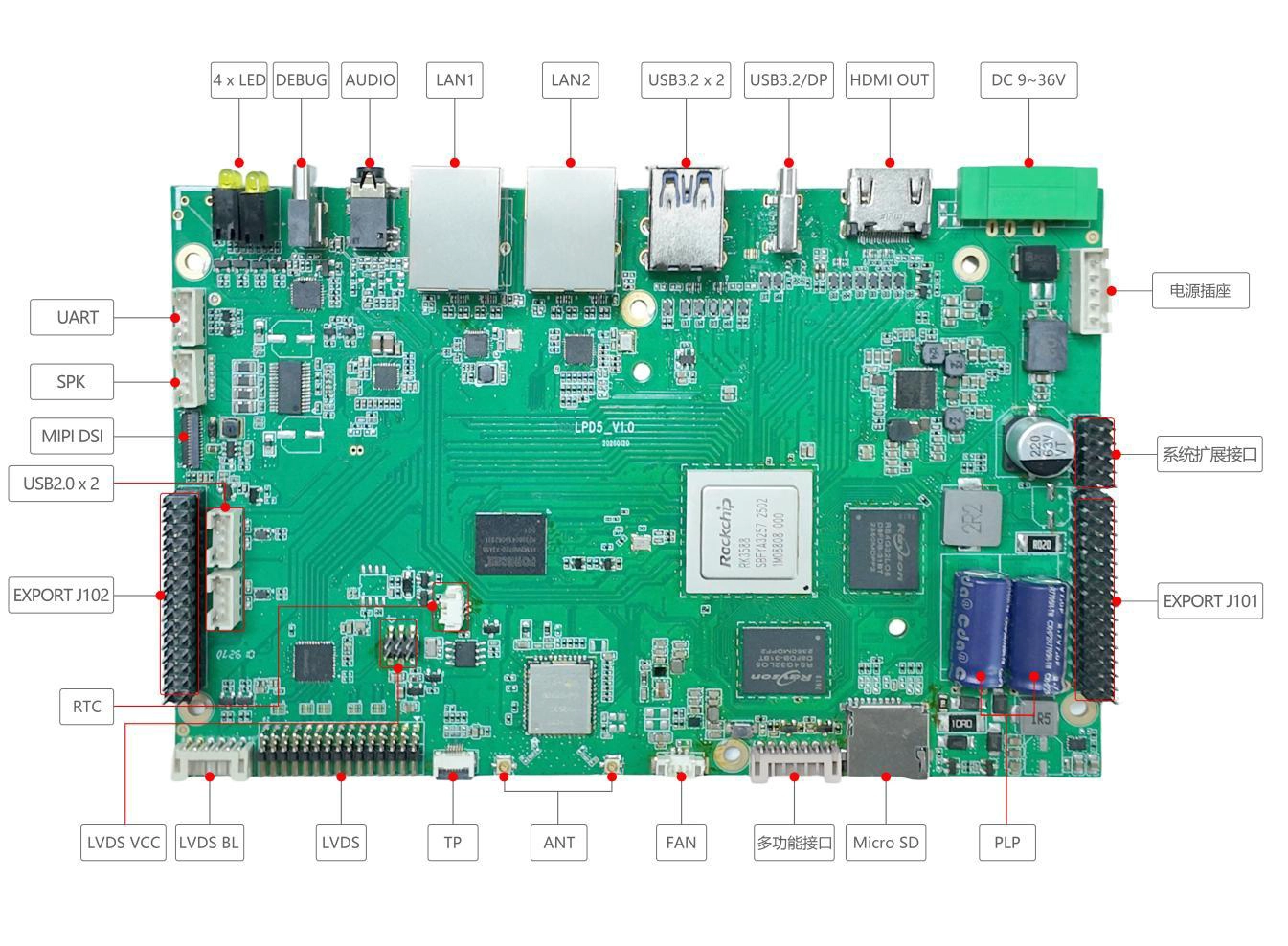
PCBA customization may include:
-
PCB layout modification.
-
Memory and storage configuration adjustments.
-
Wi-Fi and Bluetooth module selection.
-
Ethernet interface configuration.
-
USB interface adaptation.
-
HDMI interface design considerations.
-
Peripheral component integration.
-
Power supply and voltage regulation optimization.
For example, a commercial Smart TV Box may require additional USB interfaces to connect barcode scanners, touchscreens, or external storage devices.
An IPTV deployment may prioritize stable Gigabit Ethernet connectivity, wireless performance, and reliable HDMI output.
These requirements affect both the electrical design and the firmware configuration.
Device tree settings, kernel drivers, interface initialization, and application-level compatibility must be verified against the final PCBA revision.
3.2 Specialized Cooling Solutions for Industrial Applications
Thermal management is another engineering consideration for Smart TV Box products used in commercial or industrial environments.
A device operating continuously in a digital signage installation or enclosed equipment cabinet may experience different thermal conditions from a consumer TV Box used intermittently at home.
SZTomato can evaluate specialized cooling solutions based on the SoC power profile, enclosure structure, operating temperature, and installation environment.
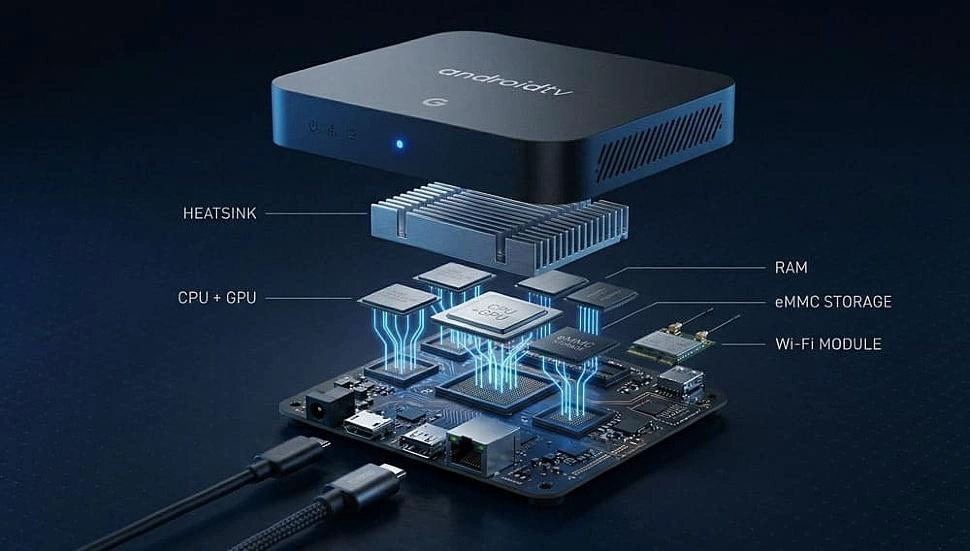
Potential solutions include:
-
Optimized heatsink structures.
-
Improved thermal contact between the SoC and heatsink.
-
Enclosure airflow optimization.
-
PCB component placement adjustments.
-
Thermal performance testing under sustained workloads.
These modifications help reduce thermal throttling and improve operating stability when the device is subjected to continuous processing workloads.
For industrial projects, thermal design should be validated under the customer's actual operating conditions rather than relying exclusively on laboratory room-temperature testing.
3.3 HDMI, HDCP, and Multimedia Compatibility
Video output compatibility is a critical part of Smart TV Box development.
A product may support 4K decoding at the SoC level but still encounter problems related to HDMI output configuration, display compatibility, DRM requirements, or firmware implementation.
Relevant engineering considerations include:
-
HDMI output resolution and refresh-rate configuration.
-
HDR format compatibility.
-
HDCP authentication and licensing requirements.
-
EDID negotiation.
-
Audio output configuration.
-
HDMI-CEC functionality.
-
H.264, H.265/HEVC, and AV1 decoding support, depending on the SoC.
HDCP should not be treated as a simple firmware switch. Protected-content playback depends on the appropriate licensing, chipset capabilities, secure implementation, and content-provider authorization.
For commercial streaming applications, these requirements should be evaluated early in the project to avoid compatibility issues during certification and deployment.
The key engineering principle is straightforward: hardware, firmware, and application requirements must be designed together.
4. Which Smart TV Box OEM/ODM Projects Benefit Most from Custom Firmware?
Not every Smart TV Box project requires deep firmware engineering. However, customization becomes particularly valuable when the product must support a specific business model or deployment environment.
The following scenarios are especially relevant to SZTomato's OEM/ODM development capabilities.
4.1 IPTV Operators and Telecom Service Providers
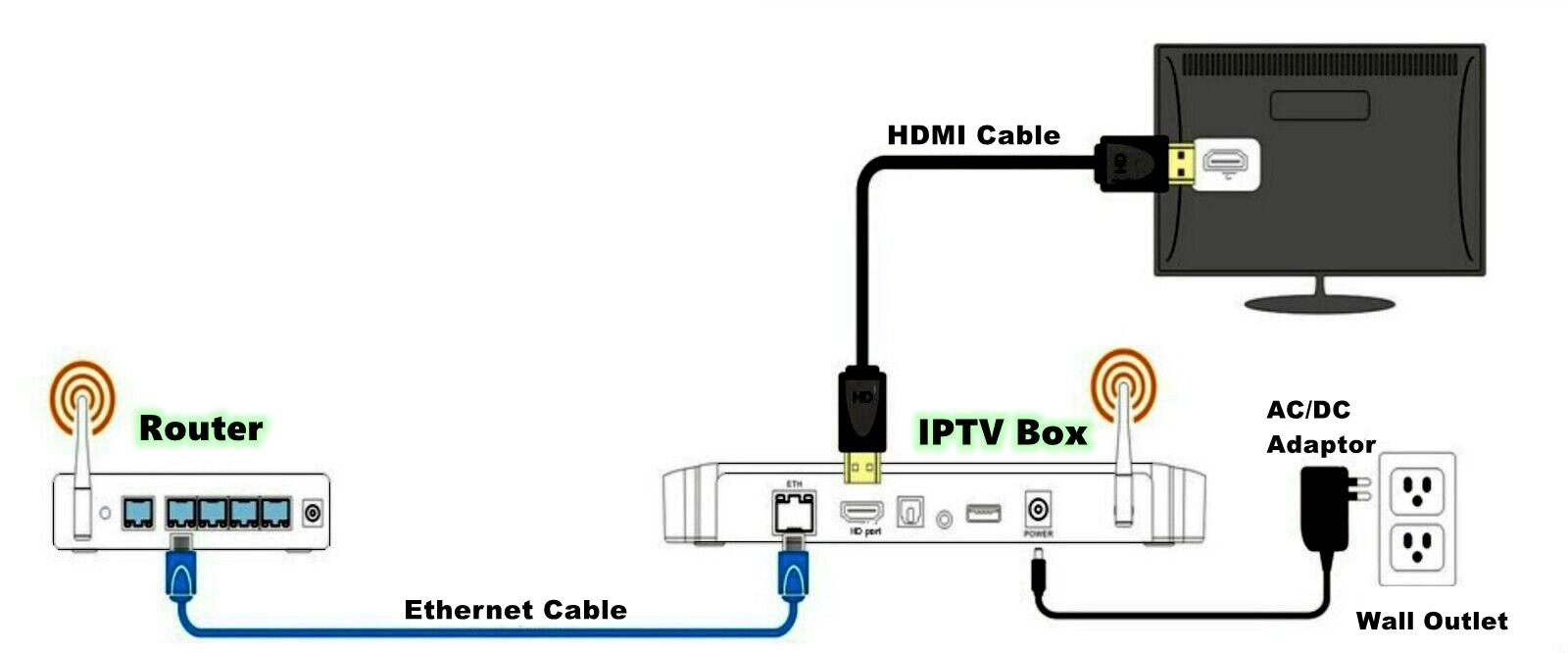
IPTV operators typically require more than a standard Android TV Box.
Their requirements may include:
-
Proprietary IPTV application integration.
-
Customized boot and startup behavior.
-
Operator-branded launcher.
-
Ethernet and Wi-Fi configuration.
-
Remote firmware management.
-
Device identification and provisioning.
-
Application and system security policies.
For these projects, firmware architecture should be designed around the operator's existing middleware, content delivery infrastructure, and subscriber management environment.
SZTomato can work with customers to evaluate the required SDK/API integration and firmware adaptation according to the selected hardware platform.
4.2 Digital Signage and Commercial Display Integrators
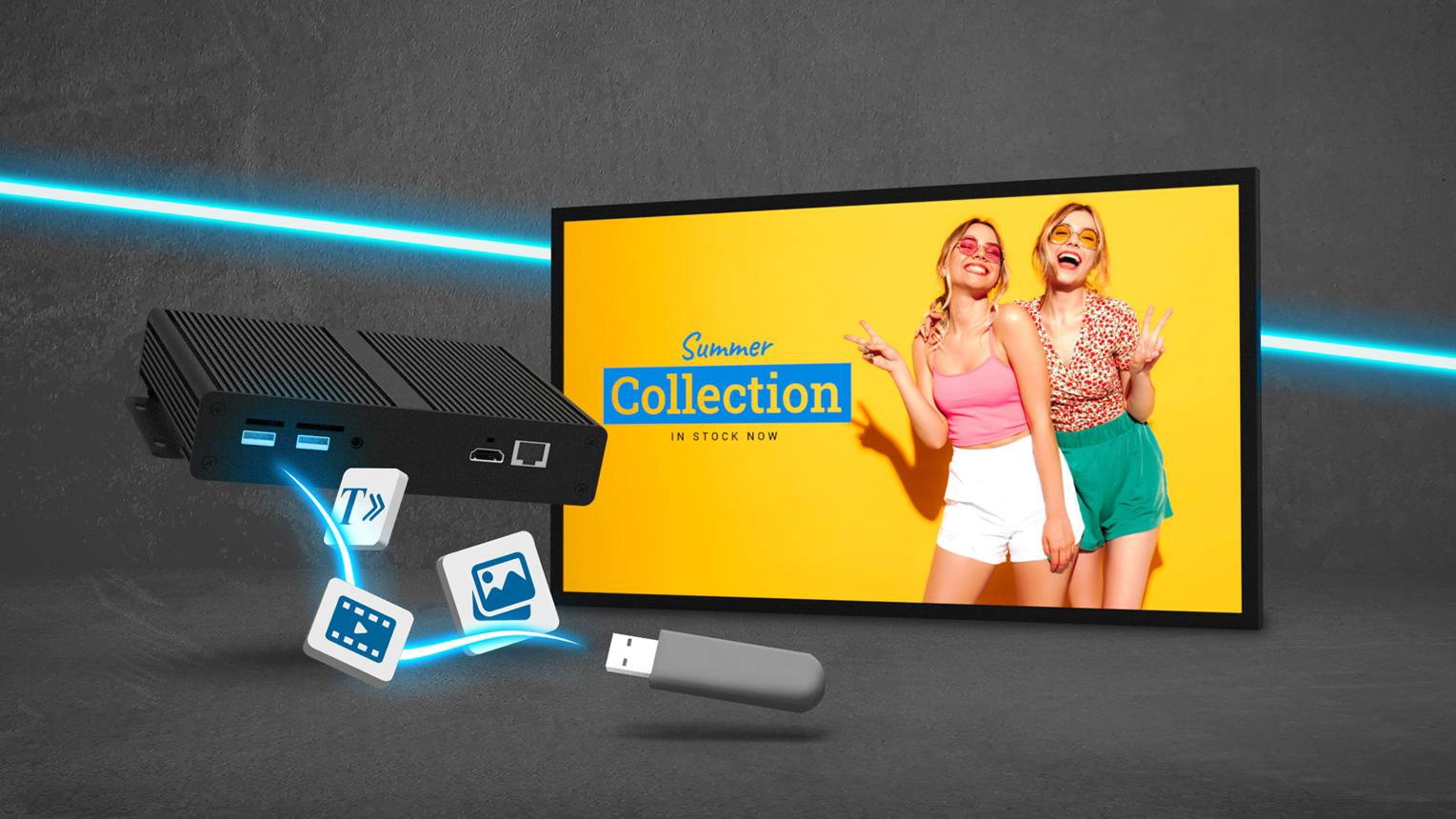
Digital signage deployments introduce requirements that differ from residential streaming applications.
A commercial Smart TV Box may need to:
-
Start designated signage software automatically.
-
Run continuously for extended periods.
-
Support scheduled playback.
-
Connect to a centralized content management system.
-
Recover automatically after power interruptions.
-
Support external peripherals.
-
Operate reliably in enclosed installation environments.
Firmware customization can simplify device provisioning and reduce the number of manual configuration steps required during installation.
For signage integrators, the combination of custom launcher development, OTA maintenance, PCBA adaptation, and thermal engineering is often more important than adding unnecessary consumer entertainment features.
4.3 Private-Label Brands and Global Distributors
For international brands and wholesalers, firmware customization provides an opportunity to build a differentiated product rather than competing solely on hardware price.
A private-label Smart TV Box project may require:
|
Requirement |
SZTomato Customization Direction |
|---|---|
|
Brand identity |
Logo, boot animation, custom launcher |
|
Application ecosystem |
Pre-installed APKs and SDK/API integration |
|
Regional markets |
Language and regional configuration |
|
System management |
OTA updates and firmware maintenance |
|
Hardware differentiation |
PCBA modification and interface adaptation |
|
Performance stability |
Kernel optimization and thermal management |
|
Product security |
Permission policies and supported security mechanisms |
This approach is particularly relevant to distributors developing long-term product lines and brands that need consistent hardware and software specifications across multiple production batches.
5. Why Choose SZTomato for Smart TV Box OEM/ODM Firmware Development?
Choosing a Smart TV Box manufacturer based only on unit price can create problems later in the product lifecycle.
Firmware limitations, hardware incompatibility, inconsistent production quality, and inadequate technical support can increase development costs and delay commercial deployment.
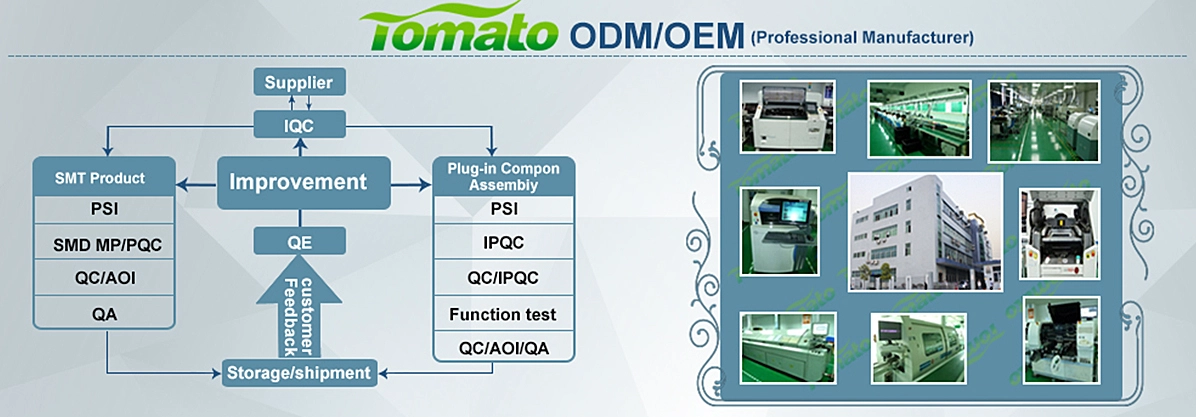
Established in 2011, SZTomato is a Shenzhen-based manufacturer specializing in Android TV Box, Smart TV Box, IPTV Set-Top Box, streaming media players, digital signage hardware, and Android Mini PC solutions.
Its OEM/ODM capabilities cover multiple engineering layers.
Hardware engineering
-
Customized PCBA design and modification.
-
SoC and memory configuration assessment.
-
Peripheral interface integration.
-
Power and thermal design optimization.
Firmware engineering
-
Android and Linux system customization.
-
Bootloader and startup configuration.
-
Kernel and driver adaptation.
-
Custom UI/UX development.
-
SDK/API integration.
-
OTA firmware update solutions.
Production and quality control
-
Prototype development and engineering validation.
-
Hardware and firmware compatibility testing.
-
Functional and stability testing.
-
Production quality inspection.
-
Support for customized mass-production requirements.
The practical advantage is the ability to coordinate hardware changes with firmware development.
For example, if a customer requests a Smart TV Box with a customized USB interface configuration and automatic application startup, the project needs both PCBA evaluation and firmware adaptation.
Treating these as separate tasks often creates unnecessary development cycles.
SZTomato's integrated OEM/ODM approach helps customers address these dependencies during product development.
6. How to Start a Custom Smart TV Box OEM/ODM Project with SZTomato
A successful customization project starts with a clearly defined technical specification.
Before requesting a quotation, B2B customers should prepare the following information:
|
Project Information |
Details to Provide |
|---|---|
|
Target application |
IPTV, OTT streaming, digital signage, commercial display |
|
SoC platform |
Amlogic, Rockchip, Allwinner, or preferred chipset |
|
Operating system |
Android, Linux, or dual-OS requirements |
|
Memory and storage |
RAM and eMMC capacity |
|
Connectivity |
Wi-Fi, Bluetooth, Ethernet, USB |
|
Firmware requirements |
Launcher, APK, SDK/API, OTA, system restrictions |
|
Hardware requirements |
HDMI, PCBA modification, peripheral interfaces |
|
Branding |
Logo, boot animation, enclosure and packaging |
|
Deployment scale |
Prototype quantity and estimated mass-production demand |
Based on this information, SZTomato can evaluate chipset suitability, customization feasibility, development scope, and production requirements.
One important point: Android TV certification, Google certification, DRM authorization, and HDCP licensing are separate compliance matters. Custom firmware does not automatically provide these approvals. Projects requiring certified Google TV or protected-content services must establish the relevant certification and licensing requirements before finalizing the platform.
This distinction is important for buyers planning commercial distribution in regulated or certification-sensitive markets.
Conclusion: Build a Smart TV Box Around Your Business Requirements
Yes, SZTomato can provide OEM/ODM custom firmware for Smart TV Box projects. Its customization scope extends beyond branding and application pre-installation to Android/Linux system adaptation, custom UI/UX, SDK/API integration, OTA update systems, kernel optimization, and coordinated PCBA hardware modification.
For procurement managers, IPTV operators, brand owners, and system integrators, the real value of custom firmware is the ability to control product behavior, application compatibility, maintenance, and deployment requirements.
A successful project should not begin with the question of which standard TV Box is cheapest. It should begin with the technical requirements of the intended application and the engineering platform capable of supporting them.
Looking for a Smart TV Box OEM/ODM manufacturer with custom firmware development capabilities?
Visit SZTomato to discuss your project requirements.
Our team can help evaluate your SoC selection, hardware configuration, firmware architecture, UI/UX customization, and SDK/API integration requirements to develop a Smart TV Box solution aligned with your business model.
Contact SZTomato today to discuss your custom Smart TV Box OEM/ODM project.
