
TV Box OEM/ODM Solutions: Custom Hardware, Firmware, and IPTV Integration
The growing adoption of AV1 video decoding, 4K HDR streaming, and operator-managed IPTV platforms is changing the engineering requirements of the TV Box market. Manufacturers can no longer rely on a standard reference board and a generic Android image to satisfy every deployment scenario.
For telecom operators, IPTV service providers, digital entertainment brands, and wholesale distributors, the real challenge is building a device that meets specific network conditions, content protection requirements, software ecosystems, and operational expectations.
A retail TV Box may perform adequately for general streaming. However, a commercial deployment involving thousands of devices requires considerably more control over hardware stability, firmware behavior, remote device management, and integration with existing infrastructure.
This is where TV Box OEM/ODM manufacturing becomes strategically important.
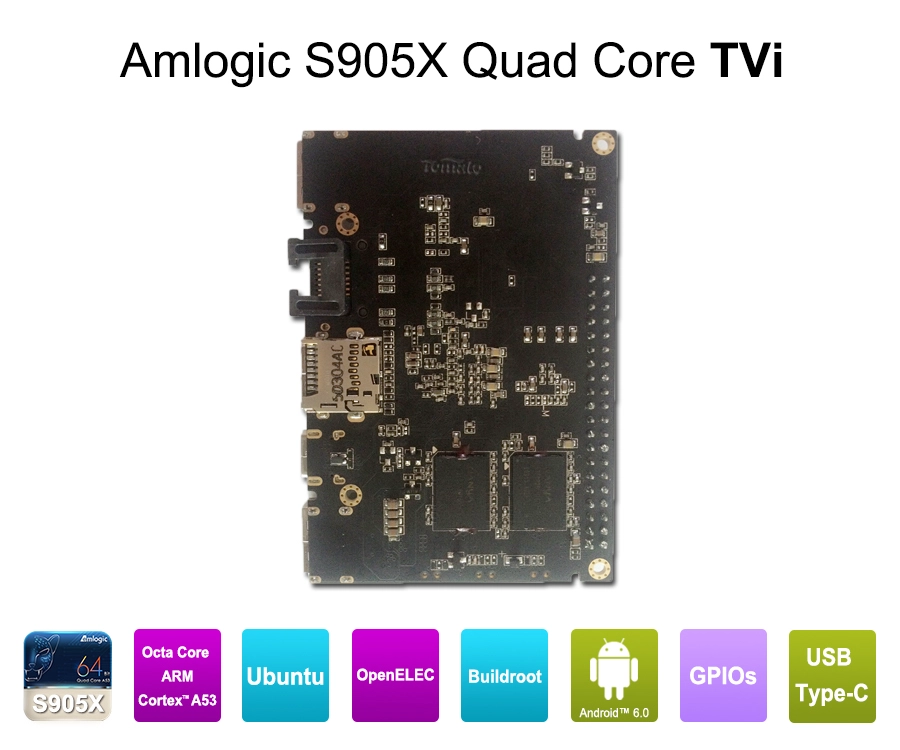
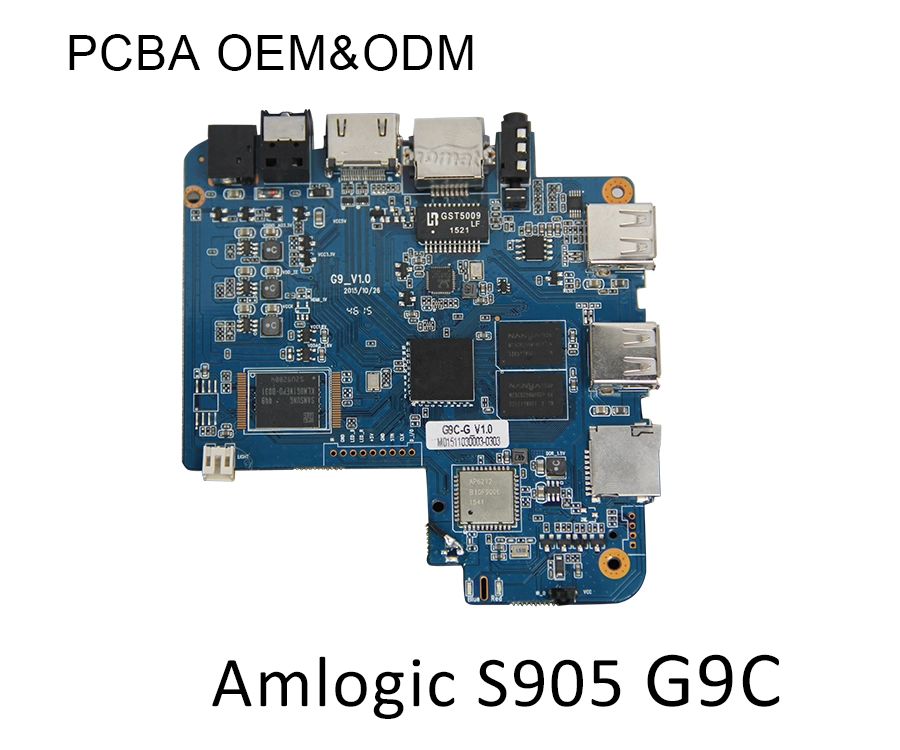
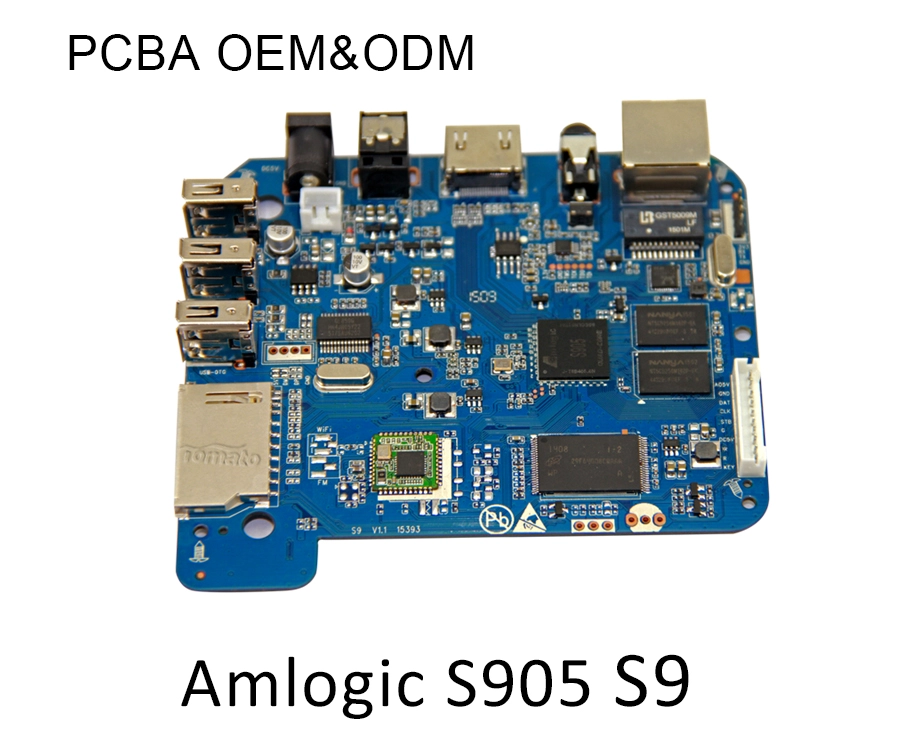
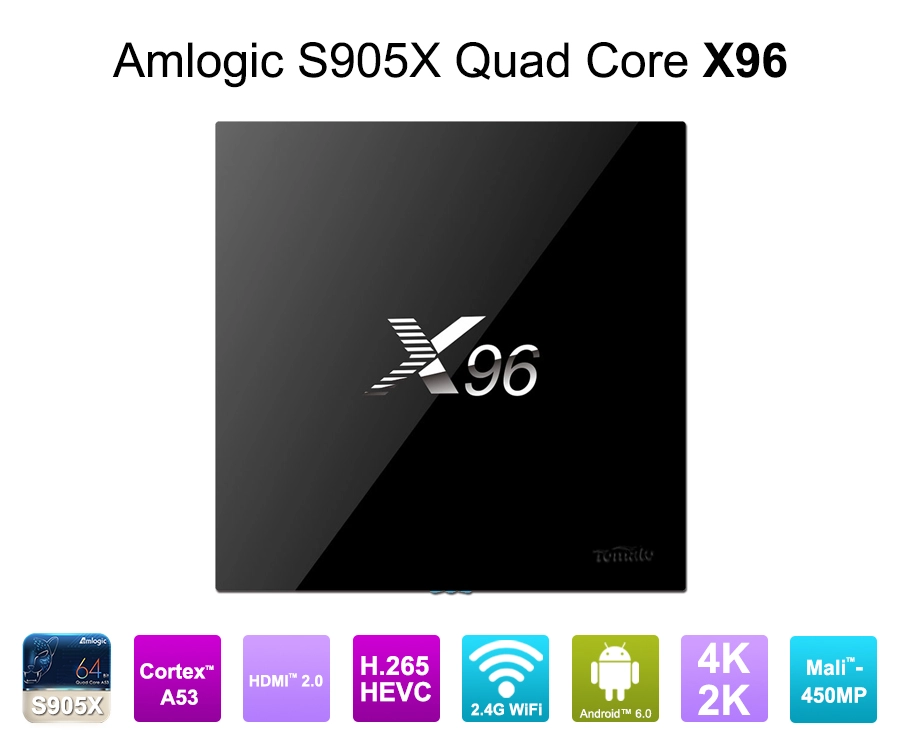
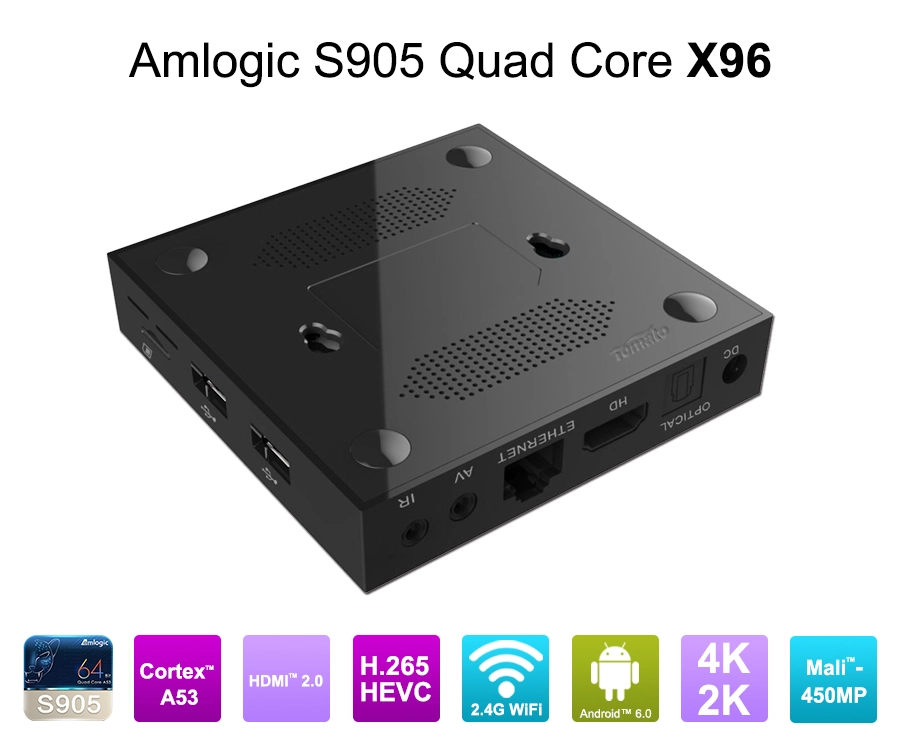
SZTomato provides B2B TV Box development and manufacturing solutions that combine hardware engineering, PCBA modification, firmware customization, SDK/API integration, and production management. Rather than treating customization as a branding exercise, the development process focuses on the underlying hardware and software architecture.
1. Why TV Box OEM/ODM Requires More Than Standard Hardware
The first decision in a TV Box project is not necessarily which processor offers the highest benchmark score. It is whether the complete hardware platform can support the intended application throughout its product lifecycle.
Different customers have different engineering requirements. An IPTV operator may prioritize Ethernet stability and middleware compatibility, while a streaming brand may focus on video decoding, wireless connectivity, and user experience.
Selecting the wrong reference platform can create problems that are expensive to correct after mass production.
Choosing the Right SoC Architecture
The System-on-Chip (SoC) determines much of a TV Box's performance characteristics, including CPU processing, GPU rendering, video decoding, memory bandwidth, and peripheral support.
Common considerations include:
-
CPU architecture: ARM Cortex-A55, Cortex-A73, Cortex-A76, and newer architectures offer different performance and power-consumption profiles.
-
GPU capability: Mali and other integrated GPU architectures influence interface rendering, graphics processing, and application performance.
-
Video decoding: Support for H.264, H.265/HEVC, VP9, and AV1 must match the target content ecosystem.
-
Display output: HDMI interface specifications, 4K or 8K output capabilities, HDR formats, and refresh-rate requirements need to be evaluated together.
-
Memory configuration: RAM capacity, storage type, and bandwidth influence application responsiveness and multitasking.
-
Connectivity: Gigabit Ethernet, Wi-Fi 5/6, Bluetooth, USB, and optional cellular connectivity depend on the intended deployment.
For example, an IPTV deployment based on 4K HEVC content may not require the same processing resources as an advanced multimedia device supporting AV1 decoding, multiple applications, and complex graphical interfaces.
A higher-performance SoC does not automatically produce a better commercial product. Thermal behavior, firmware maturity, driver availability, component costs, and long-term supply availability also influence the final platform selection.
PCBA Modification for Application-Specific Requirements
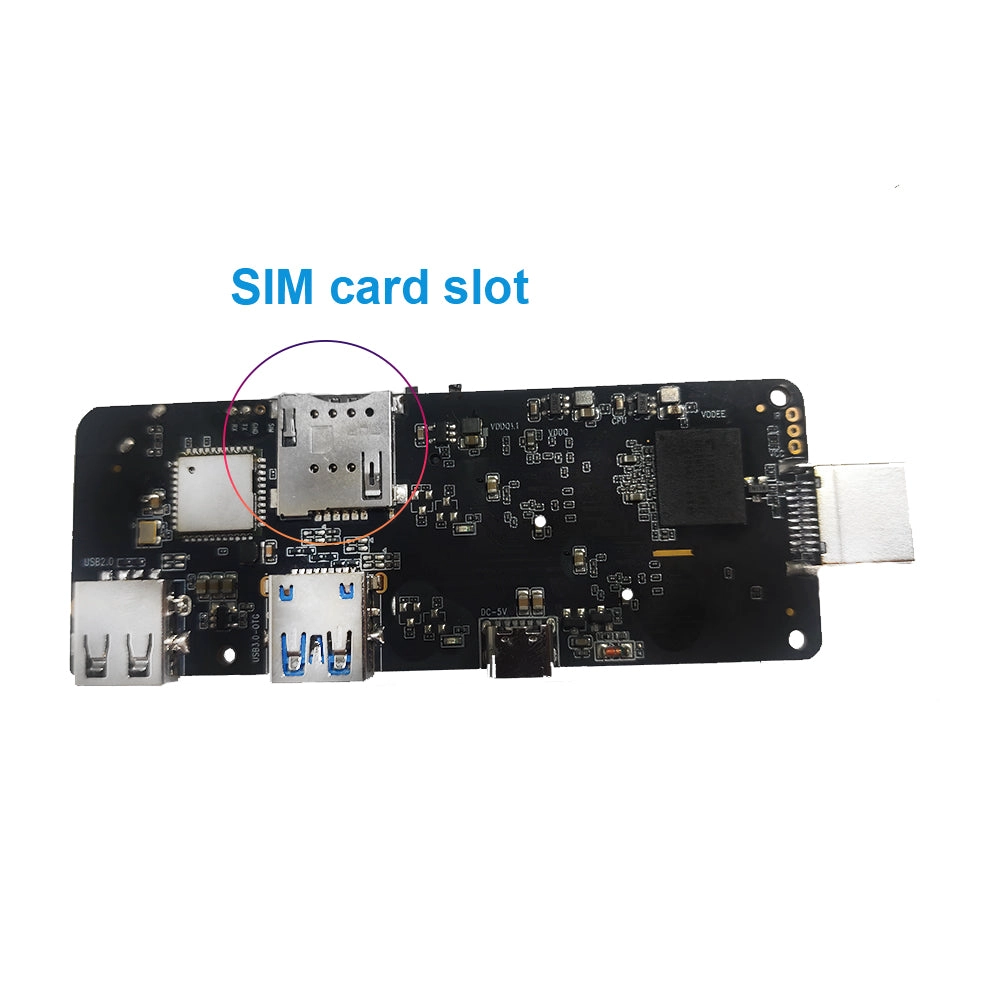
A standard reference design is useful for accelerating initial development, but it does not always provide the interfaces or electrical characteristics required by a commercial project.
Custom PCBA engineering allows manufacturers to modify the board architecture according to actual application requirements.
Typical customization areas include:
-
Ethernet interface configuration and network circuit optimization.
-
USB port expansion and peripheral compatibility.
-
HDMI circuit design and signal integrity optimization.
-
Wi-Fi and Bluetooth module selection.
-
DDR memory and eMMC storage configuration.
-
Power management and voltage regulation.
-
GPIO, UART, and other interfaces for specialized applications.
-
PCB layout optimization for electromagnetic compatibility and thermal performance.
For example, an IPTV operator may require a specific Ethernet configuration, additional USB connectivity, and a customized infrared receiver arrangement. A commercial multimedia integrator may need UART communication, additional control interfaces, or a modified power circuit.
These requirements should be addressed during the schematic and PCB layout stages rather than through last-minute modifications to a finished product.
SZTomato supports PCBA hardware modification and platform-level customization to help customers align the electrical design with their application requirements.
Thermal Design and Industrial Reliability
Thermal management is another frequently underestimated aspect of TV Box OEM/ODM development.
A device operating continuously in a commercial installation has a different thermal profile from one used occasionally in a residential environment.
High SoC utilization, restricted ventilation, elevated ambient temperatures, and continuous video processing can increase internal temperatures.
An inadequate thermal design may result in:
-
CPU or GPU frequency throttling.
-
Unstable video playback.
-
Random system restarts.
-
Reduced component lifespan.
-
Performance degradation during prolonged operation.
Engineering solutions may include optimized heatsink structures, thermal interface materials, enclosure modifications, PCB component placement, and airflow improvements.
For industrial and commercial applications, SZTomato can develop specialized cooling solutions according to the processor's thermal characteristics, enclosure dimensions, and operating environment.
The objective is not simply to reduce the maximum temperature during a short laboratory test. It is to maintain predictable operating performance under sustained workloads.
2. Custom TV Box Firmware: The Foundation of Product Differentiation
Hardware determines what a TV Box can support. Firmware determines how effectively the device uses those capabilities.
Many OEM projects encounter problems because manufacturers focus on the physical product while treating the operating system as a secondary consideration.
For B2B customers, firmware quality directly affects deployment efficiency, customer experience, technical support costs, and long-term product maintenance.
Android and Linux System Customization
The choice between Android and Linux depends on the intended software environment.
Android is suitable for applications requiring a graphical user interface, application ecosystem, multimedia playback, and integration with Android-based software.
Linux is often considered for specialized IPTV platforms, embedded applications, lightweight system environments, and products requiring greater control over the software stack.
A custom firmware project may involve:
1. System-level optimization
Kernel configuration, device-tree adjustments, driver integration, memory allocation, and boot-process optimization help align the operating system with the target hardware.
2. Custom UI/UX development
The user interface can be modified to reflect a customer's brand identity and operational requirements.
Typical modifications include customized boot animations, launcher design, application layouts, system settings, navigation logic, and preinstalled software.
3. Application integration
Customers may require specific streaming applications, IPTV clients, device-management tools, or proprietary applications to be included in the firmware.
Application compatibility must be verified against the target Android version, system permissions, hardware acceleration, and available resources.
4. System permission management
Commercial deployments may require restrictions on certain system functions, controlled application installation, kiosk-style operation, or simplified user access.
These features should be implemented according to the intended security model rather than relying on superficial interface changes.
SDK/API Integration for IPTV and Third-Party Platforms
A TV Box often operates as one component within a larger software ecosystem.
For IPTV providers, the device may need to communicate with middleware platforms, authentication servers, content management systems, electronic program guides, and remote management infrastructure.
SDK/API integration establishes communication between the device and these external systems.
Common integration requirements include:
-
IPTV middleware compatibility.
-
User authentication and account management.
-
EPG data retrieval and program scheduling.
-
Channel list synchronization.
-
Video-on-demand service integration.
-
Application launch and control interfaces.
-
Device registration and activation.
-
Remote configuration and monitoring.
-
Third-party application SDK integration.
API compatibility should be evaluated early in development.
For example, an IPTV operator may already have a middleware platform that manages subscriptions, channel packages, and user accounts. The new TV Box must communicate with that platform using the correct authentication methods, data formats, and application interfaces.
A device that plays video successfully but cannot communicate reliably with the operator's backend is not a complete IPTV solution.
SZTomato supports SDK/API integration and firmware-level customization to help customers connect their TV Box hardware with existing software platforms.
OTA Updates and Long-Term Firmware Maintenance
Over-the-air (OTA) update functionality is essential for products deployed across multiple locations.
Without a reliable update mechanism, every firmware improvement may require manual intervention, increasing operational costs for distributors and telecom operators.
A properly designed OTA update system should consider:
-
Firmware package verification.
-
Secure update delivery.
-
Version control and release management.
-
Incremental or full firmware updates.
-
Update failure detection.
-
Recovery and rollback mechanisms.
-
Staged deployment and device-group management.
-
Compatibility between firmware versions and hardware revisions.
For large-scale deployments, staged OTA distribution is particularly useful.
An operator can initially release a firmware update to a limited group of devices, evaluate stability, and expand deployment after validation.
This approach reduces the risk of introducing a system-wide problem through an untested firmware release.
Firmware maintenance should also account for security patches, Android version compatibility, kernel updates, application dependencies, and chipset vendor support.
OEM/ODM customers should clarify firmware maintenance responsibilities and expected support periods before approving mass production.
3. IPTV Integration: Building a TV Box Around the Service Ecosystem
IPTV integration is one of the most technically demanding aspects of a commercial TV Box project.
A device designed for IPTV must work within a complete content delivery environment. This includes network connectivity, middleware, media decoding, content security, application behavior, and remote device administration.
The hardware specification alone cannot guarantee compatibility.
Network Architecture and Streaming Performance
IPTV services depend on stable data transmission between content servers and end-user devices.
Different service architectures impose different requirements.
Unicast streaming
Each device receives an individual media stream. This approach is commonly used for video-on-demand services and many IP-based streaming platforms.
Multicast streaming
A single stream can be distributed to multiple subscribers within a managed network. This is particularly relevant to operator IPTV environments.
A TV Box intended for multicast IPTV should be evaluated for IGMP functionality and compatibility with the operator's network infrastructure.
Depending on the deployment, IGMP snooping, IGMP proxy, VLAN configuration, and multicast routing may also need to be addressed at the network or firmware level.
Wi-Fi and Ethernet connectivity
Wireless connectivity provides installation flexibility, but wired Ethernet is often preferred for fixed commercial deployments where predictable network performance is important.
The appropriate configuration depends on bandwidth requirements, network topology, interference conditions, and installation costs.
For 4K streaming, the engineering team should assess sustained throughput, packet loss, buffering behavior, and network recovery rather than relying solely on the advertised maximum Wi-Fi speed.
Video Codecs, HDR, and Content Protection
Video compatibility is another critical consideration.
A commercial TV Box may need to support several video formats depending on the content provider and target market.
| Technology | Technical consideration |
|---|---|
| H.264/AVC | Widely deployed video compression format |
| H.265/HEVC | Efficient compression for 4K streaming |
| AV1 | Next-generation codec used by an increasing range of streaming platforms |
| VP9 | Commonly associated with web-based video delivery |
| HDR10 | High dynamic range video support |
| Dolby Vision | Advanced HDR format requiring platform and licensing compatibility |
| HDCP | Digital content protection over supported display interfaces |
Codec support must be verified at the hardware, firmware, and application levels.
For example, a SoC may support AV1 hardware decoding, but the target application must also be configured to use the appropriate decoding pipeline.
Similarly, HDMI output specifications and HDCP encryption requirements must match the content provider's security policy and the connected display equipment.
HDCP 2.2 or 2.3 requirements, where applicable, should be verified against the selected SoC, HDMI implementation, firmware, and certification requirements.
Customers developing branded streaming products should also distinguish between basic Android compatibility and official platform certification.
Google certification, DRM provisioning, Widevine security levels, HDCP implementation, and access to licensed streaming services are separate considerations. They should never be assumed to be included simply because a device runs Android.
These technical and licensing requirements need to be established before finalizing the hardware platform.
IPTV Middleware and Application Customization
The middleware layer connects the TV Box with the service provider's business infrastructure.
Depending on the project, integration may include:
-
IPTV portal connectivity.
-
STB authentication and activation.
-
Live TV and channel management.
-
Electronic Program Guide (EPG).
-
Video-on-demand libraries.
-
Catch-up TV and time-shift services.
-
Subscription and account synchronization.
-
Parental control.
-
Remote device configuration.
For an operator-managed TV Box, the application interface should reflect the actual service structure.
For example, a telecom operator may want Live TV, Video on Demand, account information, and customer support displayed directly on the home screen.
The launcher, navigation logic, and application behavior can be customized to create a consistent experience across the operator's service ecosystem.
SZTomato supports firmware customization and software integration to help B2B customers develop TV Box products aligned with their IPTV platforms and commercial requirements.
4. How to Select the Right TV Box OEM/ODM Manufacturer
Selecting an OEM/ODM manufacturer is a technical and commercial decision.
A supplier capable of assembling standard Android TV Boxes may not have the engineering resources required to develop a customized IPTV platform or modify a complex PCBA design.
Procurement managers should evaluate the manufacturer's development capabilities before comparing unit prices.
Evaluate Hardware Engineering Capabilities
Start by reviewing the manufacturer's ability to work beyond existing reference designs.
Important questions include:
-
Can the manufacturer modify the PCBA layout?
-
Can it support alternative SoC platforms?
-
Can memory and storage configurations be adjusted?
-
Can additional interfaces be integrated?
-
Can thermal solutions be customized?
-
Does the engineering team understand power management and signal integrity?
-
Can the manufacturer support hardware verification and product testing?
The answers help distinguish a genuine OEM/ODM engineering partner from a supplier offering only standard configuration changes.
Evaluate Firmware and Software Development
Firmware capabilities deserve the same attention as hardware specifications.
A qualified development partner should understand Android or Linux system customization, kernel configuration, driver integration, application compatibility, and OTA update architecture.
For IPTV projects, experience with middleware, SDK/API integration, authentication, and network protocols is particularly important.
Before mass production, request a working engineering sample that demonstrates the required functions.
Testing should cover:
-
Boot performance and system stability.
-
Wi-Fi and Ethernet connectivity.
-
Video playback and hardware decoding.
-
HDMI output and HDCP compatibility.
-
IPTV middleware communication.
-
Application compatibility.
-
Remote control and peripheral operation.
-
OTA update and recovery behavior.
-
Sustained operation under representative workloads.
A successful demonstration of basic video playback is not sufficient evidence that the complete platform is ready for commercial deployment.
Review Manufacturing Quality and Production Control
Once the engineering design is approved, manufacturing consistency becomes the next priority.
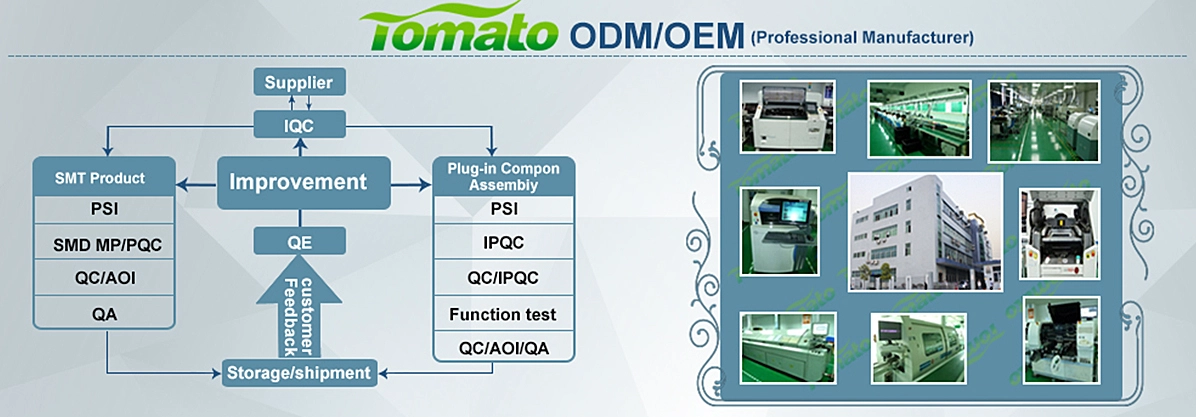
A reliable OEM/ODM process should include component verification, SMT production controls, PCBA inspection, firmware flashing, functional testing, and final product inspection.
For larger projects, customers should also consider:
-
Component sourcing and lifecycle management.
-
Approved BOM control.
-
Hardware revision management.
-
Firmware version traceability.
-
Production yield monitoring.
-
Aging and burn-in testing where appropriate.
-
Packaging and labeling customization.
-
Export documentation and applicable market certifications.
These processes help reduce variation between engineering samples and mass-produced units.
Understand the Complete OEM/ODM Development Process
A structured development workflow makes customization easier to manage.
| Development stage | Main activities | Expected result |
|---|---|---|
| Requirement analysis | Define application, market, interfaces, and performance targets | Technical requirement specification |
| Platform selection | Evaluate SoC, memory, storage, connectivity, and operating system | Hardware platform proposal |
| Hardware engineering | Schematic review, PCBA modification, and thermal design | Engineering prototype |
| Firmware development | Android/Linux optimization, UI/UX, drivers, and system configuration | Customized firmware |
| Software integration | IPTV middleware, SDK/API, and application integration | Functional engineering sample |
| Validation | Compatibility, stability, thermal, and network testing | Approved product configuration |
| Pilot production | Verify assembly consistency and manufacturing processes | Pilot batch |
| Mass production | Controlled manufacturing, firmware deployment, and QC | Production-ready TV Box |
The development schedule depends on customization complexity, SoC availability, software integration requirements, certification, and the maturity of the customer's existing platform.
Projects based on an established reference design may progress faster than those requiring a new PCB architecture or extensive operating system modifications.
Early technical alignment is therefore one of the most effective ways to control development costs and reduce delays.
Conclusion: Build a TV Box That Fits Your Business Model
A competitive TV Box is the result of coordinated hardware engineering, software development, and manufacturing execution.
For IPTV operators, telecom companies, distributors, brand owners, and system integrators, selecting a supplier based solely on processor specifications or factory pricing can create unnecessary risks during deployment.
The more important question is whether the manufacturer can translate your application requirements into a stable, scalable, and maintainable product.
SZTomato, established in Shenzhen in 2011, focuses on B2B smart multimedia hardware development and OEM/ODM manufacturing. Its capabilities cover PCBA hardware modification, SoC platform selection, Android and Linux firmware customization, SDK/API integration, custom UI/UX development, specialized thermal solutions, and manufacturing quality control.
Whether your project requires an Android TV Box for a branded streaming product, an IPTV Set-Top Box for telecom deployment, or a customized multimedia device for commercial applications, SZTomato can support the development process from technical specification and engineering samples through production.
Planning a custom TV Box project?
Contact SZTomato at https://www.sztomato.com to discuss your hardware configuration, firmware requirements, IPTV platform, and OEM/ODM manufacturing objectives.
Share your target SoC, operating system, memory configuration, connectivity requirements, and intended application. Our engineering team can help evaluate the appropriate hardware architecture and customization approach for your project.
