
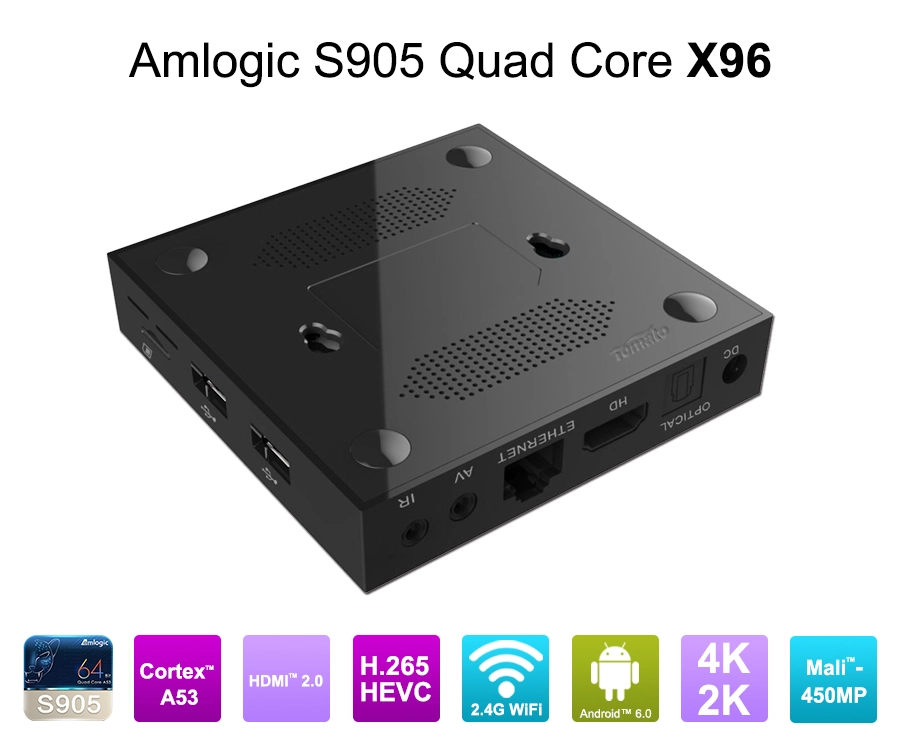
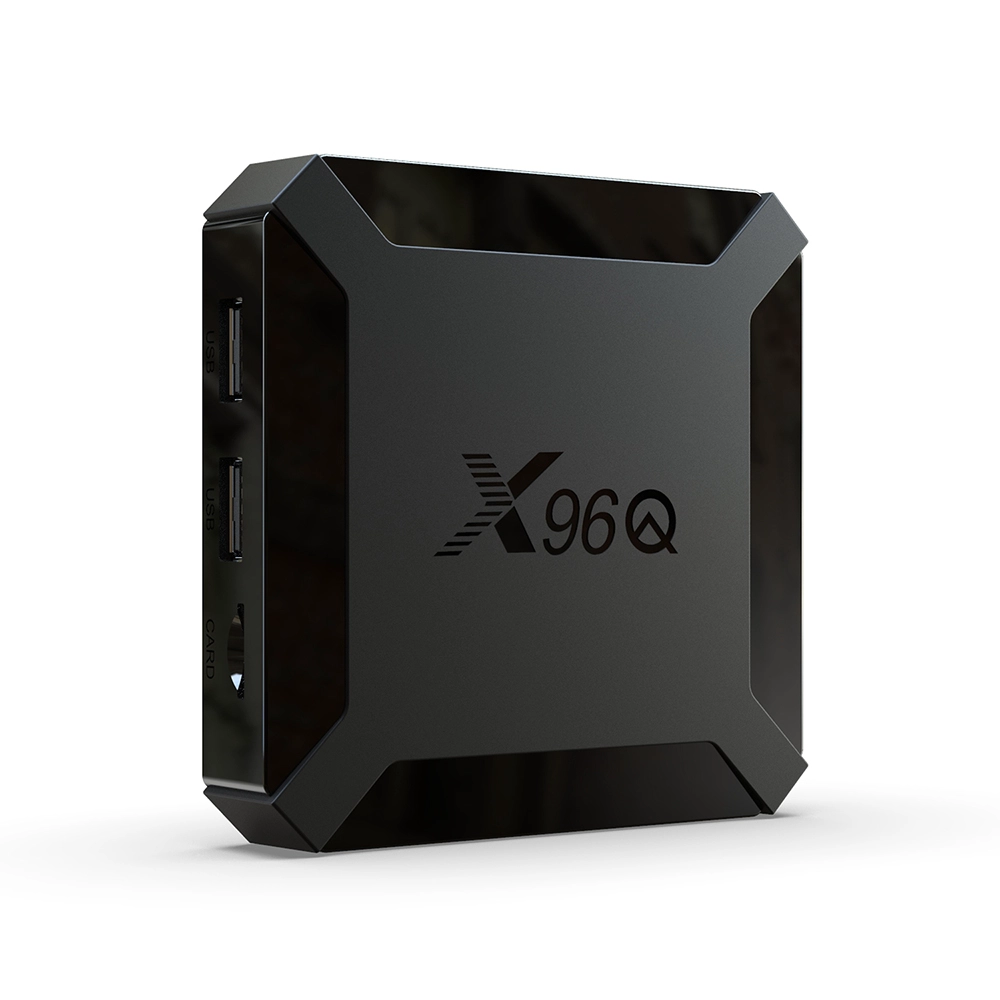
What Is the Latest Android TV Box? Technology, Chipsets, and OEM/ODM Trends
Hardware-level AV1 decoding and the migration to 6nm System-on-Chip (SoC) architectures have redefined the technical baseline for the modern Android TV Box. For telecommunications operators, hospitality providers, and digital signage integrators, relying on legacy H.265/HEVC set-top boxes creates immediate bandwidth bottlenecks and high field-failure rates. While retail spec sheets focus on inflated RAM/ROM numbers, commercial-grade hardware is evaluated across five strict engineering layers: dedicated Video Processing Units (VPUs), cryptographic DRM pipelines, PCBA signal integrity, Android kernel stability, and continuous-duty thermal dissipation.
1. Silicon Architecture: Matching SoCs to Commercial Workloads
Evaluating an Android TV Box by CPU core count alone is a common procurement error. During 4K/8K media playback, the primary workload bypasses the general-purpose CPU and executes through dedicated hardware blocks: Network Interface → Demux → Hardware VPU → Image Compositor → HDMI Subsystem.
In 2026, commercial OEM/ODM architectures center around two distinct silicon ecosystems depending on the target deployment:
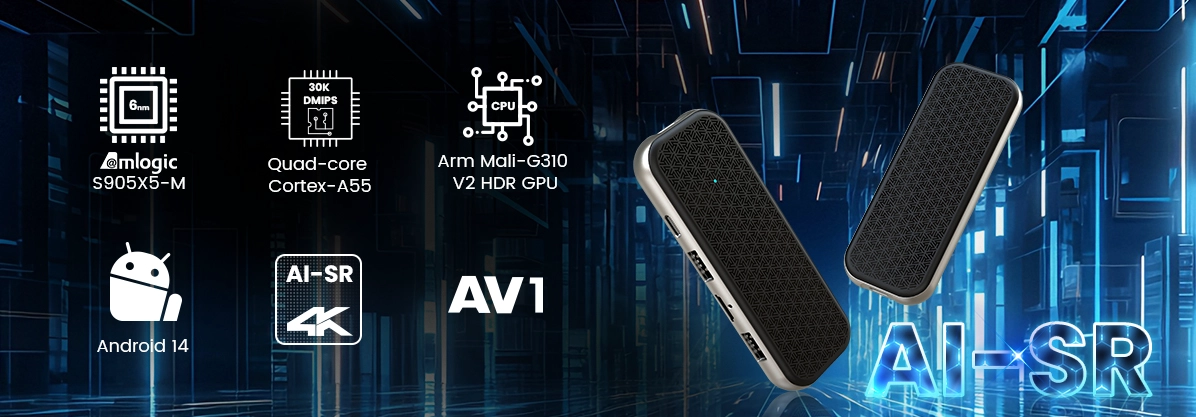
| Technical Parameter | Amlogic S905X5 (6nm) | Rockchip RK3588 (8nm) | Allwinner H618 / Entry Tier |
| CPU Architecture | Next-gen Quad-Core ARM | 4× Cortex-A76 + 4× Cortex-A55 | Quad-Core Cortex-A53 |
| NPU / AI Compute | Integrated AI-SR (Super Resolution) | 6 TOPS Dedicated NPU | None |
| Video Decoding | 4K@60fps AV1, H.265, VP9 | 8K@60fps AV1, H.265, VP9, AVS2 | 4K@60fps H.265, VP9 (Limited AV1) |
| I/O & Expansion | HDMI 2.1, USB, Native GbE | PCIe 3.0, SATA, Dual GbE, Dual HDMI | HDMI 2.0, USB 2.0, 100M Ethernet |
| Primary B2B Use Case | Operator IPTV, Hospitality OTT, 4K Signage | Multi-screen Signage, Edge AI, Video Analytics | Cost-sensitive Entry Streaming |
The AV1 and DRM Pipeline Mandate
Bandwidth reduction drives AV1 adoption across enterprise IPTV and OTT networks, cutting bitrates by roughly 30% compared to H.265 without visual degradation. However, silicon datasheet support does not guarantee application-level playback. A commercial Android TV Box requires end-to-end integration of Widevine L1 DRM, HDCP 2.2/2.3 encryption, a hardware-backed Trusted Execution Environment (TEE), and Secure Boot. Without a properly signed Board Support Package (BSP), premium streaming platforms downgrade streams to 480p regardless of the SoC's raw decoding power.
2. Overcoming Retail Hardware Failures Through PCBA & Thermal Engineering
Standard consumer TV boxes are engineered for intermittent, 3-to-4-hour daily viewing cycles in open living rooms. Deploying retail hardware inside enclosed digital signage kiosks, hotel cabinets, or industrial terminals triggers rapid thermal throttling, solder joint fatigue, and eMMC flash corruption.
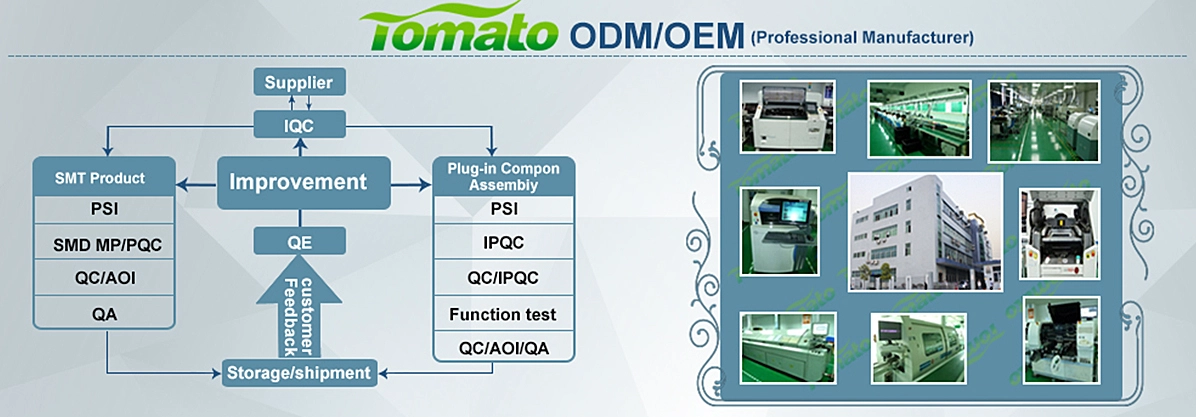
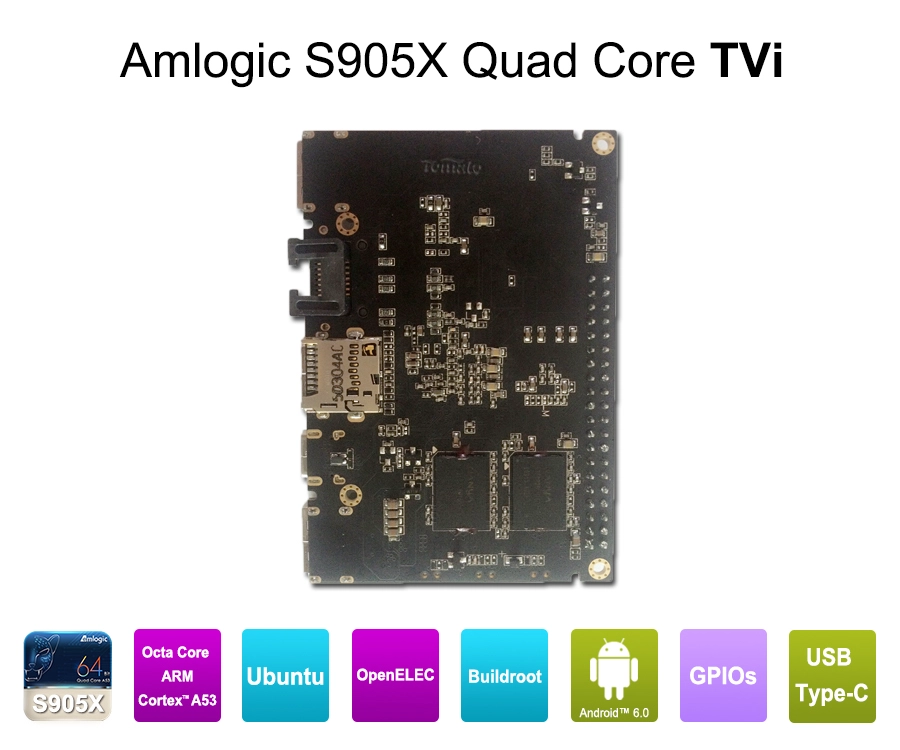
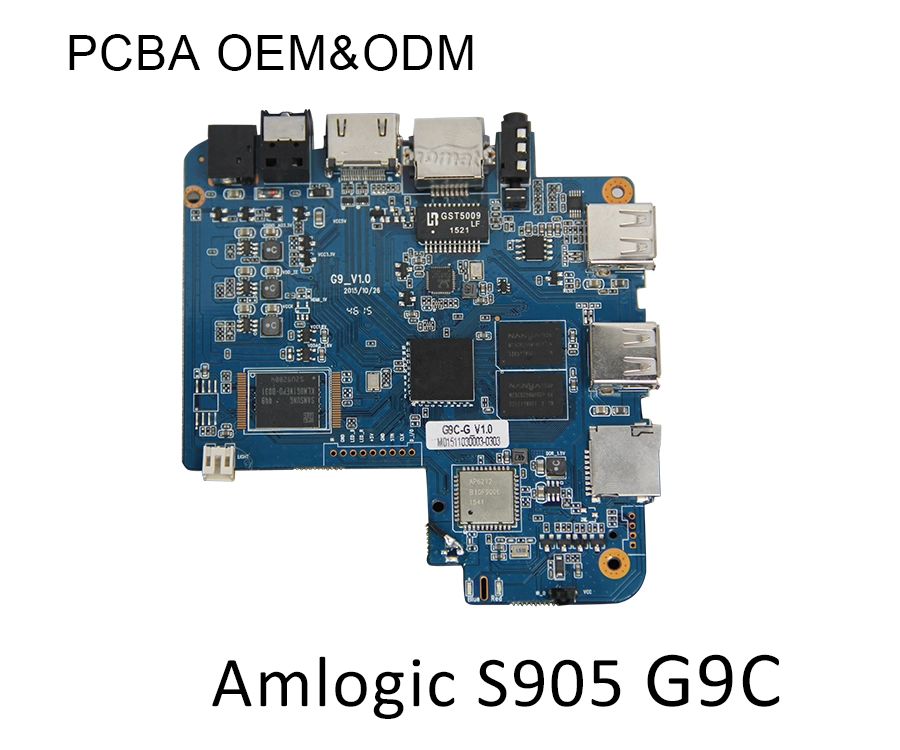
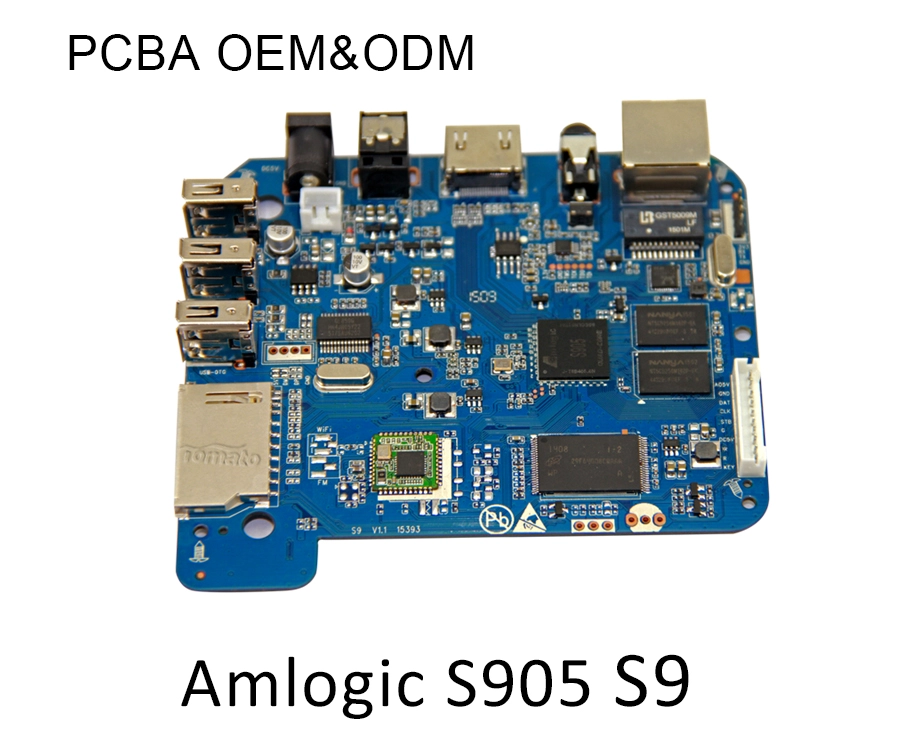
To eliminate field returns, SZTomato engineers purpose-built hardware from the Printed Circuit Board Assembly (PCBA) level upward:
-
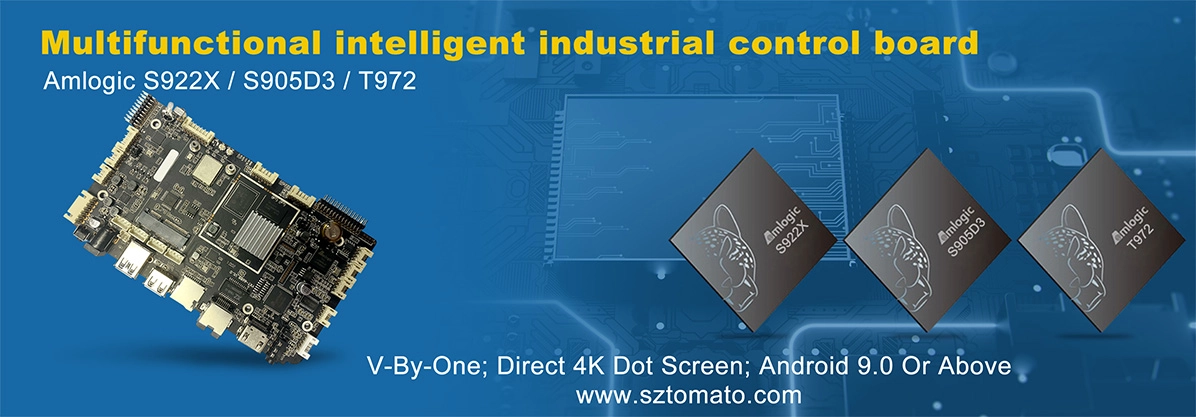
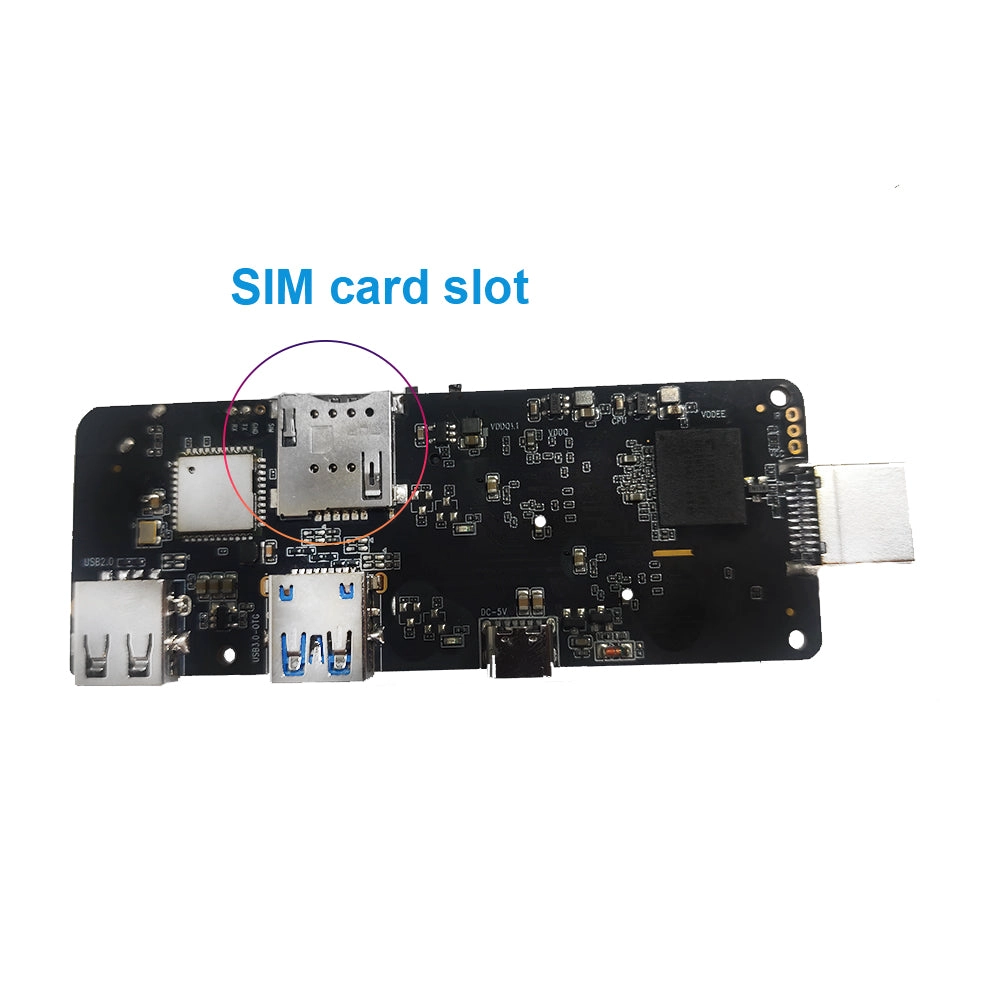
Custom PCBA Layout & I/O Modification: Retail boards waste BOM budget on unnecessary consumer ports while omitting industrial interfaces. Custom PCBA engineering strips away redundant components and integrates native RS232/RS485 serial ports for display control, RJ45 Gigabit Ethernet with Power-over-Ethernet (PoE) modules, GPIO triggers, or dual-band Wi-Fi 6/6E RF shielding. High-speed DDR4/LPDDR4X trace routing and power management IC (PMIC) tuning prevent voltage drops during peak rendering loads.
-
Industrial Cooling Solutions: Passive plastic enclosures trap heat. Commercial deployments require CNC-machined aluminum alloy housings acting as direct heat sinks, paired with high-conductivity thermal interface materials (TIMs) and copper vapor chambers. Devices undergo 72-hour continuous burn-in testing at 55°C ambient temperatures to verify zero frame drops under 100% VPU load.
3. Firmware-Level Engineering: Kernel Optimization, APIs, and OTA Control
Hardware reliability collapses if the operating system remains locked to a generic consumer Android build. Enterprise integrators require root-level control over the Linux/Android kernel and middleware to turn a media player into a dedicated commercial appliance.
-
Deep Android Kernel & OS Optimization: Stripping out Google Mobile Services (GMS) bloatware, background telemetry, and consumer animations frees up critical RAM and accelerates cold-boot times. Kernel-level modifications enable hardware watchdog timers (auto-rebooting the unit if an application freezes), scheduled RTC (Real-Time Clock) power-on/off cycles, and native screen rotation (90°/180°/270°) for vertical digital signage without GPU overhead.
-
Custom UI/UX Firmware & Kiosk Lockdown: Using custom launcher frameworks, the device boots directly into the client’s IPTV middleware or signage CMS. Navigation bars, system settings, and USB debugging ports are locked behind cryptographic keys to prevent unauthorized tampering in public spaces.
-
SDK/API Integration & Private OTA Systems: Enterprise deployments cannot rely on manual USB firmware flashing. Custom firmware exposes system-level APIs allowing third-party Mobile Device Management (MDM) platforms to remotely capture screenshots, monitor CPU temperature, clear app caches, and push silent APK installations. Paired with a private, AWS- or self-hosted Over-The-Air (OTA) update server, operators can deploy incremental firmware patches across thousands of global endpoints with automated rollback protection.
4. Strategic Procurement Checklist for System Integrators
Before locking in a hardware vendor for volume production, procurement teams should audit three non-negotiable engineering deliverables:
-
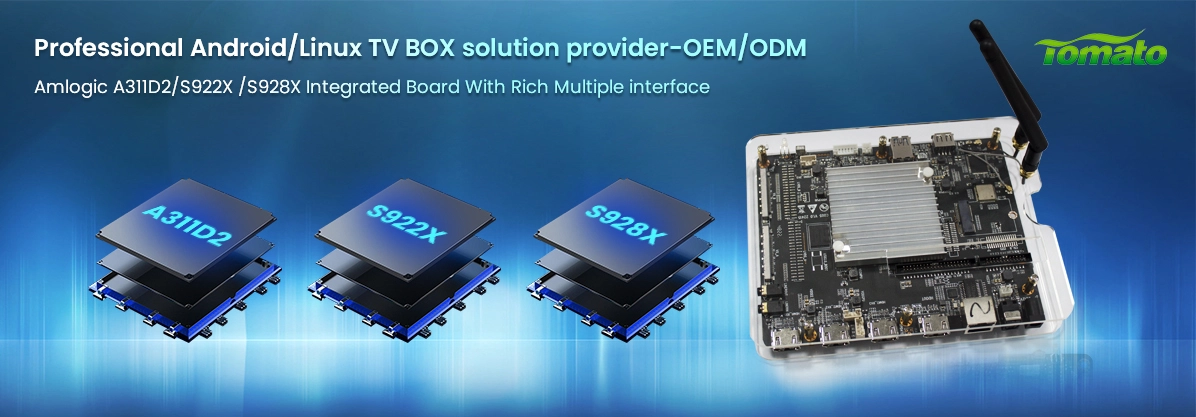
Full BSP & Source Code Access: Confirm the ODM partner owns direct NDA relationships with Amlogic or Rockchip to modify the low-level SDK, rather than reselling locked third-party boards.
-
Component Lifecycle & BOM Lock: Ensure critical components—specifically DDR memory, eMMC storage, and Wi-Fi modules—have guaranteed 3-to-5-year supply chain availability to avoid unannounced hardware revisions mid-deployment.
-
Regulatory & Certification Readiness: Verify pre-compliance testing for FCC, CE, RoHS, and HDMI Adopter licensing to prevent customs holds during cross-border distribution.
Partner with SZTomato for Custom OEM/ODM Engineering
Generic retail boxes introduce unacceptable risk to commercial rollouts. Whether you are scaling an operator IPTV network, deploying 24/7 digital signage, or building a proprietary edge-computing terminal, SZTomato delivers end-to-end hardware and software customization—from schematic design and custom tooling to kernel-level Android firmware and private OTA deployment.
Contact the SZTomato engineering team at www.sztomato.com to request our 2026 SoC selection matrix, SDK documentation, or a custom PCBA evaluation sample.
