
How can I watch TV through the OTT TV Box?
How can I watch TV through the OTT TV Box? The 2026 Architecture of Content Delivery
For the end-user, watching TV through an OTT TV Box is a simple act of pressing a button. But for the ISP, the hotelier, or the content aggregator, that button press initiates a complex chain of command involving Digital Rights Management (DRM), codec decompression, and middleware authentication.
In 2026, the question isn't just "how does it connect?" but "how does it deliver reliable, high-bitrate streams in a congested network environment?" Here is the technical breakdown of the viewing mechanism and how hardware architecture dictates the quality of the experience.
1. The Software Layer: Middleware and the "Launcher" Strategy
An OTT TV Box does not simply "receive" a signal like an old analog tuner. It actively requests data via IP packets. The primary interface for this is the Launcher (the home screen) and the Middleware.
-
The Aggregation Model: In a professional deployment, you don't want users navigating a generic grid of apps. You want a curated experience. The box authenticates with a central server (using protocols like Stalker or custom REST APIs) to populate the Electronic Program Guide (EPG).
-
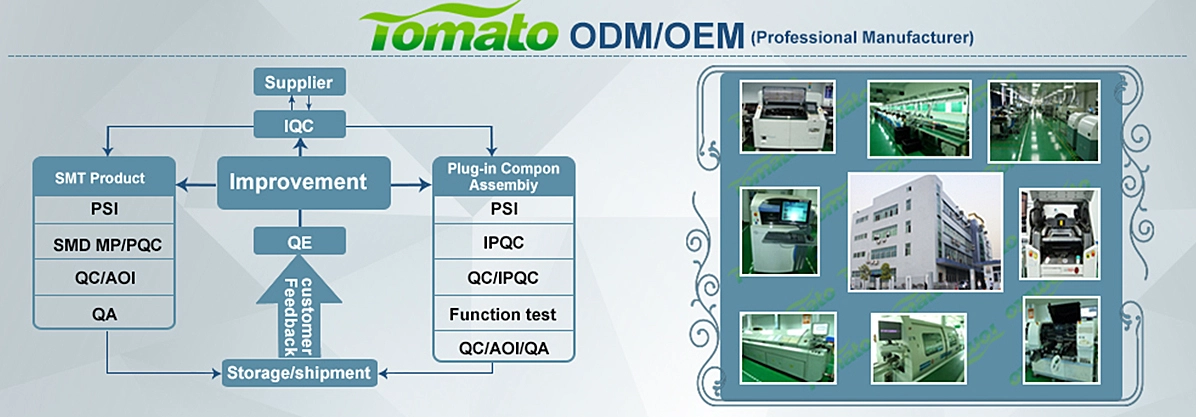
Custom Firmware Solutions: At SZTomato, we understand that B2B clients need control. We modify the Android kernel to hard-code your specific middleware into the boot sequence. This means when the user turns on the box, they don't see "Android"—they see your TV service, your VOD library, and your branding, with the underlying OS hidden from view.
2. The Decoding Engine: Why Silicon Matters (AV1 & HEVC)
Once the content is requested, the OTT TV Box must decode the incoming stream. This is where hardware quality separates professional gear from cheap consumer toys.
-
The Bandwidth Crunch: Modern streaming relies on high-efficiency codecs. By 2026, AV1 is the industry standard, offering 30% better compression than H.265 (HEVC).
-
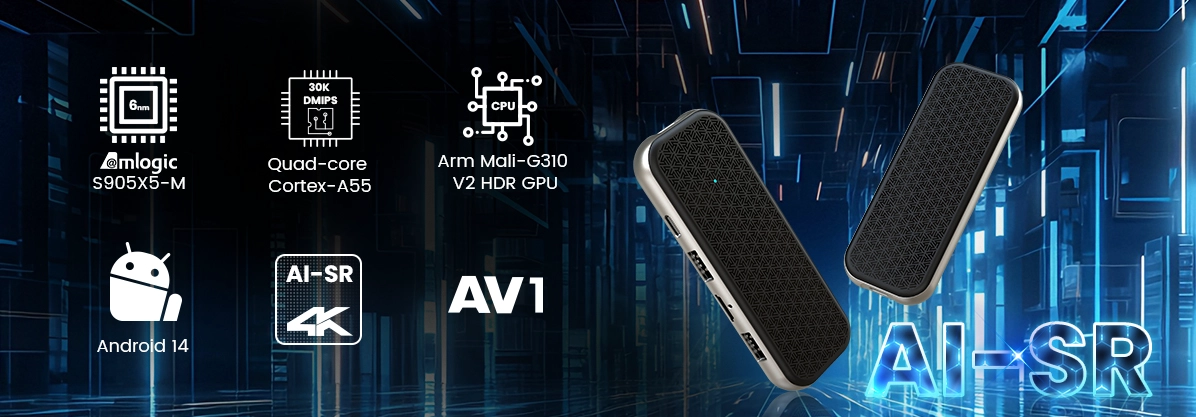
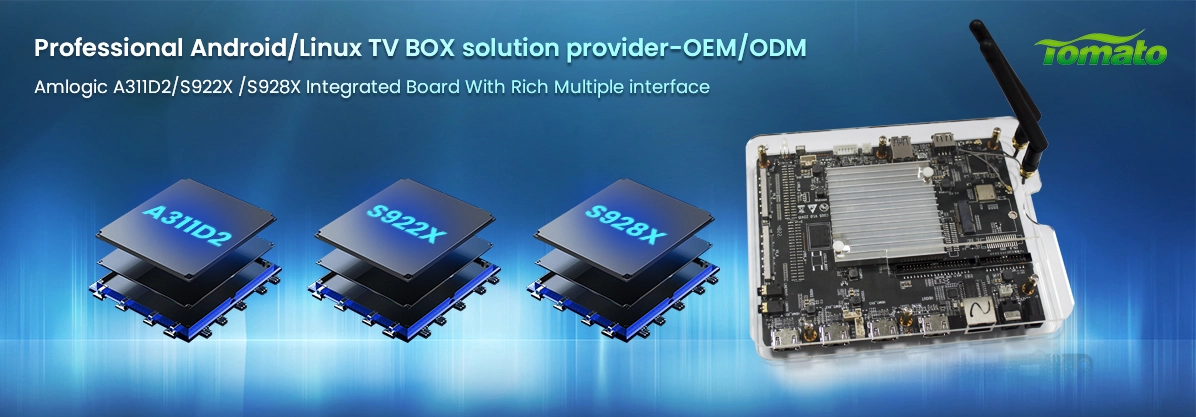
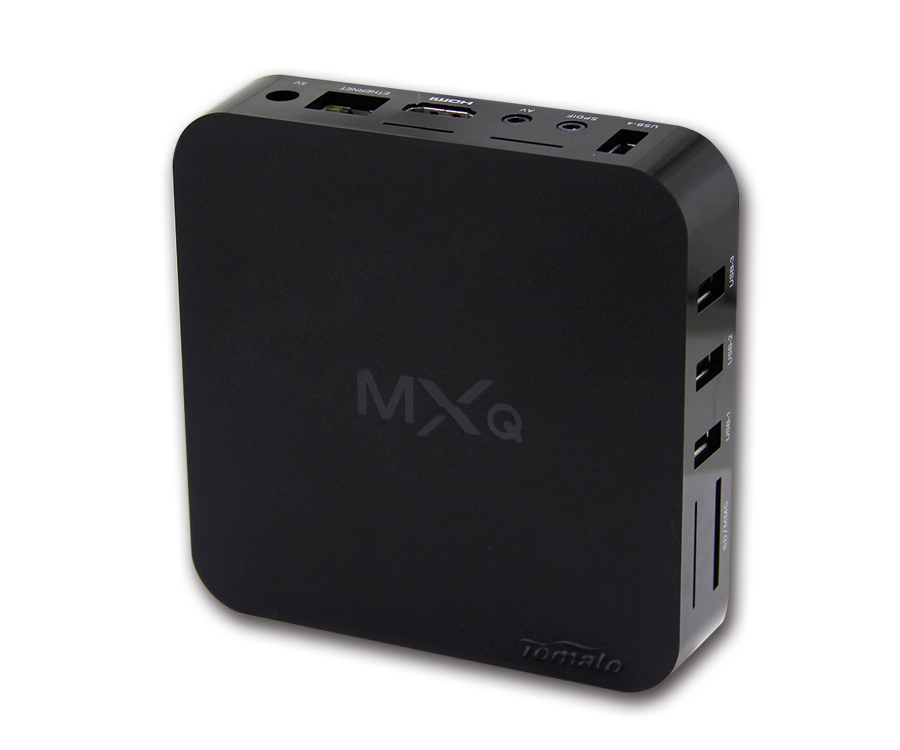
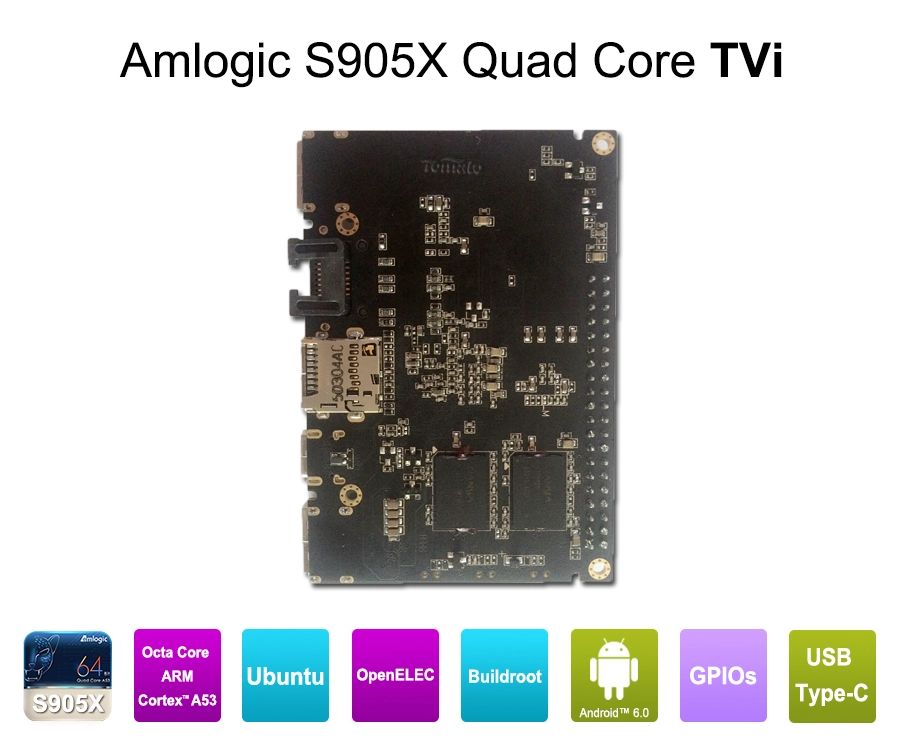
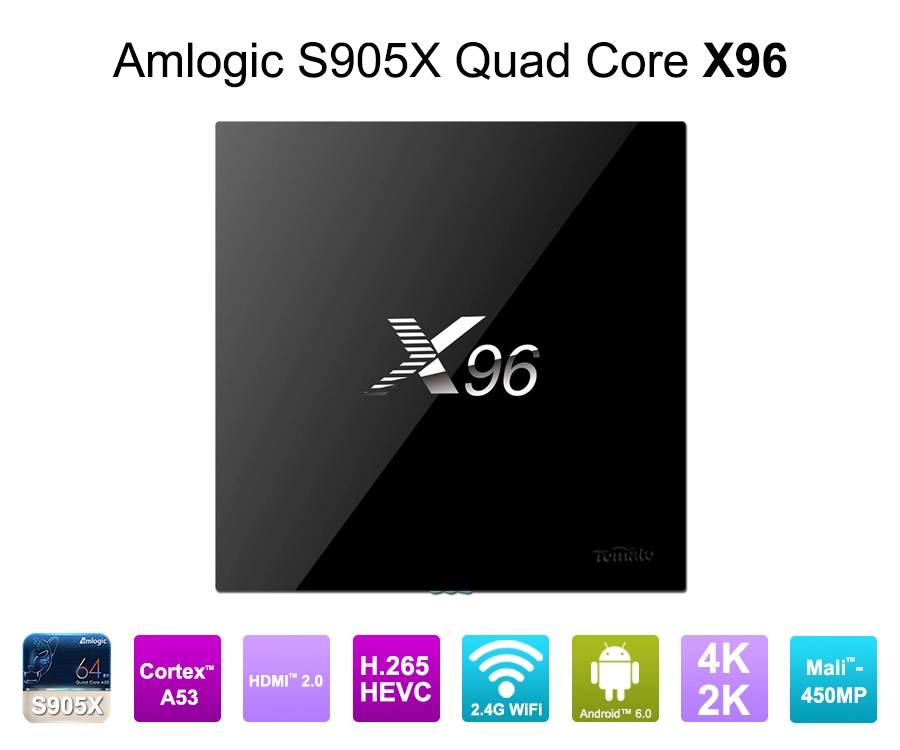
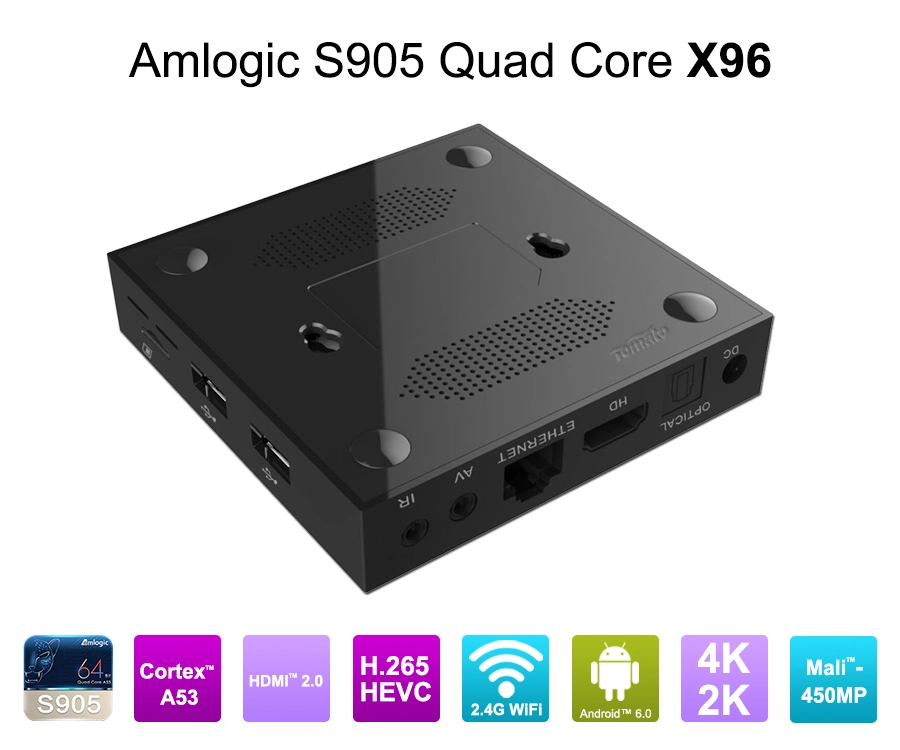
Hardware vs. Software Decoding: A generic box might try to decode video using software, stressing the CPU and causing stuttering. Our SZTomato devices, powered by Amlogic S905X4 or S928X chipsets, utilize dedicated Hardware Floating Point Units. This allows for smooth 4K@60fps playback of AV1 streams while keeping the CPU load under 20%, ensuring the device remains cool and responsive even after 12 hours of continuous playback.
3. The Security Gate: DRM and HDCP
You cannot watch premium content (like Netflix 4K, Disney+, or Tier-1 Sports channels) without a secure "handshake."
-
Widevine L1 & PlayReady: The OTT TV Box must possess a cryptographic key burned into the chipset during manufacturing. If a box only has Widevine L3 (common in low-end units), it will be restricted to 480p resolution regardless of the TV's capabilities.
-
HDCP 2.3: The connection between the box and the TV is also encrypted. SZTomato ensures all our OEM mainboards are HDCP 2.3 compliant, guaranteeing that the HDMI handshake is secure and that your content remains protected from piracy.
4. The Physical Connection: Connectivity is Quality
Finally, the "watching" experience relies on data throughput. Buffering is the enemy of retention.
-
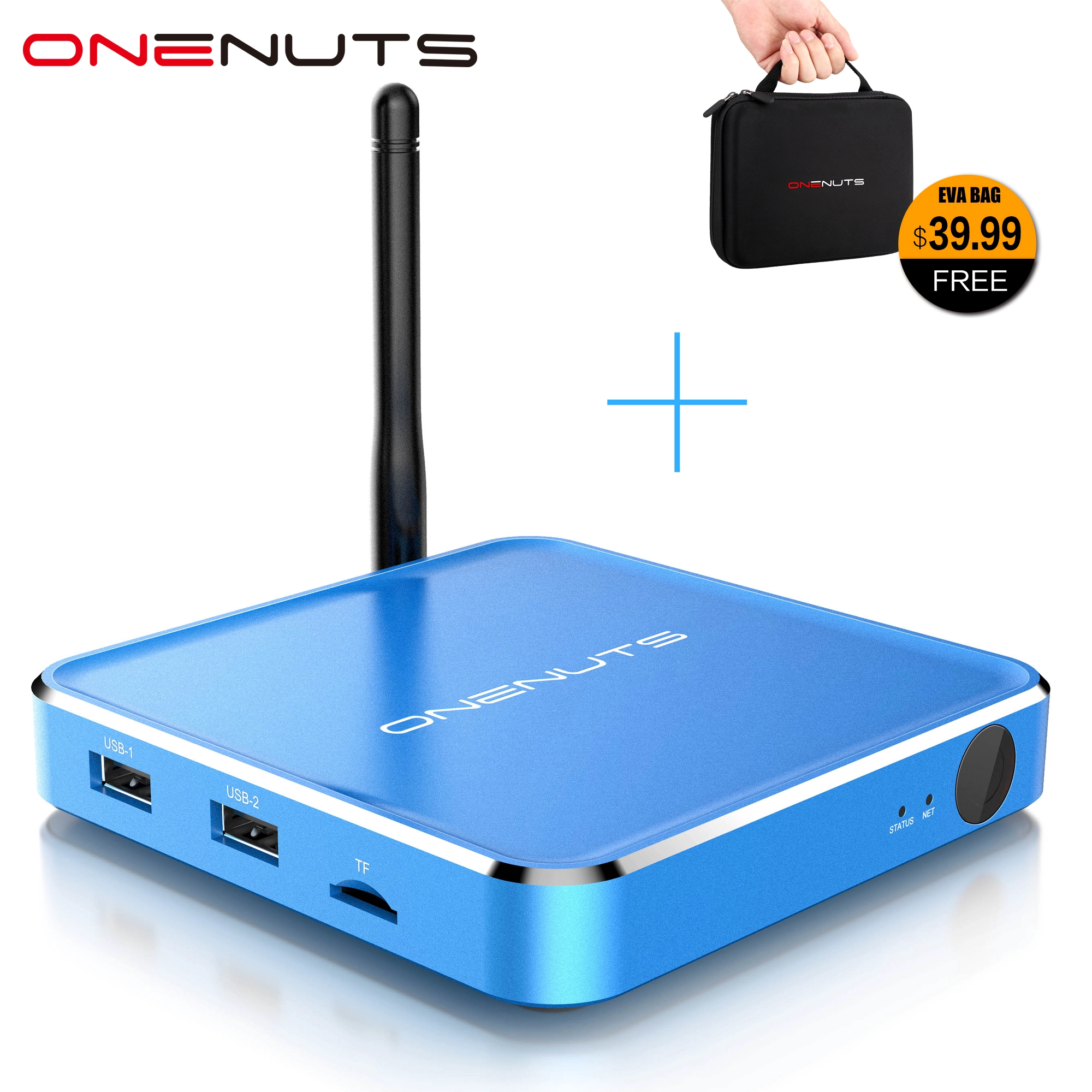
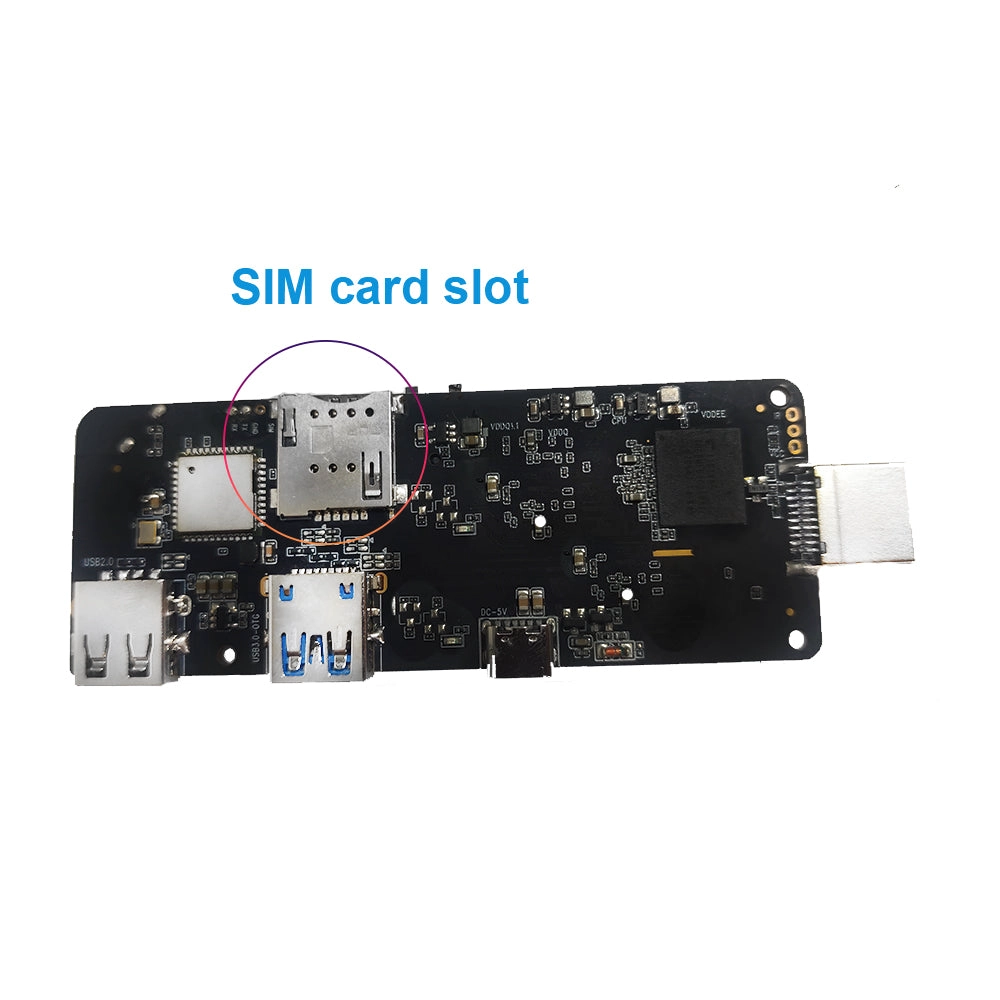
Wi-Fi 6E Integration: For hospitality or retro-fit installations where Ethernet cabling isn't an option, we deploy OTT TV Box solutions with Wi-Fi 6E (MIMO 2x2). This resists interference in high-density environments like apartment complexes.
-
Peripheral Customization: The remote control is the user's tactile connection to the TV. We offer ODM services to map specific hotkeys (e.g., "Live TV," "VOD," "Concierge") directly to the IR/Bluetooth remote, simplifying the user journey to a single click.
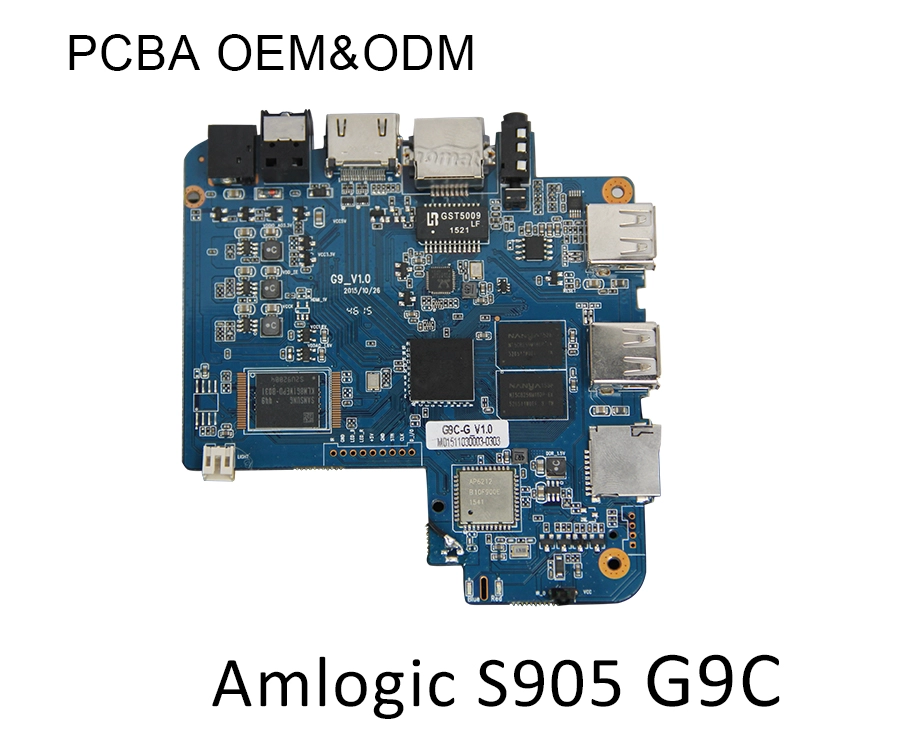
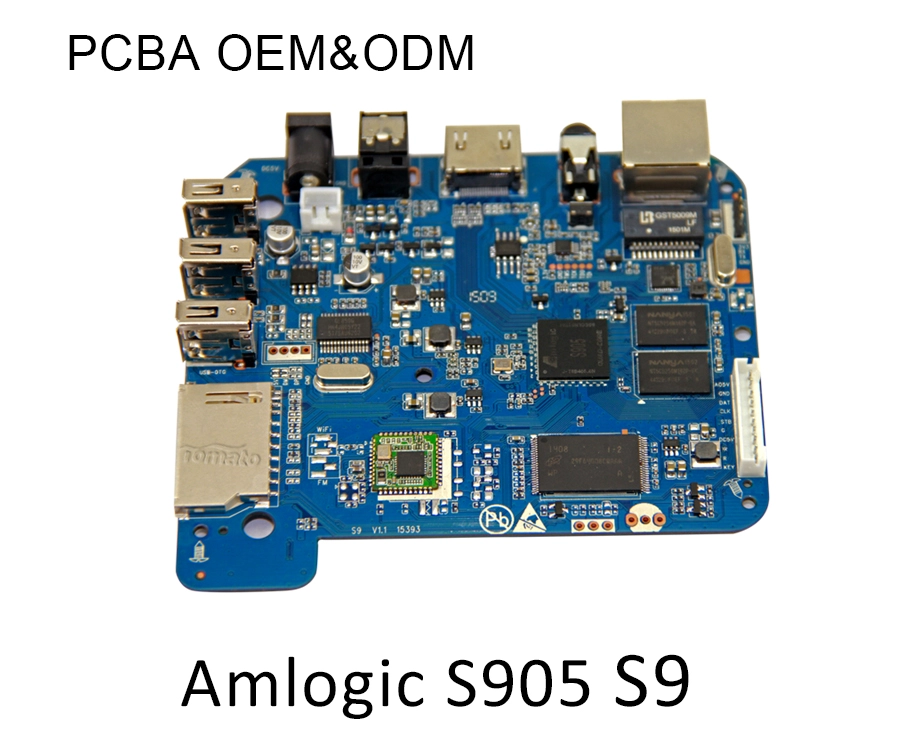
Conclusion Watching TV through an OTT TV Box is a symphony of hardware decoding, secure software handshakes, and network optimization. For operators, success lies in controlling this entire stack. SZTomato provides the engineering expertise to customize every layer—from the PCBA design to the boot animation—delivering a product that is uniquely yours.
