
AI Box for Industrial Automation
AI Box for Industrial Automation: Engineering Beyond the Consumer Specification
The shift from GPGPU-based cloud processing to localized NPU (Neural Processing Unit) inferencing is fundamentally restructuring the factory floor. As bandwidth costs for 4K raw data streams escalate and latency requirements for real-time defect detection tighten, the industry is moving toward decentralized "AI Box" deployments. However, the technical debt of using consumer-grade silicon in an industrial setting is high. Achieving a sustained 6 TOPS (Tera Operations Per Second) throughput requires an architectural overhaul that standard retail hardware cannot sustain.
Thermal Resilience and PCBA Layout Optimization
In industrial automation, ambient temperatures in enclosure cabinets often exceed the operating parameters of standard TV boxes. A generic PCBA layout, designed for intermittent media streaming, will trigger thermal throttling within minutes of initiating a high-load YoloV8 or TensorFlow Lite model.
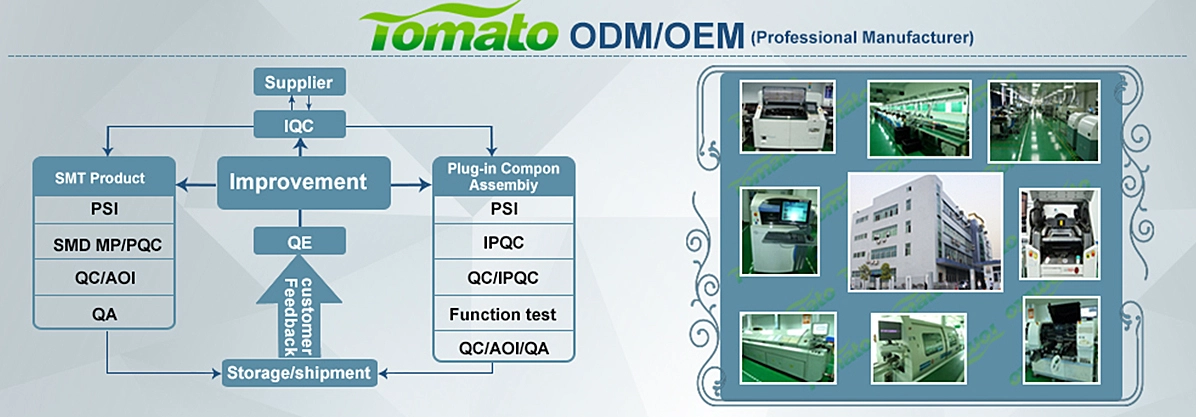
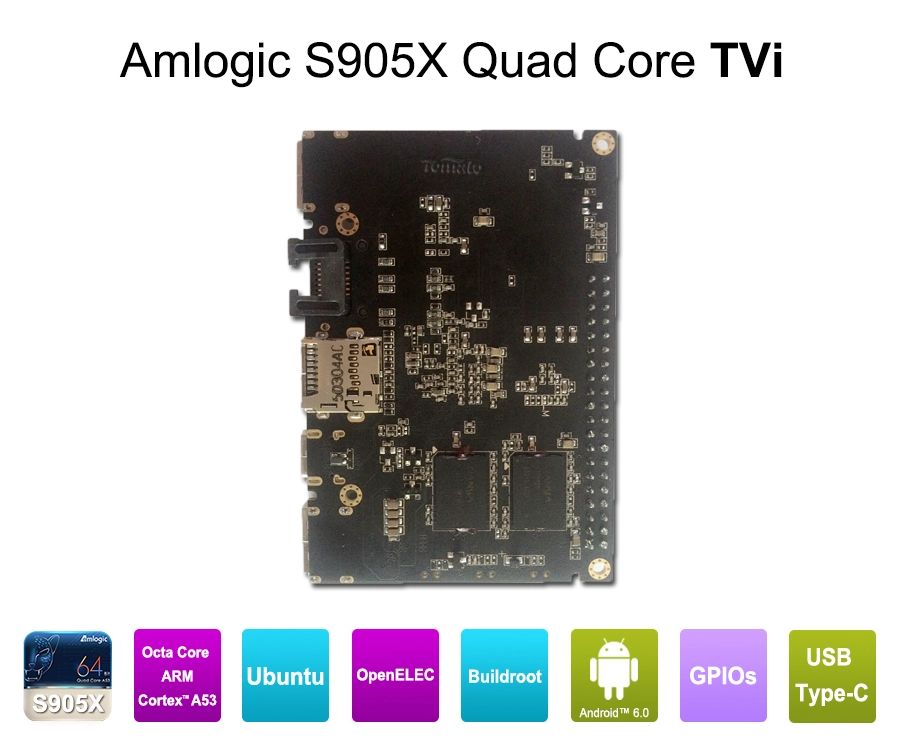
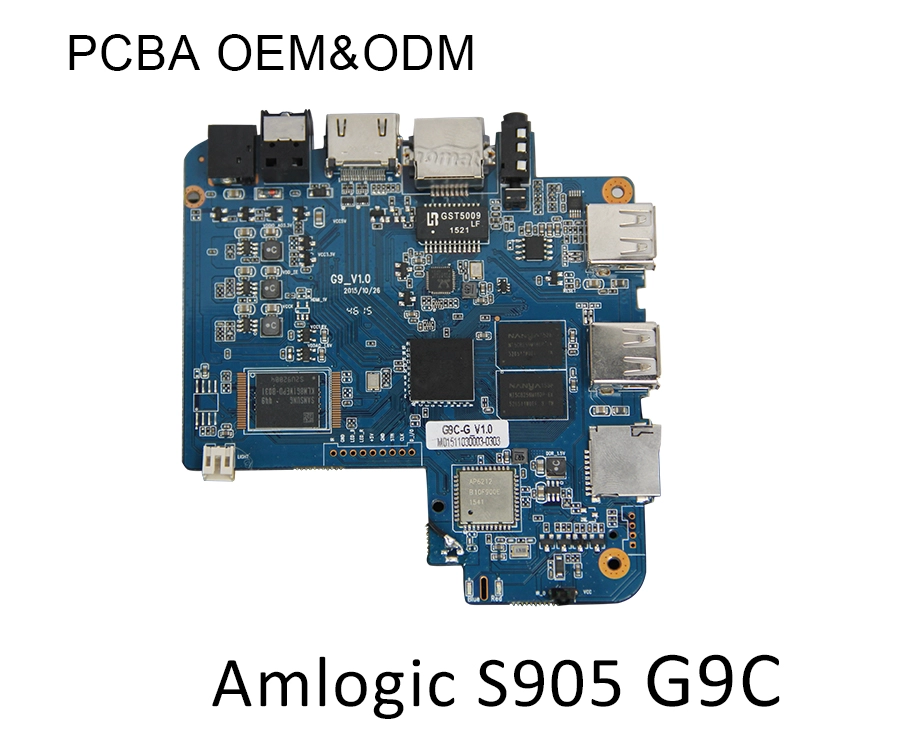
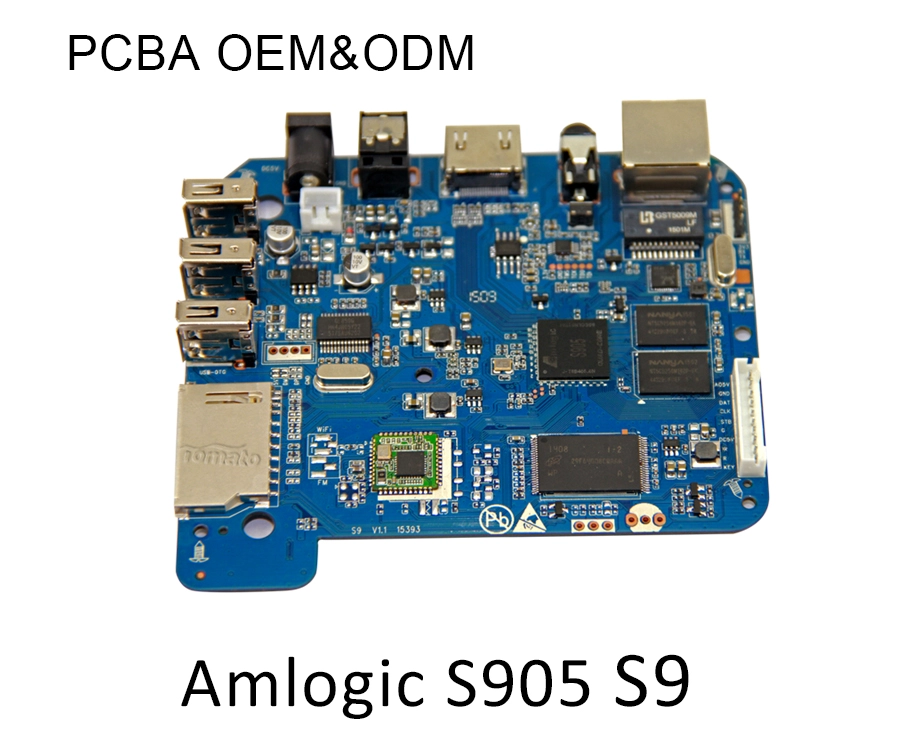
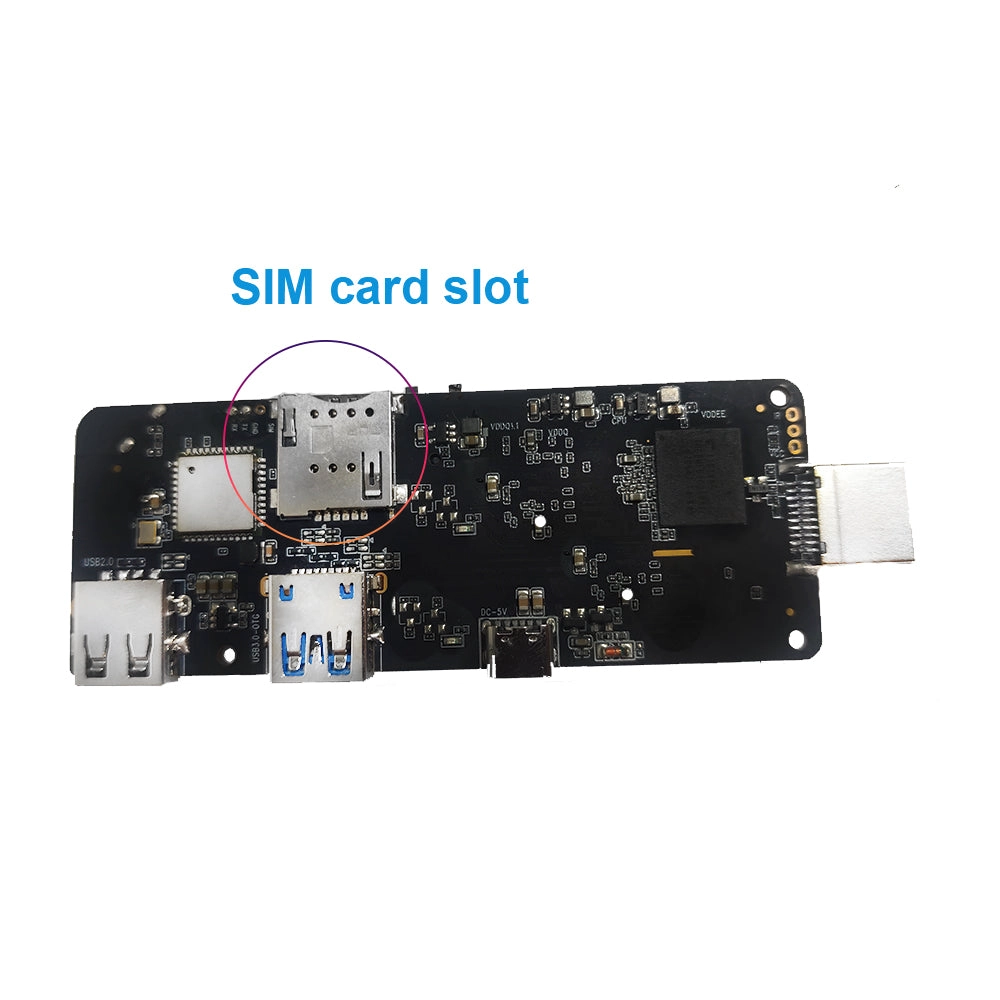
To mitigate this, industrial-grade AI Box engineering necessitates a proprietary PCBA layout redesign. At SZTomato, we focus on thermal decoupling—physically isolating the SoC (System on Chip) and LPDDR4X/5 RAM from power management ICs. Our specialized cooling solutions move beyond simple heatsinks; we utilize high-conductivity thermal bridges coupled with CNC-milled aluminum chassis that act as a single, massive heat dissipator. This ensures the NPU maintains peak frequency without cycle-skipping, even during continuous 24/7 inferencing in non-climate-controlled environments.
Kernel Optimization and SDK Integration for Machine Vision
Hardware is only as capable as the Board Support Package (BSP) that drives it. Most B2B system integrators require a lean OS that prioritizes computational resources for the AI model rather than background consumer services.
Our engineering process involves deep Linux/Android kernel optimization. By stripping the kernel of unnecessary GUI layers and background daemons, we reduce interrupt latency and maximize available DMA (Direct Memory Access) buffers for high-speed camera interfaces. Furthermore, we provide comprehensive SDK/API integration support. This allows system integrators to directly access the hardware accelerators (ISP, NPU, and VPU) to minimize the "glass-to-inference" time—a critical metric in high-speed sorting and safety-critical automation.
Connectivity and Industrial I/O Customization
Unlike the retail market, where HDMI and WiFi suffice, an industrial AI Box must interface with legacy and modern PLC (Programmable Logic Controller) systems. The standard consumer enclosure lacks the physical real estate and the electrical isolation required for industrial signaling.
We address this through hardware-level modification, integrating:
-
Isolated RS232/RS485 ports for robust Modbus communication.
-
Dual Gigabit Ethernet (GbE) for network redundancy and physical separation of the internal sensor network from the corporate WAN.
-
GPIO Expansion: Customizing the PCBA to include optoisolated inputs and outputs for direct trigger-to-action workflows.
Lifecycle Security: OTA Systems and HDCP Encryption
Deploying a fleet of AI Boxes across multiple factory sites introduces a significant maintenance burden. Security is paramount, especially when the device handles proprietary vision models or sensitive telemetry data.
We implement enterprise-grade OTA (Over-The-Air) update systems that allow for silent, incremental firmware patches. This ensures that security vulnerabilities are addressed without manual intervention. For clients handling sensitive content or proprietary algorithms, we maintain strict HDCP encryption standards and secure boot protocols to prevent unauthorized firmware "sideloading" or physical data extraction. This level of firmware-level engineering ensures the device remains a secure node within the industrial IoT ecosystem for its entire 5-to-7-year lifecycle.
Strategic Procurement for System Integrators
The transition to Edge AI is a move toward efficiency, but hardware reliability remains the primary bottleneck. For B2B procurement managers, the choice of an AI Box partner should be dictated by engineering depth—specifically the ability to modify PCBA designs and optimize kernels for specific industrial workloads.
SZTomato specializes in bridging the gap between high-performance silicon and industrial-grade deployment. If your project requires custom firmware, specialized thermal management, or specific I/O integration for the RK3588 or Amlogic platforms, contact our engineering team to review your technical schematics and deployment requirements.
