
How to Choose an AI Edge Device?
How to Choose an AI Edge Device? A Technical Roadmap for B2B Integration
The industry-wide transition toward the AV1 codec and the integration of dedicated Neural Processing Units (NPUs) into silicon like the Amlogic A311D2 and Rockchip RK3588 has changed the procurement criteria for edge hardware. While retail Android boxes prioritize peak burst performance for media playback, a true AI Box for industrial or commercial deployment must prioritize sustained throughput, deterministic latency, and hardware-level security.
Selecting the wrong hardware architecture results in more than just "lag"—it leads to thermal-induced system resets, proprietary model exposure, and expensive on-site maintenance.
1. NPU Architecture and Effective Throughput (TOPS)
The first metric in AI Box selection is the NPU’s capacity for localized inferencing, measured in TOPS. However, raw numbers are often misleading. A device claiming "6 TOPS" may only reach that peak in specific INT8 quantization scenarios.
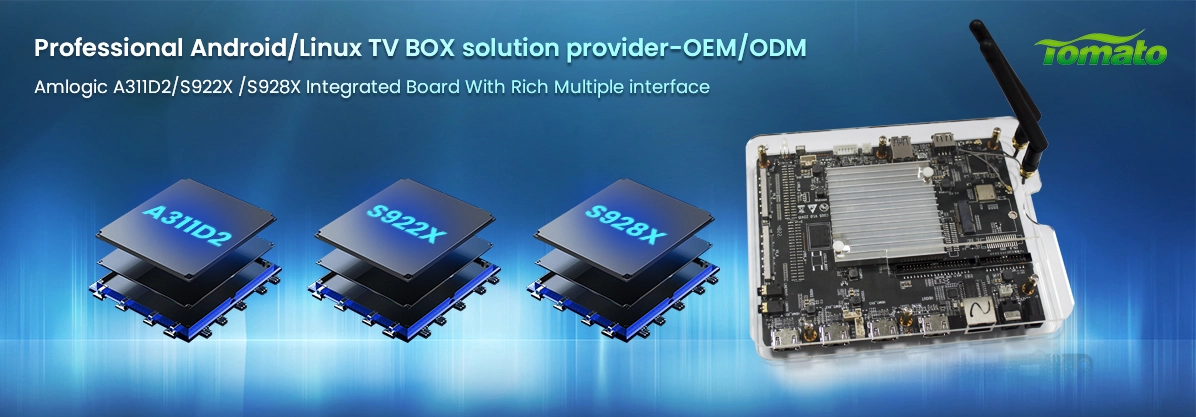
System integrators must verify the SoC’s ability to handle the specific neural network frameworks required—be it TensorFlow Lite, ONNX, or Caffe. The Rockchip RK3588, for instance, provides a tri-core NPU capable of 6 TOPS, making it the current standard for multi-channel object detection. Conversely, the Amlogic A311D2 offers a balanced profile for high-end digital signage with integrated AI triggers.
At SZTomato, we facilitate this by providing deep SDK/API integration support. We ensure your software developers have direct access to the hardware acceleration layers, bypassing the standard Android overhead that frequently bottlenecks real-time data pipelines.
2. Thermal Management and PCBA Reliability
Industrial environments—ranging from factory floors to outdoor kiosks—lack the climate-controlled luxury of a living room. An AI Box running a continuous machine vision model generates a significant thermal load that will trigger frequency throttling in consumer-grade plastic enclosures.
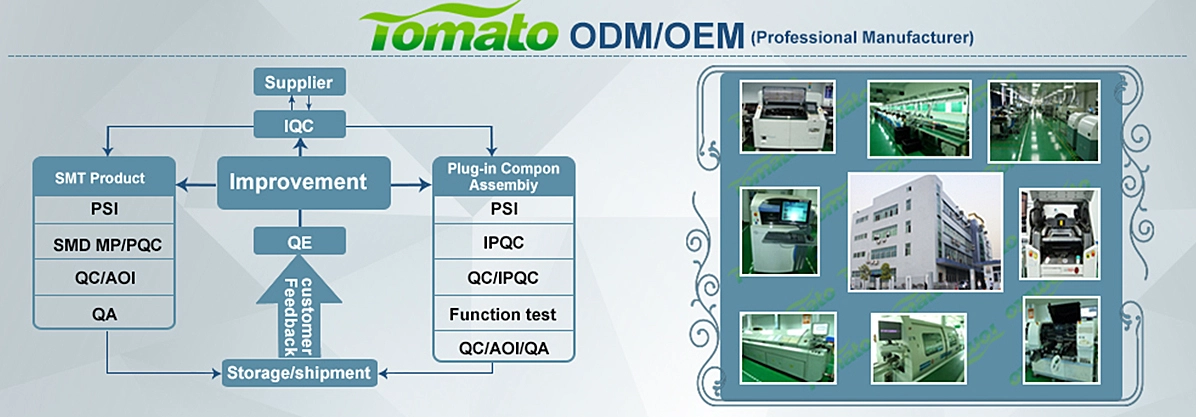
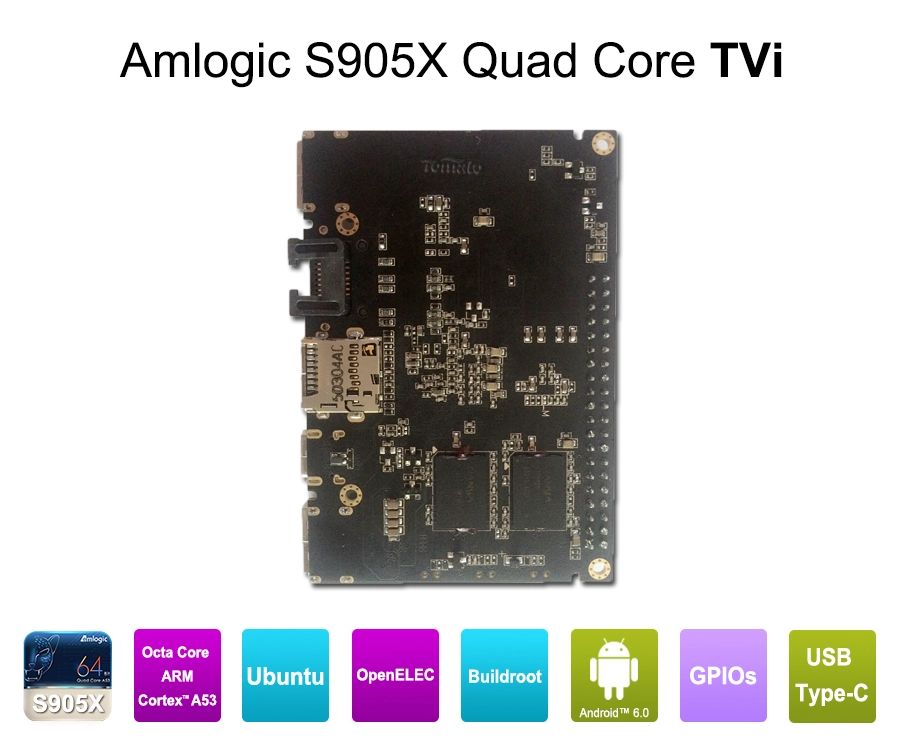
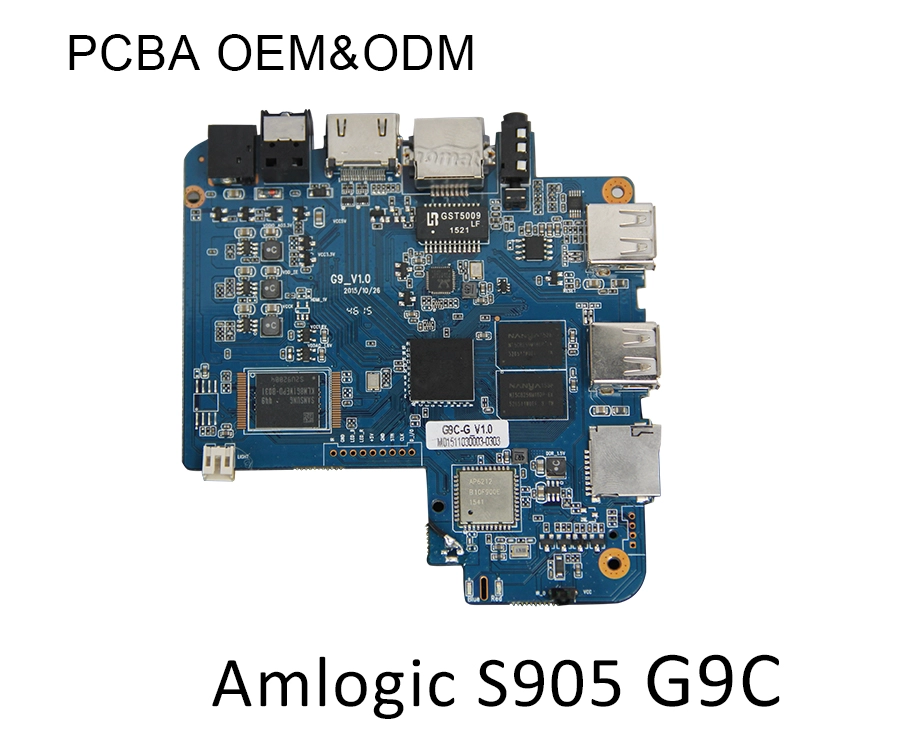
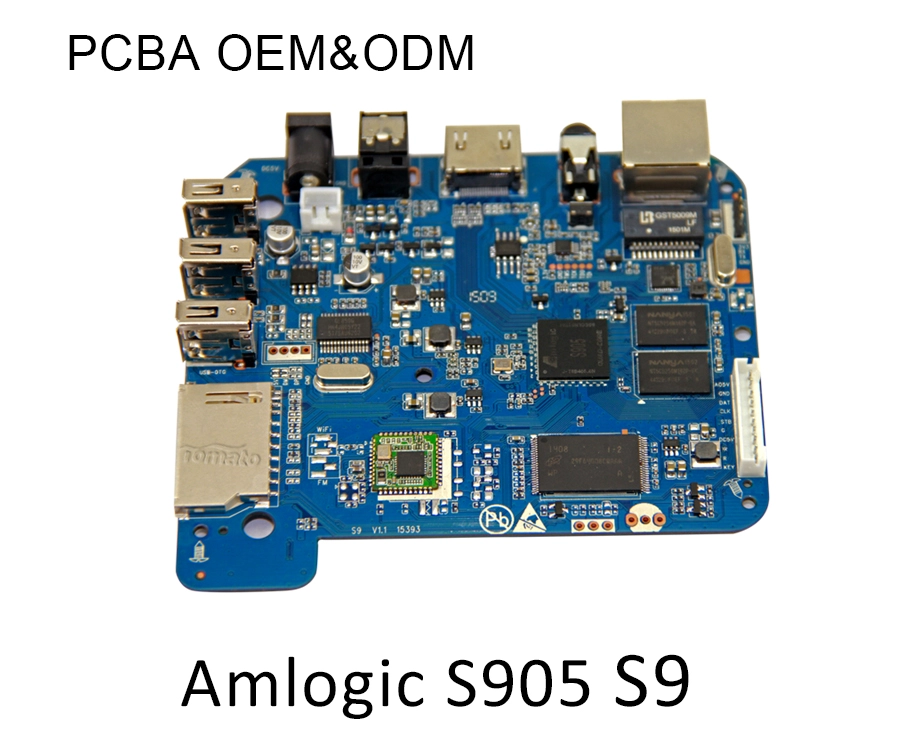
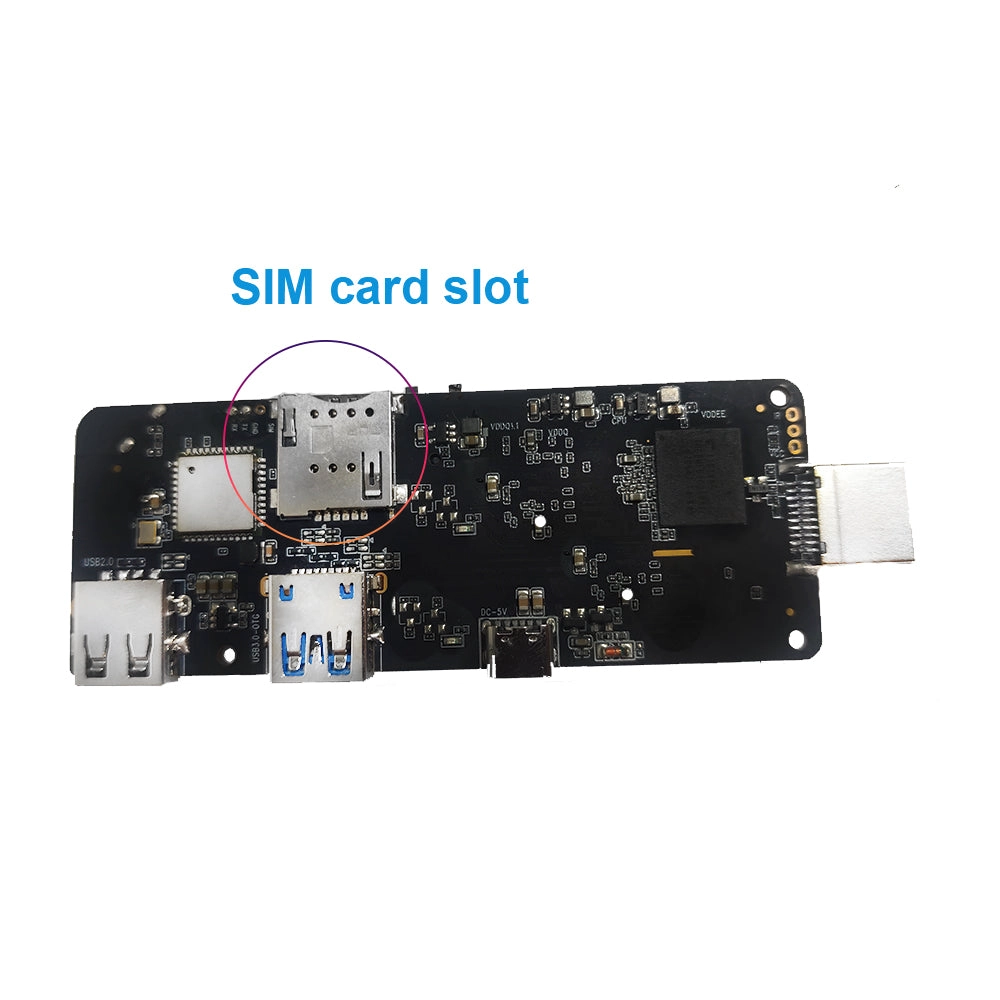
Reliable edge devices require a proprietary PCBA layout designed for 24/7 operation. Our engineering team prioritizes:
-
Component Separation: Physically isolating the SoC and LPDDR memory from high-heat power management ICs.
-
Specialized Cooling Solutions: Moving beyond passive heatsinks to CNC-milled aluminum chassis that serve as a single, massive heat dissipator.
-
Industrial-Grade Silicon: Utilizing components with higher junction temperature ratings to prevent premature hardware failure.
3. Firmware Customization: Kernels and Security
A "locked" consumer OS is a liability for system integrators. For a successful AI Box deployment, the firmware must be as flexible as the hardware. This begins with Linux/Android kernel optimization.
Standard firmwares are bloated with consumer services that consume CPU cycles and RAM. We provide stripped-down, hardened OS versions that boot directly into your application. This includes:
-
Custom UI/UX Firmware: Brandable, locked-down launchers that prevent unauthorized end-user access.
-
HDCP Encryption & Secure Boot: Protecting your proprietary machine learning models from physical extraction or tampering.
-
Watchdog Timers: Hardware-level triggers that automatically reboot the system in the event of a software hang, ensuring maximum uptime.
4. Lifecycle Management and Silent OTA Systems
The most overlooked cost in edge computing is post-deployment maintenance. If your AI models require regular weight updates or if a security vulnerability is discovered in the kernel, manual on-site updates are financially non-viable.
Any professional AI Box must be equipped with a robust OTA (Over-The-Air) update system. Our solution allows for silent, background updates of both the application layer and the system firmware. This ensures that your fleet—whether it consists of 50 or 5,000 units—remains synchronized with the latest performance patches and security protocols without interrupting the end-user experience.
Strategic Procurement for System Integrators
Choosing an AI Box is an exercise in balancing silicon capability with environmental reality. For B-Suite decision-makers, the goal is to eliminate the variables of hardware failure and software incompatibility before the first unit is deployed.
SZTomato specializes in bridging this gap through comprehensive OEM/ODM services. From PCBA modification and specialized thermal engineering to custom kernel development, we provide the architectural foundation for your AI vision. Contact our engineering team today to review your technical specifications and discuss our RK3588 and A311D2-based development platforms.
