
What is Edge AI Box?
What is Edge AI Box? Engineering Localized Inference
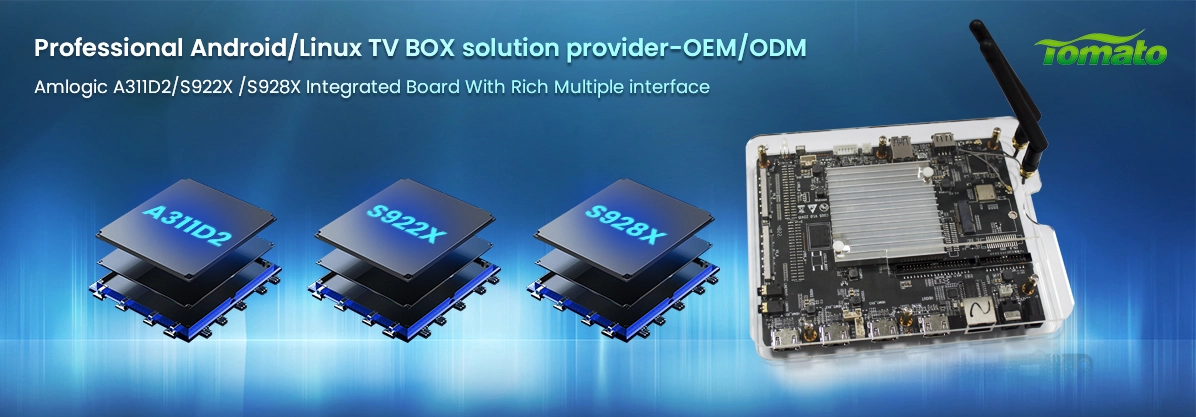
The integration of dedicated Neural Processing Units (NPUs) into SoCs—such as the Amlogic A311D2 or the Rockchip RK3588—has fundamentally restructured AV and data processing architectures. System integrators are moving away from high-latency, cloud-dependent inference models and pushing computational loads directly to the data source. This architectural shift relies entirely on the deployment of the Edge AI Box.
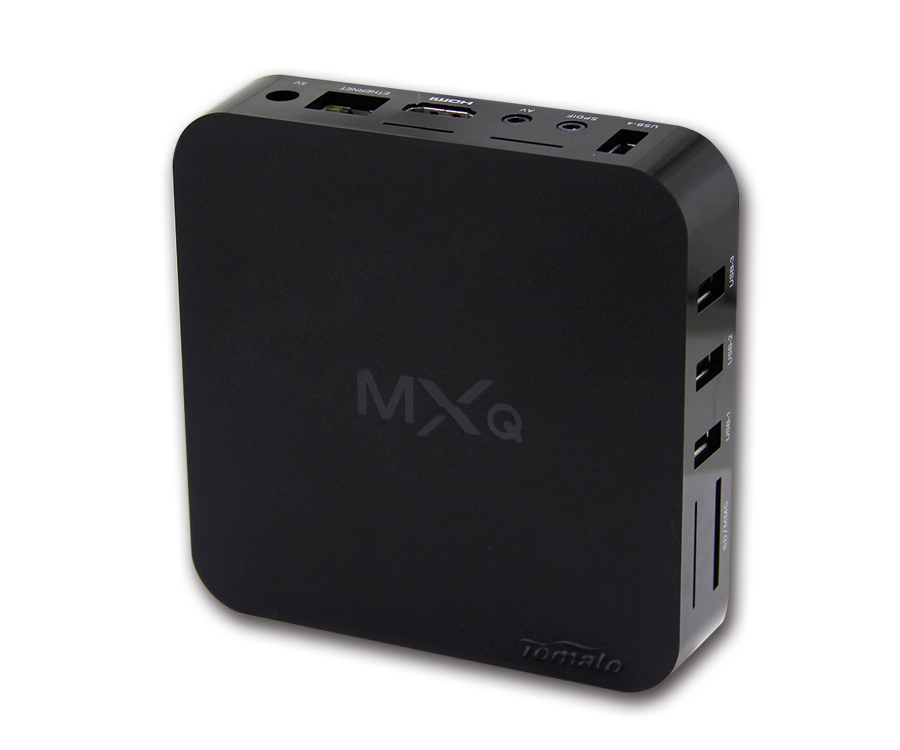
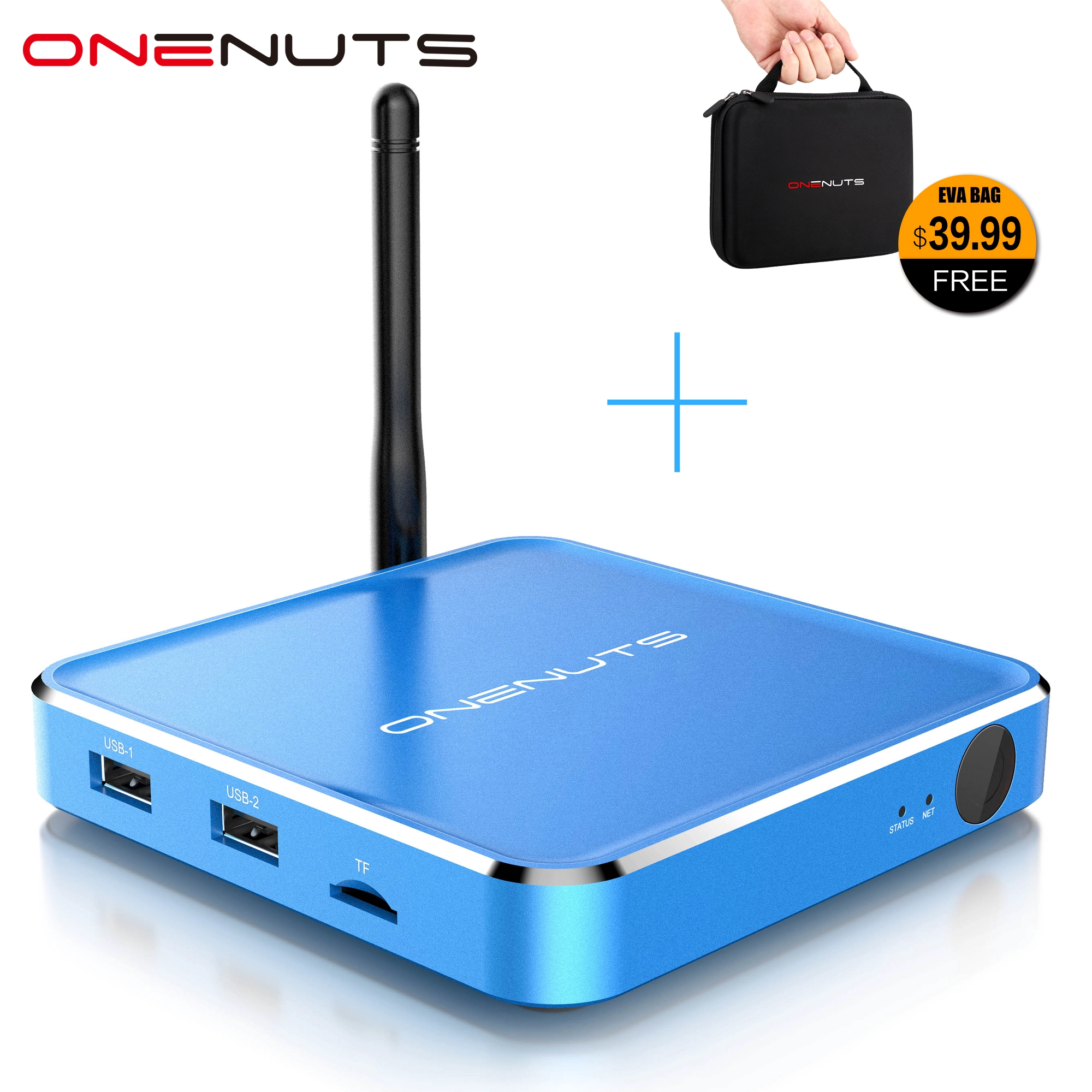
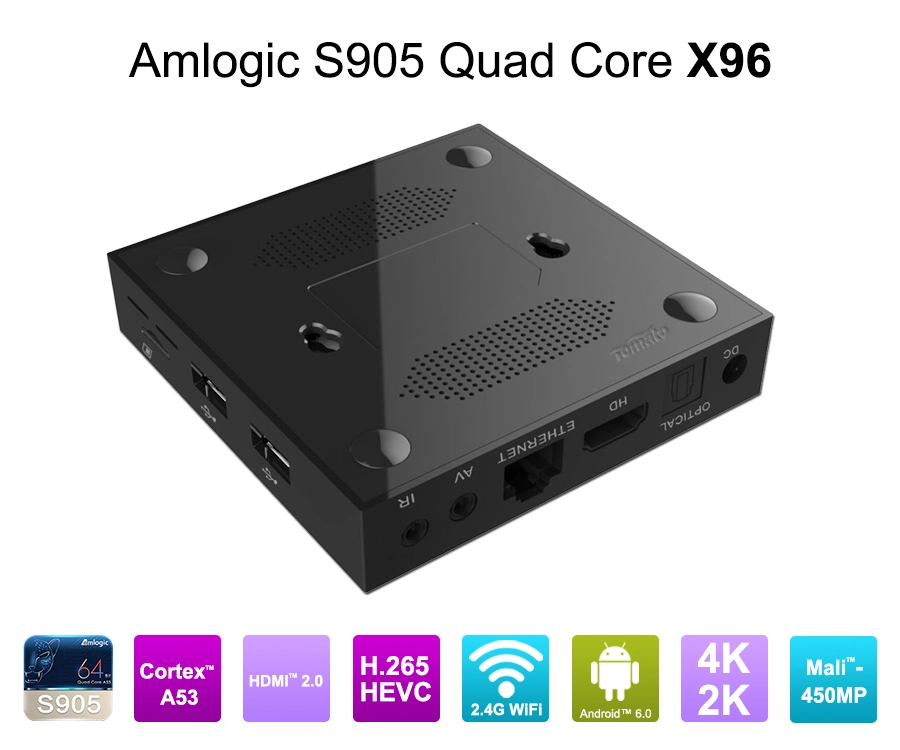
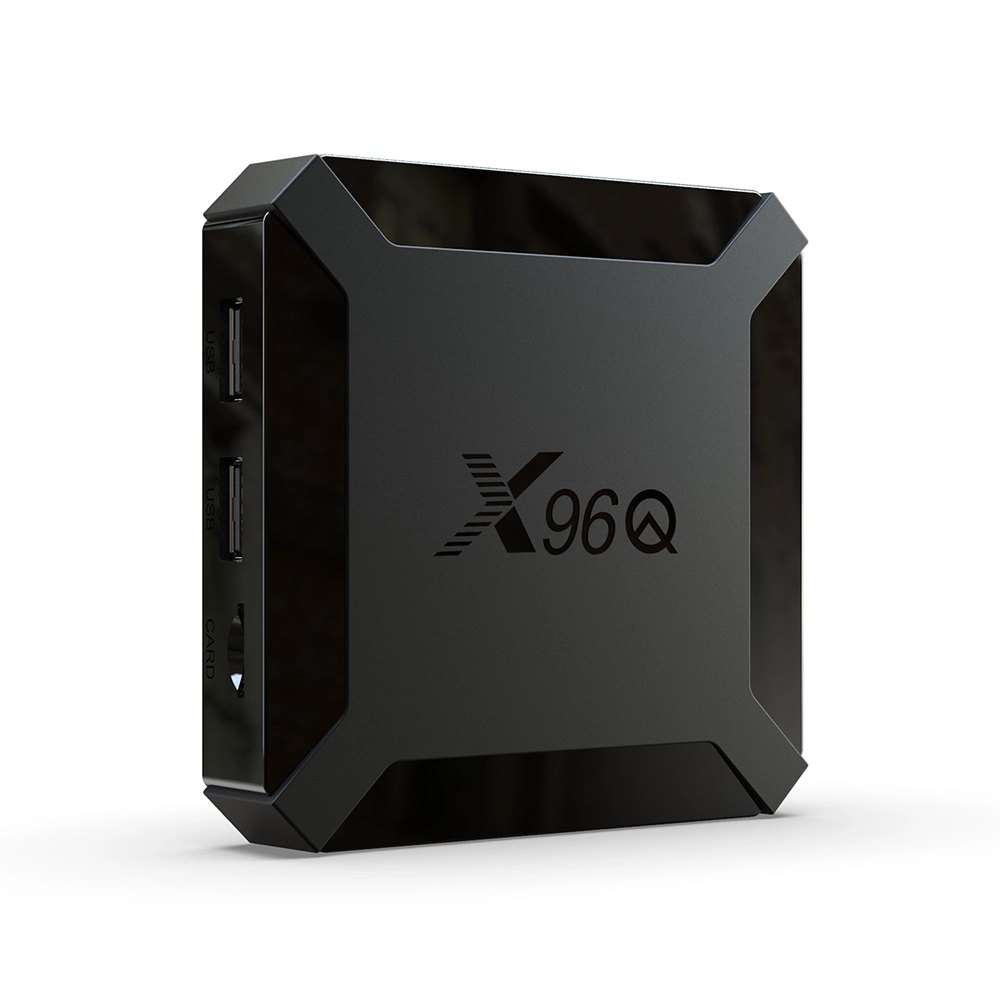
Unlike traditional Android TV boxes designed for consumer media consumption, an Edge AI Box is a localized computing node built to handle continuous data ingestion, real-time analytics, and machine learning inference tasks (like object recognition, predictive maintenance, or advanced digital signage analytics) without requiring a constant uplink to centralized servers.
However, procuring hardware for commercial deployments involves strict parameters. Generic retail units fail under industrial workloads. Deploying an effective AI Box requires a vendor capable of deep-level OEM/ODM customization.
The Hardware Architecture: PCBA Modifications and Thermal Management
At the core of an enterprise AI Box is its capacity for physical adaptation. Commercial environments—ranging from smart retail kiosks to factory automation floors—rarely conform to standard consumer I/O configurations.
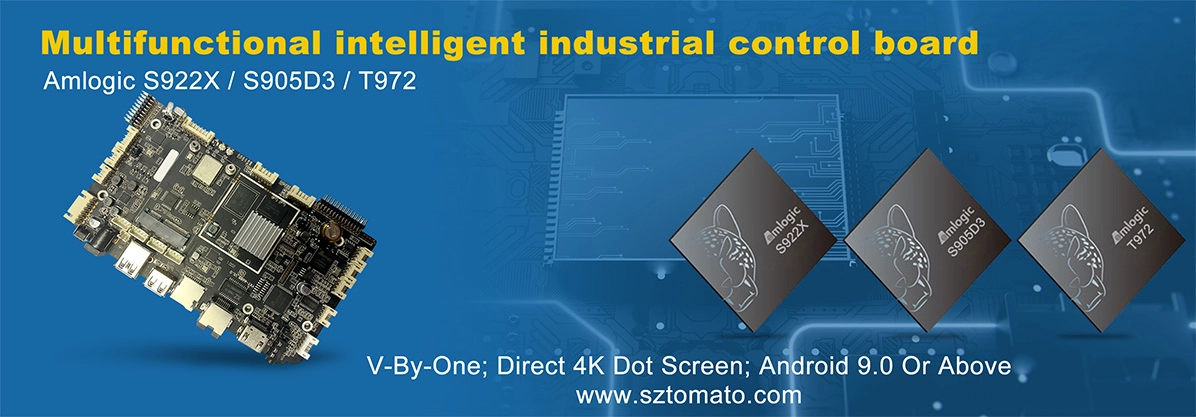
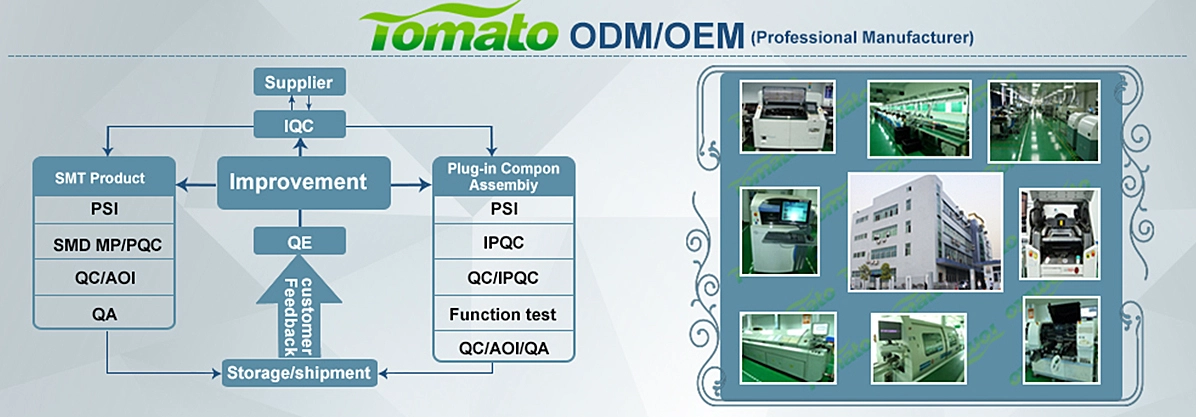
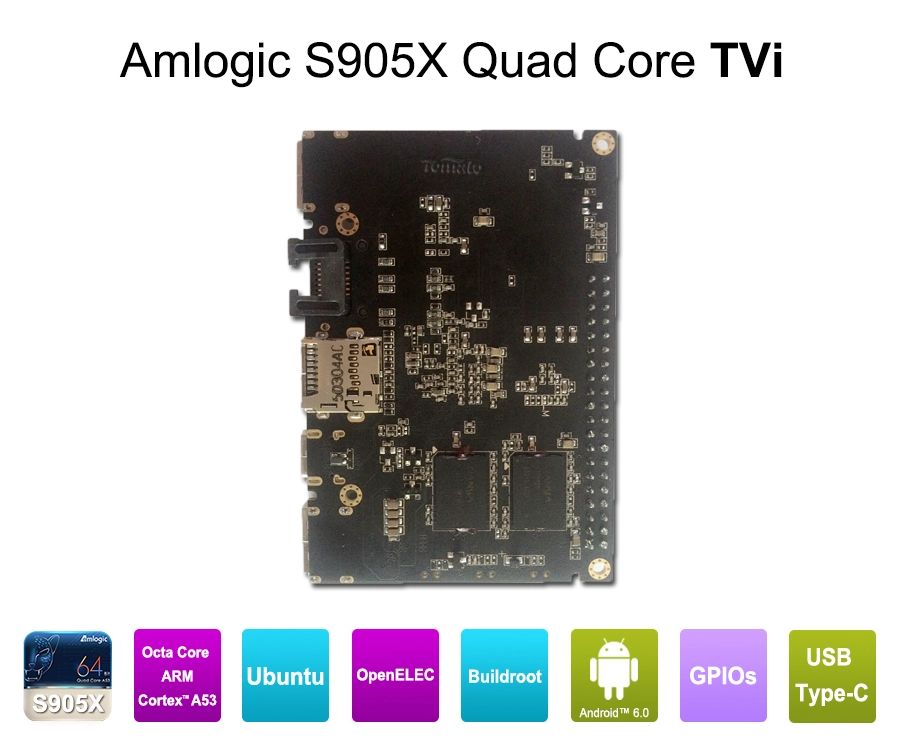
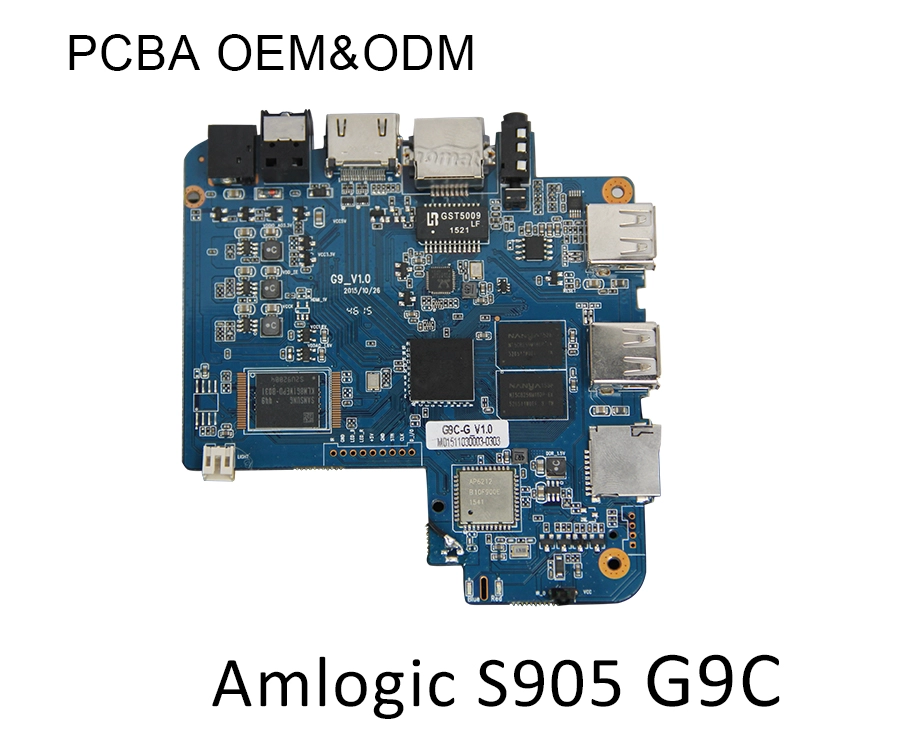
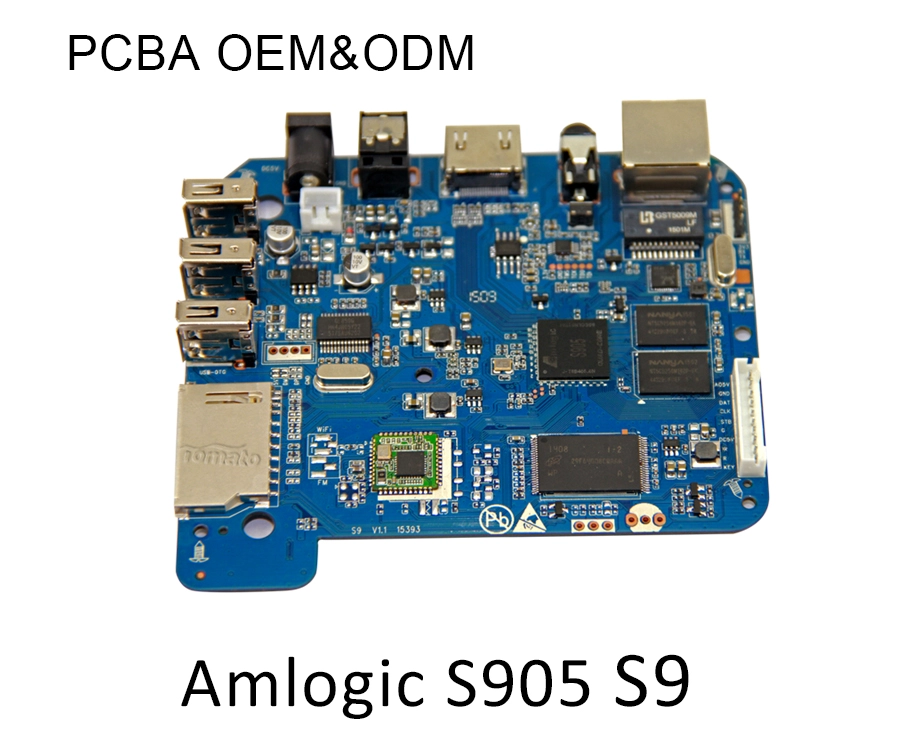
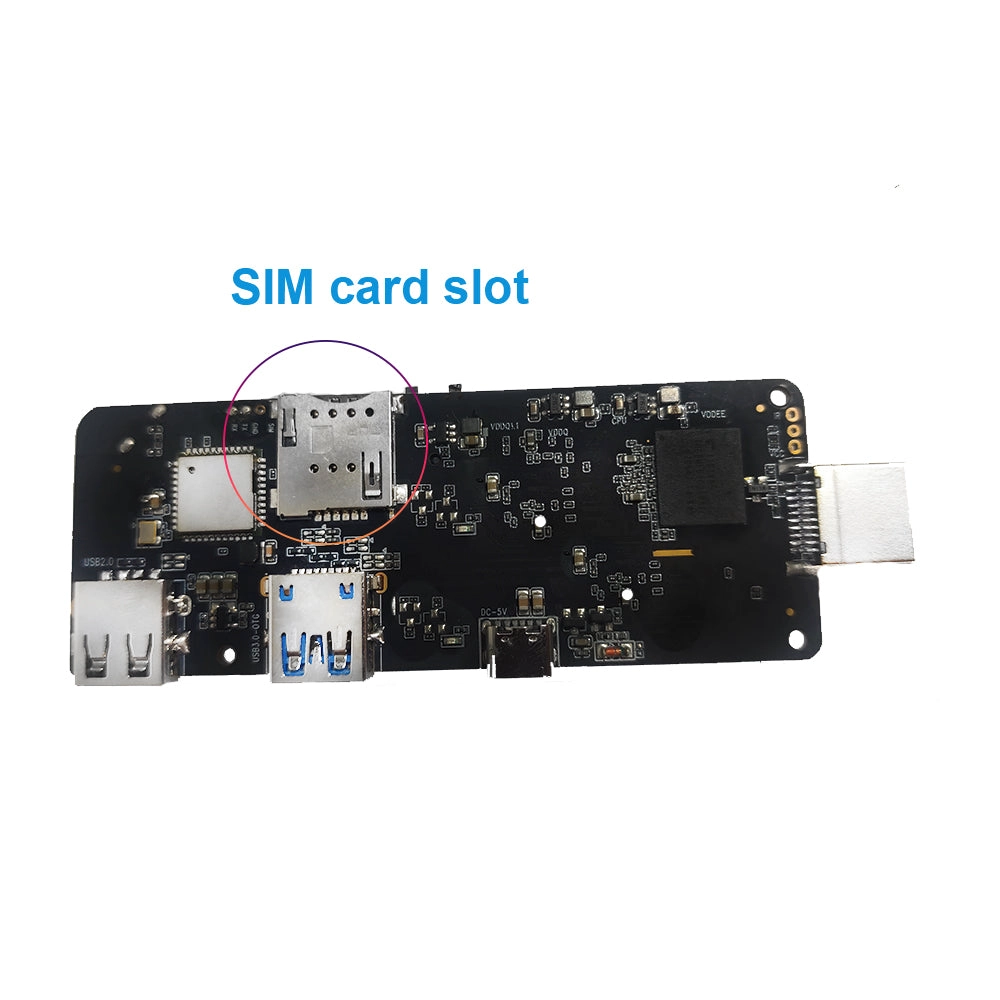
This is where standard manufacturing falls short and true ODM engineering becomes necessary. SZTomato’s approach to hardware design centers on PCBA hardware modification. Depending on the deployment environment, the printed circuit board assembly must often be re-engineered to include specific industrial interfaces such as RS232/RS485 ports, dedicated GPIO pins for sensor integration, or dual Gigabit Ethernet ports for network redundancy.
Furthermore, executing complex AI models locally generates substantial thermal output. Consumer-grade plastic enclosures and standard thermal pads degrade rapidly under 24/7 NPU utilization. Professional integration requires specialized cooling solutions—often involving extruded aluminum chassis acting as passive heat sinks, engineered thermal pathways from the SoC to the casing, and custom thermal throttling parameters written into the hardware level to ensure sustained performance without catastrophic failure.
Firmware-Level Engineering: Kernel Optimization and Custom UI/UX
Hardware is only the delivery mechanism; the firmware dictates operational stability. A common point of failure for system integrators is attempting to run proprietary machine learning software on top of generic, consumer-facing Android OS builds bloated with unnecessary background services.
B2B deployments necessitate rigorous Linux/Android kernel optimization. By stripping out non-essential consumer modules and optimizing the kernel specifically for the client’s software stack, the AI Box maximizes available RAM and CPU/NPU cycles for the primary inference tasks.
SZTomato specializes in this firmware-level engineering. This includes the development of custom UI/UX firmware tailored to the client’s brand, ensuring that end-users interact only with a locked-down, specialized interface rather than a standard Android home screen. Root access is strictly managed based on client specifications, preventing unauthorized third-party application installations that could compromise system integrity.
Deployment, Security, and Lifecycle Management
Scaling an Edge AI Box deployment requires a secure, manageable software ecosystem. Integration teams cannot manually service units distributed across hundreds of locations.
Successful ODM partnerships provide deep SDK/API integration, allowing the client’s proprietary software to interface directly with the hardware’s NPU and physical sensors. This ensures that the AI Box operates seamlessly within the broader corporate network.
Security and maintenance protocols are equally critical. Commercial digital signage and enterprise communication systems require robust HDCP encryption management to protect proprietary data streams. Additionally, maintaining the lifecycle of the hardware network requires customized OTA (Over-The-Air) update systems. SZTomato engineers closed-loop OTA servers for clients, guaranteeing that firmware patches, security updates, and optimized AI models are deployed securely to the fleet without relying on public update servers.
Strategic Procurement for System Integrators
The procurement of an Edge AI Box is a hardware and software engineering partnership. Standard retail units lack the I/O flexibility, thermal endurance, and firmware stability required for commercial inference tasks.
For B2B procurement managers and system integrators outlining their next-generation digital signage or smart-edge projects, the priority must be finding an OEM/ODM partner capable of full-stack customization. From initial PCBA layout modifications to final API integrations and secured OTA delivery, SZTomato provides the underlying engineering required to scale enterprise AI deployments reliably.
