
What is Edge AI Computing?
What is Edge AI Computing? Engineered Solutions for the Modern AI Box
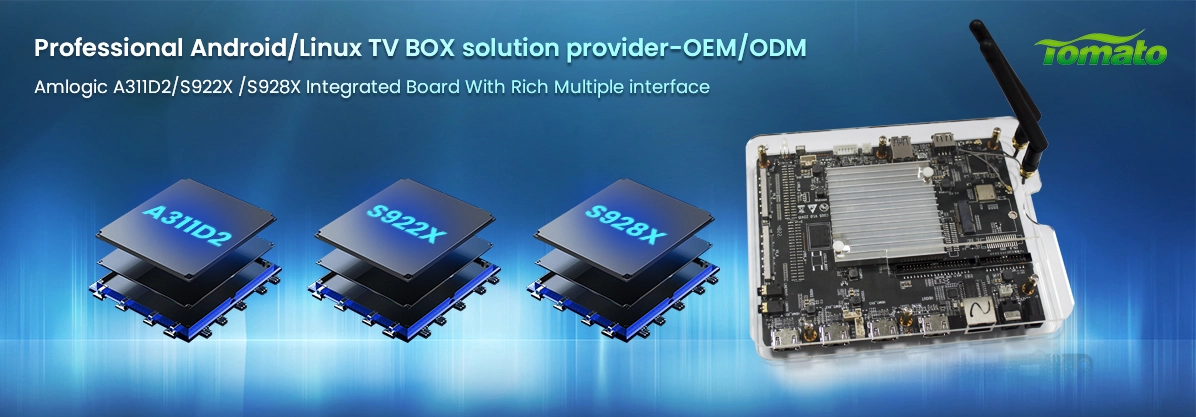
The integration of dedicated Neural Processing Units (NPUs) into next-generation silicon—such as the Amlogic A311D2 and Rockchip RK3588 SoCs—has fundamentally shifted the topological center of deep learning. Relying entirely on remote cloud servers for real-time video analytics, digital signage automation, or smart city deployments introduces unacceptable latency and exposes critical bandwidth bottlenecks.
To bypass these limitations, engineers deploy the AI Box: a localized computing endpoint that handles data ingestion, decryption, and neural network inferencing directly at the data source.
The Architecture of Edge Inferencing
Edge AI computing simply means executing artificial intelligence algorithms locally on a physical device, rather than transmitting raw data to a centralized cloud for processing.
When a standard set-top box receives an AV1 or H.265 video stream, its primary function is decoding and rendering. An AI Box, however, must decode the stream, process the frames through a localized machine learning model (such as YOLOv8 for object detection), and trigger immediate physical or software-based actions based on the inference results.
This requires a fundamental architectural departure from standard retail media players. Consumer-grade hardware is designed for intermittent, low-intensity tasks. When tasked with continuous neural network processing, generic boards suffer from severe thermal throttling, packet loss, and eventual hardware failure.
Overcoming Thermal and Hardware Limitations
A high-performance AI Box running continuous inference models generates a massive thermal load. Off-the-shelf plastic enclosures and standard heatsinks are insufficient for industrial environments.
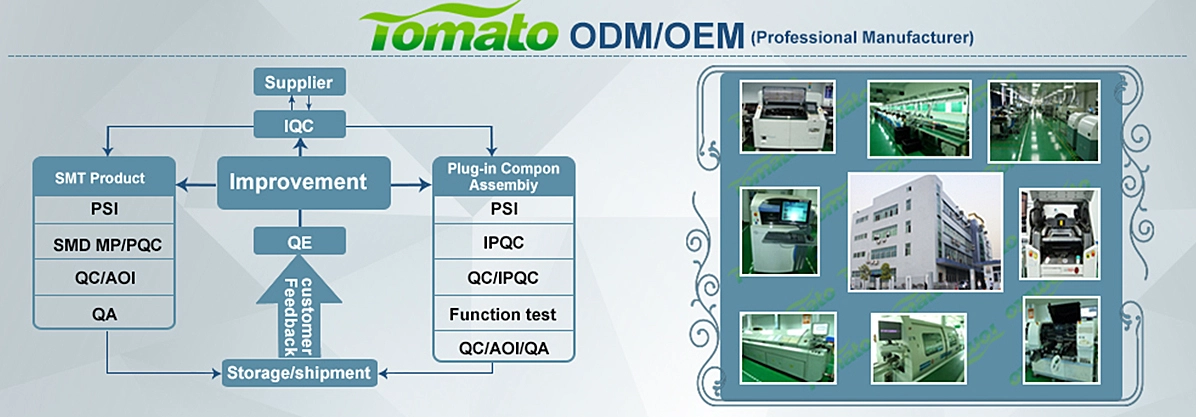
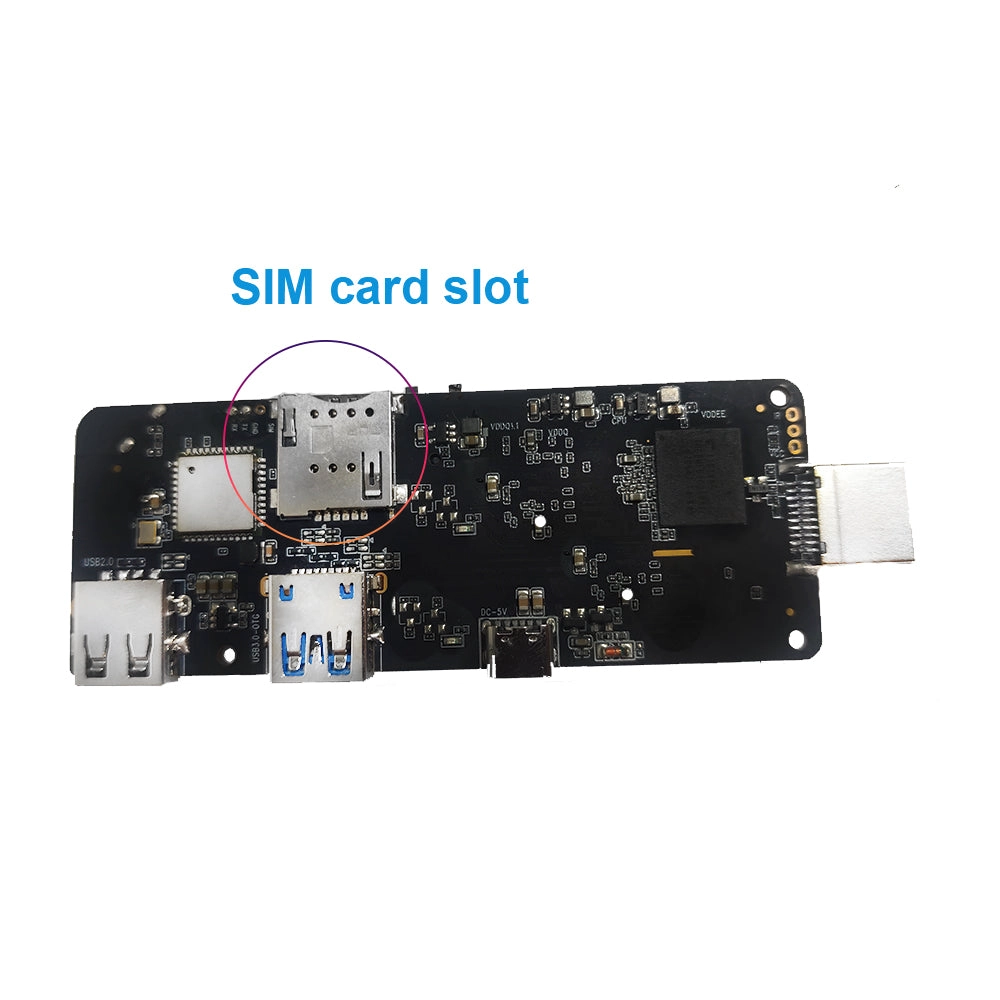
This is where true OEM/ODM capabilities dictate project success. At SZTomato, our approach to hardware modification is entirely driven by thermal and operational data. We execute bespoke PCBA layout modifications to isolate high-heat components, ensuring the NPU and CPU maintain peak frequency without throttling. By engineering specialized cooling solutions—ranging from extruded aluminum chassis integration to custom thermal interface materials—we guarantee 24/7 sustained inferencing even in harsh, non-climate-controlled environments.
Firmware-Level Engineering: Unlocking the NPU
Deploying a successful Edge AI solution requires deep synergy between the silicon and the operating system. Simply having an NPU on the board does not guarantee that the client's software can utilize it.
Standard Android TV operating systems are locked down and optimized for media consumption, not industrial data routing. We perform complete Linux/Android kernel optimization, stripping out unnecessary consumer bloatware and exposing the necessary drivers for hardware acceleration.
Our engineering teams provide full SDK/API integration, allowing system integrators to directly access the NPU, ISP, and hardware decoders. This firmware-level control ensures:
-
Custom UI/UX Deployments: Seamless kiosk modes or proprietary application launchers tailored to the end-user.
-
Encrypted Data Pipelines: Hardware-level HDCP encryption and secure boot protocols to protect proprietary machine learning models stored on the device.
-
Remote Fleet Management: Implementation of robust, silent OTA update systems, allowing administrators to push new firmware or updated neural network weights to thousands of deployed devices without user intervention.
The Problem-Solution Matrix for System Integrators
Procurement managers and system integrators frequently encounter three distinct hurdles when sourcing an AI Box:
-
The Peripheral Bottleneck: Standard boards lack the specific I/O required for industrial sensors. Solution: SZTomato modifies the PCBA to include RS232, RS485, dual Gigabit LAN, or customized GPIO configurations.
-
Software Incompatibility: Client software fails to trigger the hardware NPU, defaulting to the CPU and crashing the system. Solution: Deep AOSP source code modification and custom SDK provision to bridge the client's application with the silicon architecture.
-
Deployment Instability: Devices crash due to memory leaks over long uptimes. Solution: Strict memory management engineering within the custom firmware and automated watchdog timers to ensure persistent uptime.
Sourcing Custom Hardware for the Edge
Edge AI computing is not a future concept; it is the current operational standard for secure, low-latency industrial networks. Achieving reliable performance requires shifting away from generic hardware and partnering with a manufacturer capable of true component-level engineering.
For B2B procurement managers, network architects, and system integrators mapping out their next deployment, SZTomato provides the hardware foundation and firmware architecture necessary to bring your specific AI models to the edge. Contact our engineering team today to discuss PCBA modification, custom SDK requirements, and OEM production capabilities.
