Android Mini PC OEM Customization Guide
Android Mini PC OEM Customization Guide: Engineering Industrial ARM Computing Solutions
A critical technical bottleneck has emerged within the B2B compact computing sector: the systemic instability of consumer-grade computing sticks and retail streaming media players when pushed into continuous, high-throughput enterprise environments. System integrators, retail network operators, and industrial automation engineers frequently deploy off-the-shelf computing nodes only to face field failures within months. These issues typically stem from severe thermal throttling under sustained CPU/GPU loads, the absence of hardware-level crash recovery systems, and rigid stock software layers that block deep system-level control.
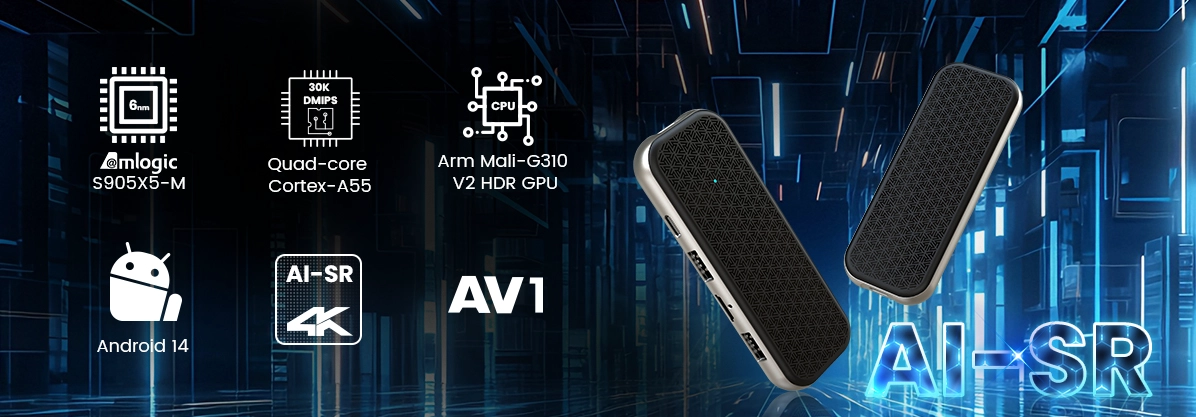
With the rollout of next-generation silicons like the 6nm Amlogic S905X5M featuring dedicated hardware AV1 decoding and AI Super-Resolution (AI-SR), the focus has shifted entirely. Modern deployments require moving past standard retail hardware enclosures to leverage a dedicated B2B manufacturing architecture. True field reliability demands engineering a specialized platform from the printed circuit board assembly (PCBA) level up through the custom operating system kernel.
1. PCBA Architectural Modifications and Hardware Hardening
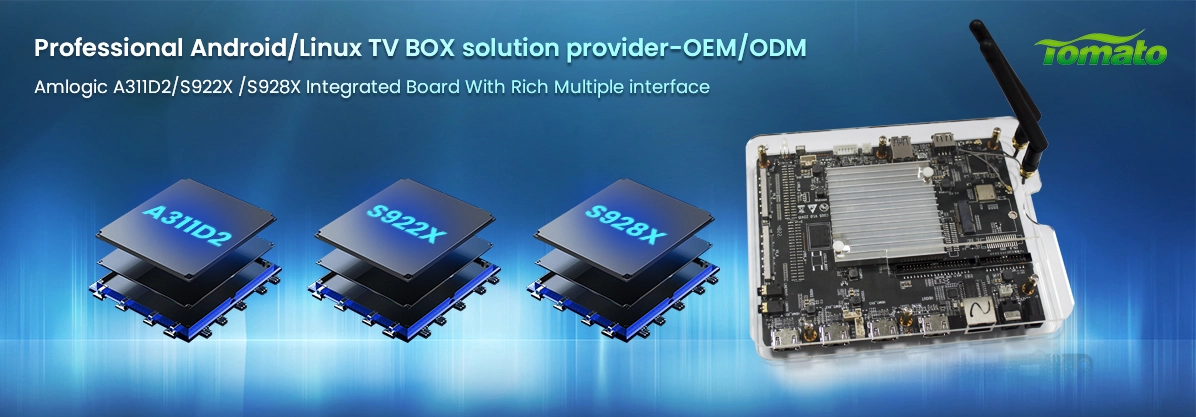
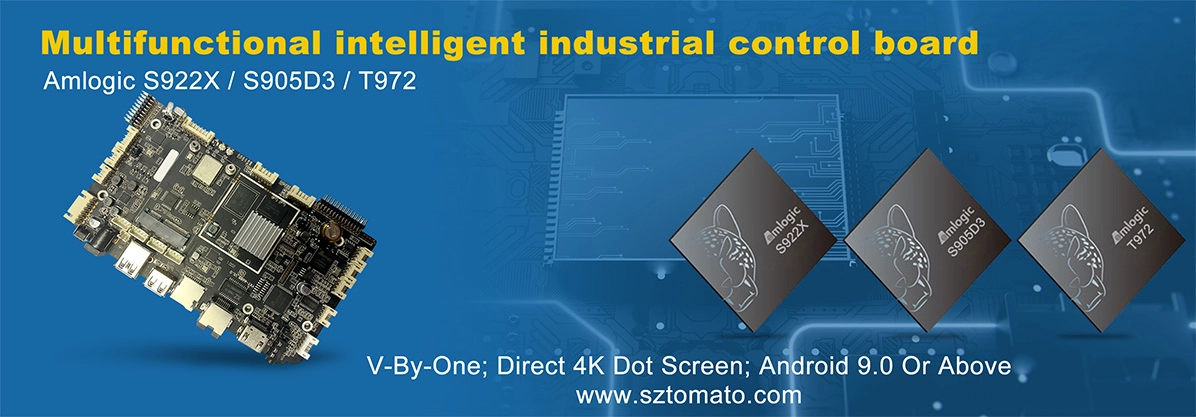
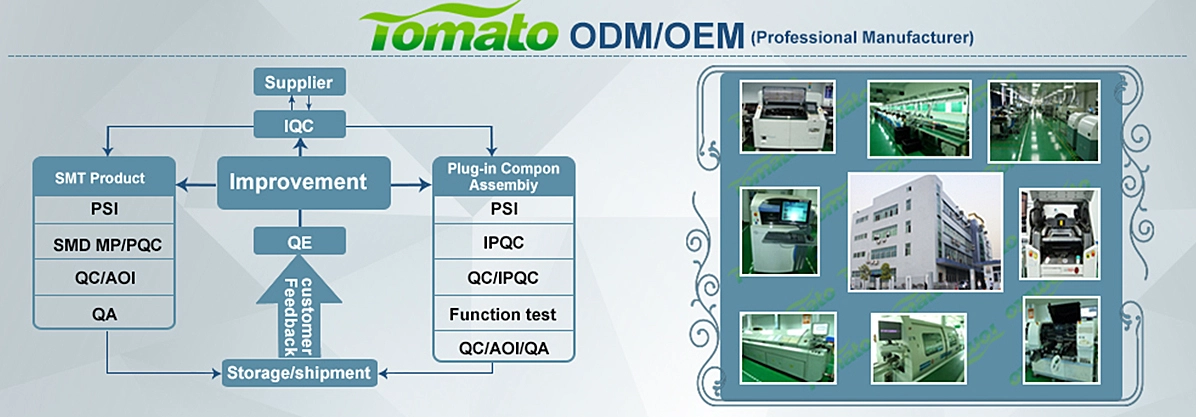
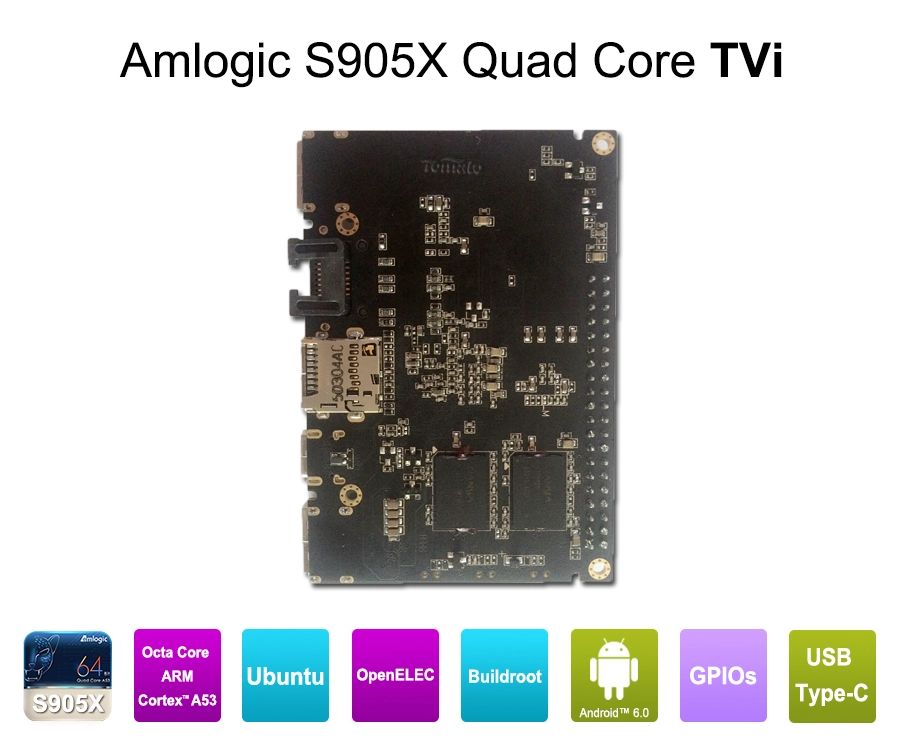
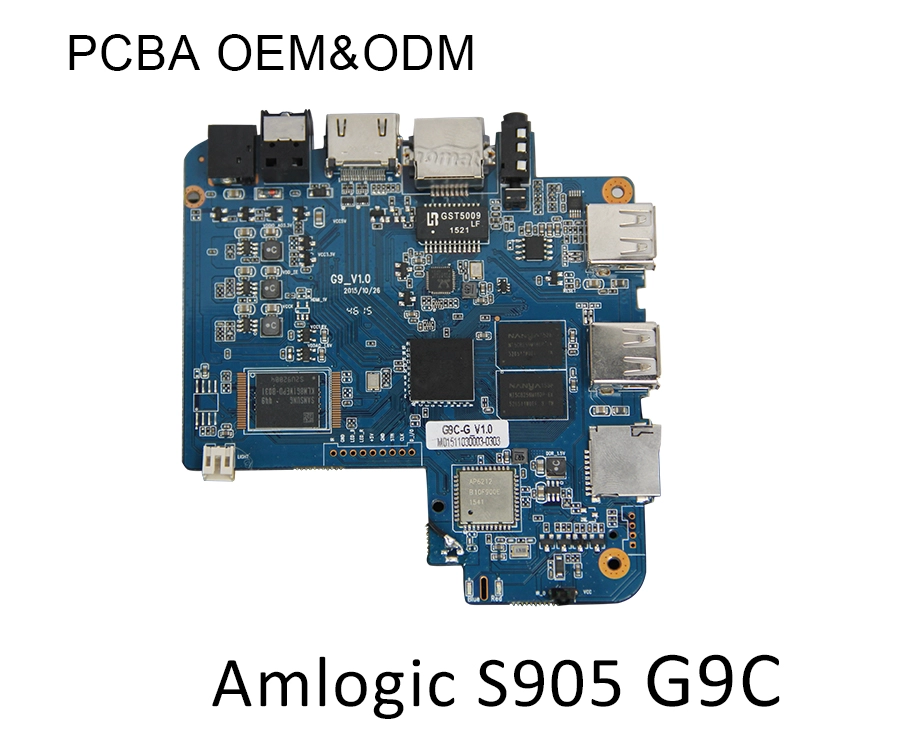
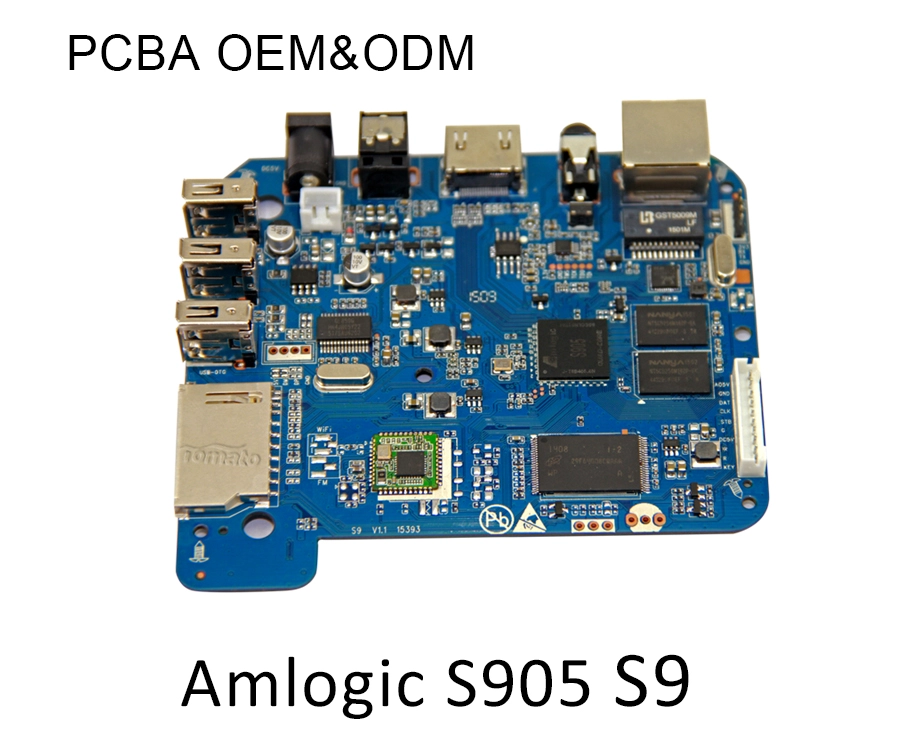
Industrial edge computing applications demand ruggedized, application-specific physical circuit design. At SZTomato, the OEM/ODM development process treats the PCBA as a configurable ecosystem rather than a locked layout.
Peripheral Optimization and Interface Hardening
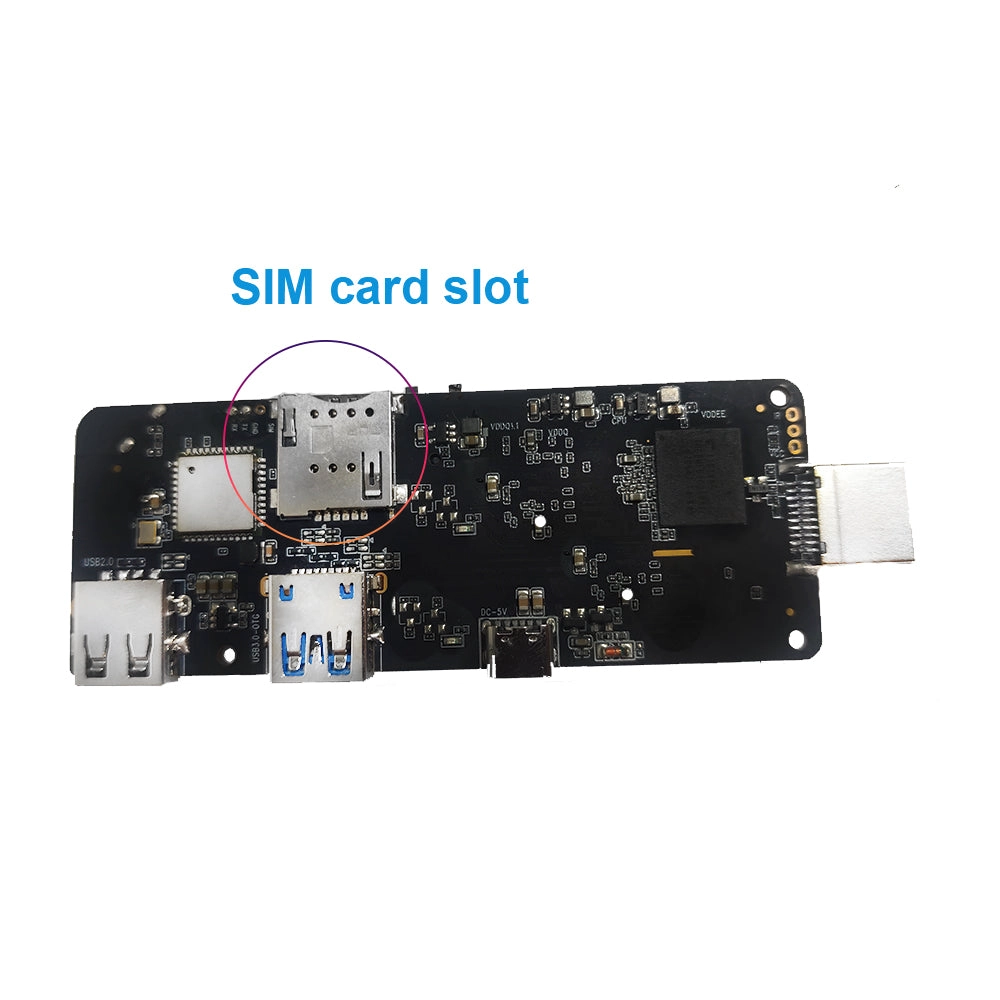
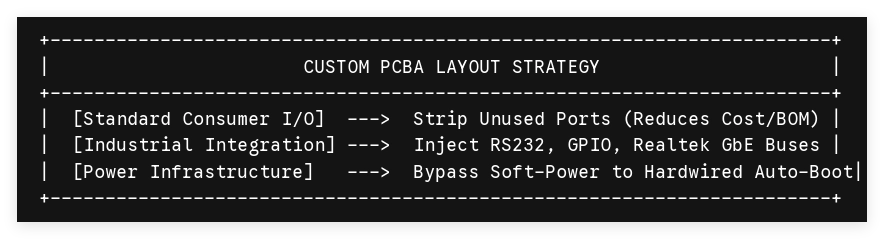
Standard retail circuit designs populate board real estate with generic consumer ports that expand the physical bill of materials (BOM), create unnecessary thermal profiles, and open physical attack vectors for unauthorized local interaction. For enterprise-scale deployments, our R&D facility executes clean peripheral stripping:
- Interface Removal: Stripping micro-SD card slots and secondary USB lines prevents end-users from sideloading unverified third-party APKs or compromising storage via malicious local boot loops.
- Industrial Bus Integration: Replacing consumer inputs with dedicated RS232/RS485 serial ports, universal asynchronous receiver-transmitter (UART) headers, or programmable GPIO lines enables direct communication with industrial machinery, point-of-sale receipt printers, or legacy automation loops.
-
High-Throughput Networking: Bypassing standard USB-to-LAN controllers to route a dedicated Gigabit Ethernet RJ45 port via a native PCIe bus line ensures stable data throughput for high-bitrate video streaming and low-latency command synchronization.
Automated Power-On and Watchdog Subsystems
Consumer electronics rely on a soft-power state managed by a remote control or physical power button. For unmanaged deployments, this architecture introduces major operational vulnerabilities.
SZTomato completely re-engineers the Power Management Integrated Circuit (PMIC) path at the board level. By hardwiring an automatic power-on circuit, the Android Mini PC boots instantly upon receiving electrical current at the DC jack. To safeguard against remote kernel freezes or software locks, a physical hardware watchdog IC is integrated directly into the PCBA layout. This chip continuously polls the operating system; if it detects an unhandled system lock or kernel panic, it triggers an instantaneous hard hardware reboot.
2. Advanced Thermal Engineering and Industrial Cooling Solutions
Unmitigated thermal profiles are the leading cause of component degradation and clock-speed throttling in compact form-factor devices. When an ARM processor operates at sustained high loads within unventilated equipment housing, performance drops sharply as junctions approach critical thermal boundaries.
Passive Heavy-Gauge Thermal Dispersal:
[SoC Thermal Junction] ---> [High-Conductivity Pad] ---> [Spring-Mounted Die-Cast Heatsink] ---> [Chassis Dissipation Block]
To achieve true 24/7 operational capability, we bypass the generic thermal pads and thin aluminum sheets used in consumer electronics. Our industrial hardware configurations implement structural thermal systems:
-
Spring-Loaded Die-Cast Heatsinks: Using precise mechanical screw mounts rather than degrading adhesive tapes maintains flat, consistent pressure over the SoC and RAM chips.
-
Enclosure-Integrated Thermal Blocks: The physical housing is engineered as an active alloy heat dissipation block. Using high-conductivity thermal interfaces transfers heat away from core components and uses the entire surface area of the metal chassis for cooling.
-
Passive Convection Engineering: Fanless, fully enclosed chassis layouts prevent internal dust accumulation—a critical protection for deployments in environments like industrial factories, commercial kitchen kitchens, or dusty transportation hubs.
3. Firmware Customization: OS Hardening, Custom UI/UX, and SDK Integration
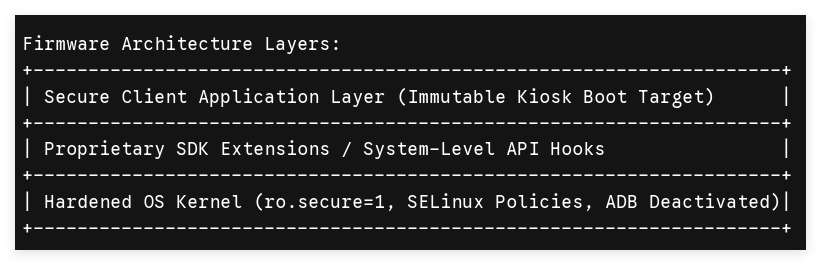
An enterprise-grade deployment requires deep optimization of the Android Open Source Project (AOSP) or Linux kernel to create an immutable, single-purpose computing environment.
System Launcher Injection and Kiosk Lockdown
To ensure a secure user experience, the stock Android setup flow and stock launchers must be removed. Our software engineering team compiles the client's proprietary software interface directly into the system build as a privileged application:
/system/priv-app/TargetEnterpriseLauncher/
By injecting the application directly into the core system image, the operating system recognizes it as the permanent system desktop handler. The firmware hard-locks the device into True Kiosk Mode, blocking peripheral keyboard commands (e.g., Alt+Tab, Escape keys), disabling the navigation bar, and hiding system notifications to prevent user tampering.
System-Level API and SDK Development
For systems requiring advanced hardware control, off-the-shelf APIs are insufficient. SZTomato develops specialized system-level APIs and custom Software Development Kits (SDKs) that grant client apps low-level control over internal hardware layers:
-
Hardware Power Cycling: Allowing applications to trigger full cold system reboots or command localized hardware power downs during scheduled offline hours.
-
Hardware Status Monitoring: Giving software layers direct read access to low-level parameters, including internal SoC thermal junction temperatures, RAM allocation stats, and real-time network packet loss metrics.
-
Cryptographic Control: Managing HDCP 2.2/2.3 encryption keys and wideband DRM modules directly within the Trusted Execution Environment (TEE) to handle secure streaming data workflows.
4. Secure Lifecycle Management: Private Over-The-Air (OTA) Infrastructure
Deploying thousands of devices across geographically distributed networks makes manual on-site firmware maintenance impossible. Enterprise computing networks require a secure, centralized updating infrastructure.
Private Over-The-Air (OTA) Lifecycle:
[SZTomato Secure R&D Lab] ---> [Client Sign-Off] ---> [Private Encrypted Server] ---> [Automated Fleets Update]
Instead of routing devices through public, unverified update endpoints, custom SZTomato firmware hardcodes the system client to communicate exclusively with a private, encrypted OTA server cluster. This dedicated management pipeline provides significant advantages for network administrators:
-
Controlled Rollouts: Firmware releases can be targeted to specific device batches, allowing updates to be validated on a small testing group before a full fleet rollout.
-
Cryptographic Security Verification: The bootloader utilizes secure RSA key pairs to verify all incoming update packages, rejecting unsigned images to protect against mid-stream network attacks.
-
Automated Resilient Flashing: The device's integrated recovery system features dual-partition boot fallback redundancy. If an update is interrupted by a sudden power failure, the hardware automatically boots from the previous stable system partition to prevent device bricking.
Secure Your Commercial Computing Infrastructure
Successfully deploying a fleet of Android Mini PC nodes requires a manufacturing partner with profound engineering depth in both physical PCBA layouts and low-level operating system architectures. SZTomato provides high-reliability, long-lifecycle hardware solutions engineered specifically for commercial and industrial use cases.
Contact our senior engineering and procurement team today to submit your technical requirements, analyze custom schematic options, or request an evaluation sample for your upcoming hardware deployment.