
Android TV Box Buying Guide
Architecture-Driven Sourcing: The Enterprise Android TV Box Buying Guide
The deployment of interactive video hardware across commercial networks is undergoing a major technical transition. The global shift toward dense video compression standards like AV1 and H.266 (VVC), combined with strict HDCP 2.2/2.3 security requirements, has exposed the structural limitations of consumer-grade electronics. When commercial networks deploy retail media sticks or unoptimized consumer boxes, they frequently run into performance throttling, early component wear, and software fragmentation.
For procurement managers, project engineers, and system integrators, an Android TV Box is not a plug-and-play entertainment accessory; it is a critical infrastructure edge-node. This procurement guide moves past retail marketing claims to provide a clear, technical framework for selecting, customizing, and deploying high-longevity streaming and digital signage hardware.
1. Silicon Strategy: Evaluating the SoC Architecture
The core of any media network deployment is the System-on-Chip (SoC). The choice of chip architecture sets the baseline for video decoding efficiency, memory speed, and thermal stability under continuous operation.
ARMv9 Microarchitecture vs. Legacy Platforms
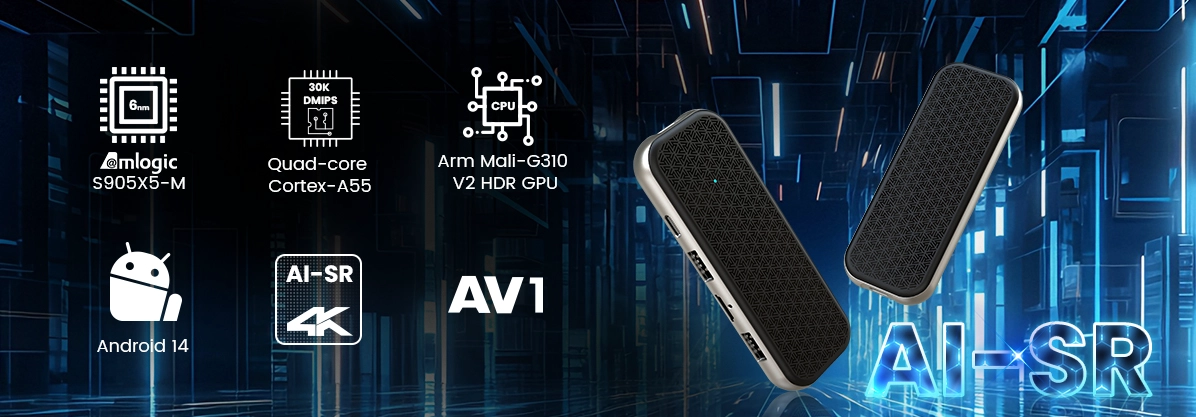
For multi-year project lifecycles, sourcing legacy ARMv8 chipsets (such as the Amlogic S905X4 or basic Allwinner processors) introduces early software constraints. Next-generation platforms—such as the Amlogic S905X5 series—move to an advanced 6nm FinFET fabrication node and leverage the modern ARMv9-A instruction set (utilizing Cortex-A510 efficiency cores).
This architectural shift achieves a major drop in power consumption compared to older 12nm chipsets. By choosing an ARMv9 platform, systems run cooler and gain deep hardware compatibility for secure enterprise applications.
[6nm FinFET / ARMv9 Core Cluster] ---> Low Power Draw ---> Extended Hardware Lifespan
[12nm Node / Legacy ARMv8 Cores] ---> High Thermal Output ---> Accelerated Component Wear
Video Processing Units and Localized AI Upscaling
Commercial IPTV and signage deployments require efficient media decoding to maintain low internal operating temperatures.
- Native Hardware Decoding Blocks: The selected hardware platform must feature dedicated silicon decoding blocks for AV1 and H.266 (VVC) up to 4K at 60 or 120 frames per second (4K@60/120fps). Running these high-efficiency codecs via software emulation causes high CPU usage, frame drops, and rapid heat buildup.
- Neural Processing Units (NPU): Modern B2B edge hardware utilizes chipsets equipped with a 3.2 to 4 TOPS NPU. This specialized silicon enables real-time AI-Super Resolution (AI-SR), allowing operators to upscale low-bandwidth 1080p source video into clean, high-fidelity 4K displays directly at the edge, saving significant network bandwidth.
2. PCBA Configuration: Designing Beyond Standard Retail Specifications
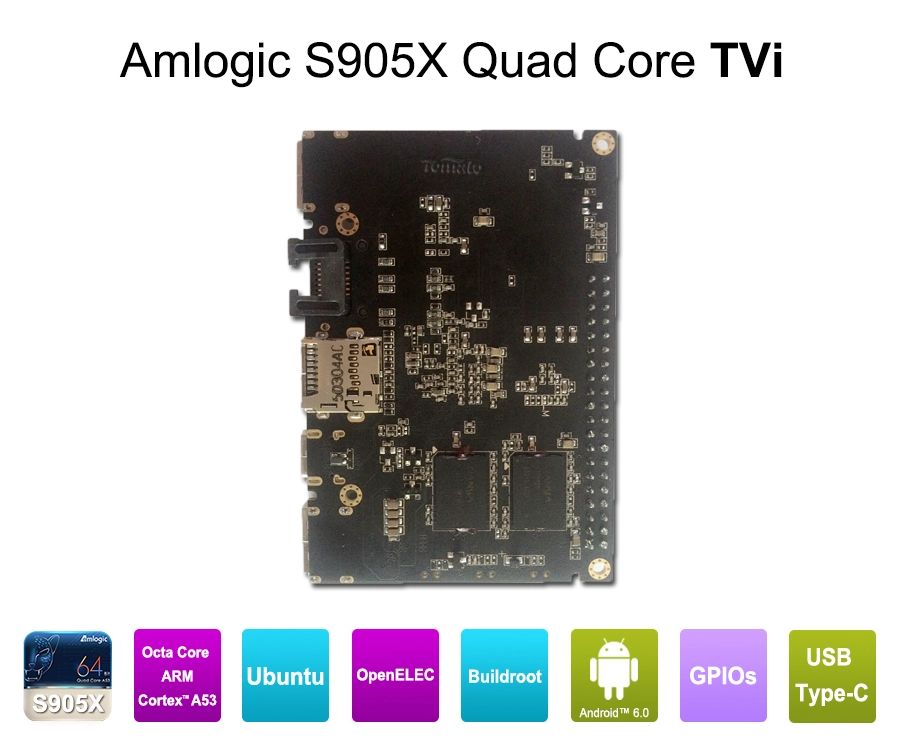
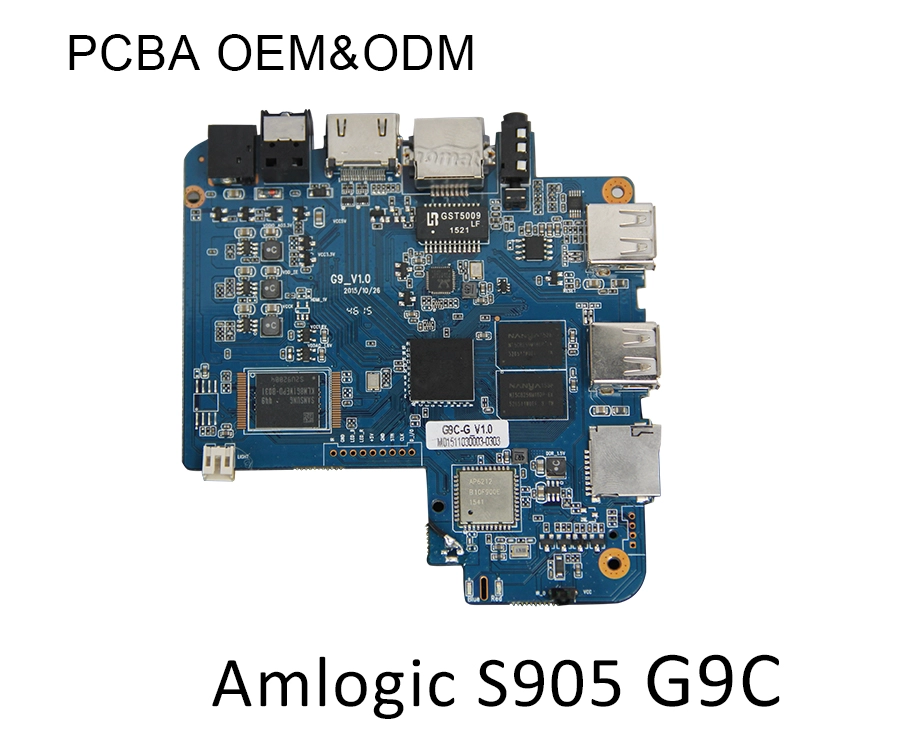
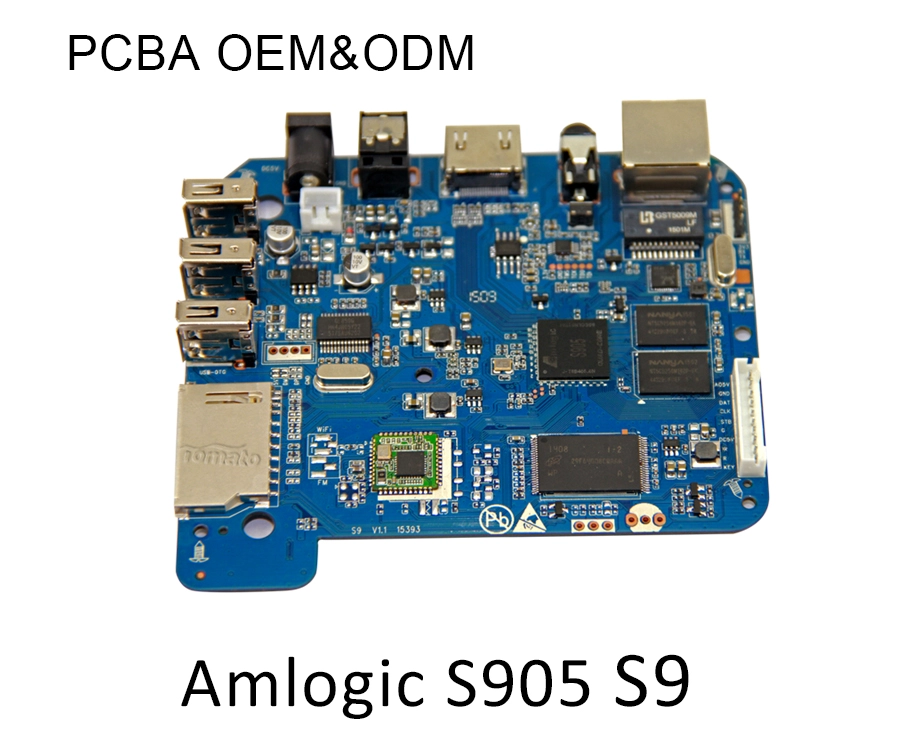
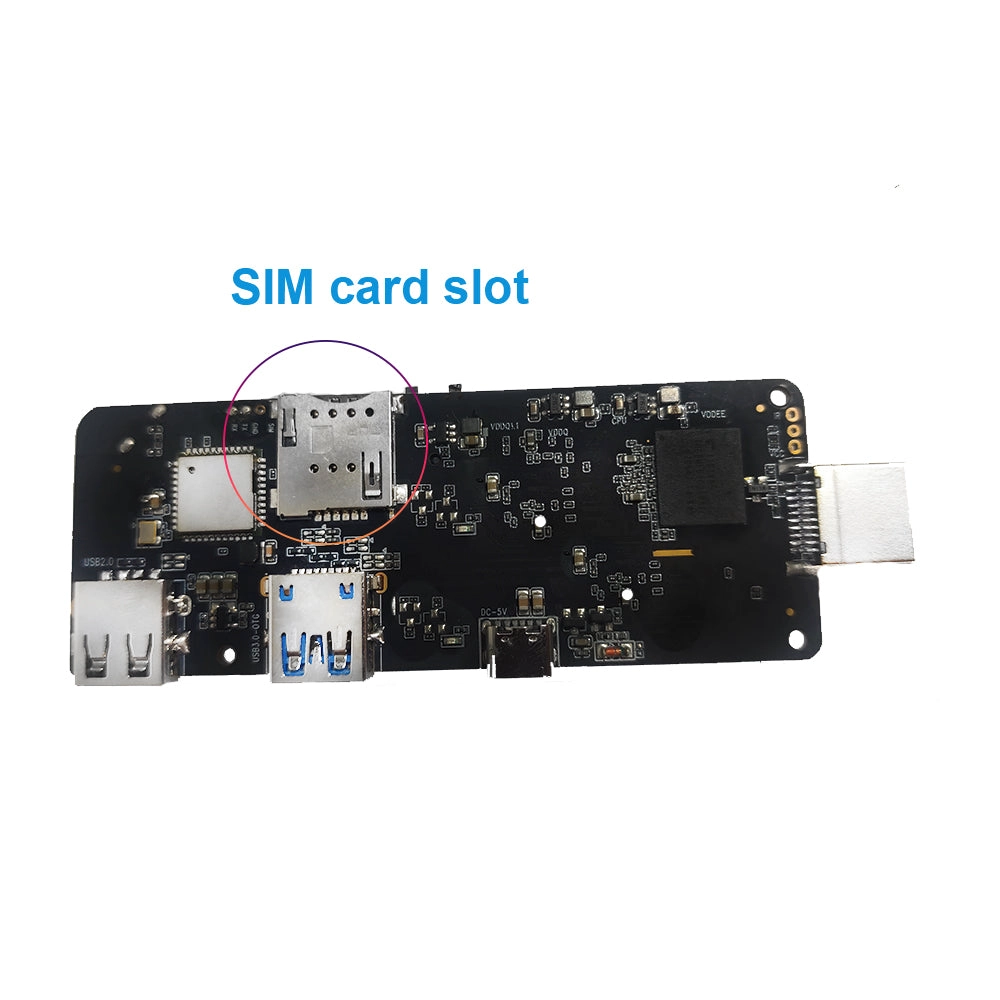
Standard consumer set-top boxes are designed with tightly packed layouts inside plastic enclosures, optimized for intermittent residential use. Commercial deployments require tailored Printed Circuit Board Assemblies (PCBA) built to withstand harsh, uninterrupted environments.
| Technical Parameter | Consumer-Grade Retail Box | Industrial OEM/ODM Node (SZTomato) |
|---|---|---|
| Memory Architecture | 2GB–4GB DDR3 / LPDDR4 | Up to 8GB high-speed LPDDR5 / LPDDR5X |
| Storage Architecture | Consumer TLC eMMC 5.0 / 5.1 | Industrial-grade eMMC 5.2 or high-speed UFS |
| Networking Interface | Fast Ethernet (10/100M) | Native Gigabit Ethernet / 2.5G Base-T PHY |
| I/O Bus Extensions | Limited to standard HDMI & USB 2.0 | Dedicated lines for RS232, PCIe, and PoE |
| Thermal Dissipation | Small internal shield, plastic case | Heavy extruded aluminum heatsink, metal alloy case |
Custom Subsystem Engineering
To integrate a media player cleanly into retail kiosks, medical monitors, or hospitality control setups, the underlying circuit layout must support advanced peripheral communication.
1
1. Trace Routing Optimization
Bus Architecture
1.1. Trace Routing Optimization:Bus Architecture。
Isolate high-frequency signal lines and add dedicated data lanes for industrial peripherals like physical RS232 serial control ports or specialized audio chips.
2
2. Power Delivery Engineering
Voltage Optimization
2.2. Power Delivery Engineering:Voltage Optimization。
Integrate low-ESR solid capacitors and custom Power Management ICs (PMIC) to handle fluctuating input voltages safely, including optional Power over Ethernet (PoE) modules.
3
3. Passive Thermal Coupling
Heat Dissipation
3.3. Passive Thermal Coupling:Heat Dissipation。
Mount oversized, high-density extruded aluminum blocks directly to the SoC and memory chips using high-conductivity thermal pads, ensuring the casing acts as an active heat spreader.
3. Firmware Engineering: Securing the Kernel and Operating System
Software instability is a leading cause of early hardware turnover in large-scale deployments. Enterprise operations require a highly secure, stripped-down operating system that eliminates consumer bloatware and locks down end-user permissions.
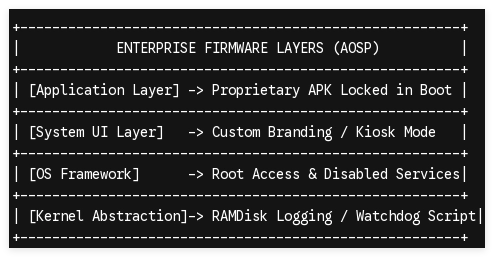
Kernel-Level Performance Stabilization
Managing a large device deployment requires modifying the lower-level software interactions between the Android framework and the underlying hardware components:
-
RAMDisk Logging Relocation: Standard Android software constantly writes operational logs to internal flash storage, which can exhaust the write cycles of standard flash chips within 24 to 36 months. Customizing the kernel to redirect these system logs into temporary, volatile RAMDisk storage preserves the physical drive and extends the operational life of the device.
-
Hardware and Kernel Watchdog Timers: Integrating a dedicated hardware watchdog circuit ensures that if a software application freezes or hangs, the system automatically runs a clean reboot without requiring manual power cycling by on-site technicians.
-
Custom SDK and API Integration: Providing deep system access allows engineering teams to implement unique boot settings, run automated applications on power-up, disable global volume or display overlays, and manage peripheral hardware controls seamlessly.
Dedicated Over-The-Air (OTA) System Updates
Relying on manual on-site maintenance or standard consumer update servers is inefficient for large commercial networks. A true enterprise deployment utilizes a private, partitioned OTA system update setup. This lets system administrators test new software builds, schedule rollouts, and push targeted patches to specific device groups safely, without risking configuration data loss or unexpected system downtime.
The SZTomato B2B Sourcing Paradigm
Choosing the right hardware architecture is the foundation of a successful digital media rollout. Sourcing standard consumer set-top boxes introduces high operational risks, system vulnerabilities, and early component degradation under constant commercial use.
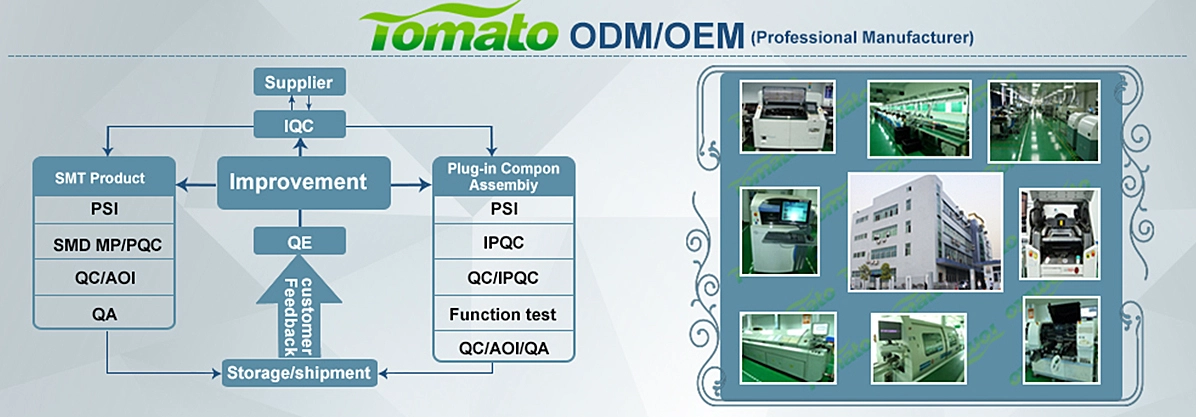
At SZTomato, we design, engineer, and manufacture custom Android TV Boxes and specialized media nodes built for complex B2B applications. We focus entirely on providing system integrators, software developers, and procurement groups with ruggedized, long-lifespan hardware platforms built to their exact technical specifications.
Enterprise Customization Capabilities
-
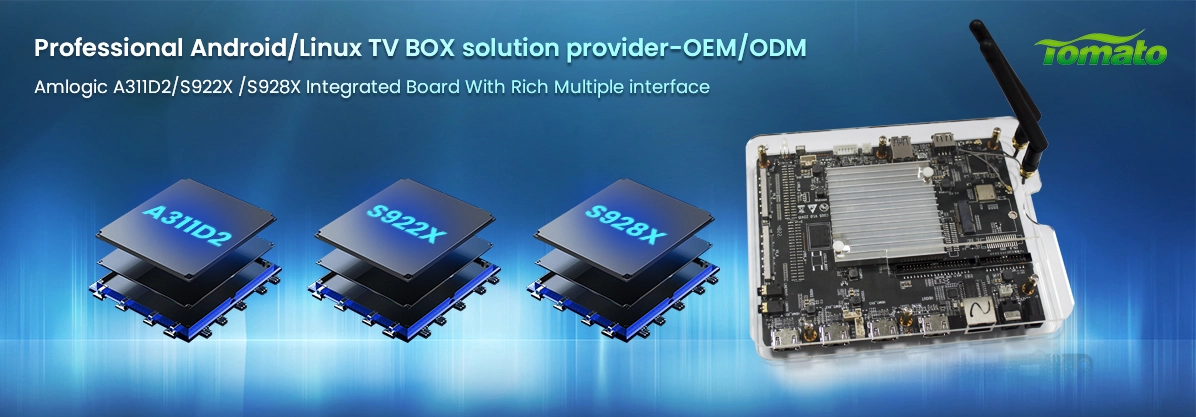
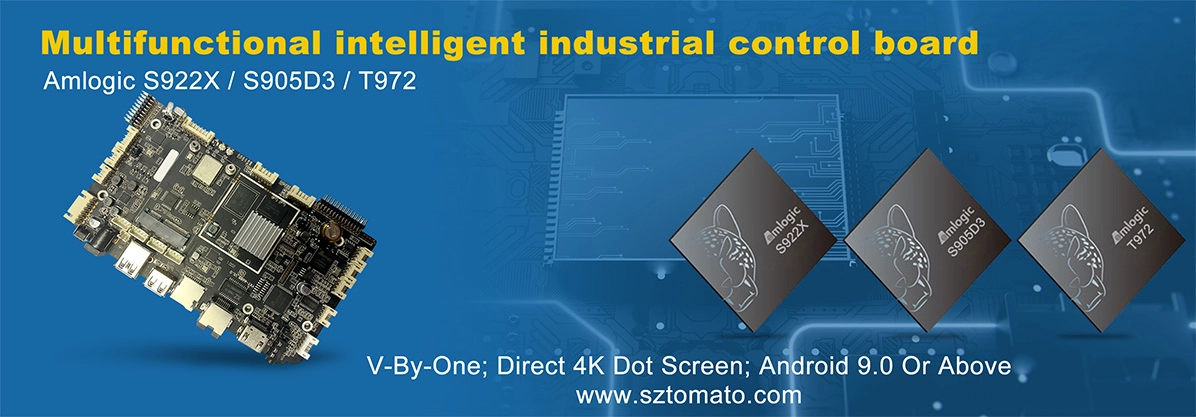
Advanced PCBA Customization: Tailored circuit layout engineering, industrial low-ESR component sourcing, and integration of custom interfaces (including physical RS232, 2.5G Ethernet, PCIe lanes, and dual-HDMI outputs).
-
Deep Software & Kernel Engineering: Specialized Android Open Source Project (AOSP) configurations, RAMDisk system log preservation, locked-down kiosk modes, and dedicated boot configurations.
-
Rugged Thermal & Chassis Design: Heavy-duty passive cooling systems and custom aluminum alloy casings engineered for safe 24/7/365 processing cycles in demanding environments.
-
Full SDK & API Integration Support: Comprehensive programmatic system access, allowing development teams to maintain full hardware control and secure root permissions.
To protect your media infrastructure and review complete component blueprints, contact our technical project team at www.sztomato.com to submit your custom PCBA design files and firmware specifications.
