

Android TV Box WiFi 6 Buyer’s Guide
Android TV Box WiFi 6 Buyer’s Guide: Enterprise Hardware Architecture and Commercial Procurement Strategies
Enterprise wireless networks are facing a density crisis. Deploying a fleet of Android TV Boxes for digital signage networks, interactive kiosks, or hospitality IPTV systems over legacy WiFi 5 (802.11ac) infrastructure frequently results in packet drops, increased jitter, and severe thermal throttling under sustained high-bitrate streaming. For B2B importers and system integrators, procuring retail-grade hardware leads to elevated field failure rates and high maintenance overhead.
The transition to WiFi 6 (802.11ax) architecture represents a fundamental shift from raw peak speed to systematic spectral efficiency. This guide breaks down the critical hardware, firmware, and component-level benchmarks required to source enterprise-grade WiFi 6 Android TV Boxes capable of 24/7 continuous operation.
1. Decoding WiFi 6 Architecture for Commercial Device Density
Evaluating an Android TV Box for commercial applications requires analyzing how the wireless subsystem manages concurrent data streams in congested RF environments. Legacy WiFi 5 devices utilize single-user MIMO, which forces the access point to serve devices sequentially, introducing latency spikes.
WiFi 6 integrates two foundational technologies that resolve these deployment bottlenecks:
Orthogonal Frequency Division Multiple Access (OFDMA)
Instead of allocating an entire wireless channel to a single device per transmission cycle, OFDMA divides channels into smaller sub-carriers called Resource Units (RUs). For a commercial digital signage deployment, this allows a single WiFi 6 access point to transmit synchronized command payloads and media assets to multiple Android TV Boxes simultaneously, eliminating the queuing delays that cause playback desynchronization.
1024-QAM (Quadrature Amplitude Modulation)
WiFi 6 increases data modulation from 256-QAM to 1024-QAM. This tightening of the data constellation diagram yields a 25% increase in throughput at the physical layer (PHY). For 4K and 8K uncompressed content delivery, this ensures the device maintains sufficient bandwidth overhead even when operating at the perimeter of the local network footprint.
| Feature / Metric | WiFi 5 (802.11ac) | WiFi 6 (802.11ax) | Commercial Impact |
|---|---|---|---|
| Maximum PHY Rate | 3.5 Gbps | 9.6 Gbps | Higher bandwidth overhead for 4K/8K streaming |
| Modulation Architecture | 256-QAM | 1024-QAM | 25% increase in data density per packet |
| Multiplexing | OFDM | OFDMA | Eliminates sequential queuing; lowers latency |
| Multi-User Support | DL MU-MIMO | UL/DL MU-MIMO | Symmetrical bi-directional data handling |
2. Silicon-Level Evaluation: SoC, PCBA, and Wireless Modules
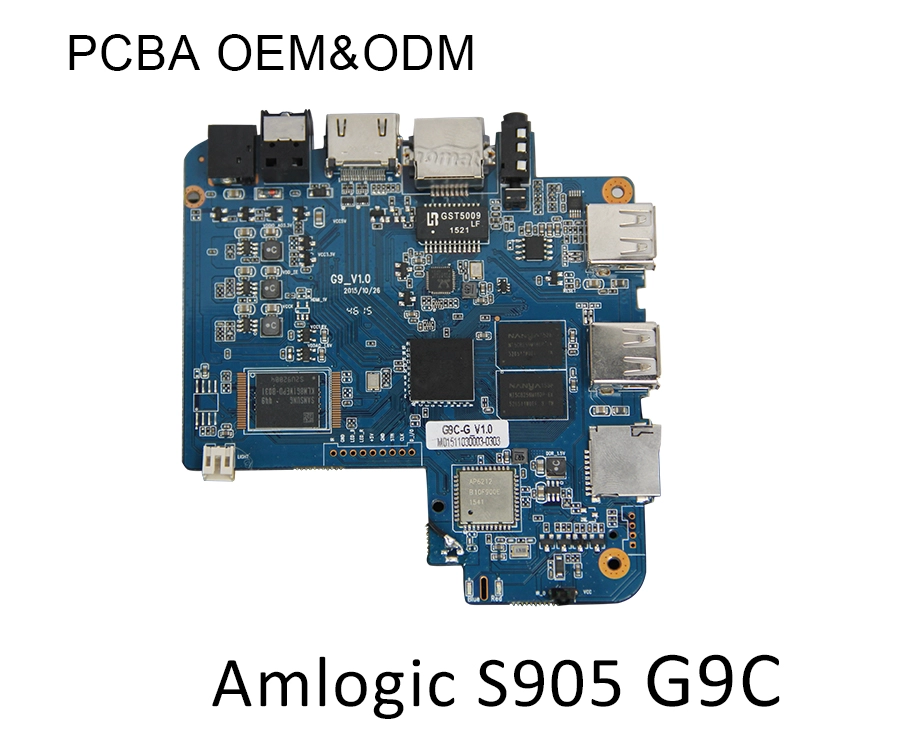
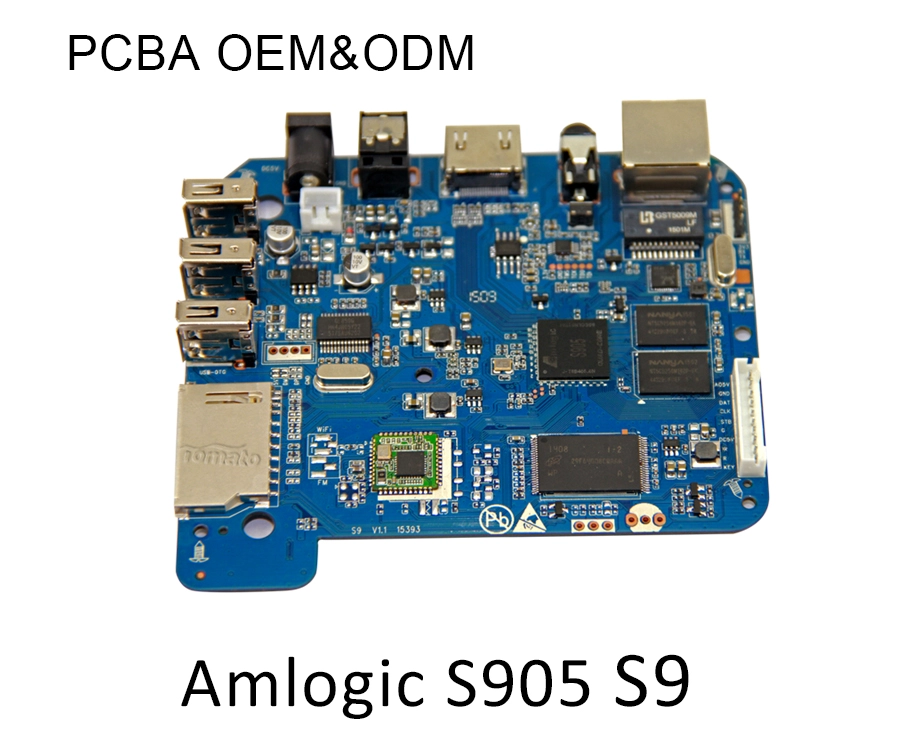
A common procurement pitfall is sourcing hardware with a high-performance WiFi 6 transceiver paired with a bottlenecked system-on-chip (SoC) or a poorly isolated Printed Circuit Board Assembly (PCBA). To prevent data bottlenecks, the entire hardware architecture must match the throughput capabilities of the 802.11ax standard.
SoC and Bus Bandwidth Specifications
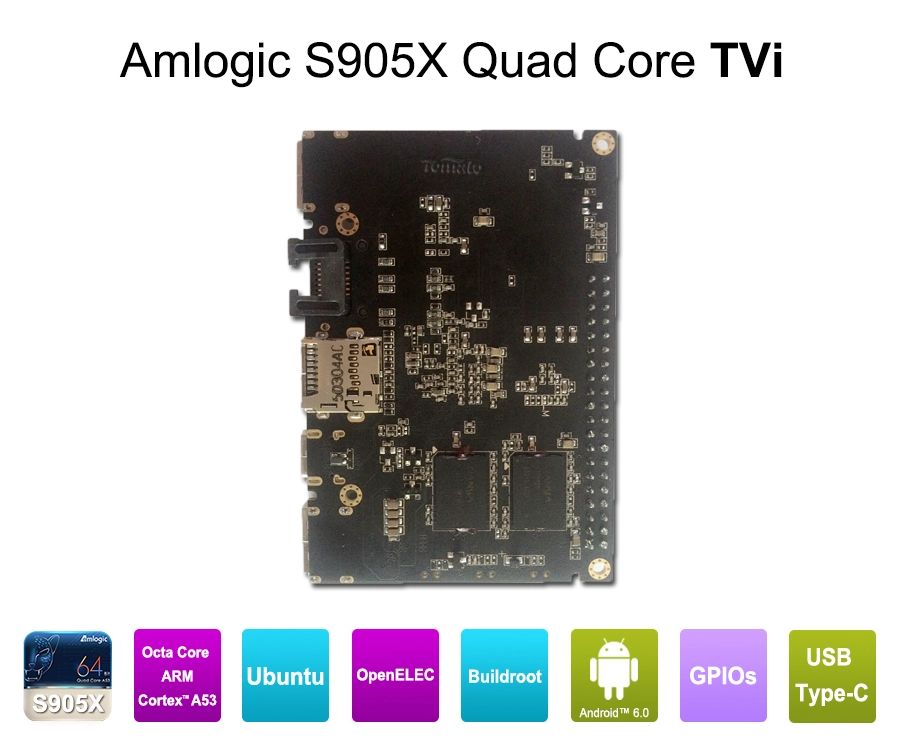
Ensure the Android TV Box utilizes an enterprise-grade SoC—such as advanced quad-core ARM Cortex-A55 or Cortex-A73 variants coupled with modern GPUs like the Mali-G52 or Mali-G57. Crucially, verify that the internal bus interface connecting the WiFi module to the CPU is PCIe-based or utilizes high-speed SDIO 3.0 interfaces. Low-end architectures often route WiFi 6 traffic through legacy USB 2.0 internal pathways, capping practical throughput at 480 Mbps regardless of wireless capability.
Hardware-Level PCBA Modifications
-
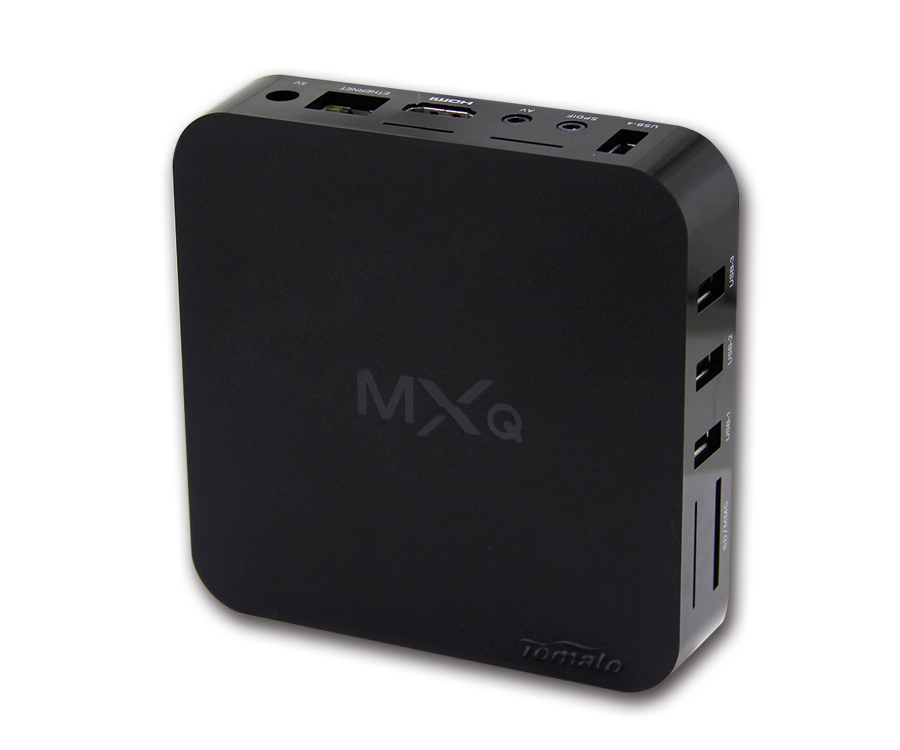
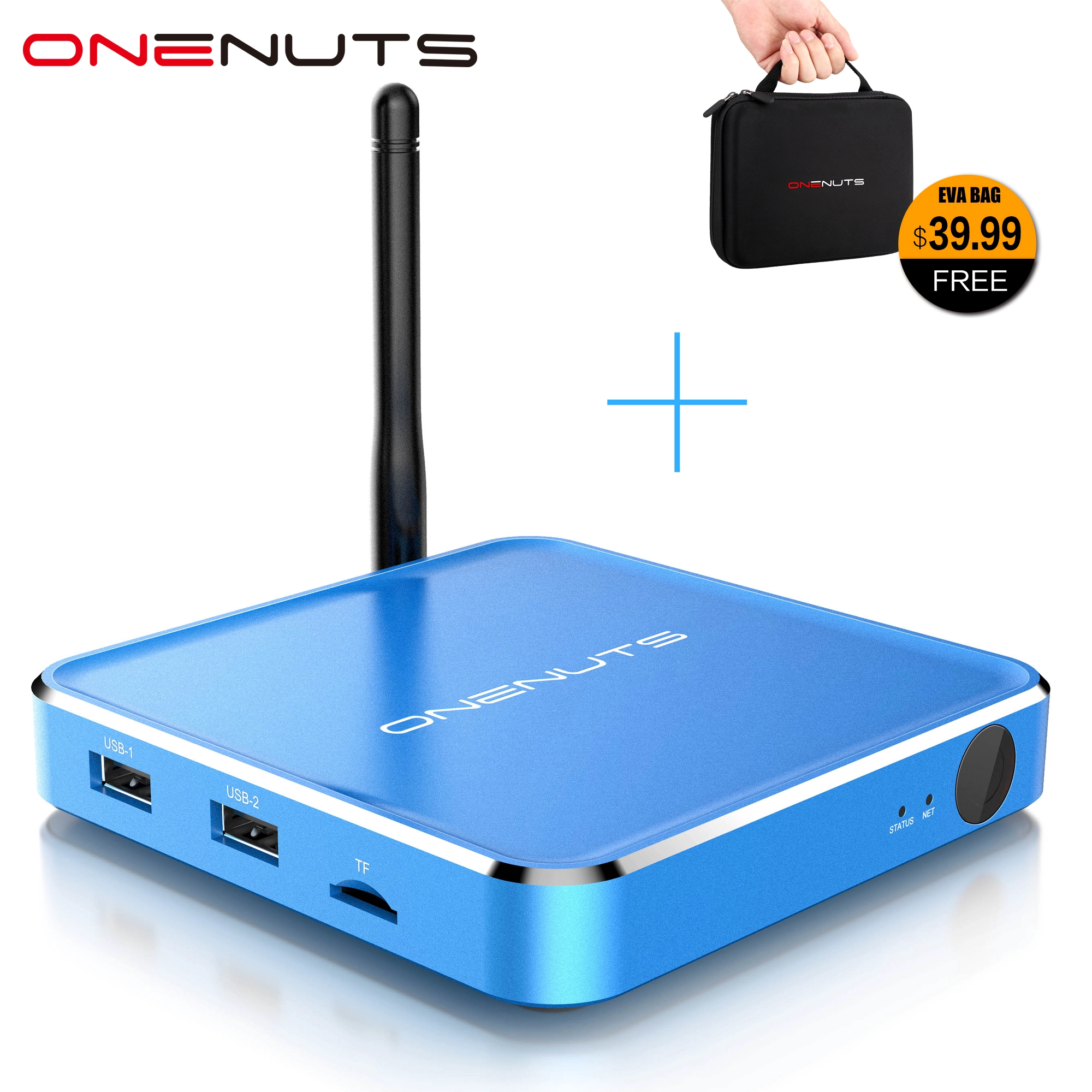
Dual-Band External Antenna Arrays: Internal PCB trace antennas are highly susceptible to electromagnetic interference (EMI) from the SoC and PMIC (Power Management IC). For commercial environments, select PCBA designs that feature external, high-gain antennas via U.FL or SMA connectors to preserve signal integrity (RSSI > -65 dBm).
-
Dedicated Thermal Management: WiFi 6 modules drawing maximum power during high-throughput 1024-QAM processing generate significant localized heat. Enterprise hardware must feature large passive aluminum heatsinks or direct thermal pads coupling the SoC and RF module to a metal casing to prevent thermal throttling and subsequent packet loss.
3. Firmware-Level Engineering and Network Optimization
Out-of-the-box consumer Android firmware is optimized for single-user entertainment, often including aggressive power-saving sleep cycles that drop network connections during idle periods. Commercial applications require specialized, firmware-level modification at the Android Open Source Project (AOSP) or Linux kernel layer.
[Access Point (WiFi 6)]
│
▼ (OFDMA / 1024-QAM)
[Hardware: U.FL / SMA External Antenna]
│
▼ (PCIe / SDIO 3.0 High-Speed Bus)
[Kernel Layer: Custom TCP/IP Stack & Wake-Locks]
│
▼ (AOSP Framework)
[Application Layer: 24/7 Digital Signage / IPTV App]
Critical OS Adjustments for Procurement Specifications:
-
Persistent Network Stability (No-Sleep Policies): The firmware must be engineered to disable standard Android Wi-Fi power-saving modes (e.g., forcing WifiManager.WifiLock at the system level). This ensures the device remains instantly responsive to remote server pings and content updates without network wake-up latency.
-
Supervised Network Stack and Static IP Configurations: For large-scale managed networks, the kernel should be configured to handle advanced VLAN tagging and robust static IP routing directly through enterprise mobile device management (MDM) API integrations.
-
Custom Boot-to-App Execution: The firmware must support direct boot-to-application initialization (Kiosk Mode) via the system framework, guaranteeing that if power is cycled, the device automatically reconnects to the secure WiFi 6 SSID and resumes content rendering without human intervention.
4. Mitigating Total Cost of Ownership (TCO) in B2B Deployments
When calculating procurement budgets for large-scale hardware rollouts, focusing solely on the initial unit cost of the Android TV Box overlooks systemic long-term expenses. Hardware lacking proper industrial engineering suffers from premature component degradation, driving up the Total Cost of Ownership (TCO) via field replacement labor and operational downtime.
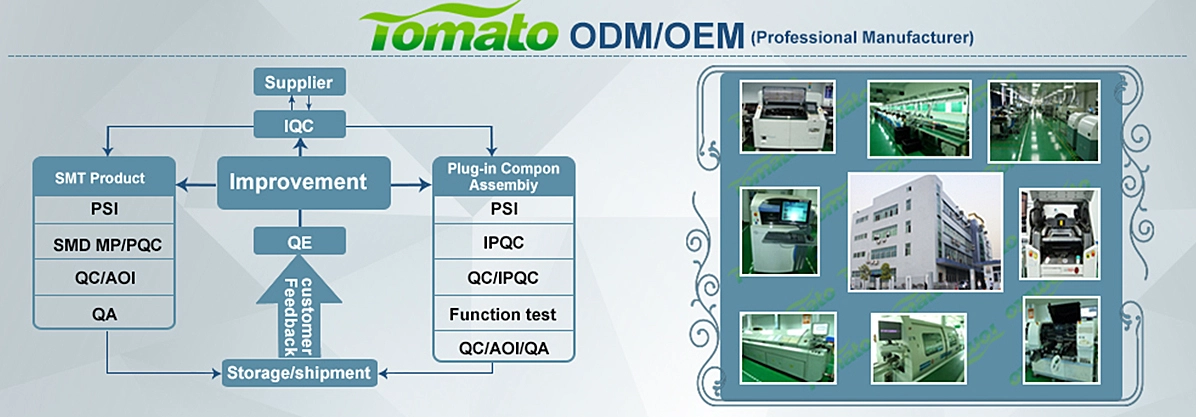
Investing in WiFi 6 hardware with customized PCBA layouts and optimized thermal cooling reduces hardware failure rates by up to 40% in high-temperature environments. Furthermore, sourcing units from manufacturers that provide direct OEM/ODM customization services allows for the removal of unnecessary consumer features (such as legacy analog ports or consumer bloatware). This simplifies the OS footprint, drastically reduces security vulnerabilities, and optimizes memory allocation for critical enterprise applications.
Strategic Procurement Framework
To secure operational reliability, procurement teams should validate that their hardware partners meet the following structural requirements:
-
Wireless Module Validation: Verification of genuine dual-band WiFi 6 chipsets (e.g., Ampak or Realtek series) supporting 2x2 MU-MIMO.
-
OS Transparency: Provision of root-level AOSP or Android Enterprise firmware access to implement custom system builds, custom boot animations, and deep API integrations.
-
Industrial Component Longevity: Commitment to a minimum 3-to-5-year component availability lifecycle to ensure hardware consistency across multi-phase project deployments.
For bulk enterprise sourcing, technical inquiries, and custom OEM/ODM firmware modification requests, please contact our engineering and B2B procurement division to review your specific project requirements.
