
Best CPU Platforms for Android TV Boxes in 2026
Best CPU Platforms for Android TV Boxes in 2026: Enterprise Sourcing Blueprint
Silicon procurement for commercial Android TV Box fleets has shifted from basic clock-speed metrics to dedicated silicon blocks: hardware video decoders, edge neural processing units (NPUs), and robust I/O interfaces. System integrators and commercial operators deploying hardware for digital signage, interactive kiosks, and edge computing face high field-failure rates when consumer-grade chips are run continuously.
In 2026, navigating the choices among Amlogic, Rockchip, and Allwinner requires an architectural evaluation. This technical guide breaks down the core silicon platforms dominating the B2B marketplace this year, matching specific processing engines to enterprise deployment profiles.
1. Silicon Market Segmentation: Amlogic vs. Rockchip vs. Allwinner
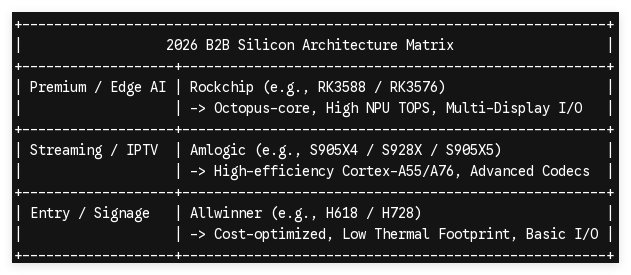
The commercial hardware ecosystem is divided into three distinct silicon tiers. Each manufacturer optimizes its System-on-Chip (SoC) layout for specific price-to-performance ratios and operational environments.
Amlogic: The Streaming and Codec Standard
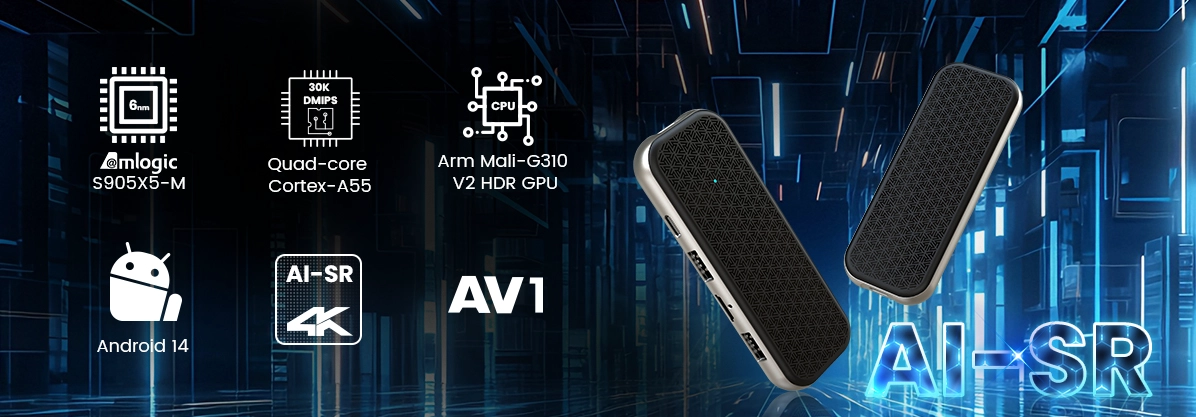
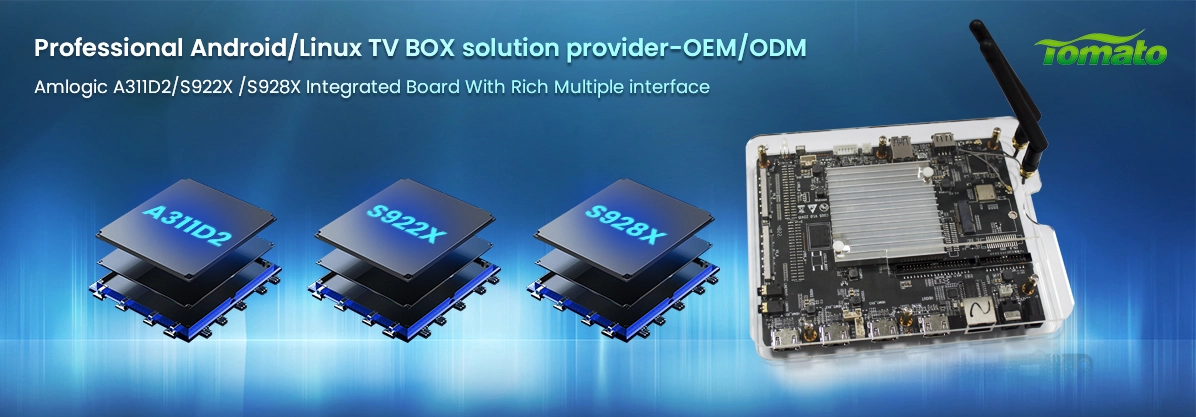
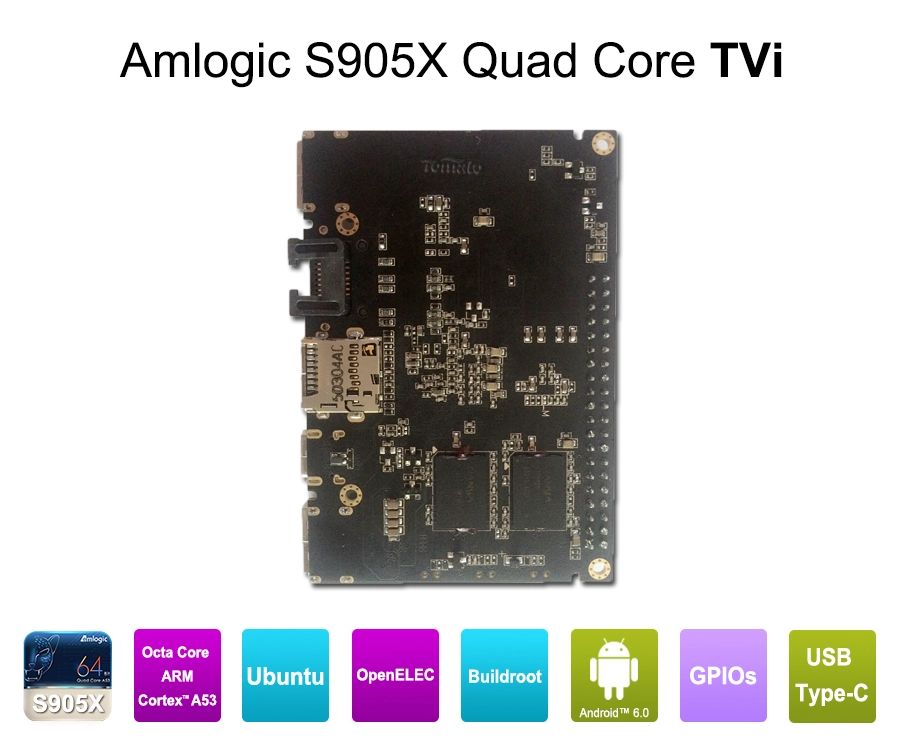
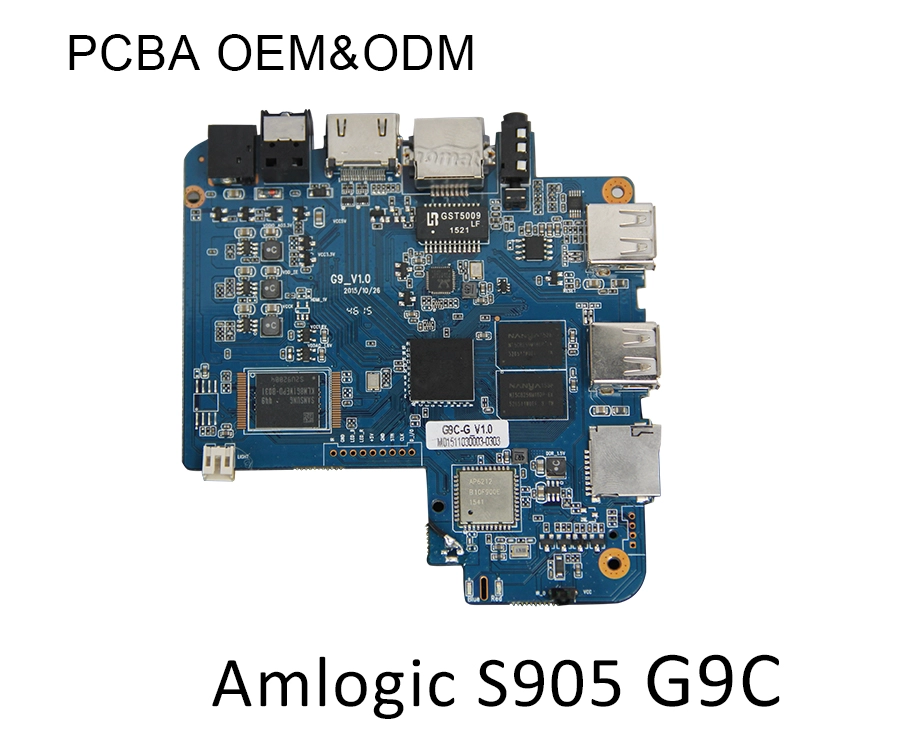
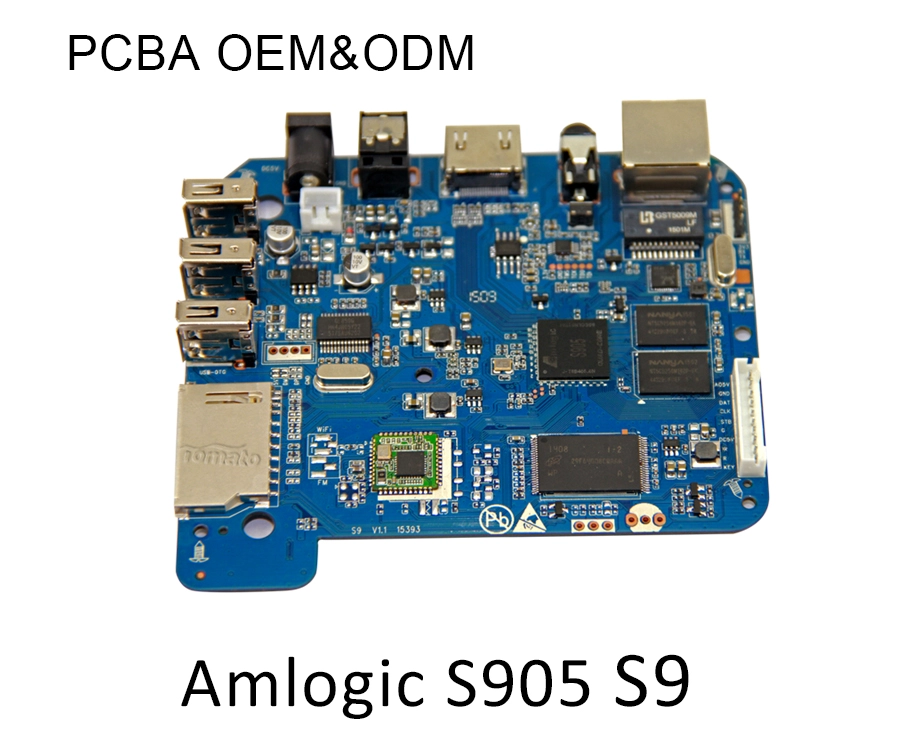
Amlogic continues to dominate deployments focused on media playback and content delivery networks (CDNs). Architectures like the Amlogic S905X4, the newer S905X5 (built on a power-efficient 6nm process), and the premium 8K-capable S928X prioritize hardware-accelerated video decoding blocks. They feature extensive support for advanced codecs like AV1 and Versatile Video Coding (VVC/H.266), which drastically reduce bandwidth requirements for multi-screen enterprise rollouts.
Rockchip: Industrial Performance and Edge Compute
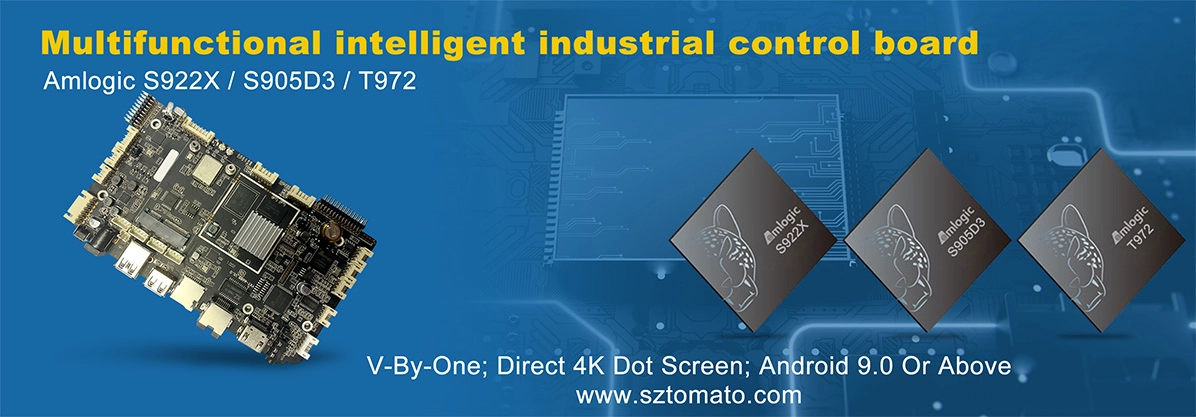
Rockchip platforms focus heavily on raw processing power, complex peripheral expansion, and edge artificial intelligence. The flagship Rockchip RK3588 (and mid-tier variants like the RK3576) utilize an octa-core big.LITTLE architecture (Cortex-A76 and Cortex-A55) paired with robust embedded NPUs providing up to 6 TOPS of compute power. This silicon is ideal for computer vision, AI-driven interactive retail analytics, and multi-channel video wall synchronization.
Allwinner: Cost-Optimized Static Displays
Allwinner platforms, such as the H618 and H728, serve budget-conscious, low-complexity deployments. While lacking the advanced computational power of Rockchip or the broad codec certifications of Amlogic, these SoCs offer stable, low-power operation for static digital menus, basic looping advertising players, and entry-level IoT gateways.
2. Technical Performance Benchmarks: Hardware Evaluation
When auditing sample PCBA designs from hardware suppliers, engineering teams must evaluate three technical benchmarks that directly impact field longevity and software compatibility.
Hardware Decoding Engines and Bitrate Thresholds
Software decoding drains CPU resources, spikes core temperatures, and drops frame rates. The hardware platform must feature dedicated VPU (Video Processing Unit) blocks capable of parsing 4K and 8K streams at 60fps with 10-bit color depth.
| Feature / Metric | Amlogic (S905X5 / S928X) | Rockchip (RK3588) | Allwinner (H728) |
|---|---|---|---|
| Primary Focus | Ultra-HD Media / IPTV | Edge AI / Multi-Display | Budget / Basic Playback |
| Max Decoding Resolution | 8K @ 60fps (S928X) | 8K @ 60fps / 4K @ 120fps | 4K @ 60fps |
| AV1 / VVC Support | Full Hardware Support | Native AV1 (VVC via CPU) | Basic AV1 Only |
| PCIe Interface | Limited/Internal | PCIe 3.0 (Up to 4 Lanes) | PCIe 2.0 / Shared |
Thermals and Lithography Node Efficiency
A smaller fabrication process directly corresponds to lower power draw and less heat generation under load. Amlogic’s transition to 6nm and 12nm architectures allows devices to run cool inside sealed enclosures. Conversely, industrial Rockchip chips fabricated on older or more complex nodes require robust thermal dissipation engineering—such as thick, die-cast aluminum heatsinks coupled directly to the SoC via high-conductivity thermal pads—to avoid CPU throttling at ambient temperatures above 40°C.
I/O Throughput and Peripheral Integration
For interactive retail systems or medical cart integrations, the CPU must act as an expandable data hub. Rockchip chips lead this category, providing native interfaces for dual Gigabit Ethernet, multiple PCIe lanes, SATA 3.0, and high-speed USB 3.1. Allwinner and entry-level Amlogic chips typically multiplex these lanes, restricting external peripheral bandwidth.
3. Firmware Customization and Operating System Longevity
A successful hardware deployment requires software compatibility that lasts the entire lifecycle of the device. The choice of CPU directly influences your development limits within the Android Open Source Project (AOSP) environment.
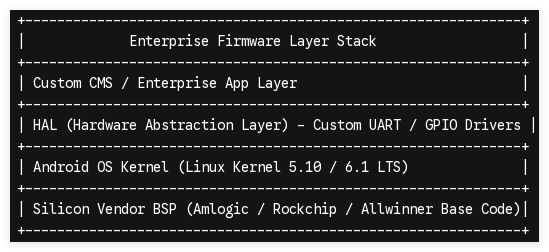
Board Support Package (BSP) Stability
Silicon vendors provide the foundational code (the BSP) that initializes the hardware. Rockchip provides highly open, developer-friendly Linux and Android kernel trees (often supporting long-term kernel versions like 5.10 and 6.1). This makes it easier to write custom drivers for specialized hardware like touch panels, barcode scanners, or thermal printers connected via GPIO or UART serial pins.
Android Version Support (Android 13 / 14 / 15)
Procuring hardware in 2026 means demanding modern Android baselines to guarantee security patch compliance and API longevity. Ensure your supplier is utilizing SoCs backed by active SDK updates from the chip manufacturer. Avoid legacy chips locked permanently to Android 10 or 11 due to hardware driver depreciation.
Watchdog Timer (WDT) and Auto-Power-On Hardware
True enterprise-grade firmware relies on a hardware-level Watchdog Timer built into the SoC power management unit. If an app freeze or system crash occurs, the WDT automatically force-reboots the device. This must be paired with an electrical hardware configuration on the PCBA that forces the device to boot immediately when AC power is applied, bypassing the physical power button entirely.
4. Operational Alignment: Matching Deployment Profiles to CPU Platforms
To optimize return on investment and avoid over-engineering or under-specifying hardware, use this alignment framework for your next procurement cycle:
Scenario A: High-Density Hospitality IPTV and Streaming
-
Recommended Platform: Amlogic S905X4 / S905X5
-
Justification: Lowest unit cost for fully certified AV1 decoding, optimal widevine DRM integration capabilities, and low power draw across thousands of continuous endpoints.
Scenario B: Smart Retail Video Walls and AI Analytics
-
Recommended Platform: Rockchip RK3588 / RK3576
-
Justification: Native multi-display outputs (driving multiple independent screens from a single box), high NPU capacity for local audience demographic sensors, and fast PCIe storage integration.
Scenario C: High-Volume Commercial Signage Networks
-
Recommended Platform: Allwinner H728 / Mid-range Amlogic
-
Justification: Delivers standard 4K H.265 playback loops at a highly competitive hardware cost, maximizing margins on large multi-location rollouts where advanced computation is unnecessary.
Engineer Your Fleet for Long-Term Reliability
Successful B2B hardware rollouts depend on choosing the right processing platform before production begins. Selecting a CPU requires auditing video decoding pipelines, thermal limits, and software driver scalability to match your long-term deployment goals.
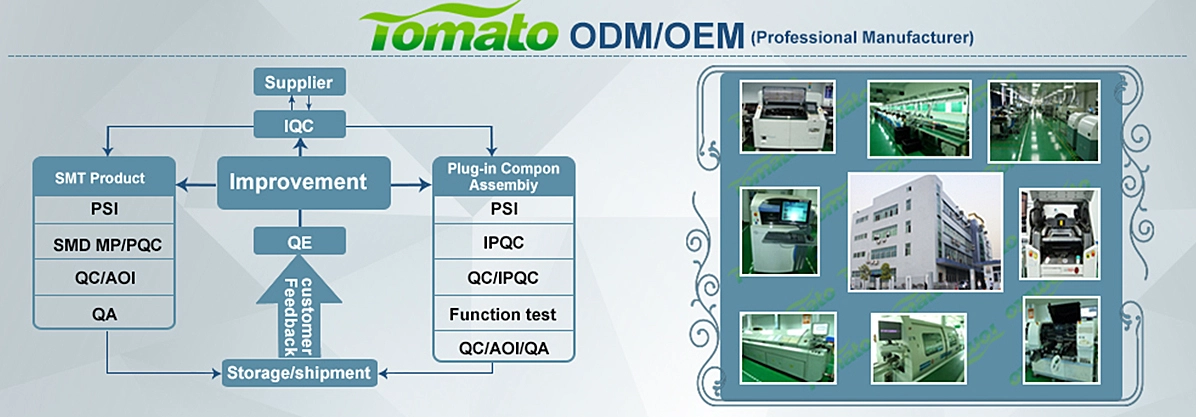
Our engineering team provides full-service OEM/ODM customization for high-performance Android TV Boxes and commercial media players. We handle everything from custom PCBA layout and component sourcing to firmware level modifications, kernel optimization, and peripheral driver integration tailored to your specific application requirements.
Contact our engineering desk today to speak with a hardware architect, review your technical specifications, or request hardware evaluation samples for your next deployment.
