
Comprehensive After-Sales Technical Support and Warranty Protection for Android TV Box OEM/ODM Projects
Comprehensive After-Sales Technical Support and Strict Warranty Terms for B2B Electronics
An Android TV Box can pass initial functional testing and still develop problems after deployment. A firmware update may interrupt a customized application, an HDMI handshake may fail with a particular display, or sustained workloads may expose a thermal weakness that short-duration testing did not reveal. In IPTV and Digital Signage projects, even a small number of recurring device failures can increase service costs across hundreds or thousands of installed units.
These problems require more than a replacement policy. They require a structured after-sales process that connects field diagnostics, hardware analysis, firmware maintenance, and warranty administration.
For brand owners, distributors, telecom operators, and system integrators, the manufacturer’s after-sales capability is an important part of the total cost of ownership. Clear responsibility boundaries, reproducible fault-reporting procedures, and technically grounded warranty terms help protect deployment budgets and reduce uncertainty throughout the product lifecycle.
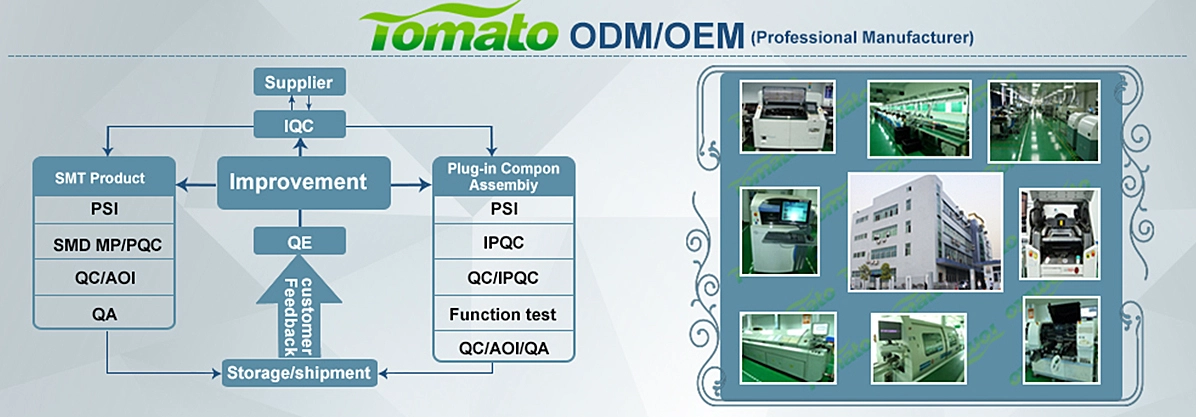
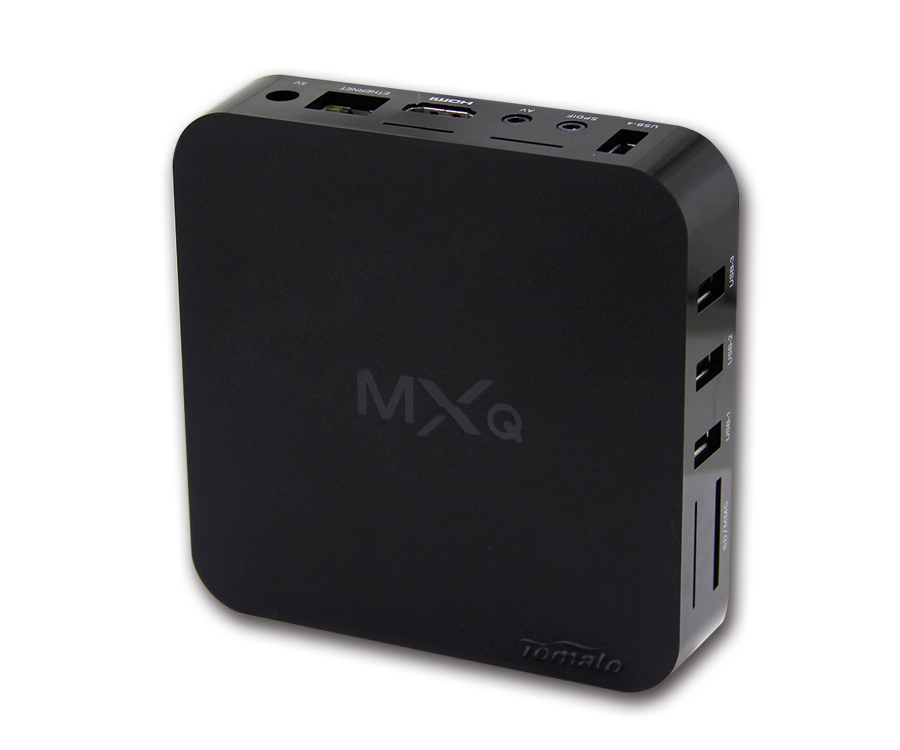
SZTomato supports OEM/ODM manufacturing projects across Android TV Boxes, IPTV Set-Top Boxes, Streaming Media Players, Digital Signage systems, and Android Mini PCs. Effective after-sales planning should begin during product development, rather than after the first field failure.
1. How to Build an Effective After-Sales Technical Support Process
A useful support system separates the initial symptom from the underlying cause. A device that fails to boot, loses network connectivity, or produces no HDMI output may have a hardware defect, a firmware problem, a configuration issue, or an incompatibility with another component in the deployment environment.
The diagnostic process should identify the fault category before the manufacturer recommends repair, replacement, or a software correction.
Establish a standardized fault-reporting procedure
B2B customers should be able to submit a technical case with enough information for the engineering team to reproduce the problem.
A practical report should include:
-
Product model, serial number, hardware revision, and purchase or shipment reference.
-
Firmware build number, operating-system version, and relevant configuration details.
-
Failure symptoms, occurrence frequency, and the steps required to reproduce the issue.
-
Power supply specifications, connected peripherals, network environment, and display model where relevant.
-
System logs, crash records, photographs, or short videos demonstrating the fault.
-
Any recent firmware updates, configuration changes, or environmental changes preceding the incident.
For example, a Streaming Media Player that intermittently loses HDMI output should be tested with the original power supply, a known-compatible display, and a verified cable. The support team can then investigate EDID negotiation, HDMI mode selection, HDCP authentication, firmware behavior, and hardware signal integrity as appropriate.
This process reduces unnecessary component replacements and gives engineers a more reliable starting point for root-cause analysis.
Separate hardware, firmware, and integration failures
A structured diagnostic workflow typically evaluates three areas.
Hardware faults: These may involve the power-management circuit, connectors, memory, storage, wireless module, solder joints, or other PCBA components. Depending on the symptoms, the investigation may include electrical measurements, board inspection, functional testing, or component-level analysis.
Firmware faults: These may involve bootloader behavior, Android system services, Linux or Android kernel drivers, application crashes, memory management, OTA updates, or power-management configuration. Logs and reproducible test cases are important for distinguishing software defects from hardware instability.
System integration faults: These arise when a device interacts with third-party middleware, streaming applications, display equipment, network infrastructure, or external control systems. SDK/API behavior, authentication, network policies, application versions, and interface compatibility may all require examination.
The distinction matters because each category has a different corrective path. Replacing a motherboard will not resolve an application configuration error, while a firmware patch cannot repair a defective power circuit.
Define escalation and response expectations
A professional after-sales agreement should describe how support cases are submitted, acknowledged, prioritized, investigated, and closed.
Customers should clarify the applicable response targets, technical escalation contacts, information required for diagnosis, and procedures for urgent deployment incidents. Response time should be distinguished from resolution time: an initial acknowledgement does not mean the root cause has been identified or the issue corrected.
For larger deployments, a case-tracking process can help customers monitor open issues, corrective actions, replacement requests, and firmware releases. Recurring faults should trigger a broader review rather than being treated as isolated incidents indefinitely.
2. Warranty Terms That Protect Both Buyers and Manufacturers
A warranty is only useful when its scope, duration, exclusions, and claim procedures are clear before an order is placed. Ambiguous language can create disputes over shipping costs, installation labor, firmware modifications, and failures caused by external equipment.
B2B procurement teams should review the warranty document alongside the quotation, purchase agreement, product specification, and any project-specific service-level agreement.
Define coverage and exclusions precisely
A hardware warranty commonly addresses manufacturing defects and component failures under specified conditions of use. The actual coverage period and remedy depend on the manufacturer's written policy and the applicable commercial agreement.
The contract should clearly identify:
-
The warranty start date and coverage duration.
-
The products, accessories, and components covered.
-
The process for reporting and verifying a suspected defect.
-
Whether the remedy is repair, replacement, credit, or another agreed action.
-
Responsibility for shipping, customs, diagnosis, and return logistics.
-
Any inspection, return authorization, or evidence requirements.
-
Exclusions relating to misuse, unauthorized repair, physical damage, improper power supplies, liquid exposure, or operation outside specified environmental limits.
For customized products, the agreement should also address customer-supplied components, third-party software, unsupported modifications, and changes made without written engineering approval.
Warranty exclusions should be specific and consistent with the signed agreement and applicable law. Procurement teams should not rely on general marketing statements as a substitute for the actual warranty terms.
Distinguish hardware warranty from software support
Hardware coverage and software maintenance are related but different obligations.
A hardware warranty may cover a qualifying PCBA or component defect. Firmware support may instead involve diagnosing a software issue, providing an approved firmware image, correcting a reproducible defect, or assisting with recovery from a failed update.
The contract should explain whether software troubleshooting is included, whether customized firmware maintenance has a defined support period, and whether new features or major operating-system upgrades require a separate development agreement.
This distinction is particularly important for OEM/ODM projects involving custom UI/UX firmware, SDK/API integration, device-management software, or third-party IPTV middleware.
For OTA update systems, the parties should define the supported firmware branch, release approval process, update delivery method, recovery mechanism, and responsibilities for testing. An OTA update should not be treated as a guaranteed remedy for every field issue, particularly when the device is unable to boot or connect to the network.
Customers should also clarify how firmware changes interact with digital rights management, HDCP requirements, security controls, and third-party application certification. A manufacturer can support technical integration, but platform certification and licensing obligations must be assigned explicitly.
Agree on the RMA process before shipment
A return merchandise authorization (RMA) procedure should specify how a suspected defective unit is returned, assessed, and resolved.
A practical process includes case registration, fault evidence collection, authorization for return, receipt and inspection, failure analysis, corrective action, and the agreed repair or replacement outcome.
For large orders, customers should discuss how repeated defects are handled, whether batch-level investigation is available, and how the parties will manage potentially affected inventory.
A warranty agreement should also distinguish confirmed manufacturing defects from no-fault-found returns. Clear diagnostic criteria prevent avoidable disputes and help both parties improve product reliability.
3. Engineering Support for Firmware, PCBA, and Industrial Reliability
After-sales support is most effective when the manufacturer can investigate the design itself. A reseller may be able to replace a unit, but resolving a recurring hardware or firmware defect often requires access to engineering knowledge, approved design information, and the original software configuration.
For OEM/ODM buyers, this capability can be especially important when the product differs from a standard reference design.
Diagnose PCBA problems at the engineering level
PCBA hardware modification introduces design variables that may affect field reliability. Changes to power delivery, high-speed routing, connectors, antenna placement, or peripheral interfaces can influence electrical performance and electromagnetic compatibility.
When repeated failures appear, an engineering review may examine the PCB revision, bill of materials, component tolerances, power rails, connector integrity, and relevant test results.
SZTomato supports PCBA customization for projects requiring hardware configurations beyond a standard product. The appropriate after-sales response depends on the approved design, available diagnostic evidence, and the agreed scope of engineering support.
For example, a device that reboots under simultaneous CPU/GPU workloads and Wi-Fi activity may require investigation of power stability, thermal behavior, firmware load, and peripheral interactions. Replacing units without identifying the common failure mechanism can allow the same issue to recur in subsequent batches.
Maintain firmware consistency and controlled updates
Customized Android firmware and Linux-based platforms require version control throughout production and field deployment.
The support plan should identify the approved firmware build, hardware revision, configuration profile, and update procedure. When a defect is corrected, the revised image should be validated against the affected hardware and application requirements before release.
Linux/Android kernel optimization may be relevant when diagnosing driver instability, peripheral compatibility, power-management issues, or sustained performance problems. SDK/API integration may require additional testing when third-party software or middleware changes.
For commercial deployments, the manufacturer and customer should agree on how software issues are reproduced, how patches are tested, and how changes are communicated. Where remote updates are supported, staged rollout and rollback planning can reduce the risk of introducing a widespread fault.
Customers should retain approved firmware images and deployment records. This makes it easier to compare affected and unaffected devices, identify version-specific issues, and restore a known-good configuration when necessary.
Address thermal issues in continuous-operation environments
Industrial and commercial deployments can impose more demanding operating conditions than short-duration consumer use.
Digital Signage players may operate for extended periods inside display enclosures, cabinets, or poorly ventilated installation spaces. Thermal stress can affect the SoC, memory, power regulators, storage, and wireless components.
Troubleshooting should consider ambient temperature, enclosure airflow, installation orientation, sustained workload, power supply quality, and software behavior.
Depending on the root cause, corrective measures may involve revised component placement, improved heat spreading, thermal interface materials, a heatsink, enclosure changes, or specialized cooling solutions for industrial use. Firmware-level adjustments to CPU/GPU operating policies may also be appropriate where supported by the platform.
Any corrective change must be validated against the actual operating environment. A design modification that improves cooling in one enclosure may not produce the same result in another installation.
For OEM/ODM projects, it is therefore useful to define thermal acceptance criteria and operating limits during product development. These records provide a reference point for later warranty investigations and help distinguish manufacturing defects from operation outside the agreed specifications.
4. Long-Term Technical Support and Product Lifecycle Management
A deployed device may remain in service long after its initial warranty period. For telecom operators, IPTV service providers, and Digital Signage integrators, replacement hardware is only one part of lifecycle management. Firmware compatibility, application changes, security maintenance, component availability, and installation consistency can influence the cost of maintaining a fleet.
A manufacturer relationship should therefore establish what support remains available after the initial sale.
Plan for component changes and product continuity
Electronic components can become unavailable or require substitution during a product's commercial lifecycle. A replacement SoC, memory component, wireless module, or power-management IC may require hardware revisions, firmware adjustments, renewed validation, or certification review.
The parties should agree on an engineering change notification process. Material changes should be assessed for compatibility and communicated before they affect production or service inventory.
Where a product must remain available for several years, buyers should discuss component lifecycle visibility, approved alternatives, spare-unit planning, and the feasibility of maintaining a consistent hardware and firmware baseline.
Establish realistic support commitments
Long-term support should be defined according to the product and deployment rather than assumed to be unlimited.
Relevant contractual details include the support period, supported firmware versions, defect-reporting channel, availability of engineering assistance, treatment of new feature requests, and any fees for work outside the agreed scope.
A support agreement may also define target response times by severity, maintenance-release procedures, and the escalation process for widespread incidents. These commitments should reflect actual engineering capacity and should not confuse a target response time with a guaranteed fix date.
For OEM/ODM projects, a written support framework gives the customer a clearer basis for forecasting service costs and planning product updates.
Measure support performance through evidence
A mature after-sales process can be evaluated through operational indicators such as:
-
Time to acknowledge and classify a technical case.
-
Time required to reproduce a reported defect.
-
Time to identify a verified root cause.
-
Recurrence rate after corrective action.
-
Warranty claim rate by product model or production batch.
-
Firmware update success and recovery rates, where applicable.
-
Repeat failures associated with the same component or software build.
These metrics should be interpreted in context. A short acknowledgement time is useful, but it does not prove that the underlying problem has been resolved. Similarly, a low reported failure rate is meaningful only when claim reporting, installed-unit volume, and the observation period are understood.
For larger B2B deployments, reviewing these indicators with the manufacturer can help identify recurring problems, prioritize engineering improvements, and reduce avoidable service costs.
Choose an OEM/ODM Partner That Supports the Entire Product Lifecycle
For B2B procurement managers, brand owners, distributors, telecom operators, and system integrators, after-sales support should be evaluated before the purchase order is issued. A clear warranty policy defines commercial responsibility; a capable engineering team provides the technical path to diagnosing and correcting defects.
SZTomato supports OEM/ODM projects involving Android TV Boxes, IPTV Set-Top Boxes, Streaming Media Players, Digital Signage devices, and Android Mini PCs. Its customization capabilities include PCBA hardware modification, custom UI/UX firmware, SDK/API integration, and specialized cooling solutions for industrial applications.
When evaluating a project, buyers should establish the expected warranty coverage, diagnostic workflow, firmware maintenance responsibilities, RMA procedure, and long-term support requirements in writing. The applicable terms should be confirmed in the quotation, warranty document, and project agreement rather than assumed from general product descriptions.
Discuss your OEM/ODM requirements with SZTomato. Provide your product specification, target application, expected order volume, operating environment, firmware requirements, and service expectations. This information allows the project team to assess the engineering scope and establish a support and warranty framework aligned with your deployment needs.
