
Direct Factory Supply Streaming Media Player with CE, FCC, and RoHS Compliance
Why Compliance Must Be Verified Before Ordering a Streaming Media Player
A Streaming Media Player intended for international distribution must satisfy both technical requirements and the regulatory obligations applicable to its destination market. A device that performs reliably in a laboratory may still face shipment delays, customer qualification issues, or market-access restrictions if its documentation, radio configuration, or production components do not match the approved product configuration.
CE, FCC, and RoHS are not interchangeable certifications. Each addresses a different set of requirements, and buyers should evaluate the actual evidence behind a supplier's compliance claims.
CE, FCC, and RoHS Address Different Requirements
CE marking for applicable European markets
CE marking indicates that the manufacturer declares conformity with the EU legislation applicable to the product. Depending on the Streaming Media Player's design, relevant requirements may include electromagnetic compatibility, electrical safety under applicable legislation, radio equipment requirements for wireless models, and restrictions on hazardous substances where applicable.
The specific assessment route depends on the product, applicable legislation, and harmonized standards. CE marking should not be treated as a universal quality certificate or proof that every possible European requirement has been met.
FCC requirements for the United States
A Streaming Media Player with Wi-Fi or Bluetooth may fall under FCC equipment authorization requirements for its radio functions. Other electronic configurations may be subject to applicable unintentional-radiator requirements.
Buyers should request the relevant FCC identification or compliance documentation, as applicable, and verify that the covered model, radio modules, antennas, and hardware configuration match the product being purchased. A supplier's general statement of FCC compliance is not a substitute for model-specific evidence.
RoHS requirements for restricted substances
RoHS requirements restrict specified hazardous substances in electrical and electronic equipment within their applicable scope. Compliance depends on the relevant materials, components, exemptions, and supporting technical documentation.
A credible supplier should be able to explain how component declarations, material information, and applicable testing support the product's conformity.
For procurement teams, the key question is not simply whether a factory advertises CE, FCC, and RoHS. It is whether the evidence applies to the exact model, hardware revision, radio configuration, and destination market.
How to Qualify a Factory-Direct Streaming Media Player Supplier
Direct factory sourcing can improve engineering communication, customization flexibility, and production planning. However, factory-direct purchasing creates value only when the supplier can demonstrate control over hardware configuration, compliance documentation, firmware releases, and manufacturing quality.
Evaluate the Complete Compliance Package
Before issuing a purchase order, request a model-specific documentation package covering the intended market and product configuration.
| Verification area | Evidence to request |
|---|---|
| Product identity | Exact model number, hardware revision, and product specifications |
| CE conformity | Applicable EU legislation, conformity documentation, and supporting technical evidence |
| FCC compliance | Applicable equipment authorization records, test reports, or other relevant compliance evidence |
| RoHS conformity | Applicable declarations, material documentation, and supporting test evidence |
| Wireless configuration | Wi-Fi/Bluetooth module details, antenna configuration, and applicable radio documentation |
| EMC performance | Relevant emissions and immunity test results for the product configuration |
| Manufacturing consistency | Approved bill of materials, component traceability, and change-control procedures |
| Firmware control | Software version records, update policy, and configuration management |
Documentation requirements vary by product and jurisdiction. A test report may support a conformity assessment, but it does not automatically replace a declaration, authorization, or other document required by the applicable regulatory framework.
Buyers should also clarify who acts as the manufacturer, importer, or other responsible economic operator under the applicable rules. Contractual responsibility for maintaining technical documentation, handling component changes, and addressing regulatory updates should be established before mass production.
Control Engineering Changes After Qualification
A qualified device can become a different compliance proposition when its hardware changes. Replacing a wireless module, modifying an antenna, changing the enclosure, altering the power supply, or introducing a new PCB layout can affect the validity or applicability of existing test evidence.
This is especially relevant to OEM/ODM projects, where customization is part of the commercial agreement.
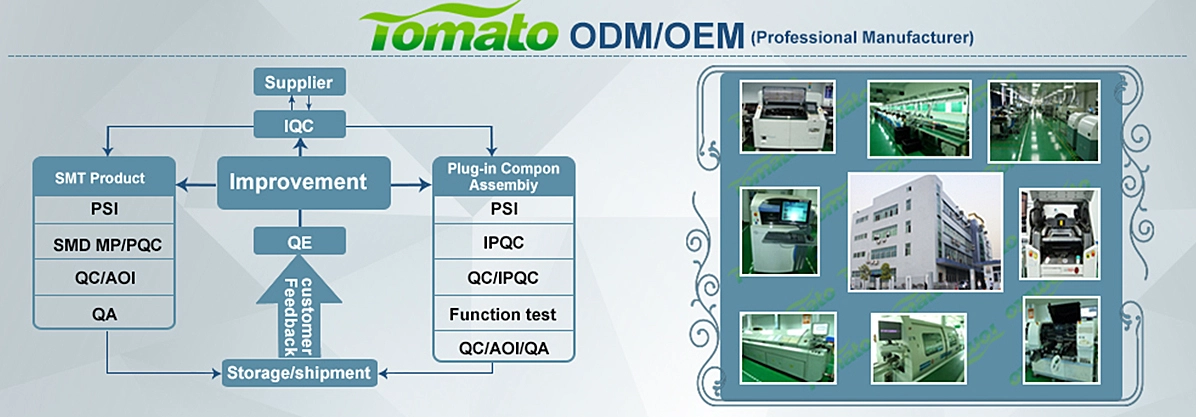
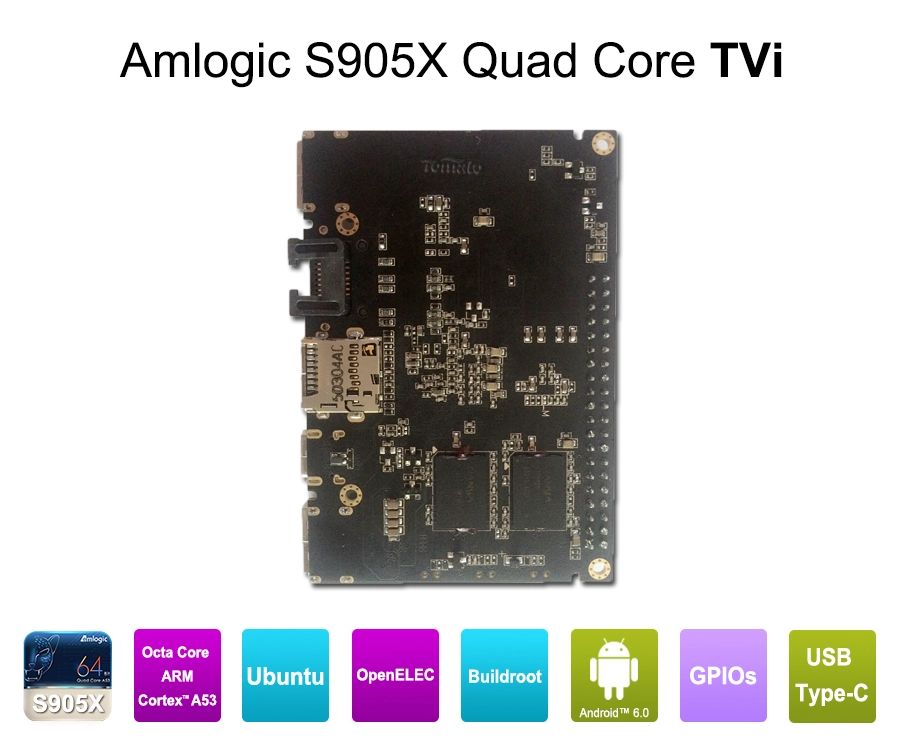
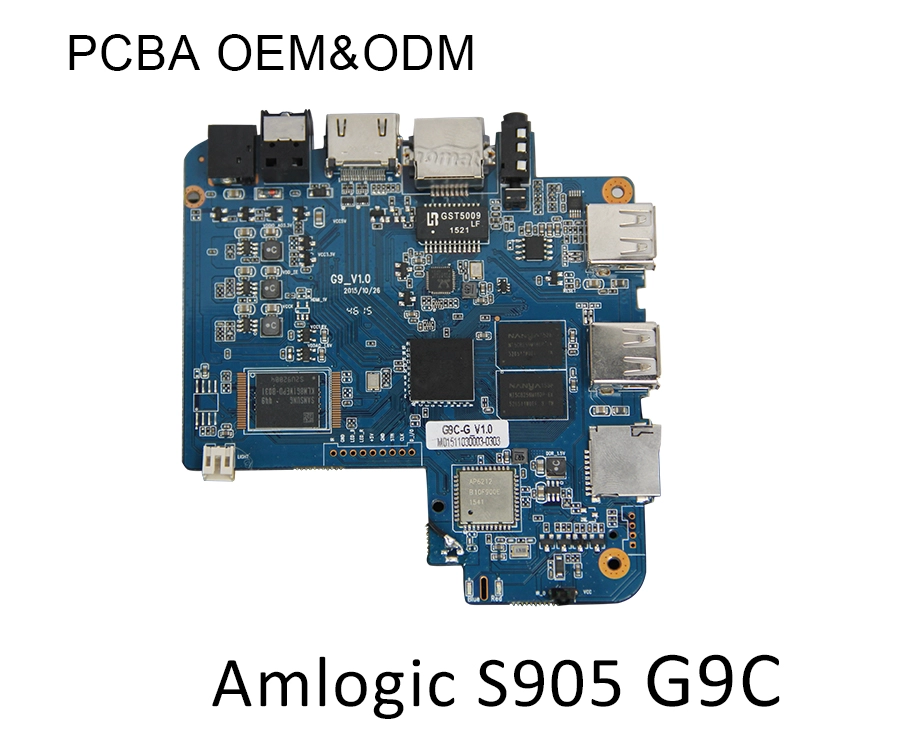
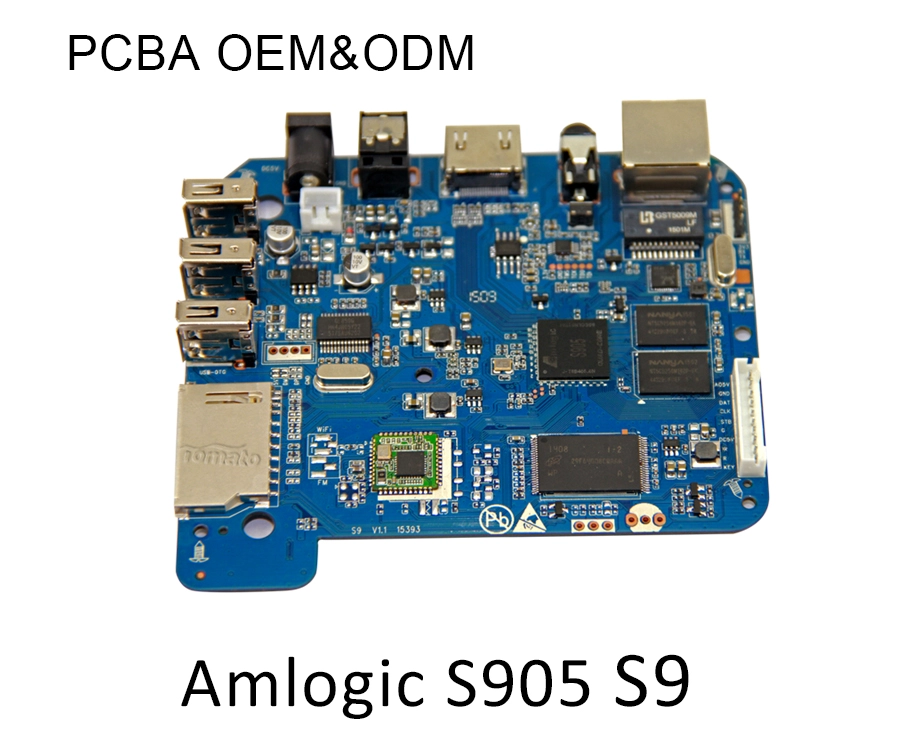
SZTomato can support PCBA hardware modification, product configuration adjustments, and engineering coordination for customer-specific requirements. Each proposed change should be assessed for its technical impact and whether additional testing, documentation, or regulatory review is necessary.
The recommended process is straightforward: establish a baseline configuration, approve the bill of materials, document engineering changes, and confirm the compliance implications before releasing modified products for production.
Hardware and Firmware Customization for Commercial Streaming Applications
A compliant Streaming Media Player must also meet the deployment's performance, connectivity, thermal, and software requirements. The correct design depends on whether the device serves a residential IPTV platform, a telecom operator, a hospitality network, a commercial display, or a managed enterprise environment.
Select the SoC and PCBA for the Actual Workload
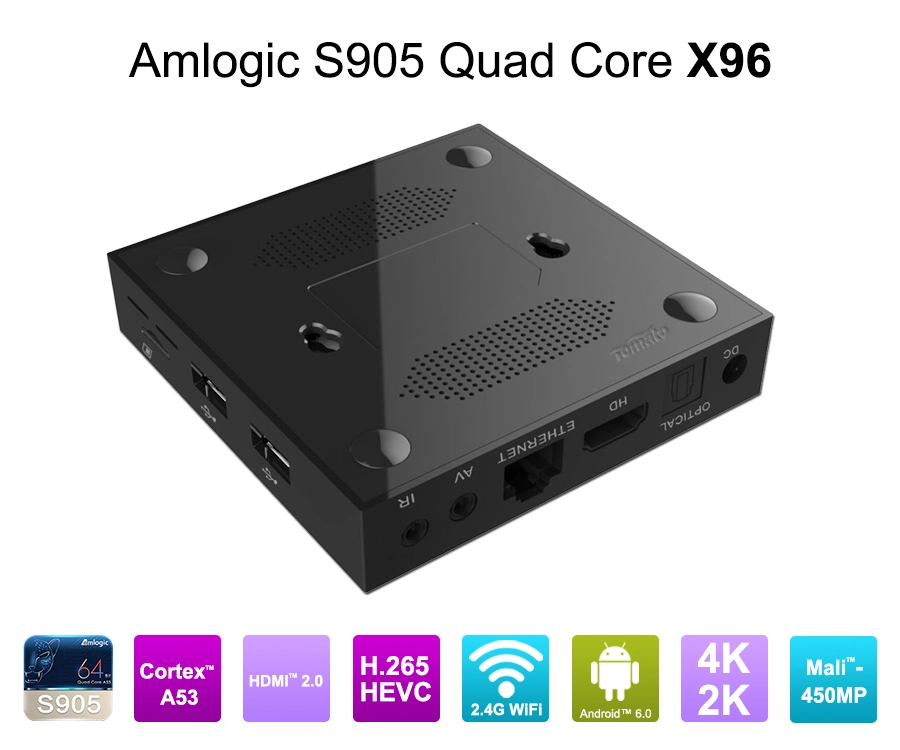
The system-on-chip (SoC) determines much of the device's processing capability, graphics performance, multimedia acceleration, and peripheral support. A suitable platform should be selected against the intended video formats, resolution, frame rate, application requirements, and expected service life.
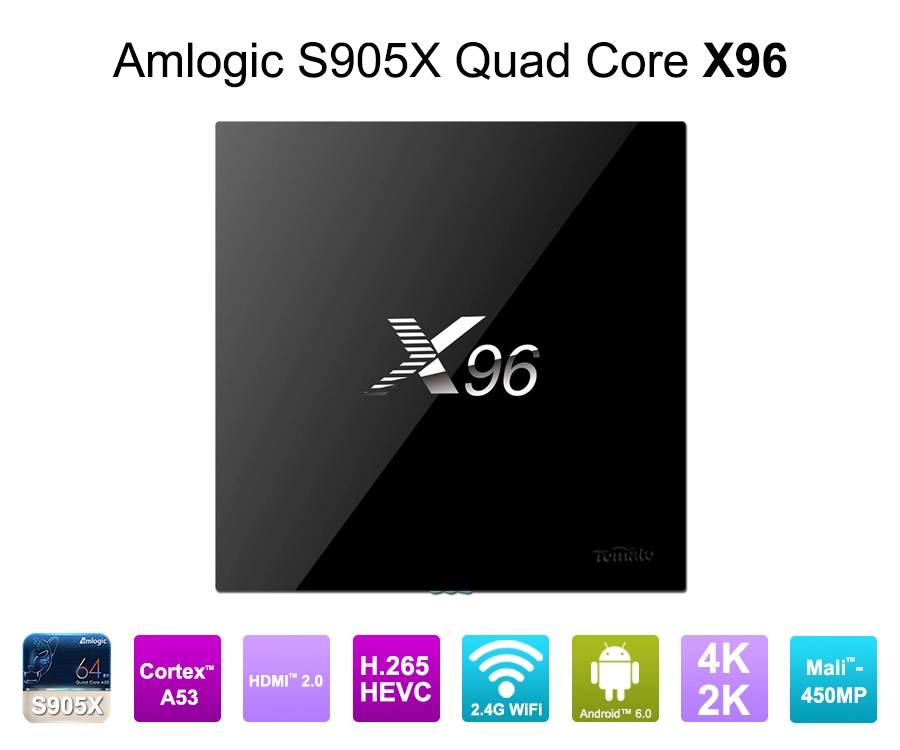
For 4K deployments, buyers should verify supported hardware decoding for codecs such as HEVC/H.265, VP9, or AV1 where required. Codec support should be checked against the precise SoC variant, firmware implementation, and licensing requirements rather than inferred from a chipset family name.
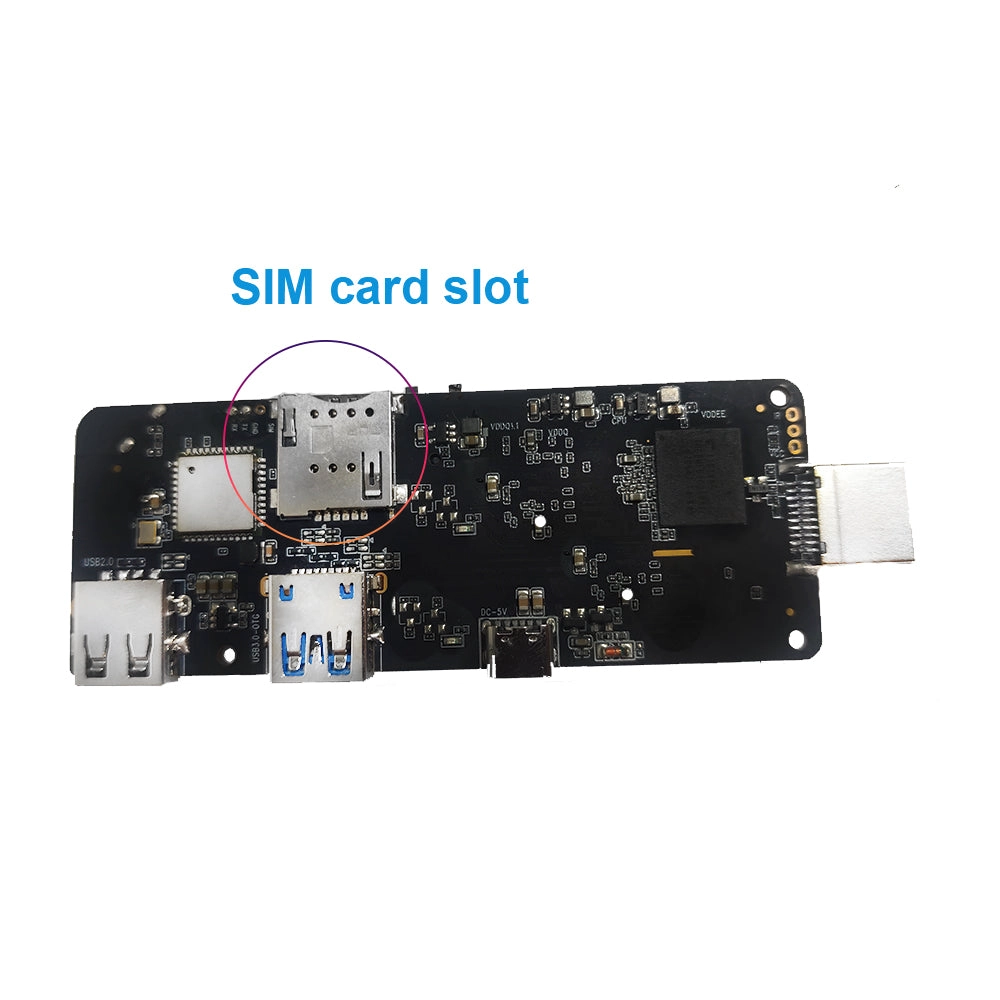
The PCBA must provide the interfaces needed by the deployment, including the appropriate HDMI output, Ethernet, USB, wireless connectivity, and any specialized control or peripheral interfaces.
Thermal management also requires attention. Continuous video decoding, wireless activity, and background application processing can generate sustained heat in compact enclosures. Component placement, power delivery efficiency, thermal interfaces, heatsink design, and enclosure airflow all influence operating stability.
For industrial or continuously operated installations, SZTomato can support PCBA layout modifications and specialized cooling solutions based on the operating environment. Thermal acceptance criteria should be validated under realistic ambient temperatures, mounting conditions, and sustained workloads.
Integrate Firmware, Security, and Remote Management
Hardware alone does not determine the user experience or operational cost of a streaming deployment. Firmware affects boot time, resource utilization, application compatibility, media playback, security maintenance, and device management.
SZTomato's customization capabilities can include:
-
Custom UI/UX firmware: Adapt menus, branding, navigation, and application access to a distributor's or operator's service model.
-
SDK/API integration: Connect the device with content platforms, enterprise applications, device-management systems, or customer-specific services.
-
Android/Linux optimization: Evaluate kernel configuration, device drivers, media frameworks, power-management behavior, and background services against the selected platform.
-
OTA update integration: Support update workflows with package verification, controlled deployment, failure recovery, and rollback where the platform permits.
-
HDCP and DRM integration considerations: Verify that the SoC, HDMI implementation, licensed components, and software stack support the content-protection requirements of the intended services.
HDCP is a content-protection mechanism for supported digital output paths, not a general guarantee of streaming-service compatibility. Commercial streaming applications may also require particular DRM provisions, certification, or licensing. These dependencies should be resolved during platform selection rather than after production tooling and firmware development are complete.
For operator-managed deployments, firmware acceptance testing should cover application launch, network recovery, playback stability, security updates, remote administration, and the recovery process after a failed update. These checks reduce the risk of deploying devices that pass initial inspection but become difficult to maintain in the field.
Reduce Procurement Risk with a Long-Term OEM/ODM Strategy
The lowest unit price does not always produce the lowest total cost of ownership. Regulatory rework, firmware incompatibility, inconsistent components, field failures, and unplanned engineering changes can offset initial savings.
A factory-direct partnership should therefore be evaluated across four dimensions: engineering capability, compliance management, manufacturing quality, and post-production support.
For distributors and brand owners, a stable approved configuration helps maintain product consistency across repeat orders. For IPTV operators and telecom providers, firmware maintenance and platform integration may be as important as the hardware specification. For system integrators, interface flexibility, thermal stability, and compatibility with the wider system can determine project success.
A structured sourcing plan should define:
-
The destination markets and applicable regulatory requirements.
-
The required SoC, video capabilities, connectivity, and peripheral interfaces.
-
The firmware, SDK/API, security, and remote-management scope.
-
The compliance documentation and validation required for the approved configuration.
-
The production quality criteria, change-control process, and ongoing technical support expectations.
These requirements should be agreed upon before the engineering sample is approved. This gives procurement, engineering, and compliance teams a shared basis for evaluating the supplier.
Source Your Custom Streaming Media Player Directly from SZTomato
For B2B procurement managers, IPTV operators, brand owners, distributors, and system integrators, a dependable Streaming Media Player supplier must deliver more than factory pricing. The supplier needs to align hardware performance, market-specific compliance, firmware requirements, manufacturing consistency, and long-term product support.
SZTomato supports OEM/ODM development for customers requiring PCBA hardware modification, custom Android/Linux firmware, SDK/API integration, and specialized cooling solutions for demanding operating environments. Compliance-related engineering and documentation can be coordinated around the target model and destination market, subject to the applicable assessment and authorization requirements.
Contact SZTomato at https://www.sztomato.com to discuss your factory-direct Streaming Media Player project. Share your target markets, required compliance documentation, chipset preferences, video specifications, wireless configuration, firmware requirements, and expected order volume to begin a practical project evaluation.
The objective is a product configuration that meets the intended commercial requirements, supported by appropriate compliance evidence and a clear path from engineering validation to mass production.
