
Energy-Efficient Smart TV Box: Multi-Core CPU/GPU and Advanced Thermal Design
Why CPU/GPU Efficiency Matters in Smart TV Box Design
A Smart TV Box deployed for IPTV, OTT streaming, digital signage, or operator-managed entertainment must maintain consistent playback performance without excessive power consumption or thermal throttling. A processor that performs well during a short benchmark may behave differently after several hours of continuous video decoding, network activity, and application processing.
Modern SoC platforms integrate CPU cores, GPU resources, video decoding engines, memory controllers, and other functional blocks into a compact design. This integration reduces system complexity, but it also concentrates heat in a relatively small enclosure.
Match SoC Architecture to the Workload
The appropriate processor depends on the intended application rather than core count alone.
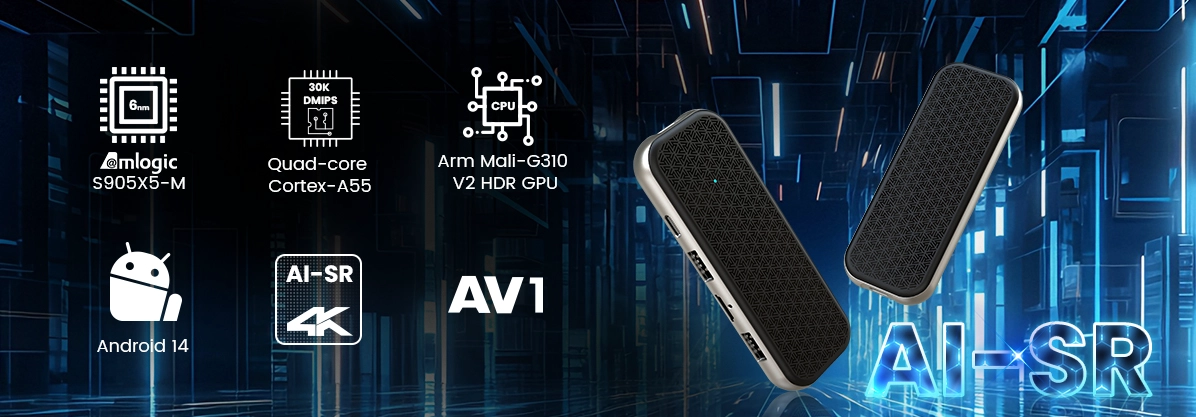
For standard IPTV and 4K streaming, an efficient multi-core ARM Cortex-A55 platform may provide sufficient processing capacity. More demanding applications involving complex user interfaces, multiple concurrent services, advanced graphics, or local AI workloads may benefit from higher-performance Cortex-A76-class CPU cores and a more capable GPU.
Hardware video decoding is equally important. When the SoC includes the required codec support, dedicated decoding engines can process supported video formats without relying entirely on general-purpose CPU resources. AV1, HEVC/H.265, and VP9 support should be evaluated against the actual content delivery requirements, resolution, frame rate, and software stack.
Procurement teams should verify the following before selecting a platform:
-
CPU performance: Evaluate sustained application responsiveness rather than relying solely on peak clock frequency.
-
GPU capability: Confirm that graphics performance matches the interface, rendering, and application requirements.
-
Video decoding: Verify codec, resolution, frame-rate, bit-depth, and HDR support against the intended media formats.
-
Memory and storage: Select sufficient RAM and flash capacity for the operating system, applications, caching, and OTA updates.
-
Power behavior: Measure consumption during idle operation, application navigation, network streaming, and sustained video playback.
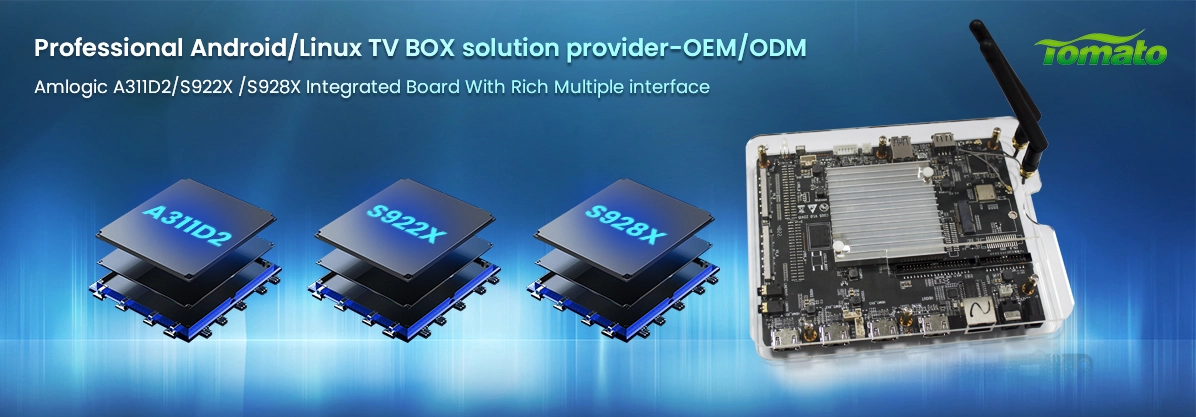
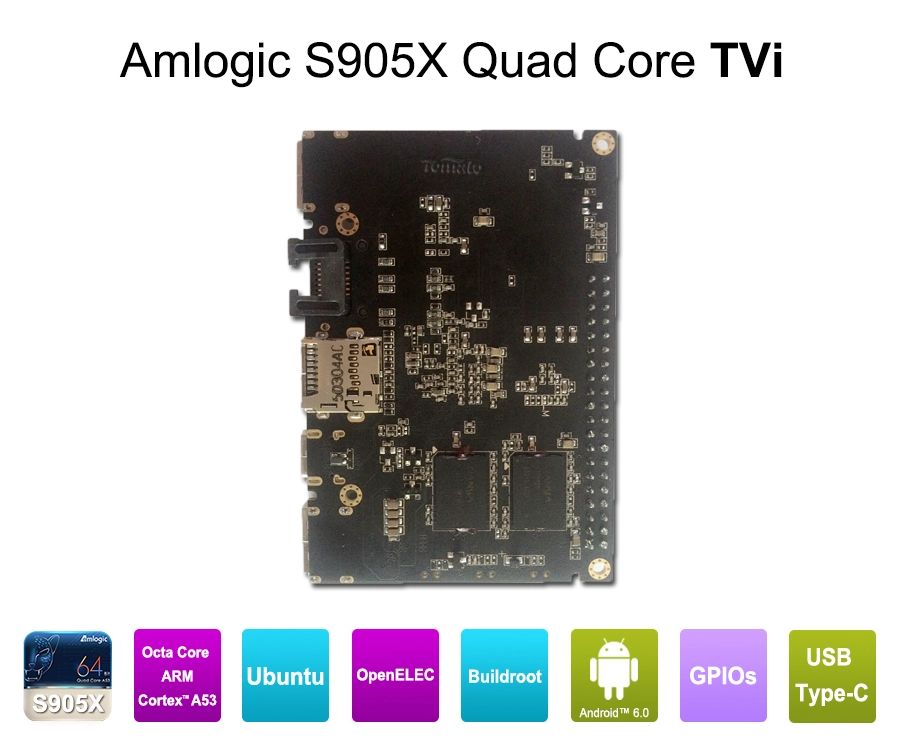
SZTomato can support OEM/ODM projects by evaluating SoC suitability and adapting the hardware configuration to the customer's software, connectivity, and deployment requirements.
How Advanced Thermal Design Prevents Performance Degradation
Thermal management is a system-level engineering problem. Increasing processor performance without addressing heat dissipation can create instability, reduce sustained processing capacity, and accelerate component aging.
In a compact Smart TV Box, heat moves from the SoC through its package and thermal interface into a heat spreader, heatsink, enclosure, or other dissipation structure. The effectiveness of this path depends on material properties, contact pressure, enclosure geometry, ambient temperature, and airflow.
Optimize the PCBA Layout and Heat Dissipation Path
A reliable thermal design begins before the enclosure is finalized.
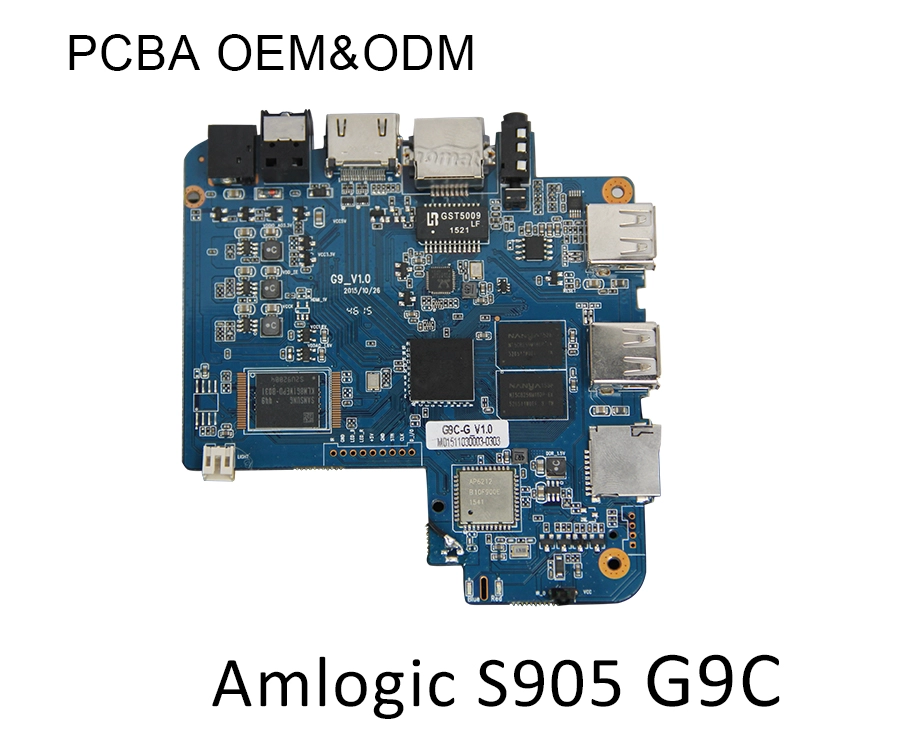
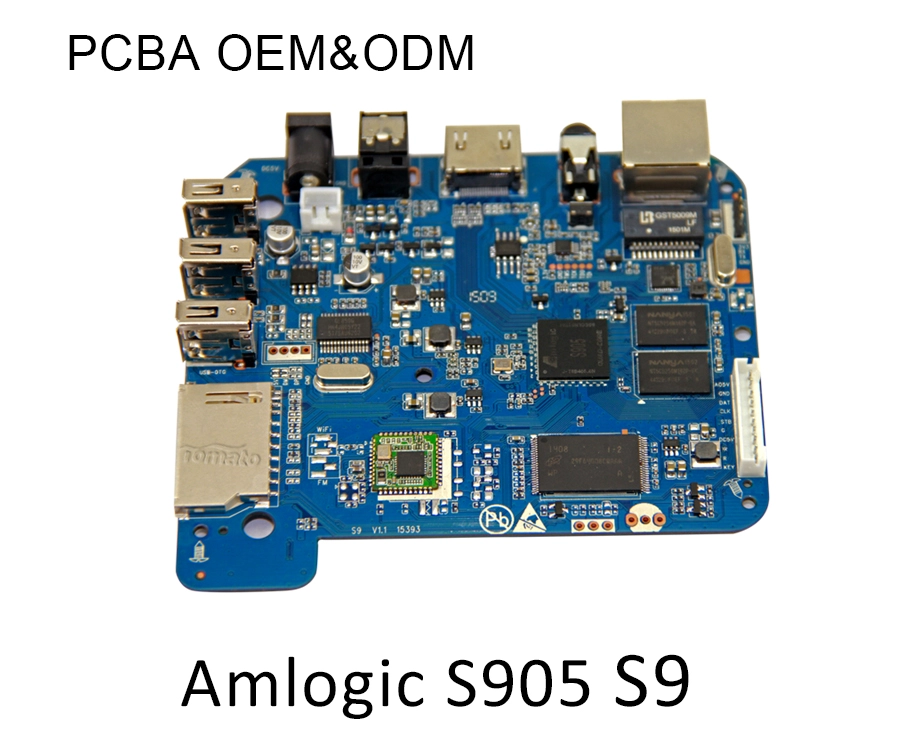
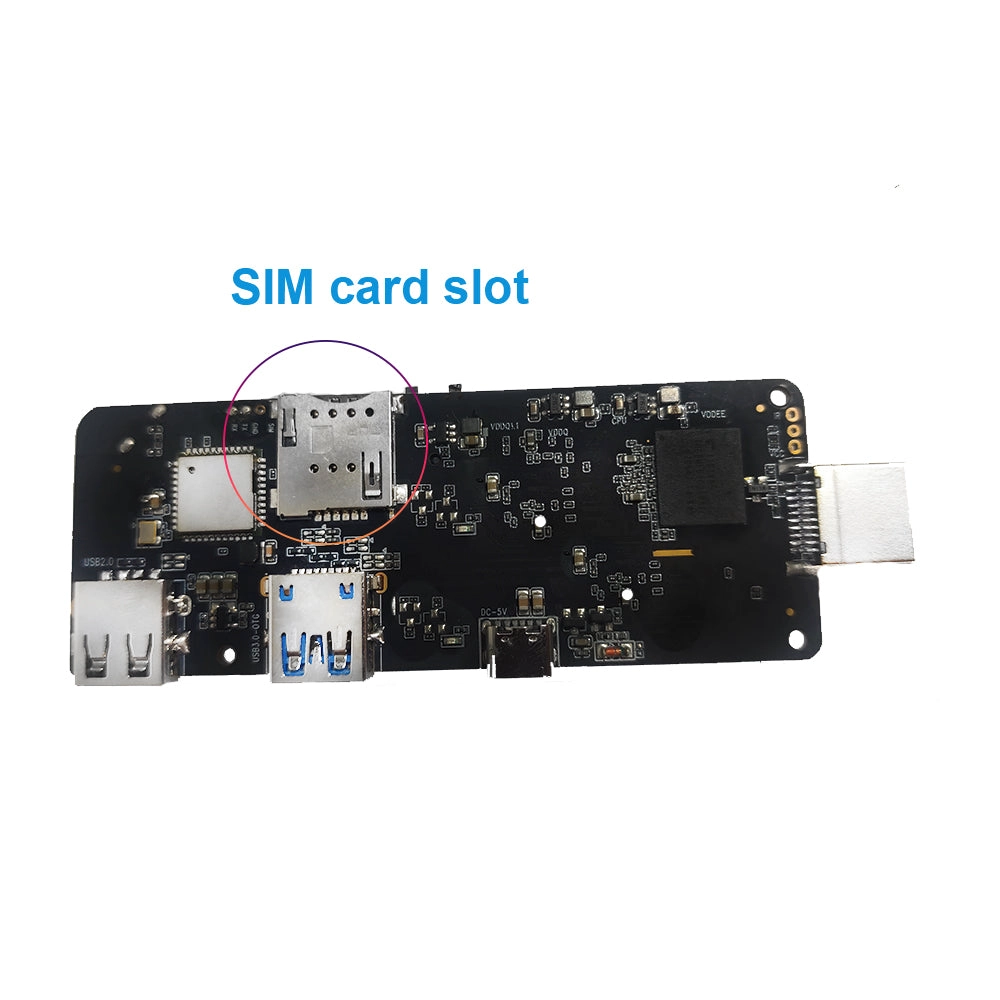
1. Control heat concentration around the SoC. PCB placement should account for the processor, power-management ICs, memory, wireless components, and other heat-generating devices. Poor placement can concentrate thermal loads in one region and create localized hotspots.
2. Improve thermal transfer. Depending on the product's power envelope and enclosure constraints, engineers can evaluate thermal pads, heat spreaders, heatsinks, and enclosure-assisted heat dissipation. Thermal interface materials must maintain effective contact across expected manufacturing tolerances.
3. Design for the actual installation environment. A Smart TV Box mounted behind a television, installed inside a cabinet, or integrated into a commercial display may have less access to airflow than a device tested on an open laboratory bench. Industrial deployments require testing under realistic mounting conditions.
4. Validate the power delivery system. Voltage regulation efficiency and component selection affect both electrical losses and local heat generation. A carefully designed PCBA can reduce unnecessary power dissipation while maintaining stable operation.
Establish Thermal Validation Criteria
Thermal validation should cover more than a short playback test. A practical engineering program should include extended 4K playback, concurrent network activity, repeated application launches, OTA update operations, and testing at the intended ambient-temperature limits.
Measure SoC temperature, enclosure temperature, power consumption, clock-frequency behavior, and playback stability throughout the test. Where supported, operating-system telemetry can help identify thermal throttling and correlate it with workload changes.
There is no universal temperature threshold or heatsink specification suitable for every Smart TV Box. Acceptance criteria should follow the selected SoC's operating limits, component ratings, enclosure design, and required service conditions.
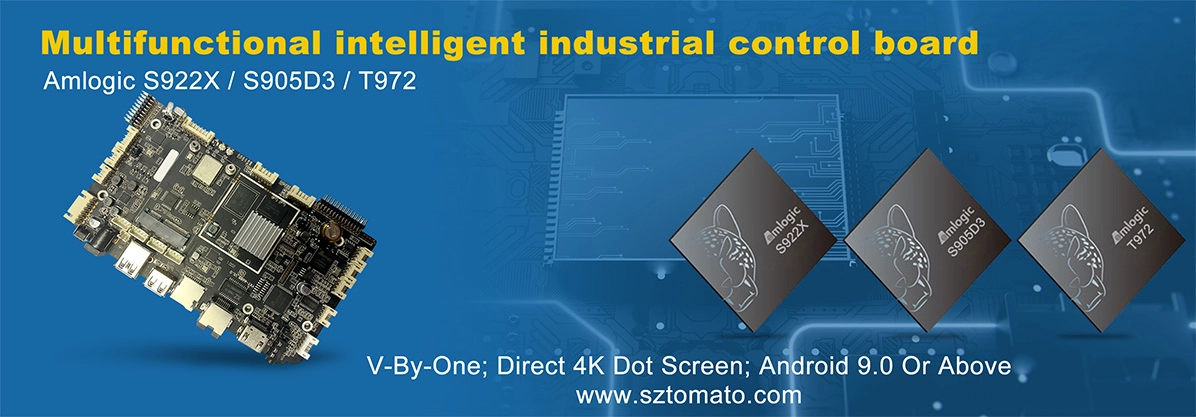
For projects requiring continuous operation, SZTomato can support PCBA hardware modification and specialized cooling solutions for industrial use. The objective is to develop a thermal design appropriate to the customer's real operating environment, not simply to maximize short-duration benchmark results.
Firmware and Power Optimization for Continuous 4K Streaming
Hardware selection establishes the performance envelope, but firmware determines how efficiently the system uses it. An inefficient software stack can keep CPU cores active unnecessarily, increase background memory activity, or prevent hardware acceleration from working as intended.
Optimize the Android/Linux Software Stack
A customized Smart TV Box should be evaluated across the boot process, system services, media pipeline, network stack, and application layer.
For Android-based products, relevant engineering tasks may include reducing unnecessary background services, tuning CPU frequency policies, validating hardware-accelerated media playback, and adapting system behavior to the intended application workload.
For Linux-based platforms, kernel configuration, device-tree settings, driver stability, power-management policies, and multimedia framework integration can influence resource utilization. Changes must remain compatible with the selected SoC, peripheral interfaces, and supported software releases.
Power optimization should not disable services required for reliable operation. Aggressive frequency scaling, for example, may reduce consumption during light workloads but introduce latency or playback problems if the policy does not respond quickly enough to changes in demand.
Integrate OTA Updates, Security, and Application Control
For IPTV operators, telecom providers, and commercial system integrators, firmware maintenance is part of the product lifecycle.
A well-designed OTA update system should support authenticated update packages, integrity verification, controlled deployment, failure recovery, and a practical rollback strategy where the platform supports it. Staged deployment helps identify compatibility or stability problems before updates reach the full installed base.
Content protection also requires early consideration. If a service requires HDCP-protected output or a particular DRM implementation, the selected SoC, operating system, licensed components, HDMI implementation, and application stack must support the required configuration. HDCP compliance should be verified for the intended signal path rather than assumed from the presence of an HDMI port.
SZTomato's customization capabilities can include:
-
Custom Android UI/UX and application integration.
-
SDK/API integration with IPTV, OTT, device-management, or enterprise systems.
-
Firmware adaptation for specific operating environments.
-
Integration support for OTA update and device-management workflows.
-
Platform-level investigation of Linux/Android kernel and driver requirements.
The exact implementation depends on the target chipset, available SDK, licensing requirements, and customer specifications.
OEM/ODM Smart TV Box Engineering for Commercial Deployment
A reference design may provide a useful starting point, but commercial products often require changes to meet installation, branding, performance, and lifecycle requirements. The right OEM/ODM partner should be able to evaluate these requirements across hardware, firmware, and manufacturing rather than treating each subsystem as an isolated task.
Define the Product Around Measurable Requirements
Before finalizing a Smart TV Box configuration, B2B procurement managers and system integrators should establish a technical acceptance plan covering:
| Engineering area | What to specify |
|---|---|
| Processing platform | CPU/GPU capability, SoC lifecycle, and required hardware acceleration |
| Media performance | Codec support, resolution, frame rate, HDR, and content-protection requirements |
| Thermal design | Ambient temperature, mounting conditions, enclosure limits, and sustained workload |
| Power efficiency | Idle and active power targets, power-supply requirements, and workload-specific measurements |
| Connectivity | Ethernet speed, Wi-Fi generation, Bluetooth, HDMI, USB, and required peripheral interfaces |
| Firmware | Android/Linux version, application integration, OTA strategy, security, and update lifecycle |
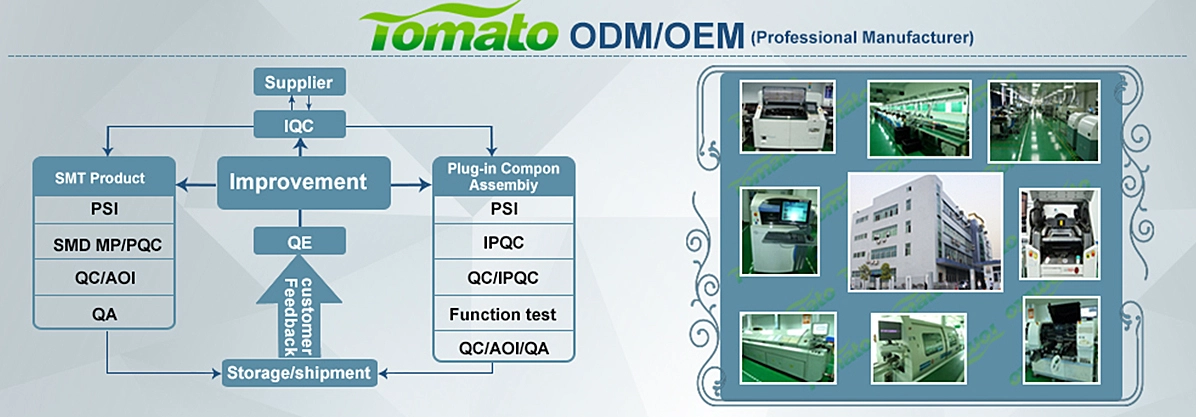
| Manufacturing | PCBA changes, enclosure customization, quality-control requirements, and production consistency |
| Validation | Extended playback, thermal testing, network stress, compatibility, and reliability testing |
These requirements help prevent a common sourcing problem: approving a device based on its specification sheet without verifying whether the complete system can meet the intended deployment conditions.
A manufacturer should also distinguish between standard-platform configuration and genuine engineering customization. PCBA modification may be necessary for interface changes, component substitutions, power optimization, or thermal improvements. Firmware customization may be required for a branded interface, controlled application environment, system integration, or operator-specific management workflow.
Each change should be assessed for engineering feasibility, software compatibility, validation effort, production impact, and ongoing support requirements.
Build for Long-Term Operational Stability
For large deployments, product selection should account for more than the initial unit price. Power consumption, thermal stability, firmware maintenance, component availability, and the cost of field failures can materially affect total cost of ownership.
A Smart TV Box designed for continuous IPTV playback may need a different thermal solution and software configuration from a low-duty-cycle home entertainment device. A digital signage application may place sustained demands on graphics rendering and peripheral connectivity, while a managed operator deployment may place greater emphasis on remote administration, security, and controlled updates.
SZTomato works with B2B customers seeking OEM/ODM Smart TV Box solutions, including PCBA hardware modification, custom firmware, SDK/API integration, and specialized thermal design. Project scope should be established around the chipset, operating system, interfaces, operating environment, certification requirements, and expected production volume.
Partner With SZTomato for Your Custom Smart TV Box Project
For procurement managers, IPTV operators, brand owners, distributors, and system integrators, the most effective Smart TV Box is not necessarily the one with the highest advertised CPU frequency or the largest number of cores. It is the product that delivers the required media performance while controlling power consumption, managing heat, and maintaining software stability throughout its intended service life.
SZTomato supports OEM/ODM development for customers who need more than a standard reference design. From SoC selection and PCBA engineering to Android/Linux firmware adaptation, custom UI/UX, SDK/API integration, and application-specific cooling solutions, the engineering approach can be aligned with the requirements of each project.
Contact SZTomato at https://www.sztomato.com to discuss your Smart TV Box OEM/ODM requirements. Provide your target chipset or performance level, video specifications, interfaces, operating environment, firmware requirements, and expected order volume to begin a technically grounded project evaluation.
