
Do I need a Streaming Media Player if I have an Smart TV Box?
Do I Need a Streaming Media Player If I Have a Smart TV Box?
The adoption of AV1 decoding, 4K HDR, Wi-Fi 6, and more capable ARM SoCs has blurred the boundary between a Smart TV Box and a Streaming Media Player. Many current Smart TV Boxes already handle Netflix-style streaming, IPTV applications, local media playback, and 4K video output.
That creates a practical procurement question: if the Smart TV Box already plays streaming content, what additional role does a Streaming Media Player provide?
For a single household TV, the answer is often simple: you may not need both. For commercial deployments, however, the distinction becomes more important. A Streaming Media Player can be designed around centralized content management, digital signage, kiosk applications, remote device control, commercial displays, and long-term firmware maintenance.
The correct choice depends on the workload, operating environment, software architecture, and required level of customization.
Smart TV Box and Streaming Media Player Solve Different Problems
At the hardware level, the two devices can look almost identical.
Both may contain:
-
ARM-based SoC
-
2GB–8GB RAM
-
eMMC or other flash storage
-
HDMI output
-
Wi-Fi and Ethernet
-
Bluetooth
-
USB interfaces
-
Android or Linux
-
Hardware video decoding
The difference is usually how the device is intended to be used and managed.
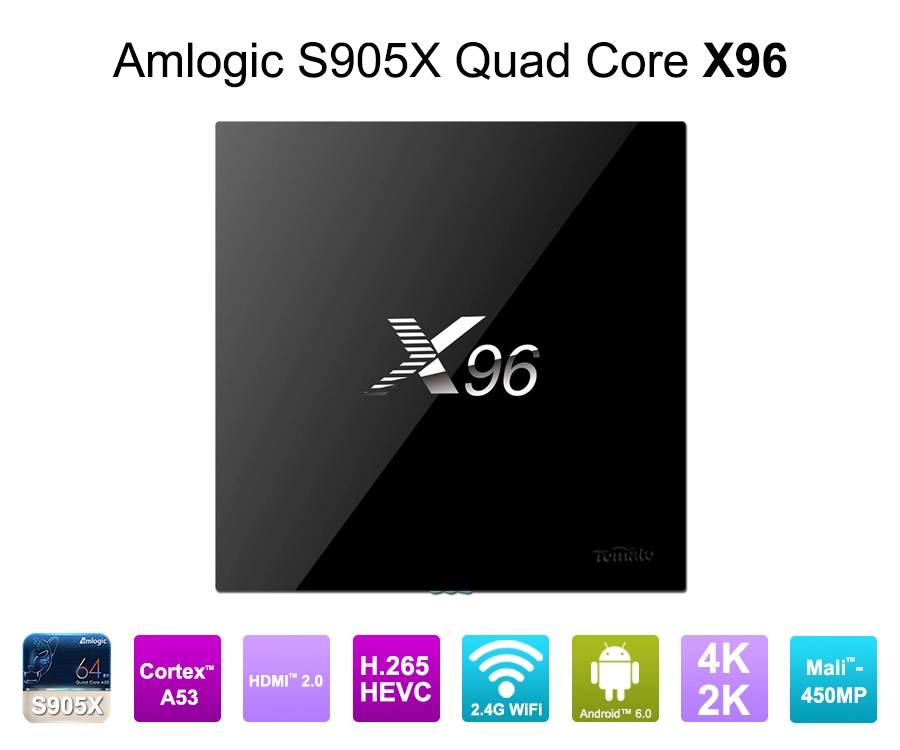
A Smart TV Box is typically designed to turn a conventional television into a smart entertainment terminal. The primary workload is application-based media consumption.
A Streaming Media Player can serve a broader role as a managed media endpoint. Depending on the firmware, it may support:
-
Streaming video
-
IPTV
-
Digital signage
-
Corporate communications
-
Hotel TV systems
-
Retail advertising
-
Kiosk applications
-
Education displays
-
Video walls
-
Remote content management
-
Scheduled playback
-
Cloud-based device management
Therefore, the question should not be reduced to the product name.
The better question is:
Does the existing Smart TV Box provide the software control, hardware interfaces, and management capabilities required by the project?
If yes, adding a separate Streaming Media Player may create unnecessary hardware and maintenance costs.
If not, a purpose-built Streaming Media Player can provide a more appropriate architecture.
When a Smart TV Box Is Already Enough
For standard consumer applications, a Smart TV Box can already provide most of the required functionality.
A typical configuration with a capable SoC can decode 4K video using hardware acceleration and support modern codecs such as H.265/HEVC and AV1, depending on the SoC and software stack.
For example, a user who wants to:
-
Watch streaming services
-
Install Android applications
-
Play IPTV content
-
Stream local network media
-
Connect a TV through HDMI
-
Use Wi-Fi or Ethernet
-
Play 4K video
may have no practical reason to purchase a second device.
The Smart TV Box already functions as the media endpoint.
From a B2B perspective, this can also be appropriate for certain hotel rooms, residential projects, and basic IPTV deployments where the application environment is fixed and device management requirements are limited.
However, the evaluation changes when the customer needs centralized control.
When a Streaming Media Player Becomes More Valuable
Commercial media deployments introduce requirements that consumer Smart TV Boxes are not always designed to handle.
1. Centralized Content Management
A commercial Streaming Media Player may need to receive content from a CMS and automatically display different media according to a schedule.
For example:
A retail store may display promotional video during business hours.
A hotel may display welcome information and local services.
A corporate office may display internal announcements.
A school may display class schedules.
A transportation facility may display information on multiple screens.
In these cases, the device is not simply “playing streaming video.” It is functioning as a managed endpoint within a larger information system.
2. Kiosk and Locked-Down Applications
Commercial deployments often require the device to launch one application automatically and prevent users from accessing the Android desktop.
This requires firmware-level control rather than simply installing an application.
Typical requirements include:
-
Automatic boot application
-
Kiosk mode
-
Restricted system settings
-
Remote reboot
-
Application watchdog
-
Automatic application recovery
-
Device identification
-
Remote configuration
-
Scheduled content playback
A customized Streaming Media Player can be engineered around these requirements.
3. Remote OTA Management
Firmware maintenance becomes important when a customer operates hundreds or thousands of devices.
A commercial OTA architecture should address:
-
Firmware version control
-
Remote deployment
-
Update verification
-
Recovery partitions
-
Rollback
-
Failed-update recovery
-
Device grouping
-
Update scheduling
A consumer Smart TV Box may support OTA updates, but that does not necessarily mean it provides the fleet-level control required by a commercial operator.
This is one of the clearest technical differences between a consumer-oriented device and an engineered commercial platform.
Hardware Capability Is Only One Part of the Decision
A common purchasing mistake is to compare the CPU, RAM, storage, and video resolution and assume the device with the higher specification is automatically better for the project.
For commercial deployments, the complete hardware architecture matters more.
SoC and Video Pipeline
The SoC should support the required:
-
Video codecs
-
Resolution
-
Frame rate
-
HDR formats
-
Display interfaces
-
Hardware decoding
-
Hardware encoding where required
AV1 is particularly relevant for newer streaming platforms because it can provide improved compression efficiency compared with older codecs. But AV1 support must be evaluated at the hardware decoder and firmware level. A specification that simply says “AV1 supported” does not explain performance under the target workload.
HDMI and HDCP
Commercial display systems should also verify:
-
HDMI version
-
EDID compatibility
-
Resolution negotiation
-
HDCP behavior
-
Display wake-up
-
Hot-plug detection
-
Long-duration playback stability
A device that works reliably with one television in a laboratory does not automatically guarantee stable operation across multiple commercial display models.
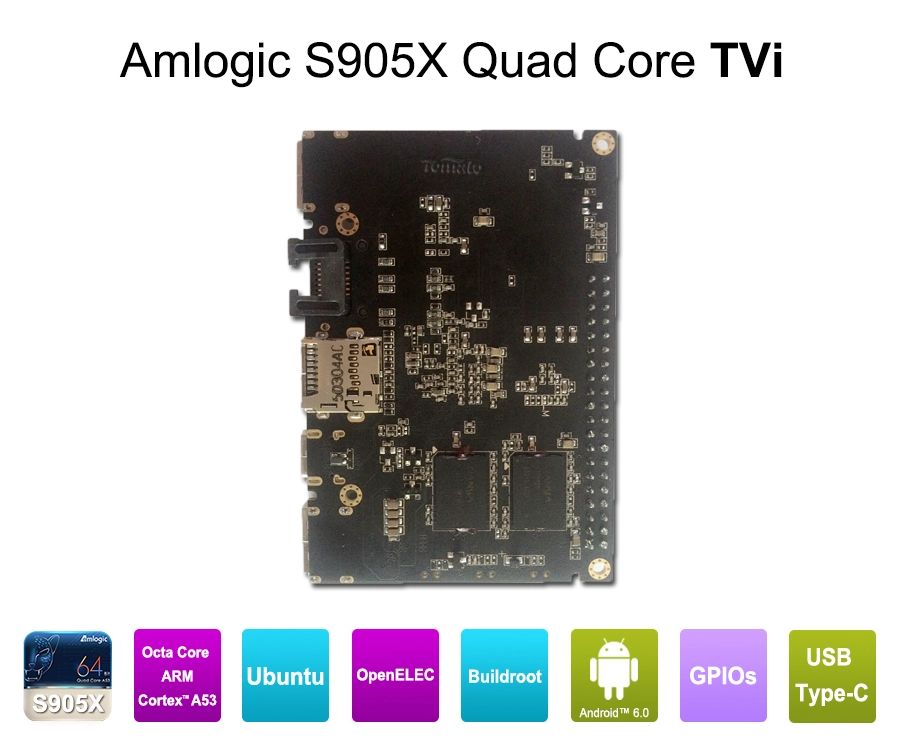
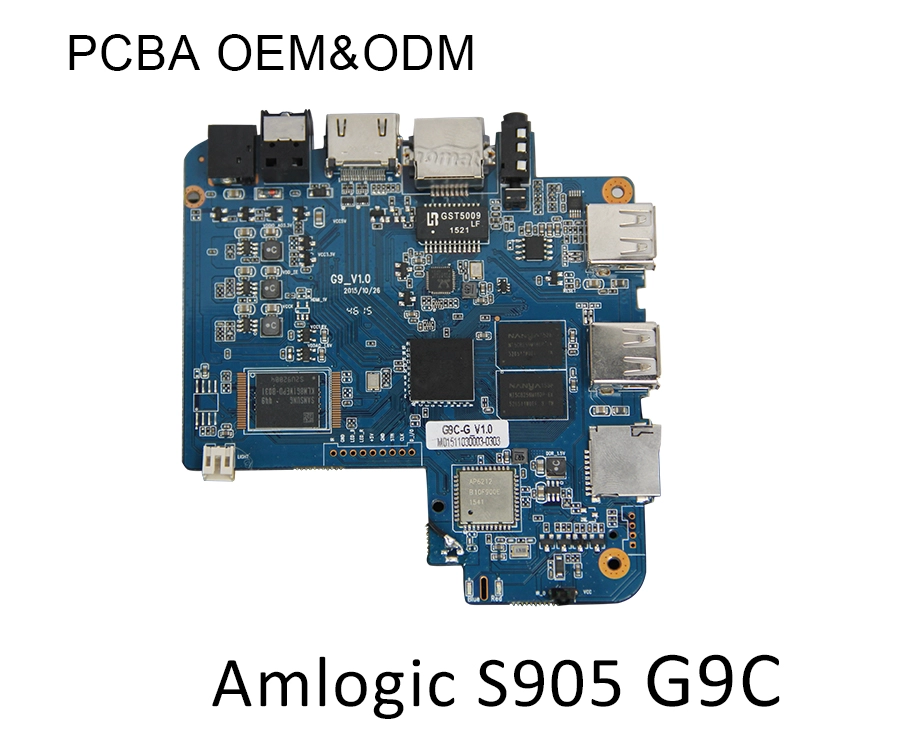
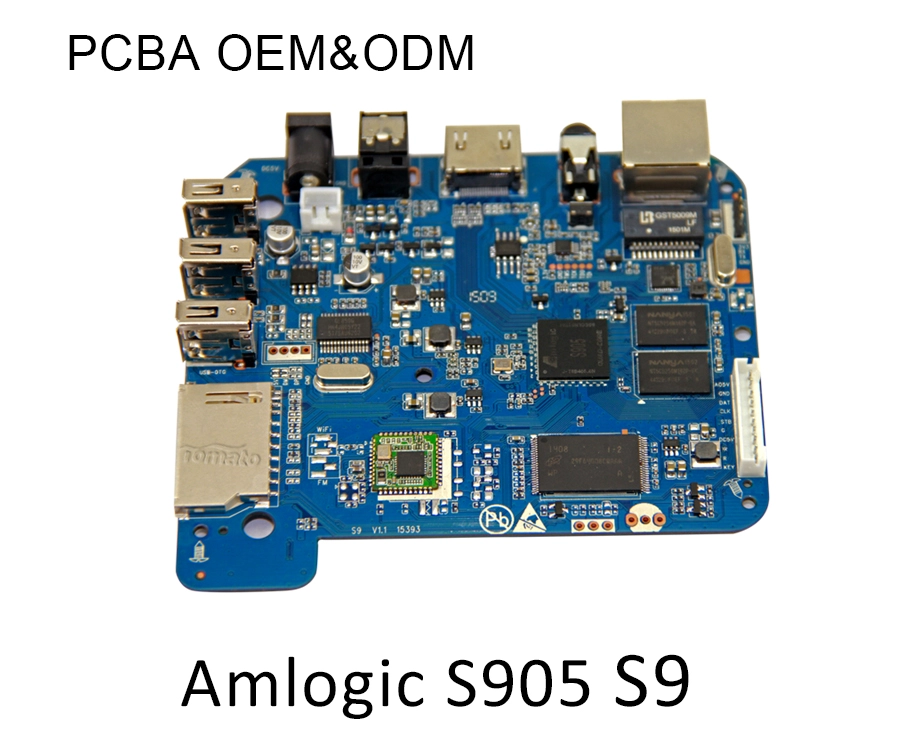
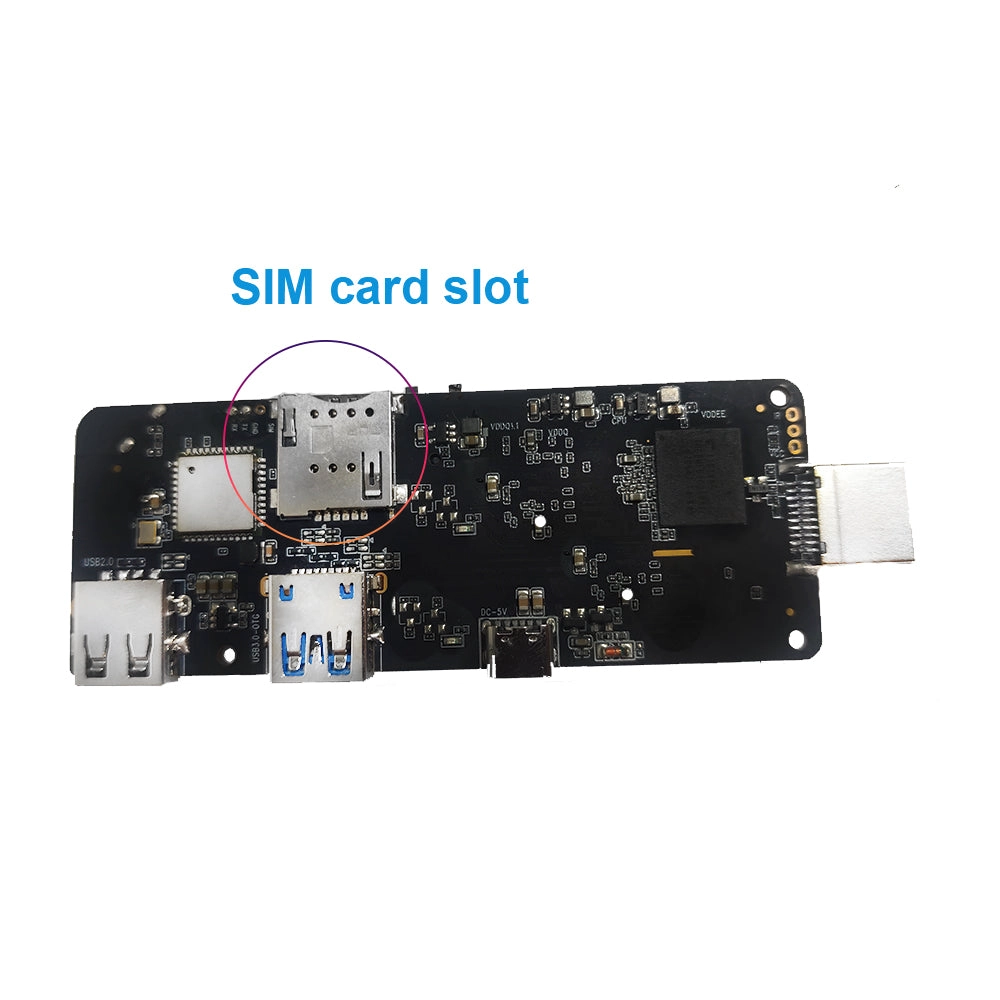
PCBA Design
For an OEM project, PCBA architecture can become a decisive factor.
The layout affects:
-
Power integrity
-
DDR stability
-
High-speed signal integrity
-
USB reliability
-
HDMI performance
-
Ethernet stability
-
RF performance
-
Thermal behavior
If the project requires RS232, RS485, GPIO, MIPI, PCIe, additional USB ports, or customized storage, simply changing the enclosure of a standard Smart TV Box is not enough.
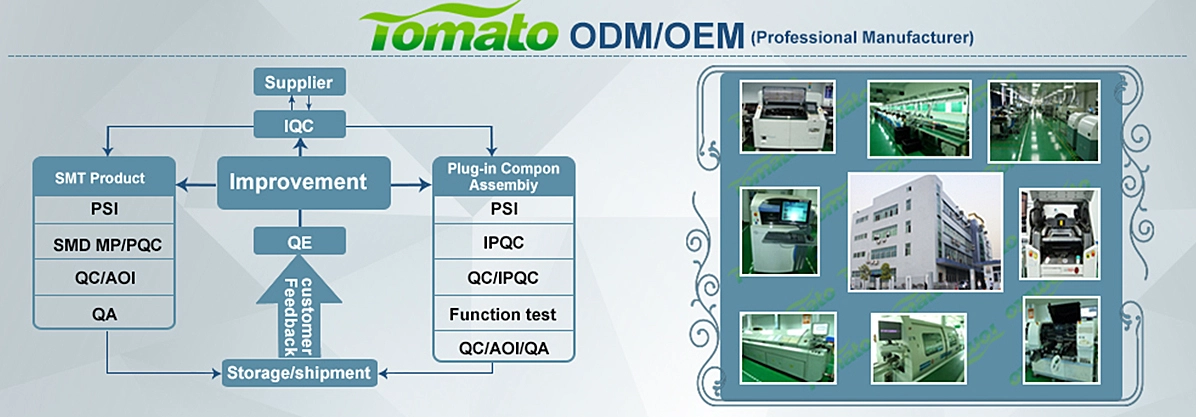
This is where SZTomato's PCBA hardware modification capability becomes relevant.
The hardware can be adapted around the project rather than forcing the project to fit a generic reference design.
Smart TV Box vs Streaming Media Player: A Practical B2B Decision
| Requirement | Smart TV Box | Streaming Media Player |
|---|---|---|
| Consumer streaming | Suitable | Suitable |
| IPTV | Suitable | Suitable |
| 4K video playback | Suitable with correct SoC | Suitable with correct SoC |
| Android applications | Strong | Strong |
| Digital signage | Possible | Stronger fit |
| Kiosk mode | Firmware dependent | Common commercial requirement |
| Centralized CMS | Application dependent | Stronger fit |
| Remote fleet management | Platform dependent | Typically prioritized |
| Custom UI/UX | OEM dependent | OEM dependent |
| Custom PCBA | OEM dependent | OEM/ODM suitable |
| Industrial interfaces | Limited on standard models | Easier to customize |
| Long-term commercial deployment | Project dependent | Better suited to engineered platforms |
| Consumer entertainment | Strong fit | Possible but may be unnecessary |
The table highlights an important point: there is no universal hardware winner.
The appropriate architecture depends on the deployment model.
Why OEM/ODM Firmware Engineering Changes the Equation
The boundary between Smart TV Box and Streaming Media Player becomes less important when the hardware and software platform can be customized.
A capable OEM/ODM manufacturer can start with an Android or Linux platform and build the required functionality around the project.
For example, a customer may require:
Android/Linux → Custom Launcher → CMS Client → API Integration → OTA → Remote Monitoring
Another project may require:
Custom PCBA → RS485/GPIO → Android Kernel → Application Layer → Digital Signage CMS
These are fundamentally different requirements from selling a generic Smart TV Box.
SZTomato supports PCBA hardware modification, SDK/API integration, custom UI/UX firmware, Android/Linux kernel optimization, OTA update systems, and specialized cooling solutions for industrial applications.
This approach allows a Streaming Media Player to be engineered as part of the customer's complete solution.
Thermal engineering also matters when the player operates continuously. A device installed behind a commercial display, inside a kiosk, or in an industrial enclosure may experience substantially different thermal conditions from a living-room TV Box.
For long-running deployments, the cooling system should therefore be designed together with the SoC, enclosure, workload, and ambient temperature.
The Real Question: Do You Need Two Devices?
For most consumer applications, no.
If the Smart TV Box already provides the required streaming applications, codecs, network connectivity, and display output, adding a separate Streaming Media Player creates unnecessary hardware.
For commercial applications, however, the answer depends on the system requirements.
If the Smart TV Box can already provide the required:
-
CMS integration
-
Kiosk control
-
OTA management
-
Remote monitoring
-
Custom UI
-
Application watchdog
-
Hardware interfaces
-
Long-term firmware support
then it can effectively serve as the Streaming Media Player.
If those capabilities are missing, a purpose-built Streaming Media Player or customized Smart TV Box platform may be more appropriate.
The key is not the label printed on the product box. It is the underlying hardware, firmware, management architecture, and lifecycle support.
Conclusion: Select the Platform, Not Just the Device Category
A Smart TV Box and Streaming Media Player can share almost identical hardware, but their commercial value depends on software architecture and deployment requirements.
For home entertainment, one capable Smart TV Box can often handle the complete workload.
For digital signage, IPTV operators, hotels, retail networks, education projects, and industrial applications, the requirements extend beyond video playback. Remote management, OTA updates, CMS integration, custom interfaces, kernel optimization, PCBA modifications, and thermal engineering can become more important than raw CPU performance.
For procurement managers and system integrators, the right evaluation question is therefore:
Can this platform deliver the required media performance and remain manageable throughout the entire deployment lifecycle?
SZTomato provides OEM/ODM development for customers that need more than a standard retail box, including PCBA modification, SDK/API integration, custom UI/UX firmware, Android/Linux optimization, OTA architecture, and customized industrial cooling solutions.
