
What features make an Android Mini PC reliable?
What Features Make an Android Mini PC Reliable?
A reliable Android Mini PC is not defined by CPU clock speed alone. For B2B deployments, the failure points usually appear elsewhere: unstable power delivery, poor PCBA layout, thermal throttling, weak Wi-Fi performance, incomplete OTA infrastructure, or firmware that cannot be maintained after deployment.
As Android Mini PCs move from consumer entertainment into digital signage, hotel systems, industrial control, education, retail, and edge-AI applications, hardware and software engineering have to be evaluated as one system. For OEM buyers and system integrators, reliability means predictable performance over long operating cycles, controlled firmware updates, stable interfaces, and a hardware platform that can be adapted to the actual project.
1. The SoC and PCBA Architecture Must Match the Workload
The processor is the first reliability decision, but it should not be considered in isolation.
A modern Android Mini PC may use an ARM-based SoC with multiple CPU cores, an integrated GPU, video codecs, display controllers, memory interfaces, and sometimes an NPU for AI workloads. The correct platform depends on what the device must do continuously.
For example, a digital signage player may prioritize:
-
Stable 4K video decoding
-
Hardware H.265/HEVC and AV1 support
-
Multiple display interfaces
-
Gigabit Ethernet
-
Wi-Fi stability
-
Hardware-accelerated graphics
-
Long-duration playback
An edge-computing deployment may instead require:
-
Higher CPU performance
-
NPU acceleration
-
Camera interfaces
-
GPIO
-
MIPI-CSI
-
PCIe expansion
-
Linux support
-
AI inference optimization
This is where PCBA engineering becomes important.
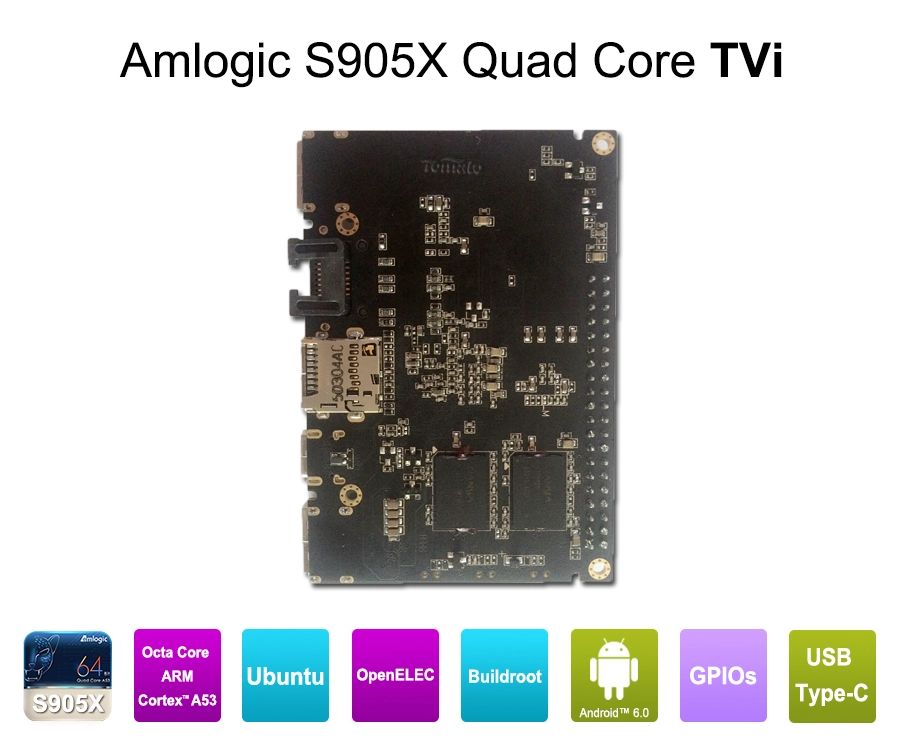
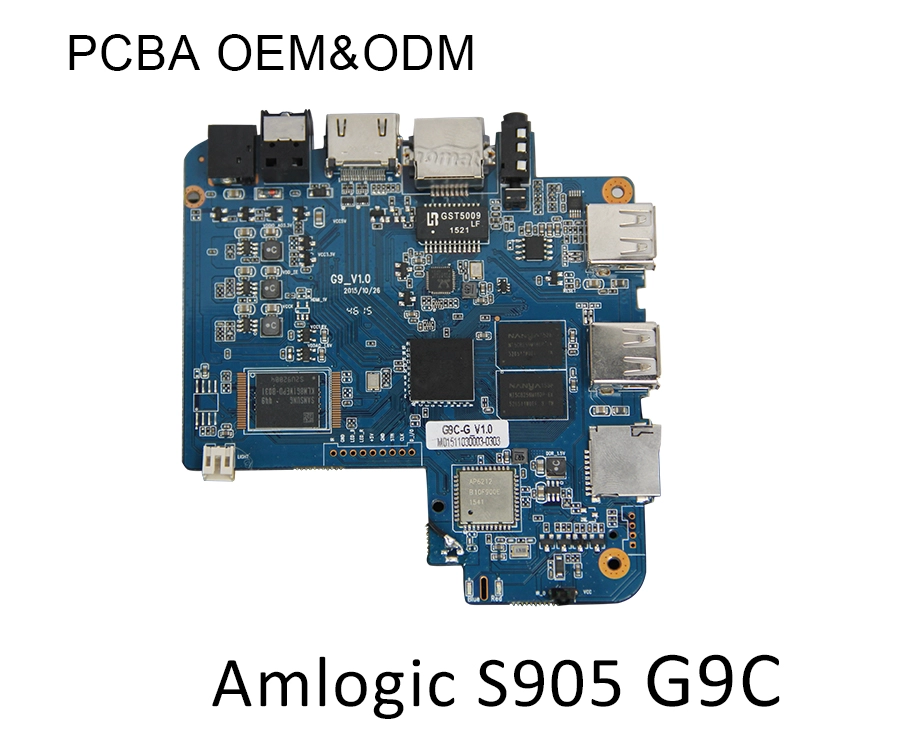
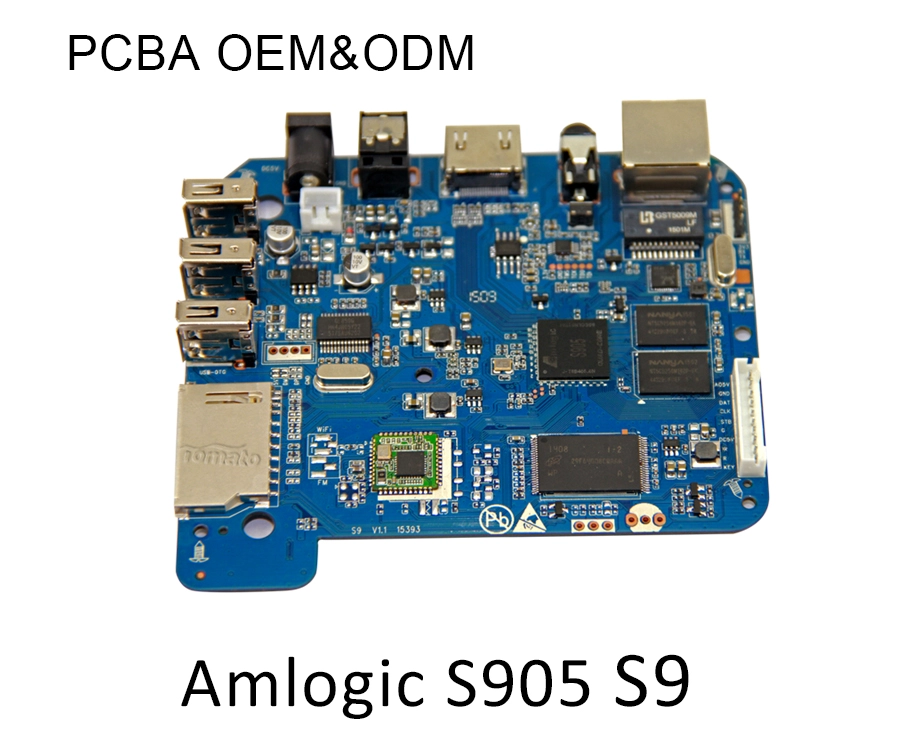
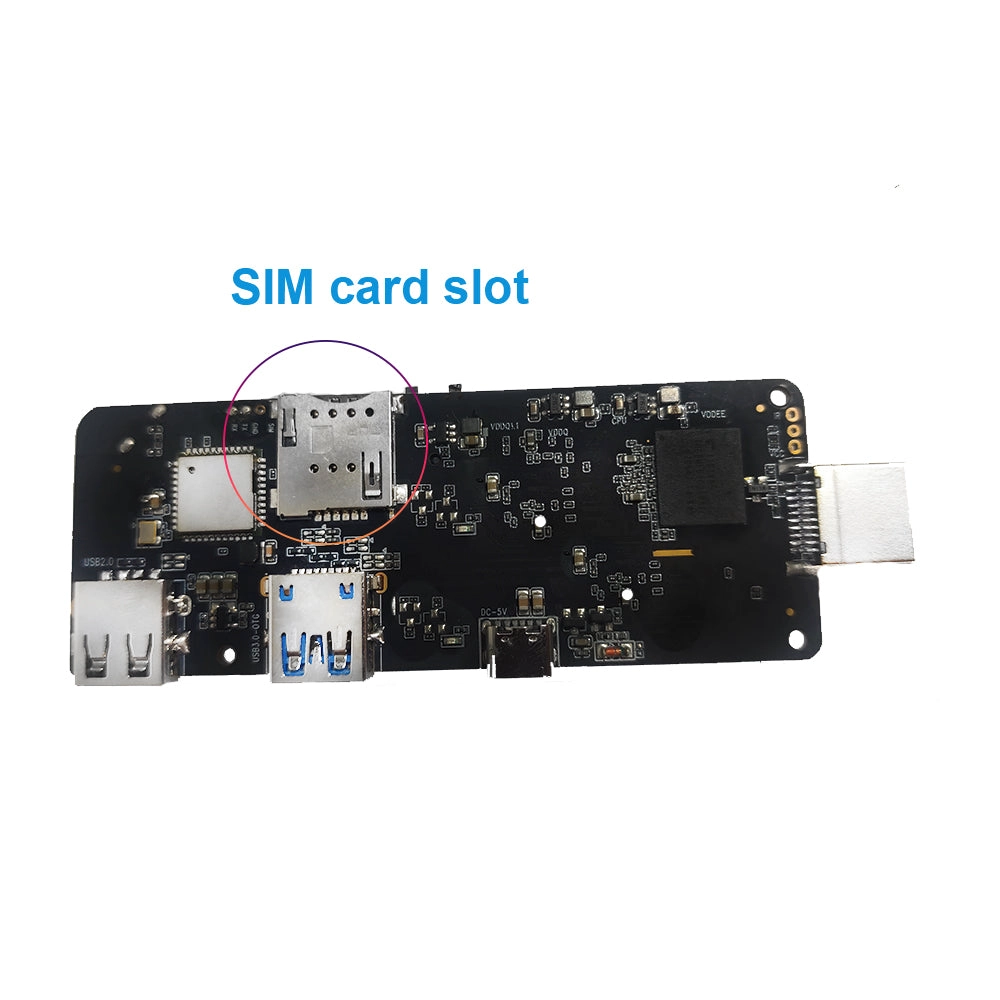
A Mini PC built around a capable SoC can still become unreliable if the power rails, memory routing, high-speed signal traces, USB interfaces, or thermal components are poorly designed. DDR routing, HDMI signal integrity, Ethernet PHY implementation, USB power delivery, and voltage regulation all affect long-term stability.
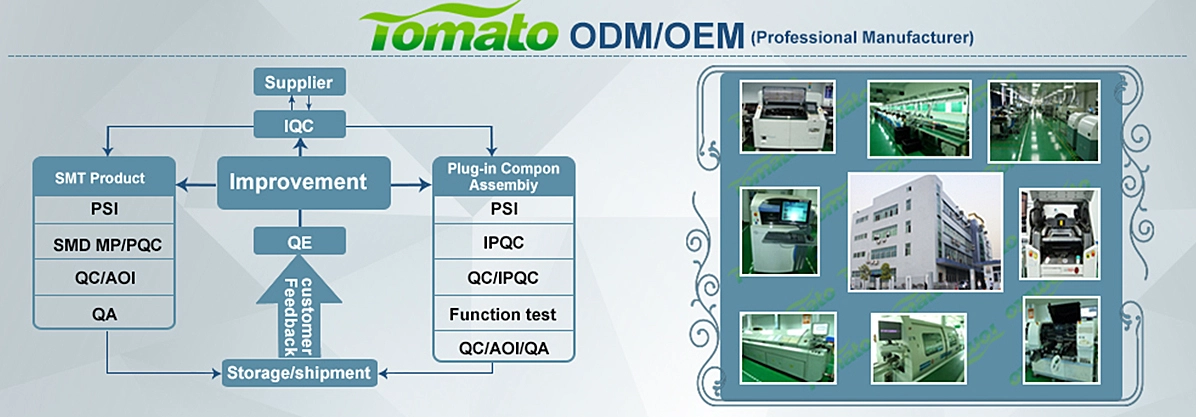
For OEM projects, SZTomato can modify the PCBA hardware architecture rather than limiting customization to the enclosure and logo. This allows the platform to be adapted for project-specific interfaces, memory configurations, storage requirements, wireless modules, and industrial I/O.
The practical rule is simple:
Choose the SoC according to the workload, then validate the complete PCBA around that SoC.
2. Thermal Design Determines Sustained Performance
A Mini PC can pass a benchmark test in ten minutes and still fail a commercial deployment after several hours.
The reason is thermal throttling.
Small enclosures have limited internal volume. When CPU, GPU, NPU, memory, Wi-Fi, storage, and power components operate simultaneously, heat accumulates quickly. If the thermal path is poorly designed, the processor reduces frequency to protect itself.
For a B2B deployment, thermal design should therefore be evaluated under sustained workloads rather than peak performance.
Important factors include:
Heat transfer path
The design should provide an efficient thermal path from the SoC to the heatsink and ultimately to the enclosure or ambient air.
Airflow
If a fan is used, airflow must correspond to the enclosure structure. Simply installing a higher-RPM fan does not solve a poorly designed airflow path.
Passive cooling
Fanless designs can be valuable in environments where dust, acoustic noise, or mechanical failure is a concern. However, the SoC performance envelope must match the available passive thermal capacity.
Industrial operating conditions
Projects deployed inside cabinets, kiosks, vehicles, retail displays, or industrial equipment may experience higher ambient temperatures than a normal office environment.
SZTomato can integrate specialized cooling solutions for industrial applications, including customized heatsinks, thermal interface structures, airflow optimization, and enclosure-level thermal design.
For long-term deployments, the important question is not:
How fast is the processor?
It is:
Can the processor maintain the required performance continuously at the expected ambient temperature?
3. Firmware Reliability Is as Important as Hardware Reliability
Hardware failures are visible. Firmware problems can be much harder to diagnose.
A commercial Android Mini PC may remain powered on for months while performing repetitive tasks. Firmware therefore needs to manage memory, storage, networking, display output, peripheral devices, background services, and system recovery without accumulating instability.
Several firmware capabilities deserve particular attention.
Android and Linux kernel optimization
Kernel configuration affects hardware compatibility, power management, USB behavior, networking, storage, thermal control, and peripheral stability.
For specialized applications, standard firmware may not provide enough control. Linux/Android kernel optimization can be required when integrating custom hardware or industrial interfaces.
OTA update architecture
A commercial fleet needs a controlled update mechanism.
A mature OTA system should address:
-
Firmware version management
-
Remote update deployment
-
Update verification
-
Failure recovery
-
Rollback
-
Partition management
-
Security controls
An OTA mechanism without recovery logic can turn a firmware update into a fleet-wide service problem.
SDK/API integration
Commercial customers may need the Mini PC to communicate with existing software platforms, cloud systems, management servers, payment systems, cameras, or automation equipment.
This is where SDK/API integration becomes more valuable than a simple Android launcher customization.
Custom UI/UX firmware
A retail Android interface is rarely appropriate for a commercial deployment.
A hotel system may require a branded interface. A digital signage operator may require kiosk mode. An enterprise deployment may need restricted user access, automatic application launch, remote management, and hidden system settings.
SZTomato supports custom UI/UX firmware development, allowing the Android Mini PC to operate as part of a defined product ecosystem rather than as an off-the-shelf consumer device.
4. Connectivity and Media Interfaces Need Project-Level Validation
Connectivity specifications often look impressive on a product datasheet but can behave differently in an actual deployment.
For B2B applications, evaluate the complete interface stack.
Ethernet
For signage, IPTV, enterprise terminals, and industrial applications, wired Ethernet can provide more predictable connectivity than Wi-Fi.
Check:
-
100M vs Gigabit Ethernet
-
PHY implementation
-
Auto-negotiation
-
Long-duration network stability
-
VLAN or project-specific networking requirements
Wi-Fi and Bluetooth
Wireless modules should be tested inside the final enclosure rather than independently.
Metal enclosures, HDMI cables, power supplies, antennas, and internal components can all affect RF performance.
HDMI and HDCP
Commercial video applications also require attention to HDCP encryption, HDMI compatibility, EDID behavior, resolution negotiation, and display wake-up behavior.
A device that works with one consumer television does not automatically guarantee stable operation across hundreds of commercial displays.
USB and industrial interfaces
Depending on the application, an Android Mini PC may require:
-
USB 2.0/3.x
-
RS232
-
RS485
-
GPIO
-
M.2
-
PCIe
-
MIPI-CSI
-
MIPI-DSI
-
CAN
-
Audio I/O
This is another reason OEM/ODM engineering matters. The required interface may not exist on the standard reference design.
What B2B Buyers Should Test Before Approving an Android Mini PC
Before approving an Android Mini PC for volume deployment, procurement teams and system integrators should evaluate more than the specification sheet.
A practical validation process should include:
| Evaluation Area | What to Verify |
|---|---|
| SoC | CPU/GPU/NPU capability matches the workload |
| Memory | Capacity, stability, and sustained application performance |
| Storage | eMMC/UFS/SSD endurance and recovery behavior |
| Thermal | Sustained load without unacceptable throttling |
| Power | Stable operation under peak load |
| Video | Required resolution, codec, HDMI and HDCP compatibility |
| Network | Ethernet and Wi-Fi stability under continuous operation |
| Firmware | Android/Linux version and kernel support |
| OTA | Remote update, rollback and recovery mechanism |
| APIs | Required SDK/API integration capability |
| PCBA | Availability of hardware modification |
| Enclosure | Thermal and RF performance in the final housing |
| Lifecycle | Firmware maintenance and engineering support |
This checklist exposes a common procurement mistake: comparing Android Mini PCs primarily by RAM, storage, and processor model.
Those specifications describe the platform. They do not fully describe the reliability of the finished system.
Why OEM/ODM Engineering Matters for Commercial Android Mini PCs
The requirements of a project often appear after the basic product has already been selected.
A system integrator may discover that the project needs an additional serial interface. A digital signage operator may require automatic application recovery. An industrial customer may need a different cooling structure. A telecom operator may require customized provisioning and OTA management.
A supplier that only changes the logo and enclosure cannot solve these problems efficiently.
A genuine OEM/ODM partner should be capable of working across several layers:
Hardware → PCBA → BSP → Kernel → Android/Linux → Middleware → API → UI/UX → OTA → Enclosure
This engineering chain is particularly important when the Android Mini PC becomes part of a larger commercial system.
SZTomato's OEM/ODM capability covers PCBA hardware modification, SDK/API integration, custom UI/UX firmware, Android/Linux kernel optimization, and customized cooling solutions. This allows system integrators and product owners to define the required hardware and software architecture instead of accepting the limitations of a generic reference platform.
Conclusion: Reliability Starts with Engineering, Not the Spec Sheet
A reliable Android Mini PC is the result of coordinated hardware and software engineering.
The key factors are a correctly selected SoC, stable PCBA architecture, effective thermal management, reliable storage and power design, validated connectivity, robust Android/Linux firmware, controlled OTA updates, and long-term engineering support.
For procurement managers and system integrators, the most important question is therefore not simply “Which Android Mini PC has the highest specification?”
It is:
“Which supplier can engineer and maintain the complete platform required by our deployment?”
For projects requiring customized interfaces, firmware, thermal architecture, PCBA modification, SDK/API integration, or specialized Android/Linux development, SZTomato supports customization from hardware engineering through firmware integration and production.
