Does Microsoft have a Digital Signage solution?
Does Microsoft Have a Digital Signage Solution? A Practical B2B Guide
Microsoft does have a Digital Signage solution, but it is important to define what "Microsoft Digital Signage" actually means before selecting a platform.
Microsoft currently provides digital signage capabilities through Microsoft Teams Rooms, where compatible Teams Rooms devices can switch to signage mode when they are idle. Organizations can display dynamic content, assign signage sources by room or device group, and manage settings through the Teams Rooms Pro management environment. Microsoft supports web URLs and integrations with selected third-party digital signage providers such as Appspace and XOGO.
That is useful for meeting rooms and workplace communications. However, it is not the same thing as Microsoft offering a universal, standalone digital signage CMS and purpose-built media player for every retail, hospitality, industrial, education and public-display deployment.
For B2B buyers, the distinction matters.
Does Microsoft Have a Digital Signage Solution?
Yes, but Microsoft's current approach is best understood as an enterprise signage capability integrated into Teams Rooms, rather than a single Microsoft-branded end-to-end digital signage hardware and CMS platform.
With Teams Rooms, an organization can configure front-of-room displays to show signage content when the room is not being used for meetings. Administrators can define activation and deactivation timers, assign signage sources to devices or device groups, and monitor supported signage configurations through the Teams Rooms Pro management environment.
Microsoft supports two important types of signage sources:
-
Web URLs
-
Supported third-party digital signage providers
Microsoft's current documentation lists Appspace and XOGO as supported native third-party integrations. These providers require their own subscriptions.
For organizations already standardized on Microsoft Teams Rooms, this architecture can turn existing meeting-room displays into another corporate communication channel without deploying a completely separate signage environment.
But there is an important technical limitation.
Microsoft Teams digital signage is designed around the Teams Rooms environment. It should not automatically be interpreted as a replacement for a dedicated digital signage platform.
Microsoft also has an IoT-oriented device platform
Microsoft's broader device ecosystem includes Windows for IoT and Azure IoT capabilities. Microsoft positions Windows for IoT as an operating-system foundation for intelligent edge devices, with enterprise security, long-term support and Azure connectivity.
This creates another possible architecture for custom digital signage projects:
Display → Windows/Android Media Player → Network → Azure/Cloud Application
However, the operating system is only one layer of a Digital Signage solution. A production deployment still needs content management, scheduling, device monitoring, media playback, networking, security and hardware.
How Microsoft's Digital Signage Architecture Works
The Teams Rooms implementation provides a useful example of how modern enterprise signage works.
The architecture can be represented as:
Content Source → Signage Platform → Teams Rooms Device → Display
The content source can be a web application or an integrated third-party signage platform.
The Teams Rooms device then displays the content on the front-of-room display when signage mode is active.
Microsoft allows organizations to configure signage at both tenant and device/room levels. Different signage sources can be assigned to individual rooms or groups of devices.
This is important for enterprise deployments because content does not necessarily need to be identical across every screen.
For example:
Head Office
Corporate announcements → Internal communications
Factory
Production information → Safety instructions → KPI dashboard
Retail Store
Promotions → Product information → Brand campaigns
Hotel
Welcome message → Hotel services → Event information
A centralized management architecture can assign different content to different display groups.
Web-based signage has technical requirements
Microsoft's Teams Rooms signage implementation supports HTTPS web URLs, but the website must meet specific technical requirements.
For example, the web application must be accessible without requiring the Teams Rooms resource account to authenticate, must support iframe embedding, and must allow https://teams.microsoft.com/ through the relevant Content Security Policy configuration.
This illustrates an important B2B point:
A Digital Signage solution is not simply a screen displaying a webpage.
Browser compatibility, authentication, CSP, network connectivity, caching, GPU acceleration and display resolution all affect the final deployment.
Where Microsoft's Solution Fits—and Where It Does Not
Microsoft's approach makes particular sense when the customer already operates a Microsoft-centric workplace environment.
Typical use cases include:
-
Corporate offices
-
Meeting rooms
-
Employee communications
-
Internal announcements
-
Workplace information
-
Conference facilities
-
Teams Rooms deployments
Teams Rooms can activate signage after a configurable idle period and deactivate it before a scheduled meeting. Microsoft also provides settings for whether signage should respect the operating system's screen-timeout behavior.
This is a strong fit for environments where signage is an extension of an existing Teams Rooms deployment.
It becomes a different engineering problem when the requirement is:
-
500+ retail screens
-
Hotel IPTV
-
Restaurant menu boards
-
Outdoor displays
-
Industrial dashboards
-
Transportation information screens
-
Digital advertising networks
-
Android-based commercial displays
-
Custom interactive displays
-
AI-enabled signage
-
Multi-display video walls
These applications may require a dedicated CMS and a purpose-built media player.
Why a Dedicated Android Digital Signage Player Can Be More Flexible
A commercial Digital Signage solution normally consists of at least four layers:
1. CMS
Controls content, scheduling, playlists and device groups.
2. Network
Connects the CMS to remote endpoints.
3. Media Player
Decodes and renders images, video, HTML5 and other content.
4. Display
Provides the visual output.
Separating these components provides greater hardware flexibility.
For example, a customer may already have hundreds of commercial displays installed. There is no technical reason to replace every panel simply because the existing display lacks the required signage software.
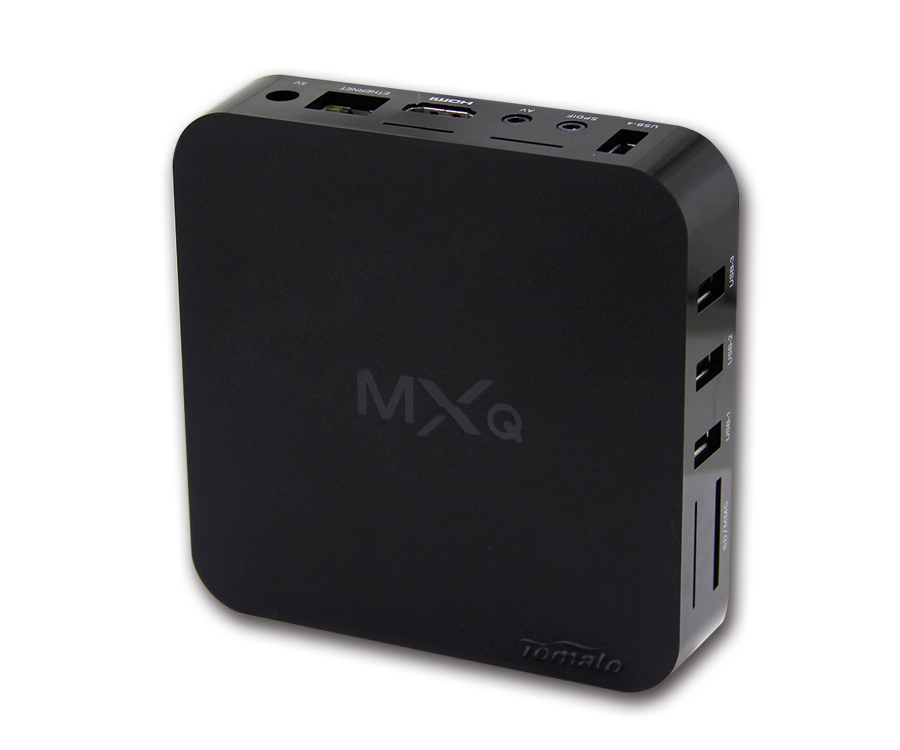
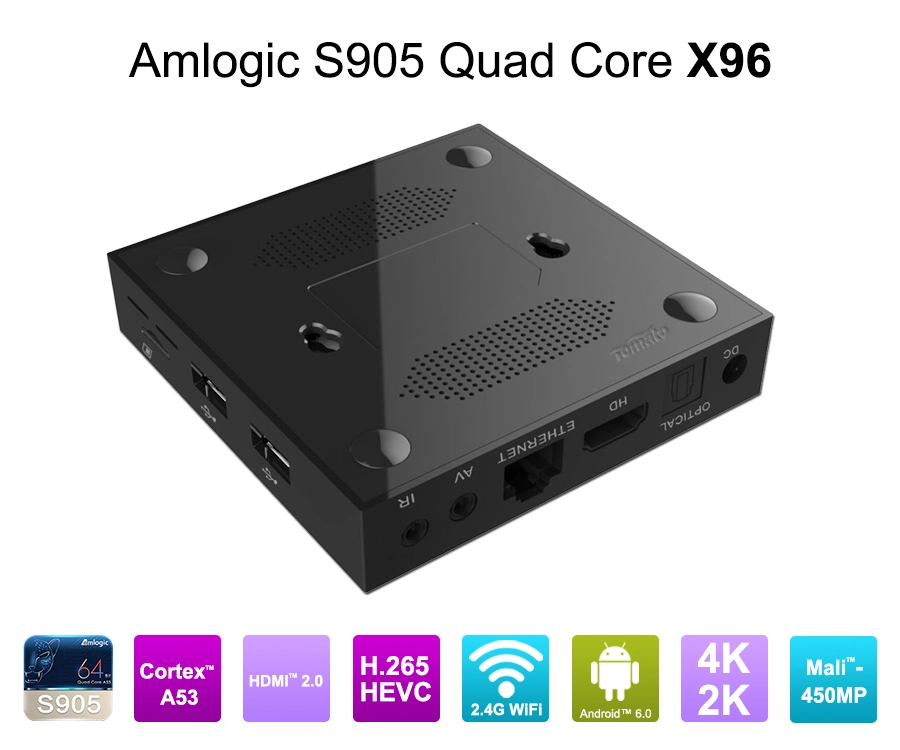
An external Android media player can provide the missing computing layer.
The architecture becomes:
Existing Display + Customized Android Media Player + Digital Signage CMS
This is particularly useful for system integrators managing mixed display fleets.
SoC selection directly affects signage performance
A Digital Signage player may need to handle:
-
4K video
-
HEVC
-
AV1
-
HTML5
-
Multiple browser windows
-
Real-time dashboards
-
Animated graphics
-
Remote management
-
Multiple network protocols
-
Local content caching
An entry-level ARM SoC may be sufficient for a single 1080p promotional playlist.
A 4K interactive display or AI-enabled signage endpoint may require substantially more CPU, GPU, memory bandwidth or NPU capability.
This is why a professional Digital Signage solution should begin with the workload rather than the screen size.
What About Microsoft 365, Power BI and PowerPoint?
This is where the Microsoft ecosystem becomes particularly interesting.
Microsoft-oriented signage deployments can use existing enterprise content and business data.
For example, Microsoft Marketplace includes third-party Digital Signage software that integrates with Microsoft 365, Power BI and PowerPoint. L Squared's Digital Signage platform, for example, describes an Azure-based CMS designed to deliver content to TVs, tablets, monitors and other endpoints while integrating with Power BI, PowerPoint and Microsoft 365.
This distinction is important:
Microsoft's ecosystem can be part of a Digital Signage solution without Microsoft itself being the complete signage platform.
A customer can therefore combine:
Microsoft 365 + Power BI + Azure + Digital Signage CMS + Android Media Player + Commercial Display
This modular approach can be more appropriate for organizations that already have Microsoft-based business applications but require specialized signage hardware.
Why Hardware Engineering Still Matters
A Digital Signage project can fail even when the CMS and content design are correct.
The media player remains the physical endpoint responsible for displaying the content.
Common hardware problems include:
-
Insufficient RAM
-
Slow eMMC
-
Weak GPU performance
-
Poor 4K decoding
-
Wi-Fi instability
-
Inadequate Ethernet bandwidth
-
HDMI compatibility problems
-
Thermal throttling
-
Unstable USB peripherals
-
Poor power design
-
Insufficient long-term firmware support
For continuous commercial operation, thermal design is particularly important.
A player running 4K video, browser rendering and network communication for 12–24 hours per day generates a substantially different workload from a consumer device used for occasional streaming.
A commercial design may therefore require:
-
Larger heatsink
-
Thermal pad optimization
-
Custom enclosure ventilation
-
Fan-assisted cooling
-
Modified PCBA layout
-
Thermal monitoring
-
Kernel-level power management
Where SZTomato Fits in a Microsoft-Based Digital Signage Solution
For B2B customers, SZTomato does not need to replace Microsoft's software ecosystem.
The more practical approach is to provide the hardware and firmware layer that connects the display infrastructure to the customer's existing CMS and enterprise applications.
A customized Android Digital Signage player can be engineered for integration with:
-
Microsoft-based applications
-
Power BI dashboards
-
Web-based CMS platforms
-
Enterprise APIs
-
IPTV systems
-
Retail CMS
-
Hotel management systems
-
IoT platforms
-
Custom applications
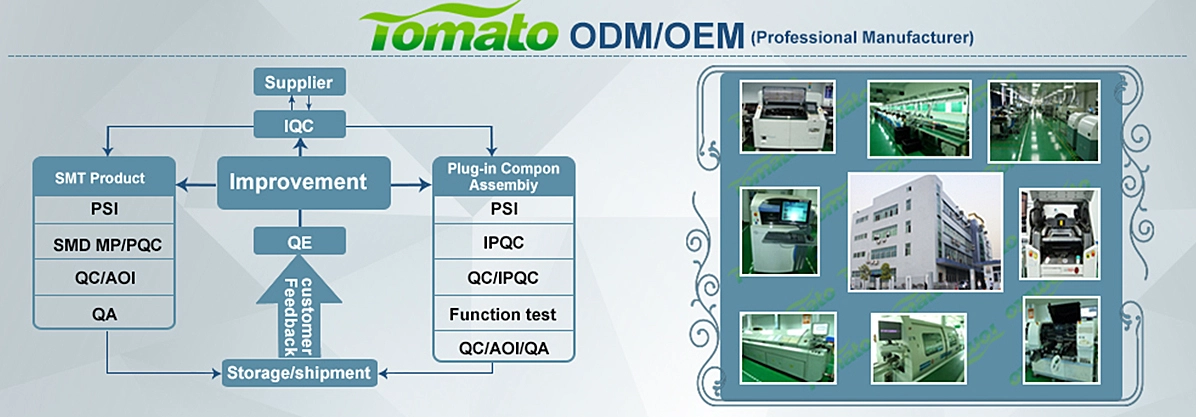
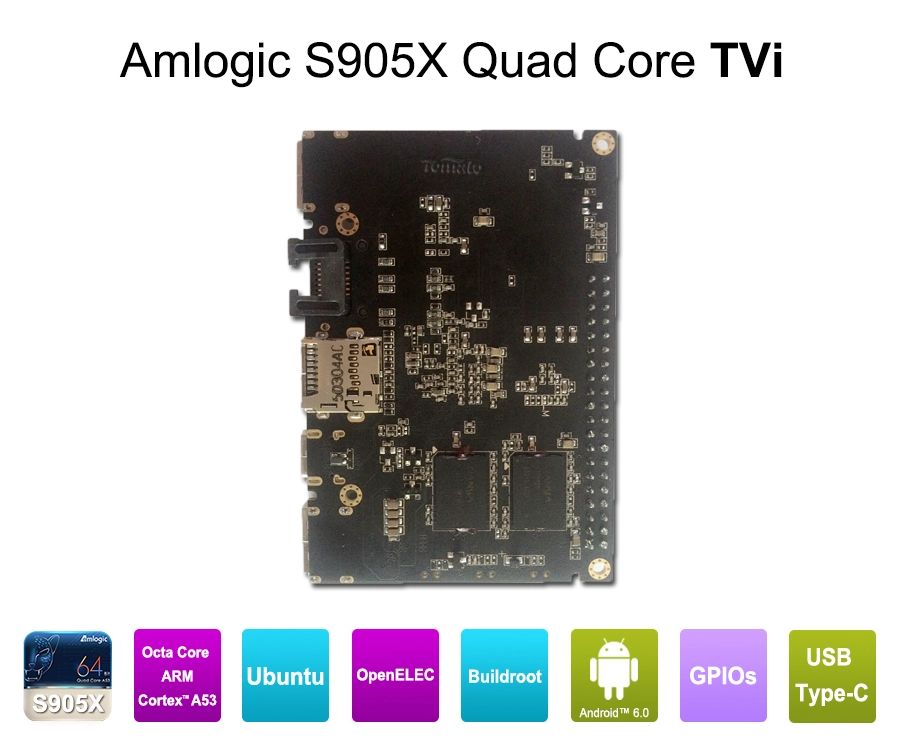
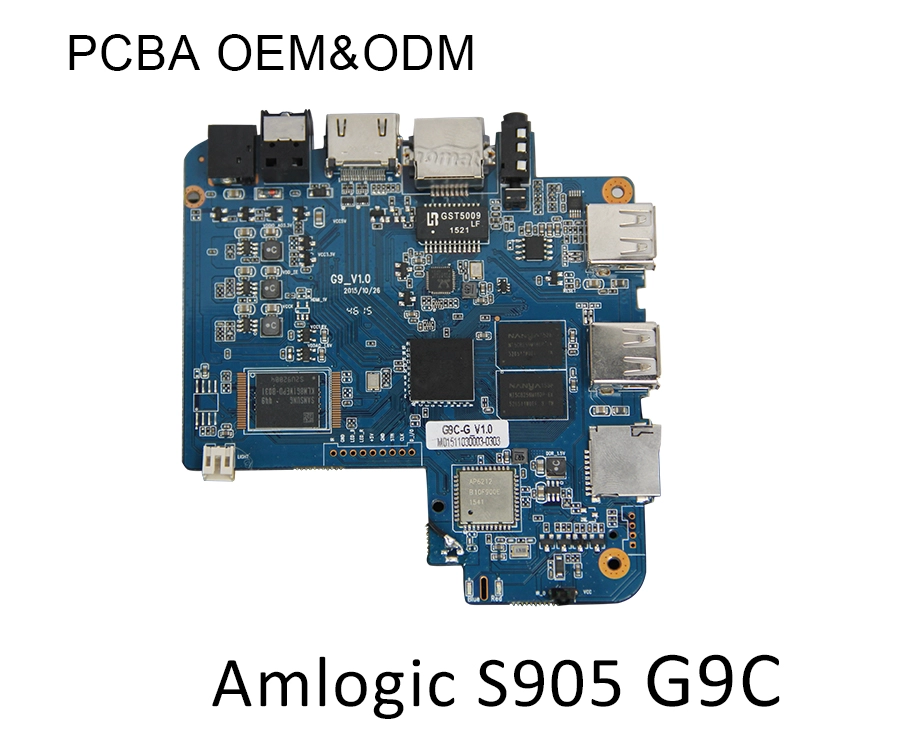
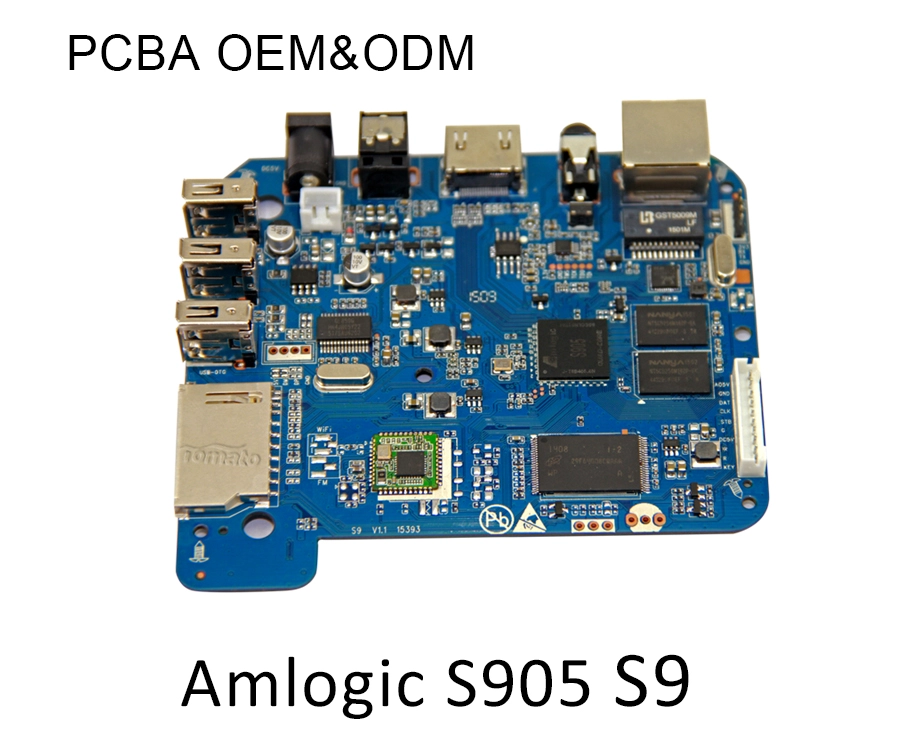
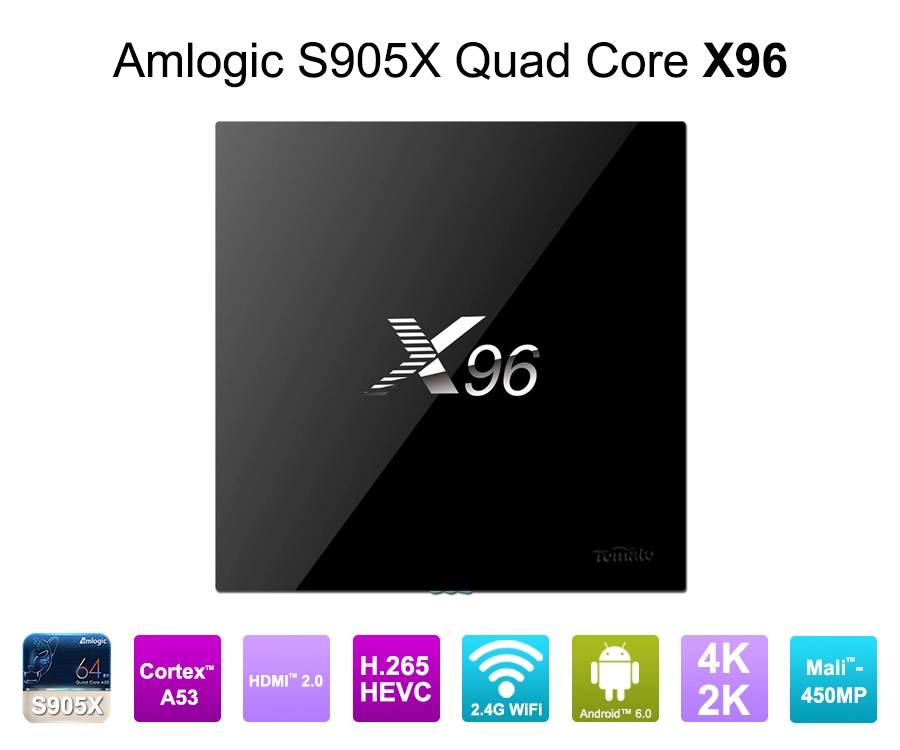
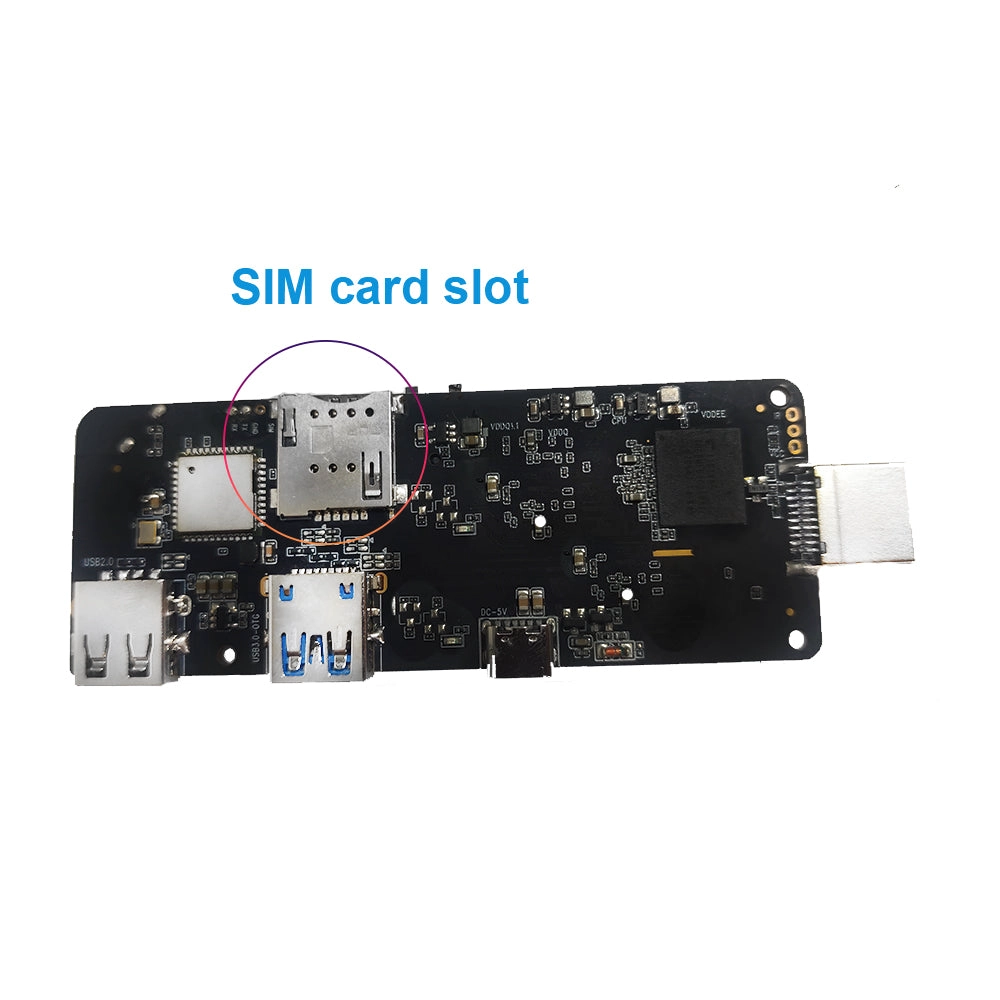
SZTomato supports PCBA hardware modification, SDK/API integration and custom UI/UX firmware, allowing the media player to be adapted to the project rather than forcing the project to use a generic retail box.
For specialized industrial deployments, thermal architecture can also be customized around the expected workload.
PCBA customization
A project may require:
-
Different RAM capacity
-
Larger eMMC
-
Additional USB
-
Serial interfaces
-
GPIO
-
Ethernet configuration
-
Wi-Fi/Bluetooth module changes
-
Modified power architecture
-
Custom connector placement
These requirements can affect both the PCB layout and the Linux/Android device drivers.
Firmware customization
A commercial player may require:
-
Custom launcher
-
Kiosk mode
-
Automatic application startup
-
Remote-control customization
-
Device provisioning
-
Hidden Android settings
-
Application whitelisting
-
OTA update systems
-
Remote diagnostics
Linux/Android kernel optimization may also be required when the project uses specialized peripherals or requires sustained media playback.
The objective is not simply to make an Android box display a webpage.
The objective is to create a stable commercial endpoint that can remain manageable throughout the deployment lifecycle.
Microsoft Digital Signage vs. Dedicated Digital Signage Platform
| Requirement | Microsoft Teams Rooms Signage | Dedicated Digital Signage Architecture |
|---|---|---|
| Teams Rooms integration | Strong | Depends on integration |
| Corporate communications | Strong | Strong |
| Web content | Supported | Common |
| Third-party CMS integration | Supported providers | Broad integration options |
| Existing Teams Rooms hardware | Strong fit | May require separate player |
| Retail signage | Possible | Purpose-built |
| Hotel IPTV | Not the primary use case | Strong fit |
| Large Android deployment | Not the primary architecture | Strong fit |
| Custom PCBA | Not applicable to Teams software | Possible with ODM |
| Custom Android firmware | Not the Teams architecture | Possible |
| Industrial thermal customization | Not applicable | Possible |
| Custom hardware interfaces | Limited by Teams device ecosystem | Highly configurable |
| Specialized OTA architecture | Platform-dependent | Can be engineered |
| AI-enabled edge signage | Requires additional architecture | Can be designed around AI SoCs |
The table highlights the key issue: these are not necessarily competing products.
A company can use Microsoft for its enterprise software environment while using a dedicated Android or Linux media player for the physical signage endpoint.
How to Choose the Right Digital Signage Solution
B2B procurement teams should start with the deployment architecture rather than the software brand.
Ask these questions first:
What content must be displayed?
Static images, 4K video, HTML5, dashboards and interactive applications have very different hardware requirements.
How many screens will be deployed?
Ten screens and 10,000 screens create different requirements for provisioning, monitoring, OTA updates and network architecture.
What operating system is required?
Windows, Android and Linux each have different application, driver and management considerations.
Does the project require Microsoft integration?
If the organization already relies on Teams, Microsoft 365, Power BI or Azure, integration requirements should be defined before selecting the media player.
Does the hardware need customization?
If the project requires custom ports, PCBA modifications, industrial cooling or proprietary firmware, a standard retail player may not be suitable.
What is the expected lifecycle?
A Digital Signage solution should be evaluated over its expected deployment period, not only by initial hardware price.
Firmware maintenance, security updates, component availability, OTA infrastructure and replacement strategy can have a larger impact on total cost than the original device price.
Conclusion
So, does Microsoft have a Digital Signage solution?
Yes. Microsoft provides Digital Signage functionality through Teams Rooms, with support for web-based signage sources and selected third-party digital signage integrations. It is particularly relevant for organizations using Teams Rooms to communicate information through meeting-room displays.
But Microsoft's Digital Signage capability should not be confused with a universal, purpose-built digital signage hardware and CMS stack.
For retail, hospitality, IPTV, industrial, education and large-scale commercial deployments, a more flexible architecture may combine Microsoft's enterprise ecosystem with a dedicated Digital Signage CMS and customized Android/Linux media player.
For procurement managers and system integrators, the key question is therefore not simply whether Microsoft offers signage software. It is whether the complete architecture can satisfy the project's content, CMS, SoC, codec, display, network, firmware, OTA, thermal and lifecycle requirements.
SZTomato can provide the hardware engineering layer for such deployments, including PCBA modification, SDK/API integration, custom UI/UX firmware, Android/Linux optimization and specialized cooling solutions.
For a new Digital Signage project, define the CMS, content types, display resolution, deployment scale, operating system, network environment and lifecycle requirements first. Then select or customize the media player around those requirements. That approach produces a more maintainable solution than starting with a generic box and trying to force the hardware into the project later.