Is it better to buy a smart TV or a Streaming Media Player?
Is It Better to Buy a Smart TV or a Streaming Media Player?
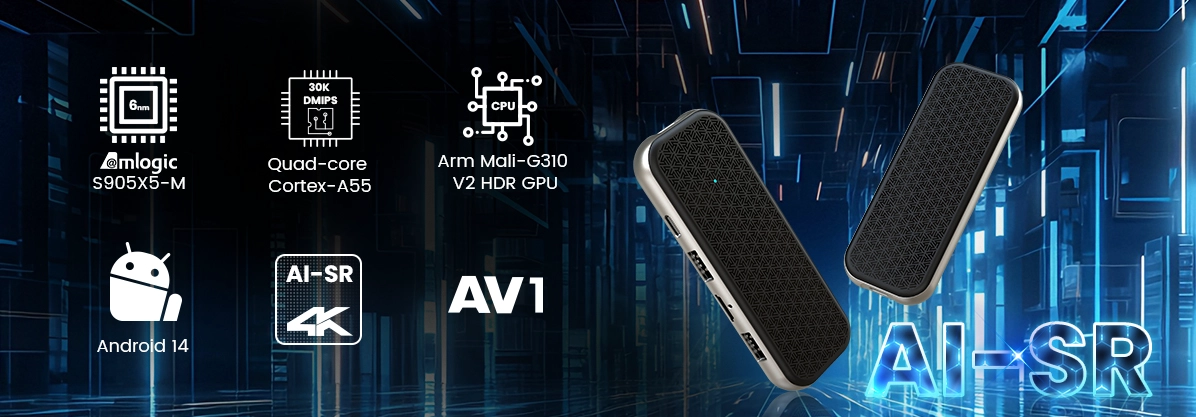
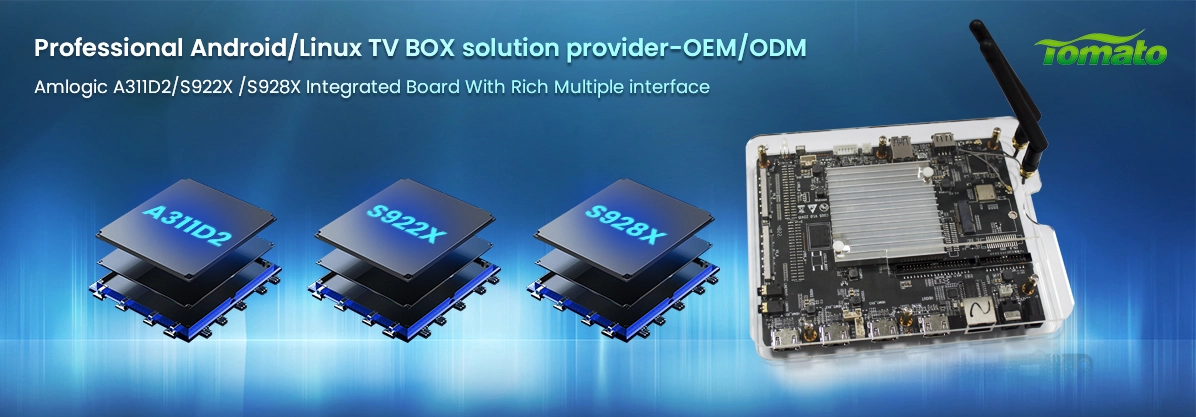
The latest generation of streaming devices has changed the hardware equation. Modern SoCs such as Amlogic's S905X5 family support advanced video processing and AV1 decoding, while higher-performance platforms can combine 4K/8K media processing with AI acceleration and richer I/O.
That raises a practical procurement question: Is it better to buy a Smart TV with built-in streaming functions, or use a separate Streaming Media Player?
For a consumer buying one television, the answer depends on convenience and budget. For B2B deployments, the decision is more technical. Device lifecycle, firmware control, application compatibility, network architecture, OTA updates, HDCP security, thermal performance and replacement cost can matter more than the initial purchase price.
Smart TV vs. Streaming Media Player: What Is Actually Different?
A Smart TV integrates the display panel, SoC, operating system, network interfaces and streaming applications into one device.
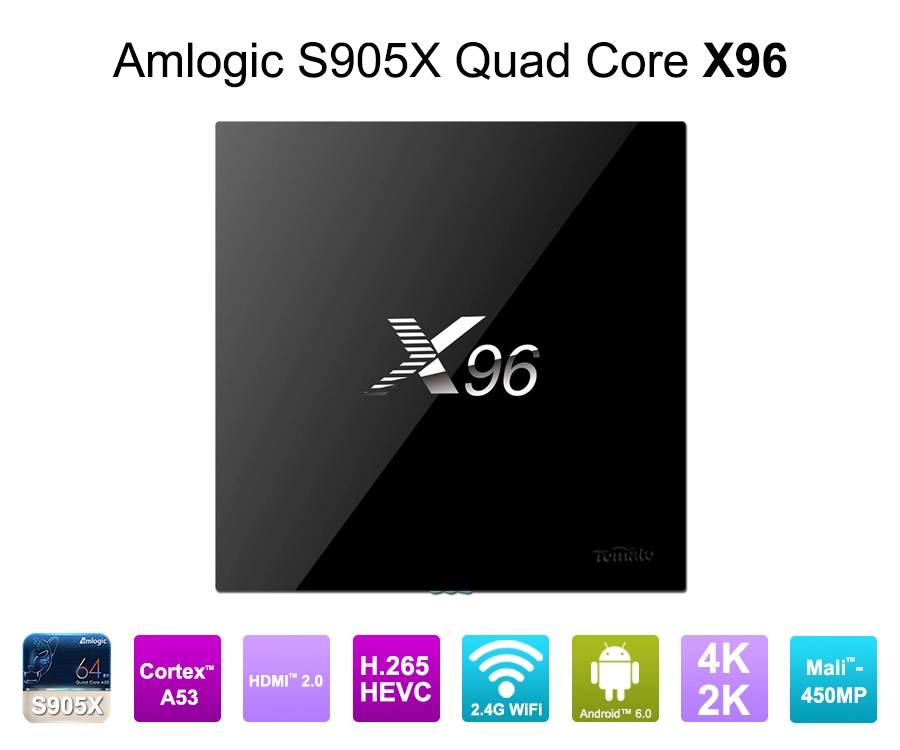
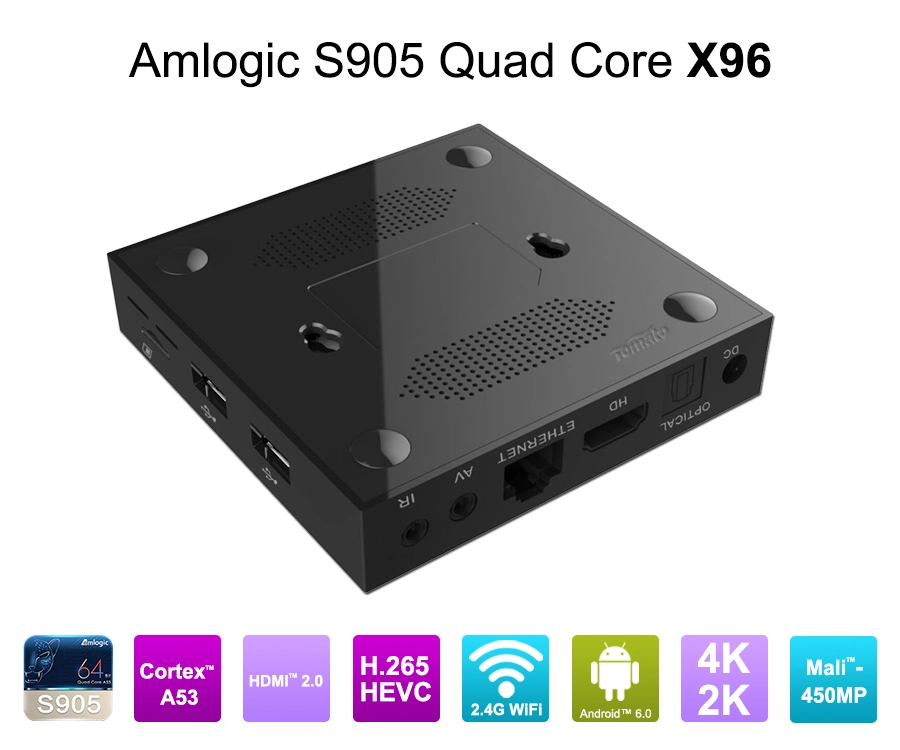
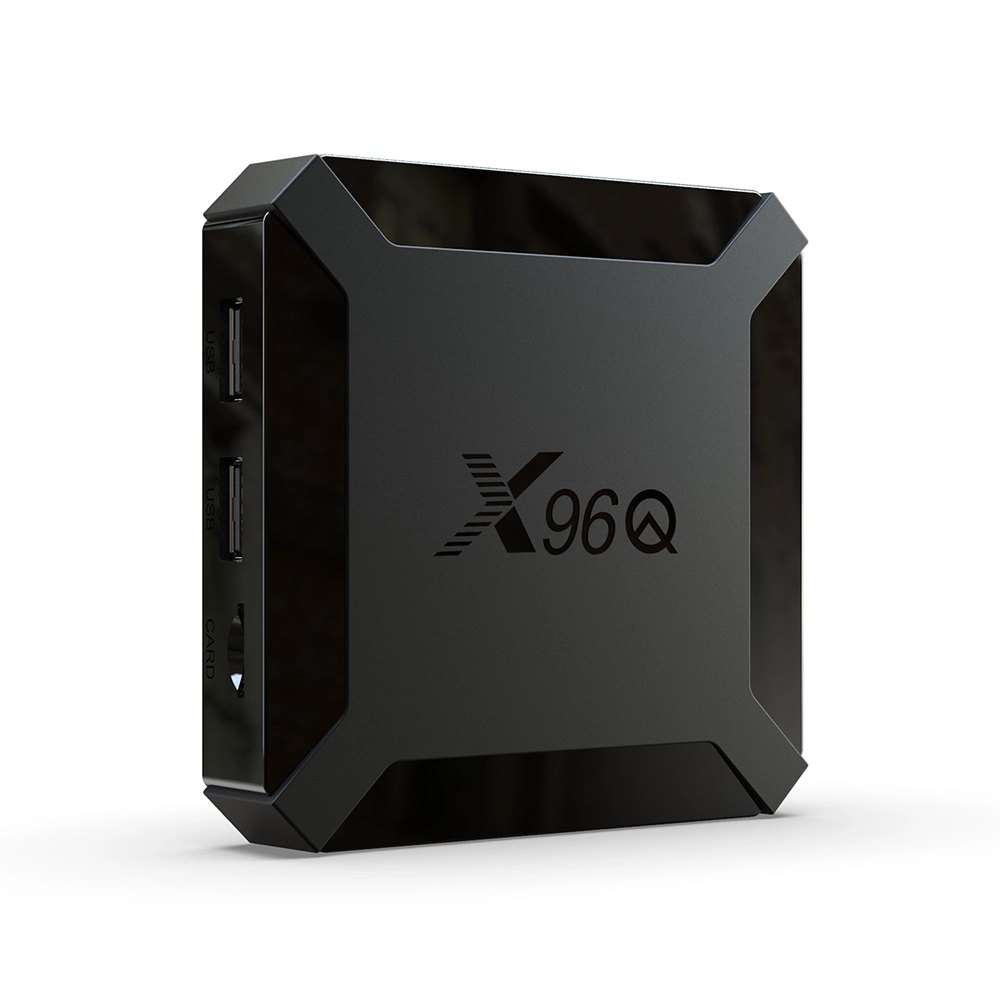
A Streaming Media Player separates the display from the computing platform.
The difference can be represented simply:
Smart TV: Display + SoC + OS + Streaming Platform
Streaming Media Player: External Display + SoC + OS + Streaming Platform
This separation has significant implications for commercial applications.
Smart TV: Integrated hardware architecture
A Smart TV typically includes:
-
LCD or OLED display
-
TV SoC
-
GPU
-
Video decoder
-
Wi-Fi/Bluetooth
-
Ethernet on selected models
-
HDMI interfaces
-
Speakers
-
Operating system
-
Streaming applications
-
Remote-control subsystem
The main advantage is integration. One device performs the display and media-processing functions.
For residential users, this reduces the number of cables and devices.
For commercial projects, however, integration can become a limitation.
If the television's operating system becomes obsolete, the display itself may still be perfectly functional while its software platform becomes difficult to maintain.
Replacing the entire television is then unnecessary from a display perspective but may be unavoidable from a software perspective.
Streaming Media Player: separated computing architecture
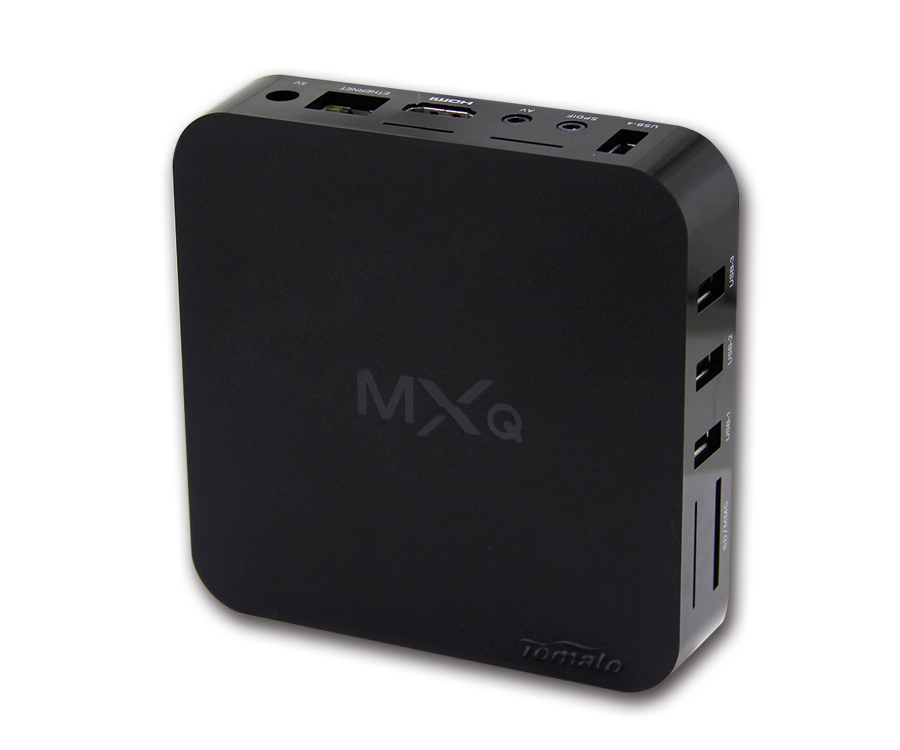
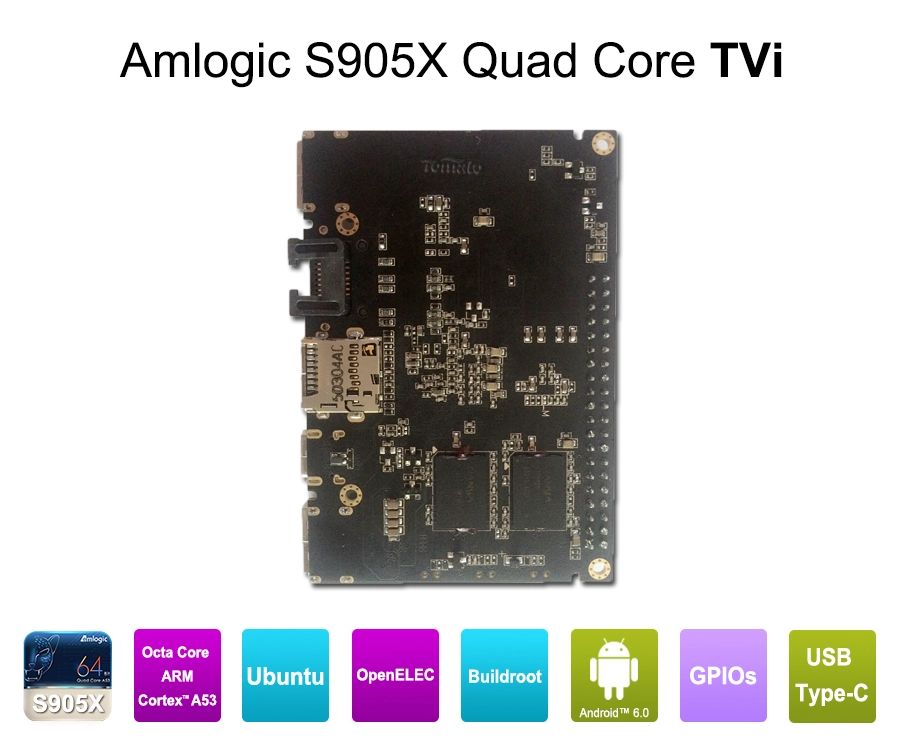
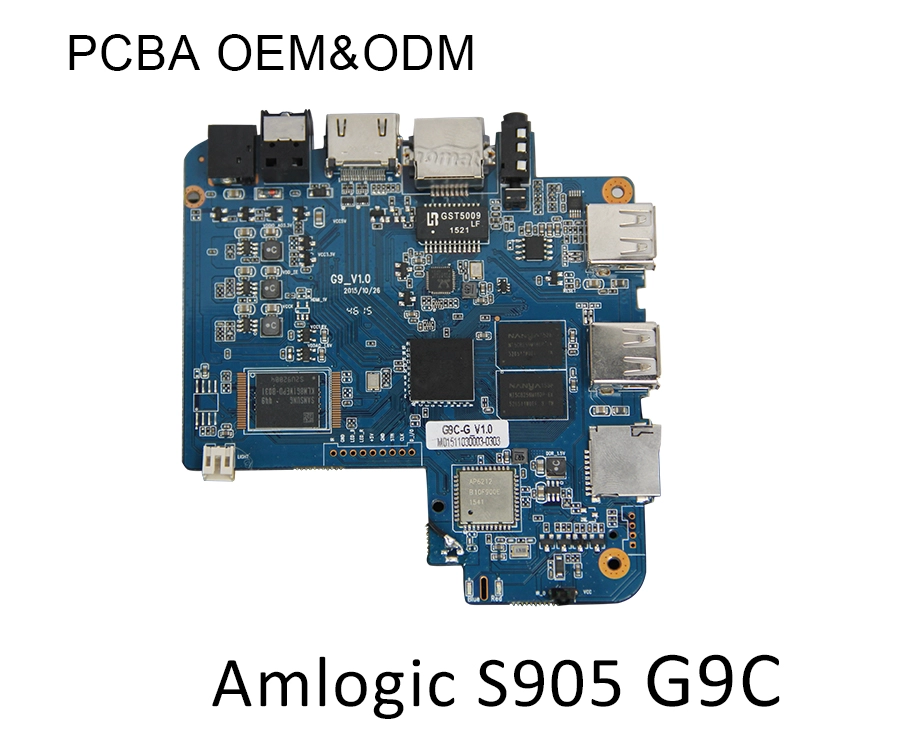
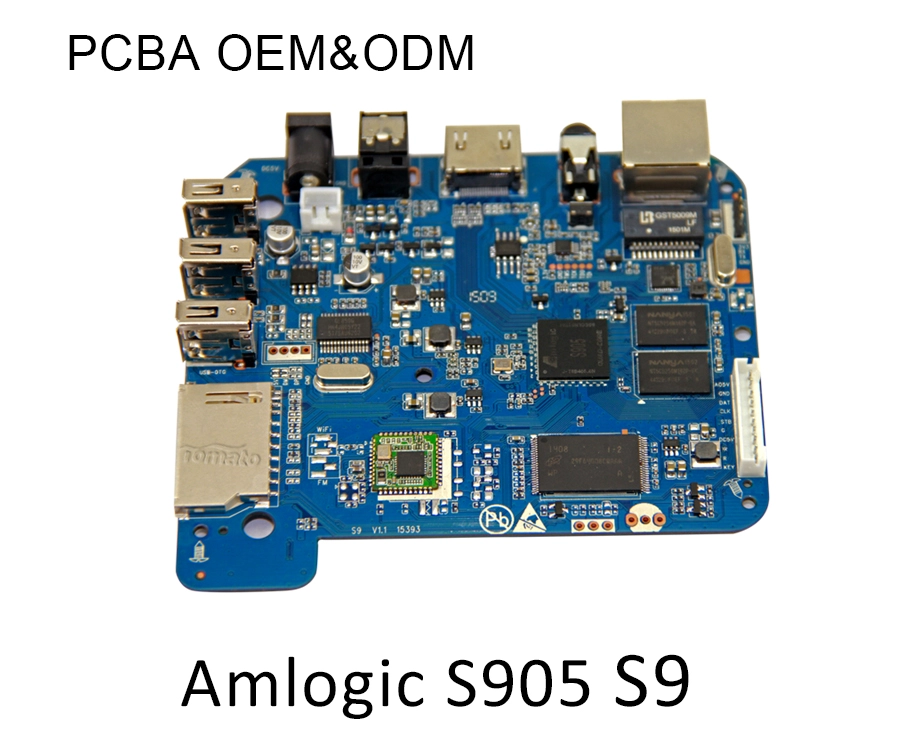
A Streaming Media Player moves the computing function outside the display.
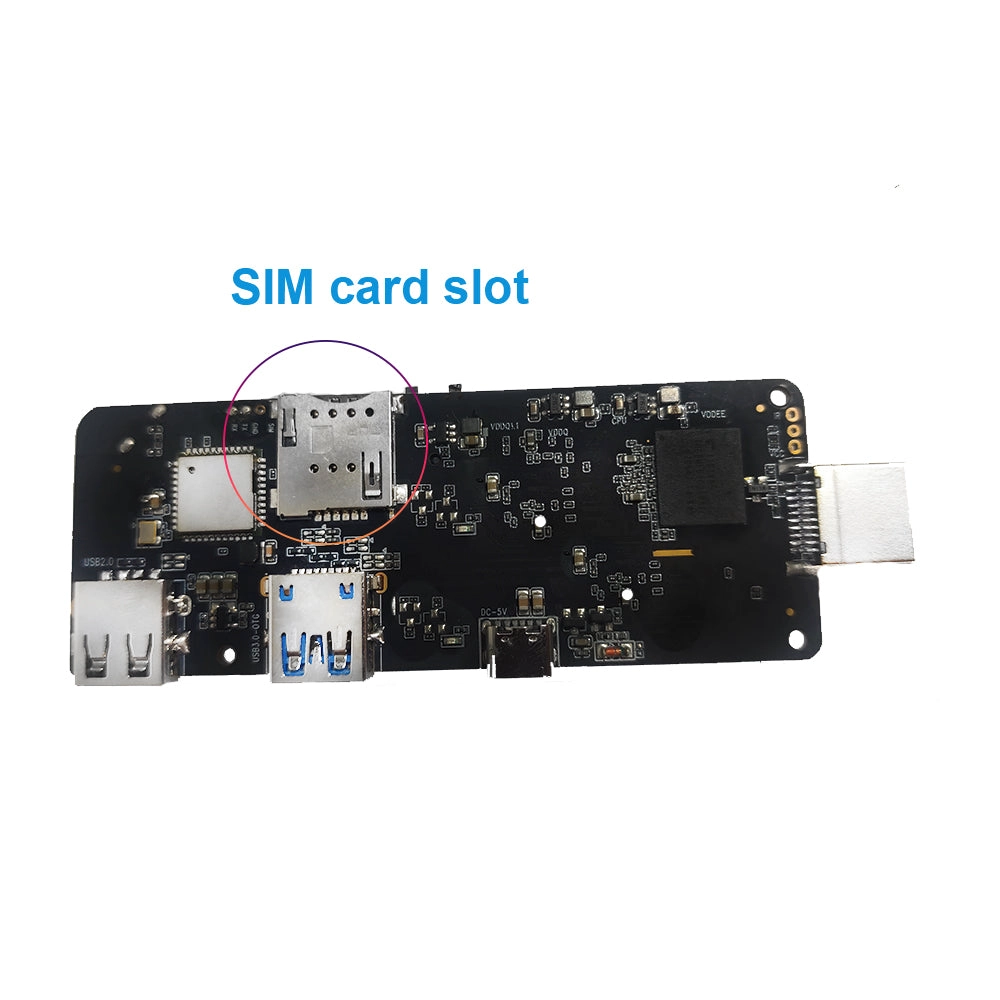
The external device normally contains:
-
ARM-based SoC
-
RAM
-
eMMC or NAND storage
-
Wi-Fi/Bluetooth
-
Ethernet
-
USB
-
HDMI
-
Audio interfaces
-
Hardware video decoder
-
Android or Linux
-
Application framework
-
OTA update mechanism
The television becomes primarily a display endpoint.
This architecture provides a major B2B advantage: the computing platform can be upgraded without replacing the display.
For hotels, hospitals, education systems, IPTV deployments, retail stores and digital signage networks, that separation can simplify long-term maintenance.
Which Is Better for Commercial Deployment?
The answer depends on the project architecture.
For a residential living room, an integrated Smart TV can reduce installation complexity.
For a large deployment, a Streaming Media Player often provides greater control over the software and computing layer.
1. Software lifecycle
This is one of the most important differences.
Smart TV manufacturers control the television's firmware ecosystem. The update schedule, supported applications and operating-system lifecycle depend on the TV platform.
A commercial Streaming Media Player can be designed around a controlled firmware environment.
The operator can define:
-
Installed applications
-
Default launcher
-
Network configuration
-
Remote-control behavior
-
Device-management policy
-
OTA update strategy
-
Application permissions
-
Boot sequence
-
Kiosk mode
This is particularly important when hundreds or thousands of devices are deployed.
A centralized OTA system can distribute firmware updates without physically accessing every installation.
For system integrators, this creates a more manageable device fleet.
2. Hardware lifecycle
Display panels and computing platforms do not necessarily have the same lifecycle.
A commercial display may remain physically useful for many years. The media-processing platform, however, may require an upgrade sooner because of:
-
New video codecs
-
New DRM requirements
-
New streaming applications
-
Increased processing requirements
-
Security updates
-
New network standards
-
AI workloads
With a separate Streaming Media Player, the computing platform can be replaced independently.
This creates a modular architecture:
Display → HDMI → Streaming Media Player → Network / CMS / IPTV Platform
Instead of:
Integrated Smart TV → Replace Entire Unit
For a multi-site B2B deployment, this difference can materially affect maintenance logistics and replacement cost.
Streaming Media Player vs. Smart TV: Performance and Codec Considerations
The display resolution does not determine the actual media-processing capability.
A television marketed as "4K" may support 4K display output but have limitations involving:
-
Codec profiles
-
Bitrate
-
HDR formats
-
AV1 decoding
-
Hardware acceleration
-
Application performance
-
Memory capacity
-
Network throughput
A Streaming Media Player can be selected according to the exact workload.
SoC selection is the starting point
For example, a mainstream 4K Streaming Media Player may prioritize:
-
Efficient ARM CPU architecture
-
Hardware H.264/HEVC/VP9/AV1 decoding
-
Low power consumption
-
2.4/5 GHz Wi-Fi
-
Gigabit Ethernet
-
4K HDMI output
A higher-end commercial platform may require:
-
More CPU cores
-
Higher memory bandwidth
-
Stronger GPU performance
-
8K video processing
-
Multiple display outputs
-
AI/NPU capability
-
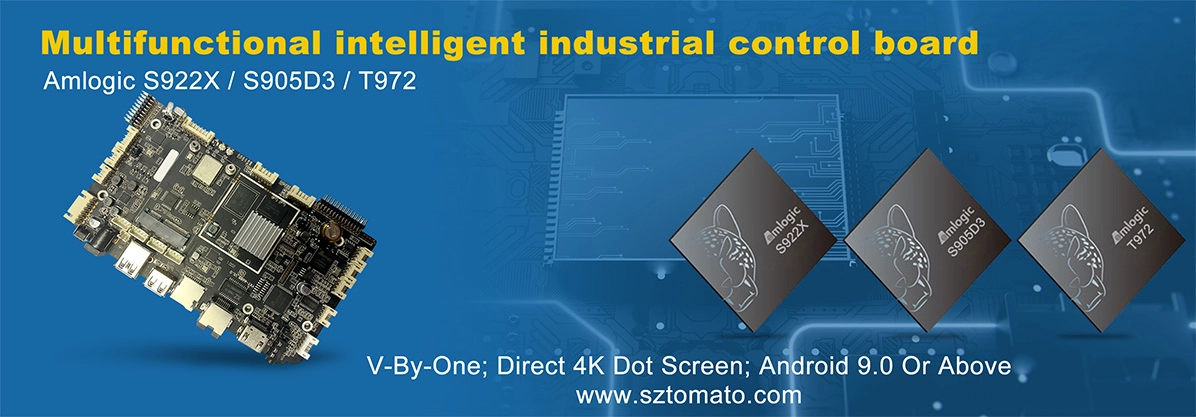
Industrial I/O
-
Higher thermal capacity
This is why B2B buyers should select the SoC according to the application instead of choosing a device simply because its product page lists "4K" or "8K."
AV1 is a practical example
AV1 has become increasingly relevant to streaming-device design because of its compression efficiency.
If the target platform depends on AV1 content, the device should have hardware AV1 decoding rather than relying on software decoding.
Hardware decoding reduces CPU load and can improve power efficiency and sustained playback stability.
The same principle applies to HEVC, VP9 and other codec requirements.
The codec requirement should therefore be specified before selecting the Streaming Media Player hardware.
Security, DRM and HDCP Matter More Than They Appear
Streaming platforms do not simply send unrestricted video files to a device.
Commercial streaming environments can involve:
-
DRM
-
Secure boot
-
Trusted execution environments
-
HDCP
-
Secure media paths
-
Key provisioning
-
Application authentication
HDCP protects digital content transferred through interfaces such as HDMI.
A device intended for commercial streaming therefore needs more than a functional HDMI connector.
The complete chain may include:
Application → DRM → Secure Decoder → Protected Video Path → HDMI → HDCP → Display
If any part of this architecture is incompatible with the target service, a theoretically capable hardware platform may still fail the deployment requirement.
For B2B procurement, DRM and HDCP compatibility should be verified during the engineering-validation stage rather than after mass production.
When Does a Streaming Media Player Make More Sense?
There are several situations where an external Streaming Media Player has a strong architectural advantage.
Hotels and hospitality
Hotels may need a standardized interface across televisions from different suppliers.
A Streaming Media Player can provide a consistent software environment while allowing different display models to remain compatible.
Possible functions include:
-
Hotel IPTV
-
Room information
-
Video-on-demand
-
Digital signage
-
Guest applications
-
Centralized device management
-
Customized launcher
The hotel operator can upgrade the media platform without replacing every television.
Digital signage
Digital signage is another strong application.
A commercial display may have an excellent panel but insufficient computing resources for:
-
Multi-zone content
-
High-resolution video
-
Remote CMS
-
Scheduled playback
-
HTML5 content
-
Interactive applications
-
AI-assisted analytics
An external media player turns the display into a flexible visual endpoint.
IPTV operators
IPTV operators often require a controlled software environment.
A customized Streaming Media Player can integrate:
-
IPTV middleware
-
EPG
-
Conditional-access systems
-
Customer applications
-
Remote diagnostics
-
OTA firmware
-
Device provisioning
This level of integration is difficult to achieve if the operator has to depend entirely on the Smart TV manufacturer's operating system.
Where a Smart TV Still Makes Sense
A Smart TV remains a logical choice when the project prioritizes simplicity.
Typical scenarios include:
-
Residential living rooms
-
Small offices
-
Low-volume installations
-
Standard streaming applications
-
Minimal customization requirements
-
Projects where integrated speakers and display hardware are important
The key point is that Smart TVs and Streaming Media Players solve different architecture problems.
The question should not be reduced to "Which product is better?"
The more useful question is:
Which architecture gives the project the required control, lifecycle and total cost structure?
Why OEM/ODM Engineering Changes the Decision
A generic Streaming Media Player is easy to purchase.
A project-specific Streaming Media Player requires a different supplier capability.
For example, a system integrator may need a device with:
-
Modified PCBA layout
-
Different RAM/eMMC configuration
-
Additional USB or serial interfaces
-
Custom Ethernet configuration
-
Specific Wi-Fi/Bluetooth modules
-
Custom enclosure
-
Customized heatsink
-
Industrial cooling
-
Android/Linux optimization
-
Proprietary application integration
-
Customized launcher
-
OTA infrastructure
This is where the distinction between simple OEM branding and actual ODM engineering becomes important.
Changing a logo does not change the platform.
PCBA customization
A commercial project may require modification of the PCB to accommodate different interfaces, memory configurations, wireless modules or power requirements.
That can involve:
-
PCB layout changes
-
Power-tree redesign
-
Signal-integrity analysis
-
Connector placement
-
EMI considerations
-
Thermal optimization
-
Driver adaptation
SDK/API integration
The Streaming Media Player may need to communicate with an external CMS, IPTV middleware, enterprise application or device-management platform.
SDK and API integration allows the media player to become part of the customer's existing system rather than functioning as an isolated consumer device.
Custom UI/UX firmware
For a branded commercial platform, firmware can control:
-
Boot animation
-
Launcher
-
Remote keys
-
System settings
-
Pre-installed applications
-
Kiosk mode
-
Device provisioning
-
OTA updates
-
User permissions
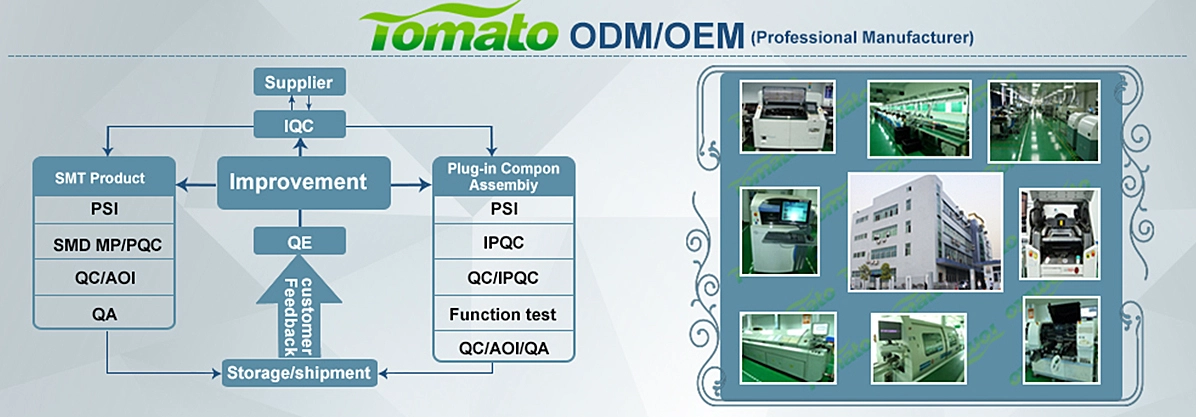
SZTomato supports this type of OEM/ODM development, including PCBA hardware modification, SDK/API integration and custom UI/UX firmware.
For industrial deployments, customized cooling solutions can also be engineered around the expected SoC workload and operating environment.
A Practical Decision Framework for B2B Buyers
Before choosing between a Smart TV and Streaming Media Player, procurement teams should evaluate the following:
| Requirement | Smart TV | Streaming Media Player |
|---|---|---|
| Integrated display | Yes | No |
| External computing platform | No | Yes |
| Software customization | Usually limited | High potential |
| Hardware customization | Limited | Higher potential |
| OTA control | Depends on TV platform | Can be customized |
| Independent hardware upgrade | Limited | Strong |
| IPTV integration | Platform-dependent | Highly customizable |
| Digital signage | Possible | Strong fit |
| Hotel IPTV | Possible | Strong fit |
| Centralized device management | Platform-dependent | Highly configurable |
| Custom launcher/UI | Usually limited | Available through firmware |
| PCBA modification | Generally unavailable | Possible with ODM |
| Industrial cooling customization | Limited | Possible |
| Display replacement independence | Low | High |
The decision should also include total cost of ownership.
A low-cost Smart TV may appear cheaper at the beginning. But if the software platform needs to be replaced while the display remains usable, the long-term economics can change.
Conversely, if a project only needs standard streaming applications and has no special firmware requirements, adding a separate device can introduce unnecessary hardware and installation complexity.
The Bottom Line for Procurement Managers
For consumer use, a Smart TV is primarily an integrated display-and-computing product. A Streaming Media Player is a modular computing platform that turns an existing display into a controlled media endpoint.
For B2B projects, the modular architecture of a Streaming Media Player can provide advantages in software control, hardware lifecycle, OEM customization, centralized OTA management, IPTV integration and long-term platform maintenance.
The most important selection criteria are not the product's retail appearance or headline resolution. Procurement teams should examine the SoC, codec support, DRM, HDCP, RAM/eMMC configuration, operating system, kernel support, OTA architecture, thermal design and customization capability.
For system integrators and enterprise buyers developing a large deployment, the right question is therefore not simply whether a Smart TV or Streaming Media Player is cheaper today. It is whether the selected architecture can remain technically maintainable throughout the project's expected lifecycle.
SZTomato works with B2B customers that require more than private-label hardware, supporting PCBA modification, SDK/API integration, Android/Linux firmware optimization, customized UI/UX and specialized thermal solutions.
For an IPTV, hotel, digital signage or enterprise project, the practical starting point is to define the display interface, SoC performance, codec requirements, software stack, network architecture, deployment quantity and expected service life. The Streaming Media Player can then be engineered around those requirements rather than forcing the project into a generic consumer platform.