How do TV Box work?
How Do TV Box Work? A Technical Guide to SoC, Streaming, Decoding and Firmware
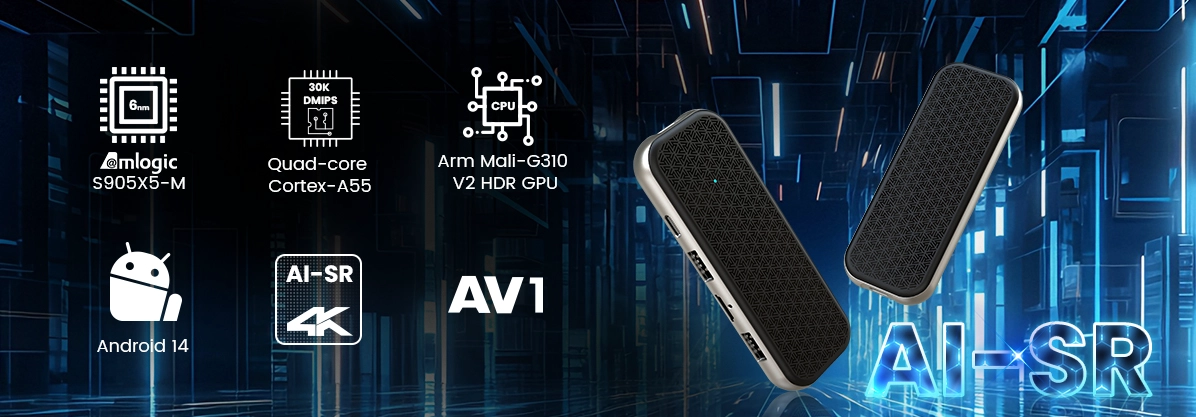
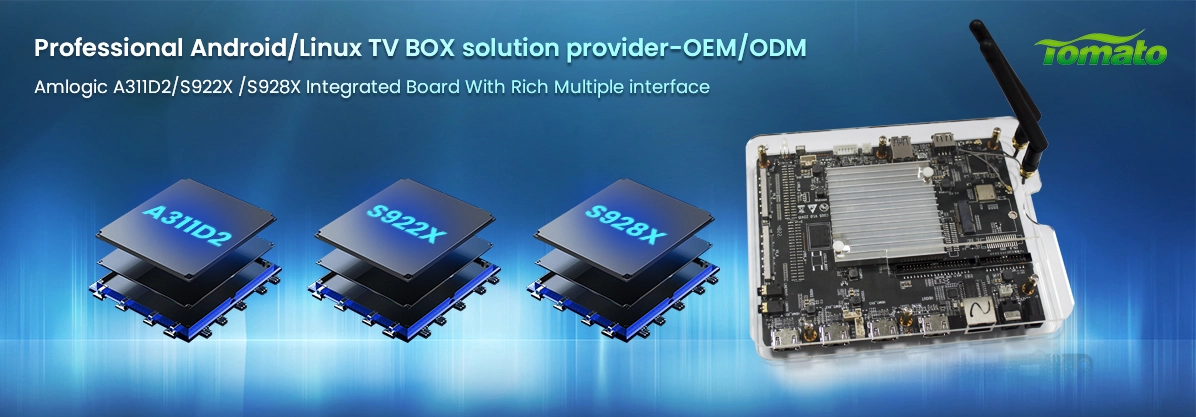
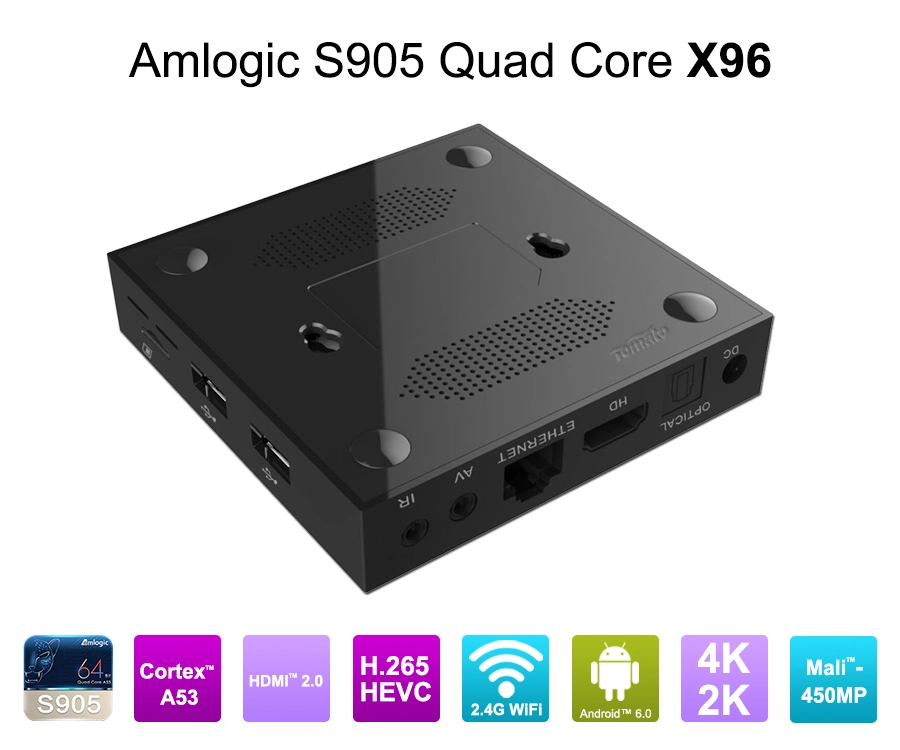
A modern TV Box is no longer just a small Android computer connected to an HDMI port. The shift toward AV1, 4K/8K decoding, hardware video acceleration, secure content paths and AI-capable SoCs has changed how manufacturers design the entire device. Amlogic, for example, now lists the 6 nm S905X5 as a next-generation 4K UHD set-top-box SoC, while its higher-end S928X combines Cortex-A76/A55 CPUs with an NPU and hardware support for 8K video formats including AV1.
For B2B buyers, therefore, the useful question is not simply "What does a TV Box do?" It is how the hardware, operating system, network stack, video decoder, DRM/security layer and firmware work together to deliver stable media playback.
How Does a TV Box Work?
At a system level, a TV Box converts digital content from an external source—usually an Internet streaming service, IPTV platform, local storage device or network server—into synchronized video and audio that a television can display.
The basic processing chain is:
Network / USB / HDMI Input → SoC → Operating System → Media Framework → Hardware Decoder → Audio/Video Processing → HDMI Output → TV
Each layer has a different responsibility.
1. Network or content input
A TV Box first receives content from a source.
Typical inputs include:
- Ethernet
- Wi-Fi
- USB storage
- IPTV streams
- OTT streaming services
- Local network media servers
- HDMI input on selected models
For an IPTV or OTT application, the network interface receives compressed packets rather than an uncompressed video signal. The software stack then buffers, decrypts where authorized, parses and prepares the stream for playback.
Network performance matters, but raw Wi-Fi speed is not the only consideration. Buffer management, TCP/UDP behavior, driver stability, DNS handling, thermal throttling and firmware optimization can have a larger impact on perceived playback quality.
2. The SoC performs the core processing
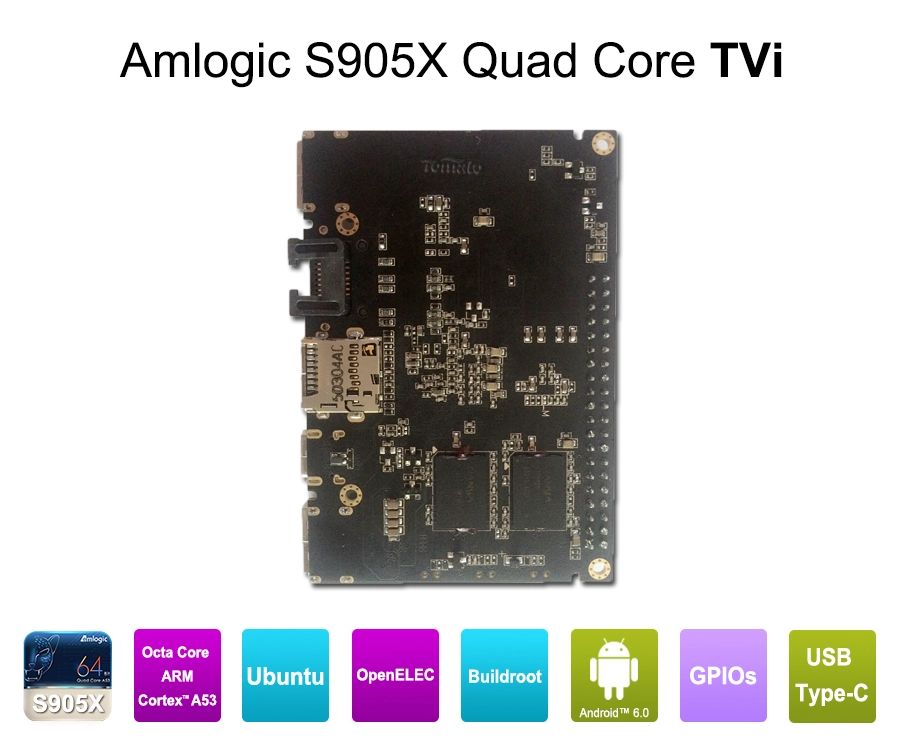
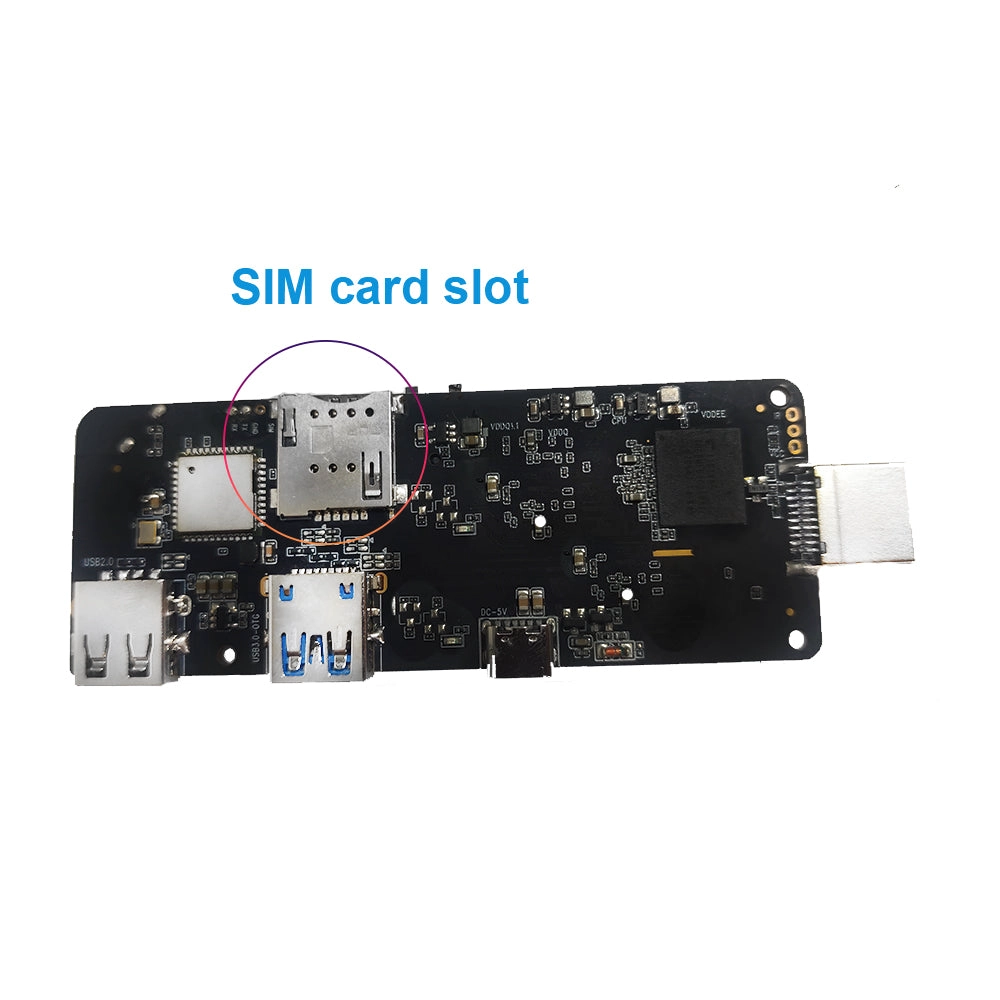
The System-on-Chip is the central hardware component.
A typical TV Box SoC integrates:
- ARM CPU cores
- GPU
- Video decoder
- Video encoder
- Memory controller
- Display engine
- Audio subsystem
- Security components
- Peripheral interfaces
- Sometimes an NPU
The CPU runs Android or Linux and manages applications, networking, system services and user interaction. The GPU handles graphics rendering. The dedicated video engine performs computationally intensive codec operations.
This distinction is important.
A TV Box does not normally decode 4K video by asking the CPU to process every frame. Dedicated hardware decoders perform much of the workload, allowing the CPU to concentrate on operating-system and application tasks.
For example, current Android TV compatibility requirements include AV1 decoding, alongside H.264, HEVC and VP9.
That makes codec support a hardware-selection issue rather than simply an application feature.
What Happens When a TV Box Plays a Video?
Consider a 4K streaming video.
The process typically looks like this:
Step 1 — Stream acquisition
The application requests video data from a streaming or IPTV service.
Step 2 — Buffering
The system stores a controlled amount of compressed data in memory to compensate for network variation.
Step 3 — Demultiplexing
The media framework separates video, audio, subtitles and other streams contained in the media container.
Step 4 — Codec decoding
The SoC's hardware decoder converts compressed video such as H.264, HEVC or AV1 into raw video frames.
Step 5 — Video processing
The display pipeline can perform scaling, HDR processing, color conversion, deinterlacing and other image operations depending on the SoC and firmware.
Step 6 — Audio processing
The audio stream is decoded or passed through to a compatible external audio system.
Step 7 — Synchronization
Video presentation timestamps and audio clocks are coordinated so that speech does not drift away from the image. Android also provides multimedia tunneling mechanisms that can move compressed video through a hardware decoder toward the display while using timing information to control frame presentation.
Step 8 — HDMI output
The processed signal is sent to the television through HDMI.
For external HDMI displays, Android TV device requirements also address HDMI refresh rates and HDCP content protection. Current Android compatibility documentation specifies HDCP 2.2 for TV devices using HDMI output in relevant configurations.
The user sees one continuous video. Internally, however, several hardware and software subsystems are operating simultaneously.
How Android and Linux Make a TV Box Usable
The hardware alone does not make a commercially viable TV Box.
The operating system provides the software environment connecting hardware drivers, applications, networking and media functions.
Android TV Box architecture
An Android-based TV Box can contain several layers:
Application layer
Streaming apps, IPTV applications, browsers, media players and customer-developed applications.
Android framework
Media APIs, networking, input management, display services and system services.
HAL and drivers
Hardware abstraction layers connect Android with the SoC's decoder, GPU, audio engine, HDMI controller, Wi-Fi chipset and other components.
Linux kernel
The kernel manages memory, processes, drivers, networking, power management and hardware resources.
Android's TV Input Framework demonstrates this architecture clearly. TV applications communicate with standardized TV-input components rather than directly controlling every hardware subsystem. The framework includes TV Input Manager, TV Input HAL, HDMI-CEC, tuner and conditional-access components.
This architecture is one reason firmware engineering matters in B2B TV Box projects.
A reference board may boot Android successfully but still fail a commercial project's requirements because of:
- Unstable HDMI behavior
- Poor remote-control response
- Wi-Fi driver problems
- Incorrect display timing
- Codec limitations
- Thermal throttling
- Memory allocation problems
- Inadequate OTA infrastructure
- Application compatibility issues
- Missing hardware APIs
HDMI-CEC is another firmware-level function
HDMI-CEC allows connected devices to exchange control commands. For example, a TV Box can wake the television and switch to the appropriate HDMI input using One Touch Play. Android provides an HdmiControlService to standardize much of this behavior.
For an OEM project, this means HDMI functionality should be evaluated as a complete hardware-and-software implementation rather than simply checking whether an HDMI connector exists on the enclosure.
Why TV Box Customization Requires More Than Changing the Case
Many suppliers describe a product as "OEM" when the actual customization is limited to:
- Logo printing
- Packaging
- Remote-control branding
- Enclosure color
That is not sufficient for projects requiring differentiated functionality.
A genuine B2B TV Box customization project can involve the PCBA, SoC configuration, kernel, drivers, Android framework, application layer and thermal architecture.
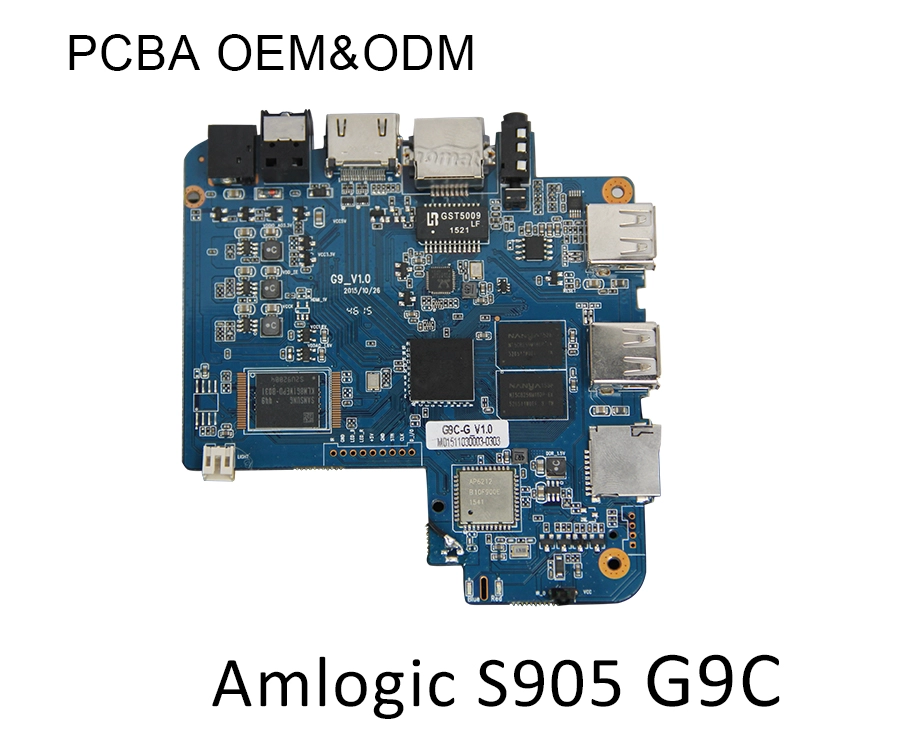
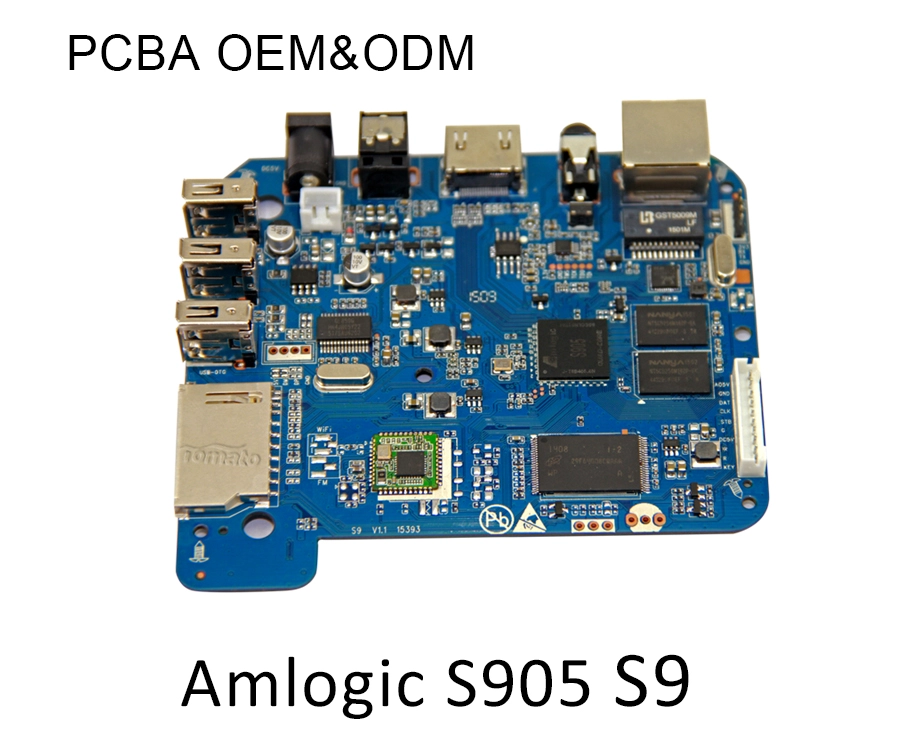
PCBA customization
A project may require changes to:
- RAM capacity
- eMMC storage
- Wi-Fi/Bluetooth module
- Ethernet interface
- USB configuration
- HDMI interfaces
- GPIO
- Serial ports
- MIPI interfaces
- Power circuitry
- Connector placement
Changing these elements can require PCB layout modification, signal-integrity validation, power analysis and firmware adaptation.
SDK/API integration
Commercial projects may need the TV Box to communicate with:
- IPTV middleware
- OTT platforms
- CMS platforms
- Enterprise applications
- IoT systems
- Digital signage platforms
- Remote device-management systems
The SDK/API layer becomes the bridge between the hardware platform and the customer's software ecosystem.
Custom UI/UX firmware
A branded TV Box often requires more than a launcher replacement.
The firmware can include:
- Custom boot animation
- Customized launcher
- Remote-key mapping
- System settings modification
- Application pre-installation
- Kiosk mode
- Device-management functions
- OTA update mechanisms
- Restricted user permissions
- Custom power-management behavior
For industrial deployments, OTA architecture is particularly important because hundreds or thousands of devices may need controlled firmware updates without physical access.
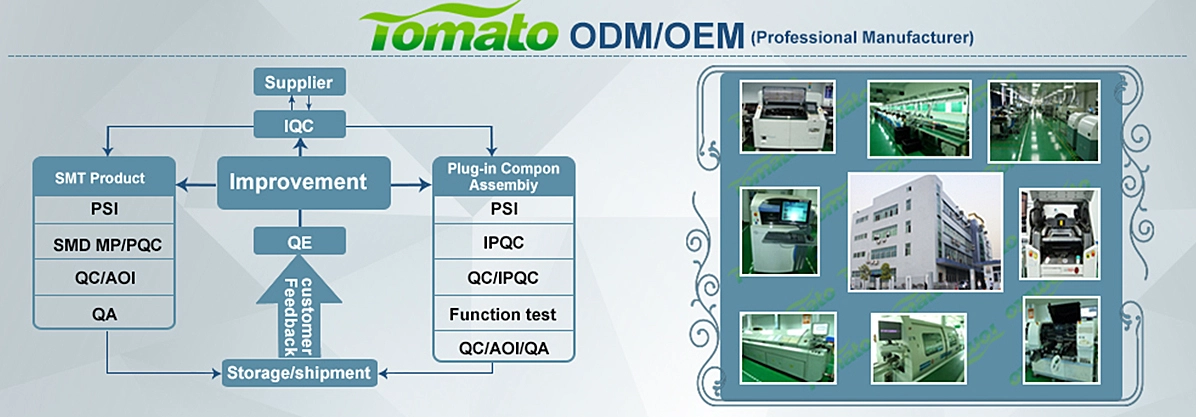
SZTomato supports this type of project through PCBA hardware modification, SDK/API integration and custom UI/UX firmware development, rather than restricting OEM work to exterior branding.
Thermal Design Can Determine Long-Term TV Box Stability
A TV Box may operate correctly during a short laboratory test but become unstable after several hours of 4K decoding, network activity and application processing.
The reason is thermal.
High-performance SoCs generate substantially more heat than entry-level TV Box platforms. When the junction temperature rises, thermal-management mechanisms can reduce CPU/GPU frequency.
The result may appear to the customer as:
- Video frame drops
- Slower application response
- Network instability
- Random reboots
- Reduced decoding performance
- System freezes
Therefore, industrial TV Box projects may require:
- Enlarged heatsinks
- Thermal pads
- Improved airflow
- Custom enclosure ventilation
- Heat-spreader optimization
- Fan-assisted cooling
- Thermal monitoring
- Firmware-level power management
SZTomato can incorporate specialized cooling solutions into customized hardware designs where the operating environment and SoC workload require additional thermal capacity.
This is particularly relevant for commercial deployments where a TV Box may operate continuously rather than for a few hours per day.
Where the TV Box Market Is Going
The hardware architecture of TV Box products is moving toward three identifiable directions.
1. More efficient video processing
AV1 support is becoming increasingly important. Android's current TV compatibility requirements include AV1 decoding, making hardware codec capability increasingly relevant when selecting a platform for future product generations.
2. Higher-performance SoCs
Entry-level TV Boxes still prioritize low BOM cost, while premium and commercial platforms increasingly require more CPU/GPU capability, faster memory and dedicated AI processing.
Amlogic's current portfolio spans mainstream TV Box processors such as S905X5/S905X5M and higher-performance processors such as S928X and A311Y3.
The correct choice therefore depends on the application—not simply the benchmark score.
A basic IPTV box may require efficient 4K decoding and low power consumption. An AI-enabled commercial device may require additional CPU, GPU, NPU, I/O and thermal capacity.
3. The TV Box is becoming a computing endpoint
Android TV devices are increasingly capable of functions beyond video playback.
Android 16, for example, introduces a standardized Media Quality framework for picture and audio-quality controls, connecting application-level APIs with hardware-level HAL implementations.
For B2B manufacturers, this reinforces an important trend: the competitive value of a TV Box is shifting from the enclosure and basic playback function toward the complete hardware-software platform.
How B2B Buyers Should Evaluate a TV Box
Procurement managers and system integrators should evaluate a TV Box against the complete project specification.
| Evaluation Area | What to Verify |
|---|---|
| SoC | CPU, GPU, NPU, process node and lifecycle |
| Video | H.264, HEVC, VP9, AV1, 4K/8K capability |
| Memory | LPDDR configuration and bandwidth |
| Storage | eMMC capacity and endurance |
| Connectivity | Wi-Fi, Bluetooth, Ethernet, USB and HDMI |
| Security | DRM, secure boot, HDCP and protected media path |
| Firmware | Android/Linux version, kernel and driver support |
| OTA | Remote update architecture and rollback strategy |
| Customization | PCBA, SDK/API, UI/UX and enclosure options |
| Thermal | Heat dissipation under sustained workload |
| Production | MOQ, component availability and product lifecycle |
| Support | Engineering response and long-term firmware maintenance |
A supplier that can only provide a finished reference board may be sufficient for a low-cost generic product. A project requiring proprietary applications, modified interfaces, long-term OTA support or specialized hardware needs a deeper engineering partner.
Conclusion
A TV Box works by combining network connectivity, an SoC, hardware video decoding, an operating system, media frameworks, audio/video processing and HDMI output into one embedded platform. The visible function is simple—receive content and display it—but the engineering underneath involves multiple tightly coupled hardware and software layers.
For B2B applications, the decisive question is therefore not simply "How do TV Box work?" It is whether the selected platform can support the project's codec requirements, interfaces, firmware architecture, security model, thermal conditions and future software roadmap.
For procurement managers, IPTV operators, distributors and system integrators planning a customized TV Box, SZTomato provides OEM/ODM development covering PCBA modification, SDK/API integration, custom UI/UX firmware, Linux/Android optimization and specialized cooling solutions.
The right starting point is the project specification: required SoC, codec, interfaces, operating system, application environment, deployment quantity and expected service life. From there, the hardware and firmware architecture can be engineered around the actual use case rather than forcing the project into a generic TV Box design.